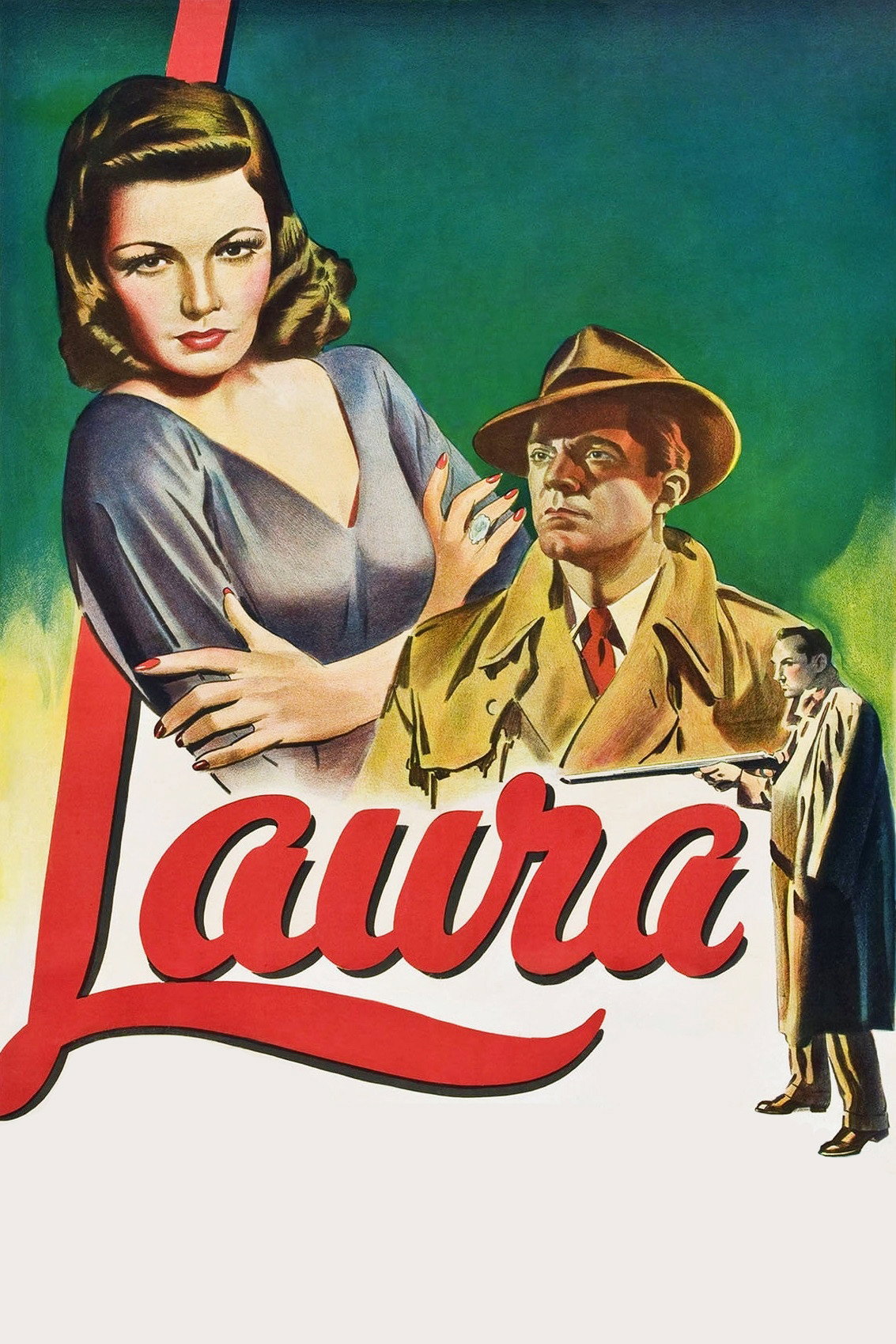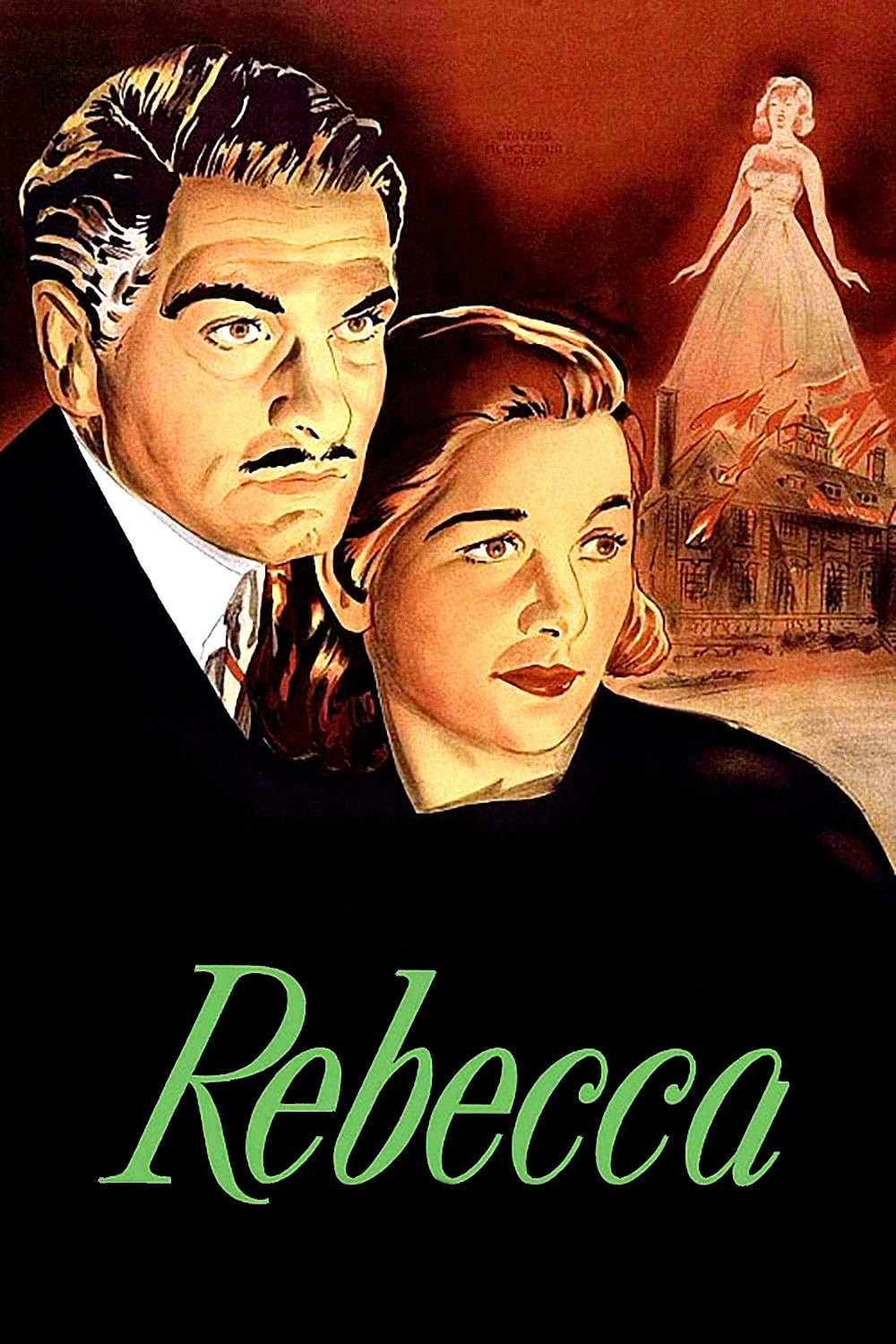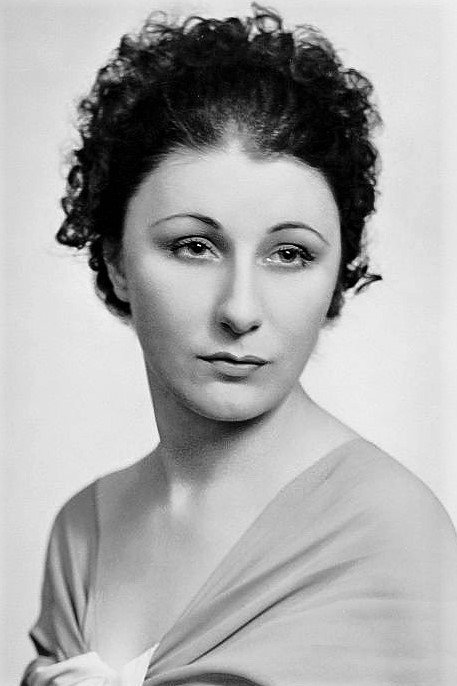
Judith Anderson makes menace personal: her Mrs. Danvers is frightening because the attachment matters to her. We value the unsentimental directness, too, which gives Laura welcome relief from its characters’ longing.
Fi1m perspective
In Rebecca (1940), Judith Anderson’s Mrs. Danvers makes the new marriage feel like an intrusion. Her attachment to Rebecca has an intimacy that Alfred Hitchcock allows to remain troubling, without reducing it to a neat explanation. We found her frightening because she never offers the relief of playing an amusing villain. Beside Joan Fontaine’s painfully insecure character, Anderson makes the danger of being diminished feel immediate. It is an absorbing performance, and a strong reason to stay with a film whose closing stretch is less assured.
She began working in films in 1933, and Rebecca was her screen breakthrough. Her reputation as a stage tragedian included Lady Macbeth and the title role in Medea (1947), work that matters when considering a film career largely made up of supporting parts. The angular features and velvety voice were well suited to the intense, often sinister women she played. That pattern can encourage a narrow reading of her, as though making people uneasy were all she had to offer.
Laura (1944) gives us a useful reason to resist that reading. Anderson’s Ann Treadwell has an unsentimental directness that prevents the romantic longing around her from becoming solemn. Vincent Price makes Shelby Carpenter enjoyably accommodating without making him reassuring, while Anderson supplies a welcome bluntness. Otto Preminger gives each personality enough time to register, then lets another freshen the scene without making the previous encounter feel unfinished. Louis R. Loeffler’s editing keeps the changing impressions clear; Anderson belongs to this carefully timed ensemble, and the film does not need to exaggerate her contribution.
Later film parts included Big Mama in Cat on a Hot Tin Roof (1958), but our strongest recommendations remain these two earlier performances. Hitchcock finds the danger in her intensity, and Preminger finds a use for her bluntness that is almost a relief. Start with Rebecca, then watch Laura before deciding she was only good at frightening people.
Biography
Dame Judith Anderson (born Frances Margaret Anderson, 10 February 1897 – 3 January 1992) was an Australian actress whose career spanned stage, film and television. Born in Adelaide, she made her professional stage debut in Sydney in 1915 and moved to New York in 1918. She became a leading performer on Broadway from the 1920s onward.
Anderson was acclaimed for classical stage roles including Lady Macbeth (first played in the 1920s) and the title role in a 1948 production of Medea, for which she received a Tony Award. She won two Emmy Awards, including for a 1960 television production of Macbeth. She was appointed DBE in 1960 and AC in 1991.
Her film work included the role of Mrs. Danvers in Alfred Hitchcock's Rebecca (1940), for which she received an Academy Award nomination for Best Supporting Actress. Other screen credits include Laura (1944), And Then There Were None (1945), Cat on a Hot Tin Roof (1958) and Star Trek III: The Search for Spock (1984).