Film review

Laura

1944 · Directed by Otto Preminger · 1h 28m

In a sentenceClifton Webb makes good manners sound like something the police ought to investigate

DramaMystery

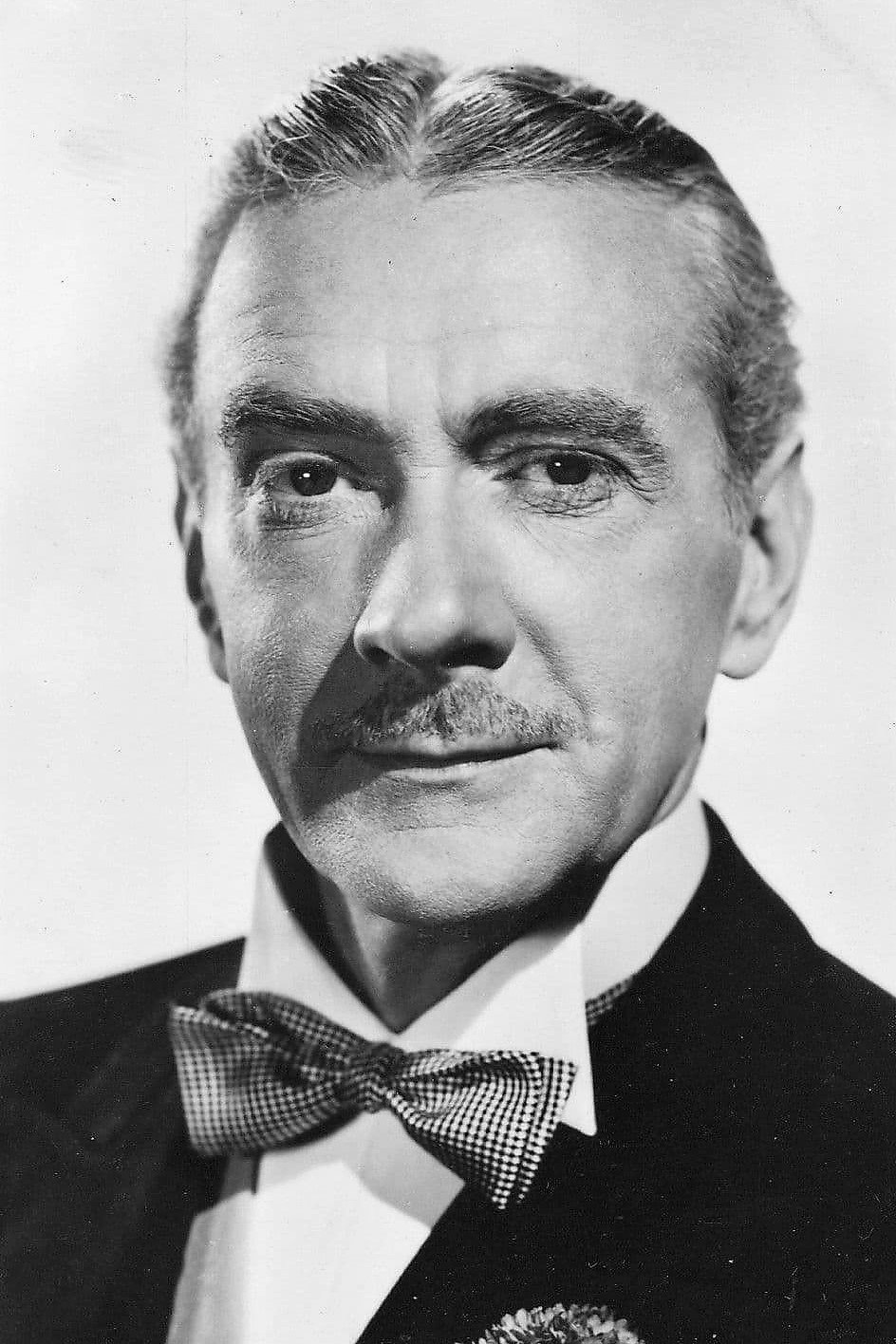
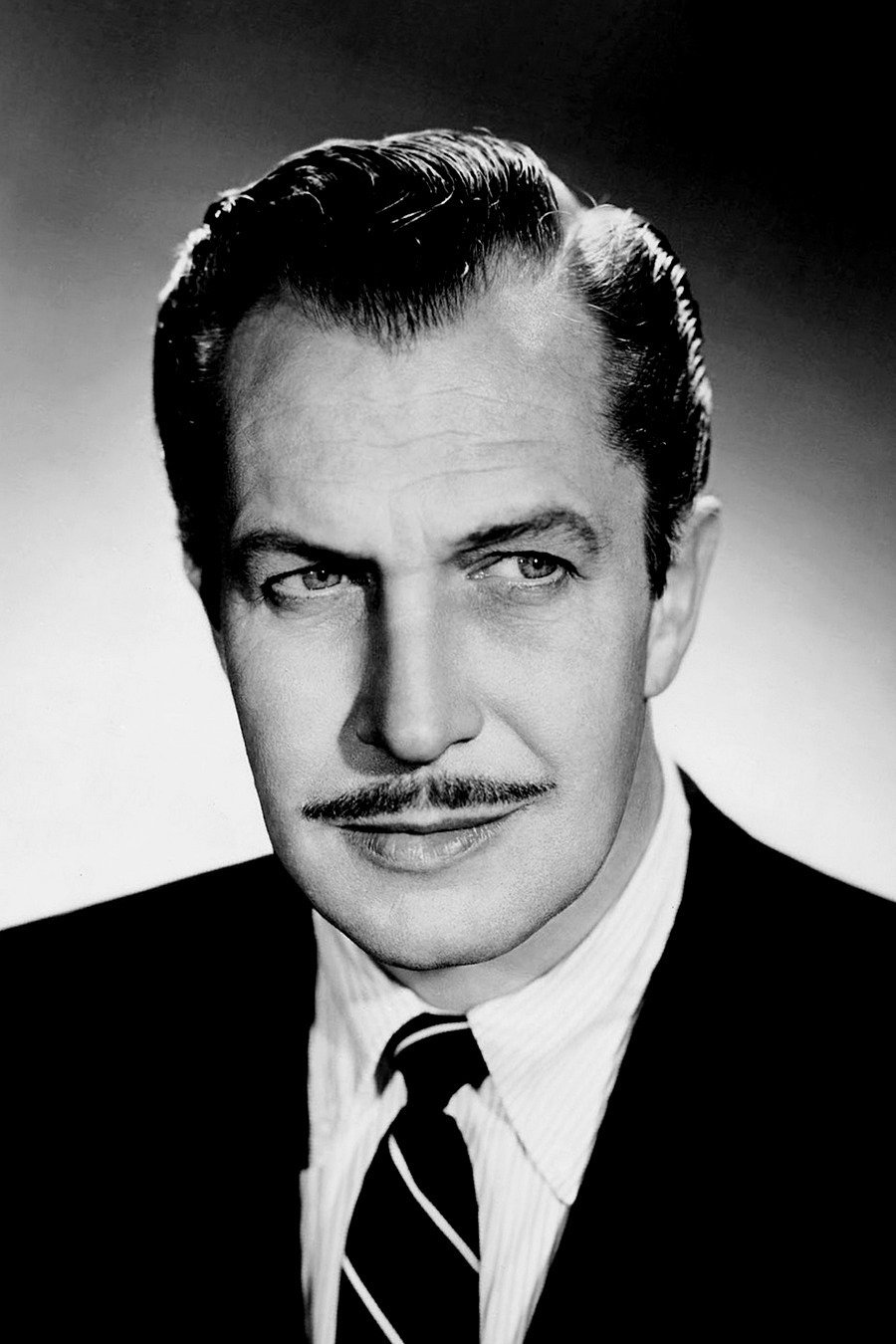
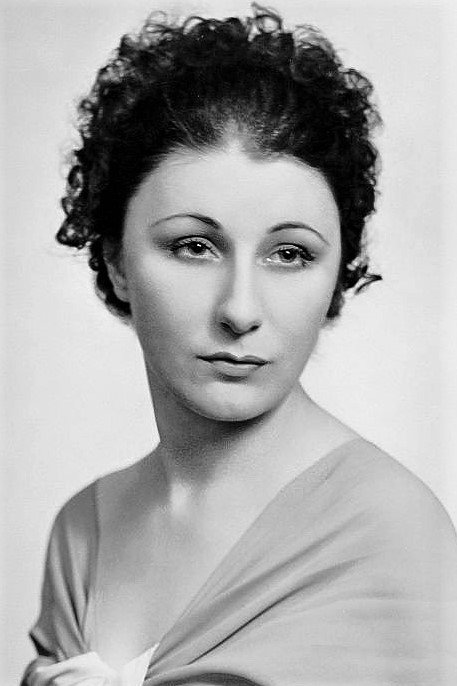
Det. Lt. Mark McPherson (Dana Andrews) is the detective at the centre of a mystery surrounding Laura Hunt (Gene Tierney). Waldo Lydecker (Clifton Webb), Shelby Carpenter (Vincent Price) and Ann Treadwell (Judith Anderson) belong to a circle in which love and suspicion become difficult to separate. McPherson wants answers about Laura, but other people’s feelings about her complicate the task. Admiration comes mixed with possessiveness, and those drawn to her have their own ideas about the woman she is. The mystery concerns Laura and the desires of the people who believe they understand her.

Fi1m review

Otto Preminger’s Laura is a gripping romantic mystery, especially when Clifton Webb makes admiration sound threatening. Its detective plotting sometimes feels overarranged, but the performances and David Raksin’s score warrant a warm recommendation.

Otto Preminger’s Laura is a gripping mystery about men who think admiring a woman gives them some claim over her. Their certainty is unsettling, especially because they can make it sound so civilised. The director allows us to enjoy their company long enough for their possessiveness to become uncomfortable. We recommend the film warmly, with a reservation about detective plotting that sometimes asks us to accept more than the characters have earned.

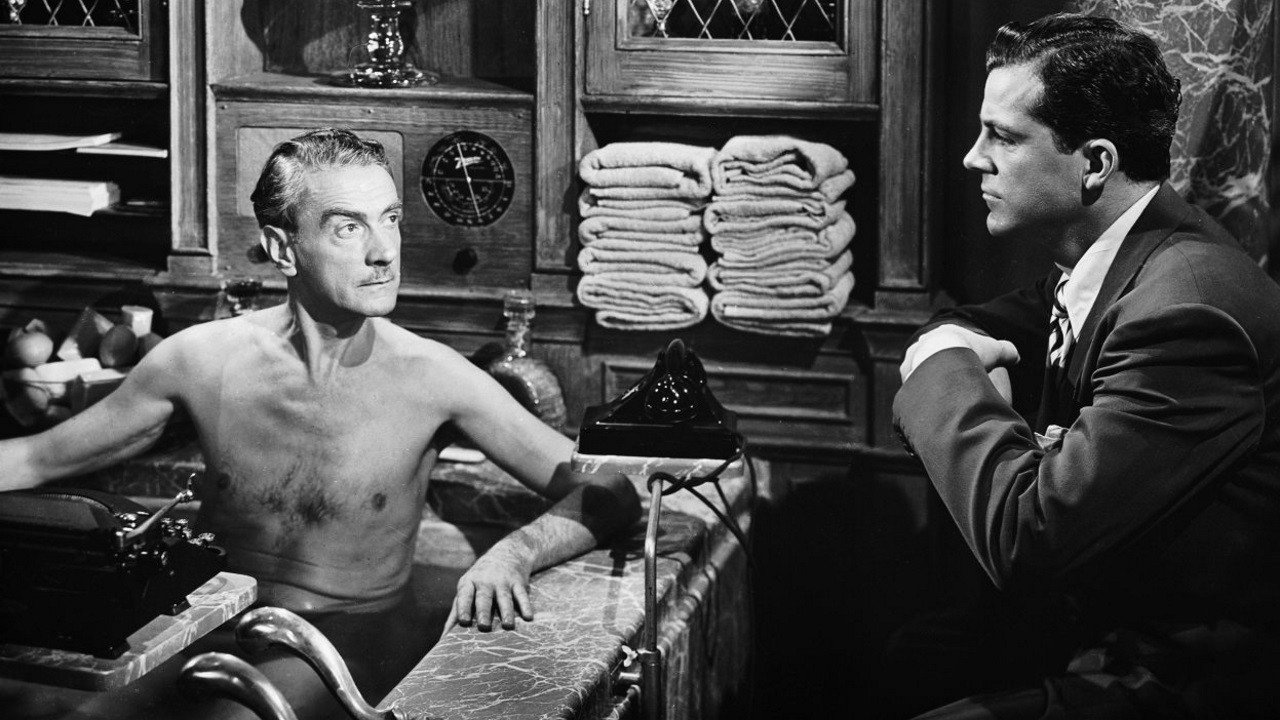
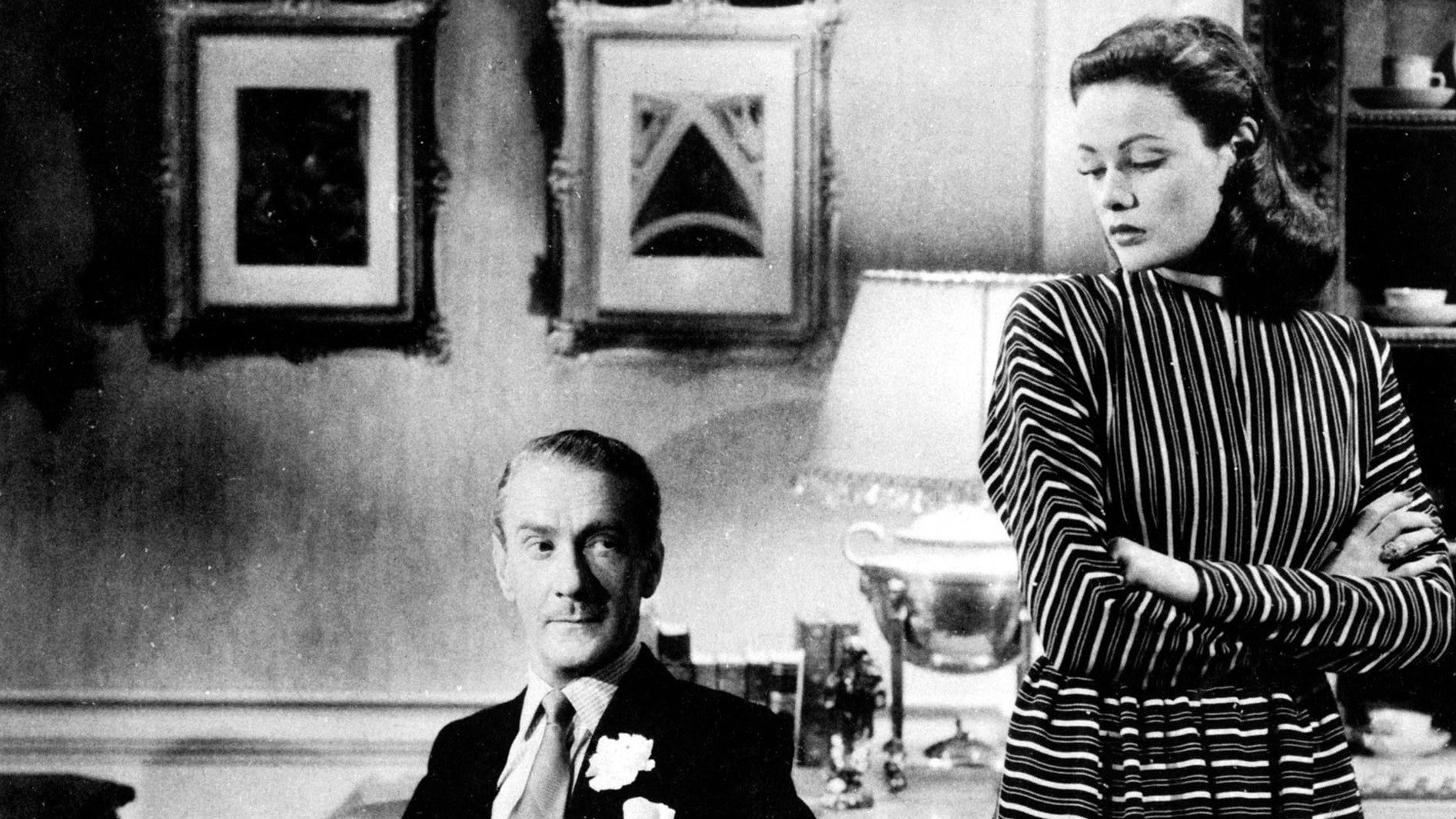
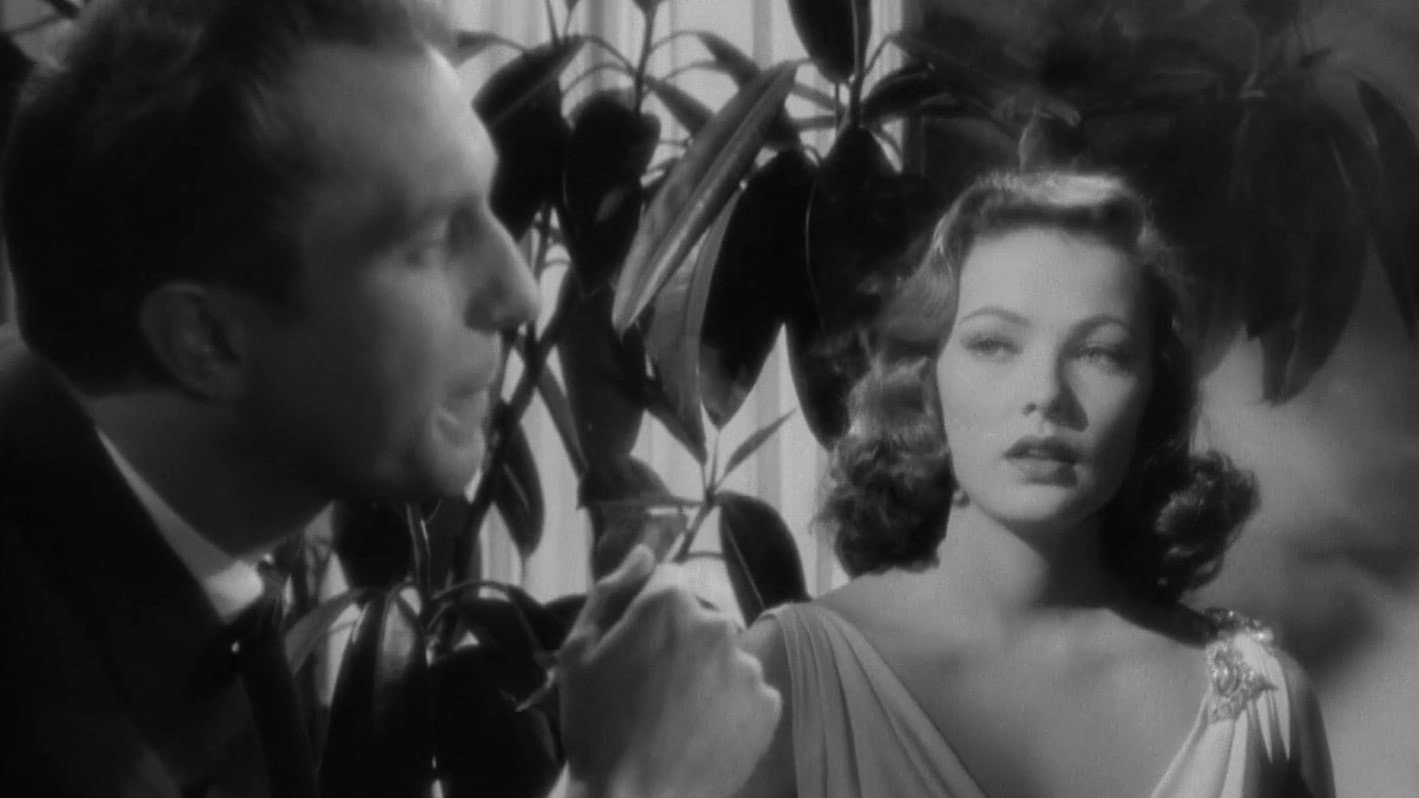
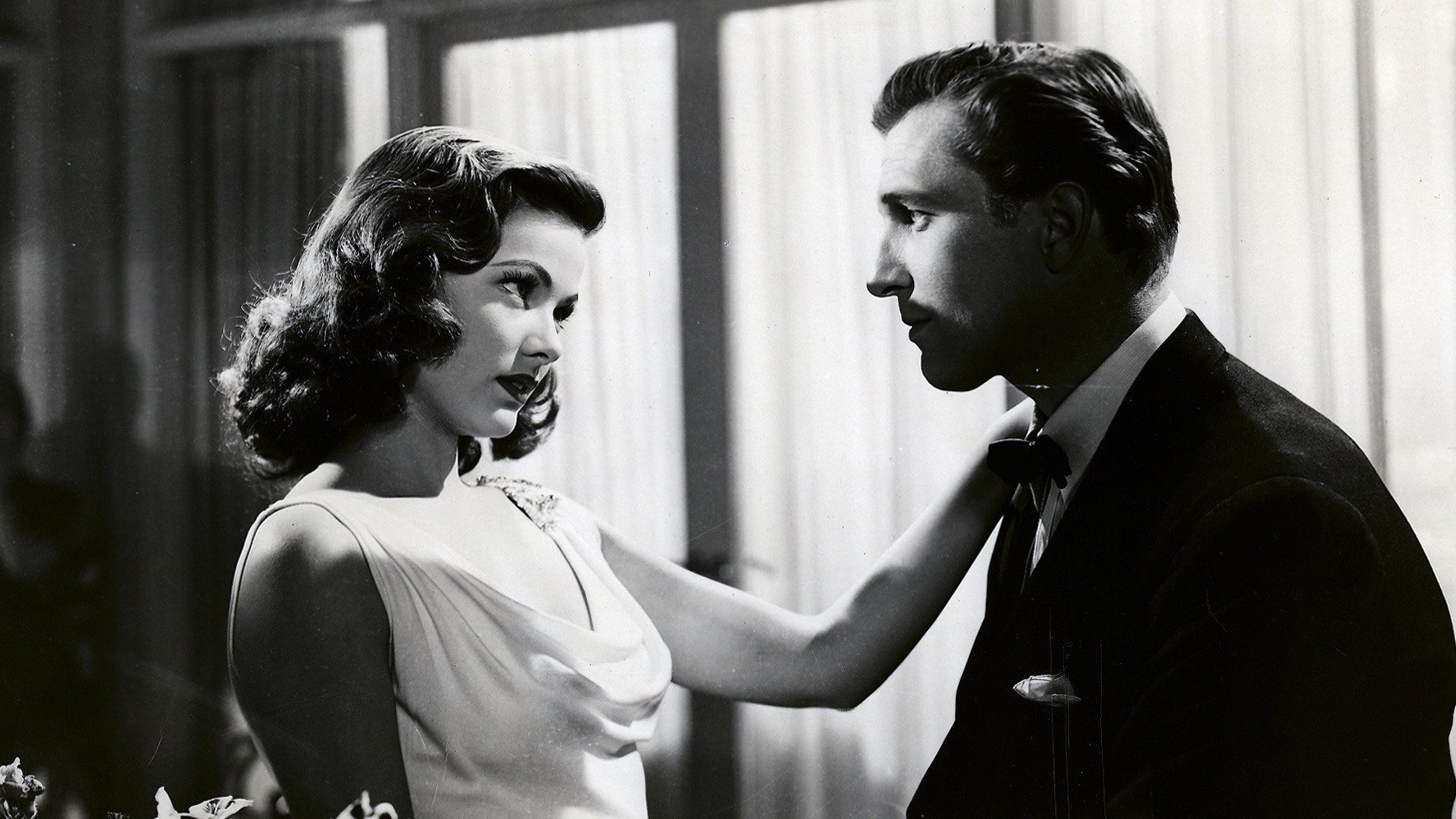
Clifton Webb, as Waldo Lydecker, is particularly good at making cruelty sound like a social accomplishment. He makes a dismissive remark seem carefully prepared, then makes the care itself funny: this man takes considerable trouble to be unpleasant. We laughed at his contempt, then felt uncomfortable with how readily his cultivated manner made it acceptable. The performance lets the possessiveness show without interrupting the pleasure of watching someone be so exact in his disapproval.

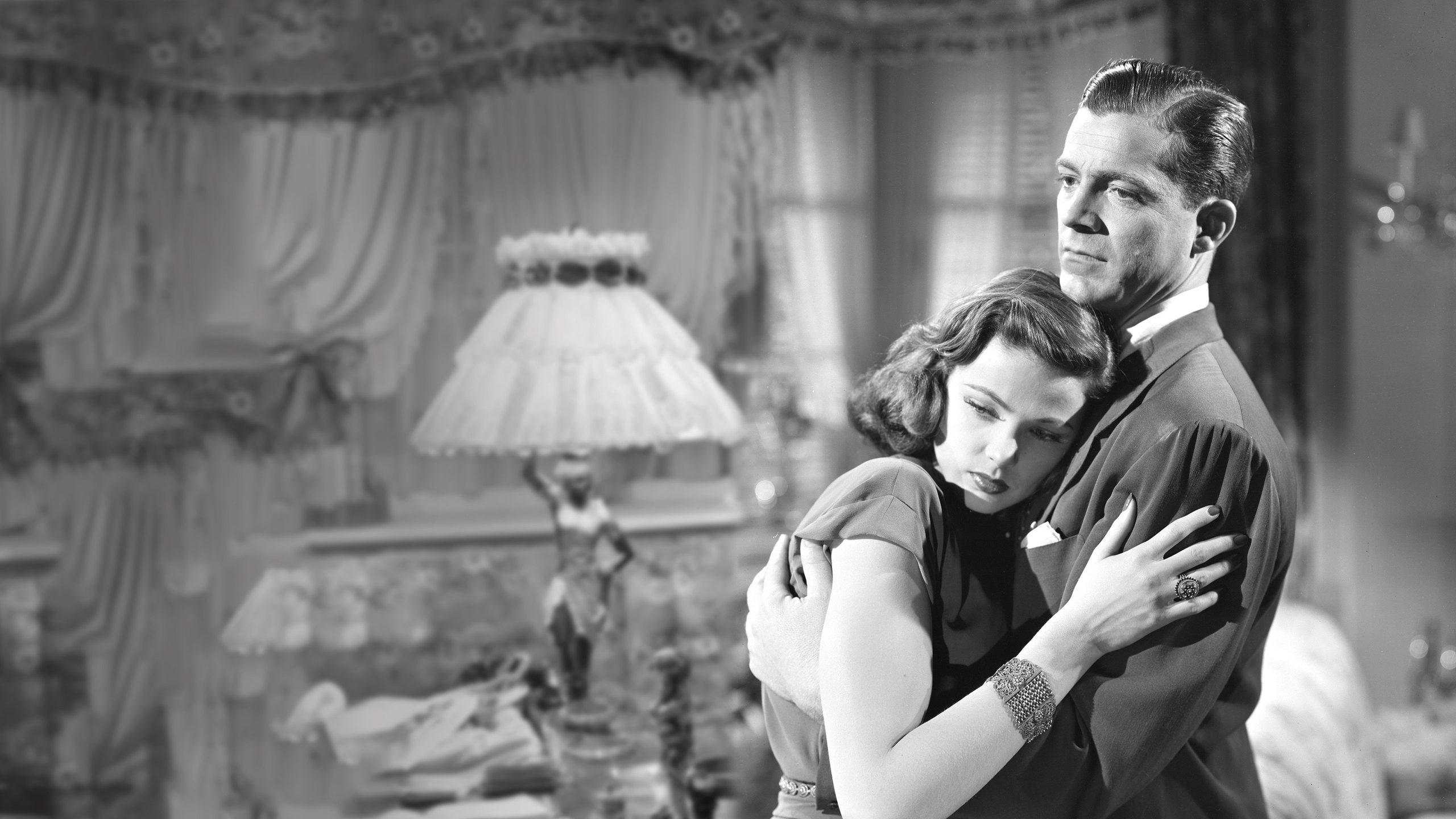
Dana Andrews gives Det. Lt. Mark McPherson a useful solidity beside that fussiness. His restraint makes small changes in his attention worth following, and he never seems anxious to compete for our approval. Gene Tierney, as Laura Hunt, has the more difficult assignment, since the film keeps inviting us to consider her through somebody else’s admiration. Her composure gives us something to study beyond the beauty; we become interested in how much of what others say about her we should accept.

Joseph LaShelle’s photography of Gene Tierney makes the men’s fascination easy to understand. The care given to her face encourages us to keep looking, even as the story makes that attention troubling. David Raksin’s score deepens the romantic feeling, giving their fascination a warmth that their behaviour cannot always supply. The music is persuasive enough to make us sympathetic to feelings we have good reason to distrust, and that complication is essential to the film’s appeal.

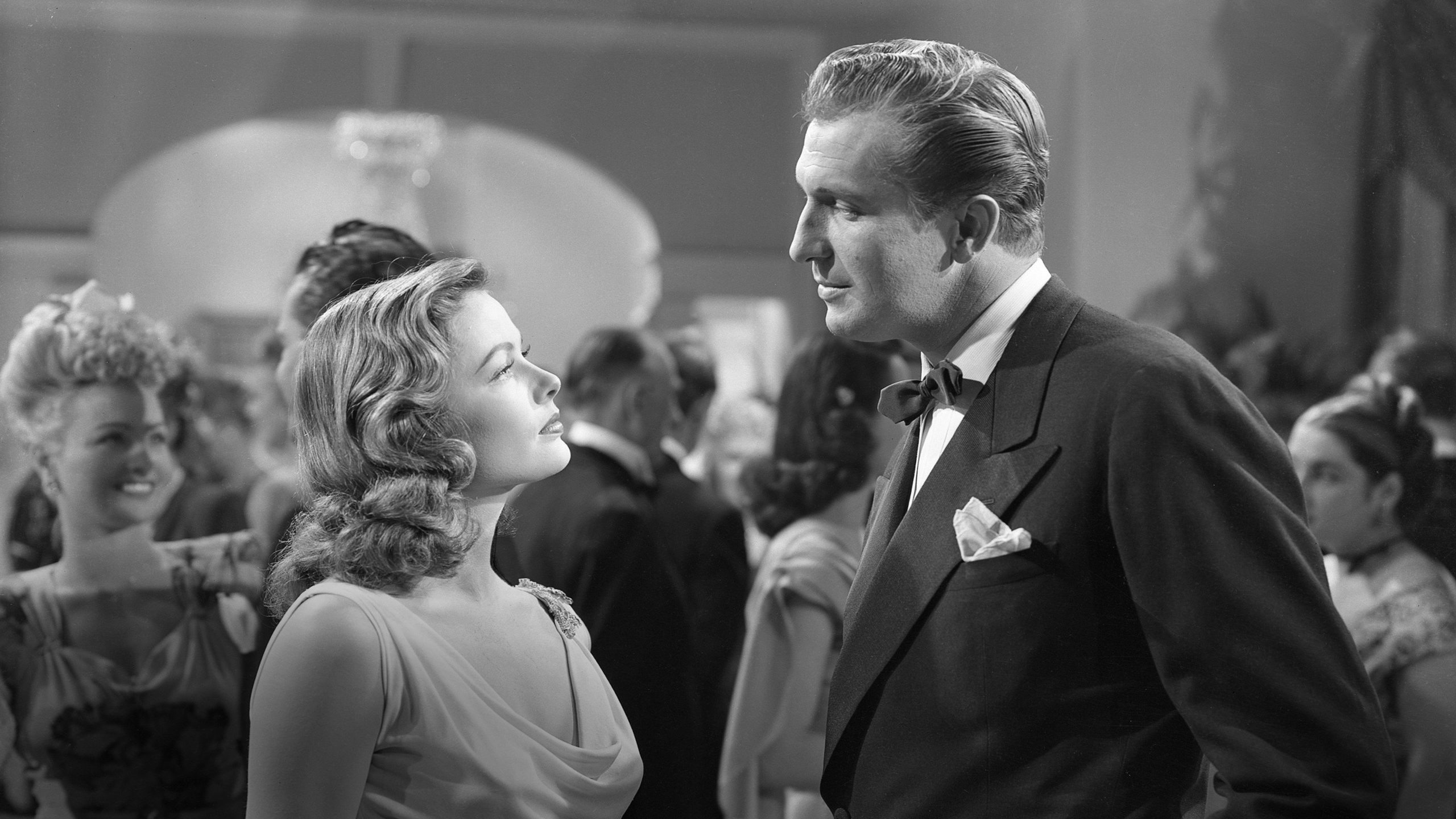
Louis R. Loeffler’s editing keeps the changing impressions of these people clear, and the 88-minute running time feels well judged. Vincent Price gives Shelby Carpenter an accommodating charm that makes him enjoyable company without making him reassuring. Judith Anderson’s Ann Treadwell brings an unsentimental directness that prevents all this longing from becoming solemn. The director has a good sense of how long to leave us with each performer, and when another personality will freshen the scene without making the previous encounter feel unfinished.

The screenplay, credited to Samuel Hoffenstein, Elizabeth Reinhardt, Jay Dratler and Ring Lardner Jr., is less convincing when it starts putting everything in order. We can feel the effort of arranging the explanation, and some of the dialogue loses its bite when it has information to deliver. That matters in a mystery, even one whose characters remain so watchable. These people have been allowed enough vanity and inconsistency to make the tidying-up feel a little too convenient.

As a noir, Laura finds plenty to trouble us in people who believe they have excellent taste. The vanity, jealousy and pleasure in being preferred are familiar enough, and the director trusts the actors to make them troublesome. Even when the mystery feels contrived, we are still interested in who will be allowed to speak for whom. Watch it for Clifton Webb, and allow David Raksin’s music to make the company seem more inviting than it deserves.
Critical consensus AI synthesised

84
Positive
10
Mixed
0
Negative
1

Most critics respond warmly to Laura, praising Otto Preminger’s controlled direction and the way its romantic mystery draws on male obsession and fantasy. The praise clusters around the photography, the memorable score and a cast led by Gene Tierney, with Clifton Webb’s caustic, unsettling performance receiving particular attention. Several reviews find the character portraits as absorbing as the detective story, while others emphasise the suspense and unpredictable plotting.

The spread is wide, though the disagreement comes chiefly from one negative review rather than a divided consensus. Time Out finds the personalities and direction more compelling than the mystery itself, a reservation within an otherwise positive assessment. The New Yorker’s 1944 review dissents much more sharply, dismissing the film as an ordinary detective picture with uninteresting characters and clichéd dialogue. Even that review finds brief stimulation in Webb’s performance, making him a rare point of agreement across the divide.

Little White Lies
14 January 2019 · 5/5/5 · Matt Thrift
100

The critic hails the film as Preminger’s slyly subversive noir masterpiece and first great work, one ripe for rediscovery on Blu-ray. It is praised for its riveting, erotic qualities and masterful handling of character and convention.

Read the full review →
Radio Times
★★★★★ · Tony Sloman
100

The critic calls it a taut romantic mystery that encapsulates film noir, with moody stark direction and matchless score. Gene Tierney, Vincent Price and especially Clifton Webb’s caustic performance are highlighted as key strengths.

Read the full review →
Empire
27 February 2006 · Angie Errigo
90*

The critic calls Otto Preminger’s film a superb and potent romantic thriller and a classic mystery. They single out the ravishing Gene Tierney, the cast including Dana Andrews and Clifton Webb, the Oscar-winning cinematography, twists, and haunting score as elements that fit together perfectly in this classic noir romance.

Read the full review →
Slant Magazine
18 February 2013 · Tina Hassannia
90*

The critic praises the Blu-ray transfer of this noir classic and highlights Preminger's refinement and restraint in adapting the story of masculine fantasy and obsession around an enigmatic woman. The film is singled out for its beguiling score, casting, and exploration of patriarchal desires.

Read the full review →
The Telegraph
90*

The piece hails Preminger's Laura as one of the finest and most immaculate examples of 1940s film noir, better even than Double Indemnity. It singles out the sumptuous plot, gorgeous lead performance and sublimely slimy villain for particular praise.

Read the full review →
The Times
11 January 2019 · ★★★★☆ · Ed Potton
90*

The critic calls Preminger's American breakthrough an immaculate film noir featuring exquisite Gene Tierney and a delicious switcheroo. They single out Clifton Webb's supercilious and creepy journalist as the star of the show.

Read the full review →

Cast

Stills

Awards

Academy Awards, 1945

Nominated
Best Art Direction, Black and White
Nominated
Best Director
Nominated
Best Supporting Actor
Nominated
Best Writing, Adapted Screenplay
Won
Best Cinematography, Black-and-White

If you liked this, try…

Rebecca poster85

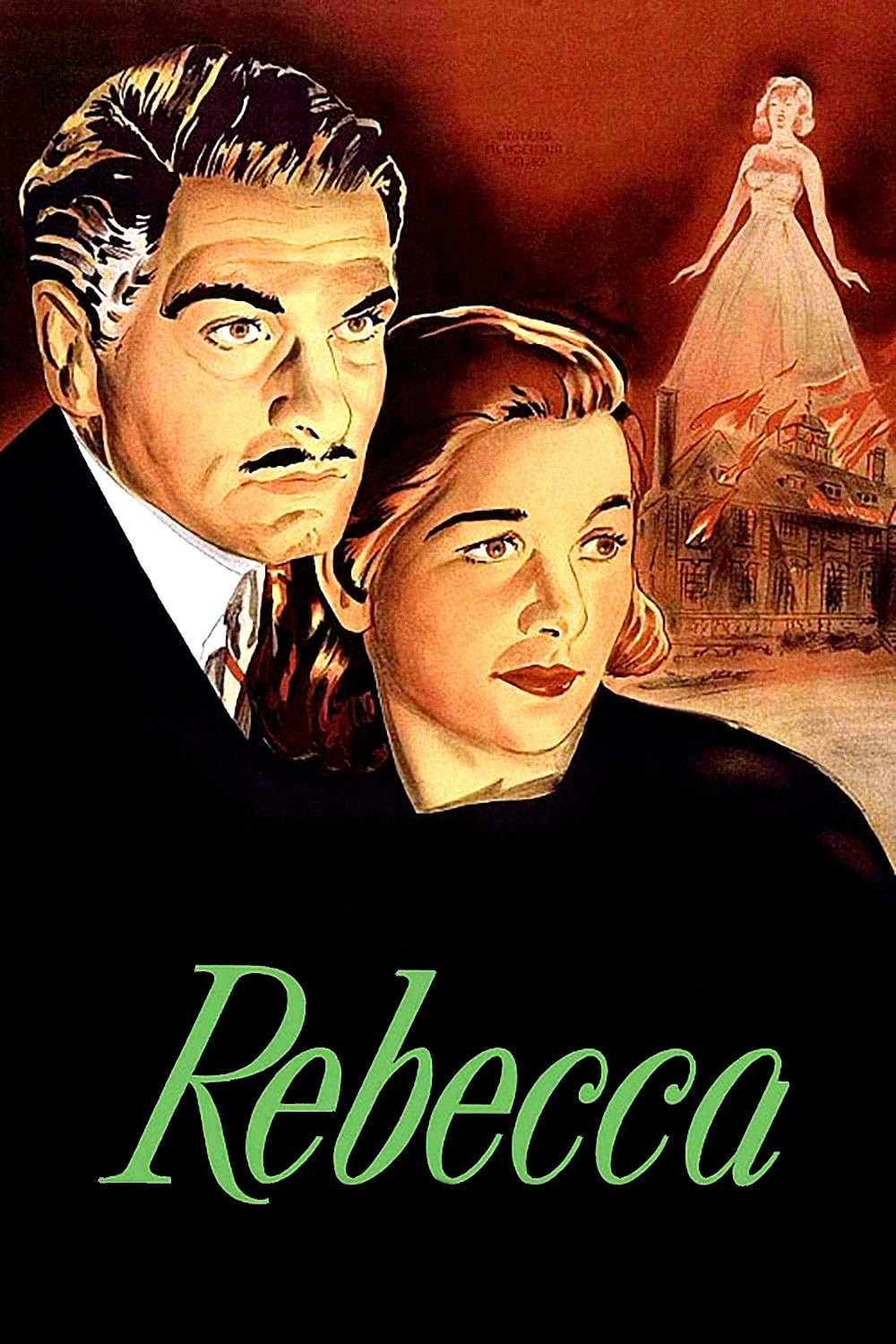
Rebecca

1940 · Another romance in which loving a woman includes inventing her.

Vertigo poster92

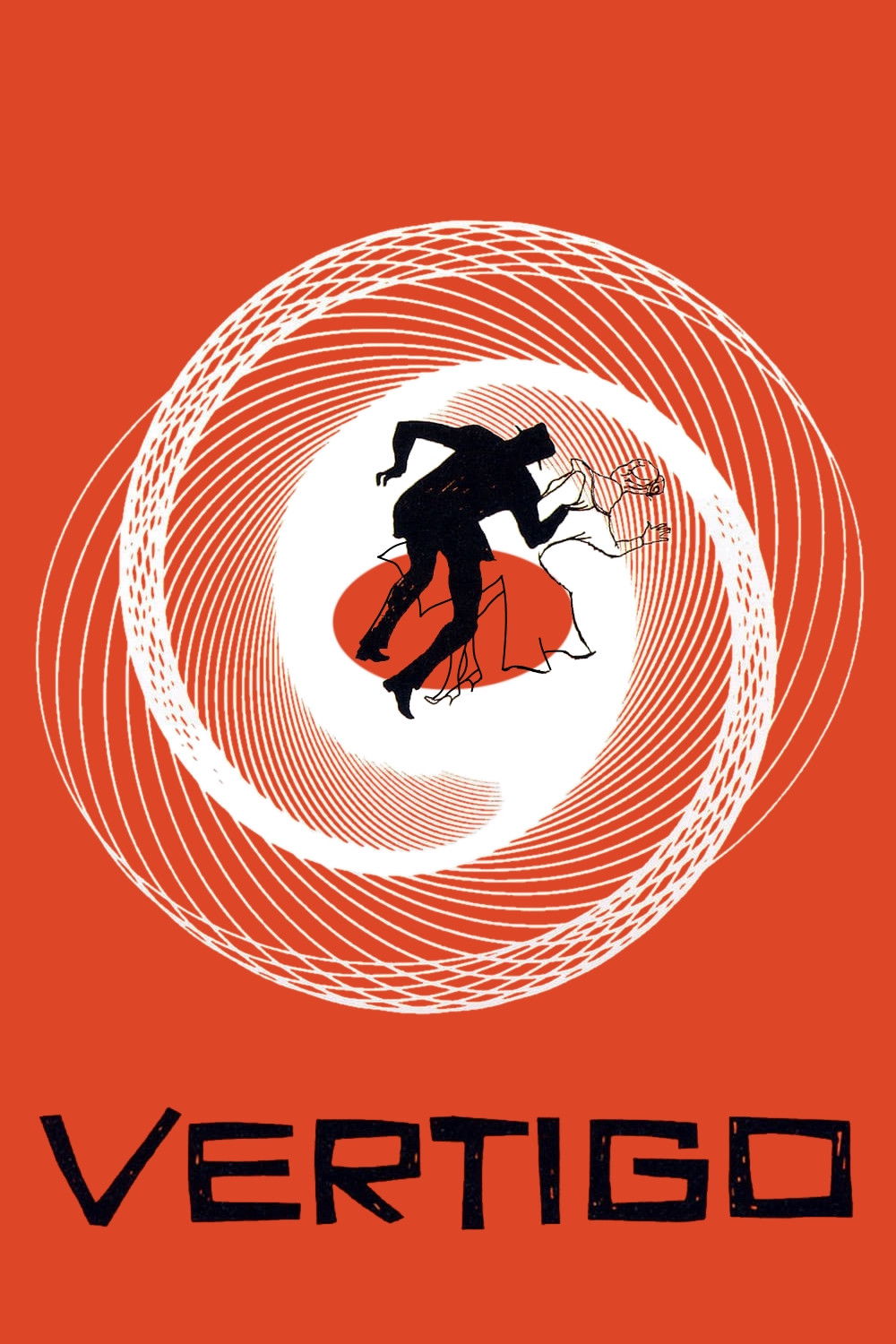
Vertigo

1958 · For a more troubling examination of desire, scrutiny and self-deception.

Les Diaboliques poster

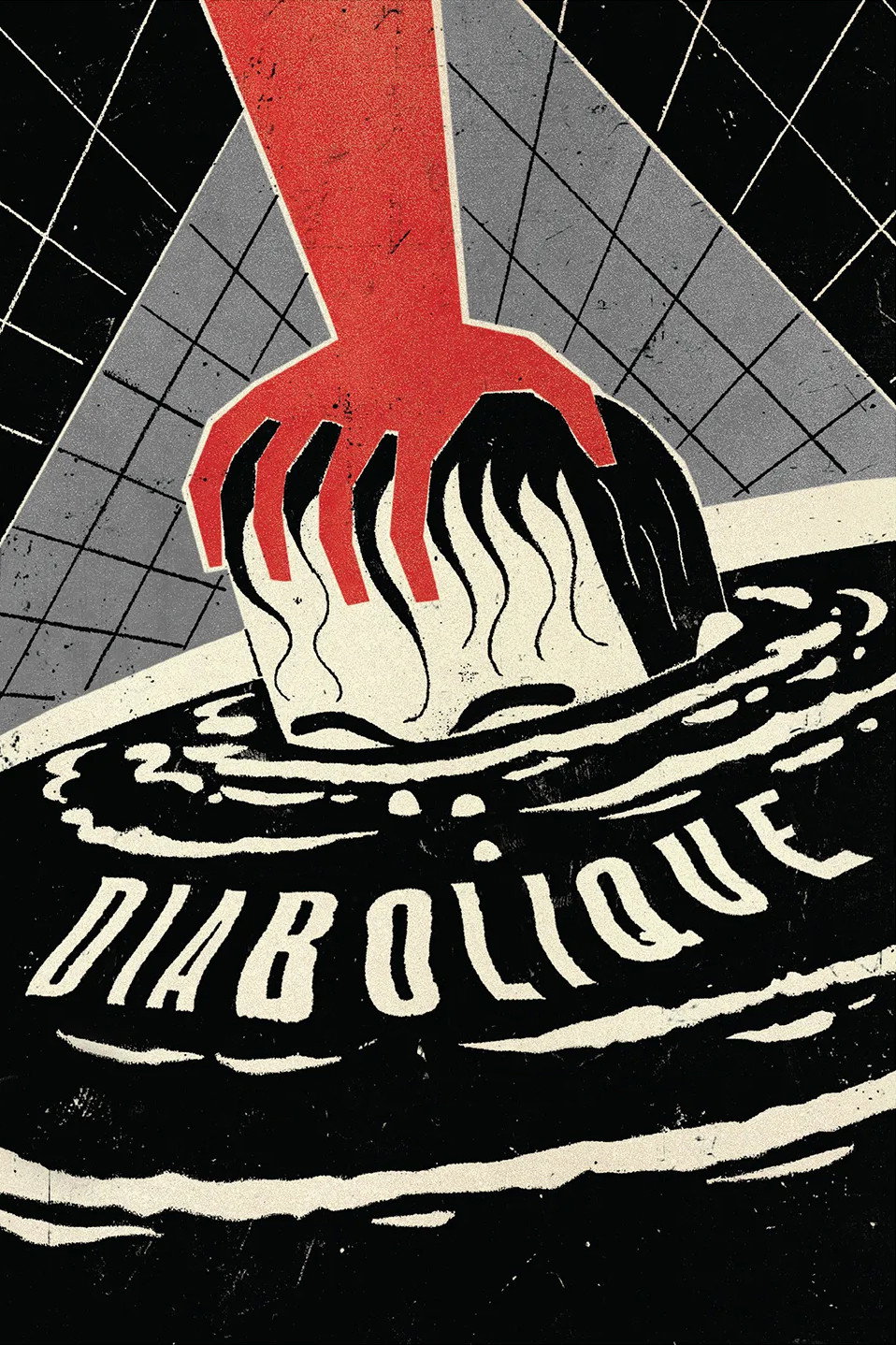
Les Diaboliques

1955 · A tightly controlled mystery with equally unhealthy feelings beneath the manners.

Phoenix poster

Phoenix

2014 · A woman’s identity becomes the subject of other people’s convenient assumptions.

Decision to Leave poster

Decision to Leave

2022 · A detective’s fascination complicates a mystery built from glances and evasions.