Hitchcock’s romance makes a detective’s fascination deeply uncomfortable, with James Stewart and Kim Novak giving it painful conviction. The mystery is far-fetched and some journeys drag, but we would not trade its patience for a brisker thriller.
Vertigo is an unnerving romance, and we would recommend it even to anyone who ordinarily avoids thrillers. Alfred Hitchcock makes the simple act of following a woman through San Francisco so absorbing that we can almost overlook how troubling it is. James Stewart’s detective, Scottie Ferguson, watches Kim Novak’s Madeleine Elster and becomes obsessed. The film asks us to spend time inside that obsession, with little of the comfortable distance that usually comes with watching a detective work.
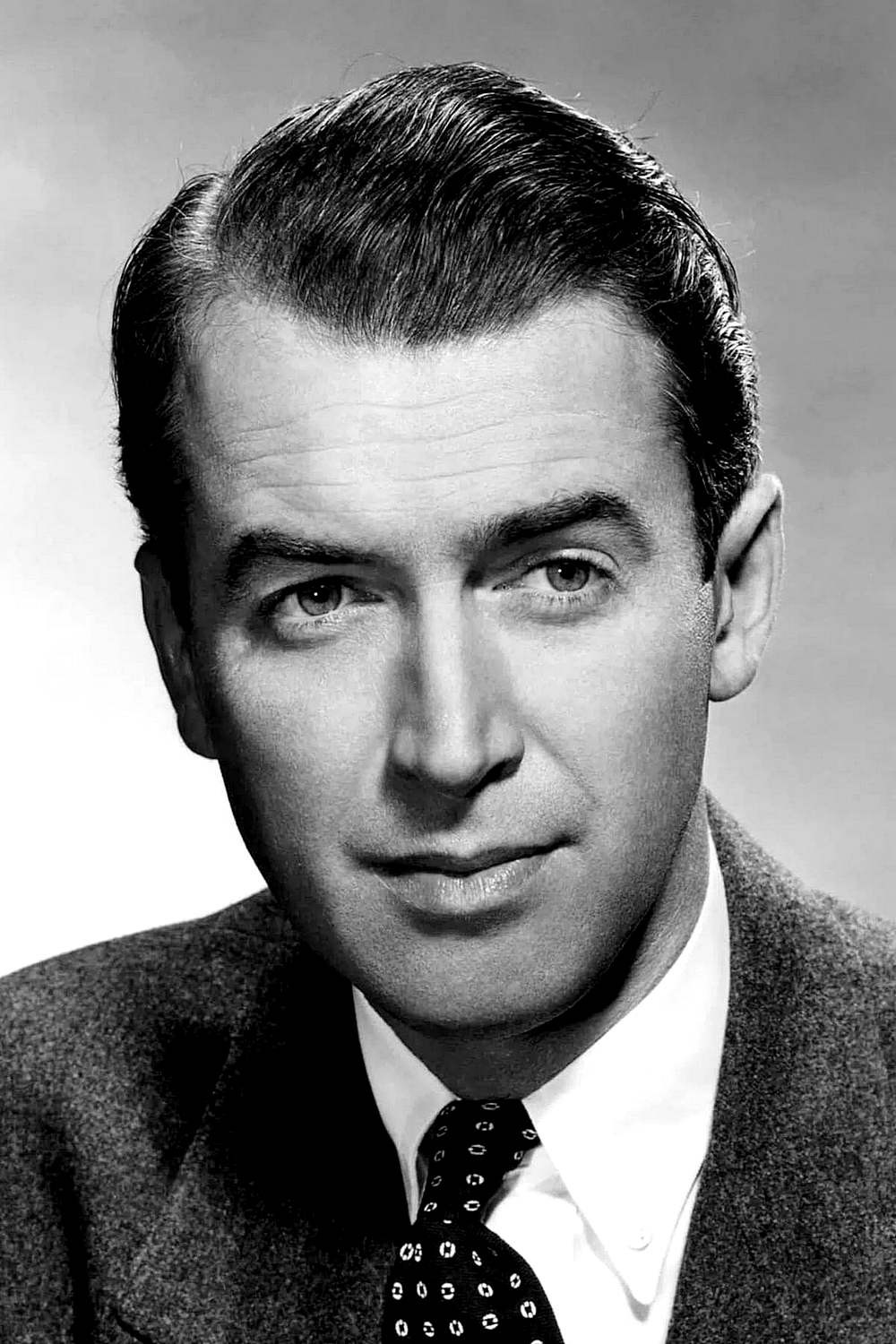
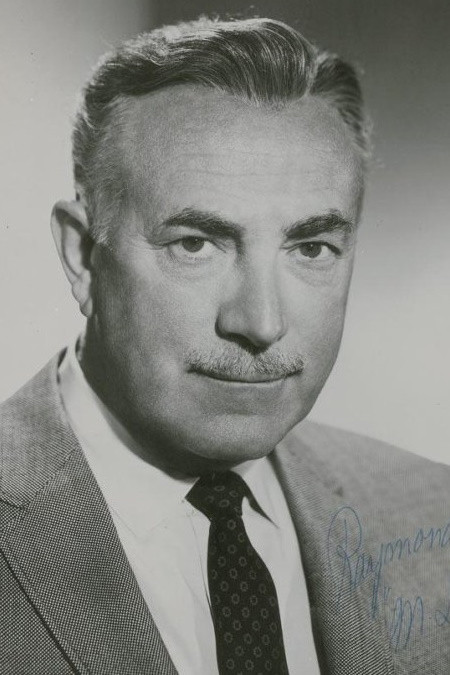
Stewart gives Scottie enough ordinary human appeal to make that invitation difficult to refuse. His concentration becomes oppressive, though, and there is something disturbing about how much emotional weight he places upon a woman he is watching. We felt uncomfortable during the prolonged following sequences, because his interest starts to seem like an entitlement to her life. Stewart allows that discomfort to accumulate without making Scottie someone we can dismiss and stop thinking about.
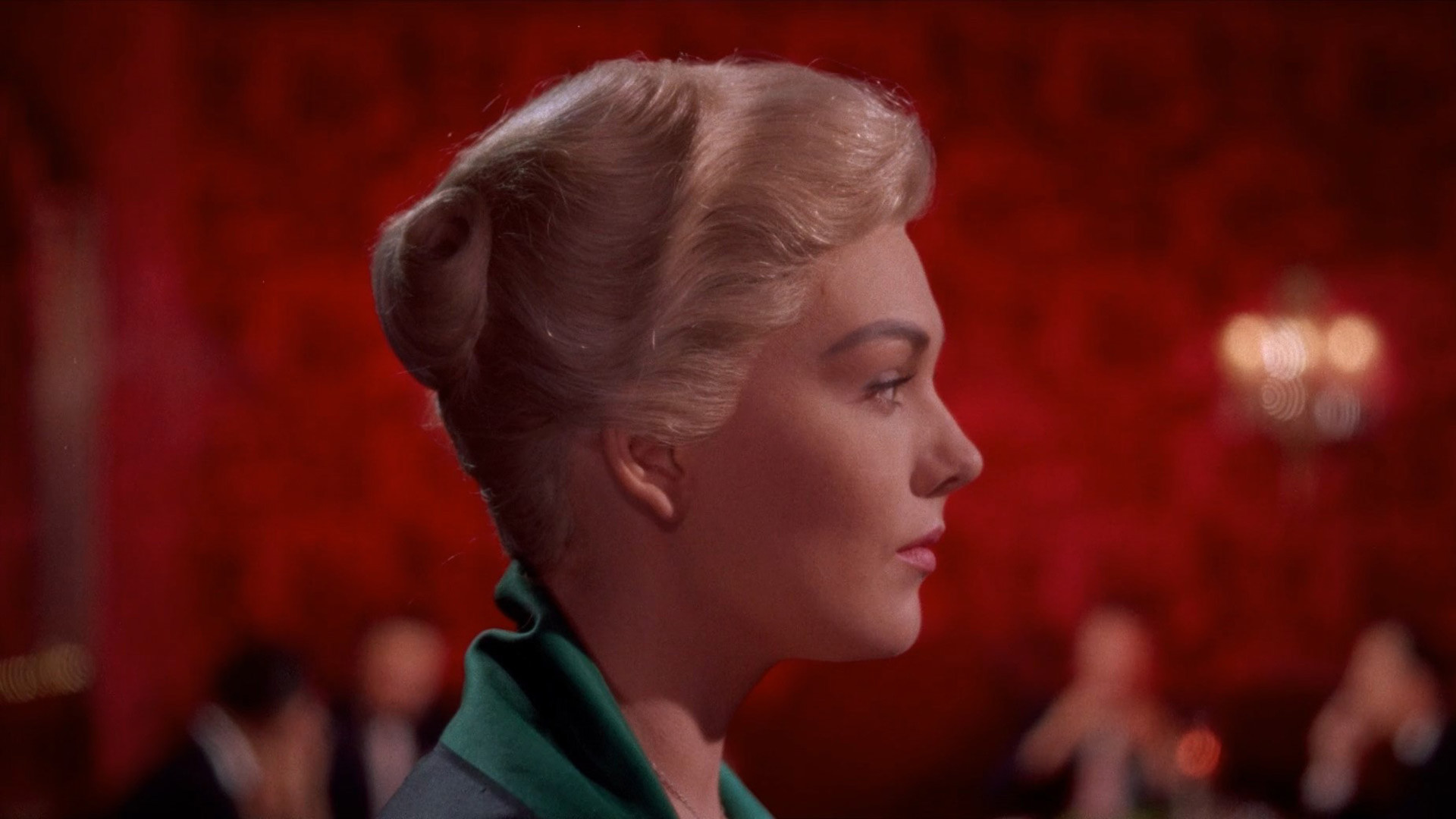
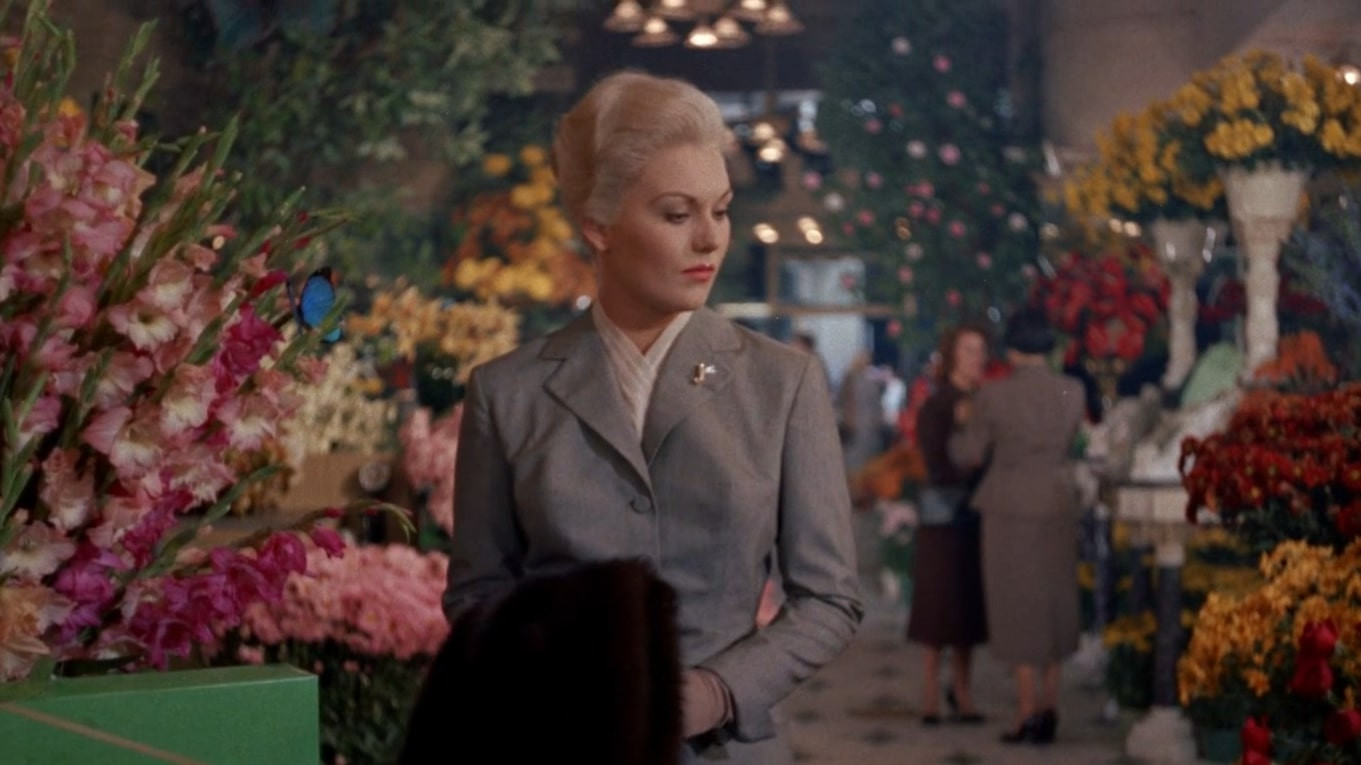
Novak’s performance is just as important, and harder to discuss without giving things away. Madeleine must hold Scottie’s attention and ours, while remaining someone whose behaviour he cannot simply explain. Novak makes the uncertainty affecting: there is a person under all that scrutiny, even when the detective seems more interested in his idea of her. The film’s treatment of women can be uncomfortable, but her performance gives us good reason to question the man doing the looking.
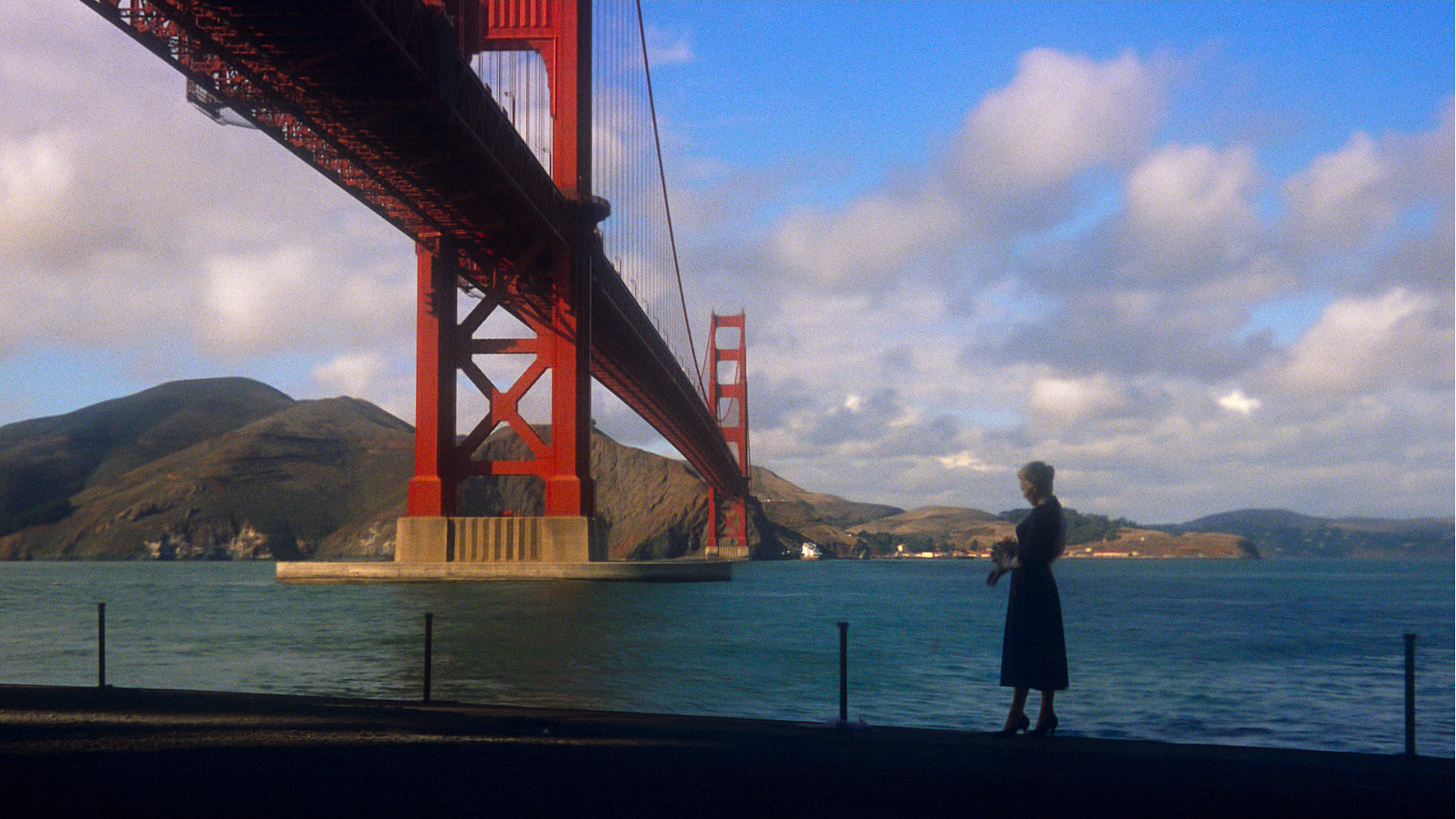
Robert Burks’s photography gives San Francisco a quiet strangeness, with slow camera movements that encourage us to search the city alongside Scottie. The locations become absorbing in themselves, which matters when so much time is spent travelling between them. George Tomasini lets the driving sequences run long enough for us to share Scottie’s fixation. A few shorter journeys would make the first half tighter without diminishing its unease.
Bernard Herrmann’s score makes those stretches feel emotionally urgent, even when the investigation itself is moving slowly. The music is full of longing, and it makes Scottie’s absorption in Madeleine persuasive before we have much reason to trust it. Hitchcock is generous with the time given to looking and listening; the feeling can develop without a conversation arriving to explain it. We would not want the film hurried into the shape of a more efficient thriller.
The plot is another matter, and Alec Coppel and Samuel A. Taylor’s screenplay does ask for some indulgence. Taken simply as a mystery to be solved, it is too far-fetched to bear close inspection. Yet the implausibility troubles us less than it might, because the performances make the desire and distress convincing. What matters most is how readily Scottie’s longing can pass for something admirable, and how uneasy the film makes that assumption.
We would take this over a tidier mystery that left its detective unquestioned. Hitchcock lets romantic fascination become disturbing without making it seem inexplicable, which is more unsettling than a villain we know to distrust from the outset. There is enough recognisable longing in Scottie to make easy condemnation feel insufficient. Give it an evening when there is no need to hurry it along, and do not expect the romance to provide much comfort.