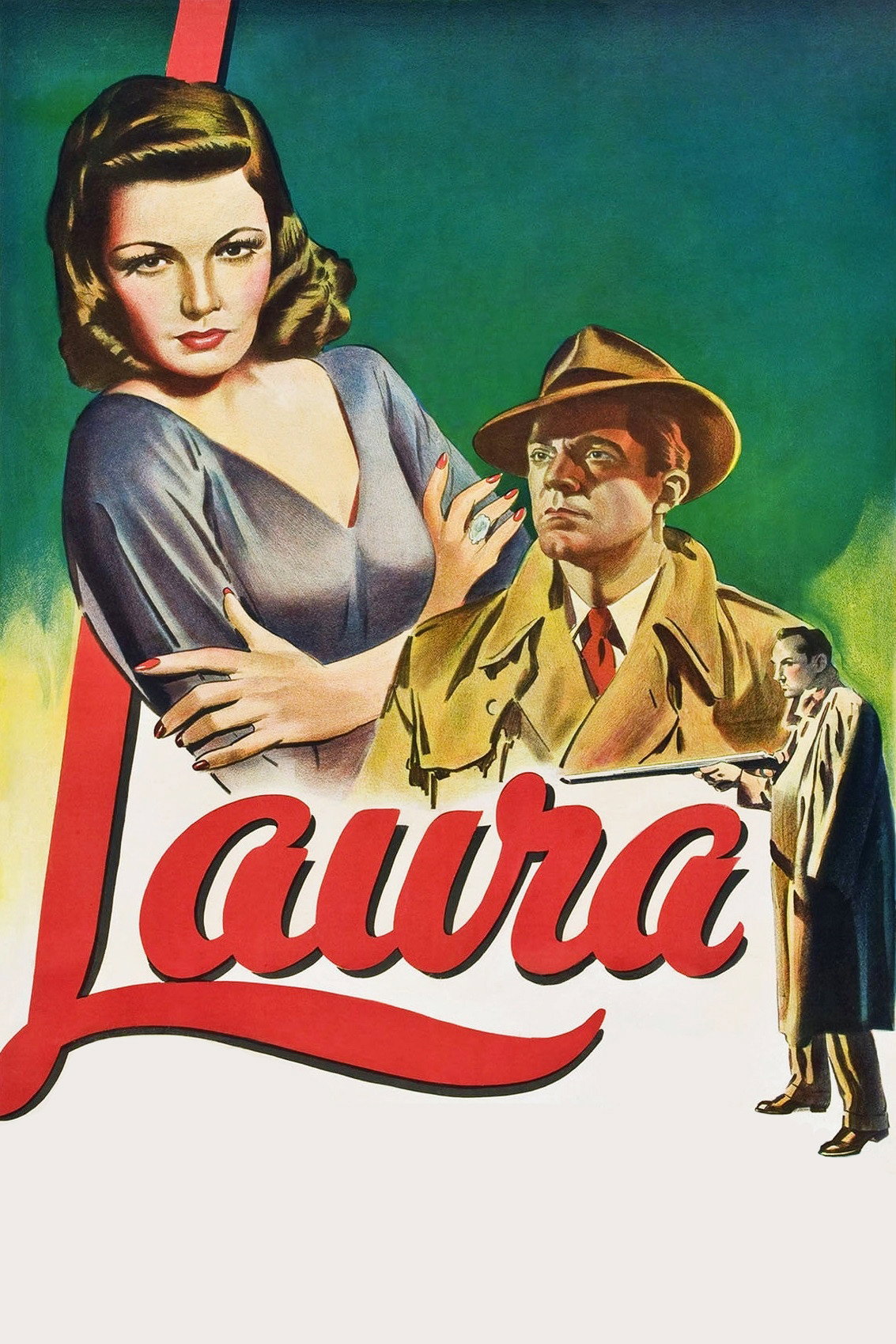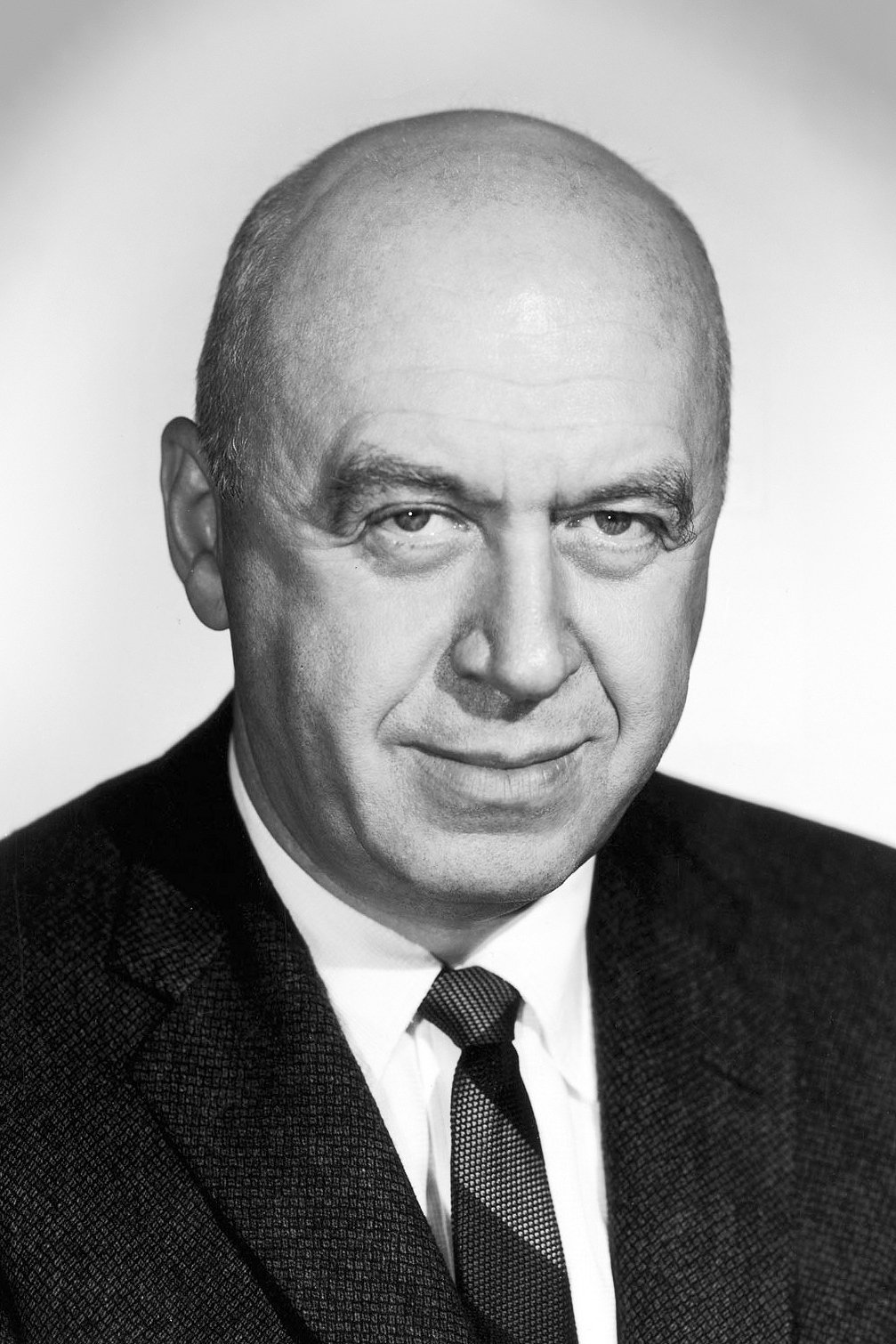
Otto Preminger is at his most persuasive when he lets apparently civilised people talk long enough to betray themselves. We recommend Laura warmly; its possessive men remain more convincing than some of its detective plotting.
Fi1m perspective
In Laura (1944), Clifton Webb makes admiration sound threatening while keeping his manners intact. Preminger lets us enjoy the company of men who believe that admiring a woman gives them some claim over her. We were unsettled by how civilised that possessiveness could sound. This is where we rate him most highly: giving people the time to reveal what is wrong with them without making them announce it.
His collaborators included cinematographer Joseph LaShelle, and his favoured tools were long takes, fluid camera movement and two-shots. Keeping two people in view lets us weigh their responses together, without a cut instructing us where to look or whom to believe. Preminger's reluctance to condemn or condone his characters works best when their behaviour gives us plenty to decide for ourselves. He is less interested in getting a case tidied away than in watching relationships change as people reconsider one another.
The breakthrough was Laura; the move from 20th Century Fox to independent production in the 1950s widened the subjects he could tackle. The drug addiction in The Man with the Golden Arm (1955) challenged the Production Code. Anatomy of a Murder (1959) took sexual frankness into a courtroom drama. These subjects could have invited lectures, and we value his refusal to turn the people involved into examples of how to behave.
There are limits to this approach, and the later films, particularly those after the mid-1960s, were often judged uneven or out of touch. Even Laura asks us to accept more from its detective plotting than the characters have earned. Clifton Webb's performance and David Raksin's score are ample compensation, and our recommendation remains warm despite that reservation. Begin there, and pay particular attention when someone sounds most reasonable.
Biography
Otto Preminger was an Austrian-born American film and theatre director, producer and actor. Born on 5 December 1905 in Wiznitz, Bukovina, Austria-Hungary (now Vyzhnytsya, Ukraine), he died on 23 April 1986 in New York.
He began his career in the theatre in Vienna, studying with Max Reinhardt, before directing his first film in 1931. After moving to the United States in 1935, he worked at Twentieth Century-Fox and achieved prominence with Laura (1944), which he directed and produced. He later directed a series of adaptations of novels and plays, including The Man with the Golden Arm (1955), Anatomy of a Murder (1959) and Exodus (1960). He received two Academy Award nominations for Best Director.