David Nicholls writes about ordinary, mostly decent people who cannot leave the past alone, and he is at his best when he lets them be funny about it. Patrick Melrose shows the gift and, in its later hours, the habit of tidying up after it.
Fi1m perspective
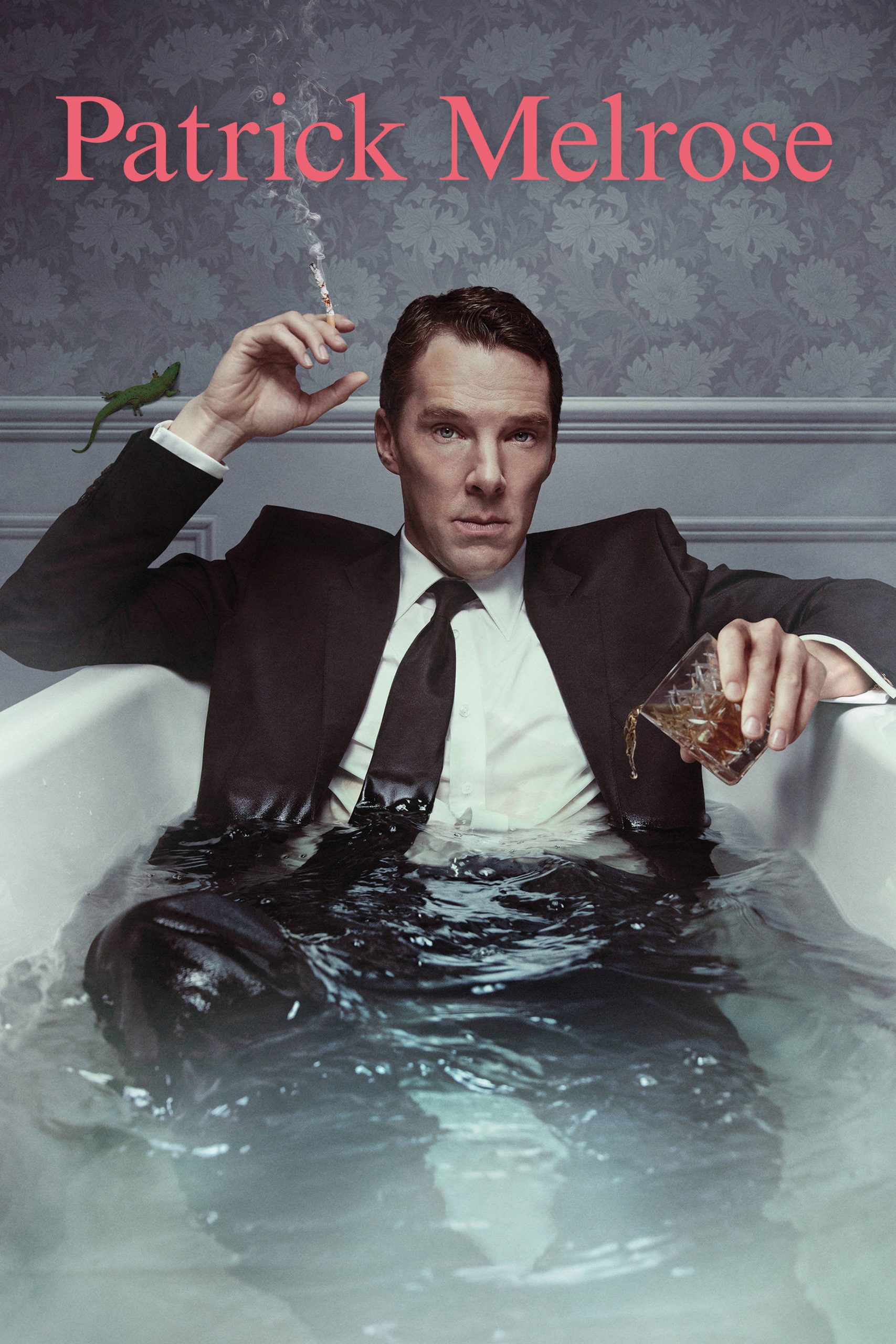
Patrick Melrose is in a New York hotel in 1982, high, with his father's ashes in a box, and he cannot stop talking. The joke and the injury arrive in the same breath, and that is where David Nicholls lives. He did not invent Patrick; Edward St Aubyn did, in five short novels. What Nicholls did was give each novel an hour, keep the dialogue quick, and let the series go back to the past as often as its hero does. It was the right plan, and the first two hours of Patrick Melrose (2018) are as good as British television drama gets.
He came to writing sideways. He was an actor first, in the late 1980s and 1990s, in rep and at the National Theatre, before script editing and television work on Cold Feet and Rescue Me. Then the novels: Starter for Ten in 2003, Us in 2014, and between them One Day (2009), which visits one couple on the same date every year for two decades and made his name. Since then he has alternated books of his own with adaptations of other people's, among them Thomas Hardy's Far from the Madding Crowd (2015). The subject hardly changes: middle-class people watching their lives go slightly wrong over a long stretch of time.
The gift is for talk. His characters are funny in the way people are funny when they are miserable and clever enough to know it, and he writes romantic comedy that keeps a hand on the melancholy underneath. We laughed harder at the first hour of Patrick Melrose than at anything Benedict Cumberbatch had done before, and the reason is on the page: Nicholls lets a man who is falling apart describe it in complete sentences, and never once stops to tell us it is sad. Cumberbatch, whom he has written for twice, is the actor who has served him best.
The habit is for tidying. Once Patrick is clean, the series has less to do, and each of the last three hours arrives at its lesson with a speech near the end so that nobody misses it, which St Aubyn's books were too cruel to allow. It is the same complaint others have made about the screen versions of his own novels, that the endings soften into sentiment, and about One Day in particular, that the romantic plotting is familiar. He knows it. He has asked, in an interview, "Could I ever write a book that had no romantic comedy elements in it at all, no love story? I don’t know if I could, or if I’d want to."
Give him a monster and he writes beautifully; give him a good man and he starts looking after him. The first two hours of Melrose are proof he can leave a scene without explaining it. We would like to see him do it for five.
Biography
David Nicholls is a British novelist and screenwriter. Born on 30 November 1966 in Eastleigh, Hampshire, he studied at the University of Bristol and the Royal Central School of Speech and Drama before working as an actor. He later turned to screenwriting, creating the television series Rescue Me (2002) and contributing scripts to Cold Feet.
Nicholls is the author of novels including Starter for 10 (2006) and One Day (2011). He has written screenplays for adaptations of his own work and others, such as Far from the Madding Crowd (2015), Great Expectations (2012) and And When Did You Last See Your Father? (2007). He wrote and created the 2018 television series Patrick Melrose, based on Edward St Aubyn’s novels, and received an Emmy nomination for the writing.