Kenneth Lonergan’s Margaret is worth the hard work it sometimes makes of watching. Anna Paquin gives its quarrelling teenager a painful credibility, though the crowded story and uneven editing can make 150 minutes feel longer.
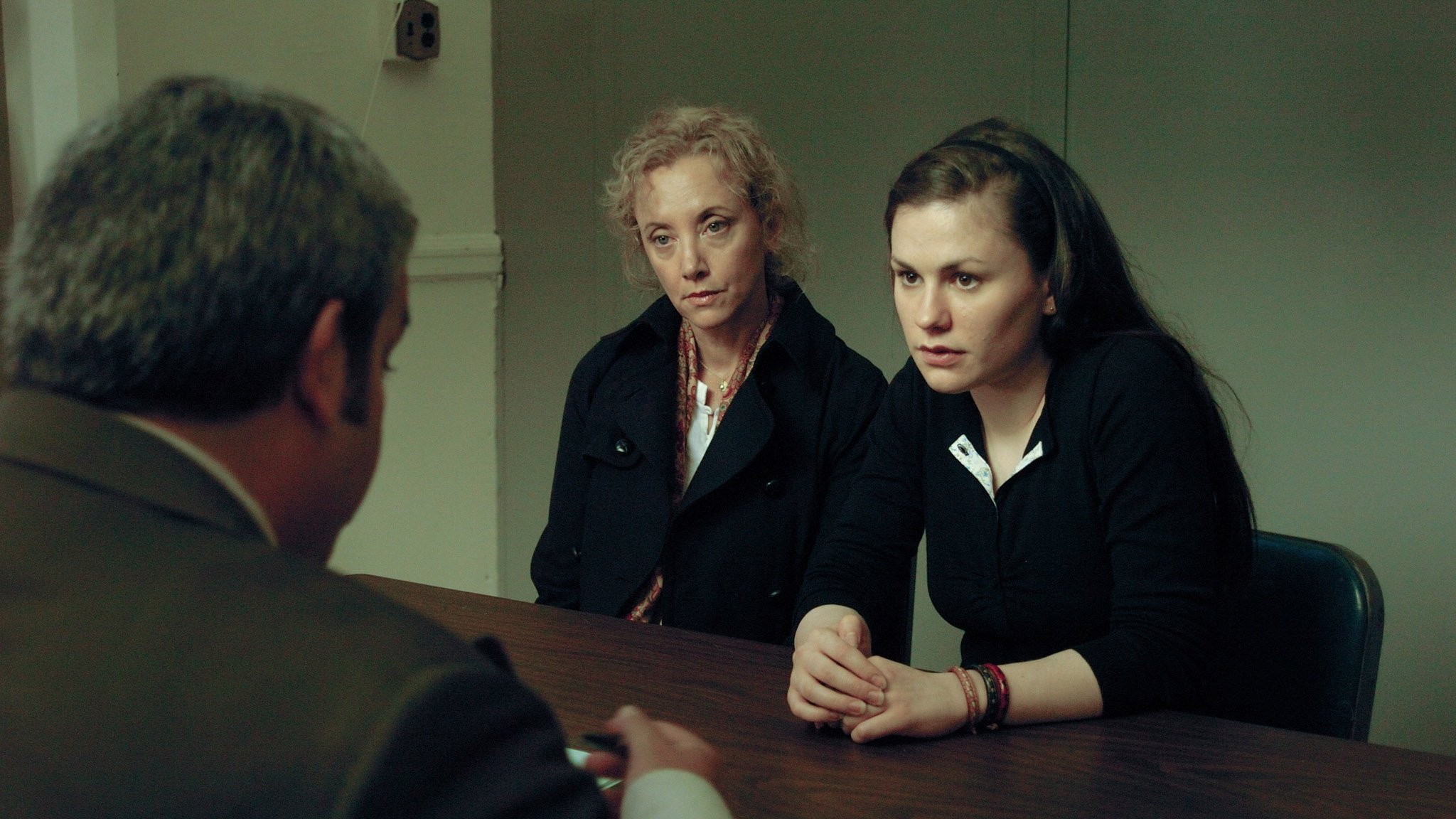
Kenneth Lonergan’s Margaret is a good, demanding drama about a teenager who wants justice before she quite understands what she is asking for. A teenager in New York helps to cause a fatal accident, then pursues justice while struggling with her own guilt. At 150 minutes, the film has room for several people’s troubles, and sometimes seems determined to give everyone equal speaking time. It rewards patience chiefly because Anna Paquin keeps Lisa Cohen’s distress believable through some punishing stretches of argument.
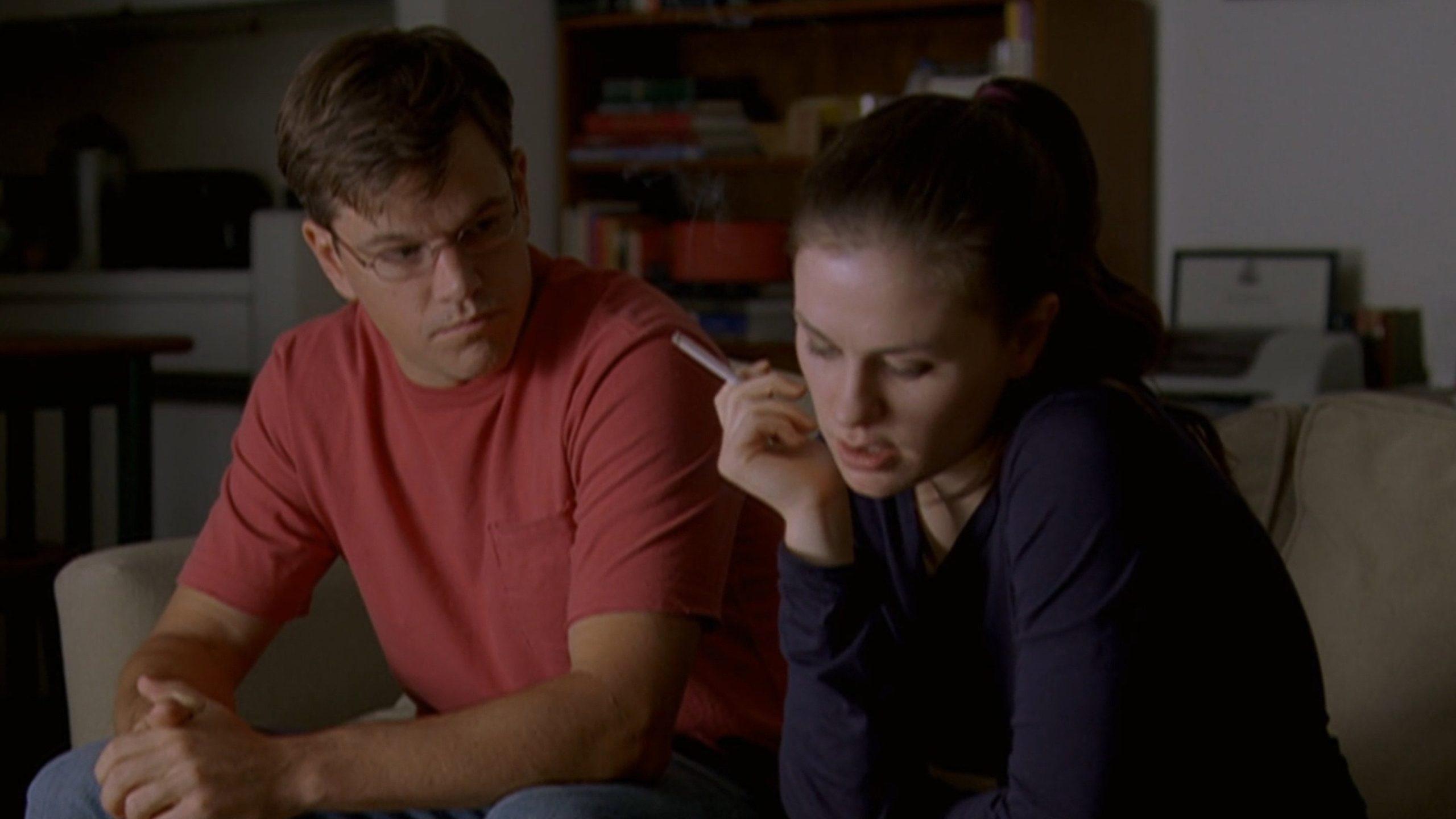
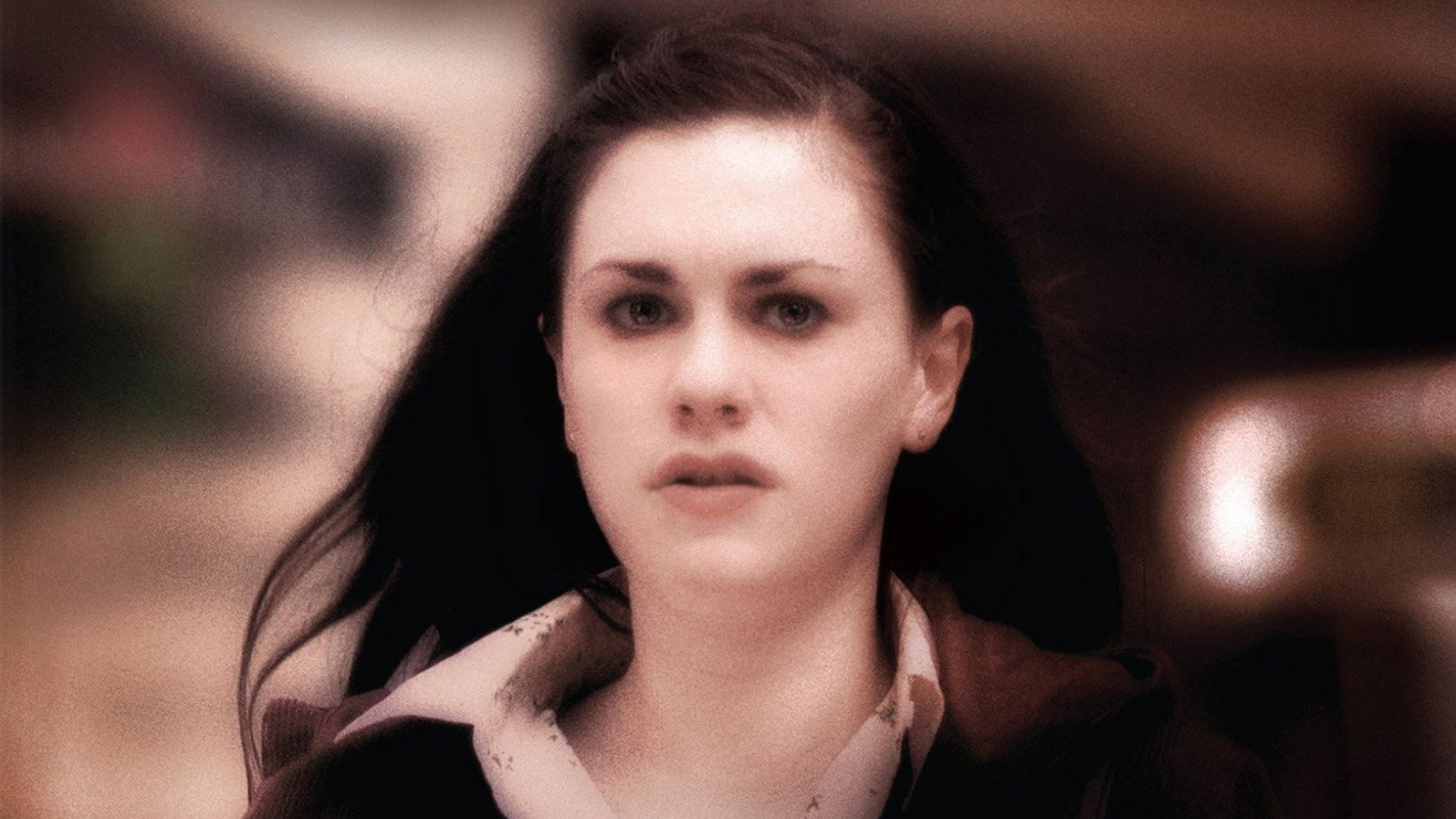
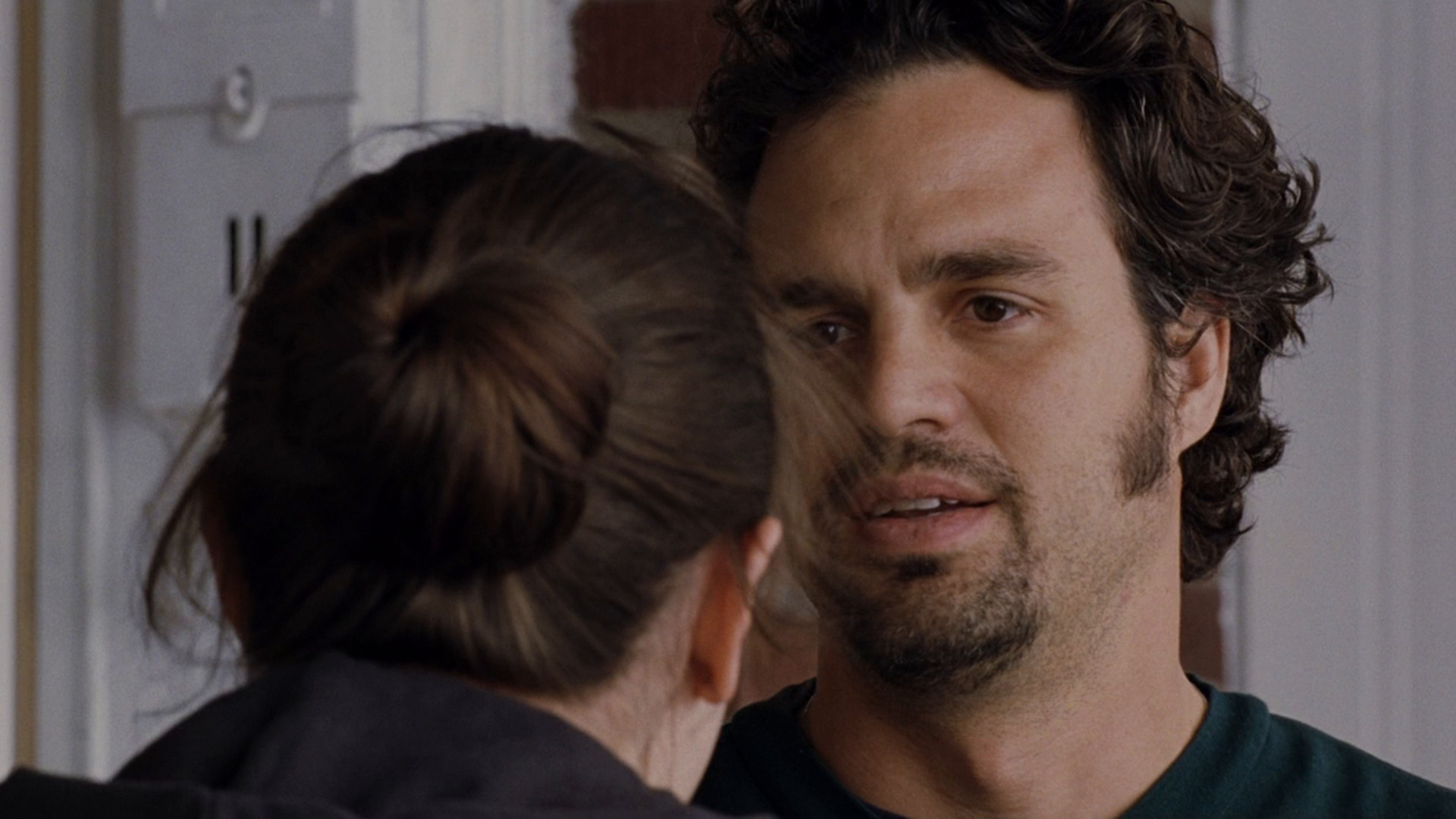
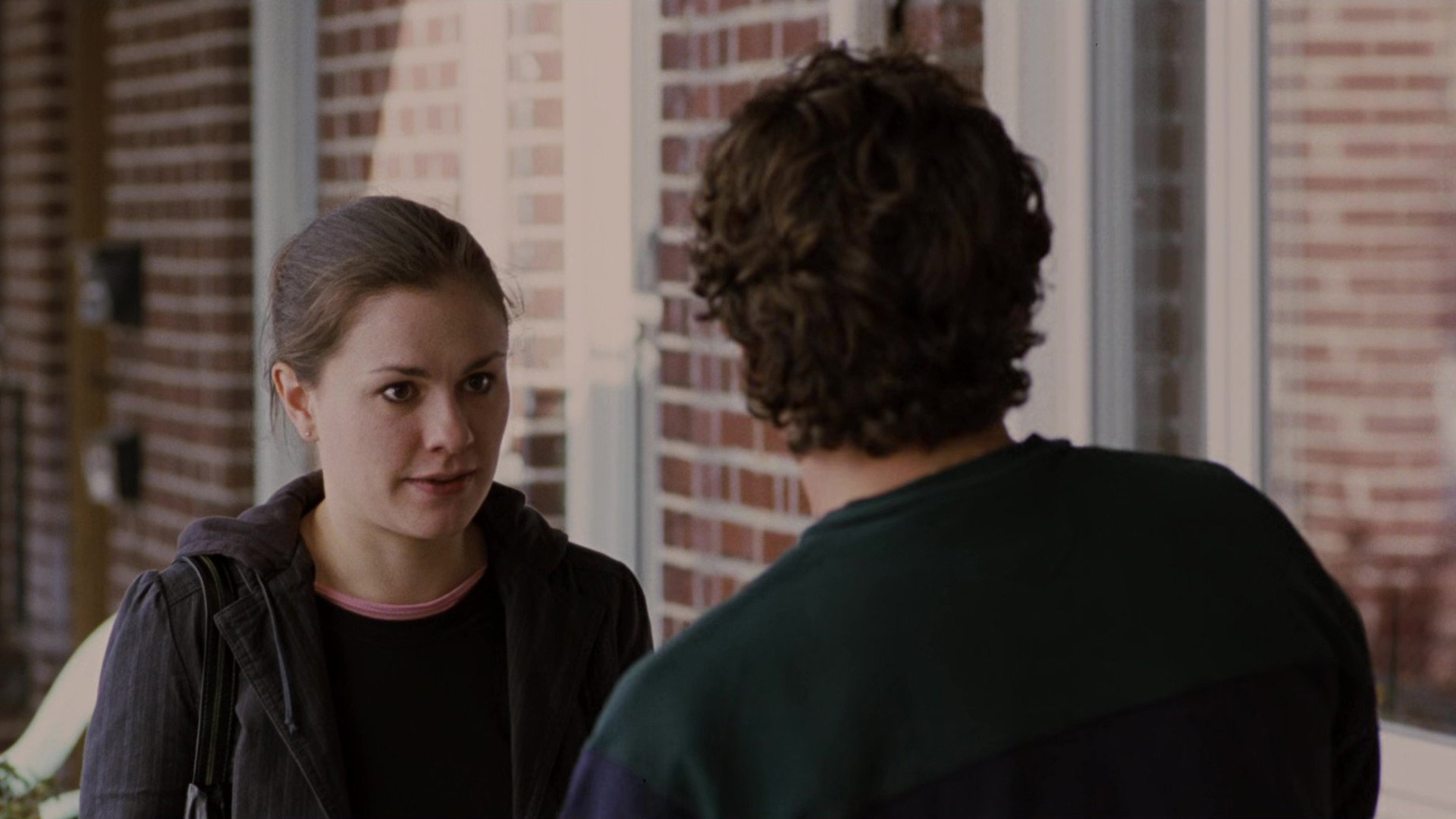
Anna Paquin makes Lisa Cohen’s arguments sound urgent enough that disagreement seems to wound her. The performance can be abrasive, and Kenneth Lonergan does not keep supplying excuses for her. We felt sorry for her even when we wanted her to stop talking. Her certainty keeps slipping into hurt, and Anna Paquin makes that change painfully visible without asking us to approve of everything Lisa Cohen says.
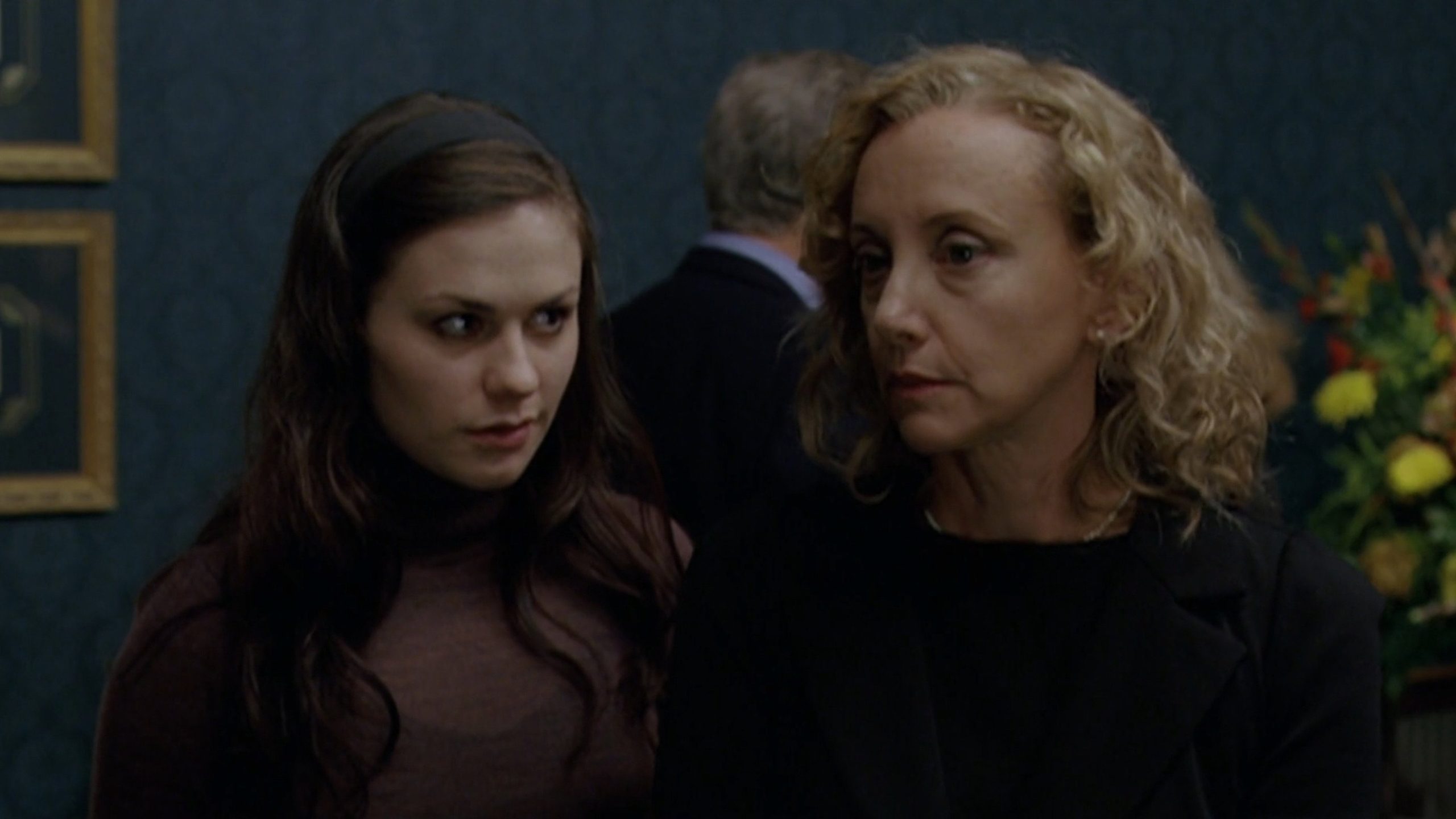
Jeannie Berlin is especially valuable as Emily, giving another person’s feelings enough force to interrupt our concentration on Lisa Cohen. She does not seem to be waiting for the lead to finish before doing her own acting. That matters in a drama which keeps asking who is entitled to speak for somebody else’s suffering. Kenneth Lonergan’s writing gives competing claims enough weight that we cannot simply choose our favourite person and let that settle every disagreement.
Ryszard Lenczewski’s cinematography makes New York feel too busy to organise itself around one person’s distress. We believe in the lives going on around these characters, which is partly a credit to Dan Leigh’s unobtrusive production design. These contributions keep the crowded story from feeling as though everybody has been assembled solely to debate Lisa Cohen’s predicament. Nico Muhly’s music has less hold on us than the voices; we have plenty to attend to whenever these people start talking.
The editing is harder to defend. Anne McCabe and Mike Fay have to keep a crowded story legible, and too often the change from one scene to the next feels like an interruption. A conversation can leave us wanting to sit with what has just been said, only for another concern to take over before its importance is clear. We do not need every loose end tidied away, but there are passages in which the film makes us work too hard to remember which dispute we are following.
As a coming-of-age drama, Margaret is unusually reluctant to make growing up look orderly. Lisa Cohen can recognise something about herself without immediately becoming easier to live with, and Kenneth Lonergan allows that awkwardness to persist. There is wit in the overconfidence of people who think saying something clearly will make everybody else accept it. The limitation is that repetition sometimes replaces further understanding; another quarrel does not always tell us more than the previous one.
The right company for Margaret is somebody who can bear an argument without immediately deciding who has won. Its length requires patience, and a taste for difficult conversations helps considerably. We would not choose it for an evening that needs cheering up. Choose it when there is time afterwards to disagree about Lisa Cohen.