Atom Egoyan’s drama about a bereaved town is painful, patient and worth the effort. Ian Holm and Sarah Polley make its silences matter, although the fragmented storytelling occasionally makes us too conscious of how carefully everything has been arranged.
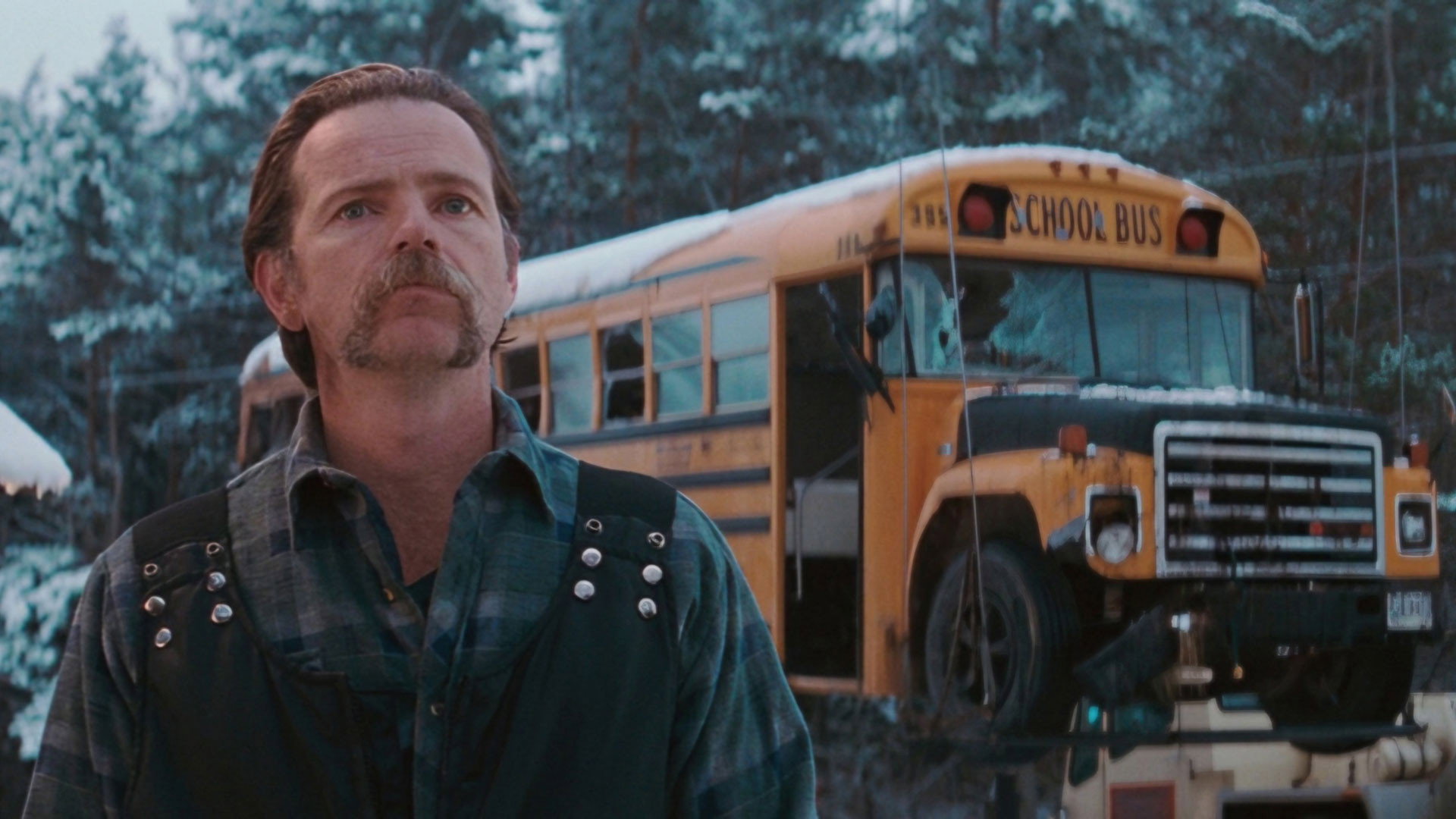
The Sweet Hereafter is a patient, deeply moving drama about what people hope blame will do for them. Adapting Russell Banks’s novel, writer-director Atom Egoyan follows a small town after a school bus accident kills children and a lawyer becomes involved in a lawsuit. The legal process promises something can be done. Egoyan is attentive to why bereaved people might need to believe that promise.
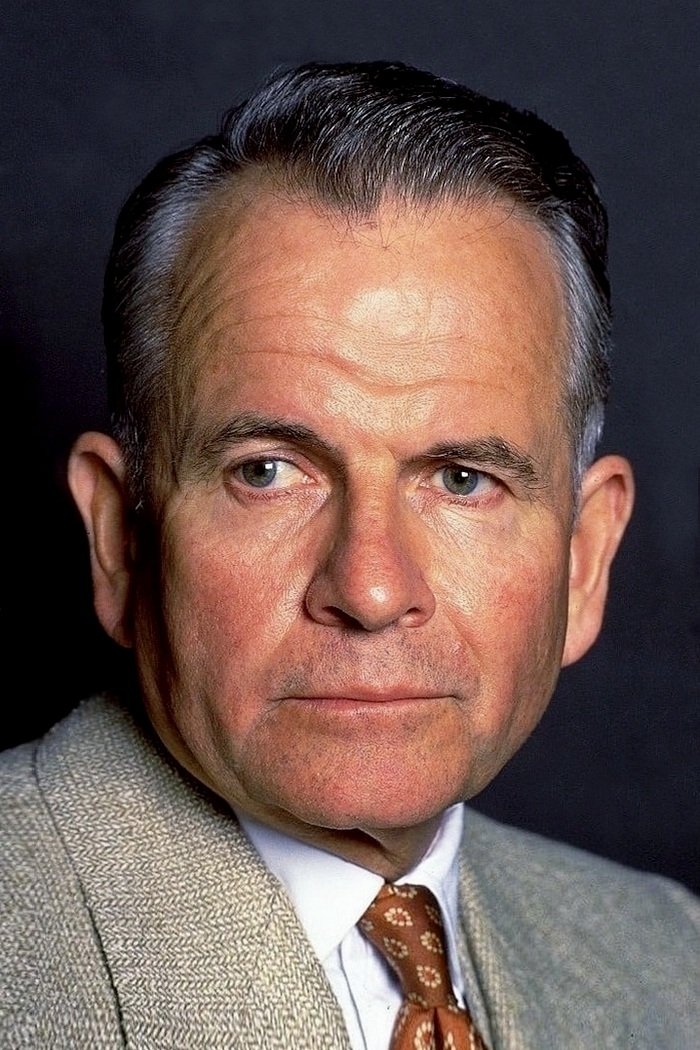
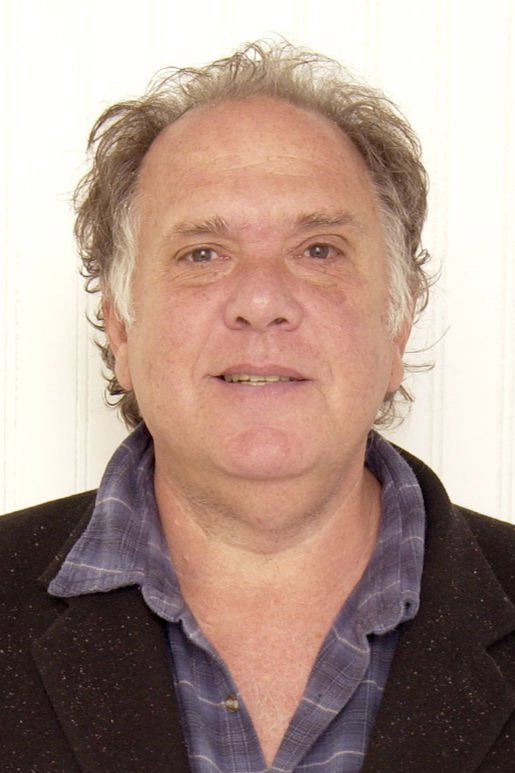
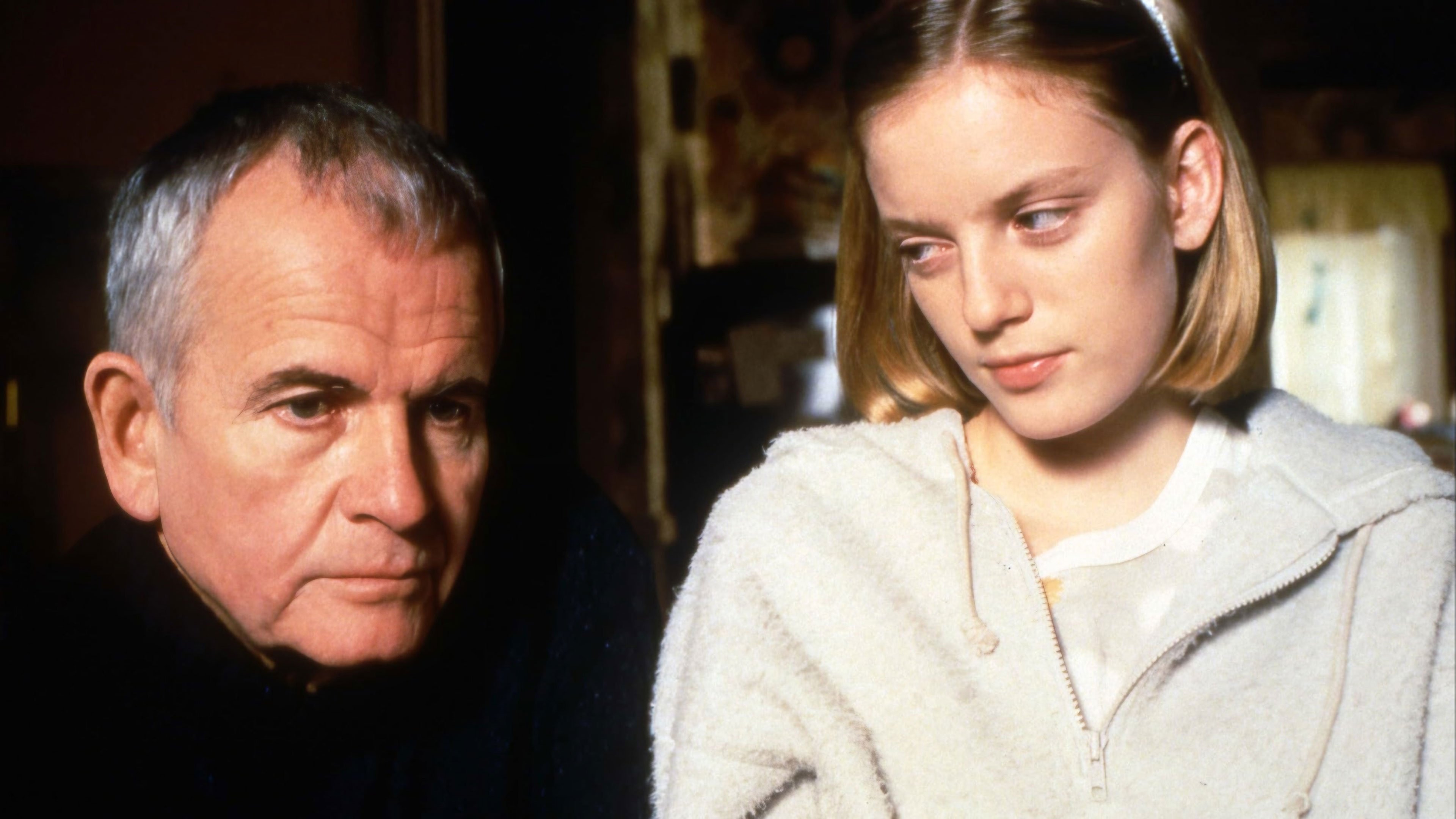
Ian Holm plays Mitchell Stephens with enough professional assurance to make his intervention plausible and enough pain to make it unsettling. His own loss complicates what might otherwise be a straightforward portrait of a man exploiting other people’s misery. We were moved by Holm because the lawyer’s grief remains visible through his attempts to be useful. Egoyan allows us to question what Stephens is doing without deciding that everything about him is false.
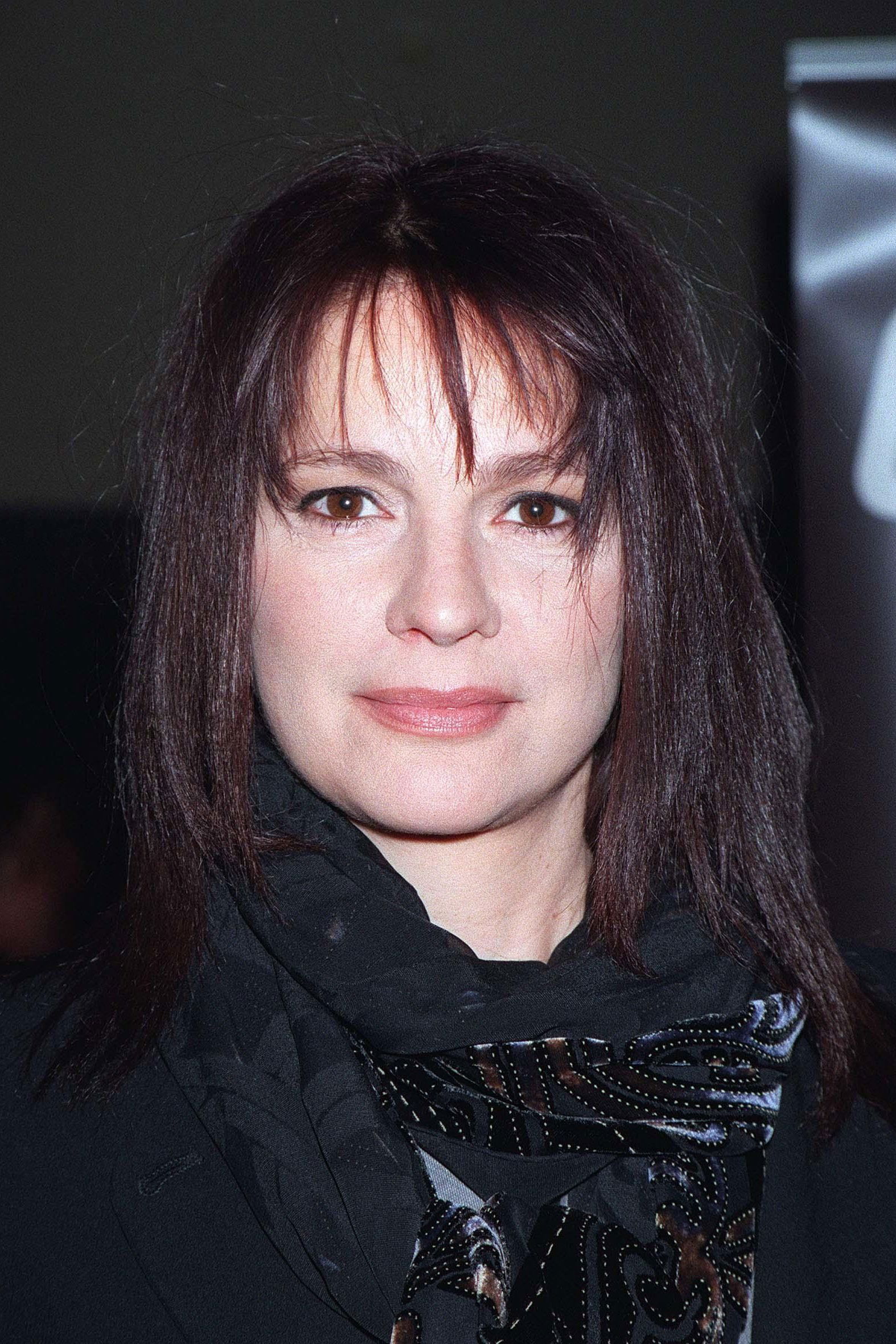
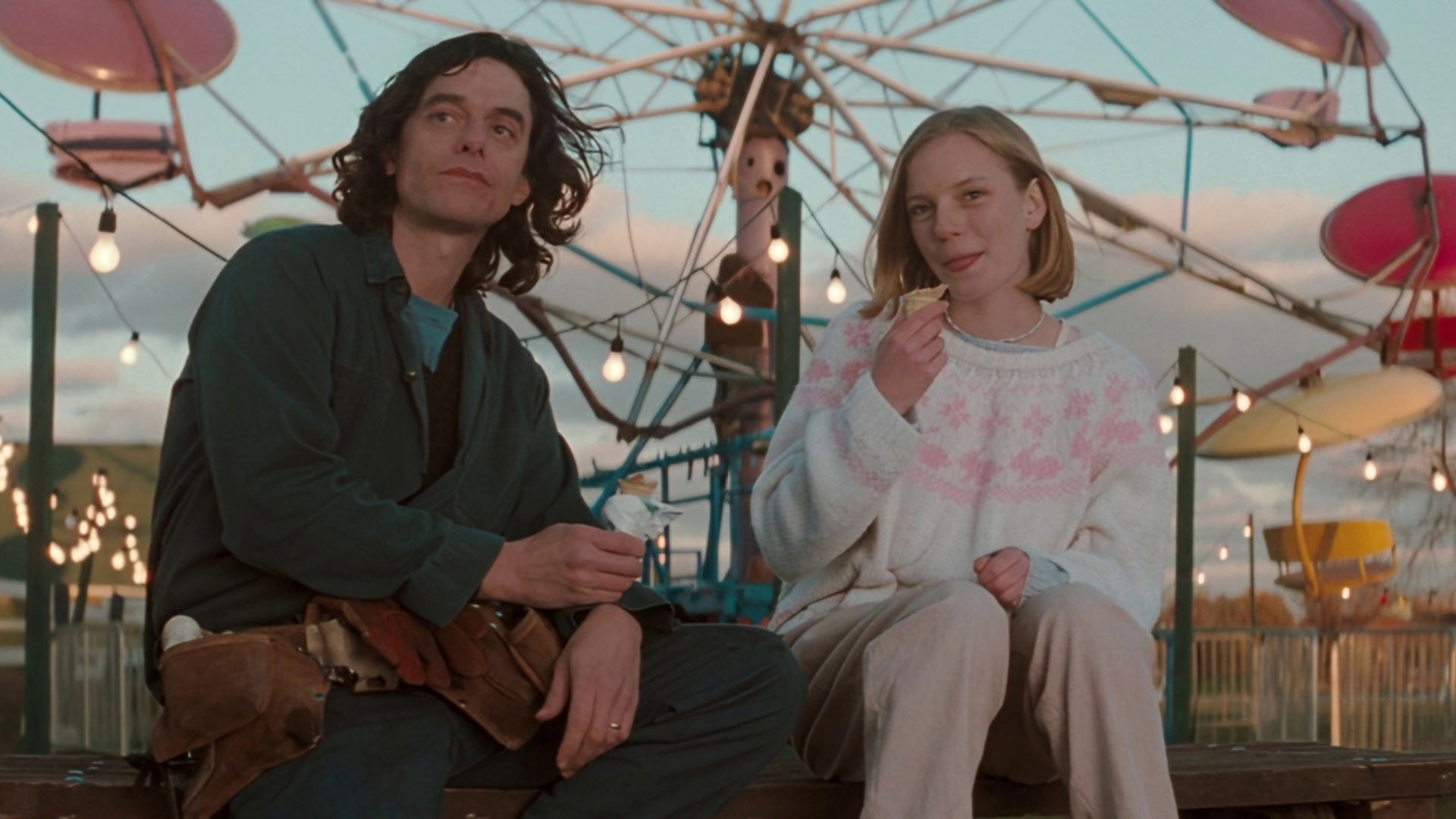
Sarah Polley plays Nicole Burnell with a reserve that makes us attend to her silences. The performance never seems to ask for sympathy, which makes the distress more persuasive when we feel it. Gabrielle Rose and Bruce Greenwood help make the community feel composed of separate people, each deserving attention beyond their usefulness to the lawyer’s case. The supporting performances retain that same restraint, allowing considerable pain to register without insisting that we notice every moment of it.
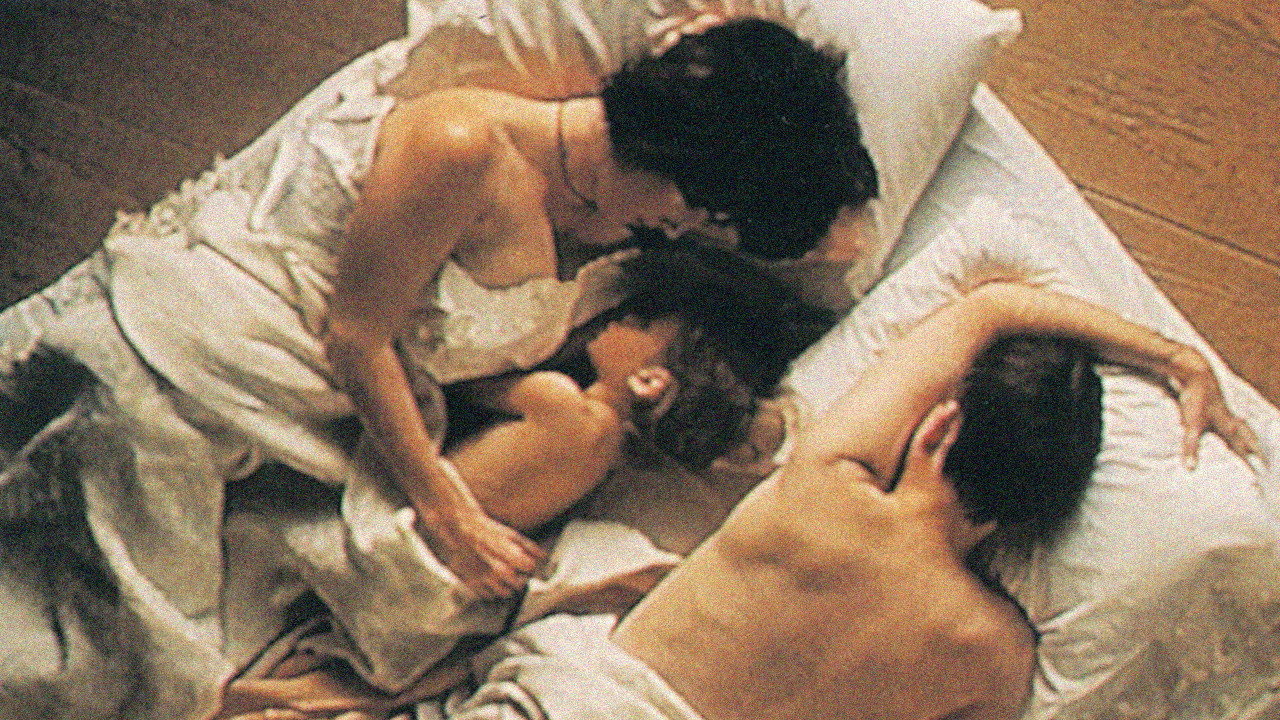
Susan Shipton’s editing moves between different points in time without making the exercise a puzzle to be solved. What matters is how one encounter changes our understanding of another, and how people remain caught up in experiences that are supposedly behind them. We have to pay attention, but the effort usually brings us closer to the characters. Egoyan and Shipton keep the lawsuit from becoming the only thing there is to follow.
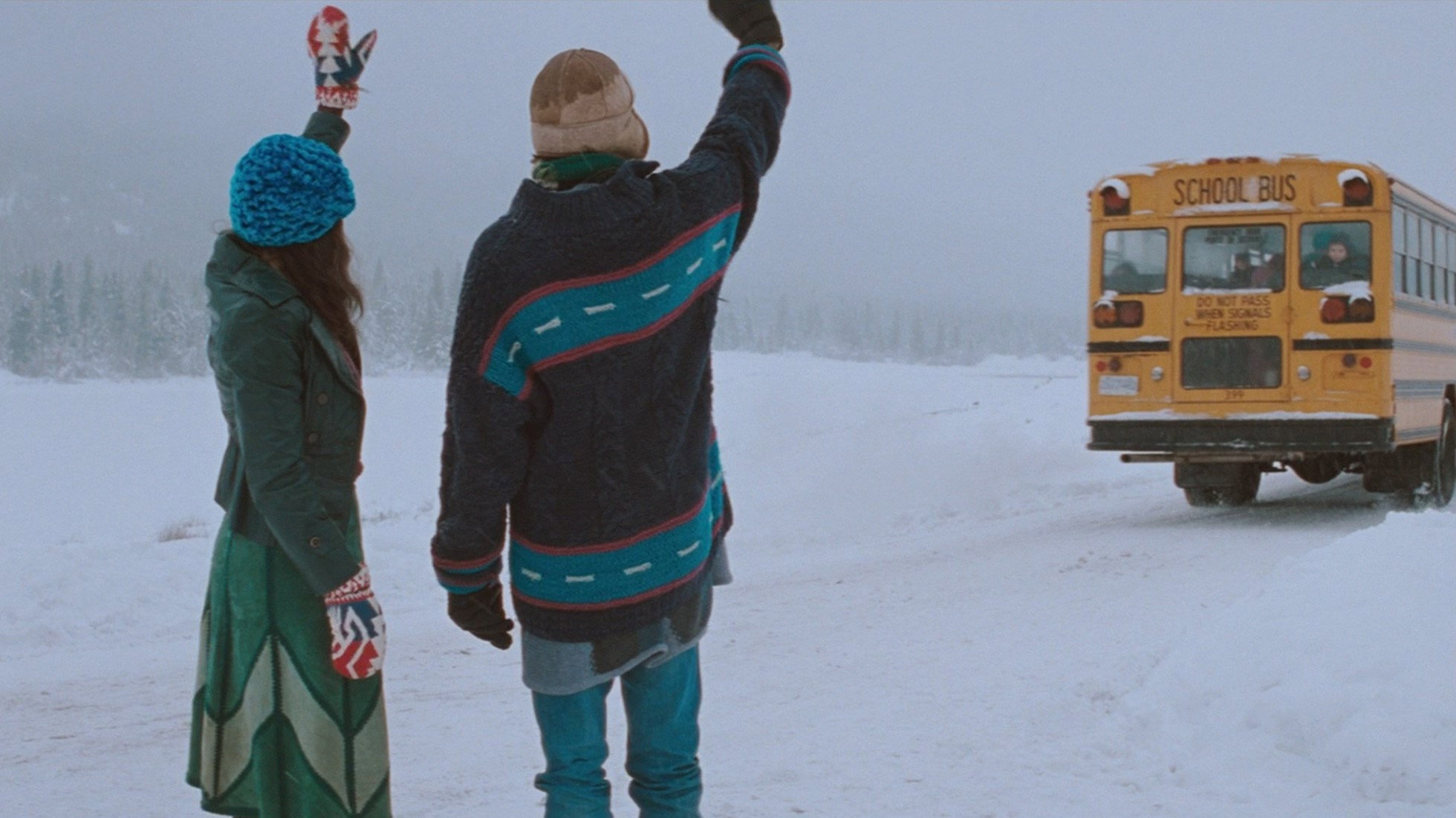
Paul Sarossy’s snowy widescreen images give the town space without making it feel free of what has happened. The beauty is uncomfortable: we can appreciate the landscape while recognising that it offers the people living there no practical consolation. Phillip Barker’s production design helps us believe that people lived here before there was a legal case to bring. The town remains credible as somewhere people have homes and habits.
Mychael Danna’s score is affecting, though it is also where the film’s careful shaping becomes hardest to ignore. Alongside the fragmented chronology and the composed images, it can make sorrow feel too thoroughly prepared for us. There are moments when the actors have already done enough, and the music seems to be asking for a further response. At 112 minutes, the film gives the performances the time they need; occasionally, we wish it would leave them alone a little more.
The appeal of many legal dramas is the prospect of someone finally explaining what happened. Egoyan is more interested in why an explanation might be needed, and how a lawyer’s involvement changes a bereaved community. That gives the film patience with people whose conduct is not always easy to like. We recommend it, with a warning about both the subject and the concentration its broken chronology demands. Choose an evening when you can give these people your full attention.