Jim Henson’s folk-tale series is absorbing, unsettling family television, with John Hurt an excellent narrator. Its elaborate puppetry rewards close attention, though the solemn tone can make short tales feel heavier than they need to.
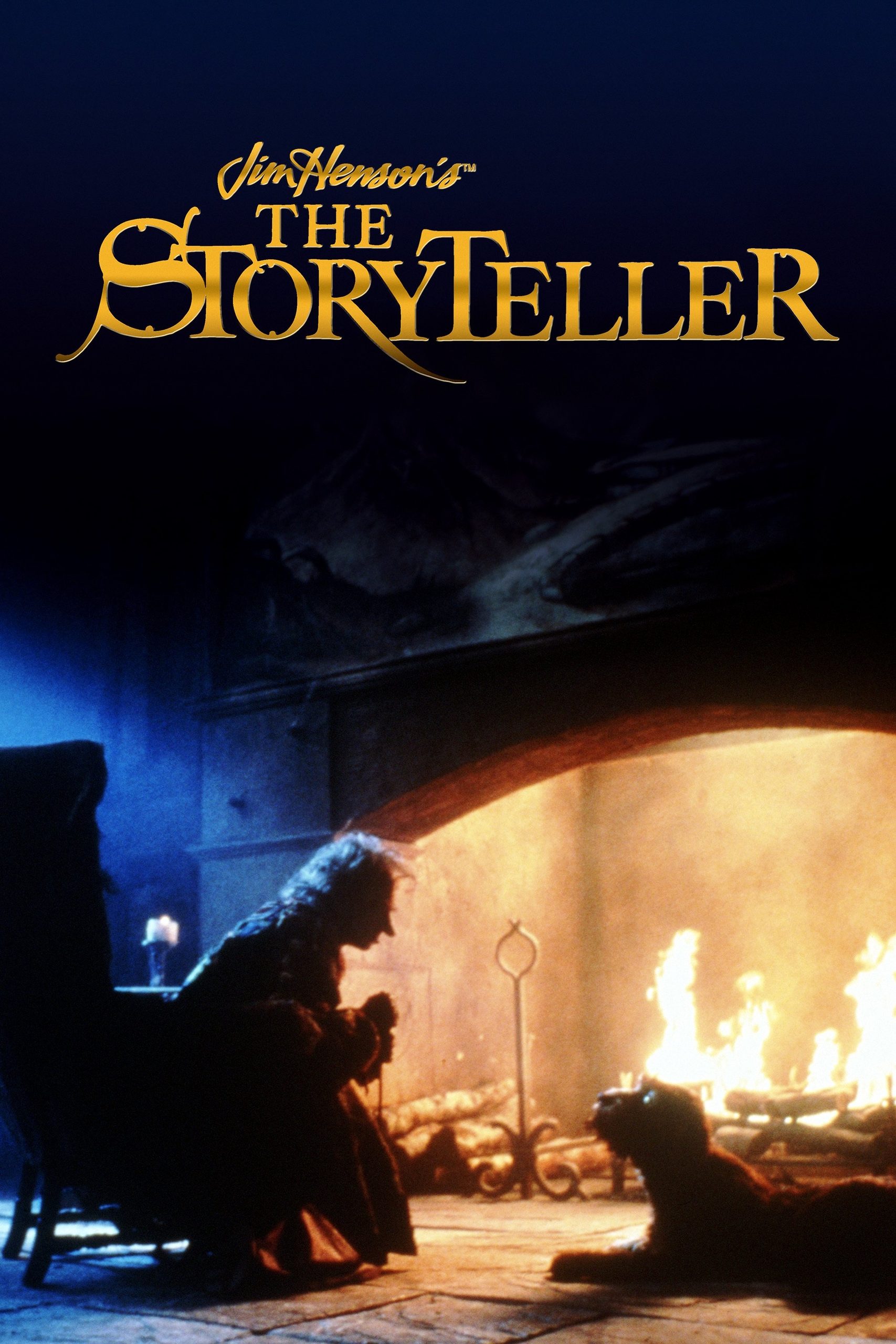
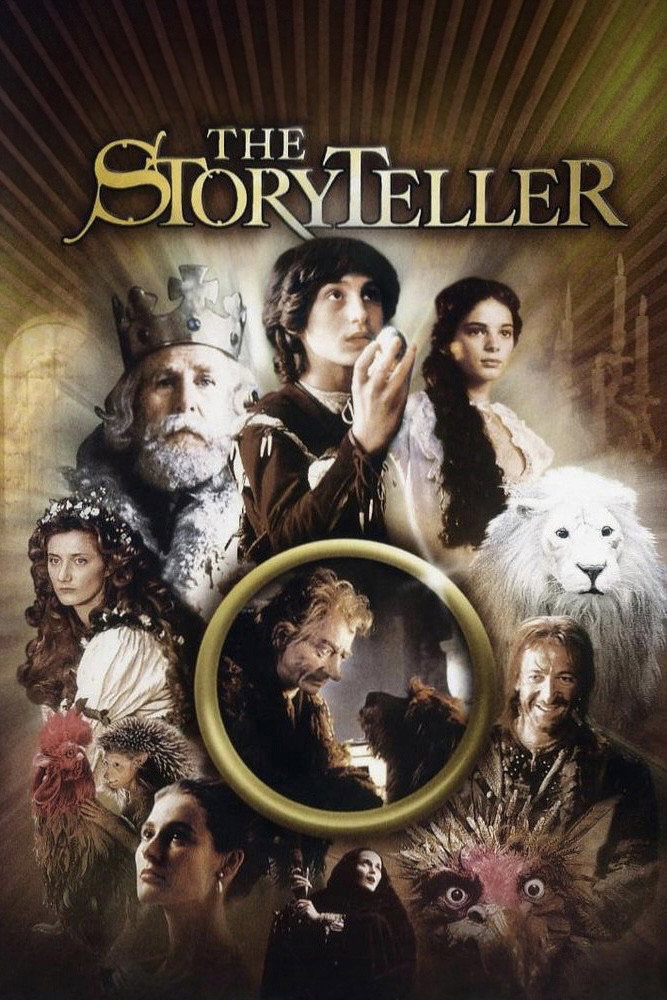
Jim Henson’s The Storyteller takes children’s fear seriously, and that is a good place for family fantasy to begin. This is an absorbing series, worth forgiving for the stretches when it seems a little too determined to be solemn. Anthony Minghella’s adaptations of folk tales give the puppetry stories sturdy enough to justify the effort spent on it. The nine-episode format also makes this a manageable encounter with the strange: there is no need to commit an entire evening.
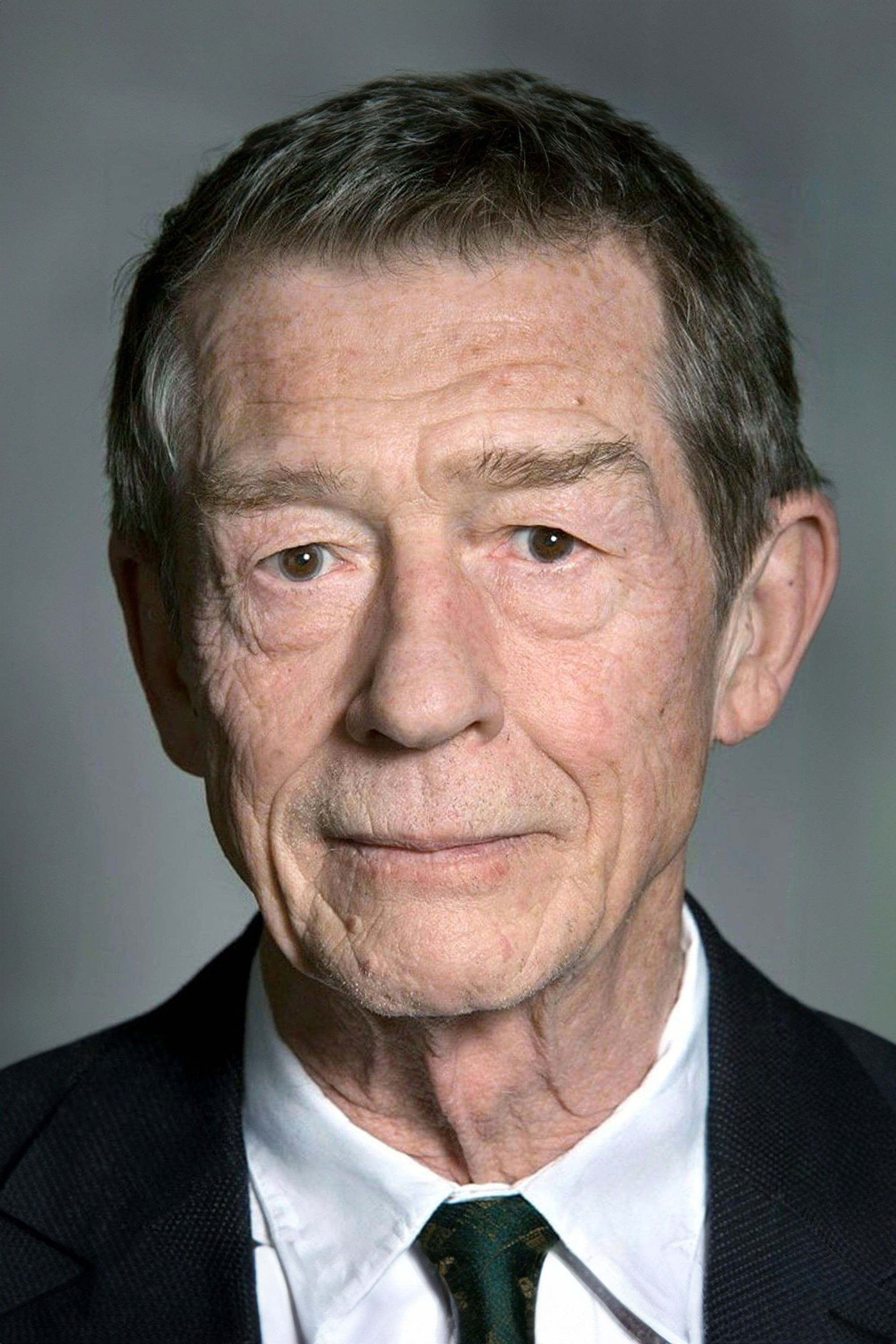
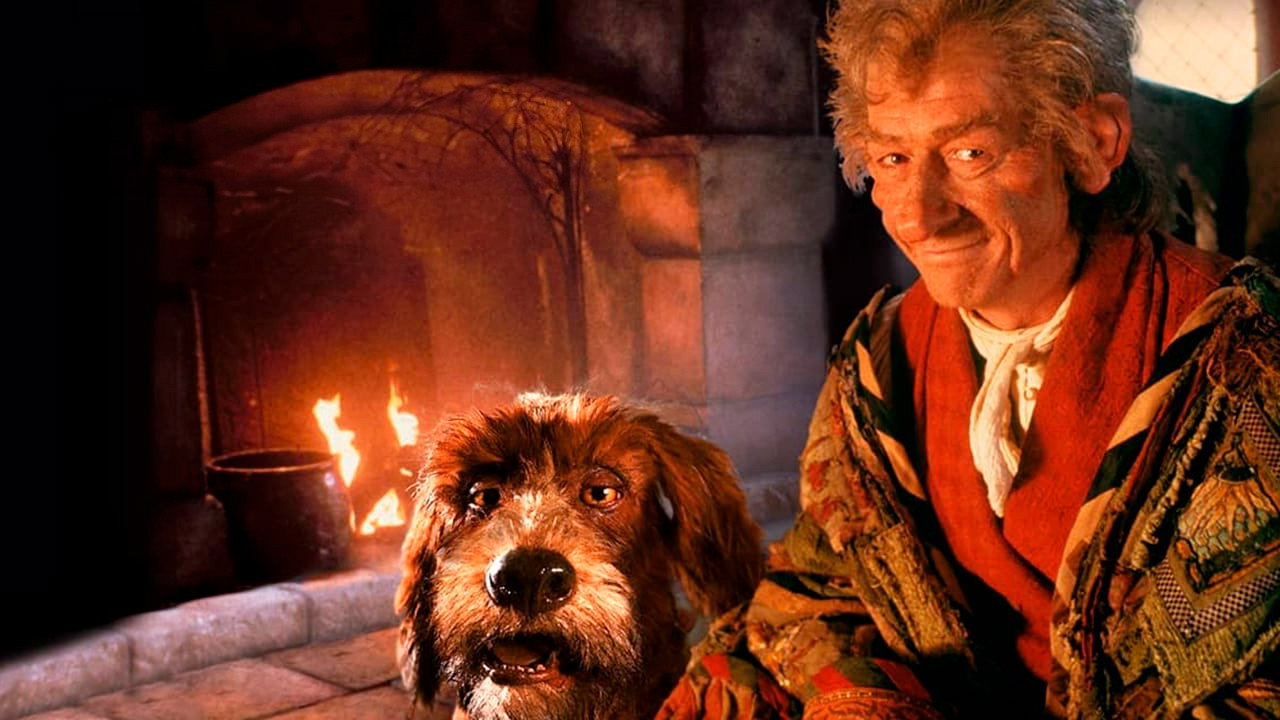
John Hurt is essential to its appeal. As The Storyteller, he makes the act of narration feel worth attending to, rather than something endured until the action resumes. We want to hear the tale because we want to hear him tell it, which is a considerable advantage for a programme built around a narrator. His presence gives the elaborate effects a human point of contact, and keeps the series from feeling like a display of technical accomplishments.
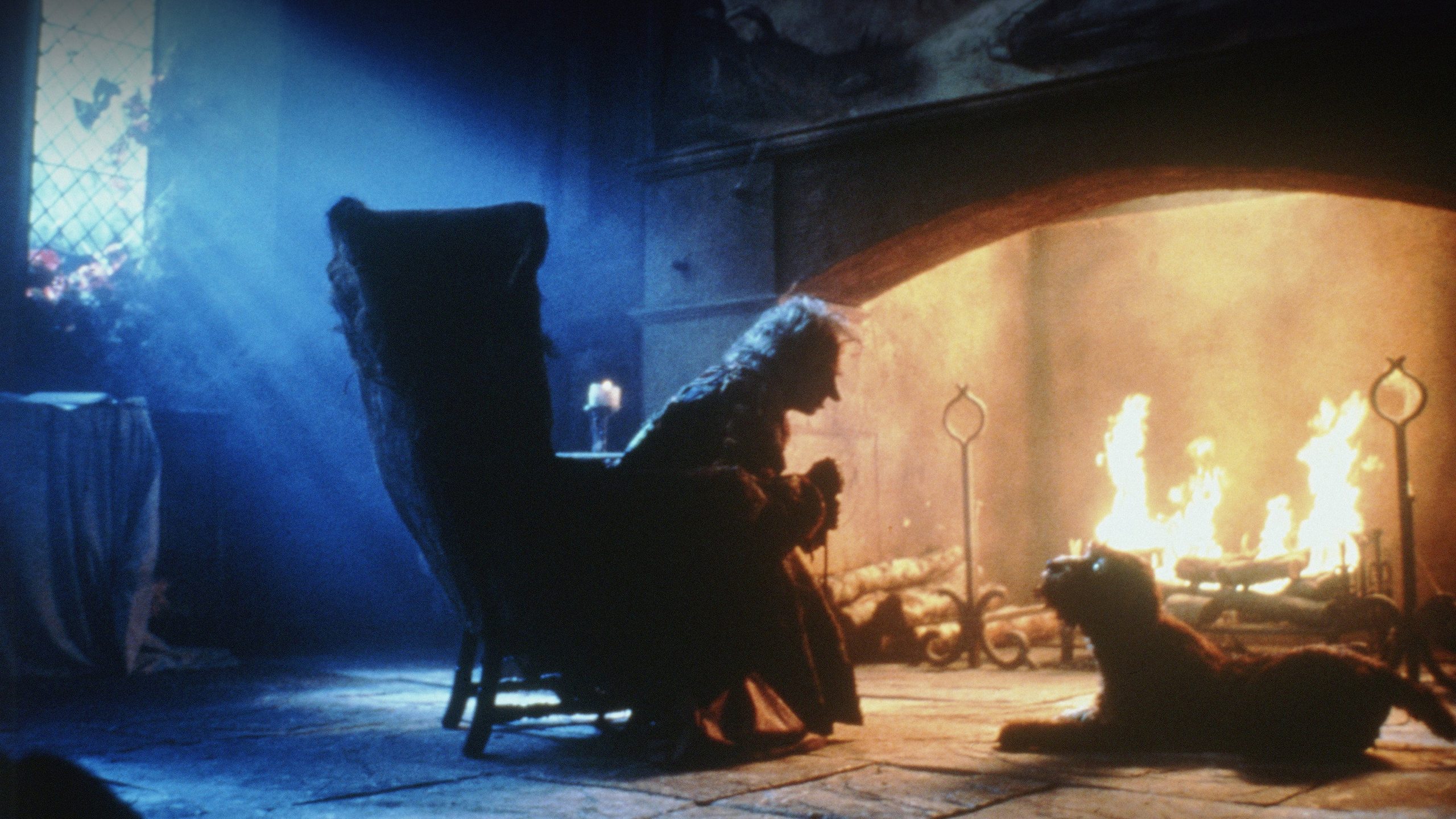
The puppetry earns that attention. We found the creatures unsettling, because their physical presence makes the danger feel less easy to dismiss as make-believe. The skill involved is apparent, but it does not prevent us from accepting these beings as part of the stories. That is the achievement of the effects here: they let us notice the workmanship without turning every encounter into an opportunity to inspect it.
John Fenner’s cinematography and Roger Hall’s production design help the creatures belong to the same fantasy as the human performers. There is a welcome seriousness about the visual treatment, which asks us to accept the creatures on the same terms as everybody else. Ann Hollowood’s costumes contribute to that feeling of a fully considered setting. Such care suits folk tales, where a king or a witch has to become convincing quickly, without a long explanation of who they are.
Anthony Minghella’s writing is strongest when it allows wit and feeling into these old tales without apologising for their oddness. We do not need every witch explained or every king supplied with a sympathetic childhood. The difficulty is that the programme sometimes treats seriousness as a duty, and its humour has less room than it deserves. The stories remain compelling, but a little more playfulness would have made the darker passages more disturbing.
David Yardley’s editing has a difficult task in fitting elaborate fantasy into episodes lasting 25 minutes, and the short running time is mostly an advantage. Yet the measured pace can make an episode feel longer than that, especially when the gravity goes unrelieved. Rachel Portman’s music contributes to that sense of occasion, though the cumulative effect can be rather heavy. A less ceremonial approach would sometimes have served the same material better.
We value family fantasy that allows children to be afraid without treating them as foolish for it, and Jim Henson’s series respects that appetite. Adults have ample reason to stay, too, particularly for John Hurt and the pleasure of seeing puppetry taken this seriously. The occasional heaviness is a fair price for stories allowed to retain their unease. For family viewing, take a child’s tolerance for fear more seriously than the U certificate.