Anthony Minghella’s wartime romance is moving, carefully made and sometimes too slow. Kristin Scott Thomas gives it the urgency it needs, though the desert occasionally holds our attention more firmly than the lovers.
The English Patient is a good romantic drama that occasionally makes enjoying it feel like a test of patience. Anthony Minghella adapts Michael Ondaatje’s novel with room for desire, war and several lives beyond the central couple, and he expects us to give each of them time. We think that is a reasonable request, and much of the film repays it. At 162 minutes, though, this is a romance for an evening when we are prepared to wait.
The movement between two time periods is handled with considerable skill by editor Walter Murch. The changes keep the separate stretches of the story connected without making the film feel as though it is stopping to explain itself. We can follow it and still have room to think about the people. That clarity matters when the central romance has to share our attention with other characters and their responses to war.
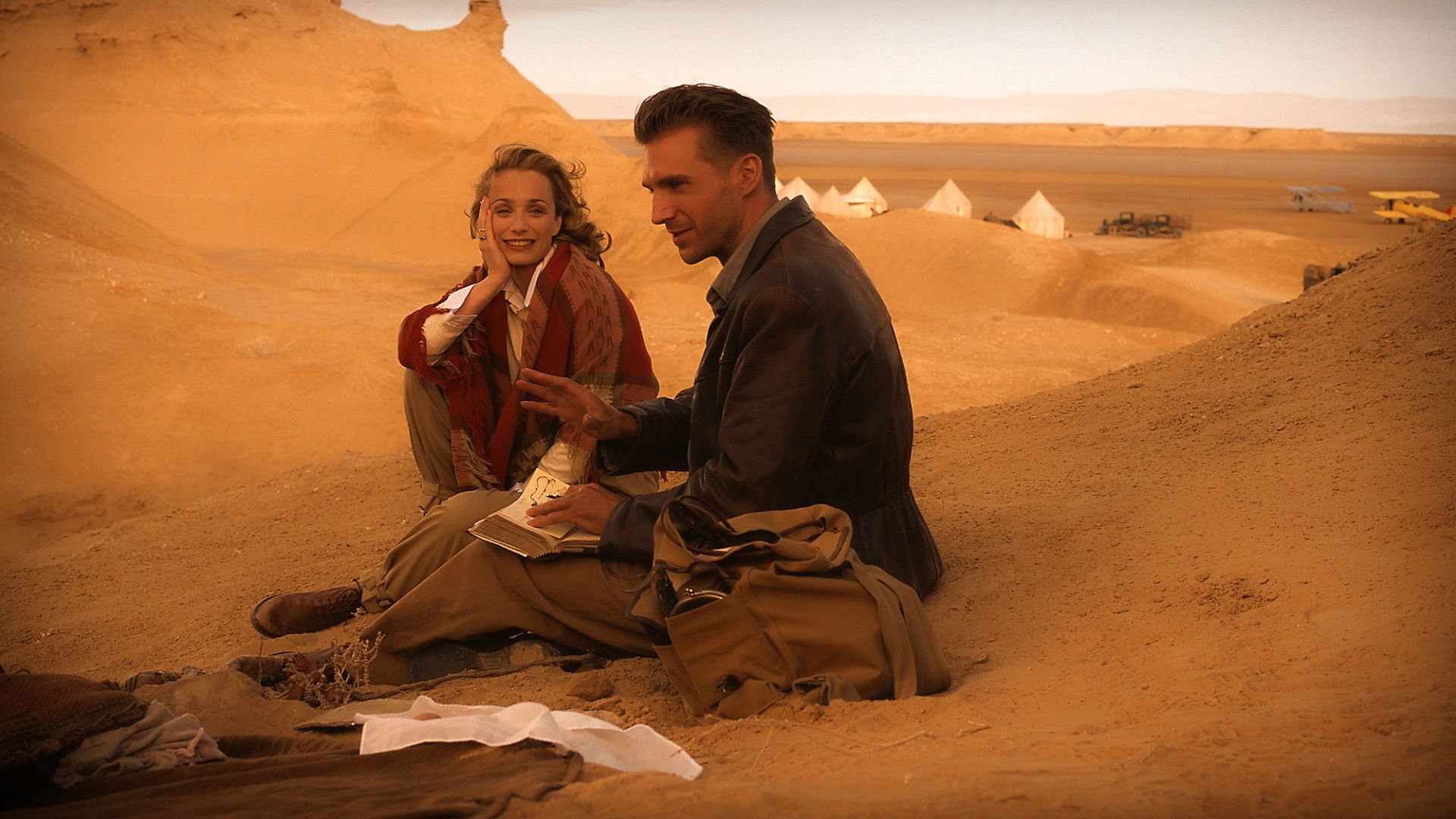
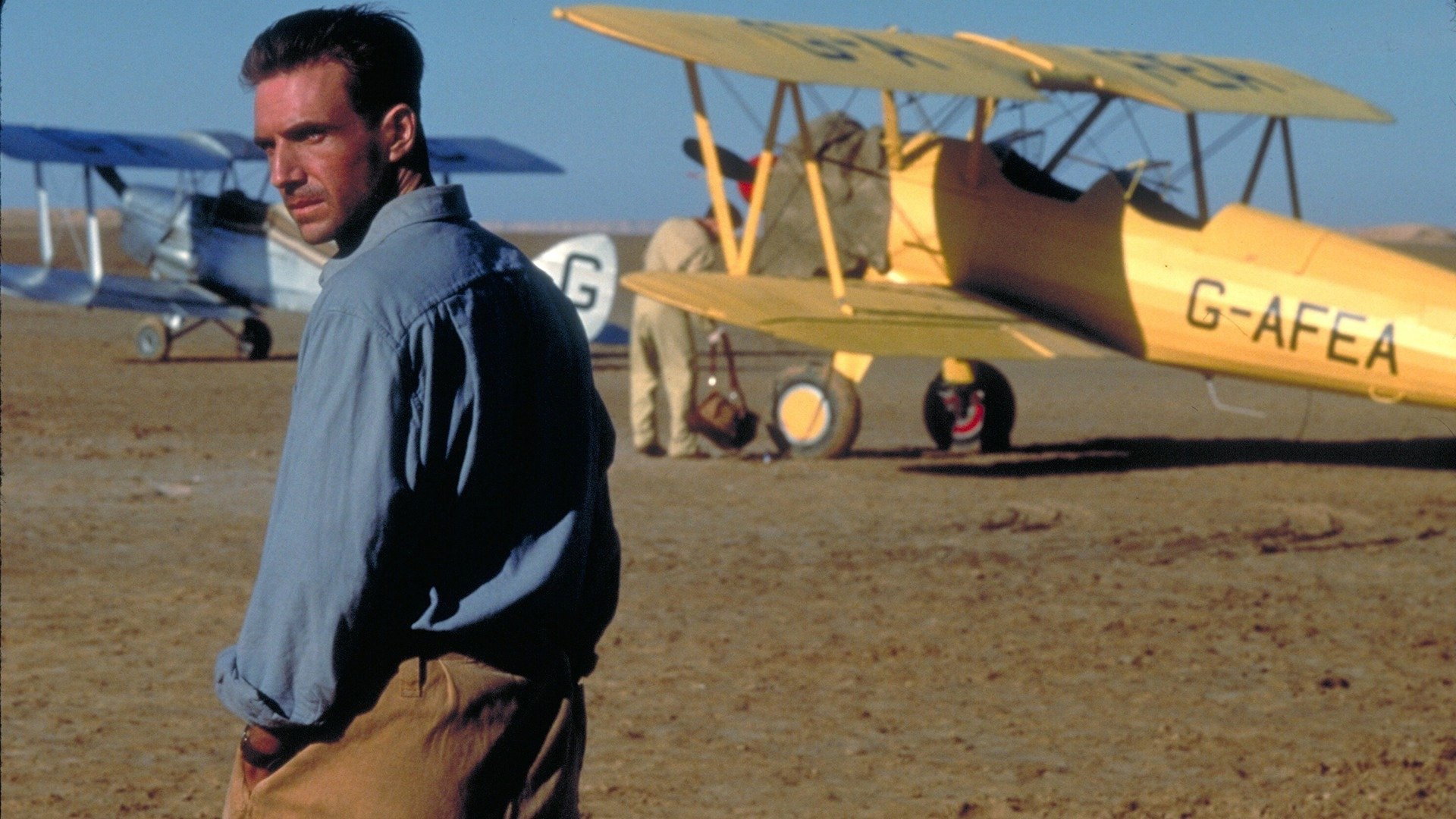
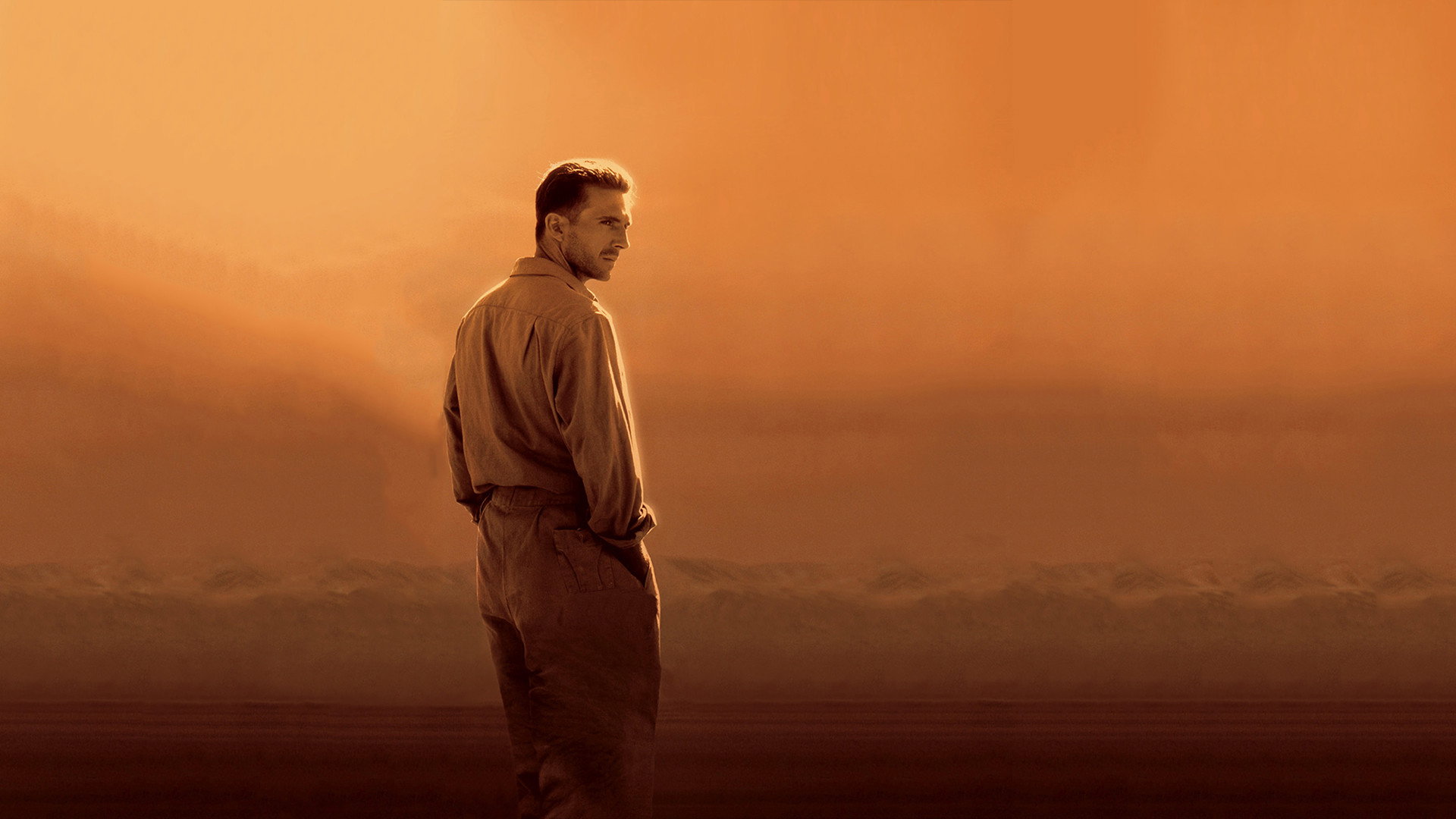
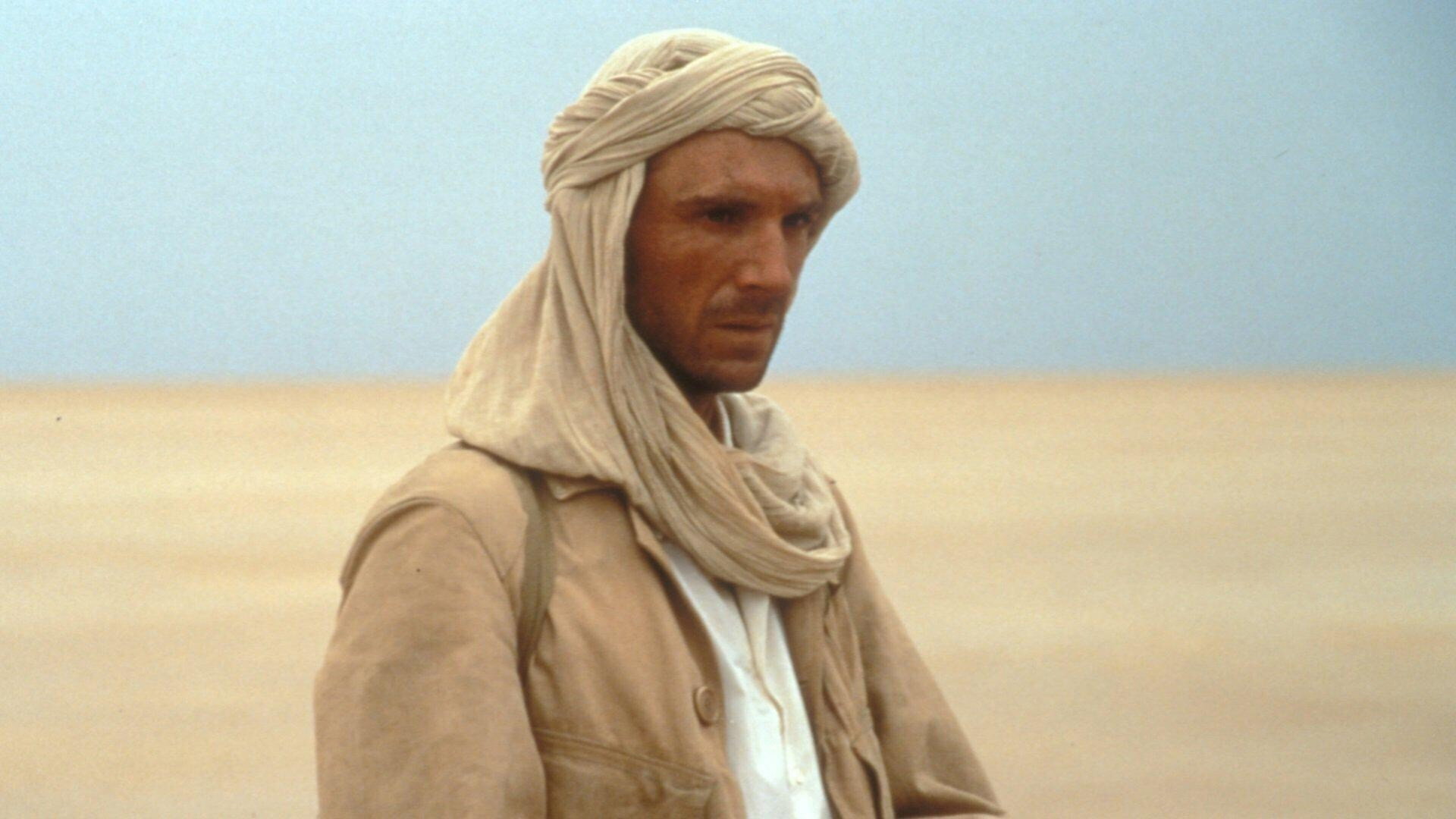
John Seale’s desert photography gives the film its most immediate pleasure, allowing the landscape to hold our attention without demanding a dramatic incident. Those views make the leisurely pace easier to accept for long stretches. Stuart Craig’s production design is also persuasive: the settings are handsome enough to justify the attention the camera gives them. The care taken over the surroundings helps explain why the film remains watchable through passages where the story slackens, although there are occasions when we would welcome less opportunity to admire the scenery.
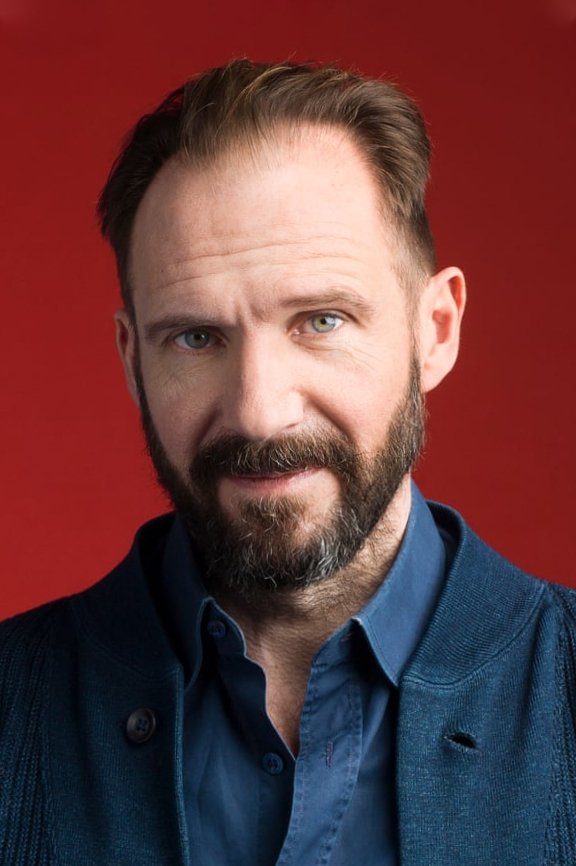
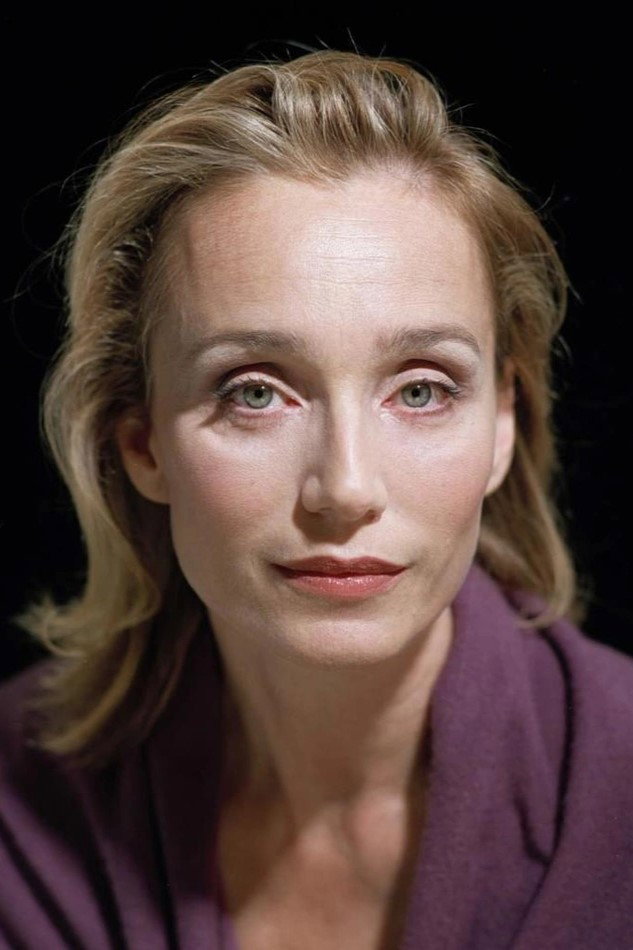
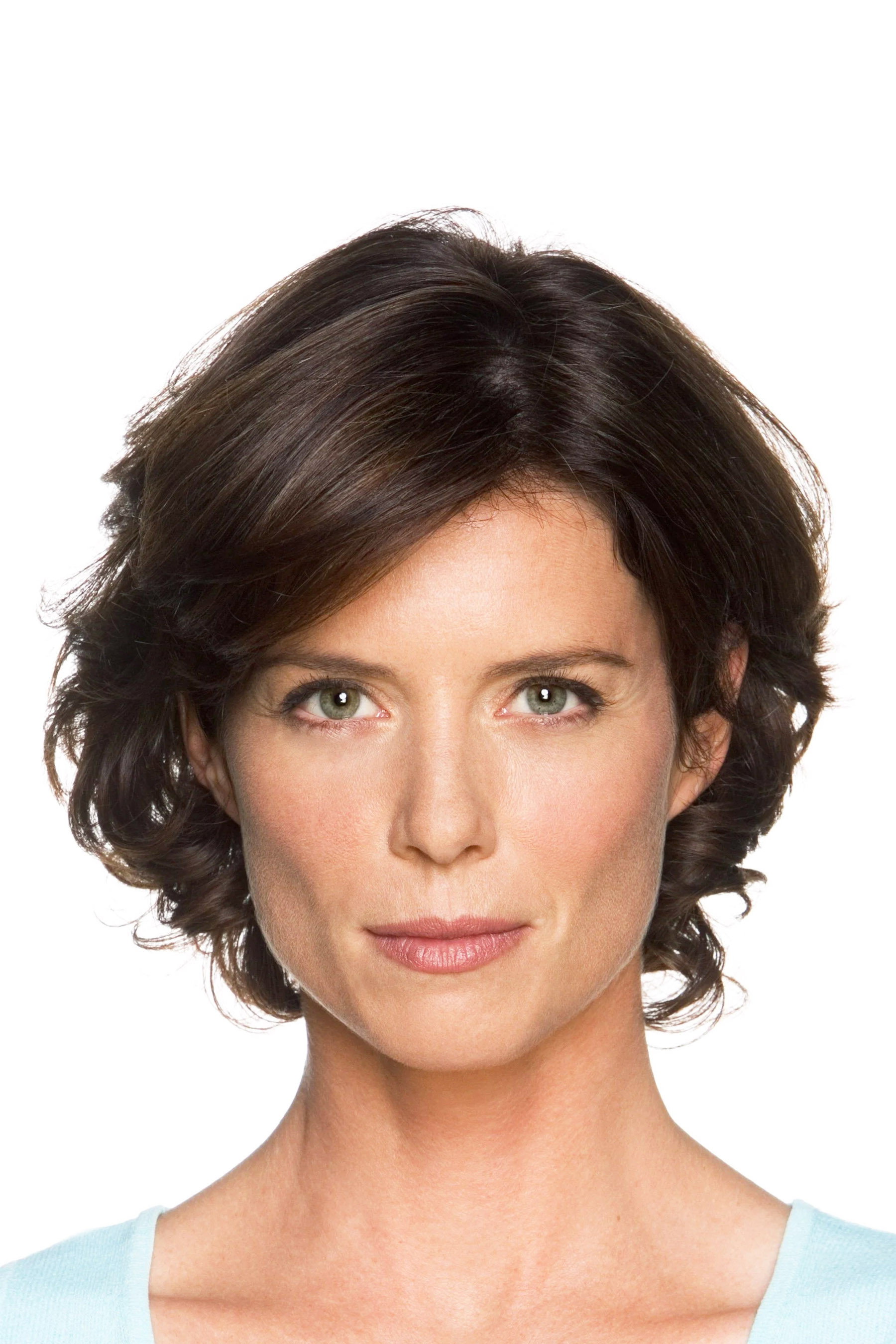
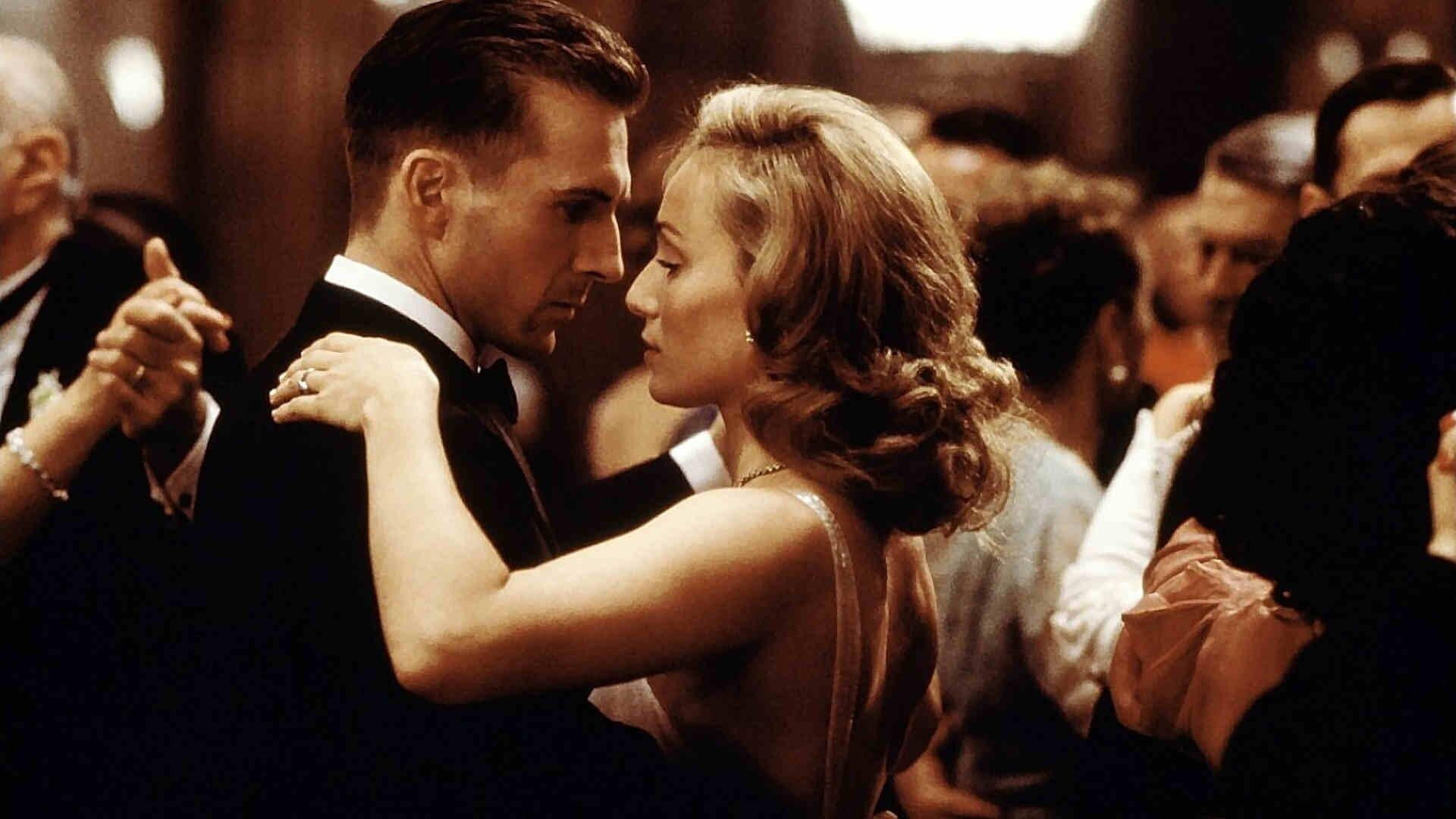
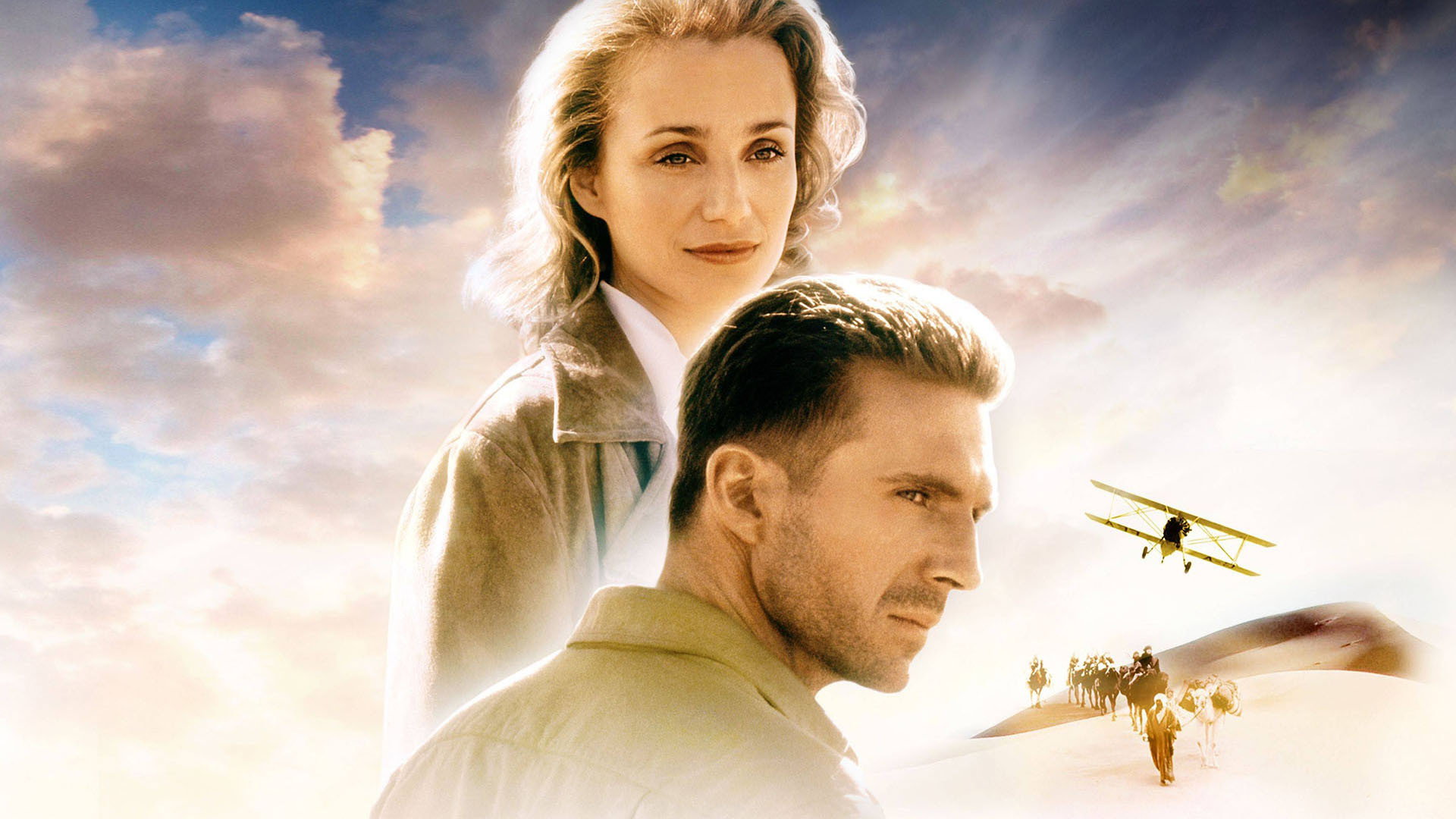
Kristin Scott Thomas does the most to bring us back to the people. As Katharine Clifton, she gives the affair an urgency that the film’s measured progress does not always provide. Ralph Fiennes keeps Almásy difficult to read, a defensible choice that can also leave us waiting for a reason to care. We were moved by how much Scott Thomas seems to want from someone who gives so little away. The romance works when her performance makes that reserve frustrating for us too.
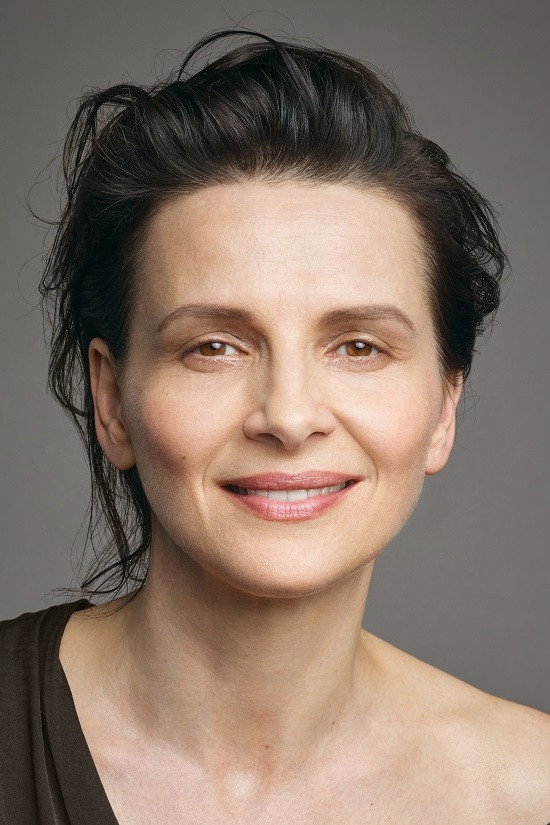
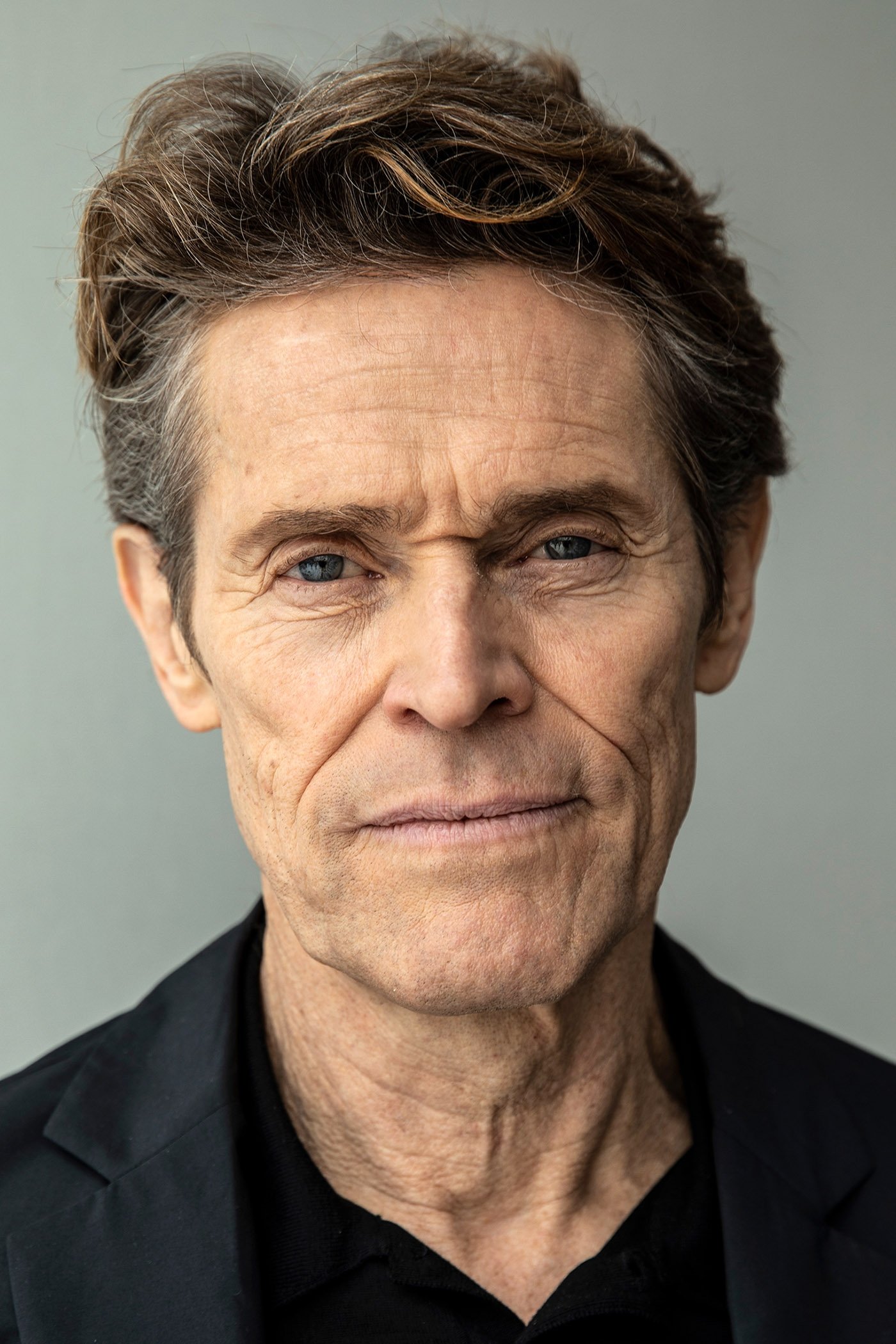
Juliette Binoche’s Hana offers welcome relief from the central couple’s gravity. There is a directness to her performance that helps whenever the film’s careful manners threaten to become stifling. Willem Dafoe, as David Caravaggio, seems less comfortable within the ensemble, although his awkward fit does interrupt its prevailing restraint. Minghella has assembled actors worth spending time with, and Binoche in particular keeps us interested in someone beyond the lovers.
Gabriel Yared’s score gives the romance an emotional directness that suits Minghella’s ambitions. It encourages us to accept the strength of the lovers’ feelings, though it cannot make every turn of Minghella’s screenplay convincing. Some of the plotting asks for more indulgence than the restrained performances prepare us to give. The long running time leaves those contrivances exposed, and this is where the patience begins to run out.
There is room in a romance for people who do not readily explain themselves, and we would not ask Minghella to make them simpler. We would ask him to hurry them along occasionally. Give it an uninterrupted evening, and let Scott Thomas do the persuading.