Juliet Stevenson and Alan Rickman make Anthony Minghella’s ghostly romance worth its occasional sweetness. The grief is painfully convincing, though the comedy sometimes arrives before we are ready to laugh.
Anthony Minghella’s Truly Madly Deeply is a moving, funny romance, with a tendency to sweeten feelings that are already strong enough. Its wish is easy to understand: Nina has lost Jamie, and she wants him back. Minghella grants it, then asks how much of loving someone belongs to the actual person and how much to our need for them. That is a substantial question for a ghost story, and the film earns our attention whenever it lets the actors work through it.
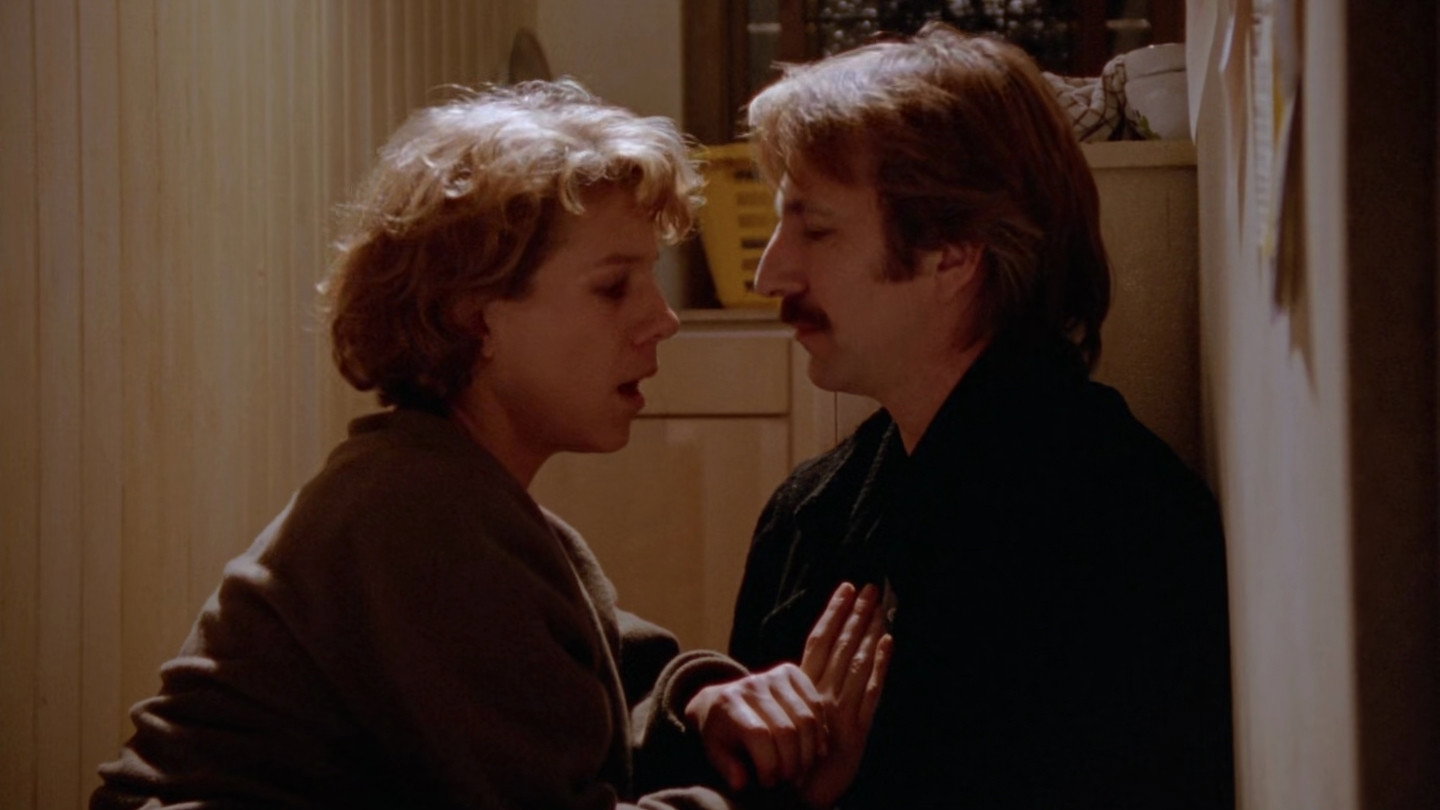
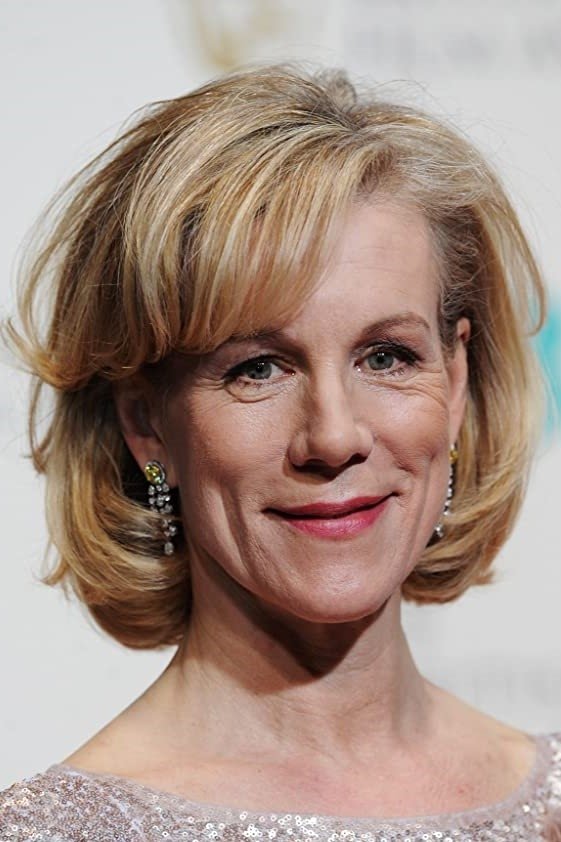
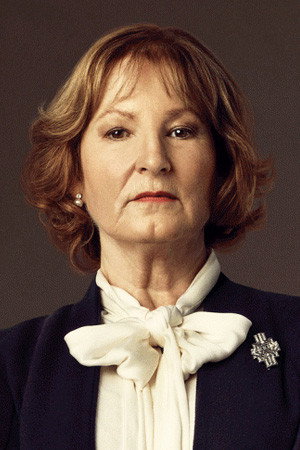
Juliet Stevenson makes Nina’s bereavement feel exhausting, including for anyone who might try to offer comfort. We found her grief hard to watch, because she makes the longing for Jamie seem urgent enough to crowd out every other thought. There is little flattering about such unhappiness, and Stevenson does not tidy it up to make Nina easier company. The performance gives the fantasy a reason to exist: we understand why this woman would ask for something impossible.
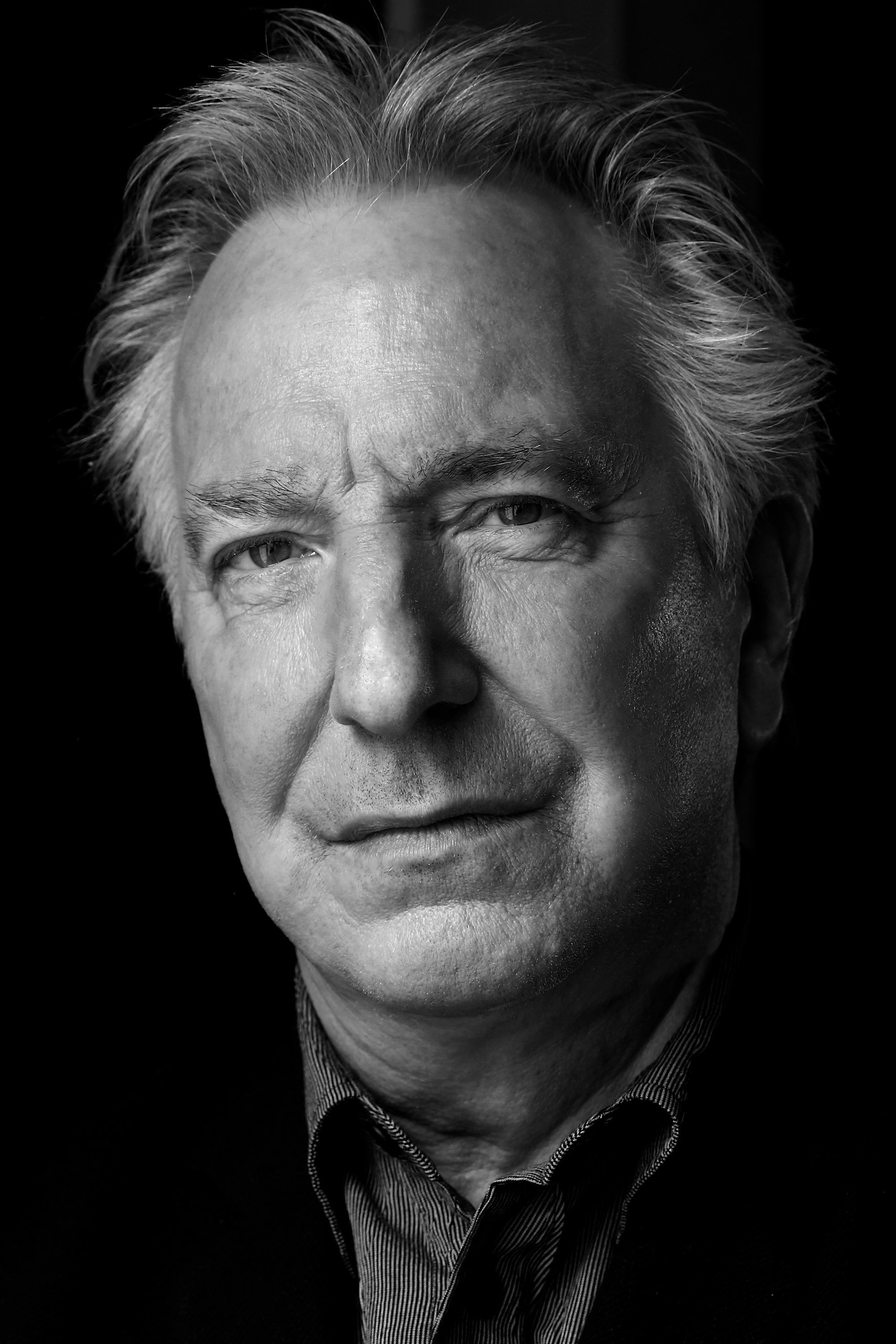
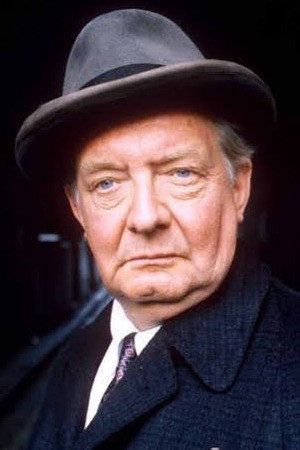
Alan Rickman makes Jamie welcome without making him faultless. His dryness is useful in a film that can become overfond of its own tenderness, and his comic presence gives Stevenson something solid to react to. We can believe that Nina misses this particular man, including the qualities that might make him tiresome to live with. Minghella’s writing is strongest here, when affection has to accommodate the less convenient business of another person’s temperament.
We like the plainness of Remi Adefarasin’s cinematography, which keeps our attention on the actors without making the supernatural into a separate attraction. Barbara Gosnold’s production design gives the reunion a domestic scale; it matters that this fantasy has somewhere ordinary to happen. Those choices help Rickman’s presence feel like a change in Nina’s daily life. The film needs that ordinariness to make the prospect of living with a ghost feel worth considering.
John Stothart’s editing faces the awkward task of carrying us from Stevenson’s anguish into Minghella’s comedy, and the transition sometimes feels abrupt. The jokes can seem to arrive while the hurt of the previous moment is still with us, so laughter takes an effort the script has not quite allowed for. We would occasionally welcome less encouragement from Barrington Pheloung’s score, too, since Stevenson has already made the feeling clear. Minghella does not always trust the sadness to hold our attention.
His script also keeps explaining bereavement through the returning lover when the central idea has already registered. Some of the sweetness starts to feel prescribed, as though the film knows the proper way for everyone to feel about loss. That sits awkwardly with the stubborn unhappiness Stevenson has made so believable. Still, a supernatural romance willing to allow grief this much discomfort has something worthwhile to offer a genre often too eager to reassure us.
This is not a romance to choose merely because a ghost promises a little escape from real life. Its sadness is substantial, and Stevenson makes it difficult to keep at a safe distance. Anyone impatient with whimsical comedy may find the changes of mood trying. Give it an evening when there is no need to pretend everyone is fine.