Film review

Mississippi Burning

1988 · Directed by Alan Parker · 2h 08m · MPA R

In a sentenceA civil rights drama in which the FBI gets most of the lines

DramaCrimeMysteryThriller

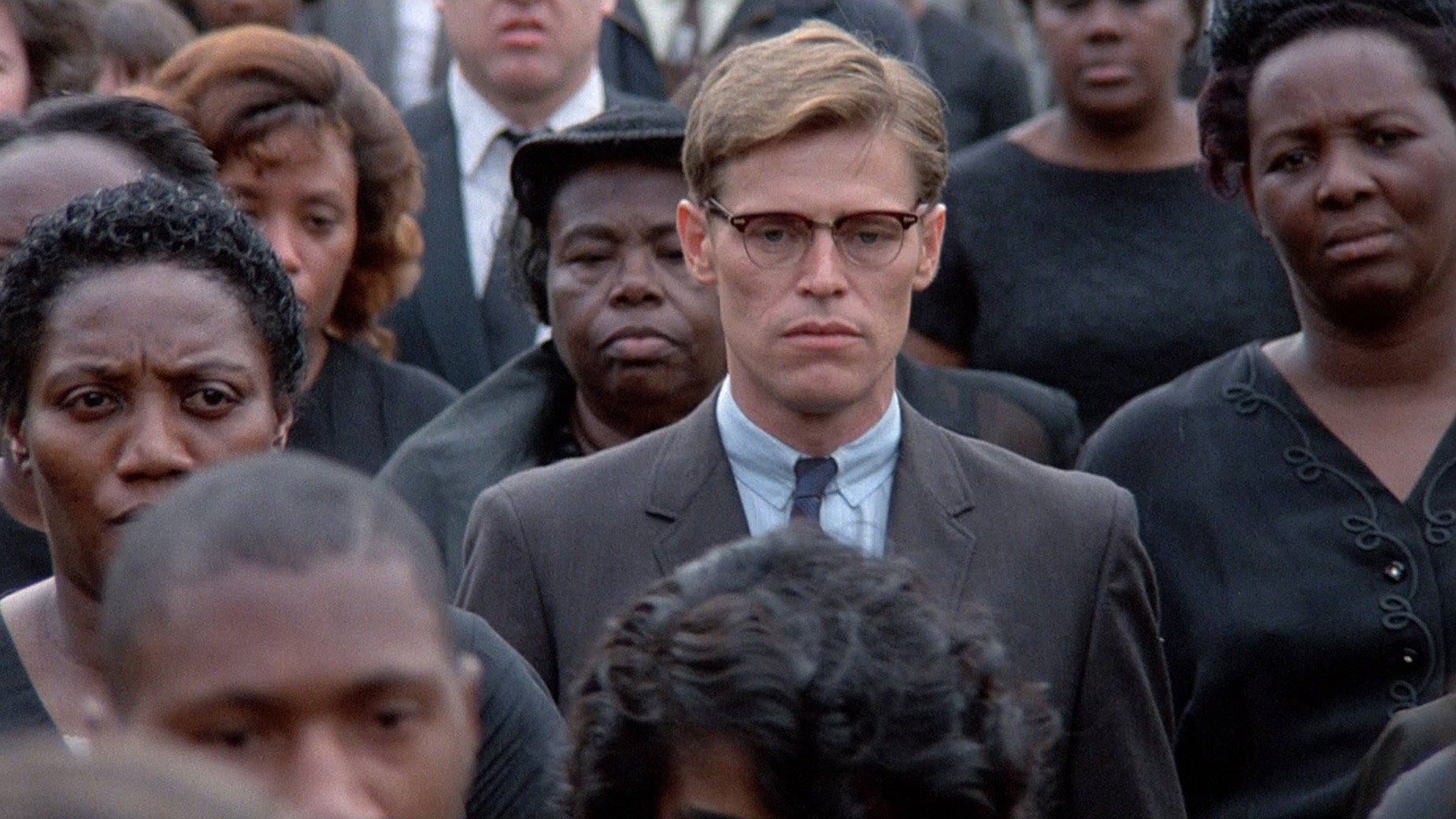
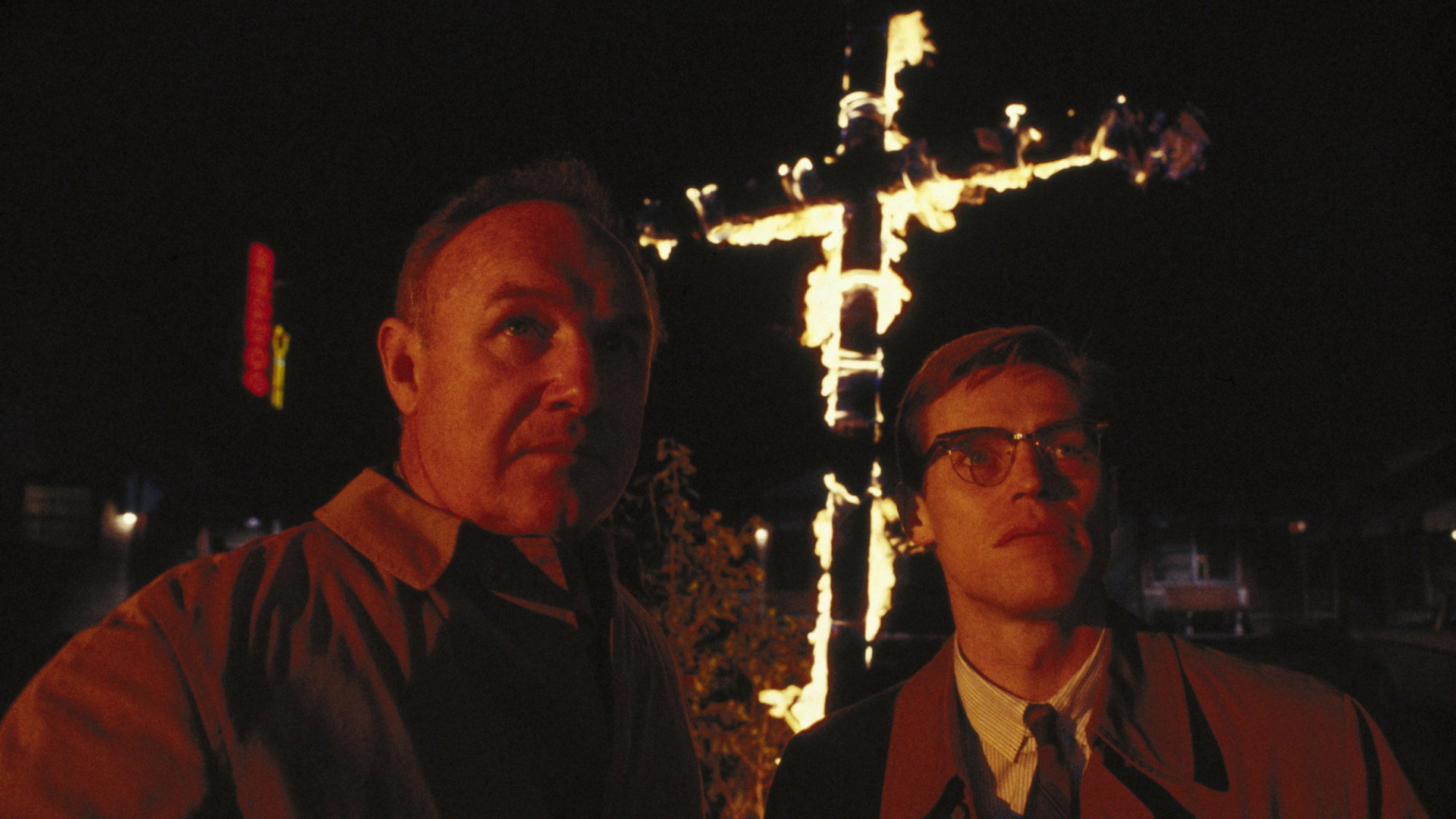
In rural Mississippi in 1964, FBI agents Rupert Anderson (Gene Hackman) and Alan Ward (Willem Dafoe) investigate the disappearance of civil rights workers. Their enquiries take them among local people in a community shaped by racial hatred. Frances McDormand plays Mrs Pell, with Brad Dourif as Deputy Clinton Pell, R. Lee Ermey as Mayor Tilman and Gailard Sartain as Sheriff Stuckey. Alan Parker directs a crime drama centred on the federal investigation, the people the agents encounter and the racial violence surrounding their search.

Plays from YouTube when you press play; nothing loads from them until then.

Fi1m review

Alan Parker’s thriller about racist violence is worth seeing for its tension and performances, especially Gene Hackman’s. But its FBI-led story leaves the black community too little space to speak or act.

Alan Parker’s Mississippi Burning is a good police thriller whose choice of heroes limits what it can say about racial terror. It follows FBI agents investigating the disappearance of civil rights workers in rural Mississippi in 1964, and keeps the pressure on their enquiries. Parker wants us angry at the racism and anxious about what the investigators will find. That concentration makes the case absorbing, but it also gives those investigators too much of our attention.

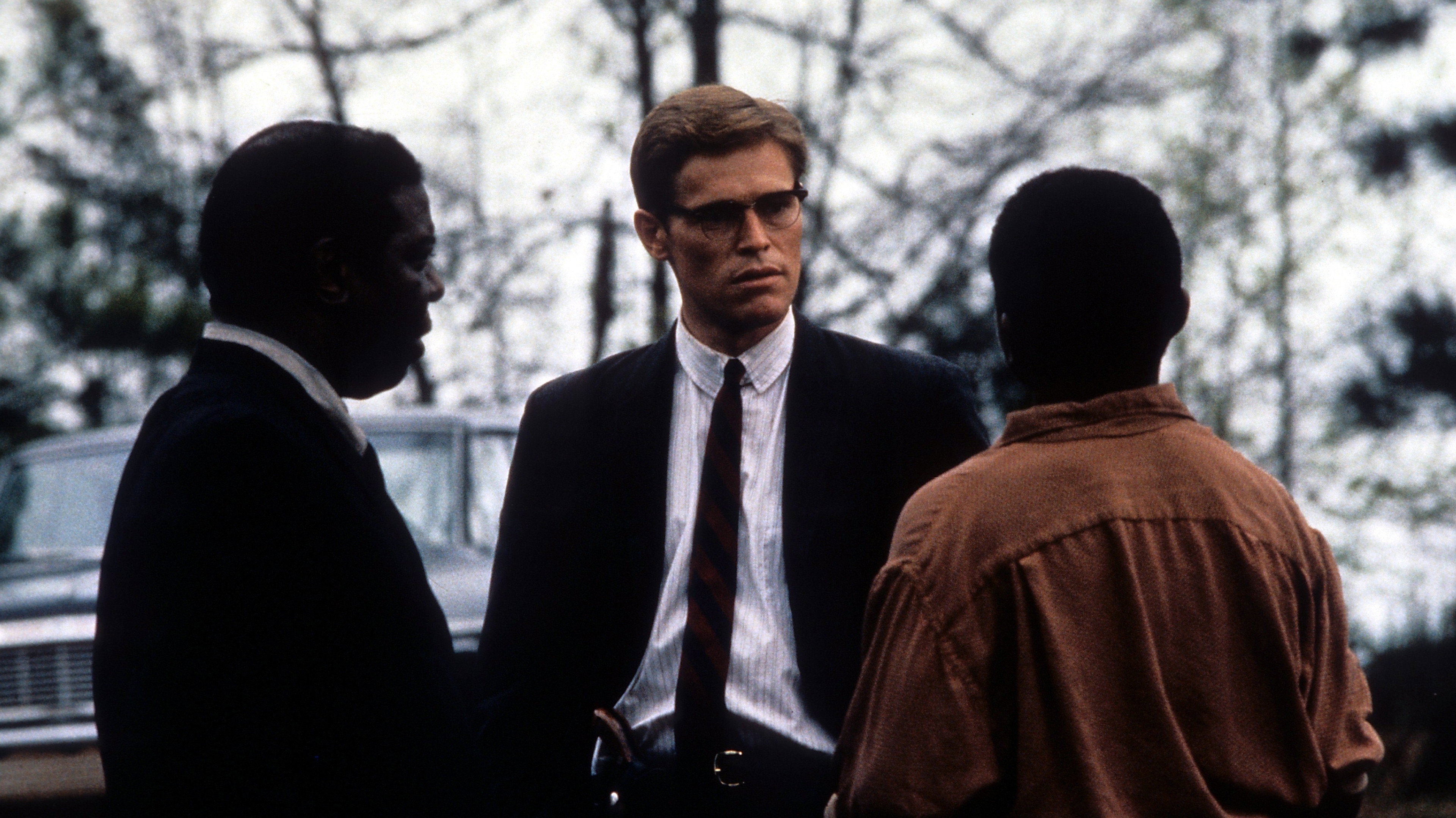
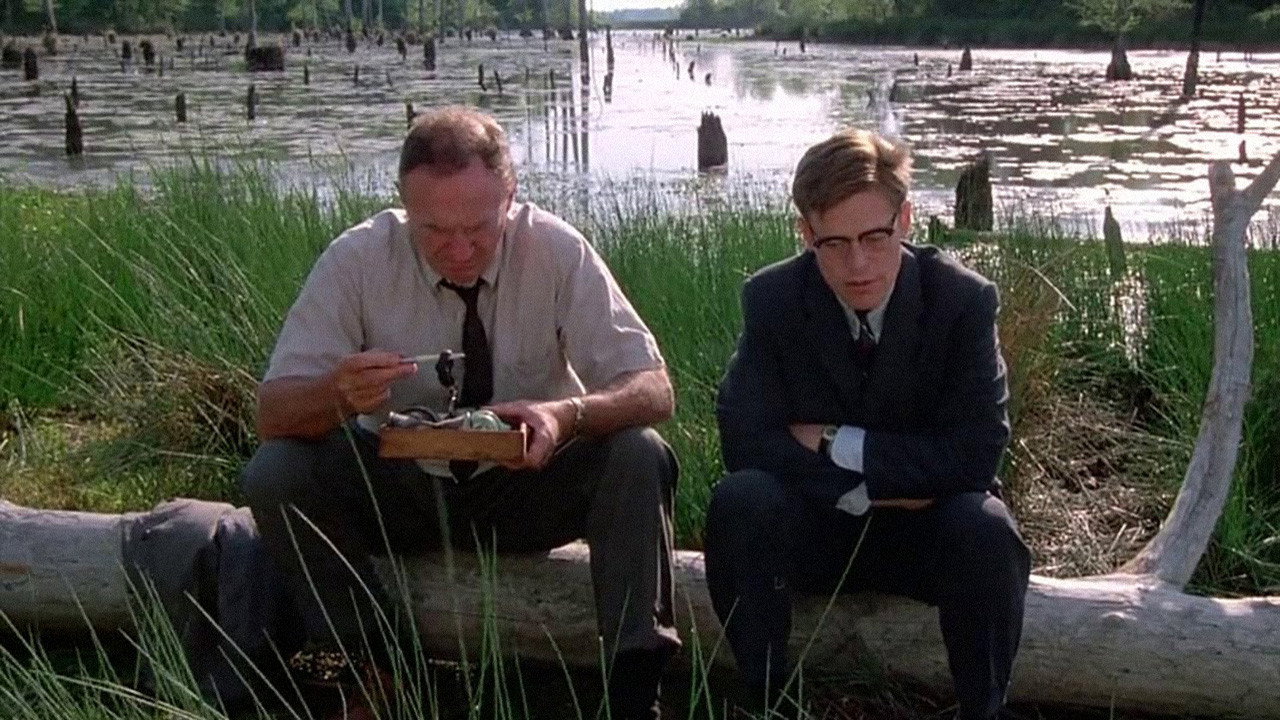
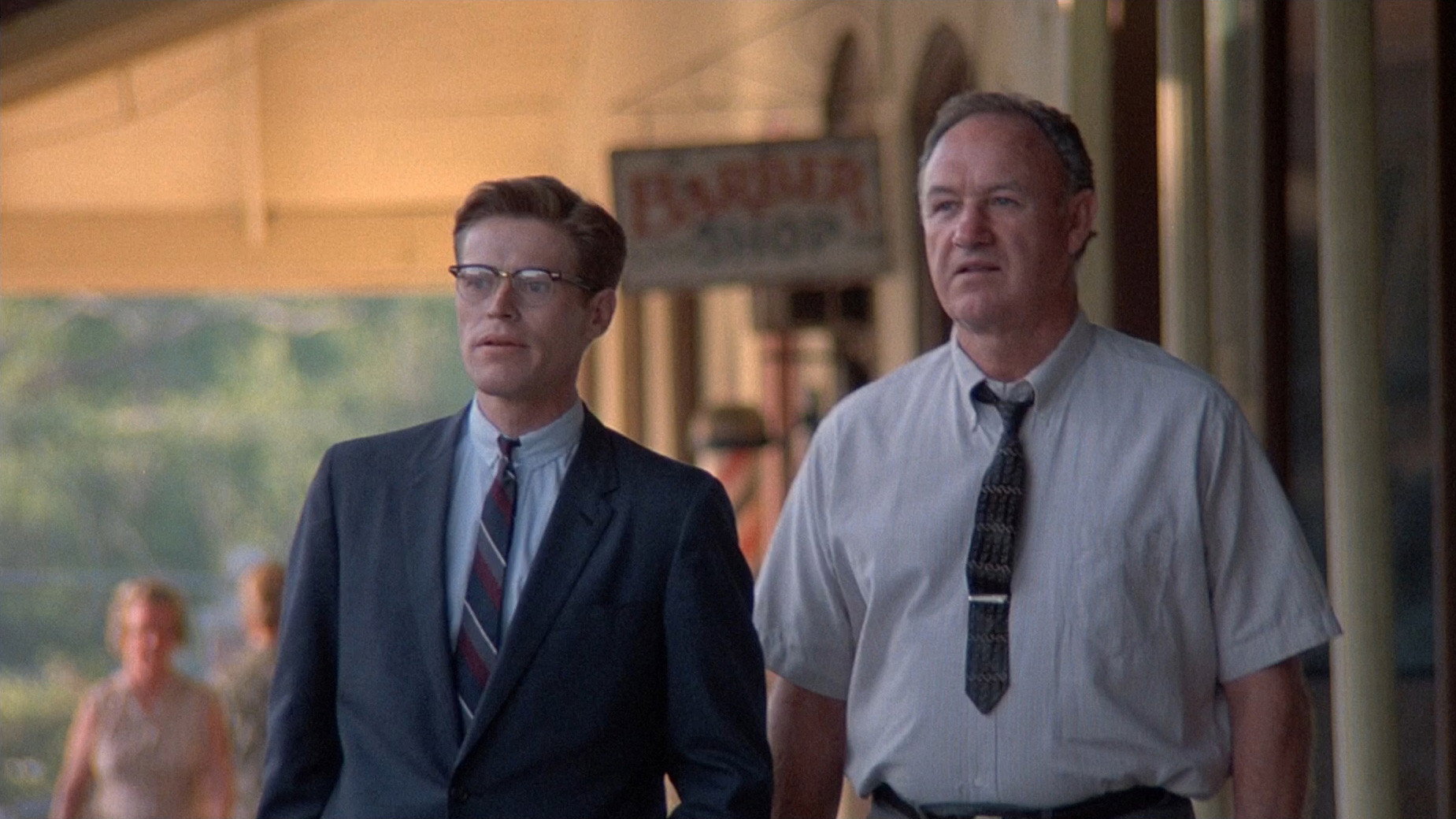
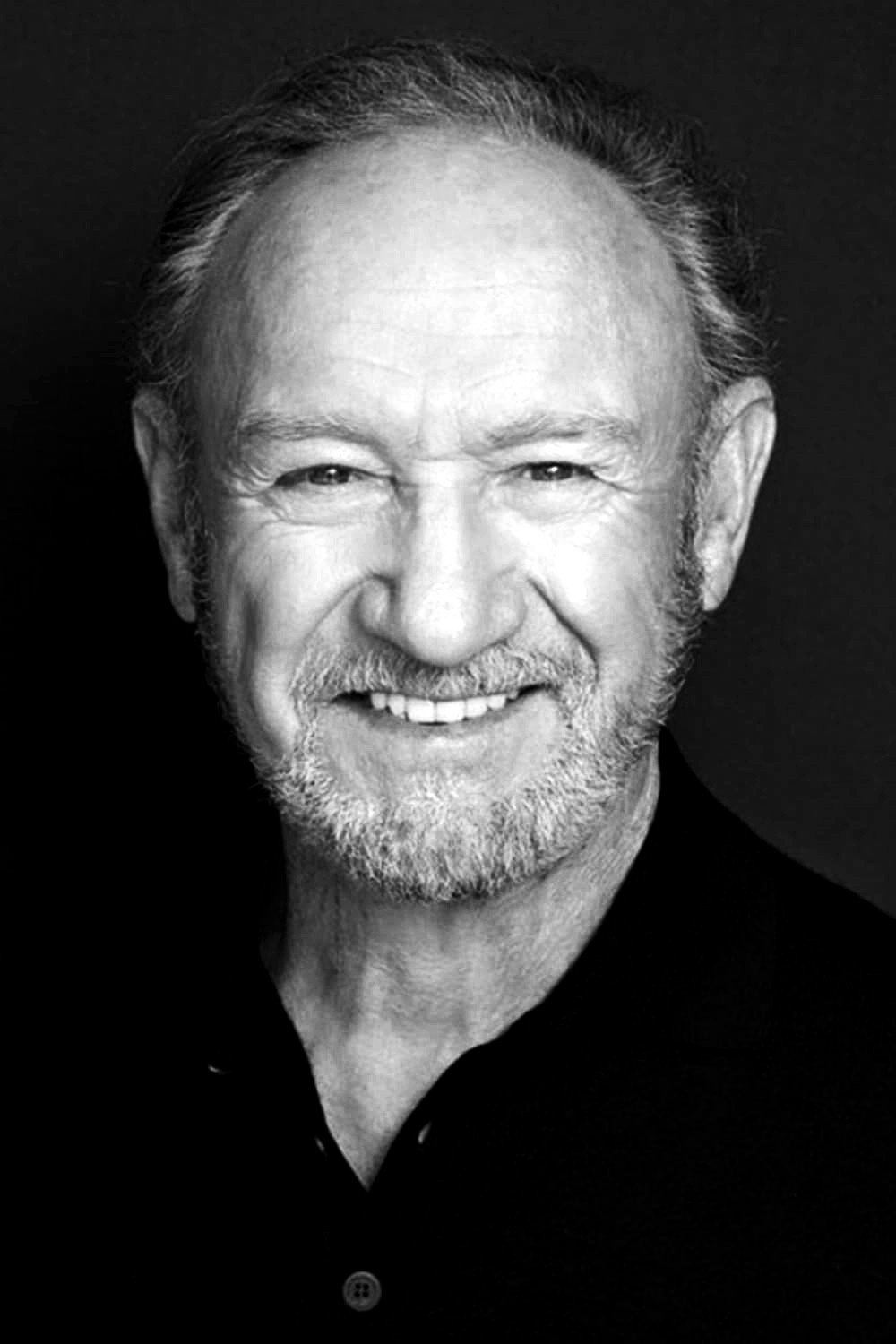
Gene Hackman makes Agent Rupert Anderson compelling company, and that is both the film’s advantage and part of its trouble. His performance has humour and danger without making either look like an actor’s demonstration; Willem Dafoe, as Agent Alan Ward, is effective but less absorbing. We felt uneasy during the agents’ attempts to question the locals, because the hostility makes even an ordinary enquiry feel unsafe. These scenes make the investigation gripping before the story needs to increase the violence.

Frances McDormand’s Mrs Pell matters because she briefly makes a life outside the investigation feel worth following for its own sake. McDormand allows fear to be quiet, which is welcome in a film that often presses hard for a response. Brad Dourif, playing Deputy Clinton Pell, is a more abrasive presence, and the contrast helps the scenes involving local people resist becoming mere stages in the agents’ progress. There is enough in these performances to sustain a longer look at the town’s inhabitants.

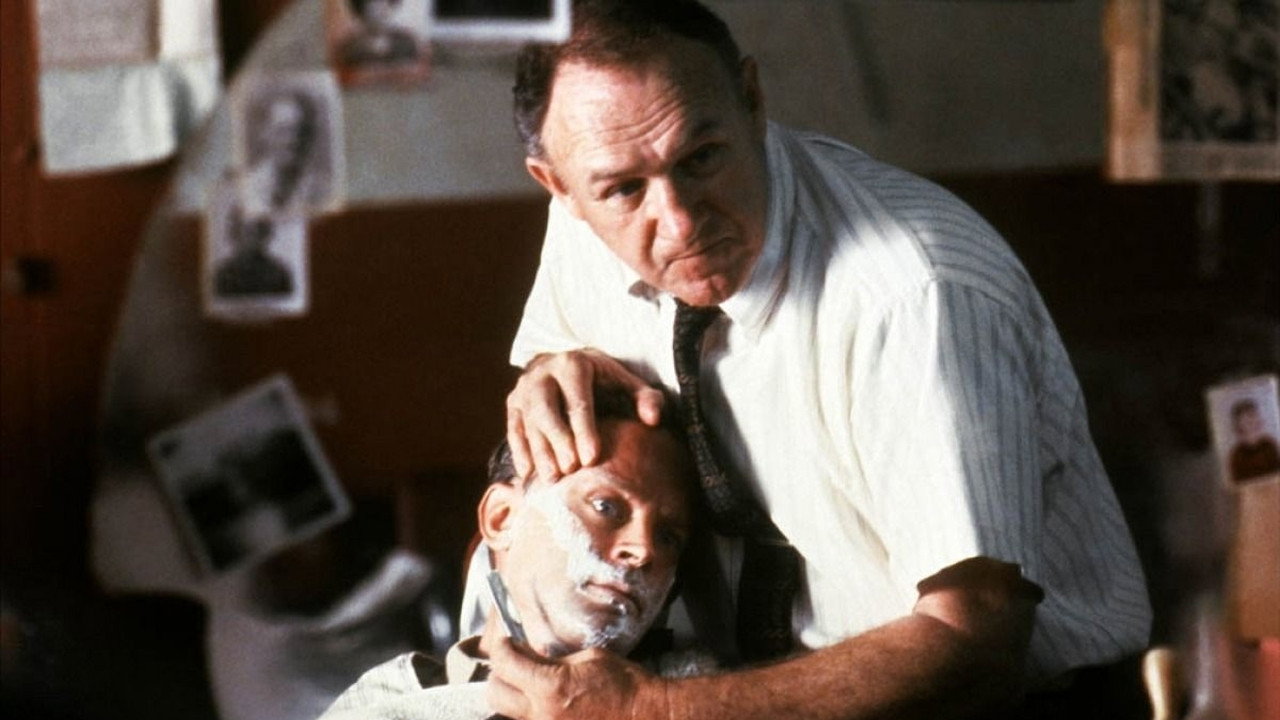
Peter Biziou’s cinematography makes the town feel hostile even during the enquiries, when the film could settle for photographing people talking. The barbershop visit benefits from that attention to place: Anderson is investigating on somebody else’s ground. Production designers Philip Harrison and Geoffrey Kirkland make these ordinary surroundings convincing enough that the hostility does not need a sinister backdrop. Their work helps the threat feel like part of daily life there.

Gerry Hambling’s editing keeps the enquiries moving, and the film rarely gives us time to settle after an ugly encounter. It is efficient thriller work, although the pressure becomes wearing when every scene seems to demand the same level of alarm. Trevor Jones’s music contributes to that insistence; its prompting is less useful when the performances have already made the danger clear. The later stretches also push towards exaggeration, weakening the credibility built by the earlier conversations.

The larger problem belongs to Chris Gerolmo’s screenplay, which gives the federal agents the scope to act while black characters are too often left to suffer. A police procedural can reasonably follow the police, but this one uses racial persecution to supply the urgency and then gives too little space to black resistance. That matters even if we accept the story as fiction. We learn much more about how the agents work than how the community survives.

As a crime thriller, the film earns its place through Parker’s command of tension and a cast worth watching even when the writing simplifies them. The historical setting asks for more than the familiar satisfaction of capable agents confronting vicious men. Watch it for Hackman and McDormand, but do not treat it as a history of the people they encounter.
Critical consensus AI synthesised

74
Positive
7
Mixed
0
Negative
1

Most critics respond strongly to Mississippi Burning as a tense police drama that conveys the danger and racism of rural Mississippi. Praise centres on Gene Hackman, with Willem Dafoe and Frances McDormand also singled out, and on the film’s forceful pacing and convincing sense of place. The favourable reviews find its depiction of racial violence disturbing and dramatically effective, even when they question its handling of history.

The reservations concern whose story gets told and how far the fiction departs from the record. Several critics object to the sidelining of Black activism and the emphasis on white FBI agents, while others find the ending exaggerated or damaging to credibility. Seven of the eight reviews are positive, but the spread is wide. The New Yorker supplies the sole negative assessment, arguing that distorted facts, crude characterisation and mechanical effects overwhelm the effective scenes and performances.

RogerEbert.com
9 December 1988 · ★★★★/4 · Roger Ebert
100

The film is a gritty police drama about two FBI agents investigating the disappearance of civil rights workers that powerfully captures the passion and racism of 1964 rural Mississippi. Ebert singles out its authentic sense of time and place and the performances, especially Gene Hackman and Frances McDormand, for praise.

Read the full review →
The New York Times
9 December 1988 · Vincent Canby
85*

The film is one of the toughest and most effective fiction films yet made about bigotry and racial violence. Canby praises its straight dramatization of the true story without pieties or subterfuges.

Read the full review →
Radio Times
★★★★ · Sue Heal
80

This powerful drama features mesmerising performances from Gene Hackman and Willem Dafoe as FBI agents fighting racism. It crackles with dramatic tension and is a gripping evocation of the early civil rights movement, shot with visual flair.

Read the full review →
Empire
1 January 2000 · Barry McIlheney
75*

The critic finds the film superb cinema for its gripping pace, vivid evocation of the South, and strong performances by Hackman and Dafoe, despite noting that it prioritizes fiction and a white-savior narrative over historical accuracy.

Read the full review →
Los Angeles Times
9 December 1988 · Sheila Benson
75*

The film moves viewers to outrage as fiction patterned on the 1964 murders and powerfully creates a sense of time and place thick with danger. Benson praises its cumulative power and catalogue of faces but notes omissions of black activism.

Read the full review →
Time Out
10 September 2012 · GA
70*

Parker's film goes for the gut rather than the head in its assessment of Deep South racism. It praises Hackman's excellent performance and the director's controlled style without flashy tropes, while noting that Black characters are seen as mute victims and the ending falls into hyperbole.

Read the full review →

Cast

Stills

Awards

Academy Awards, 1989

Nominated
Best Actor
Nominated
Best Director
Nominated
Best Film Editing
Nominated
Best Picture
Nominated
Best Sound
Nominated
Best Supporting Actress
Won
Best Cinematography

If you liked this, try…

In the Heat of the Night poster

In the Heat of the Night

1967 · Another Southern investigation, with the racial tensions placed between its two leads.

A Dry White Season poster

A Dry White Season

1989 · An investigation into racist state violence, with similar questions about whose story matters.

Memories of Murder poster

Memories of Murder

2003 · Police procedure becomes unnerving when the investigators themselves are part of the problem.

Selma poster84

Selma

2014 · For the organising, disagreements and black political leadership largely missing here.

Z poster

Z

1969 · Political murder drives another urgent thriller about institutions protecting the guilty.