Cameron Crowe’s Almost Famous is funny, generous and occasionally too forgiving of the people it loves. The performances make its teenage enthusiasm convincing, even when the nostalgia softens behaviour that deserves a harder look.
Almost Famous understands how difficult it is to write honestly about people whose company makes us feel fortunate. Cameron Crowe sends a teenage rock journalist on tour with a band, then gives him ample reason to forget he has a job to do. We recommend it for its performances and its understanding of fandom, despite a tendency to forgive the musicians before we have finished being cross with them. Crowe keeps the boy’s pleasure in being there at the centre.
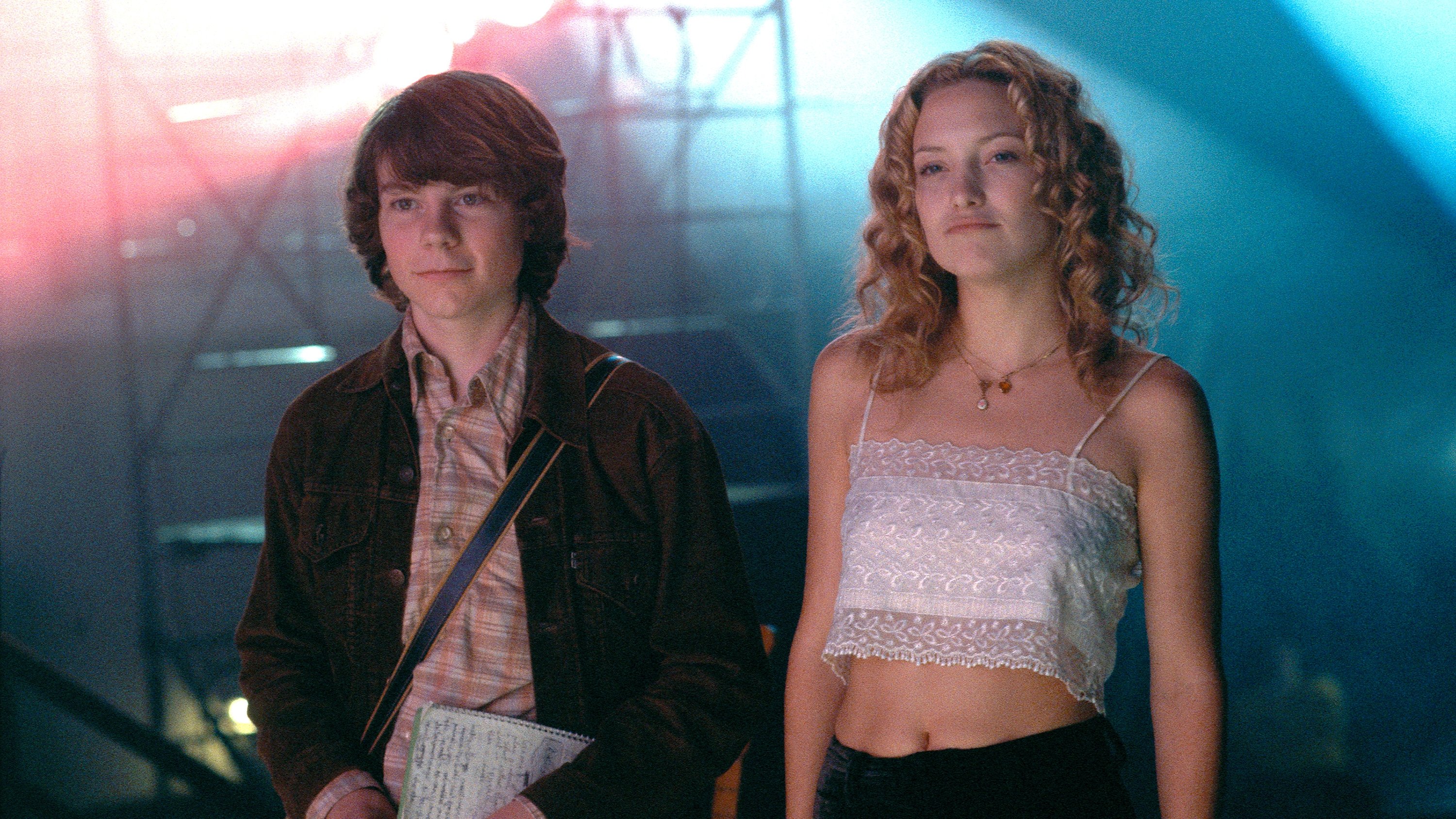
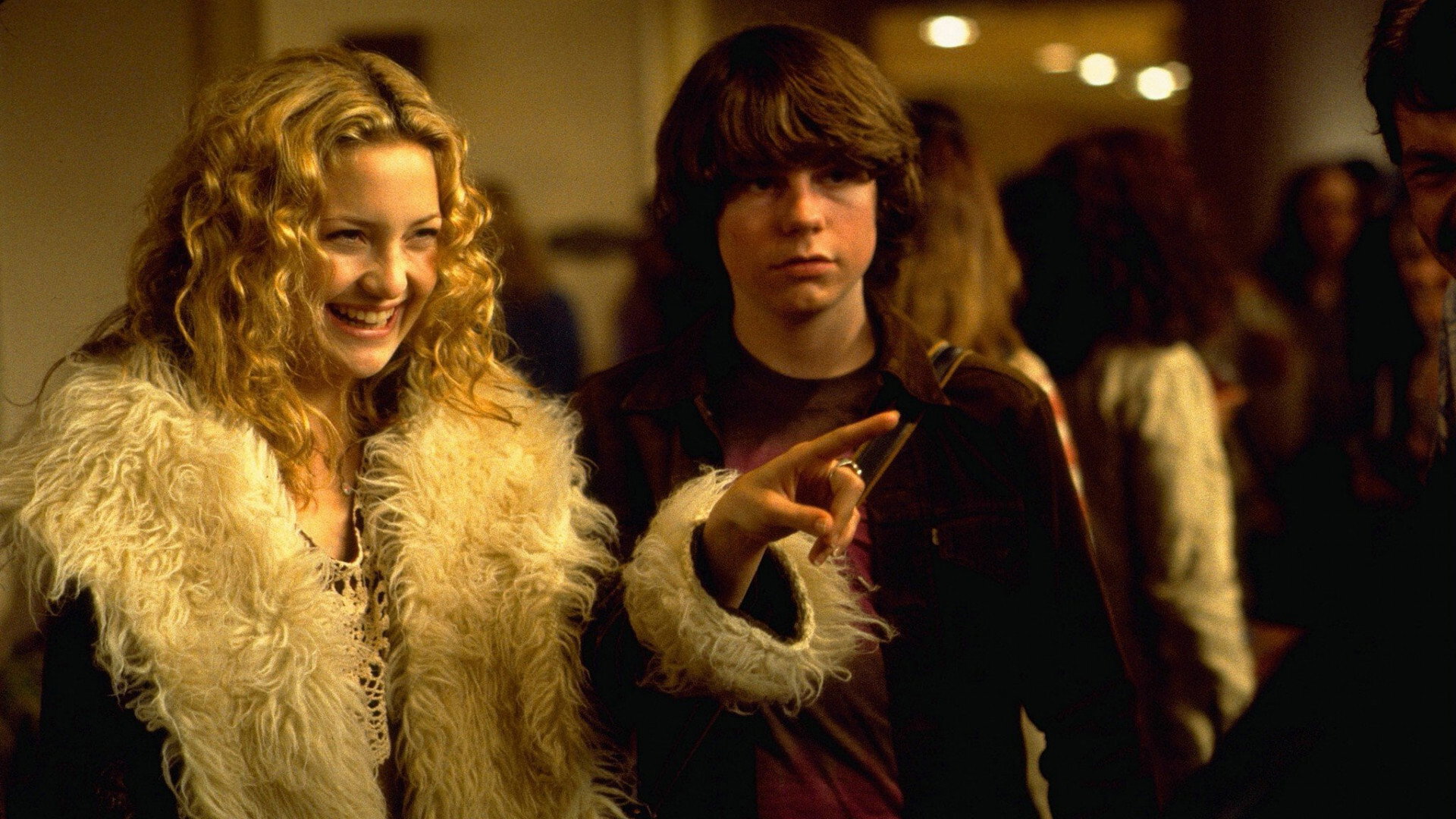
Patrick Fugit plays William Miller with an earnestness that makes his access to these musicians feel like an enormous event. He does not need to turn the boy into a miniature professional to make his interest in the work believable. We felt protective of William because Fugit’s earnest attention makes every encounter with the band seem so important to him. He makes it easy to recognise the difficulty of dealing with adults whom we would prefer simply to admire.
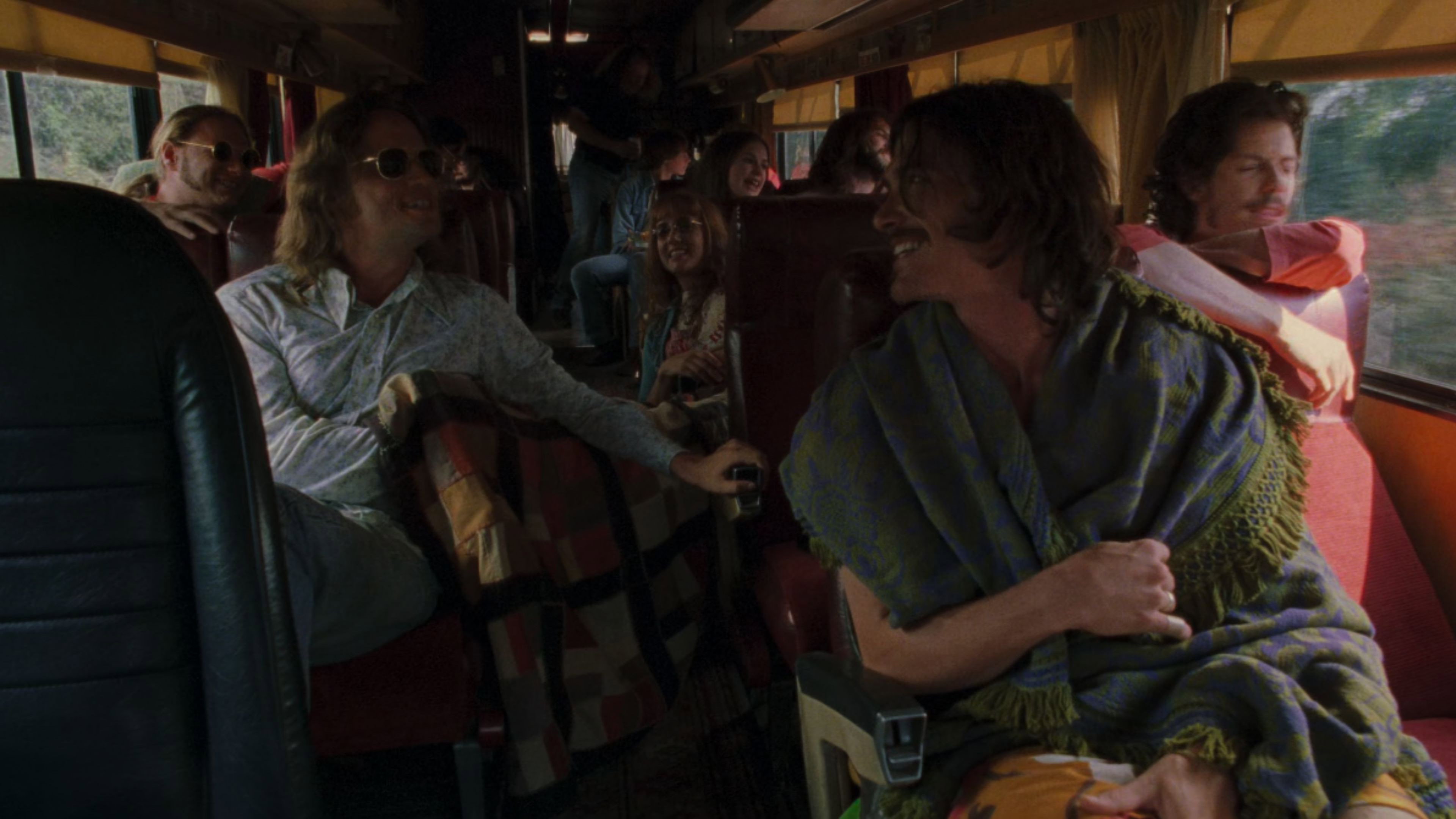
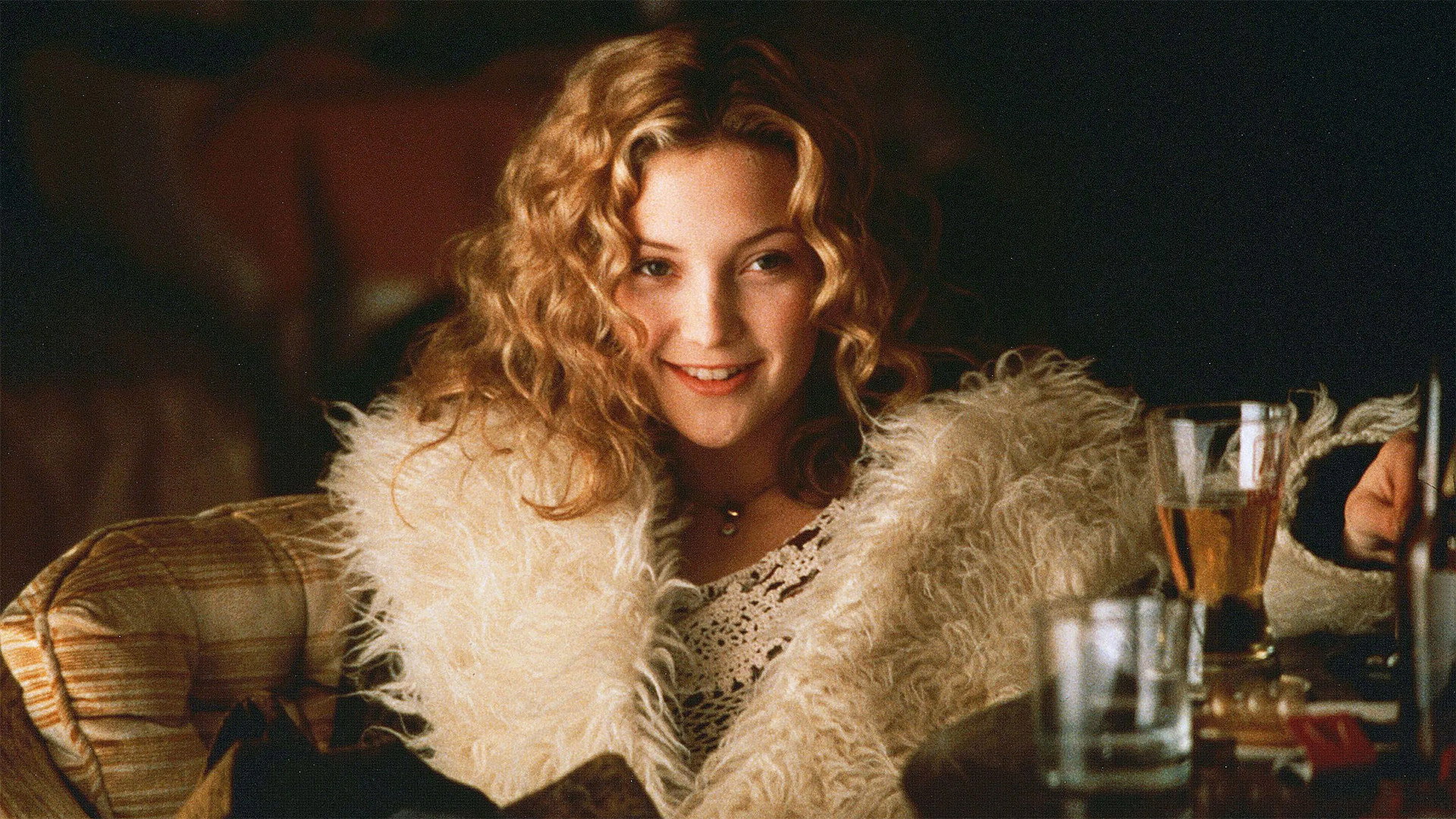
Kate Hudson’s Penny Lane makes the attraction of this company equally clear, and her warmth does much to justify the film’s affection for it. Billy Crudup, as Russell Hammond, is persuasive company for a boy susceptible to musicians. His appeal matters: without it, William’s enthusiasm would be much harder to understand, and the film would spend its time asking us to excuse the boy. Frances McDormand’s Elaine Miller brings welcome firmness to a film inclined to indulge people, giving the surrounding charm some useful resistance.
John Toll’s cinematography makes proximity to the musicians feel inviting, which is right for William and occasionally too kind to everyone else. Editors Saar Klein and Joe Hutshing give the encounters time to develop, although the journey can start to feel shapeless between them. Nancy Wilson’s music helps maintain the tenderness without treating the boy’s love of rock as a joke. These are sympathetic contributions to a film that wants us to enjoy accompanying its characters, and is prepared to let the story wander while we do.
The softness does matter. Crowe’s writing recognises the awkwardness of reporting on people one likes, but it is less willing to follow that awkwardness into sustained discomfort. The wandering becomes a weakness when another appealing encounter postpones the difficult business of deciding what William should make of these people. We can enjoy their company and still want the film to be less accommodating about the selfishness that comes with it.
The consensus is markedly cooler than we are, with the objections centred on Crowe’s softened picture of rock life. We think that criticism gives too little weight to how convincingly the film presents a fan’s excitement. A coming-of-age film need not account for an entire industry, and this one understands how the wish to belong can interfere with judgement. Its mistake is to become so fond of the people William meets that it sometimes seems reluctant to let him judge them at all.
We would choose it for an evening when a young person’s enthusiasm is welcome company. Allow for some wandering, and for Crowe’s habit of liking almost everyone a little too much. Anyone hoping the musicians will receive a thorough interrogation should bring a second journalist.