Film review

Boogie Nights

1997 · Directed by Paul Thomas Anderson · 2h 36m · MPA R

In a sentenceA porn director insists the plot matters, and we find ourselves taking him seriously

DramaComedy

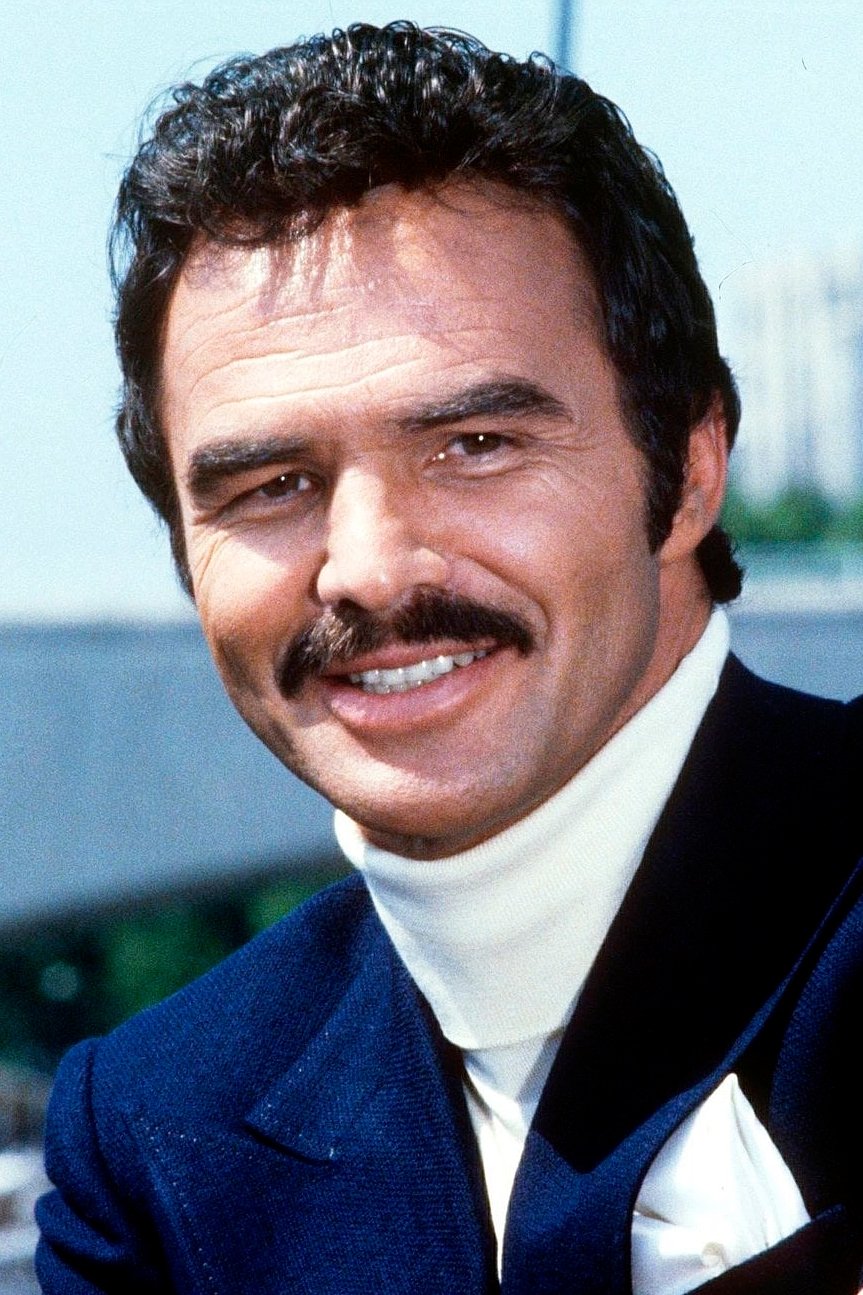
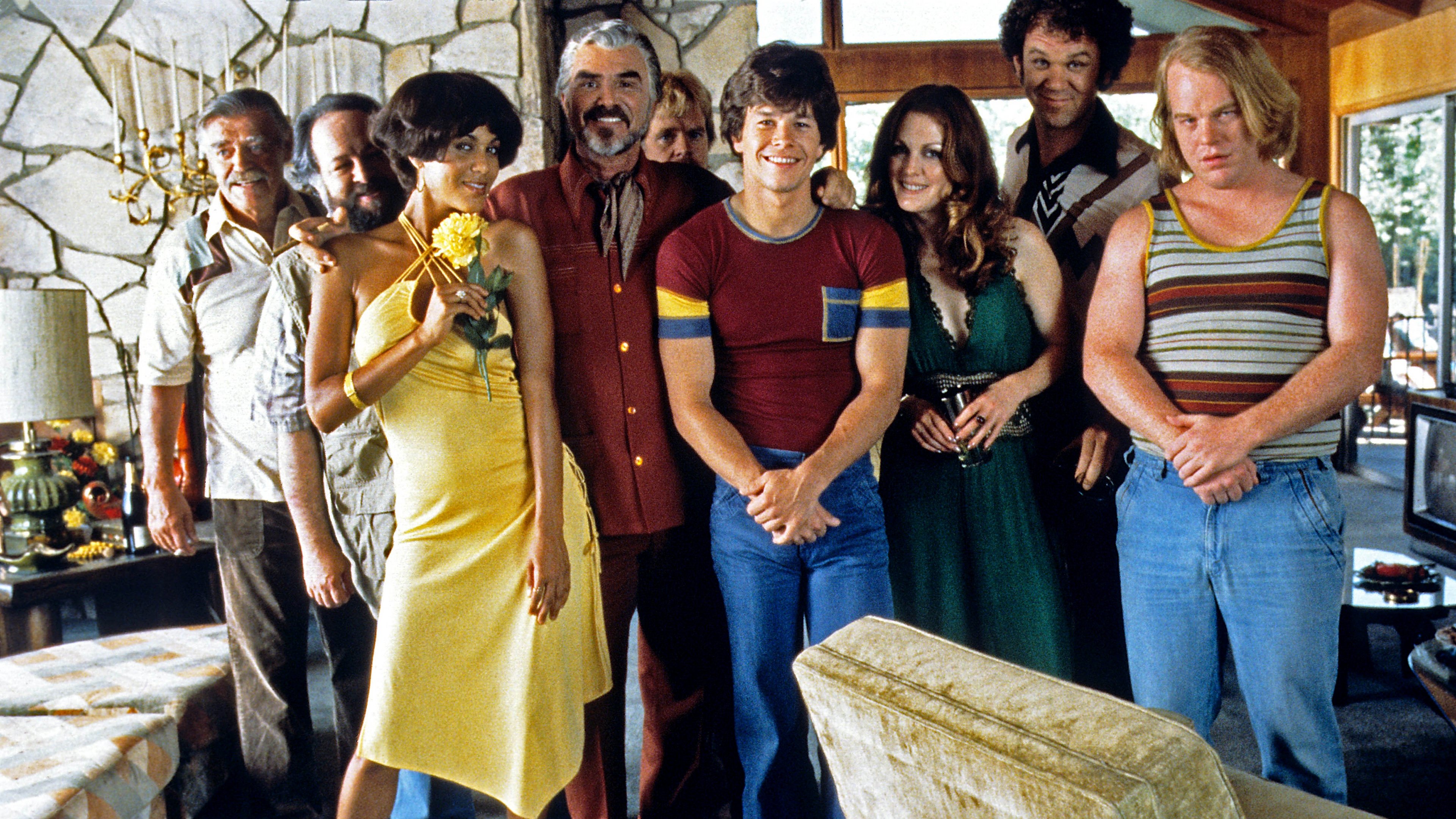
In the Los Angeles pornography business of the 1970s and 1980s, Eddie Adams (Mark Wahlberg), also known as Dirk Diggler, pursues a career in adult films. Filmmaker Jack Horner (Burt Reynolds) wants to make pornography in which the story matters, working among performers with ambitions of their own. His circle includes Amber Waves (Julianne Moore), Reed Rothchild (John C. Reilly) and Rollergirl (Heather Graham). As Eddie’s fortunes rise and fall, the film follows the people whose lives are tied to the same industry, and the distance between the success they imagine and the work in front of them.

Plays from YouTube when you press play; nothing loads from them until then.

Fi1m review

Paul Thomas Anderson’s drama about the pornography business is funny, generous and worth the long evening. The rise-and-fall story grows familiar, but the performances and the care taken over crowded scenes keep it absorbing.

Paul Thomas Anderson takes the rise and fall of a performer in the pornography business and gives it the attention usually reserved for more respectable careers. Boogie Nights is funny, expansive and compassionate enough to justify most of its 156 minutes, with an ensemble we would happily spend an evening watching. Anderson is interested in people who want their work to count, even when their claims for it invite a smile. His weakness is a familiar rise-and-fall structure, which eventually makes the film easier to anticipate than its early freedom suggests.

We were delighted by the opening long take, because it introduces a crowd without making anyone seem like an item on a cast list. Cinematographer Robert Elswit keeps the movement readable, letting us discover people within the shot instead of waiting for separate introductions. The widescreen framing gives the ensemble room to exist together, so our attention can move between faces. It is showy work, certainly, but the showing off helps us understand who belongs in this company.

Mark Wahlberg’s Eddie Adams, who becomes Dirk Diggler, is an appealing centre because his openness makes the ambition seem touchingly uncomplicated. Burt Reynolds, as filmmaker Jack Horner, brings a different seriousness: he wants narrative tension to matter in a business with a rather specific audience requirement. Reynolds allows the idea to be funny without treating the man as a fool, and that distinction matters whenever Anderson approaches a joke at someone’s expense. Julianne Moore’s Amber Waves gives the ensemble emotional weight without making her performance feel like a request for sympathy.

Bob Ziembicki’s production design and Mark Bridges’s costumes give the 1970s setting enough character that the period never has to carry the entertainment by itself. The rooms and clothes help distinguish people within the crowd; they are useful to the drama as well as pleasurable to look at. Michael Penn’s music supports the movement between comedy and discomfort, though it registers less strongly than Elswit’s images. Across these departments, the pleasure is in the care taken over a workplace that another film might present only as a joke.

Dylan Tichenor’s editing keeps the company legible over a long running time, and the early sections have an inviting ease about moving between people. John C. Reilly’s Reed Rothchild and Philip Seymour Hoffman’s Scotty J. help make the supporting cast feel worth following beyond Eddie’s immediate concerns. Yet the accumulation of subplots becomes a problem: some feel like another opportunity for a good actor rather than another necessary part of the story. We would lose a little of that company to give the central drama more urgency.

The comparison with Goodfellas is fair, particularly in the restless camera and the broad course from excitement towards trouble. Anderson’s affection for the people gives this film enough of its own character, although it does not erase the familiarity of that progression. Once the story starts to follow its expected course, the length becomes more noticeable. The performances keep individual scenes alive even when the larger story offers fewer surprises.

The film’s generosity makes the familiar cautionary tale worth sitting through: even the foolish aspirations are allowed some dignity. That is especially valuable in a story about work so easily reduced to smirking or moral instruction. Anderson lets us laugh without requiring us to feel superior to everyone on screen. Give it an uninterrupted evening, with a little patience for the subplots.

Critical consensus AI synthesised

78
Positive
6
Mixed
1
Negative
0

Most critics respond warmly to Boogie Nights, with praise centred on Anderson’s confident direction and the ensemble cast. Burt Reynolds and Julianne Moore receive repeated recognition, while the long takes and vivid recreation of the 1970s draw admiration for their energy and assurance. The reviews also find humour and poignancy in the adult-film setting, often stressing that the film’s interest in its performers goes beyond the subject’s potential for titillation.

The reservations concern length, originality and depth, with responses ranging from enthusiastic approval to qualified admiration. Empire finds unnecessary subplots and an excessive running time. The Independent offers a more substantial objection: despite the ambition and performances, the borrowing from Goodfellas feels heavy and the characters remain insufficiently explored. Collider similarly admires the technique but finds too little insight beneath the stylistic homage. The disagreement is chiefly over whether the film’s skill and energy compensate for those limitations.

Radio Times
★★★★★ · Alan Jones
100

This potent parable of the 1970s porn industry is a visually stunning and poignant exploration of the adult entertainment world, charting the rise and fall of its central character. It features brilliant turns from Burt Reynolds and Julianne Moore, along with a justly famous opening Steadicam shot.

Read the full review →
The New Yorker
6 October 1997 · Daphne Merkin
85*

The critic admits to liking the film a great deal despite its sleazy subject matter and calls it the most seductive cautionary tale ever made. Burt Reynolds' performance as the porn auteur is singled out for particular praise.

Read the full review →
Time Out
7 January 2015 · ★★★★ · WH
80

Anderson's second feature offers a dazzling, confident and non-prurient take on the LA porn community, heralding a major new talent through its sweep and ambition. It is a freewheeling homage to the glitter and excesses of the late 1970s, buoyed by strong ensemble performances, particularly from Burt Reynolds and Julianne Moore.

Read the full review →
Empire
1 January 2000 · Christopher Hemblade
75*

The review highlights the film's vivid 1970s recreation, strong ensemble performances, memorable set pieces, and stylish direction, while noting that excessive length and some unnecessary subplots prevent it from achieving full brilliance.

Read the full review →
The Guardian
10 June 2026
75*

The film remains a stylish and energetic descent into the cocaine-fuelled 1970s adult film industry despite lacking some of the craft of Anderson's later work. It singles out the director's witty conveyance of porn impresario Jack Horner's sophisticated dilemma as a filmmaker seeking to transcend the genre through narrative tension.

Read the full review →
The Independent
17 January 1998 · ★★★
60

The critic calls Anderson's film a self-consciously epic trawl through the 1970s-80s porn industry, praising its ambition and strong performances from Moore and Reynolds while criticizing its heavy borrowing from Scorsese's Goodfellas and failure to get under its characters' skin.

Read the full review →

Cast

Stills

Awards

Academy Awards, 1998

Nominated
Best Supporting Actor
Nominated
Best Supporting Actress
Nominated
Best Writing, Original Screenplay

European Film Award for Best Non-European Film, 1998

Nominated
European Film Award for Best Non-European Film

If you liked this, try…

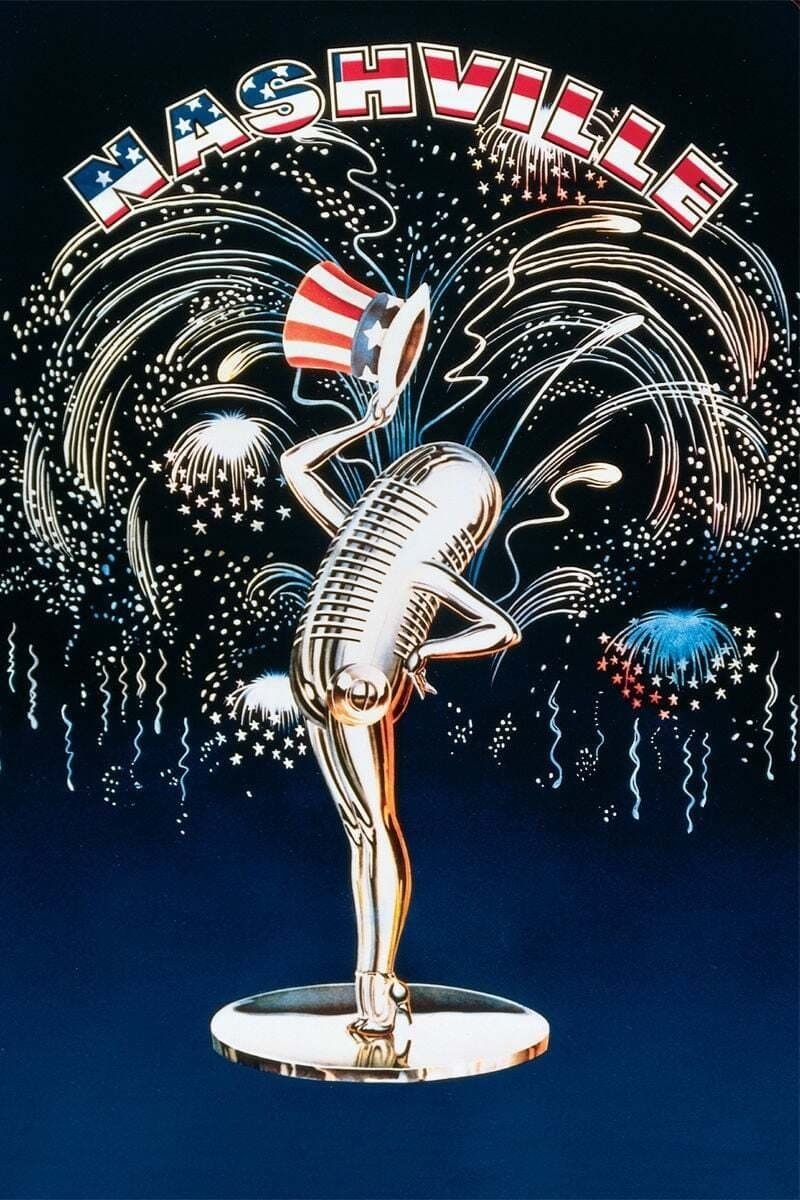
Nashville poster

Nashville

1975 · Another crowded company of performers, with ambition making everyone funny and vulnerable.

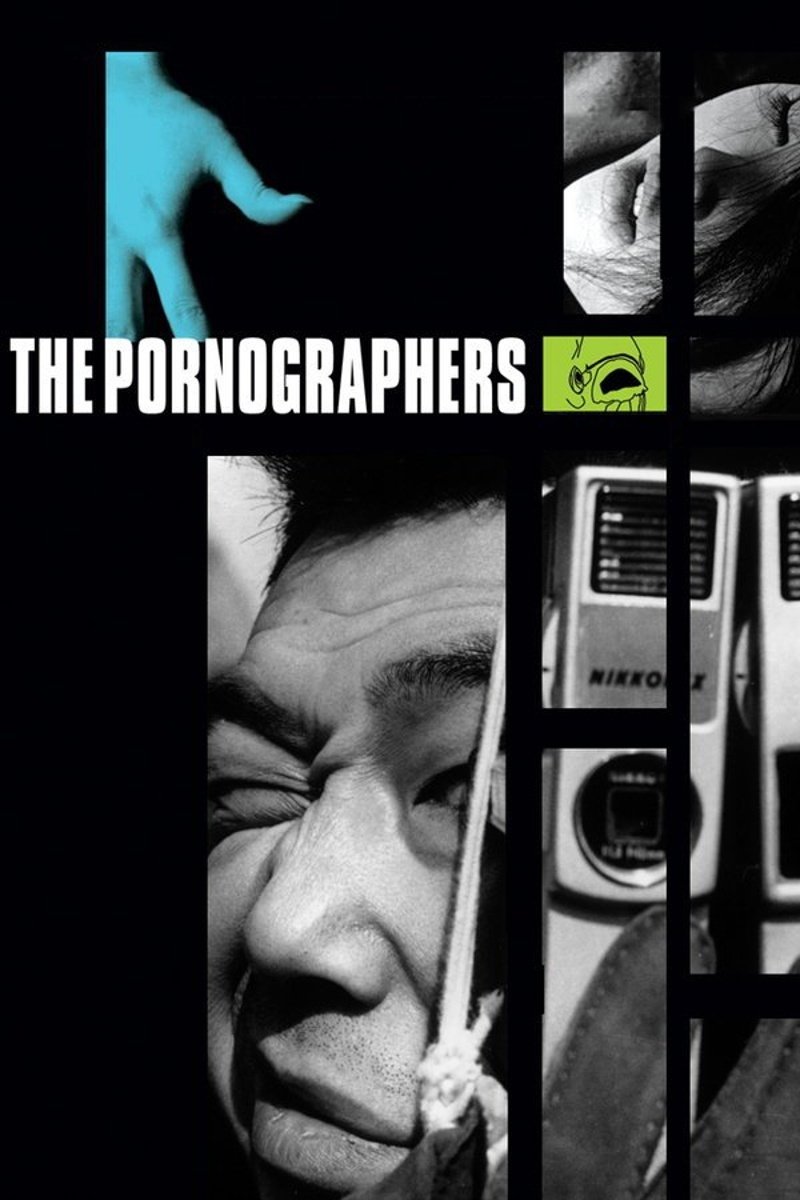
The Pornographers poster

The Pornographers

1966 · A less comforting comedy about the business of sex and domestic obligation.

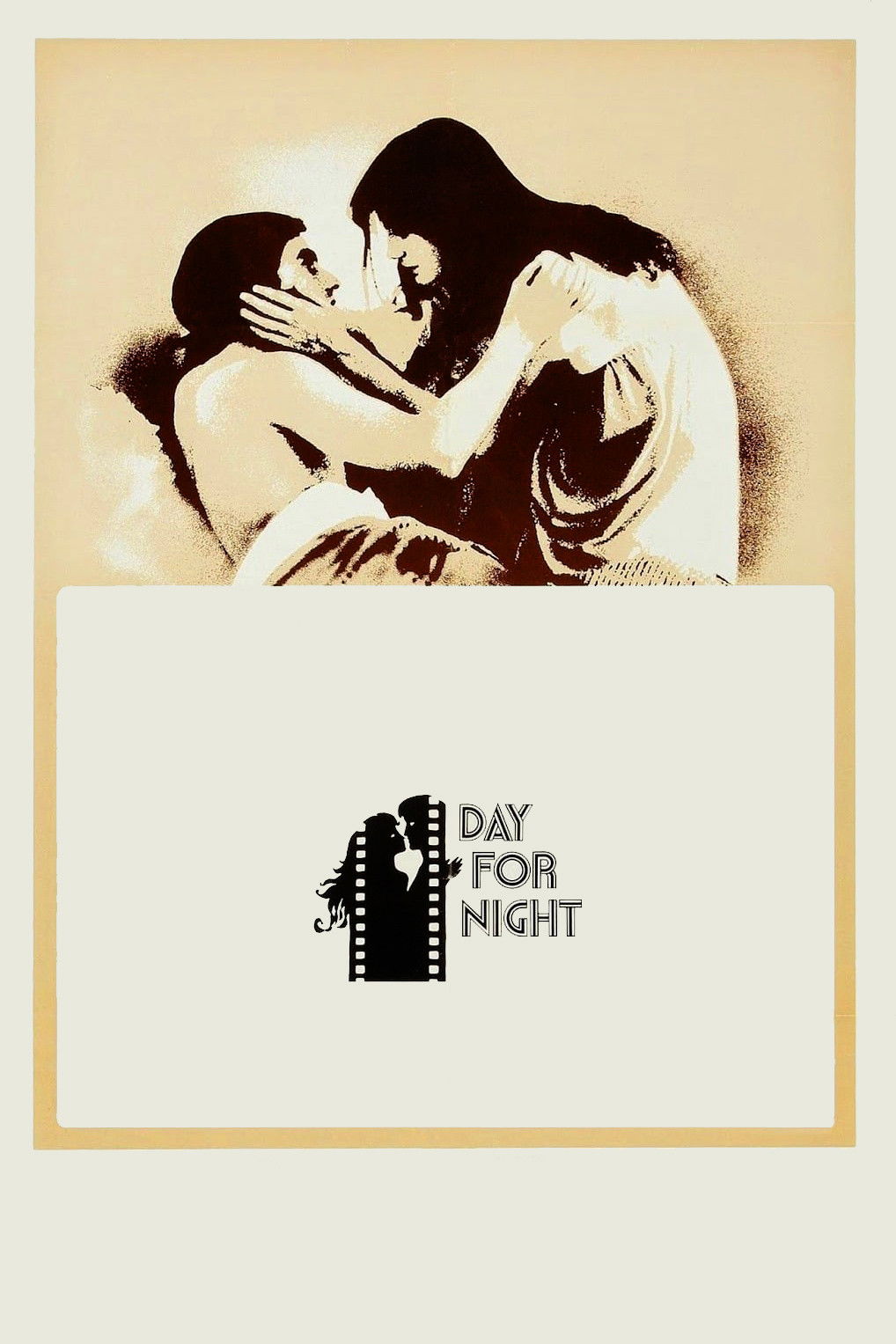
Day for Night poster

Day for Night

1973 · For the workplace comedy of filmmaking, with everyone’s private troubles interrupting production.

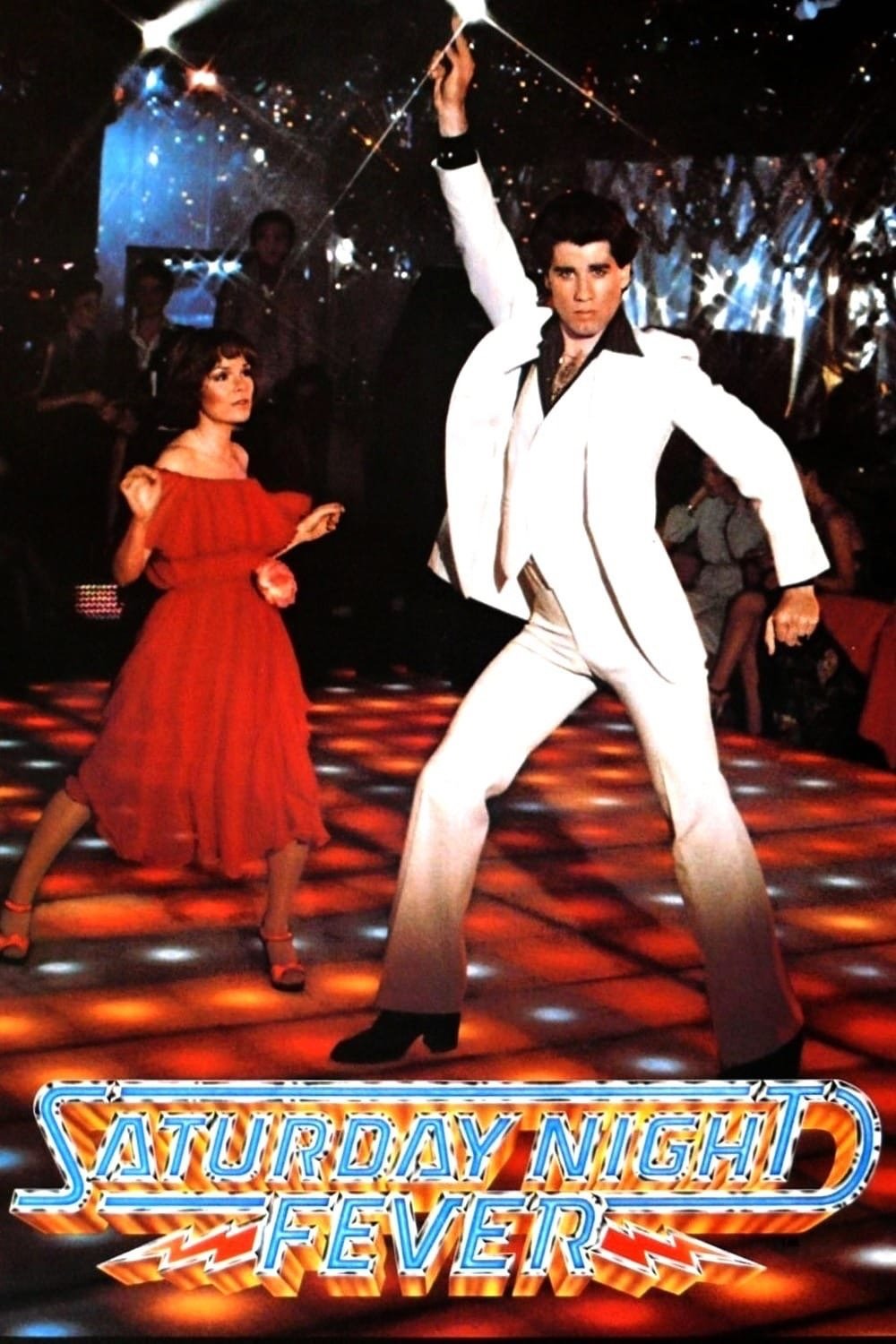
Saturday Night Fever poster

Saturday Night Fever

1977 · More dance-floor confidence concealing young ambition and a painfully narrow choice of futures.

Hustlers poster

Hustlers

2019 · For another makeshift family navigating sex work, money and the temptation of excess.