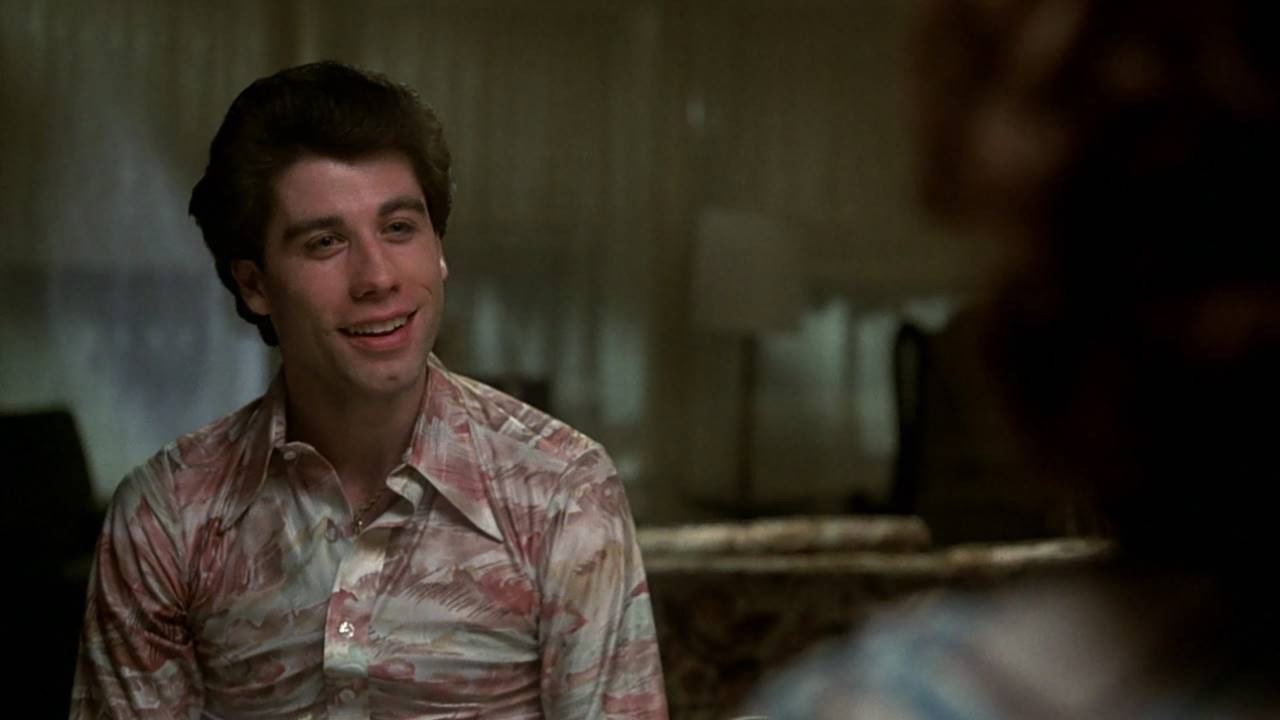
John Travolta’s dancing and uneasy charm make Saturday Night Fever worth the evening. John Badham takes the frustrations behind the disco seriously, though the writing grows heavy and the women receive less care than they deserve.
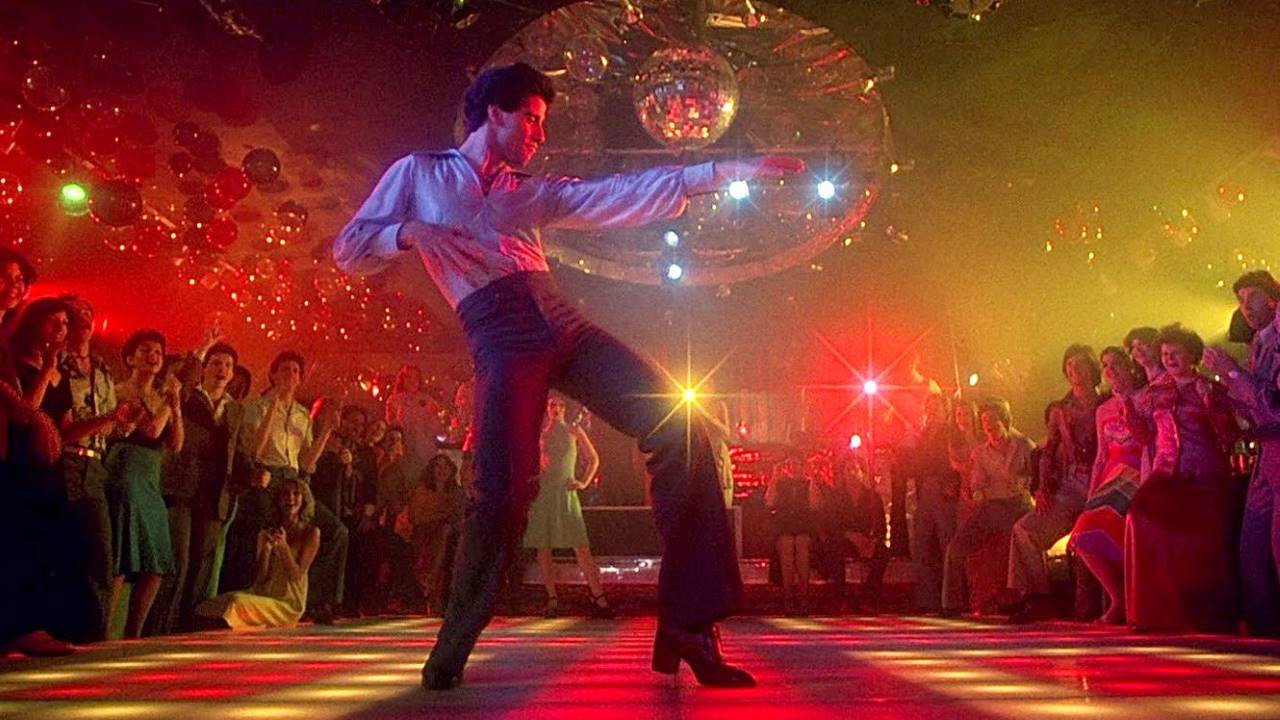
Saturday Night Fever is a gripping dance film whose dramatic scenes too often labour the point. John Badham takes Tony Manero’s Saturday-night confidence seriously without assuming it will make him decent company away from the disco. The appeal is easy to understand: here is someone who can do one thing well, living among people with narrow ideas of what a man ought to be. It is worth an evening for the dancing and John Travolta’s performance, with reservations about how the women are written.
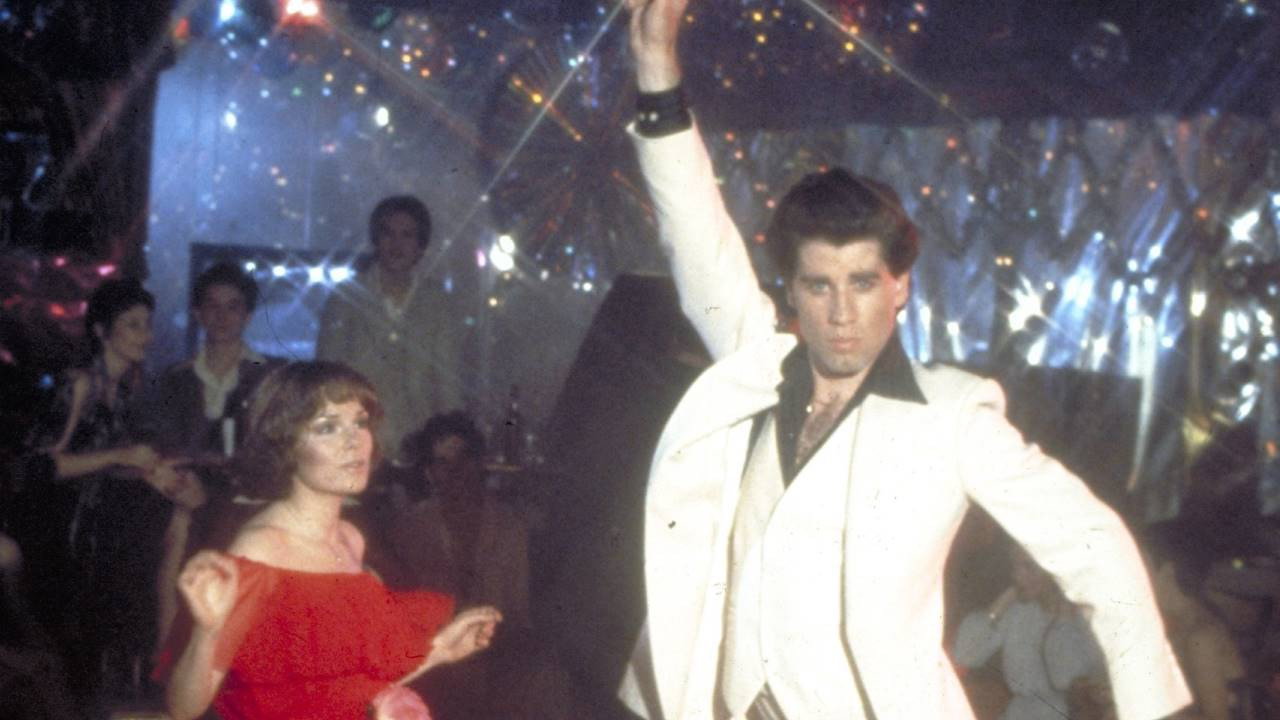
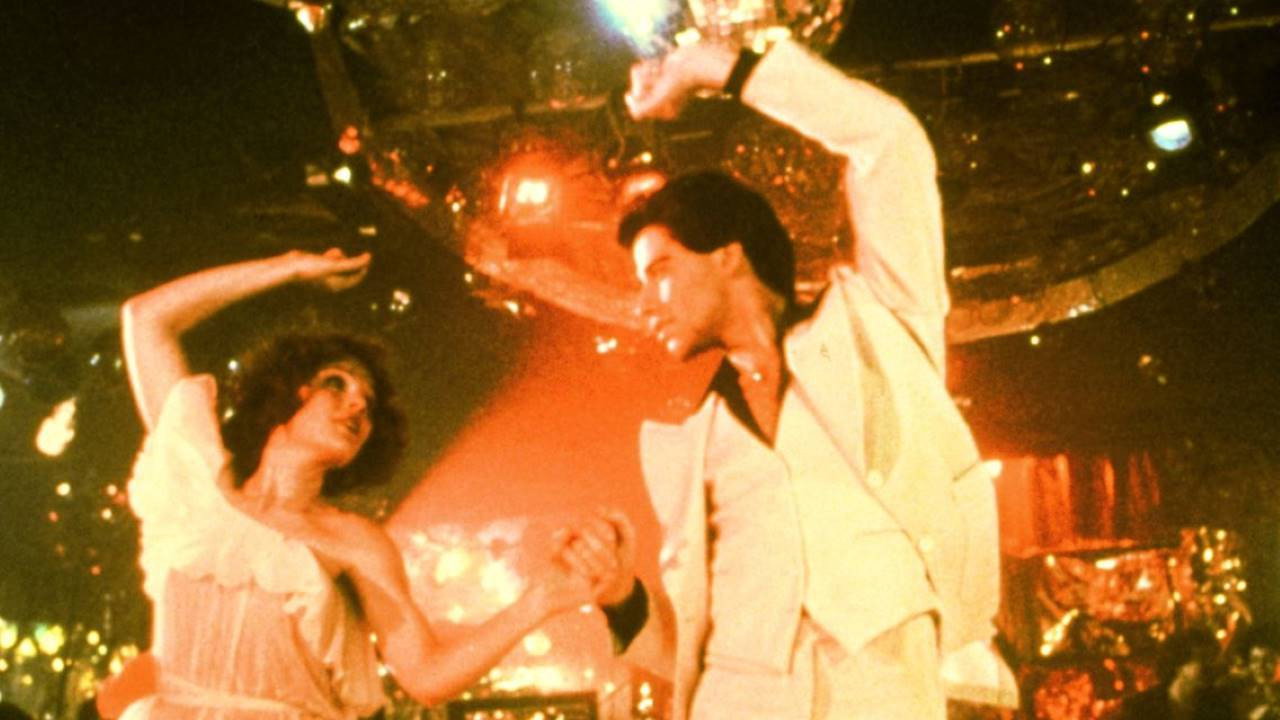
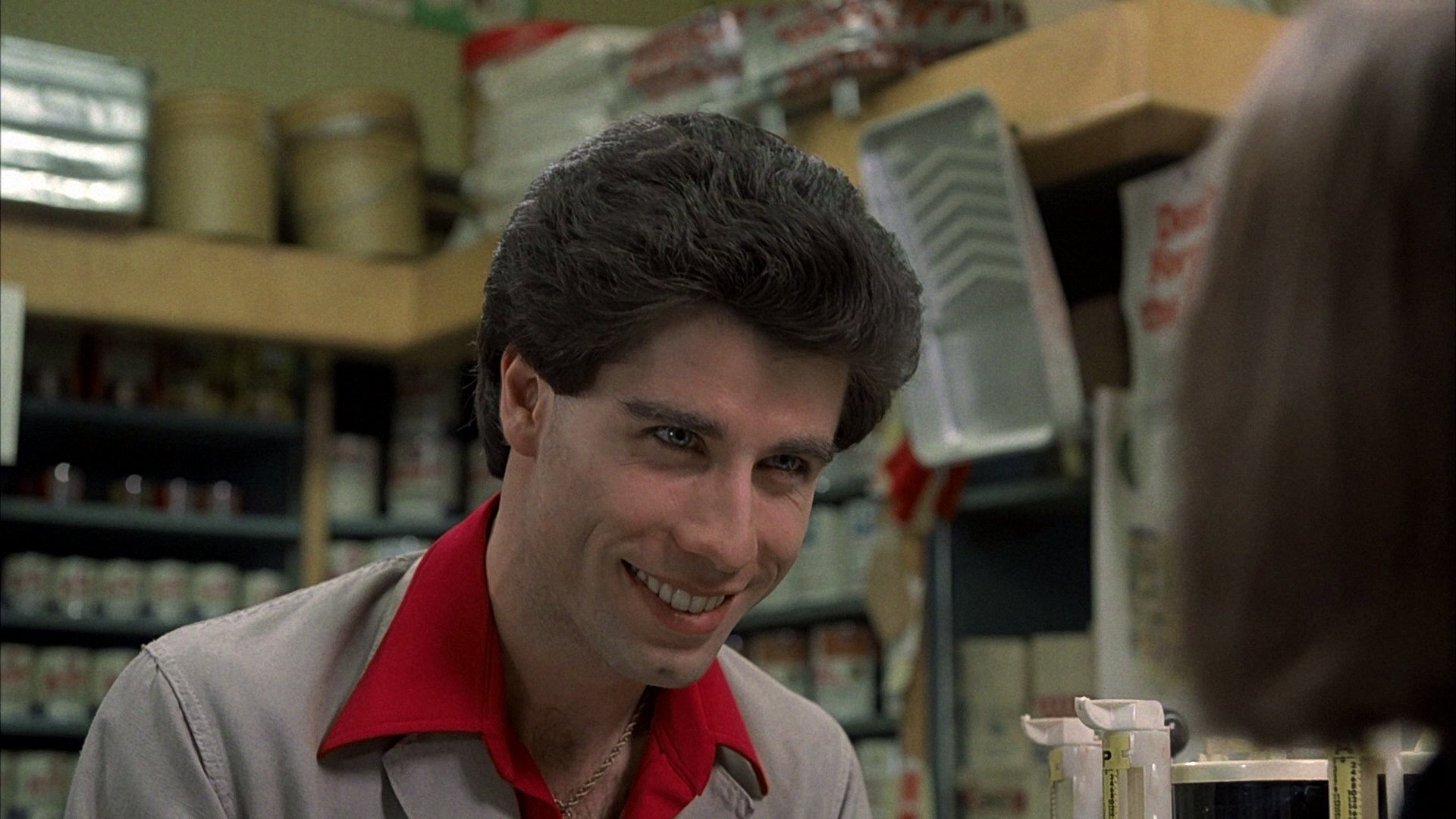
John Travolta allows Tony to be vain, tender and unpleasant without making the changes seem forced. His confidence on the floor explains the attention he gets, while his uncertainty elsewhere gives us reason to care about what happens when he leaves it. We were moved by how much Tony needs to be good at this. Watching him dance, we felt the relief of somebody briefly getting free of the demands that make him so much less appealing outside the club.
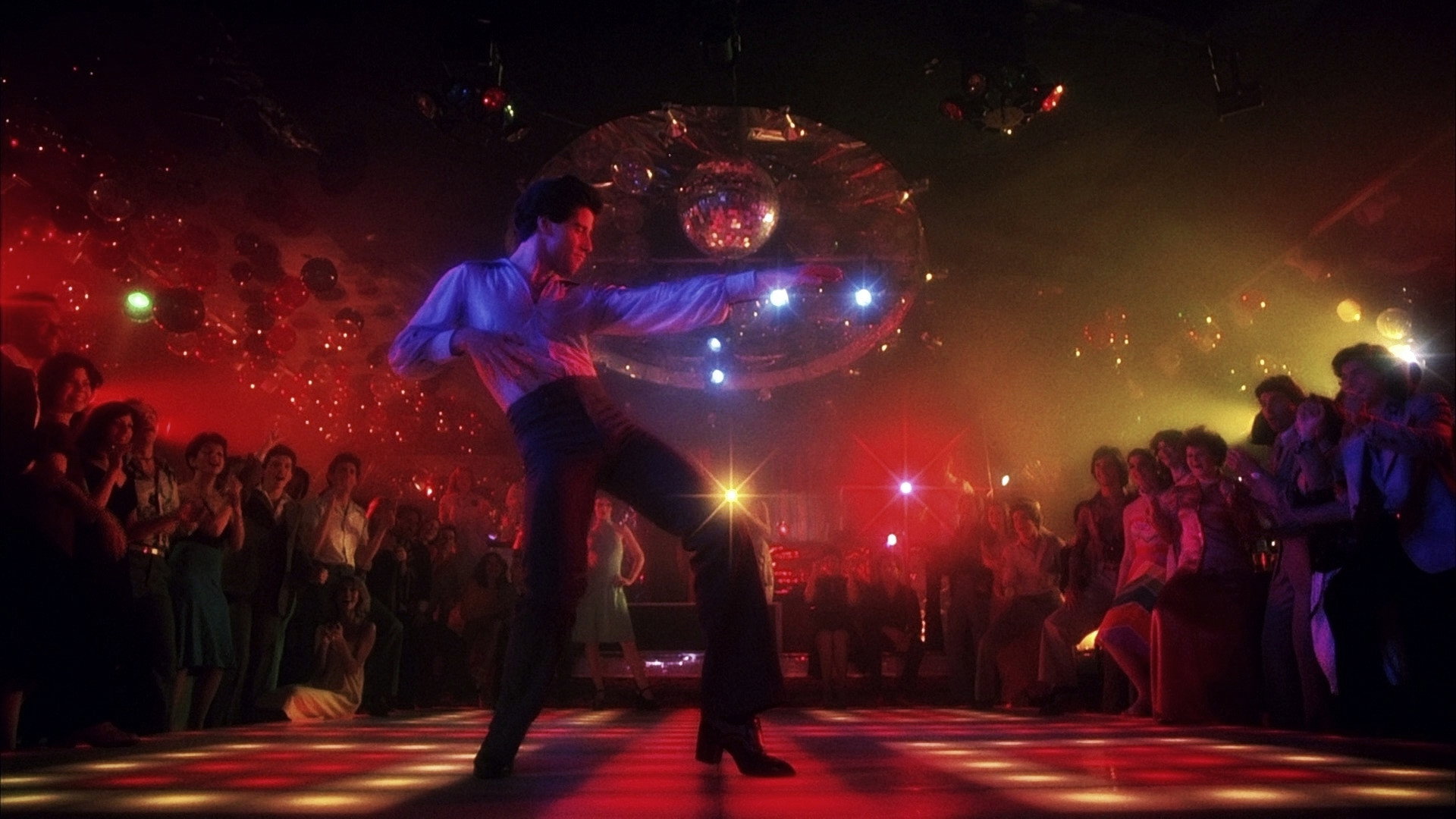
John Badham and cinematographer Ralf D. Bode use extreme angles and a moving camera to give the disco a scale Tony’s ordinary life cannot match. Some of the visual emphasis is gaudy, but it suits his appetite for attention, and the dancing remains readable through the display. Editor David Rawlins keeps the sequences moving without making the cutting more interesting than the dancer. Charles Bailey’s production design gives the disco enough glamour to make Tony’s attachment to it understandable.
The music credited to Robin Gibb, Maurice Gibb, Barry Gibb and David Shire supplies much of that anticipation. Its insistence can become wearing when the drama is already pushing hard, but the dance scenes need that certainty and receive it. Familiarity is no useful objection when the songs still make the movement feel spontaneous. We never have to take Tony’s devotion to dancing on trust; the film spends enough time showing us the pleasure.
Norman Wexler’s screenplay is less assured when it tries to explain the people surrounding Tony. The social pressures can feel arranged for a lesson, and the dramatic emphasis becomes heavier as the film goes on. Karen Lynn Gorney’s Stephanie matters because Tony must reckon with another person’s wishes, but their scenes sometimes work too hard to announce his need to grow up. Donna Pescow’s Annette also exposes a limitation in the writing: the women too often seem to be there to reveal something about Tony, when we want the film to give their own wants equal weight.
The racism and sexual aggression make for uncomfortable viewing, as they should. The problem is that John Travolta’s charm occasionally makes the scrutiny feel less severe than it ought to be. John Badham can show the damage in this version of masculinity, then seem too ready to be won back by the man at its centre. There is an honesty in letting an appealing performer play someone objectionable, but the women should not have to bear so much of the burden of his education.
The familiar coming-of-age demand that a young man learn responsibility can make a film feel dutiful. Here, the dancing gives us a persuasive reason to care about Tony before the lessons begin to accumulate. His ability deserves encouragement even when his conduct tries our patience, and the performance makes that a difficult feeling to dismiss. Choose it for John Travolta, and expect a harsher evening than the music alone suggests.