Film review

GoodFellas

1990 · Directed by Martin Scorsese · 2h 25m · 18

In a sentenceThe gangsters tell such good stories that we briefly forget what they do for a living

DramaCrime

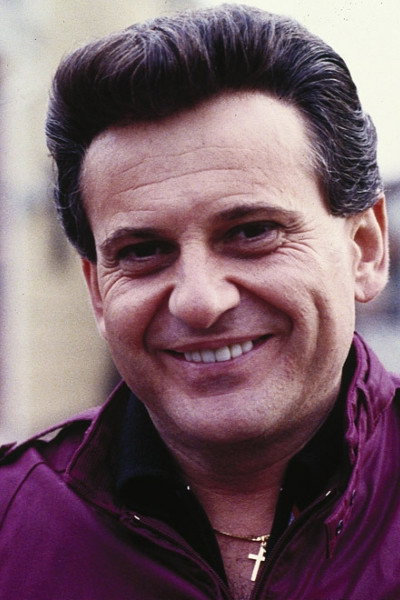
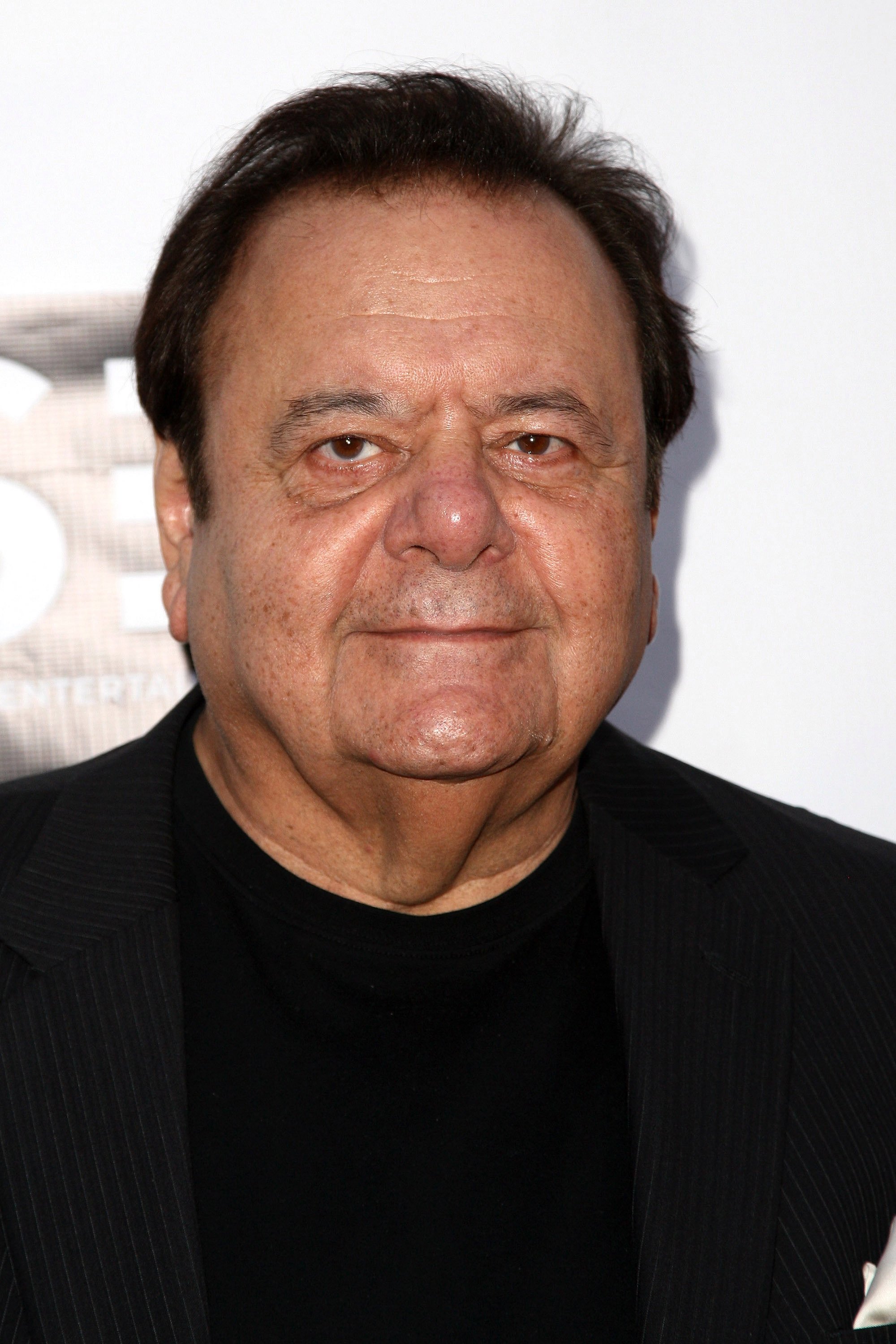
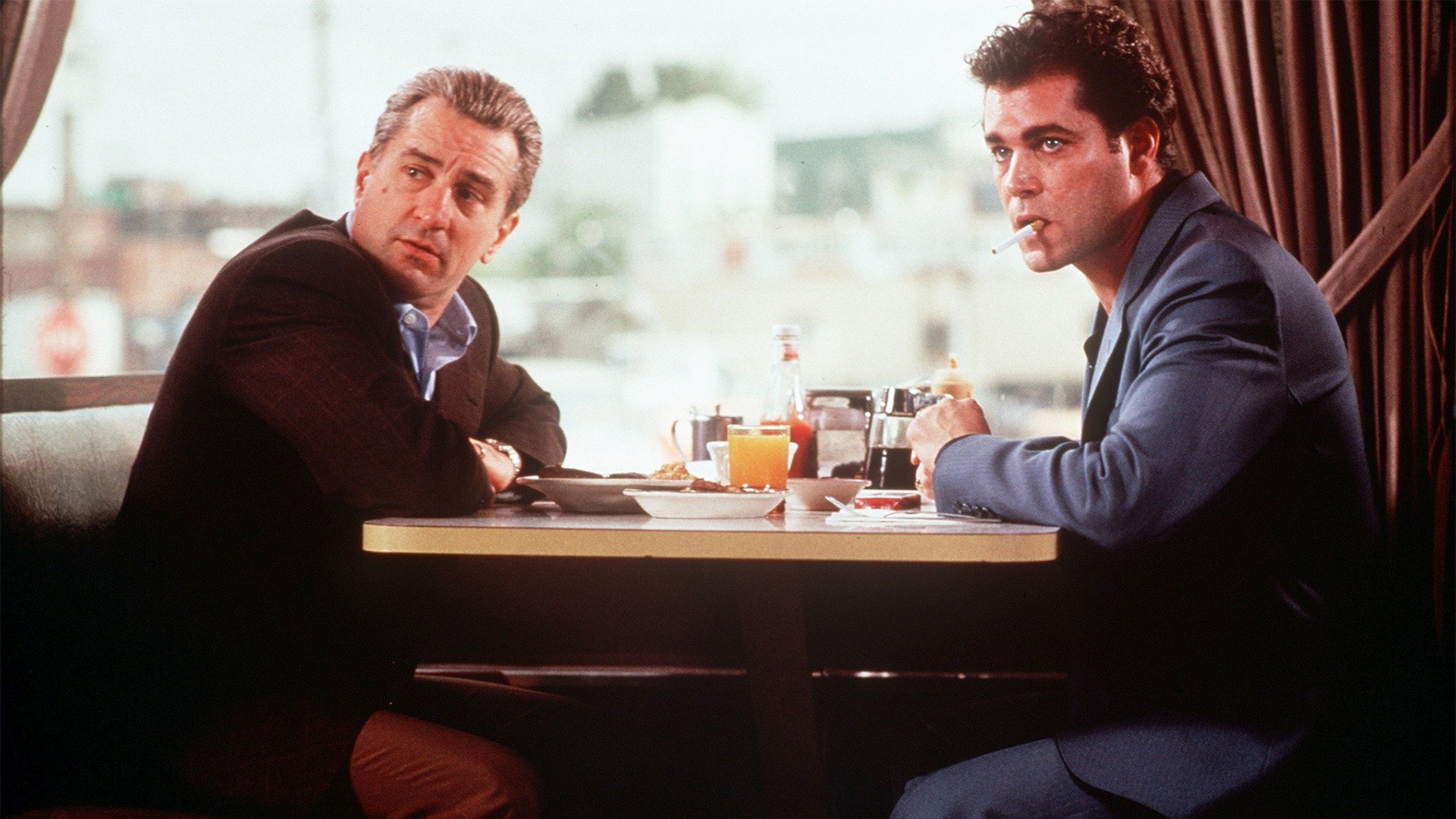
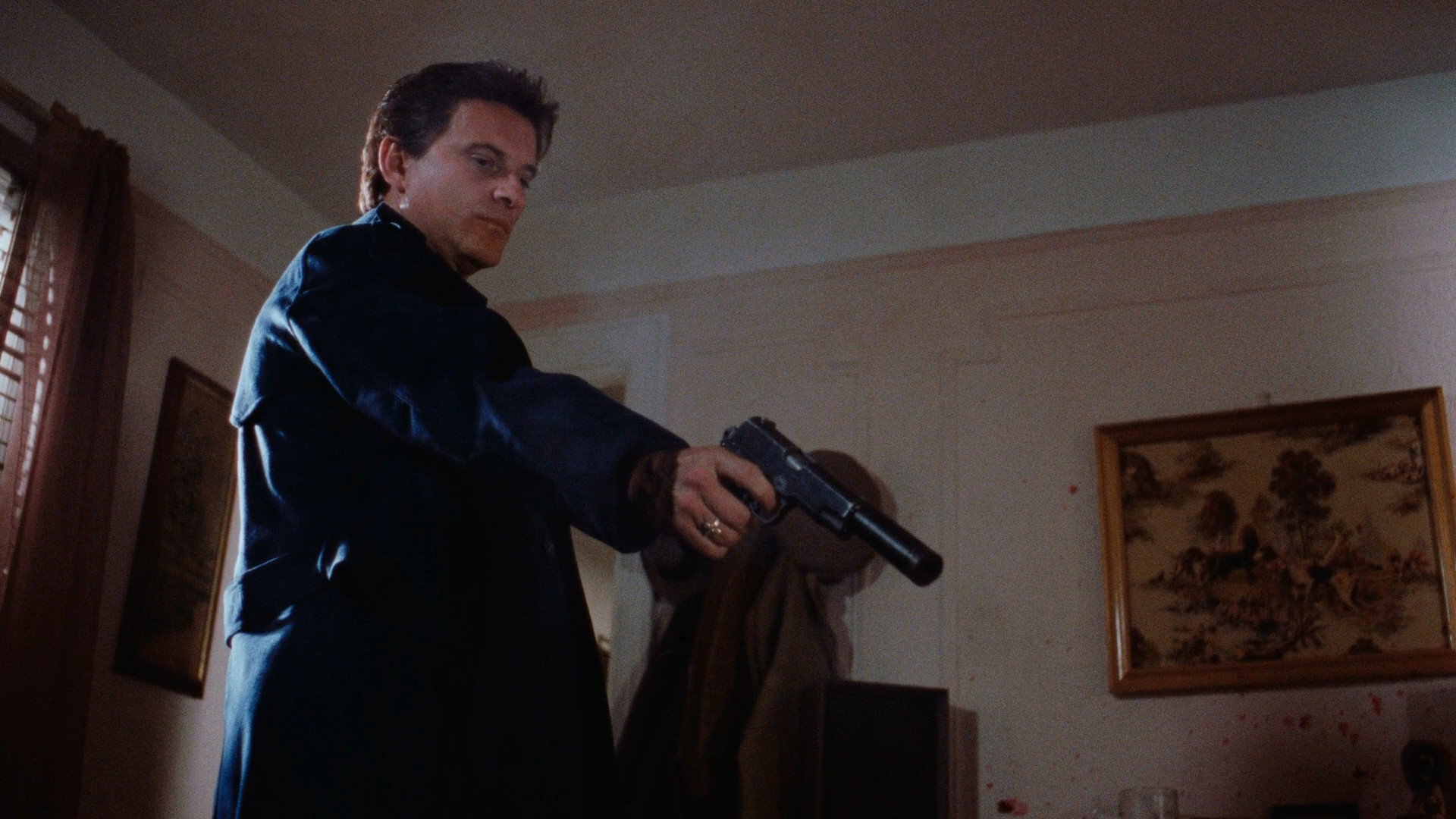
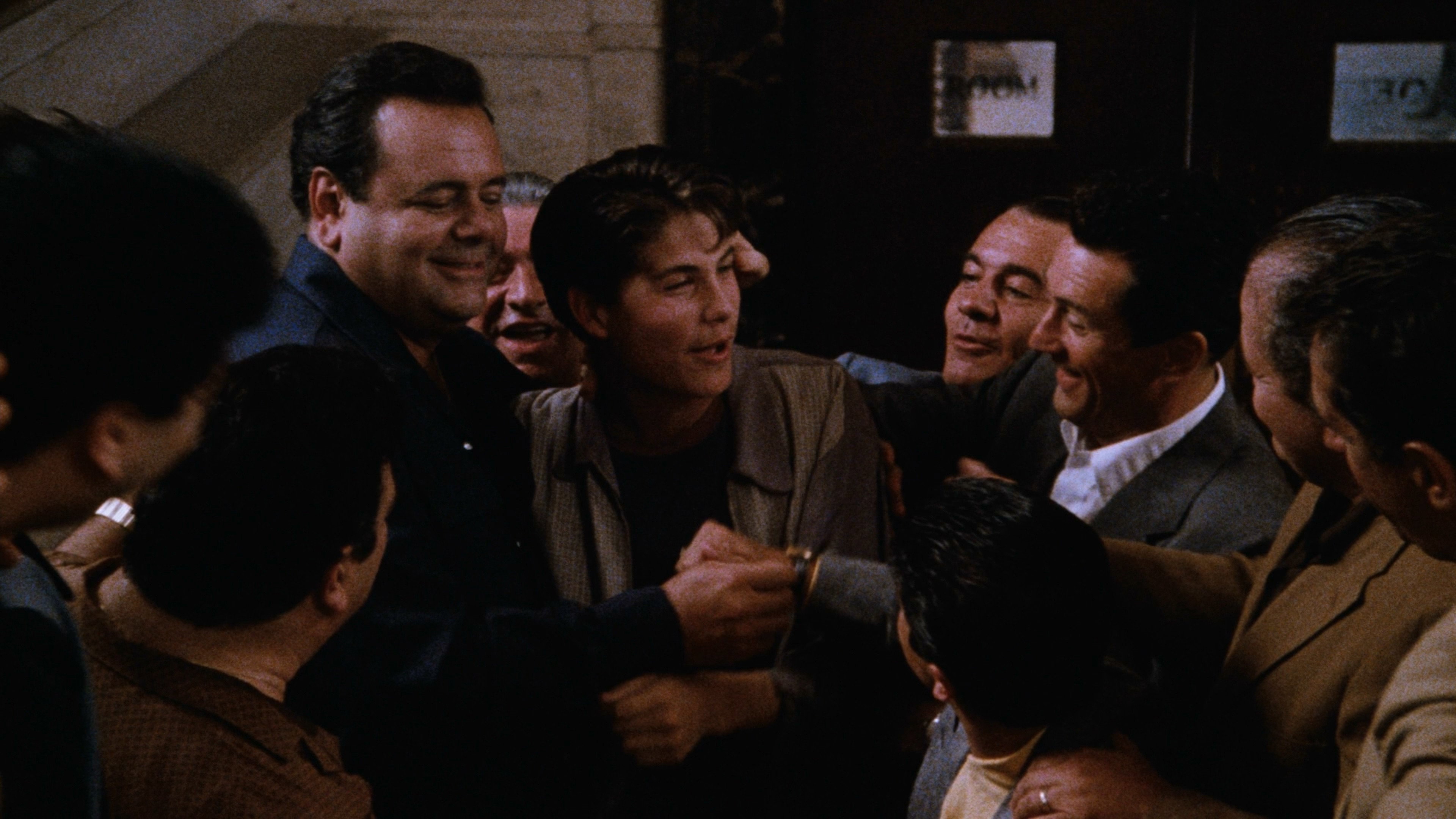
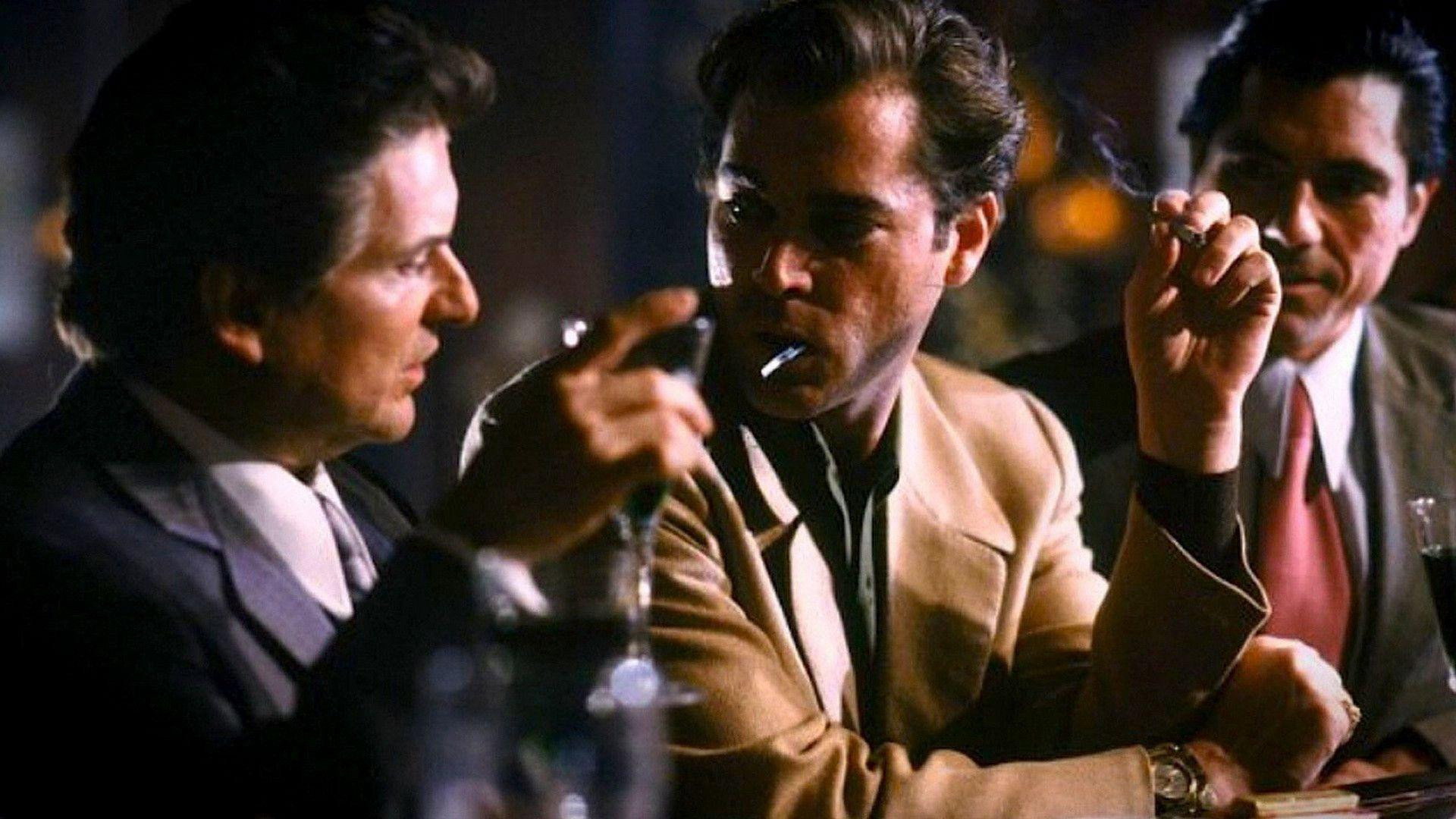
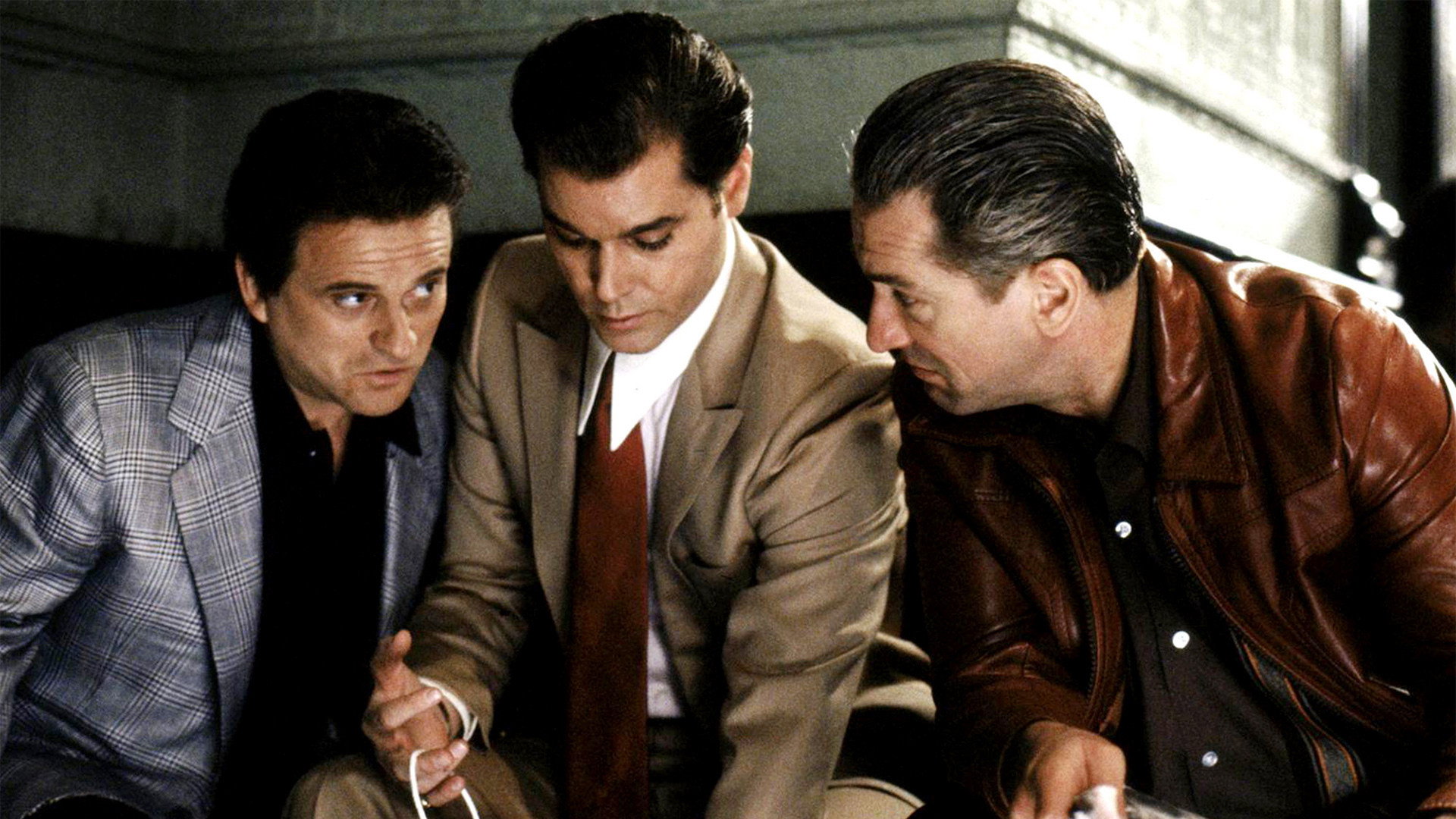
Henry Hill (Ray Liotta) moves through a mafia society where money and the company a man keeps shape everyday life. Around him are James Conway (Robert De Niro), Tommy DeVito (Joe Pesci) and Paul Cicero (Paul Sorvino). Lorraine Bracco plays Karen Hill, whose account of this world sits alongside Henry’s. Spanning three decades, the film follows the routines, relationships and criminal business of men who make their living through organised crime. Henry’s voice-over guides the story, with Karen offering another perspective on a society whose members treat its demands as part of the working day.

Plays from YouTube when you press play; nothing loads from them until then.

Fi1m review

Martin Scorsese’s GoodFellas is a crime film we would recommend to almost anyone. Its gangsters are appalling company, but the performances make it hard to leave, despite some repetition and too little room for Karen’s perspective.

Martin Scorsese’s GoodFellas is a frightening, often funny crime film that earns its 145 minutes by taking an interest in how gangsters spend their days. Across three decades of mafia life, it follows men for whom making money is reason enough to get out of bed and almost anything else can be justified afterwards. Scorsese gives their routines enough attention that their company starts to feel familiar. That familiarity is what makes the violence so unpleasant.

Ray Liotta’s Henry Hill is the right guide because he can make explaining this life sound like recommending it. His voice-over is intimate and conversational, with little sense of a man stopping to consider how he might sound to outsiders. We laughed, then felt uneasy about laughing. Liotta delivers his account with such comfort that the casual treatment of criminal business becomes funny before its implications have properly registered.

Michael Ballhaus’s tracking shot lets the camera travel with the confidence of somebody who expects to be admitted. It is a showy piece of film-making, but the pleasure of that uninterrupted movement explains the attraction more efficiently than a speech could. Kristi Zea’s production design keeps the surroundings ordinary enough for the men to look at home. Their ease makes the behaviour harder to dismiss as something that happens only in crime films.

Joe Pesci’s Tommy DeVito is exhausting company, and that is praise for the performance. His humour has such aggression behind it that a laugh never quite settles the question of what he might do next. Robert De Niro, as James Conway, is less openly demonstrative; watching him listen can be as worrying as watching Pesci talk. Paul Sorvino’s Paul Cicero supplies the weight of authority without needing to compete for attention.

Editors Thelma Schoonmaker and James Y. Kwei keep the film quick without making every scene feel the same length. Conversations have enough room for a performance to become funny or uncomfortable, then the film is off again before the mood settles. There is a cost to the accumulation: repeated ugliness eventually wears down our capacity to be startled. A few later passages press the same point about these men after we have understood it, and speed cannot quite conceal that repetition.

The screenplay by Nicholas Pileggi and Scorsese is less generous to Karen Hill, played by Lorraine Bracco. Her narration gives her room to describe this society, but the film is so taken with Henry’s account that her perspective cannot have equal force. Bracco makes Karen’s presence count, even when the writing gives the men more to occupy themselves with. This reservation matters because a fuller sense of Karen’s experience would have shown us more of what their behaviour costs other people.

GoodFellas belongs among the crime films we would recommend even to someone who thinks the genre has nothing left for them. Its close attention to money, manners and male company is enough to distinguish it without pretending that criminals are especially profound. The violence is harsh, and the humour offers no reliable shelter from it. Watch it when a cheerful evening is not a requirement.
Critical consensus AI synthesised

86
Positive
5
Mixed
1
Negative
0

Most critics are strongly positive about GoodFellas, with praise centred on Scorsese’s energetic direction and the film’s close attention to the everyday workings of organised crime. The reviews repeatedly find that its humour, violence and mundane detail strip away gangster glamour without sacrificing pace or fascination. Ensemble performances draw particular approval, while Ray Liotta’s performance and voice-over, the tracking shots and the documentary-like observation receive specific praise.

The spread is wide, though the reservations come chiefly from one substantial dissent rather than a broadly divided response. Variety finds the film fascinating but overlong and dramatically unsatisfying, arguing that the lead performance is opaque and that the second half’s accumulating depravity becomes numbing. Sight and Sound offers narrower reservations about the wife’s narration and the compression of the source material. The main disagreement concerns whether the relentless depiction of mob life retains its dramatic force throughout.

The Independent
19 January 2017 · ★★★★★
100

The critic calls it one of Scorsese’s greatest films that has not aged at all. They highlight its realistic, down-to-earth portrayal of the everyday banality of gangster life rather than glamorous excess, along with Ray Liotta’s standout performance and voice-over.

Read the full review →
Los Angeles Times
19 September 1990 · Sheila Benson
95*

Scorsese works at the peak of his power in this pure, hot, unquestioned virtuosity that mixes horrors with mordant humor and flows with exuberance. It is Raging Bull squared, with every detail nailed and new moves shown in a de-mythologized portrait of wiseguys.

Read the full review →
Empire
1 January 2000 · Adam Smith
90*

The essay celebrates Scorsese’s technical mastery and the film’s documentary-like realism in depicting mob life. It singles out memorable improvised scenes, the Steadicam tracking shot, and the way the story undercuts the gangsters’ swagger by showing their pathetic downfall.

Read the full review →
The Hollywood Reporter
7 September 1990 · Kirk Honeycutt
90*

The critic hails Scorsese's sociological examination of the American gangster subculture, calling it a masterly achievement in intense observation that is complex, volatile, ironic and disquieting. He singles out the spectacular ensemble acting and the film's fast-paced, often funny yet intense exploration of mob life and its consequences.

Read the full review →
The New York Times
19 September 1990 · Vincent Canby
90*

The film is a breathless and brilliant adaptation that offers the most politically serious and most evilly entertaining look yet at organized crime. It ranks alongside Scorsese's classics like Taxi Driver and Raging Bull, thanks to its ensemble performances and clear-eyed view of Mafia life.

Read the full review →
Variety
10 September 1990 · Joseph McBride
50*

The film is simultaneously fascinating and repellent as an inside look at Mafia life but is dramatically unsatisfying and overlong, with an opaque lead performance that undercuts its intent. The first half excels in exploring the milieu, but the second half piles on numbing depravity without sufficient dramatic weight.

Read the full review →

Cast

Stills

Awards

Academy Awards, 1991

Nominated
Best Director
Nominated
Best Film Editing
Nominated
Best Picture
Nominated
Best Supporting Actress
Nominated
Best Writing, Adapted Screenplay
Won
Best Supporting Actor

If you liked this, try…

The Friends of Eddie Coyle poster

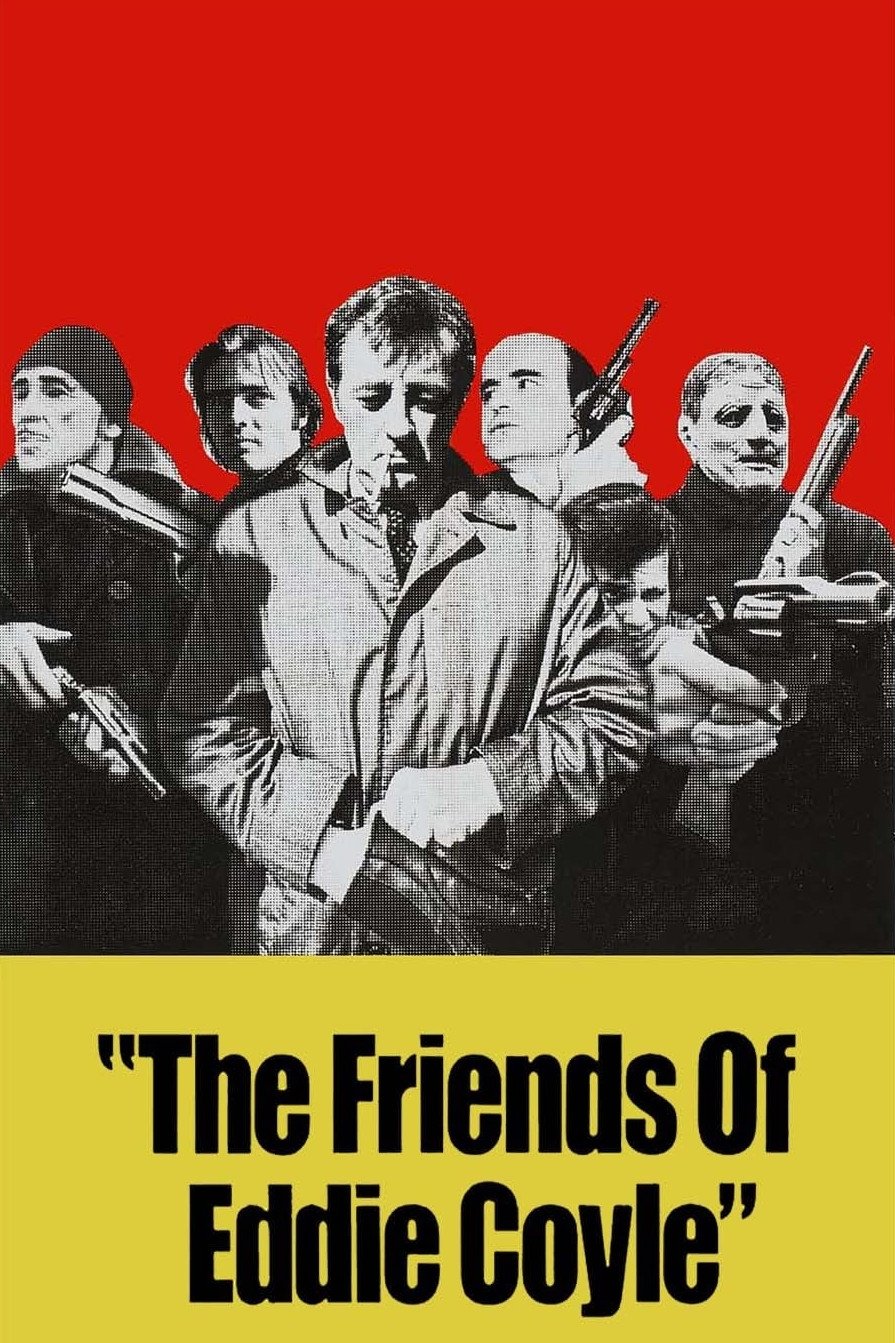
The Friends of Eddie Coyle

1973 · More criminal working life, with less swagger and an equally sharp ear.

Gomorrah poster

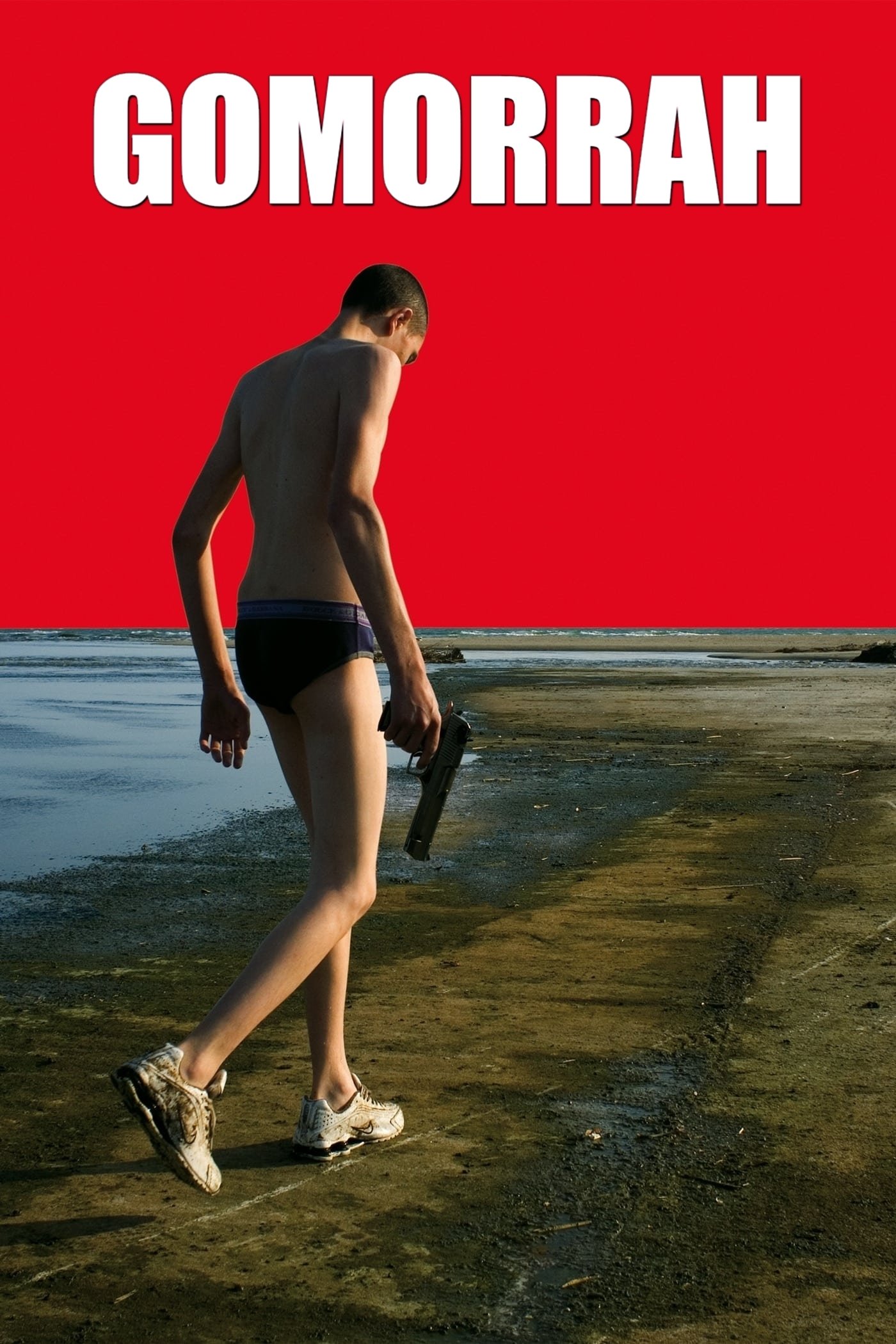
Gomorrah

2008 · For a harsher account of organised crime as an everyday employer.

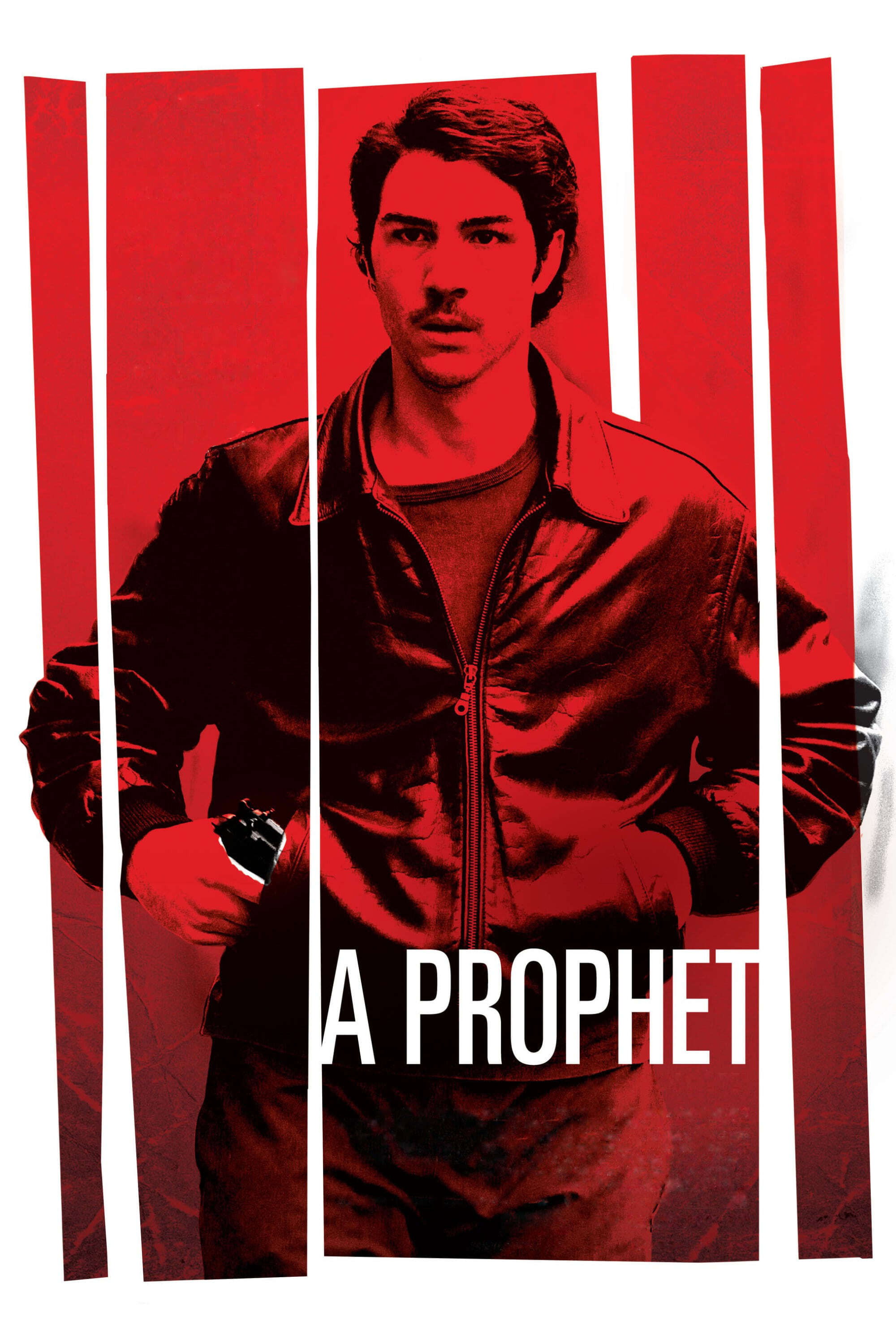
A Prophet poster

A Prophet

2009 · Another education in criminal power, attentive to the small calculations of survival.

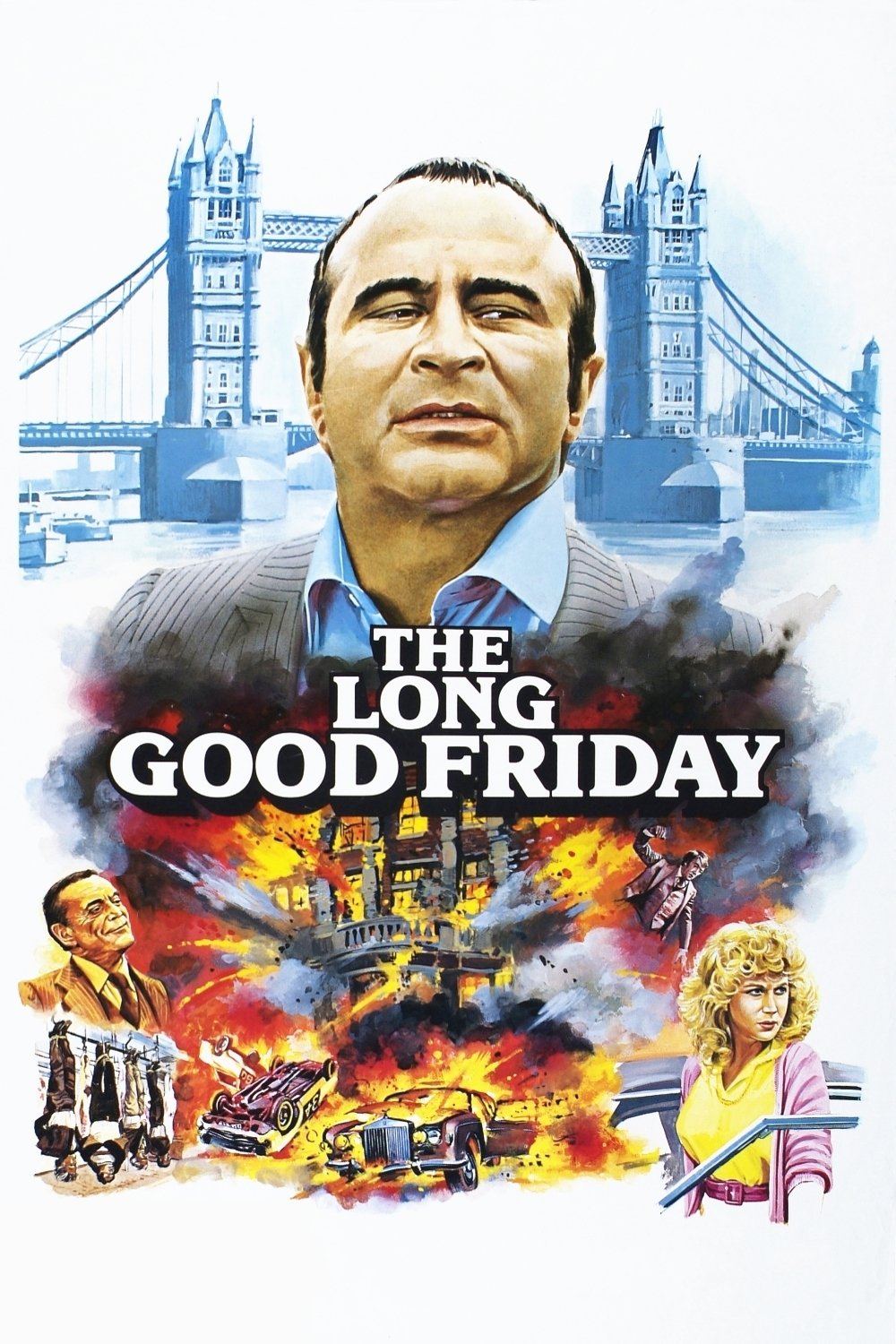
The Long Good Friday poster88

The Long Good Friday

1980 · A gangster’s confidence meets a city that refuses to stay under control.

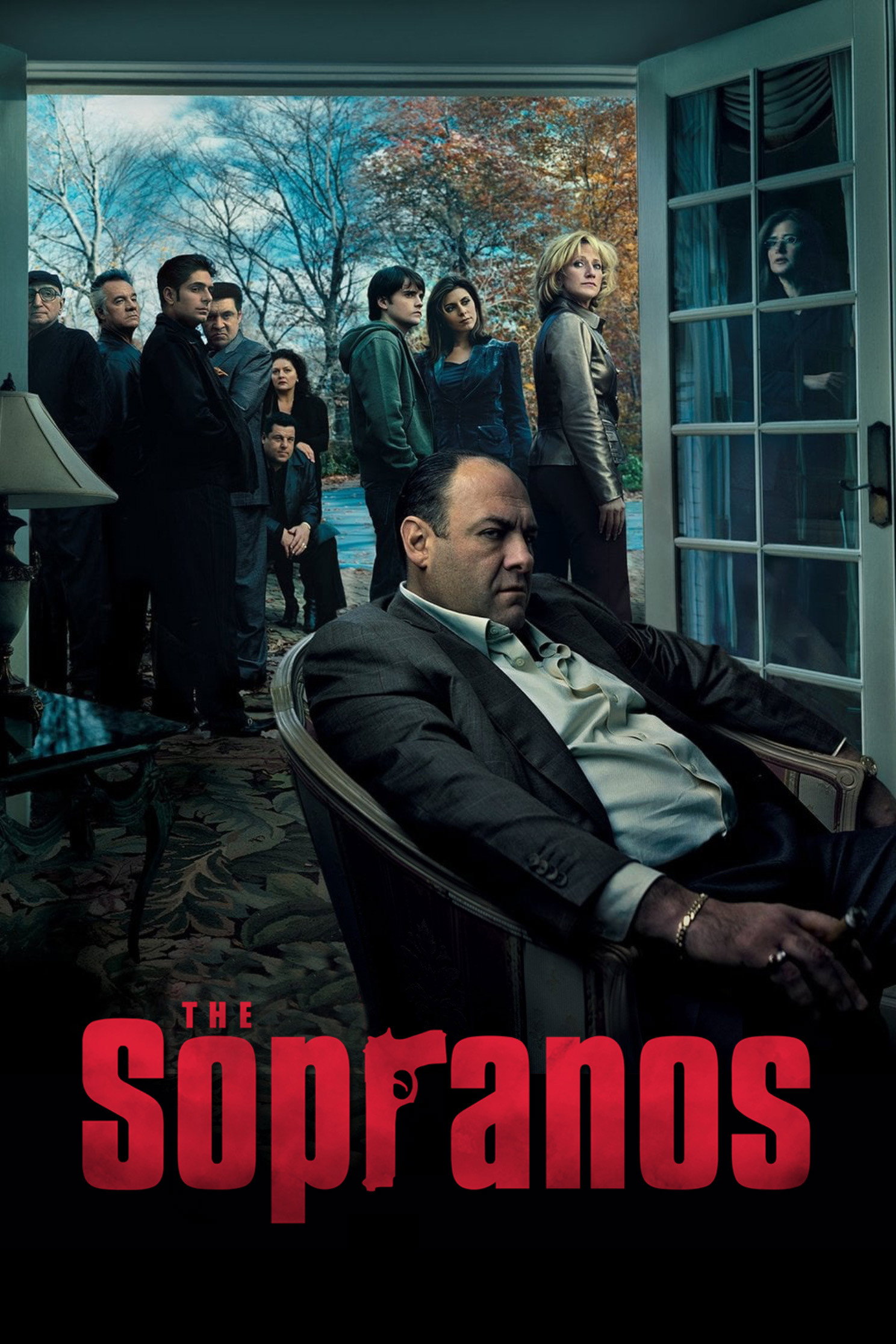
The Sopranos poster94

The Sopranos

1999 · The ordinary irritations of mob life receive more room, and more scrutiny.