Film review

Scent of a Woman

1992 · Directed by Martin Brest · 2h 36m · MPA R

In a sentenceAl Pacino goes dancing, and we forgive rather a lot

Drama

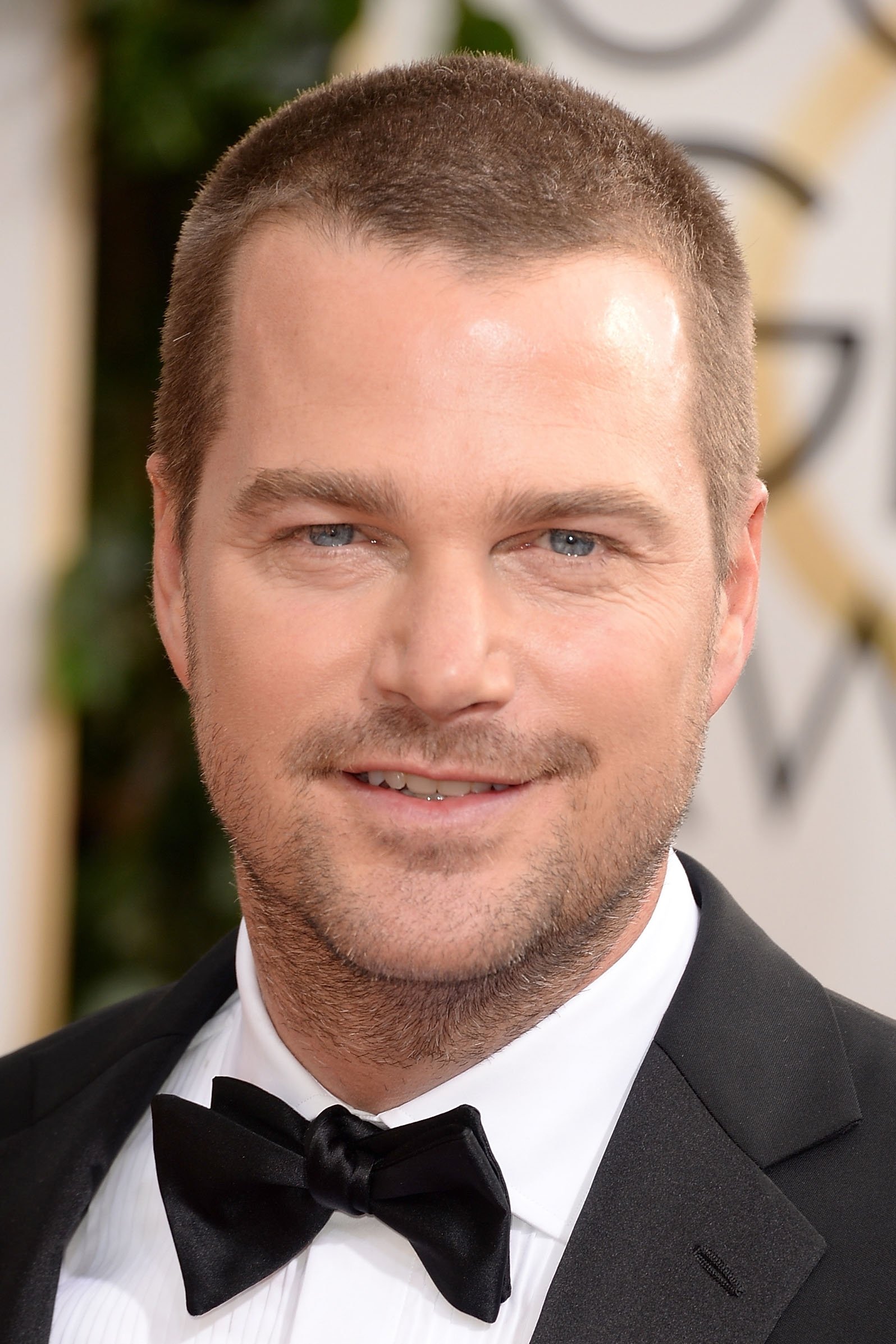
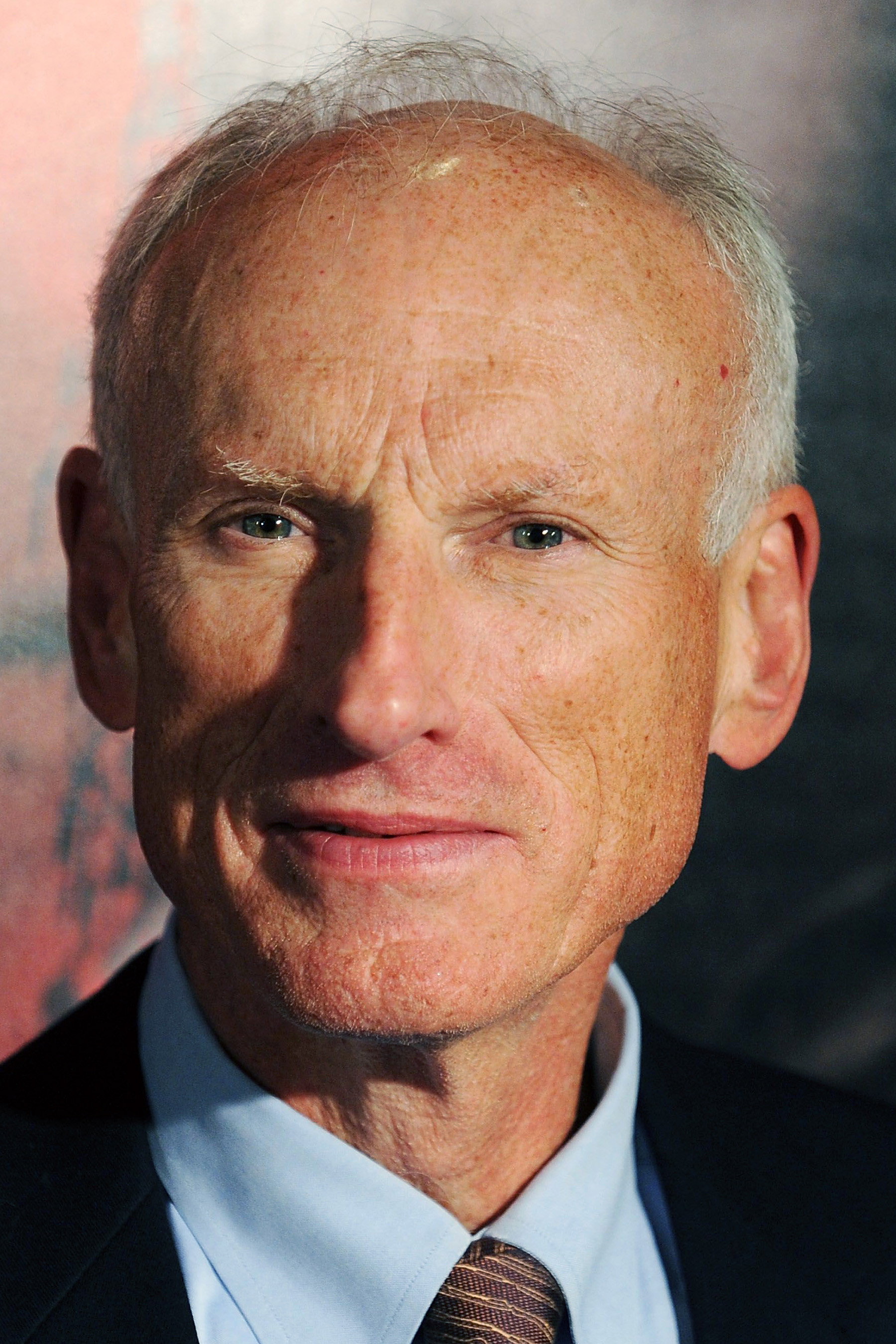
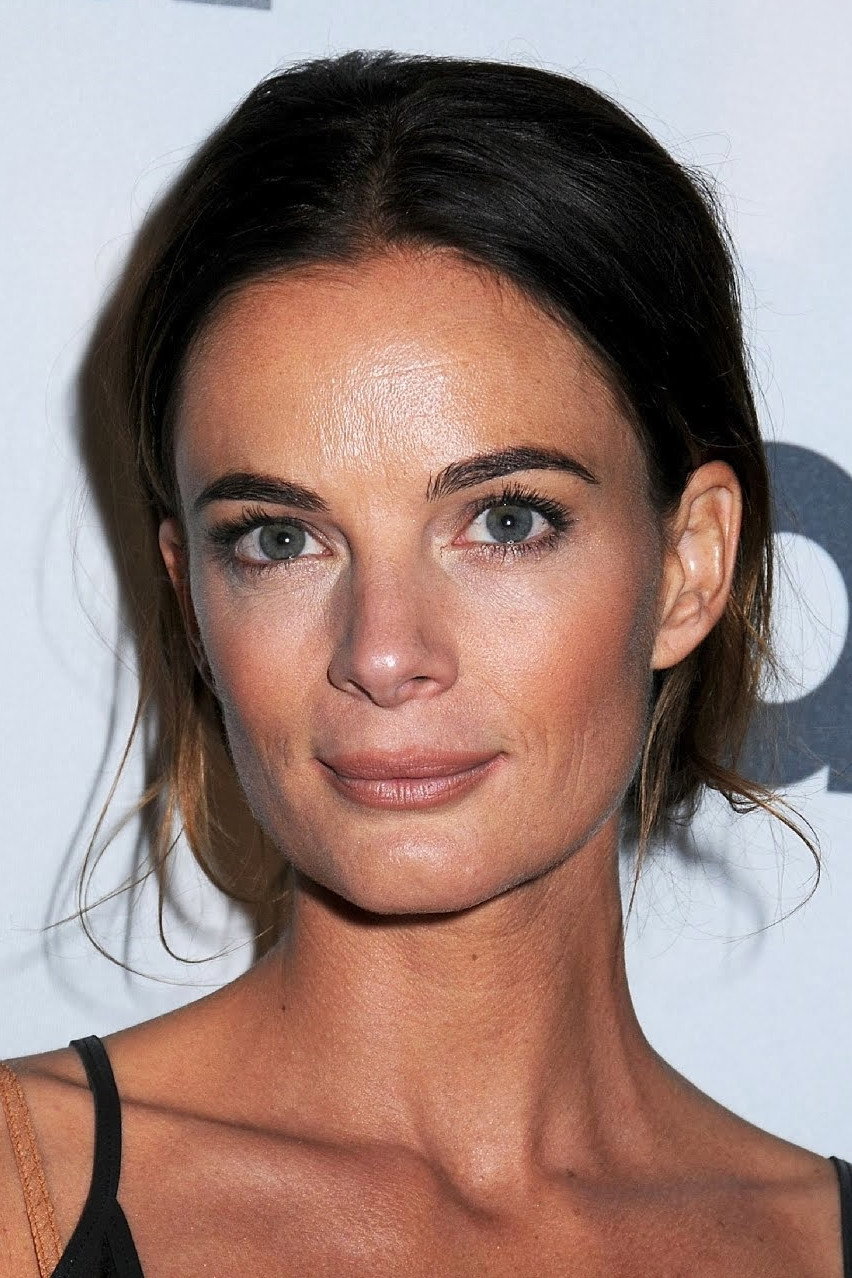
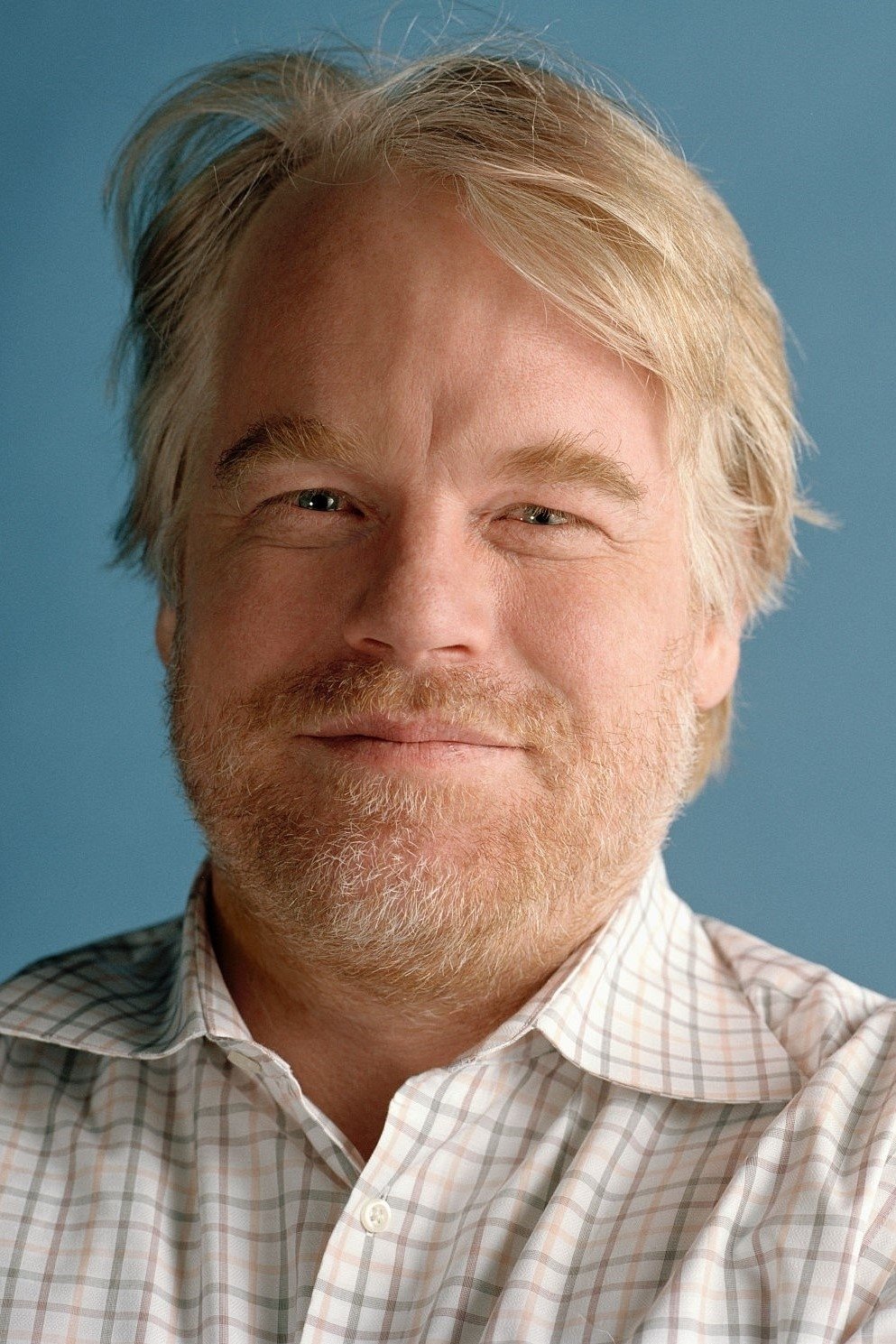
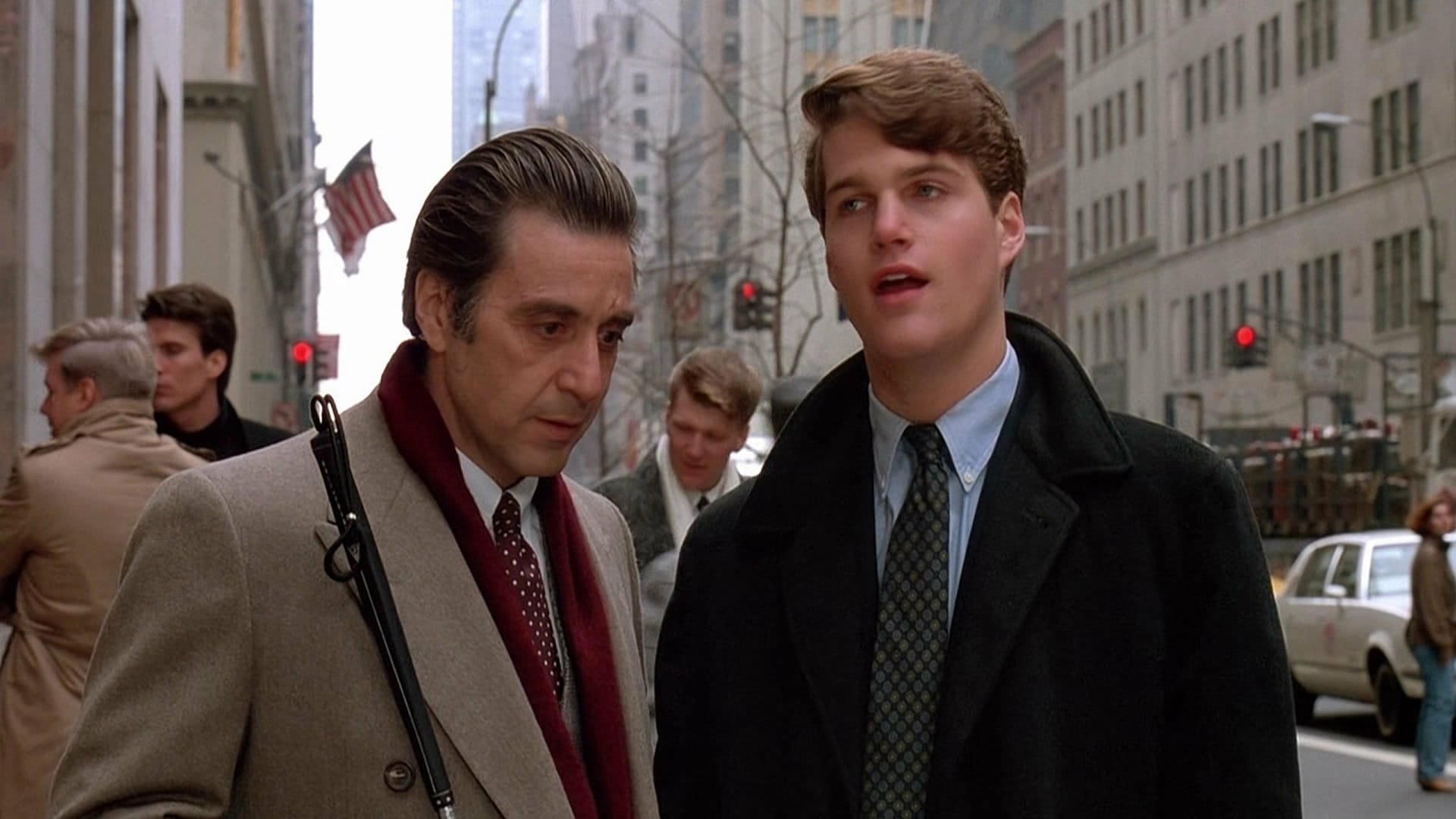
Lt. Col. Frank Slade (Al Pacino) has a weekend planned, and Charlie Simms (Chris O’Donnell) is coming with him. Frank’s itinerary takes in fast cars, tango and high living, with a loaded .45 also among his preparations. Charlie accompanies him through a programme of pleasures that leaves room for danger as well as dancing. Martin Brest directs this drama, with a screenplay by Bo Goldman from a novel by Giovanni Arpino. The cast also includes James Rebhorn as Mr. Trask, Gabrielle Anwar as Donna and Philip Seymour Hoffman as George Willis, Jr.

Plays from YouTube when you press play; nothing loads from them until then.

Fi1m review

Al Pacino gives Martin Brest’s overlong drama enough mischief and hurt to make its familiar lessons worth hearing. Chris O’Donnell’s quieter work matters just as much, even when the film seems reluctant to admit it.

Scent of a Woman is worth the evening, provided an appetite for Al Pacino at full volume comes with it. Martin Brest’s drama is funny, touching and longer than it needs to be, with a leading performance whose appetite for attention becomes part of the pleasure. The weekend promised by Lt. Col. Frank Slade includes fast cars, the tango and expensive comforts, with Charlie Simms accompanying him. It is a useful arrangement for a film that wants to indulge Frank while asking us to look past his force of personality.

Pacino plays Frank with a relish that can be entertaining and exhausting within the same scene. He makes the man’s abrasiveness funny without entirely protecting us from how unpleasant it would be to endure. The hurt beneath that behaviour matters, and Pacino is persuasive when he lets it complicate our enjoyment of him. We do not need every flourish, however. Brest sometimes lets him hold our attention well after a scene has made its point.

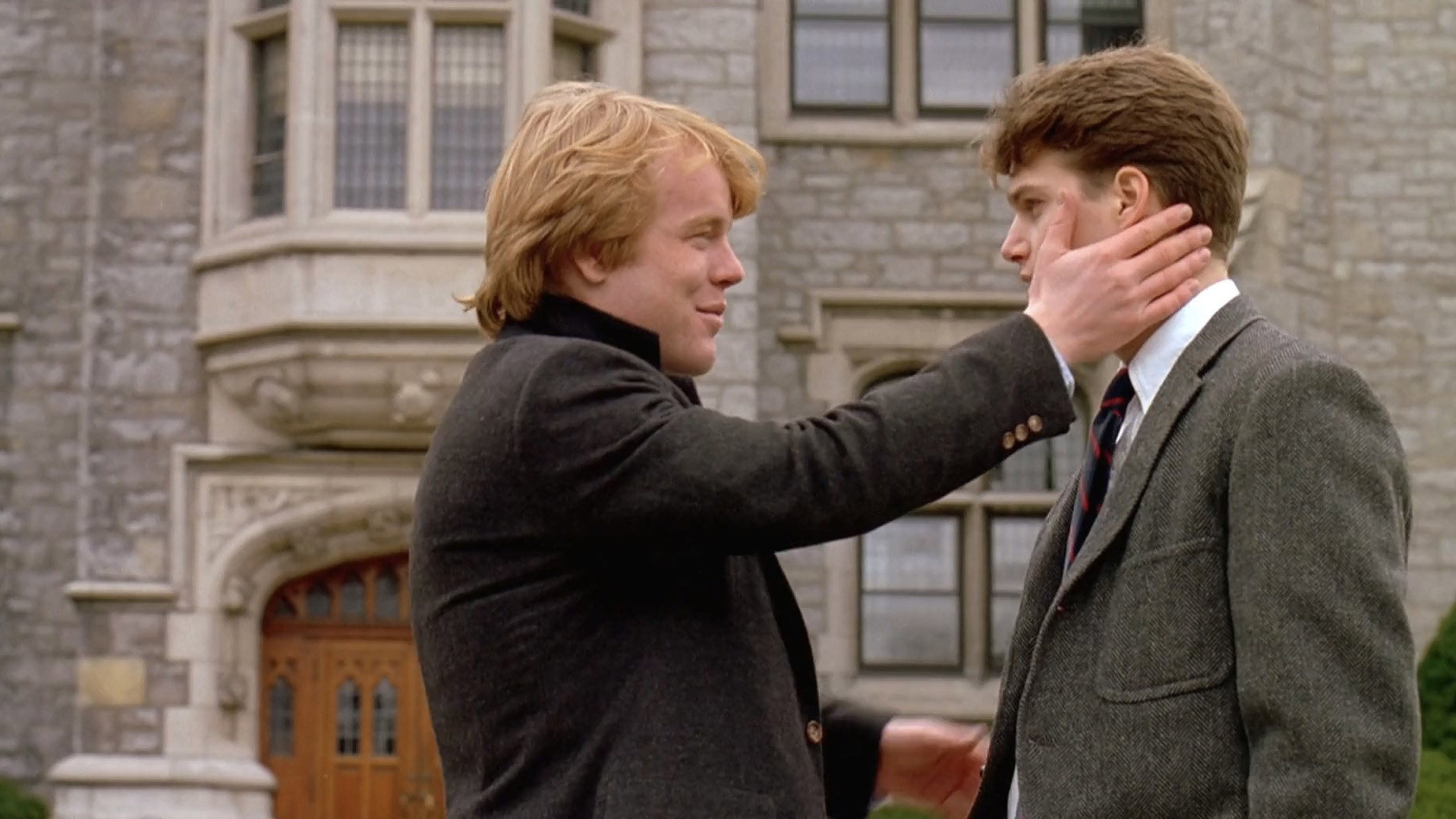
Chris O’Donnell’s Charlie is essential to making this tolerable, and frequently more affecting than the louder performance beside him. O’Donnell gives Pacino something to respond to without competing for emphasis, which helps their companionship feel like a relationship we might care about. His restraint is welcome. In a familiar drama about an unlikely pair, that quieter presence keeps us interested even when the writing starts preparing another lesson for our benefit.

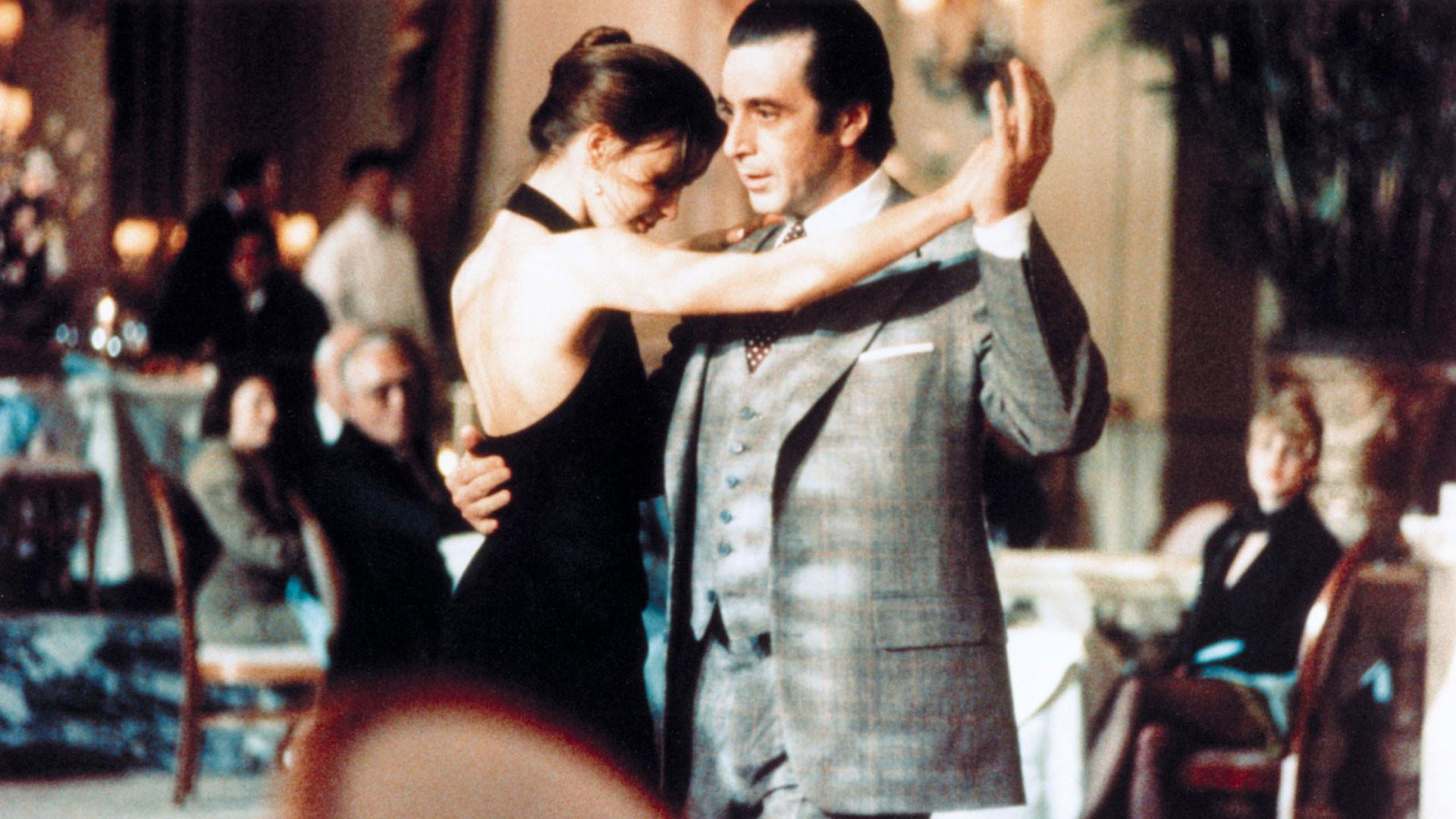
Donald E. Thorin’s cinematography gives the weekend’s expensive pleasures an appeal we can understand. Angelo P. Graham’s production design is equally good at making Frank’s indulgence seem inviting rather than merely wasteful. We were moved by the tango. Pacino makes Frank’s pleasure in dancing feel immediate, and Brest allows the activity itself to hold our attention without labouring its importance. We could have done with more of that ease elsewhere.

The length is harder to defend: 156 minutes gives this companionship more room than Bo Goldman’s screenplay can consistently fill. Editors Harvey Rosenstock, Michael Tronick and William Steinkamp allow the performances space, but too many emphatic moments receive time we would rather spend getting to know Charlie. Thomas Newman’s music adds warmth, though there are passages where the feeling already seems sufficiently clear. We wanted less encouragement from the score and more confidence that the actors had done enough.

Goldman is working in a tradition of dramas in which a difficult companion provides an education, and the pleasures here are largely those we expect. That familiarity need not be a fault; there is satisfaction in watching two actors make an old arrangement convincing. The trouble comes when the writing insists on the importance of what we have already understood. Brest is better at keeping Frank interesting than at making the film’s lessons feel unforced, and the effort to persuade us becomes tiring.

There is enough humour and discomfort in Pacino’s performance to keep the sentiment from becoming entirely cosy. O’Donnell deserves equal thanks for giving us someone whose company does not demand such stamina. Choose it when there is time for an expansive character drama and some patience to spare.
Critical consensus AI synthesised

78
Positive
6
Mixed
0
Negative
1

Most critics respond warmly to Scent of a Woman, with praise concentrated on Al Pacino’s performance as the abrasive, blind Colonel Slade. The reviews find energy, charisma and self-loathing in his portrayal, and generally credit him with sustaining the film through its more conventional passages. Chris O’Donnell’s quieter contribution and the relationship between the leads also draw approval, though Pacino receives most of the attention.

The reservations centre on length, predictability and the awkward joining of the prep-school story to the weekend with Slade. For most critics, the acting makes those weaknesses tolerable, but the spread of opinion is wide. The New Yorker offers a distinct objection: Pacino’s bitter, unsettling colonel works against the intended warmth rather than supplying it. The disagreement is less about his ability than about whether such a performance helps this particular sentimental story.

RogerEbert.com
23 December 1992 · ★★★★/4 · Roger Ebert
100

Ebert praises Pacino's risky, intense performance as the abrasive but romantic blind colonel and the intelligent handling of the coming-of-age and prep-school story elements.

Read the full review →
Los Angeles Times
23 December 1992 · Peter Rainer
85*

Rainer hails it as a remarkable film and tour de force for Pacino, whose powerful performance shows self-loathing and sustains the story despite some attenuation.

Read the full review →
Radio Times
★★★★ · David Parkinson
80

This lengthy melodrama is kept vibrantly alive by a towering Oscar-winning performance from Al Pacino as the blind ex-soldier sampling life's luxuries over a weekend. Chris O'Donnell's supporting turn is quietly impressive, but the film belongs to Pacino.

Read the full review →
The New York Times
23 December 1992 · Janet Maslin
80*

Maslin calls it a conventional father-son buddy film that succeeds as a terrific showcase for Pacino's show-stopping intensity and versatile talents.

Read the full review →
Time Out
10 September 2012 · SGr
70*

The film splices two plots together more ambitiously than successfully, with a predictable but wholesomely traditional outcome. Pacino delivers a standout performance full of energy and charisma as the blind warrior, making the result corny yet heart-warming.

Read the full review →
The New Yorker
21 December 1992 · Terrence Rafferty
40*

Rafferty finds the film fails to deliver as a simple heart-warmer because Pacino's complex, chilling performance as the bitter colonel undercuts the inspirational intentions.

Read the full review →

Cast

Stills

Awards

Academy Awards, 1993

Nominated
Best Picture
Nominated
Best Writing, Adapted Screenplay
Won
Best Actor

If you liked this, try…

The Holdovers poster81

The Holdovers

2023 · Another abrasive adult and younger companion, with more room for the quiet moments.

Wild Strawberries poster

Wild Strawberries

1957 · An older man’s difficult company becomes absorbing through patience, memory and uncomfortable self-examination.

Kikujiro poster

Kikujiro

1999 · A boy travels with an unreliable adult; the humour leaves space for hurt.

Harry and Tonto poster

Harry and Tonto

1974 · An older traveller finds company and irritation, without quite so much shouting.

The Intouchables poster

The Intouchables

2011 · A mismatched friendship built around care, pride and the pleasure of being difficult.