Omar Sy and François Cluzet make The Intouchables worth an evening, despite its tidy treatment of class and race. Their comic rapport does most of the work in a friendship story that takes few risks.
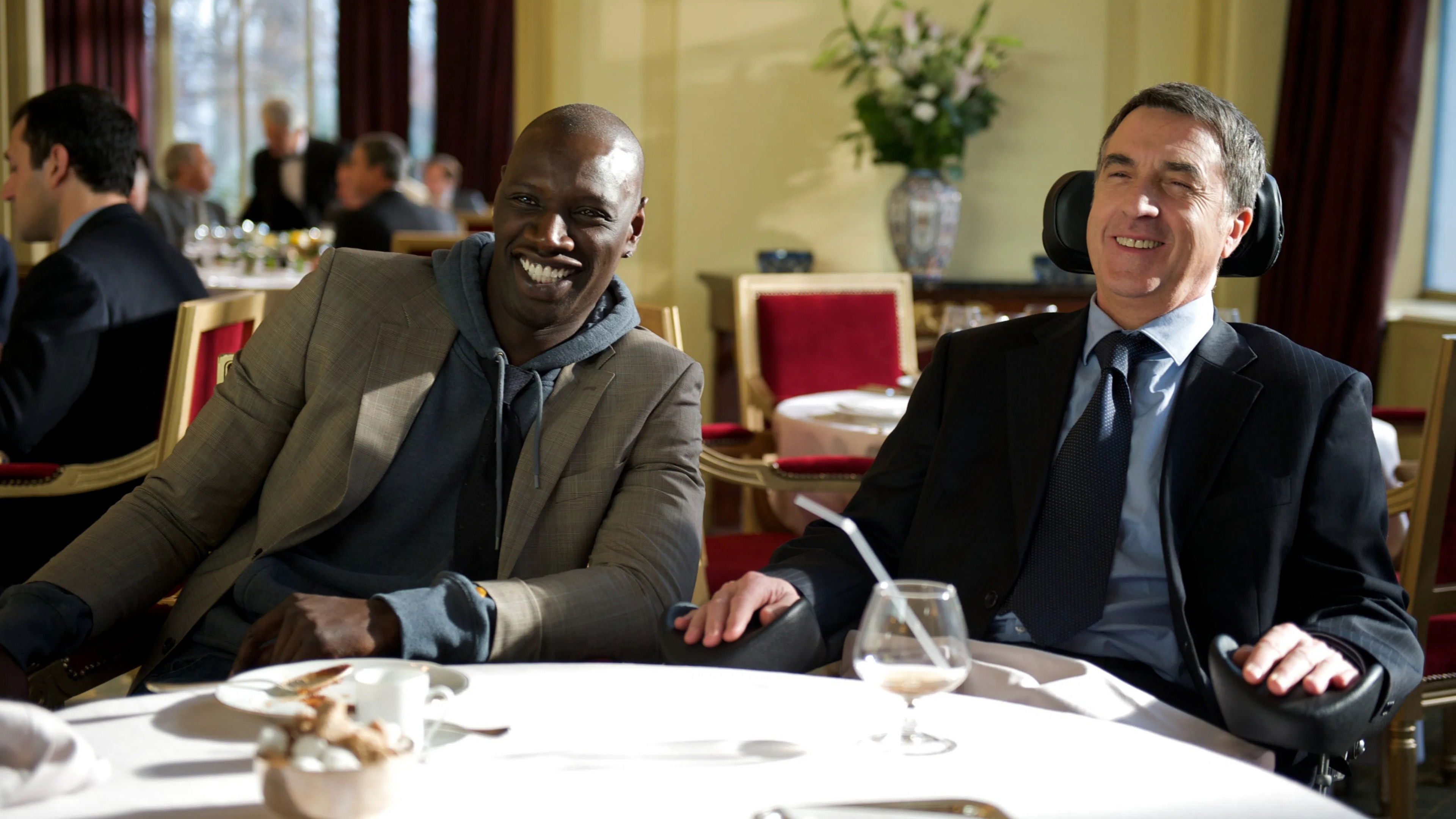
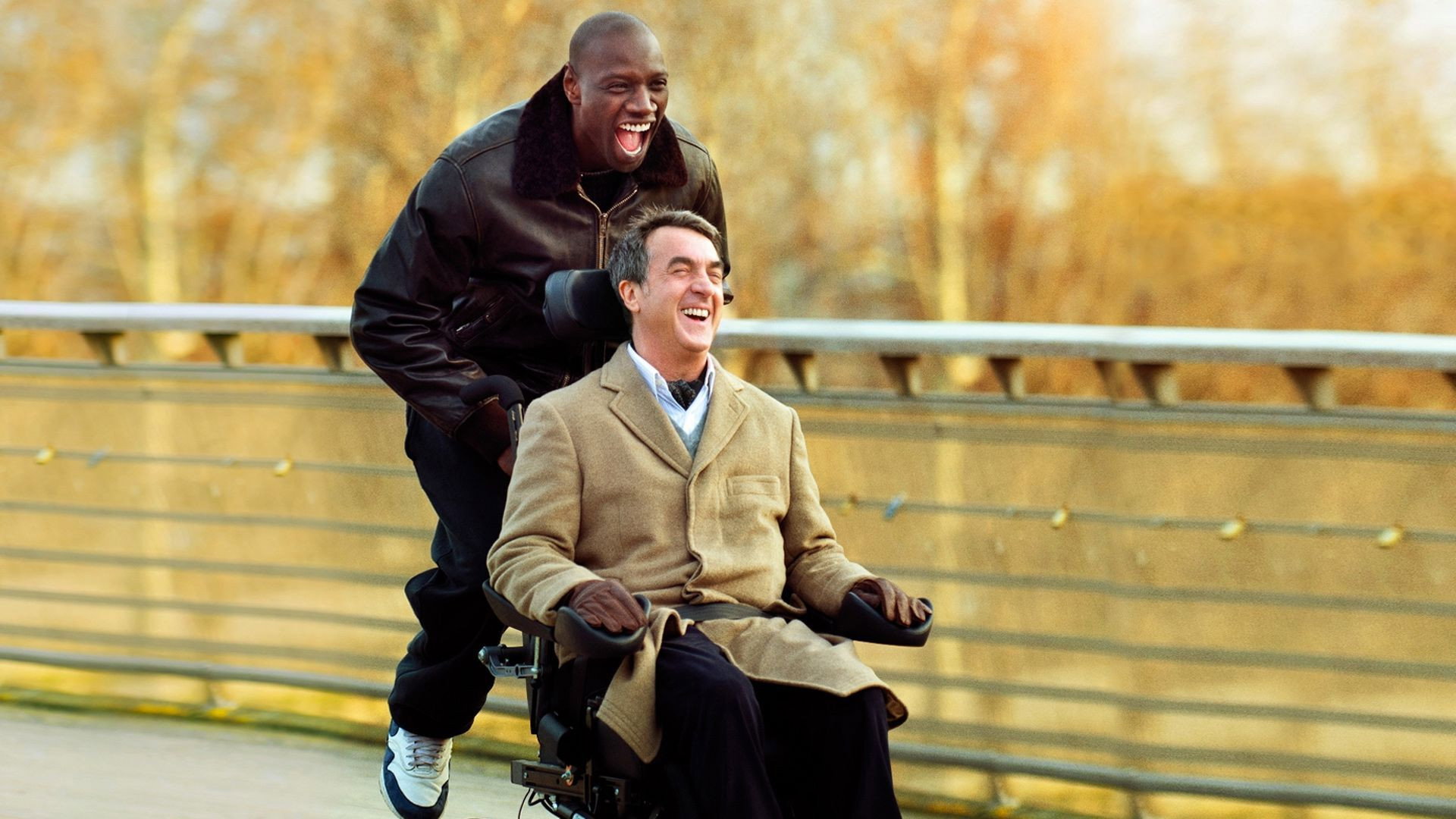
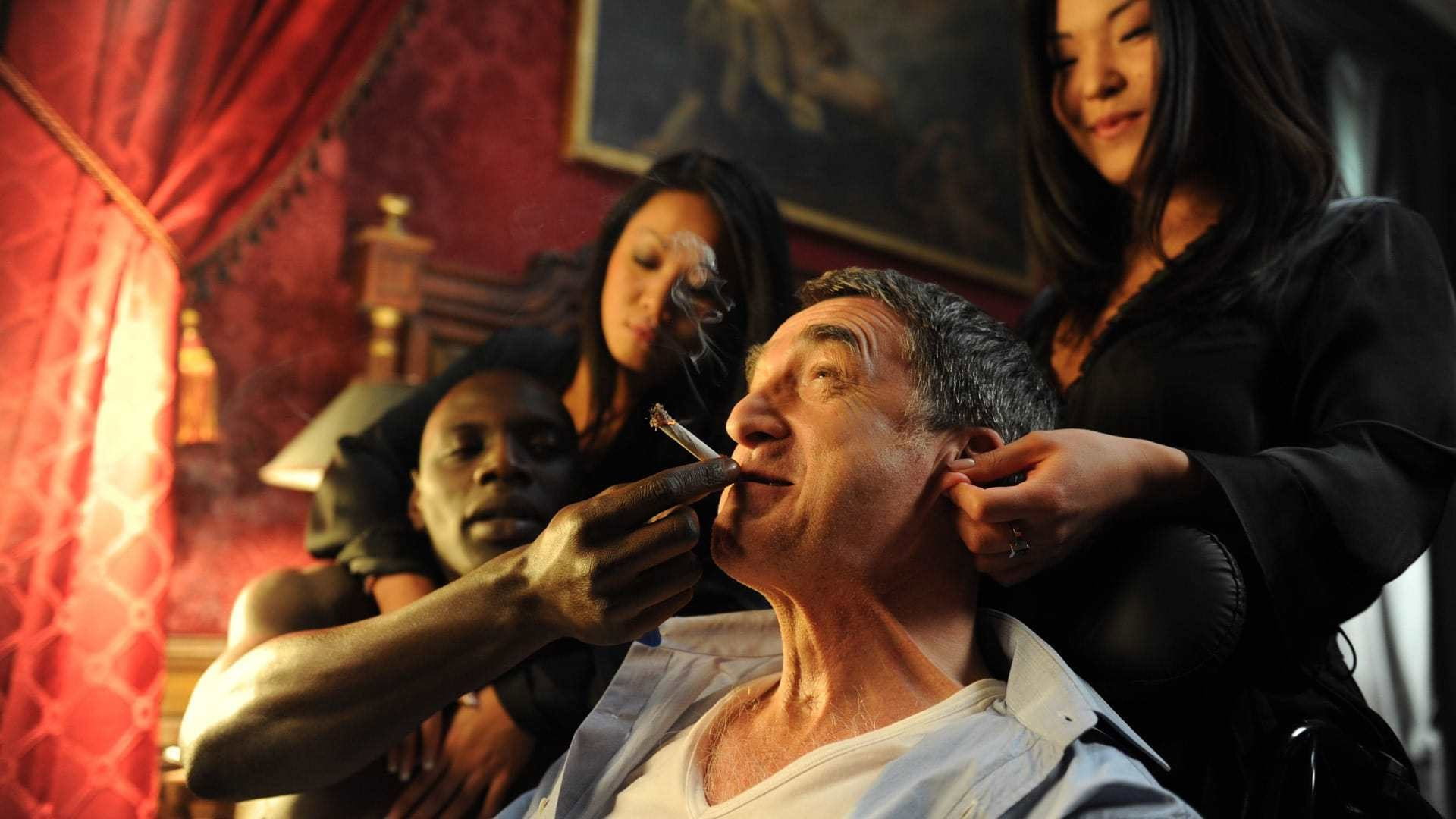
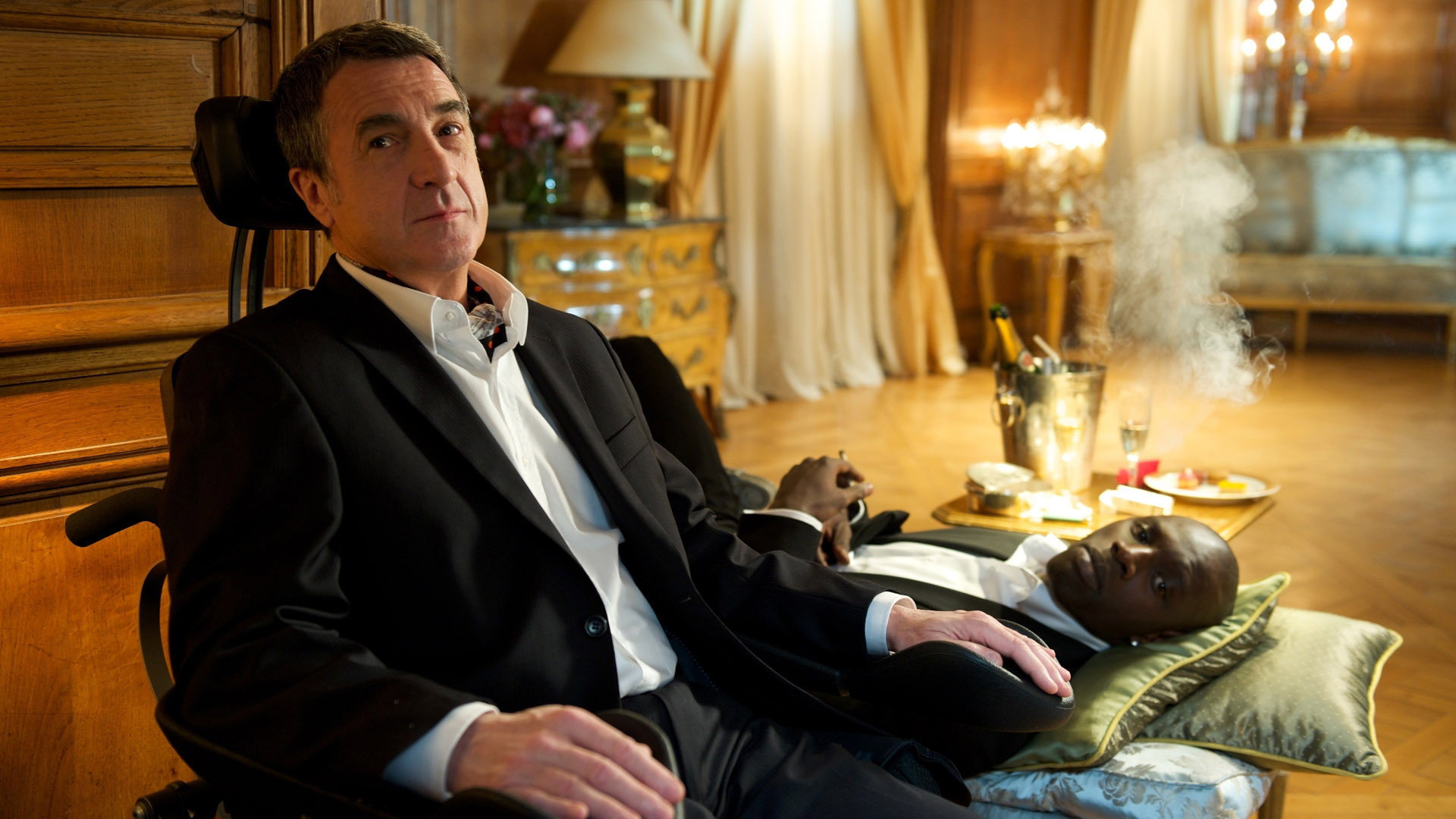
Éric Toledano and Olivier Nakache want us to enjoy the company of two men who might otherwise have had little reason to meet. The Intouchables succeeds often enough to be worth an evening, chiefly because François Cluzet and Omar Sy make its friendship convincing. Philippe is a wealthy aristocrat with quadriplegia; Driss, his carer, is an ex-con from the banlieues. The writing leans hard on that contrast, but the actors find enough to do together that we need not spend every scene inspecting the premise.
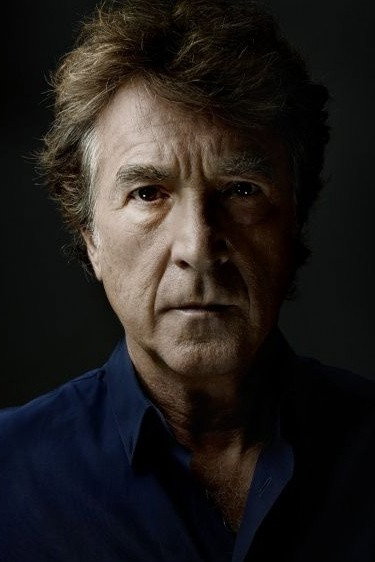
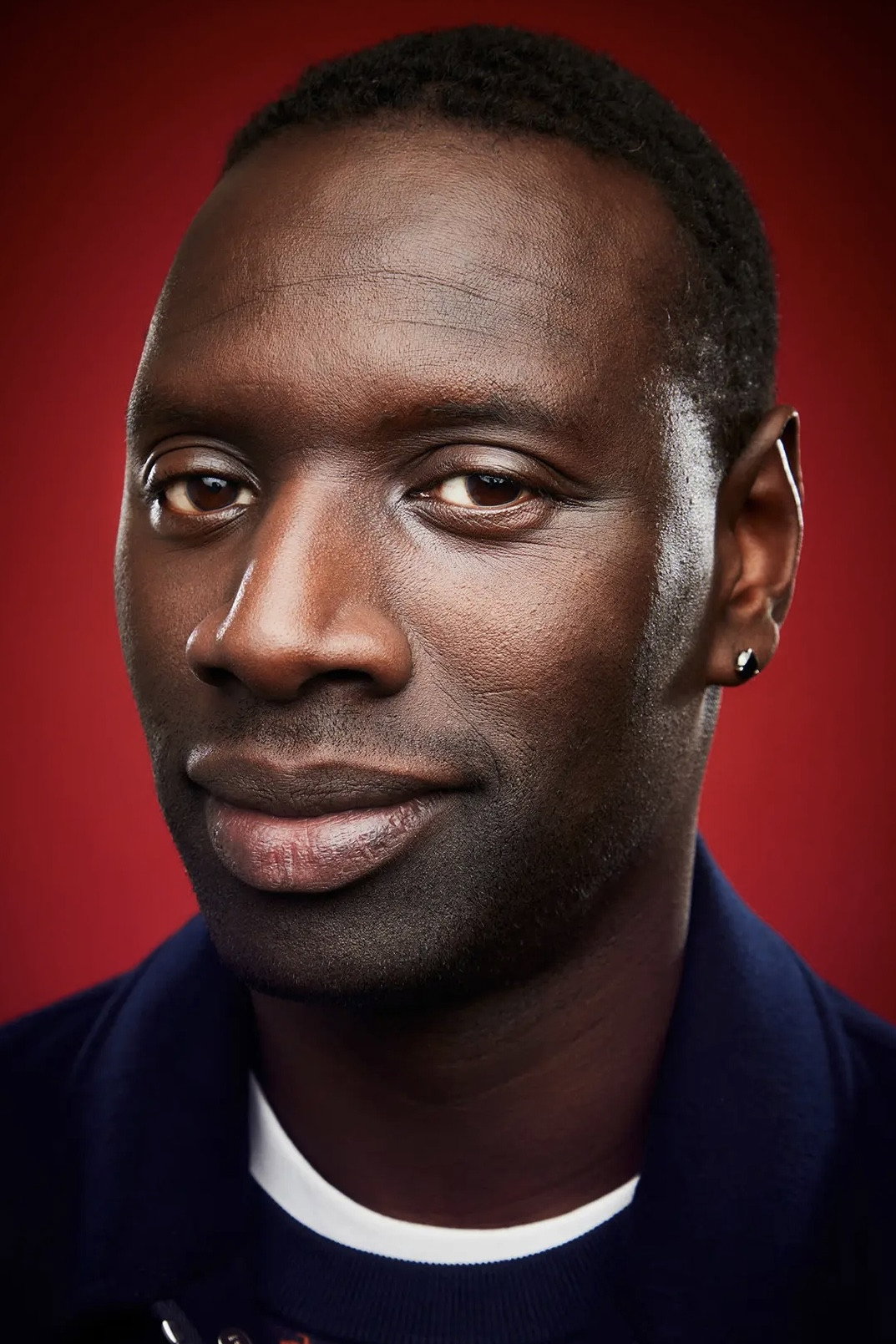
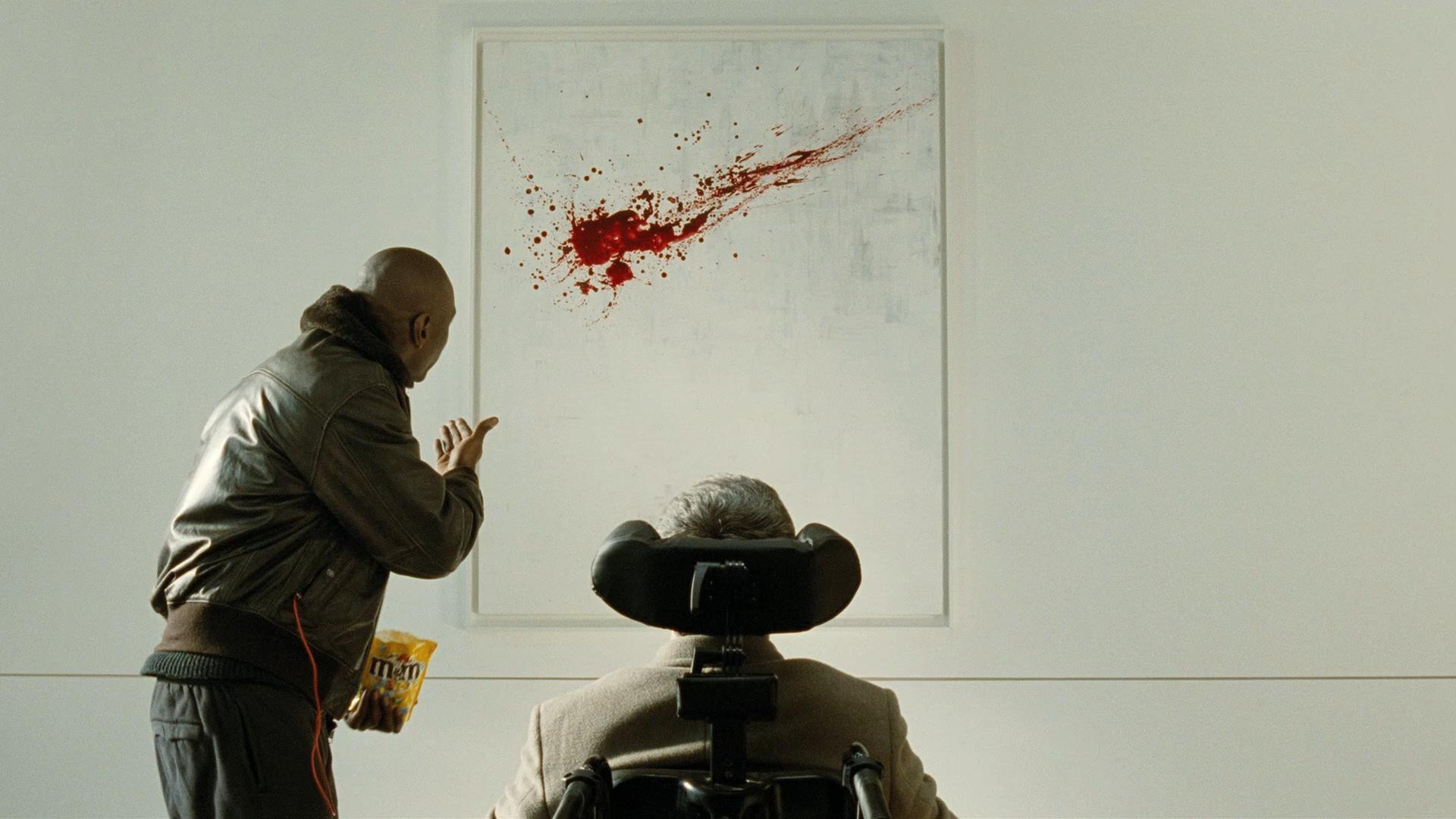
Cluzet gives Philippe an alertness that prevents the character from becoming a passive recipient of somebody else’s good spirits. Sy supplies the energy without making every exchange a solo performance, and the pleasure is in how readily each actor responds to the other. We laughed at the opera scene, where their timing makes a familiar clash of tastes feel spontaneous. Neither has to strain to persuade us that these men enjoy being together.
Dorian Rigal-Ansous’s editing serves that rapport well, allowing a comic exchange to land before pushing towards the next point of disagreement. The difficulty comes when the film asks for a more solemn response: those changes of mood are easier to anticipate than they should be. Ludovico Einaudi’s score gives the softer passages an emotional nudge they scarcely need. We would rather have a little more time with the actors before the music tells us how touching they are.
Mathieu Vadepied’s cinematography gives Philippe’s privileged surroundings a pleasing clarity, and François Emmanuelli’s production design makes money an immediately visible difference between the men. That economy works: the film does not need a lecture to establish how far apart their circumstances are. The polished presentation does have a cost, though. It makes the comfort easy to enjoy while leaving us with less sense of what Driss’s circumstances demand of him outside this friendship.
Toledano and Nakache are less convincing when they ask the friendship to settle questions about class and race. Driss too often has to provide vitality and irreverence for a wealthy man’s benefit, which narrows a character Sy is trying to make more particular. Philippe, in turn, can seem useful chiefly as an opportunity for Driss to prove himself. The screenplay leaves too little room for either man to be inconvenient to its reassuring account of their relationship. Its confidence that goodwill will cover the awkward parts becomes wearing.
That is a familiar weakness of the mismatched-buddy comedy, and familiarity need not spoil a well-played example. Here it does limit the film’s reach: once the central rapport is established, the story follows the expected course. At 113 minutes, it remains agreeable company, although some of the emotional prompting could have been removed without losing anything essential. The actors have already made the case for caring about these people.
Most critics disagree with us, finding the stereotypes and sentiment too much to forgive. Those objections are fair, but we think they underestimate how much the performances achieve within such a tidy script. We believed in their affection because the actors make their enjoyment of each other’s company so convincing. Give it an evening if an expertly played, predictable friendship comedy is what the evening needs.