Bennett Miller’s Capote is an absorbing, superbly acted study of a writer exploiting other people’s trust. Philip Seymour Hoffman makes him painfully human, though the screenplay gives his failings more attention than his talent.
Bennett Miller’s Capote is an absorbing, often uncomfortable film about a writer who believes the importance of his book can excuse what he does to people. Dan Futterman’s screenplay keeps its attention on the relationships behind In Cold Blood, rather than attempting to fit a whole life into a feature. That concentration works, even if it gives us less insight into Capote’s writing than we wanted. Miller understands how much depends on making the writer attractive company before asking us to distrust him.
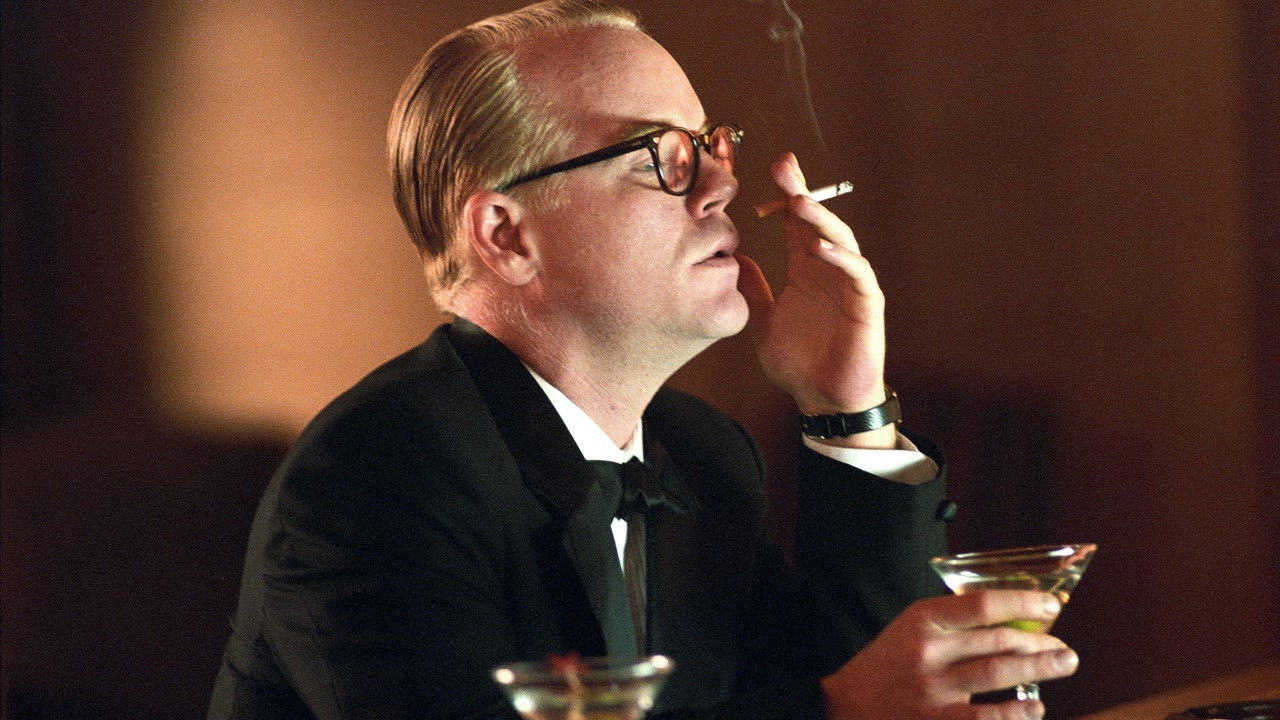
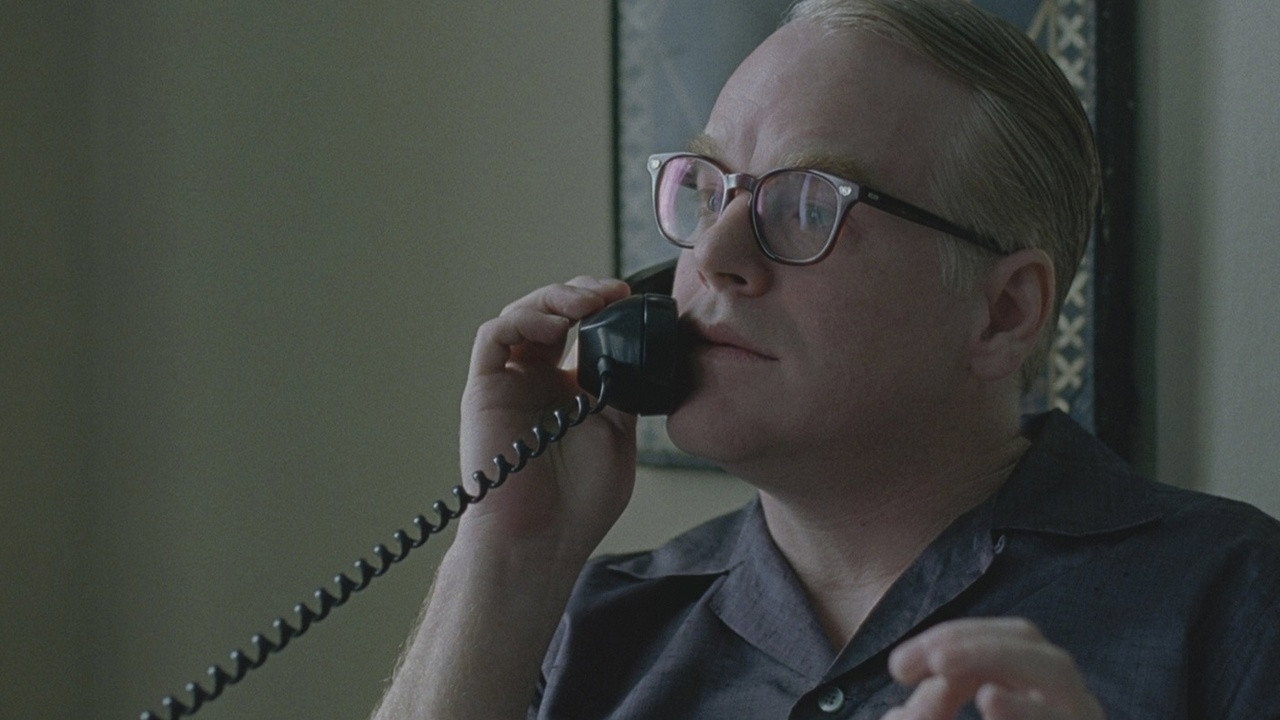
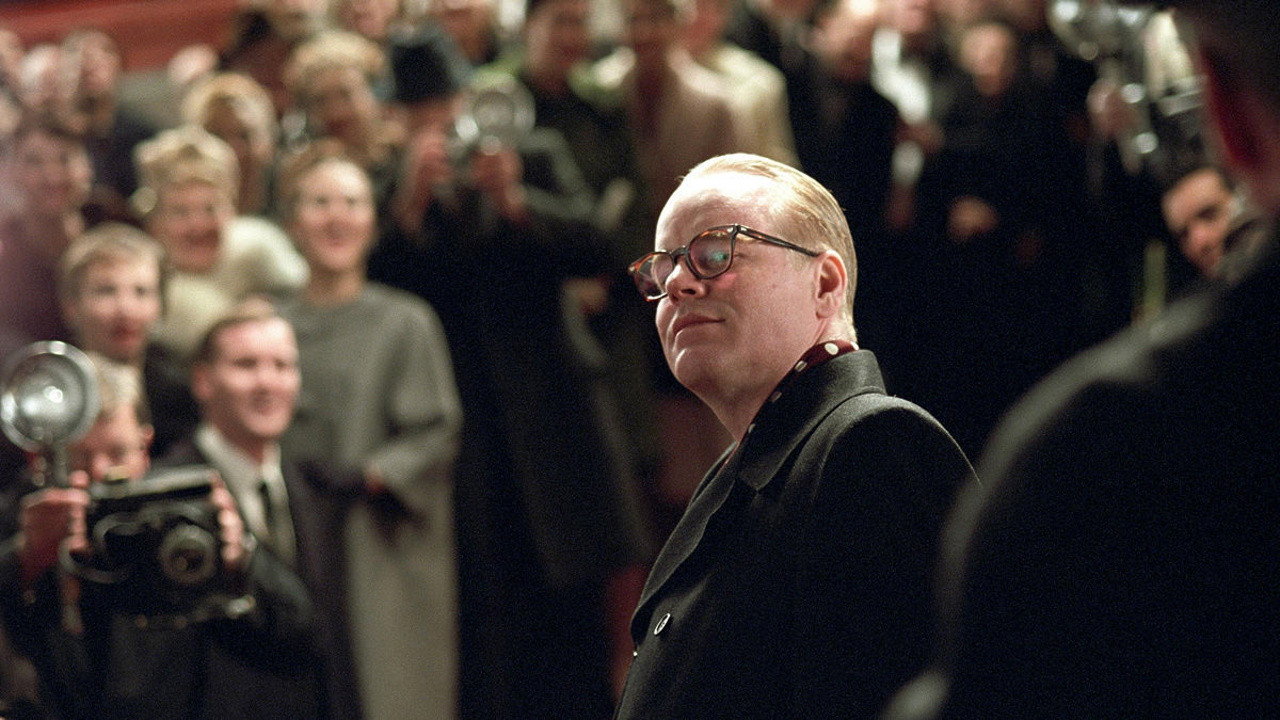
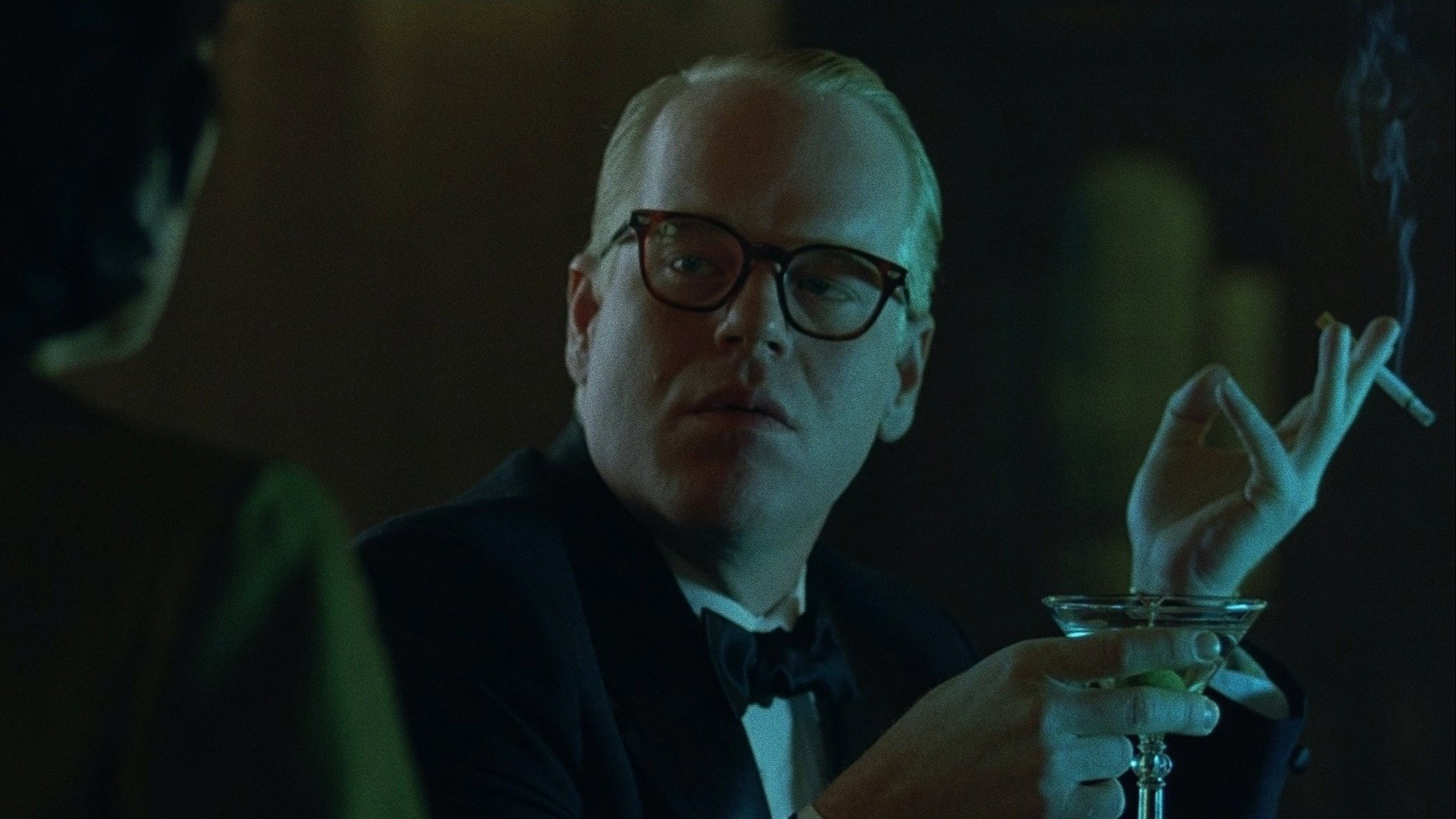
Philip Seymour Hoffman makes Truman Capote’s voice an active part of every encounter. The peculiar cadence can invite intimacy, demand attention or make self-pity sound almost reasonable, sometimes within the same exchange. We laughed at his confidence in company, then felt uneasy about how readily we had warmed to him. Hoffman makes his interest in other people seem flattering enough that we understand why they might confide in him. His performance keeps the calculation visible without making every expression of affection seem false.
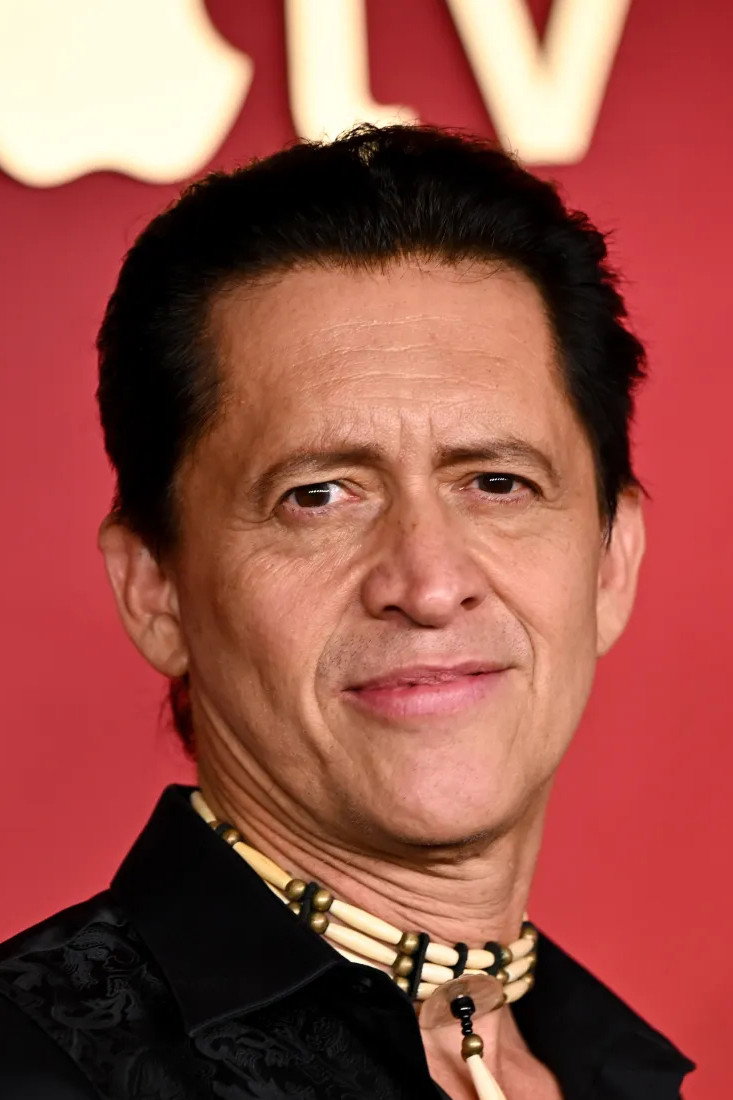
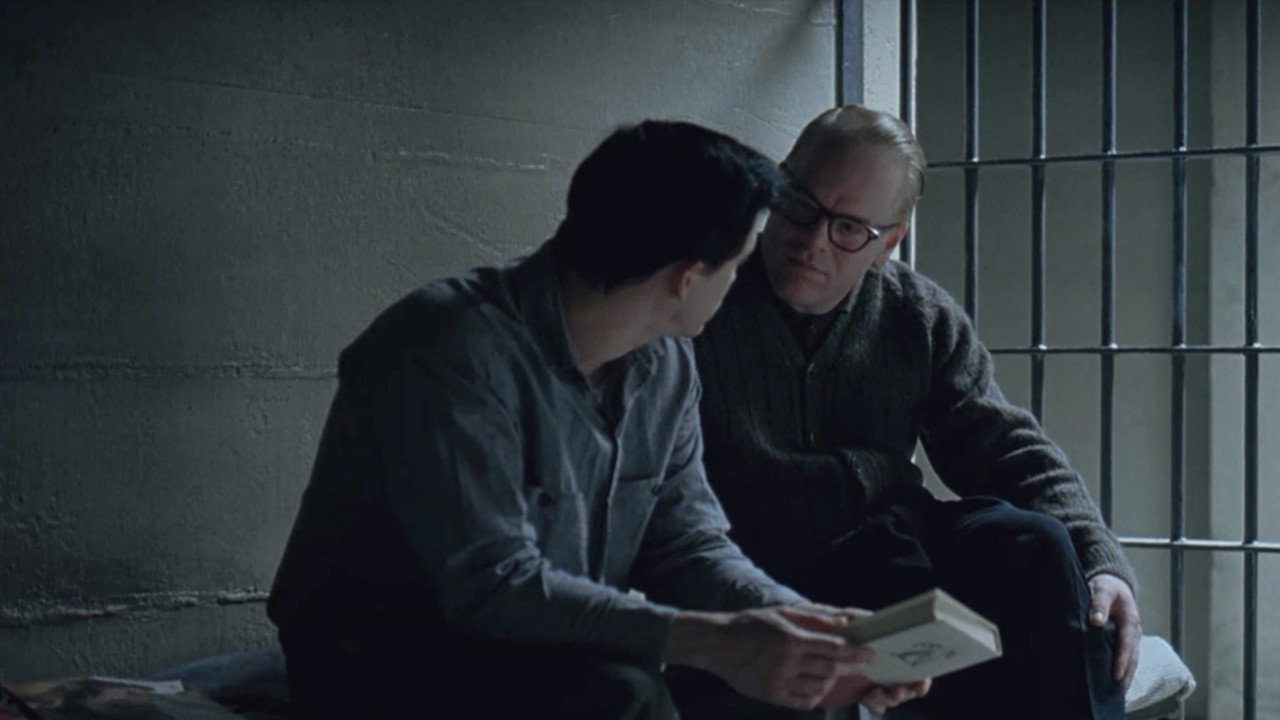
Catherine Keener’s Harper Lee is especially useful here: her comparative reserve gives us a chance to stop listening to Capote and consider him. Keener never needs to compete with Hoffman’s vocal performance to hold our attention. Clifton Collins Jr., as Perry Smith, brings vulnerability to a film that could otherwise become too absorbed in its central actor. Their presence helps Miller keep other people’s needs in view, even when Capote would prefer to talk about his own.
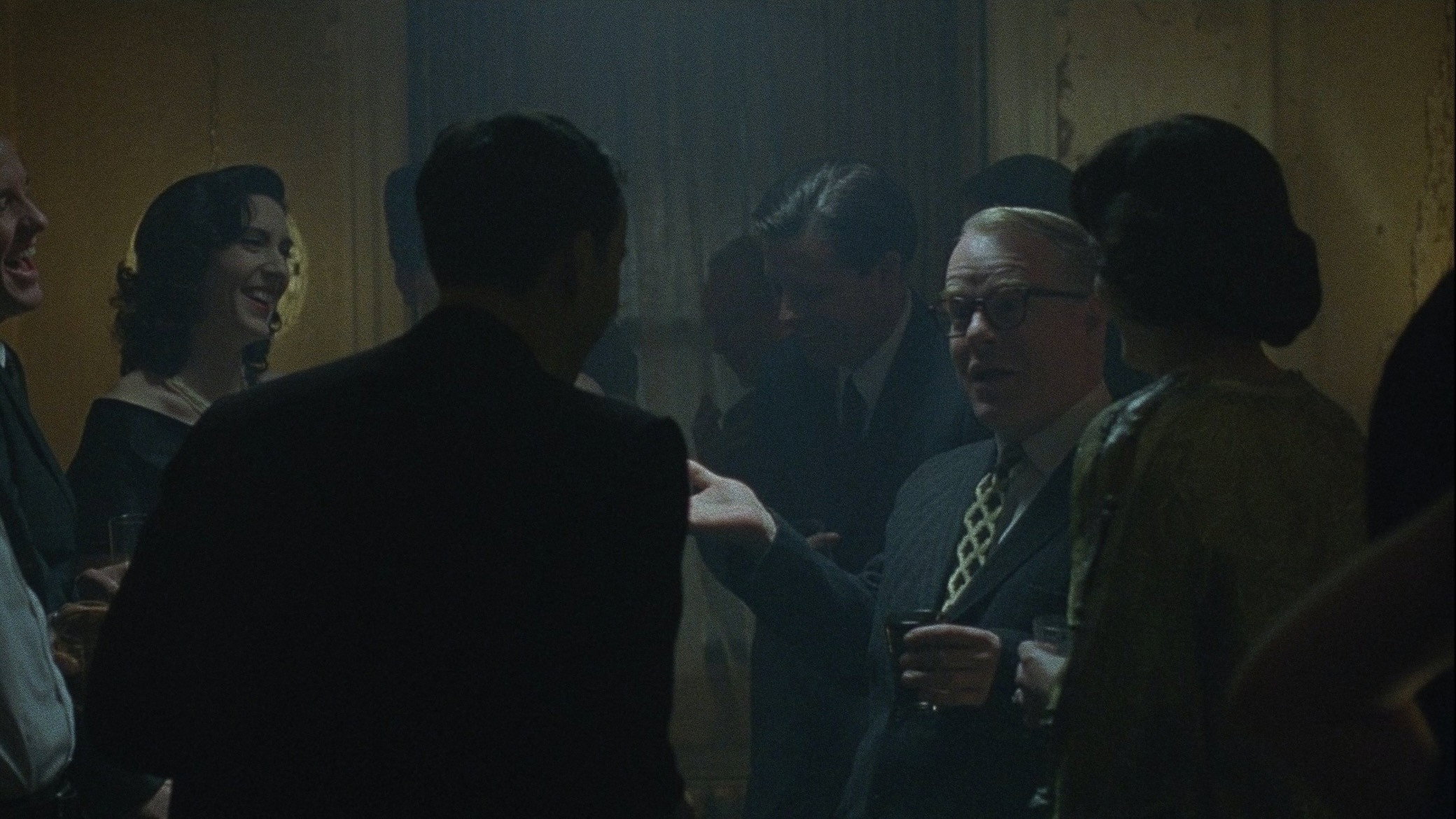
Adam Kimmel’s cinematography keeps the performances clear and the atmosphere subdued; the lack of visual fuss suits a story in which listening matters so much. Jess Gonchor’s production design makes the period setting convincing without turning it into an invitation to admire the furnishings. Neither contribution distracts us from the small changes in Hoffman’s manner. The sober surroundings also make Capote’s need to be noticed more conspicuous, which is useful in a film so concerned with his effect on other people.
Christopher Tellefsen’s editing keeps the research moving without hurrying past the discomfort of the conversations. There is room to register both Capote’s charm and the pressure he puts on other people. Mychael Danna’s score is effective in its restraint, adding unease without trying to settle our feelings about the man. The pace and the music leave Hoffman free to be funny, needy and unpleasant without treating each change as a separate dramatic event.
The reservation is that Futterman returns to Capote’s selfishness more often than he deepens our understanding of it. The screenplay gives us ample reason to question his conduct, but less sense of the work that makes his ambition worth examining in the first place. We wanted a closer account of how this man writes, particularly when the film is so attentive to how he persuades. A biographical drama need not cover a whole life, and the concentration on one book is sensible. Even within those limits, Miller sometimes makes the moral judgement too easy for us.
Hoffman keeps Capote’s loneliness credible, even when his behaviour tests our sympathy. He makes the film moving without requiring us to excuse the man. At 114 minutes, it is concentrated enough for the discomfort to linger without becoming exhausting. See it with someone prepared to argue about how much a good book can excuse.