Film review

Happiness

1998 · Directed by Todd Solondz · 2h 20m · MPA NC-17

In a sentenceAn evening among people who need company and make staying home alone look increasingly sensible

ComedyDrama

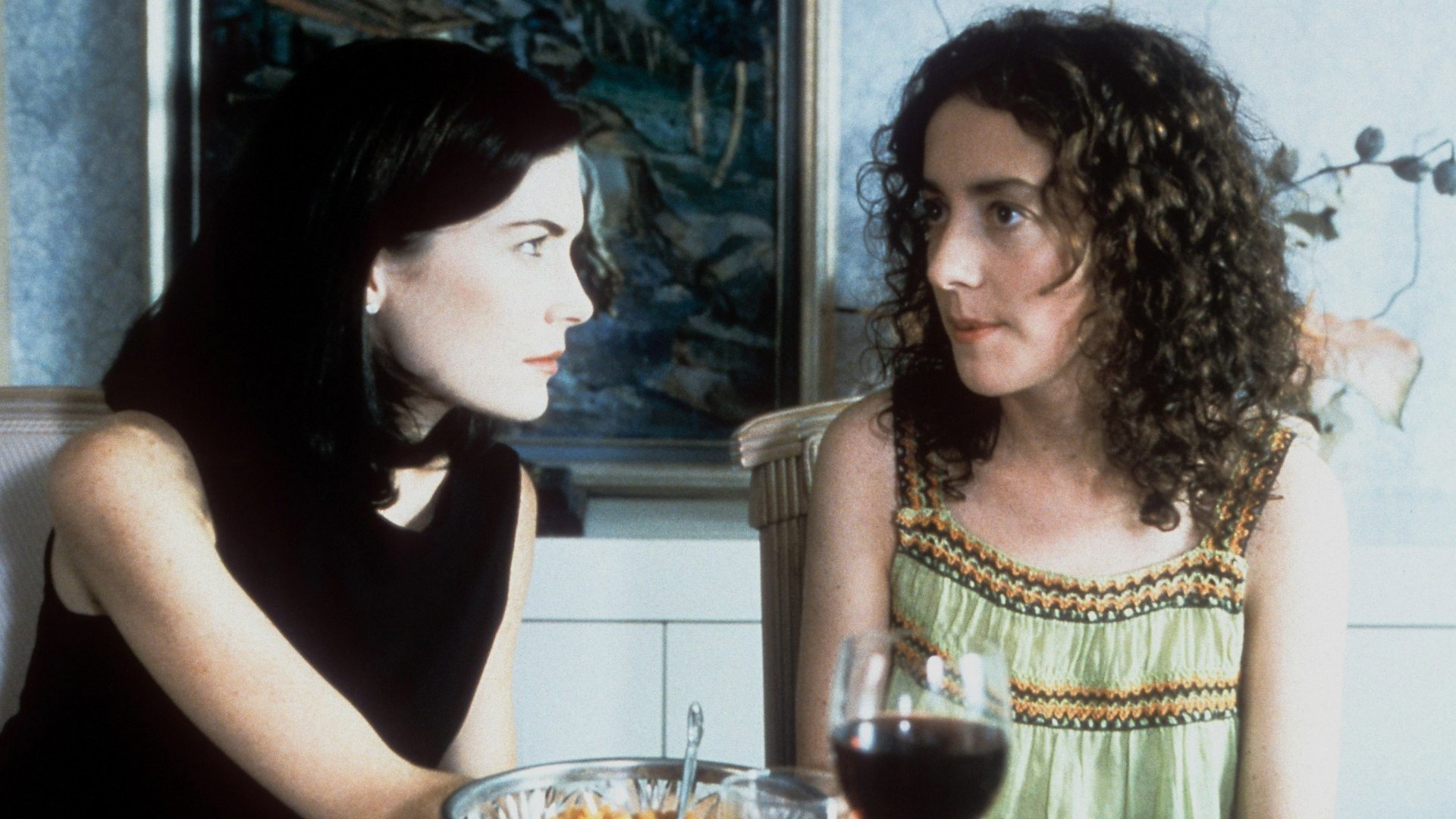
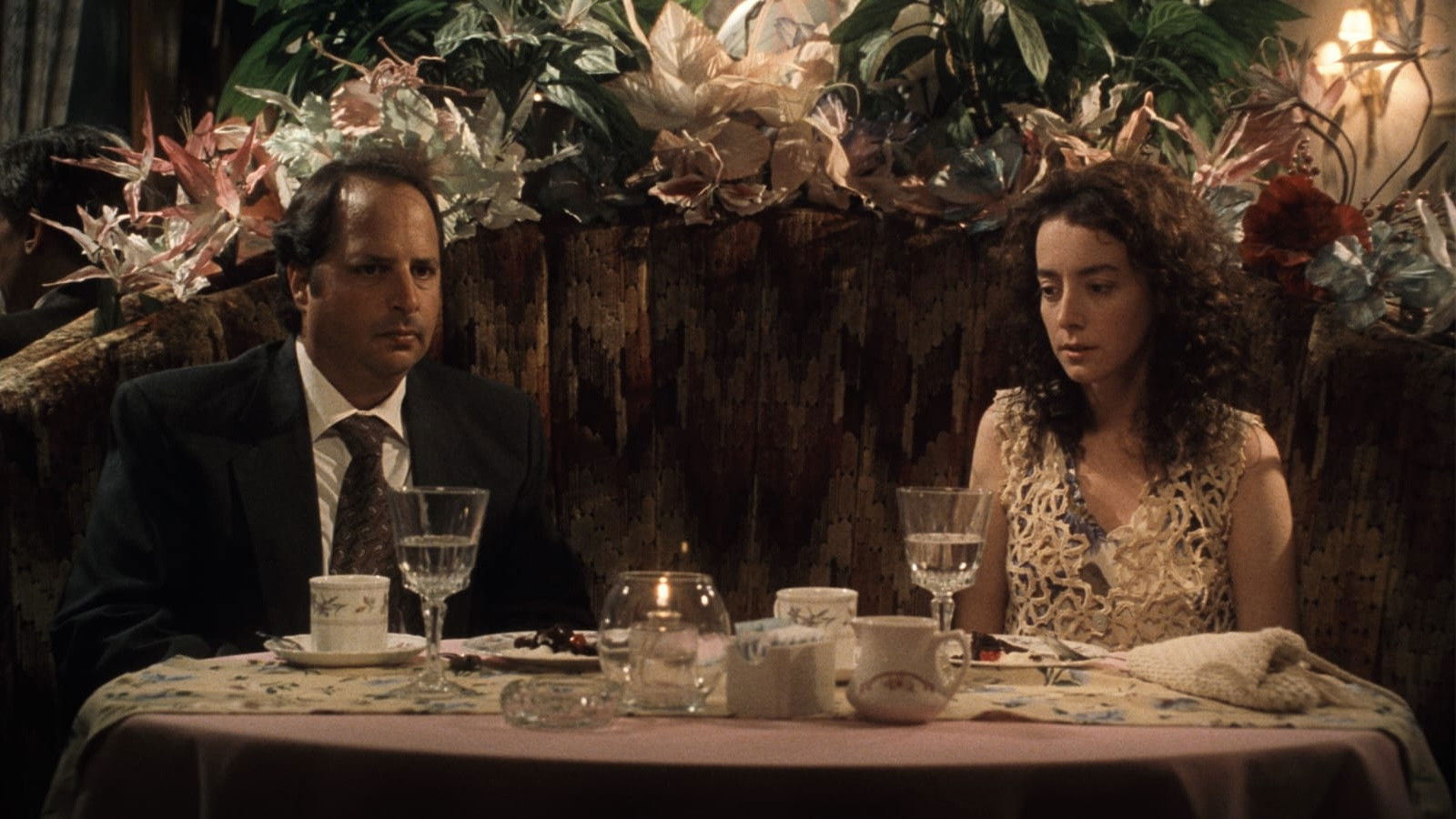
In suburban New Jersey, the wish for affection sits alongside desires that cannot be comfortably acknowledged. Joy Jordan (Jane Adams), Helen Jordan (Lara Flynn Boyle) and Trish Maplewood (Cynthia Stevenson) are among those caught up in the unhappiness of family life. Bill Maplewood (Dylan Baker) is an outwardly respectable psychiatrist and father who is sexually attracted to children. Philip Seymour Hoffman plays Allen in Todd Solondz’s ensemble comedy-drama, which follows people searching for intimacy while struggling to understand what others want. Loneliness and sexual frustration shape encounters between people who cannot agree on what would make them happy.

Fi1m review

Todd Solondz makes suburban unhappiness funny enough to catch us off guard, then difficult to bear. Dylan Baker’s restraint gives the film its force, though the slow pace and repeated humiliations make 140 minutes feel overgenerous.

Happiness is a funny, distressing and overlong comedy, worth the discomfort if black comedy is your taste. Todd Solondz writes and directs an ensemble of lonely people who are capable of making others miserable. Their respectable appearances give us little reason to feel safe in their company. Solondz wants us to recognise these people even when we would rather stop looking at them. His cast makes that possible, though he sometimes keeps their unhappiness going long after we have understood it.

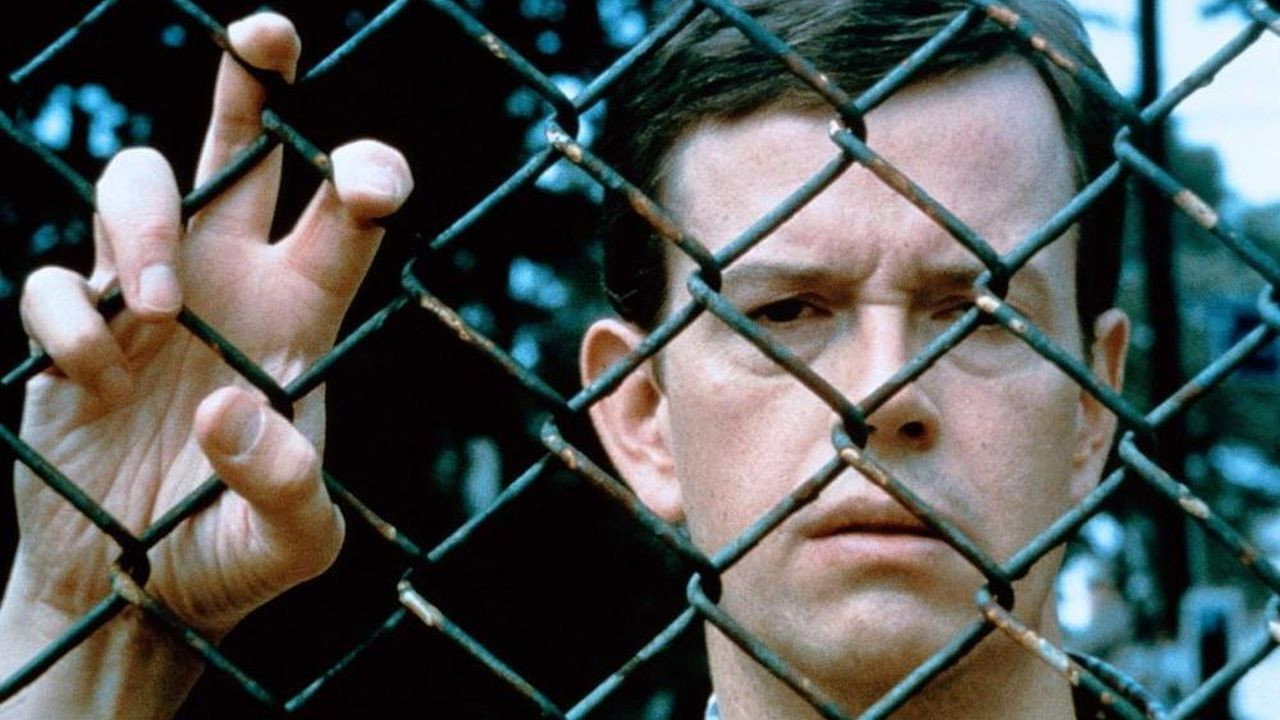
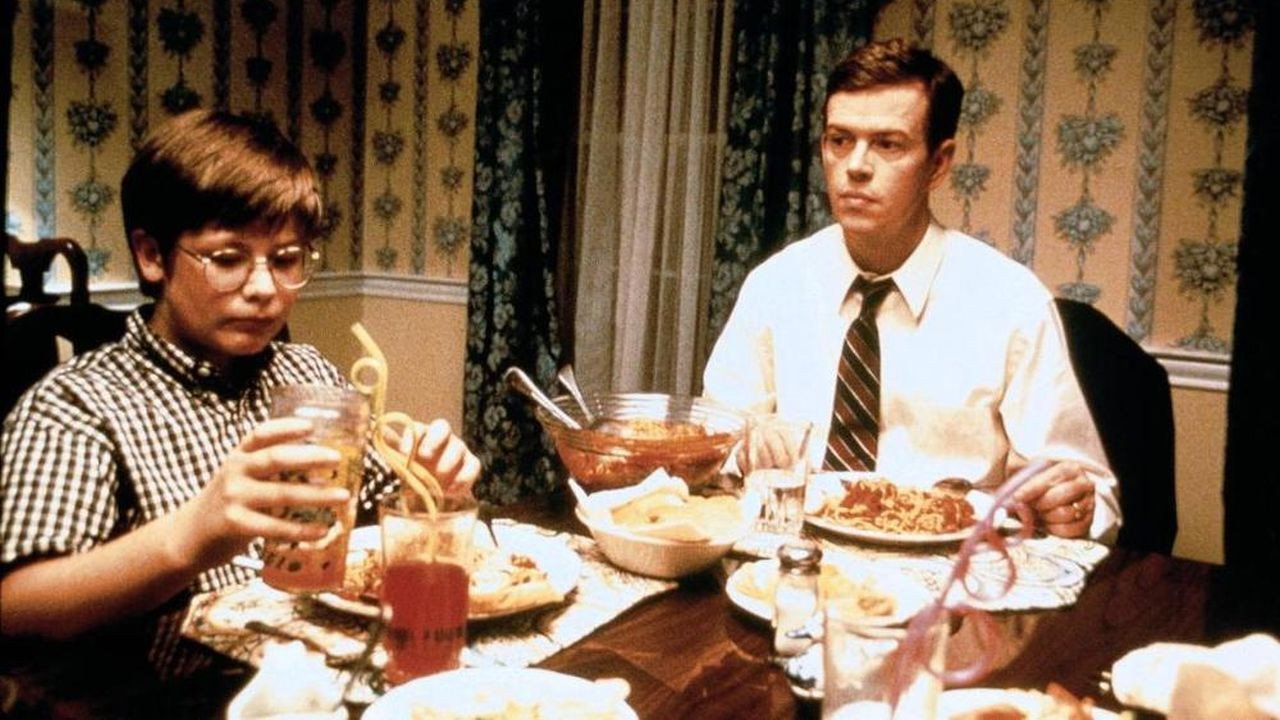
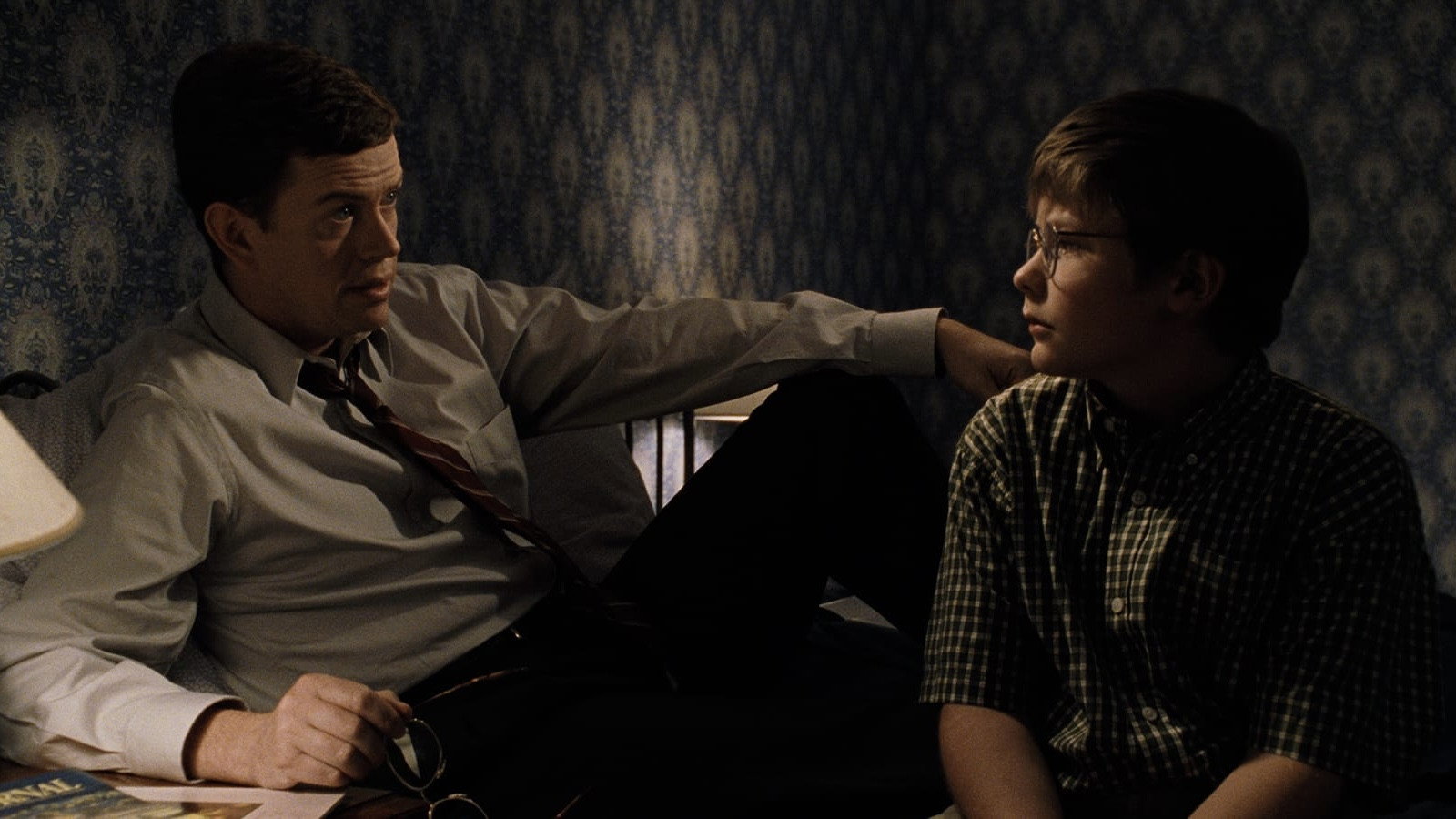
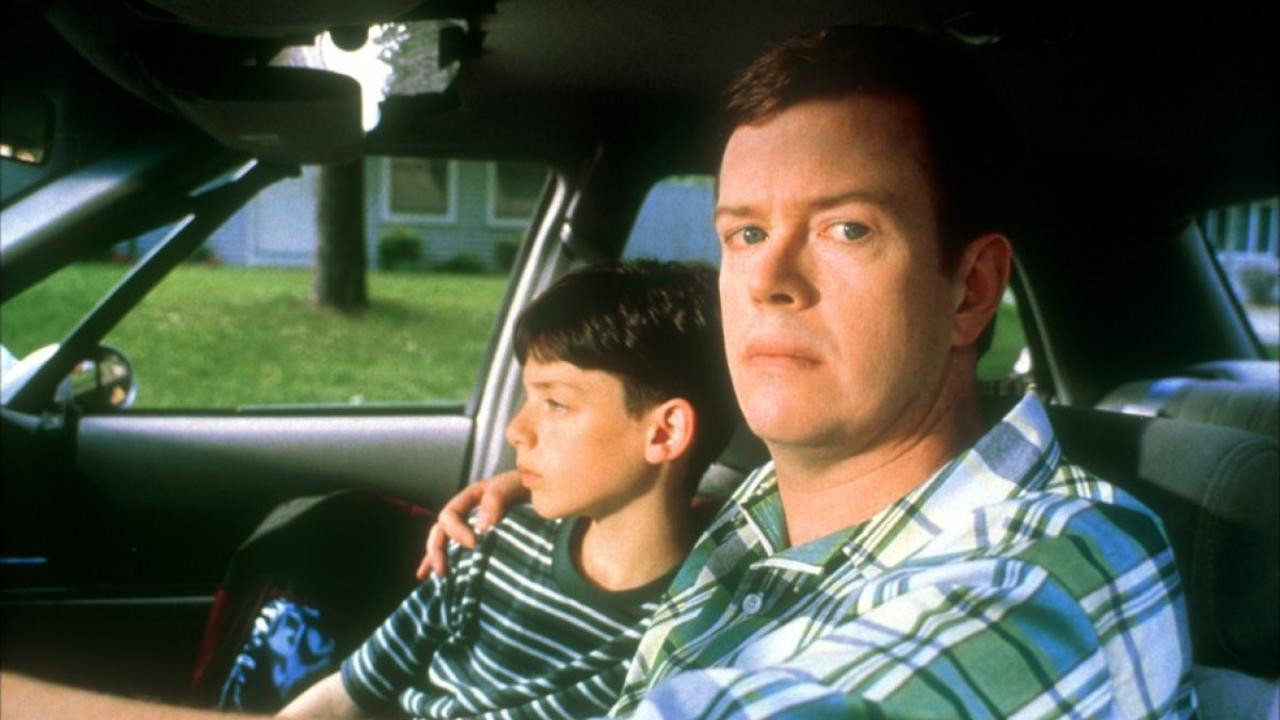
Dylan Baker’s Bill Maplewood, a psychiatrist and father sexually attracted to children, is the most demanding case. Baker keeps his manner bland and respectable, allowing no comforting distance between this man and ordinary family life. We were horrified by how familiar he seemed. The performance makes us attend to a person we would prefer to dismiss immediately, without making his desires seem any less appalling. Baker holds that difficult position with enough restraint to prevent the character becoming merely a provocation.

Philip Seymour Hoffman, as Allen, gives the loneliness a similar seriousness, even when the writing invites a laugh at it. He helps keep the film from treating sexual frustration as an amusing defect found only in other people. Jane Adams’s Joy Jordan also needs to be more than the object of a joke, and Adams gives her that weight. Solondz’s ear for self-involved speech is sharp. The actors let the need for affection remain audible beneath the things their characters say to make themselves feel better.

Maryse Alberti’s cinematography and Thérèse DePrez’s production design make the drab suburban surroundings oppressive without making them exotic. That plainness is useful: nothing in the way Bill fits into this world offers an easy warning about him. It becomes less useful when the visual sameness begins to flatten distinctions between the other characters. Solondz can seem to have judged everybody before they have spoken, and the performances have to work against that impression.

Alan Oxman’s editing gives the quiet jokes time to turn unpleasant, but too many stretches settle into the same slow pace. At 140 minutes, the film asks for more patience than every part of the ensemble deserves. Robbie Kondor’s music offers little relief from the discomfort, which suits the film. The greater problem is that the repetition makes some cruelties predictable. Once we start waiting for another person to be humiliated, the surprise goes and the scene has less to offer.

As black comedy, the film works because the joke rarely settles what we should feel about the person in front of us. Solondz allows us to feel sorry for people whose behaviour remains intolerable, and rarely supplies a tidy lesson to make that sympathy easier. Yet the film sometimes appears to believe that another humiliation must mean another insight. When a character has no prospect of doing anything except being humiliated again, it becomes harder to care.

Do not choose it merely because it is filed under comedy. Its subject includes sexual harm involving children, and its attention to the adults will be more than some viewers want to bear. If you are prepared for that, watch it with someone who will not expect an easy conversation afterwards.

Critical consensus AI synthesised

5 of 6
Positive
4
Mixed
0
Negative
1
The Guardian
16 April 1999 · Jonathan Romney
85*

The critic finds Solondz's ensemble portrait of dysfunctional New Jersey families both darkly comic and morally probing, praising its refusal to offer easy sympathy or condemnation. He singles out Dylan Baker's performance as the paedophile father for its courageous blend of bland normalcy and inner torment.

Read the full review →
Time Out
23 April 2014 · GA
85*

Solondz's brave second feature takes misery and cruelty as given in suburban life and delivers a bible-black comedy of assurance that shifts into despairing human sympathy. The paedophile father's conversations with his son form the emotional backbone.

Read the full review →
Sight and Sound
· Xan Brooks
80*

Solondz presents suburbia as a peripheral hell of drab normalcy masking runaway psychosis and taboo desires. The film succeeds through its tense balance of queasy comedy and genuine recognition, with the central performance of the outwardly upstanding child-molesting psychiatrist singled out as key.

Read the full review →
The New Yorker
12 October 1998 · Anthony Lane
40*

Solondz works on a wider canvas than before but fixates on sex in a way that makes the movie more repressed than its subjects; the notorious father-son scene rings untrue and the film levels everyone into drabness.

Read the full review →
Empire
1 January 2000 · Kim Newman

It's a vision of hell but moving and entertaining, with truthfulness and humanity; praises the beyond-black comedy handling of difficult subjects and performances.

Read the full review →
Los Angeles Times
16 October 1998 · Kenneth Turan

Solondz pushes boundaries with jaw-dropping situations and an impeccable ear for speech but the glacial pace, flatness, and distance keep characters from connecting with viewers despite strong performances.

Read the full review →

Cast

Stills

If you liked this, try…

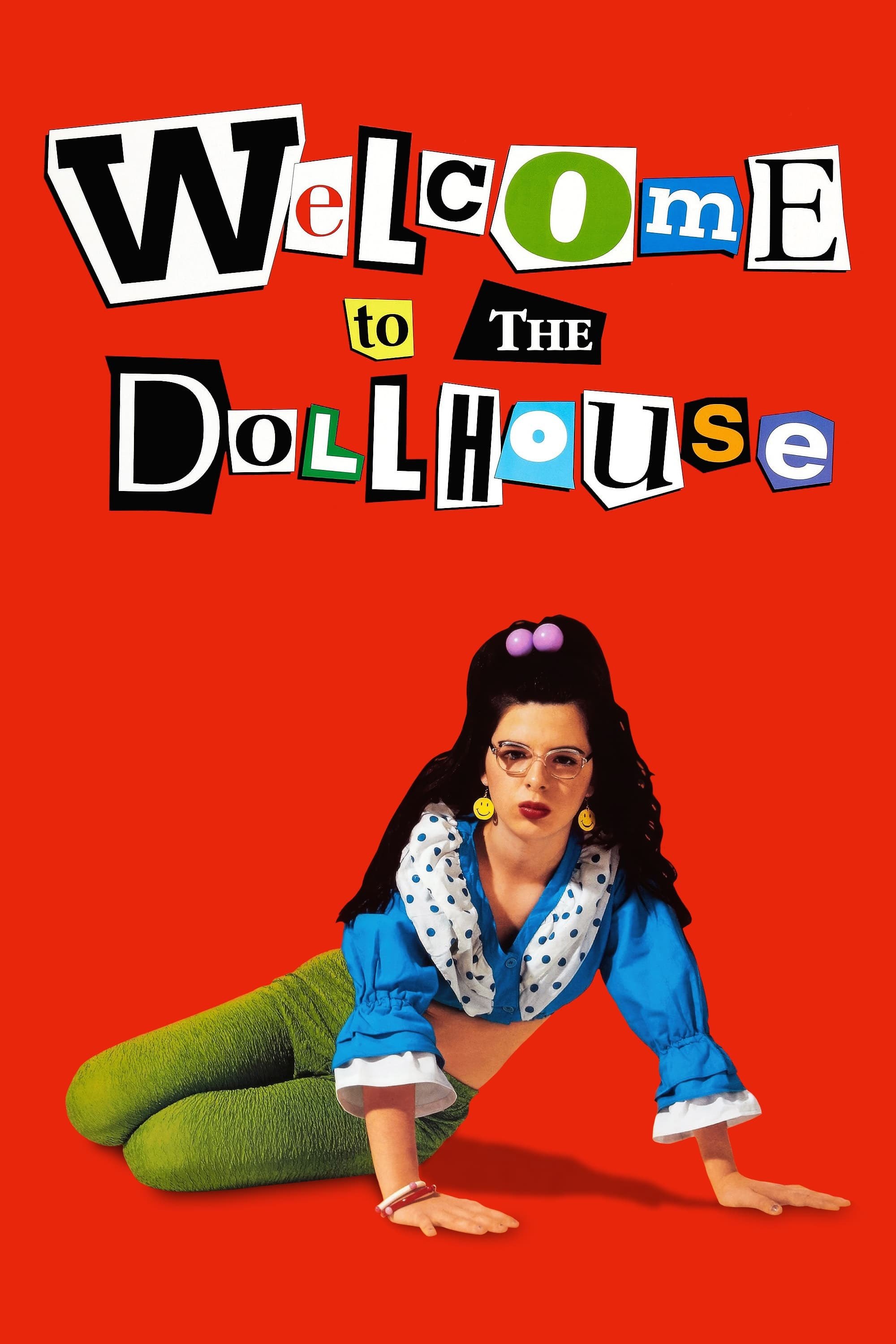
Welcome to the Dollhouse poster82

Welcome to the Dollhouse

1995 · Solondz gives adolescent loneliness the same uncomfortable attention, with less narrative sprawl.

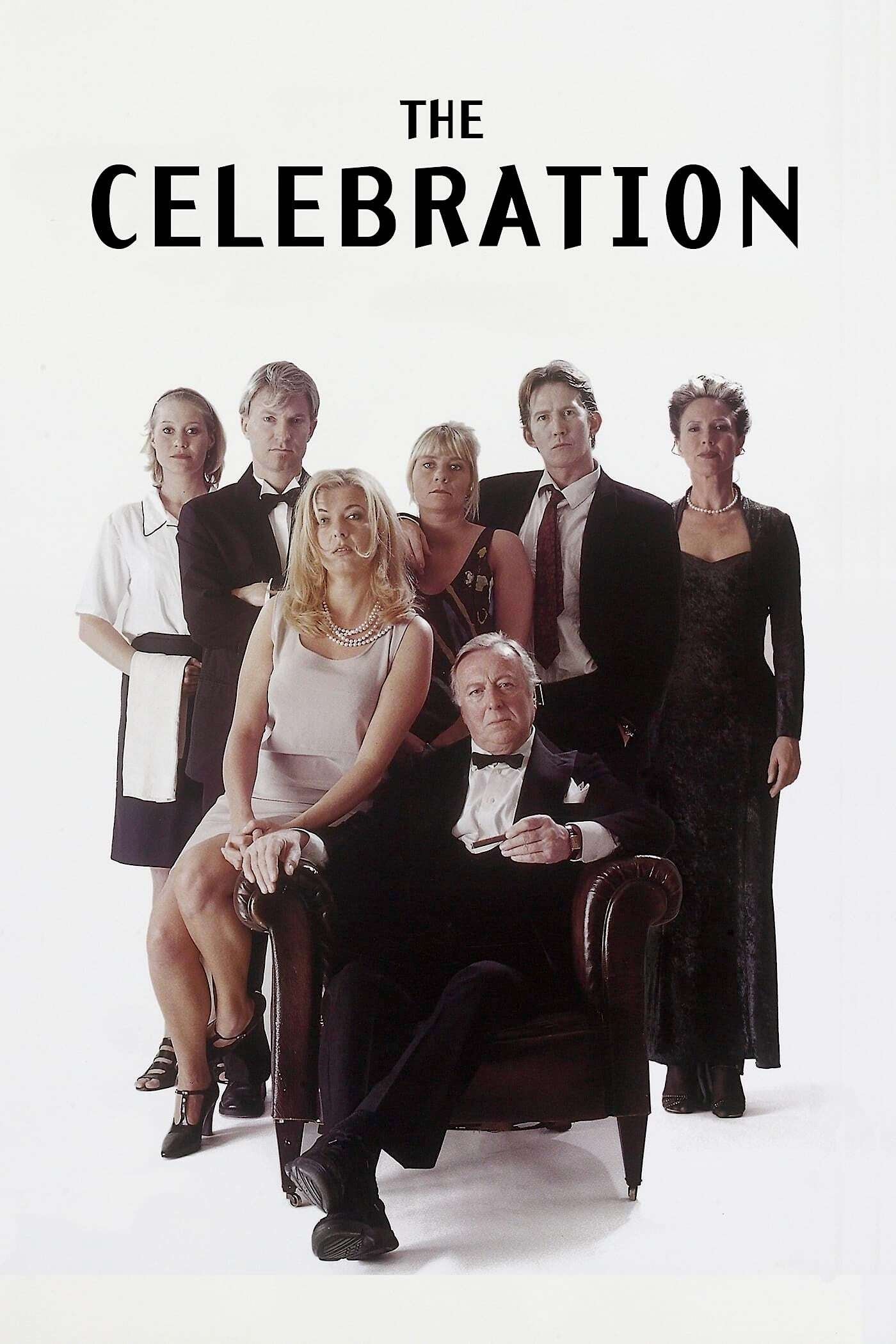
The Celebration poster85

The Celebration

1998 · A family gathering makes respectable appearances harder to maintain with every speech.

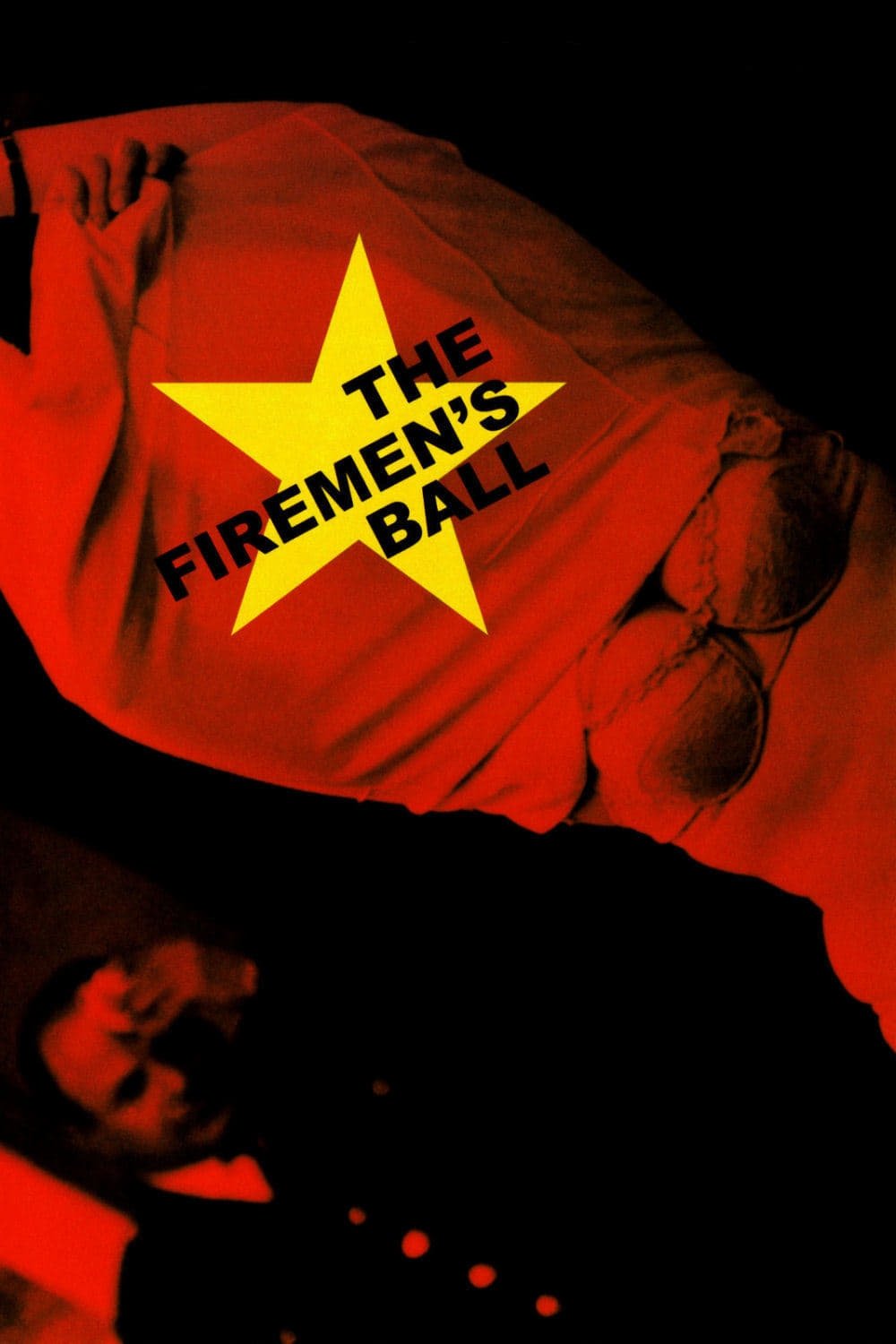
The Firemen's Ball poster

The Firemen's Ball

1967 · Petty humiliations accumulate as a communal celebration exposes everyone’s capacity for selfishness.

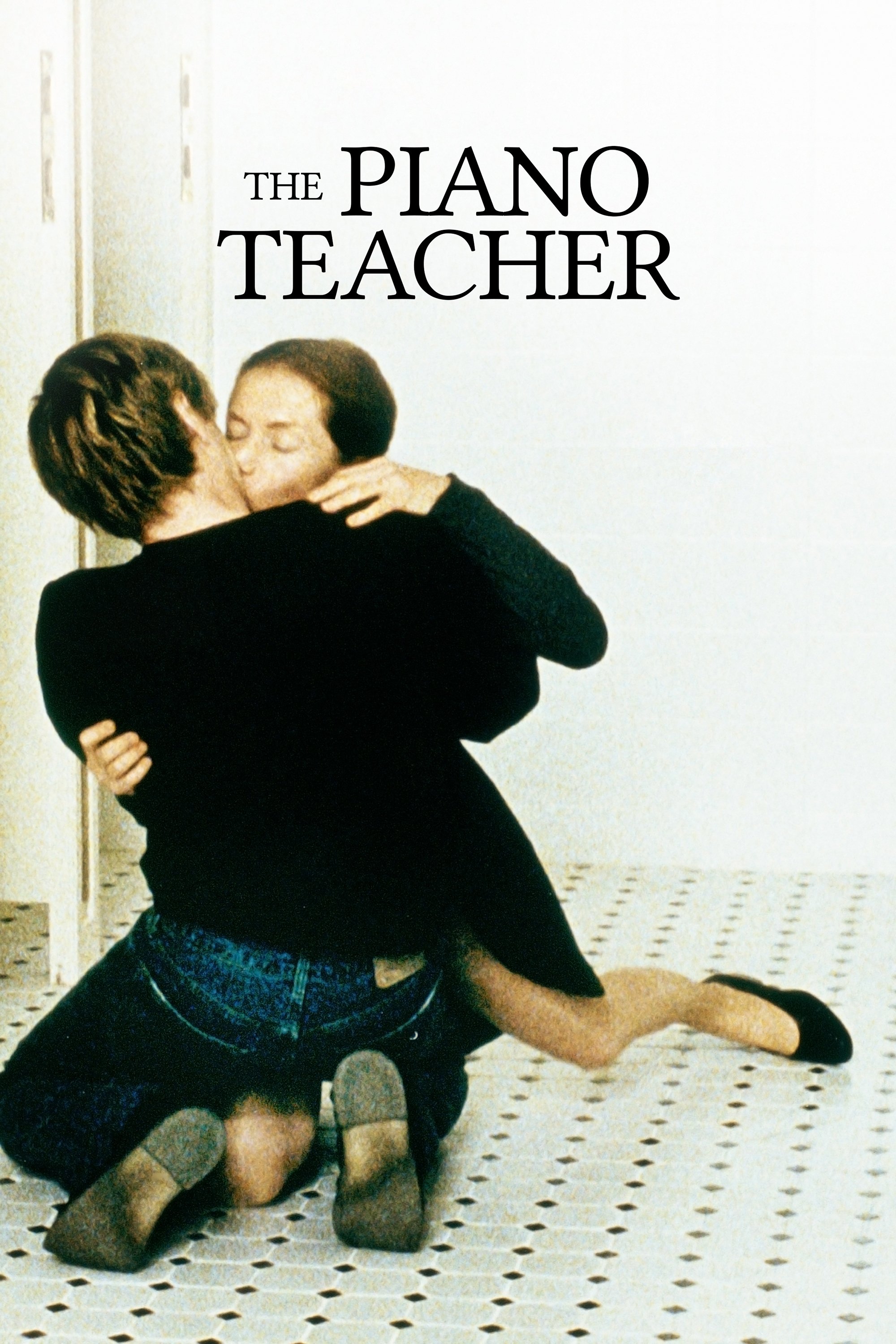
The Piano Teacher poster

The Piano Teacher

2001 · Sexual shame and loneliness receive similarly unsparing treatment, with far less laughter.

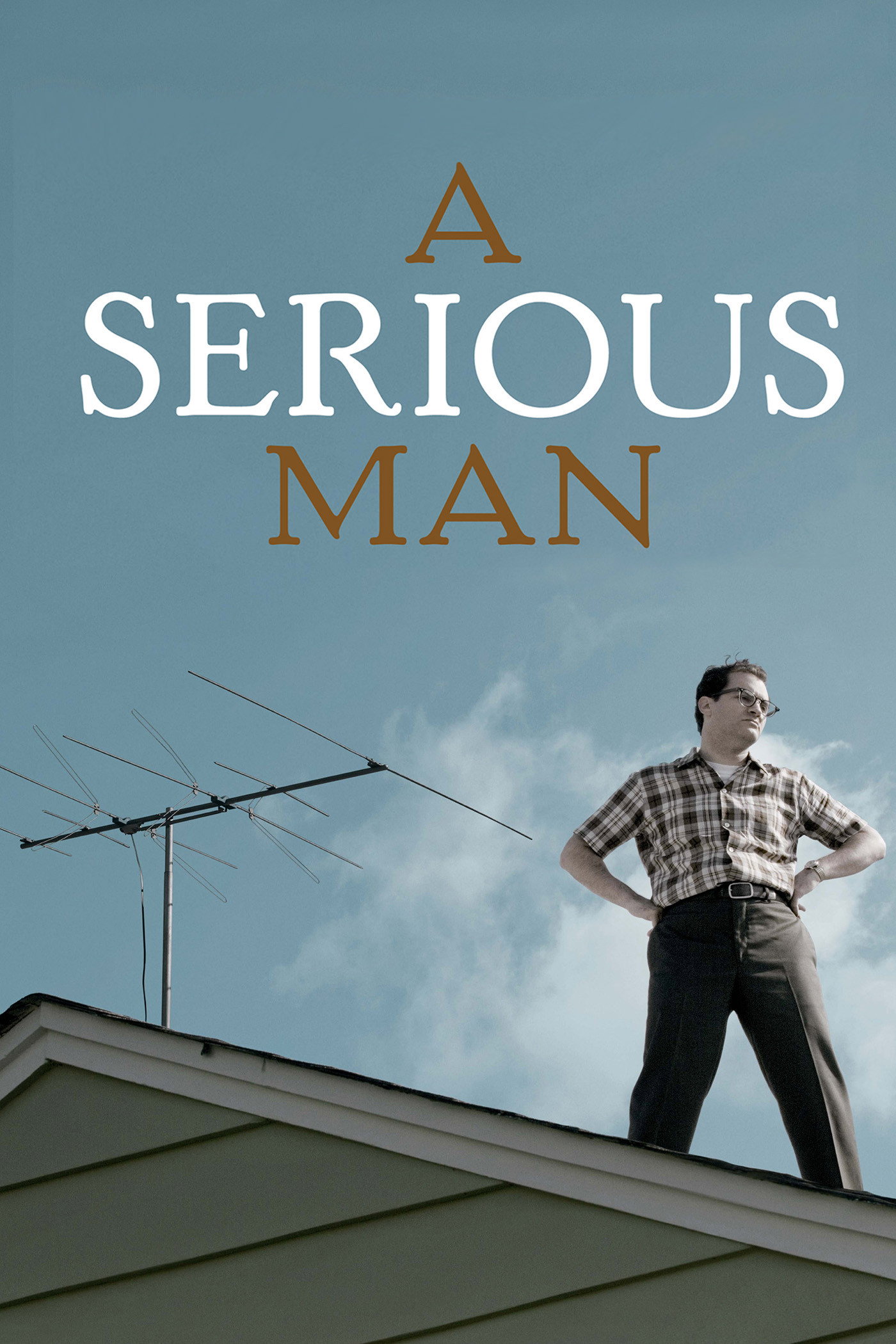
A Serious Man poster

A Serious Man

2009 · Another suburban search for reassurance, conducted with cruel humour and stubborn uncertainty.