Film review

Welcome to the Dollhouse

1996 · Directed by Todd Solondz · 1h 28m · MPA R

In a sentenceJunior high supplies the misery, and Heather Matarazzo makes us feel rotten for laughing

ComedyDrama

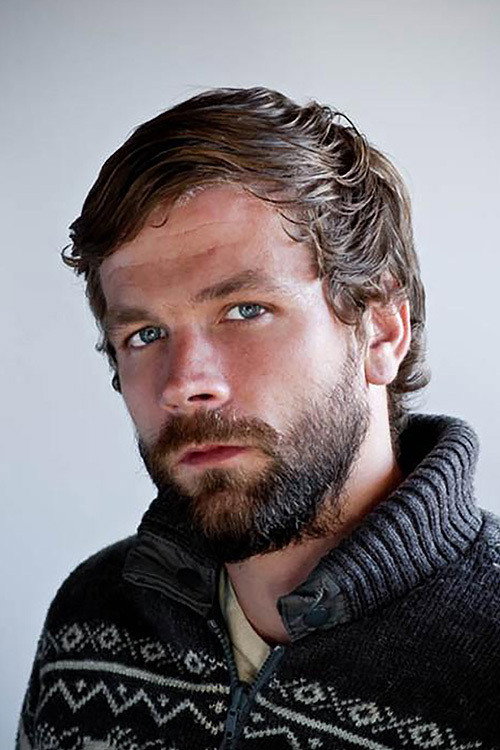
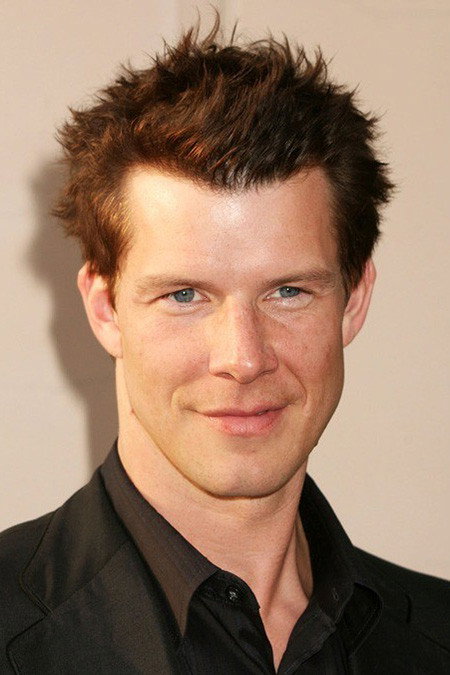
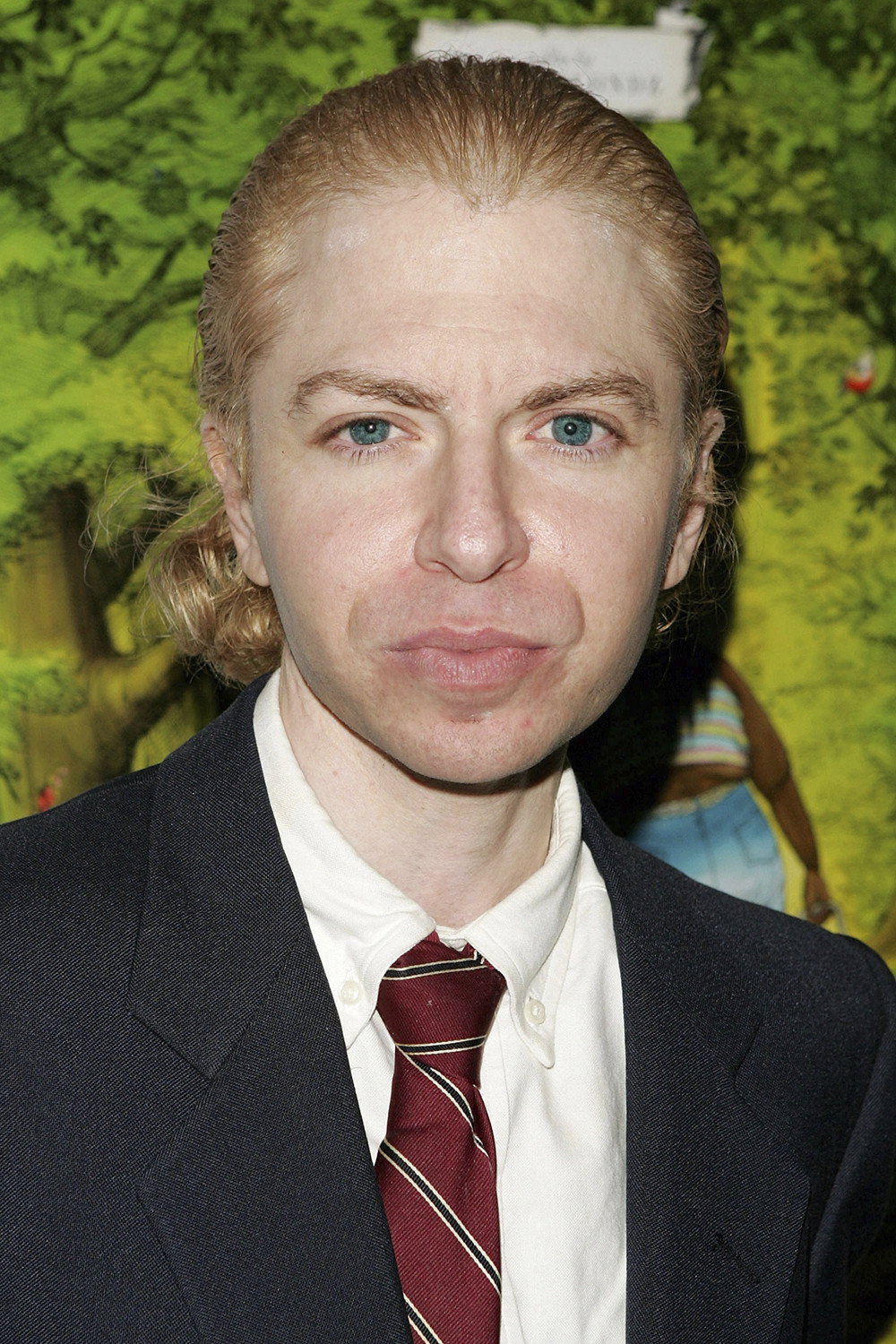
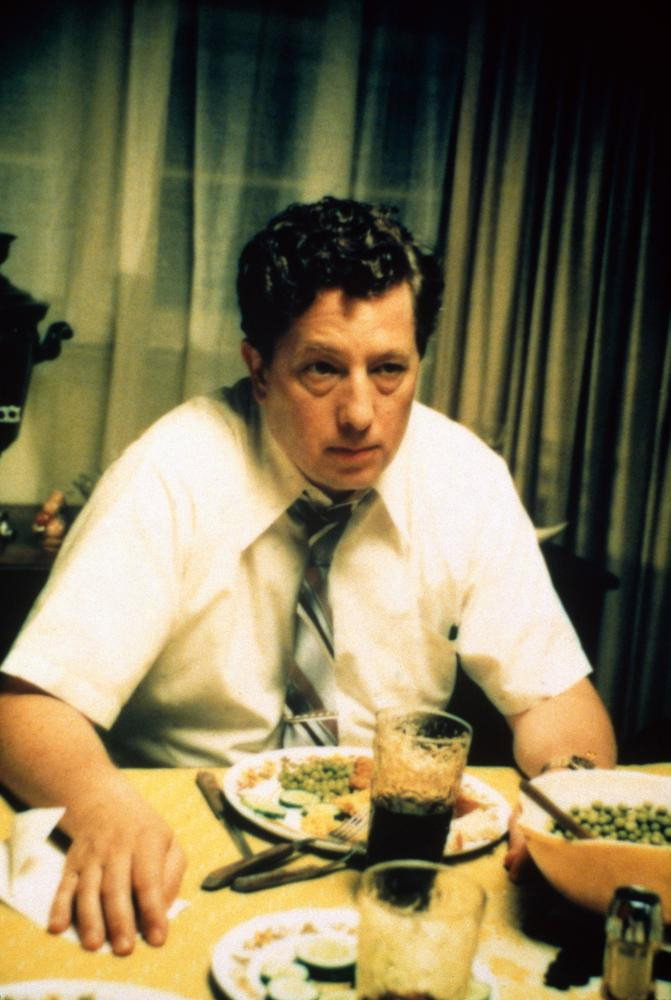
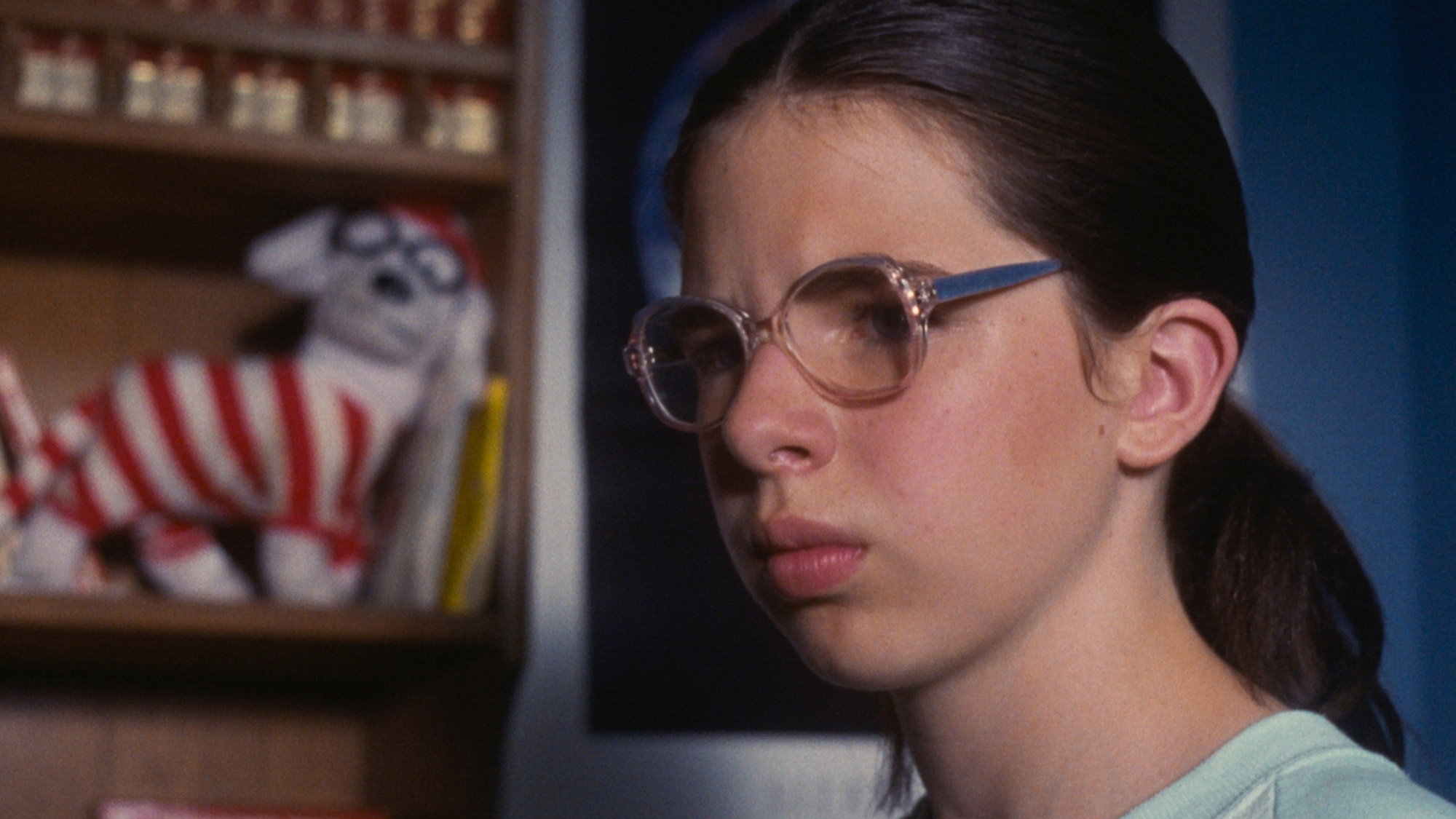
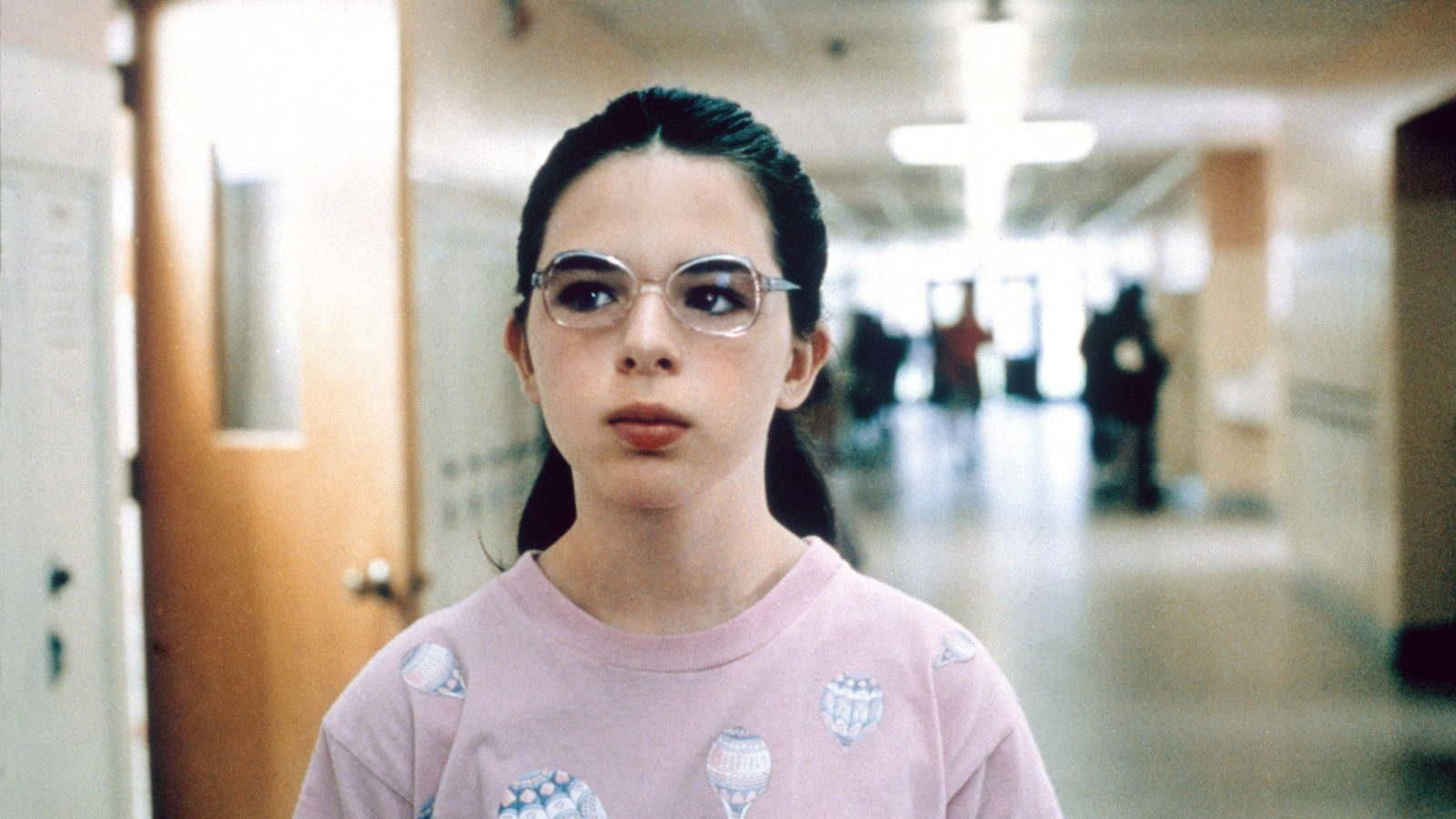
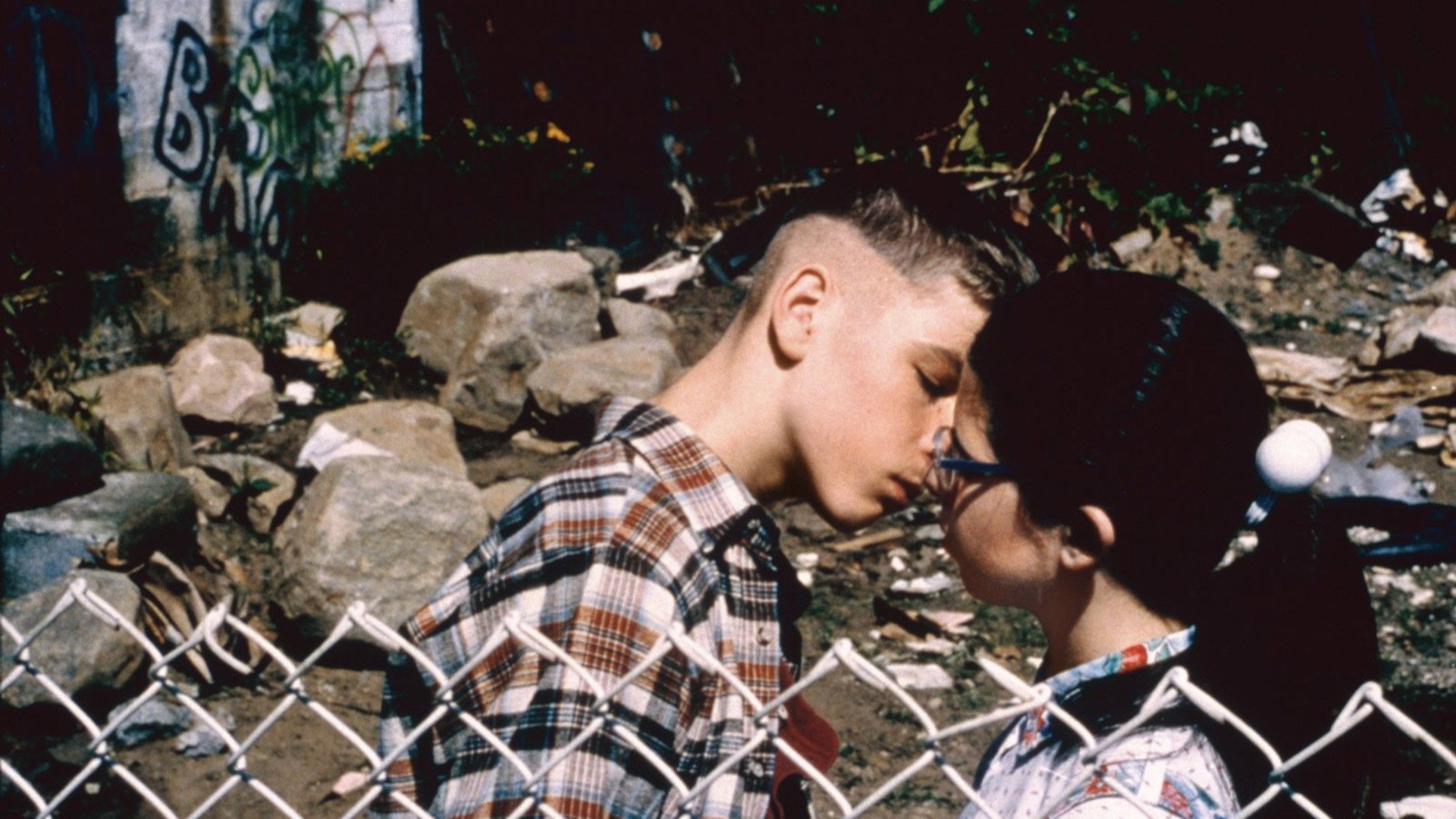
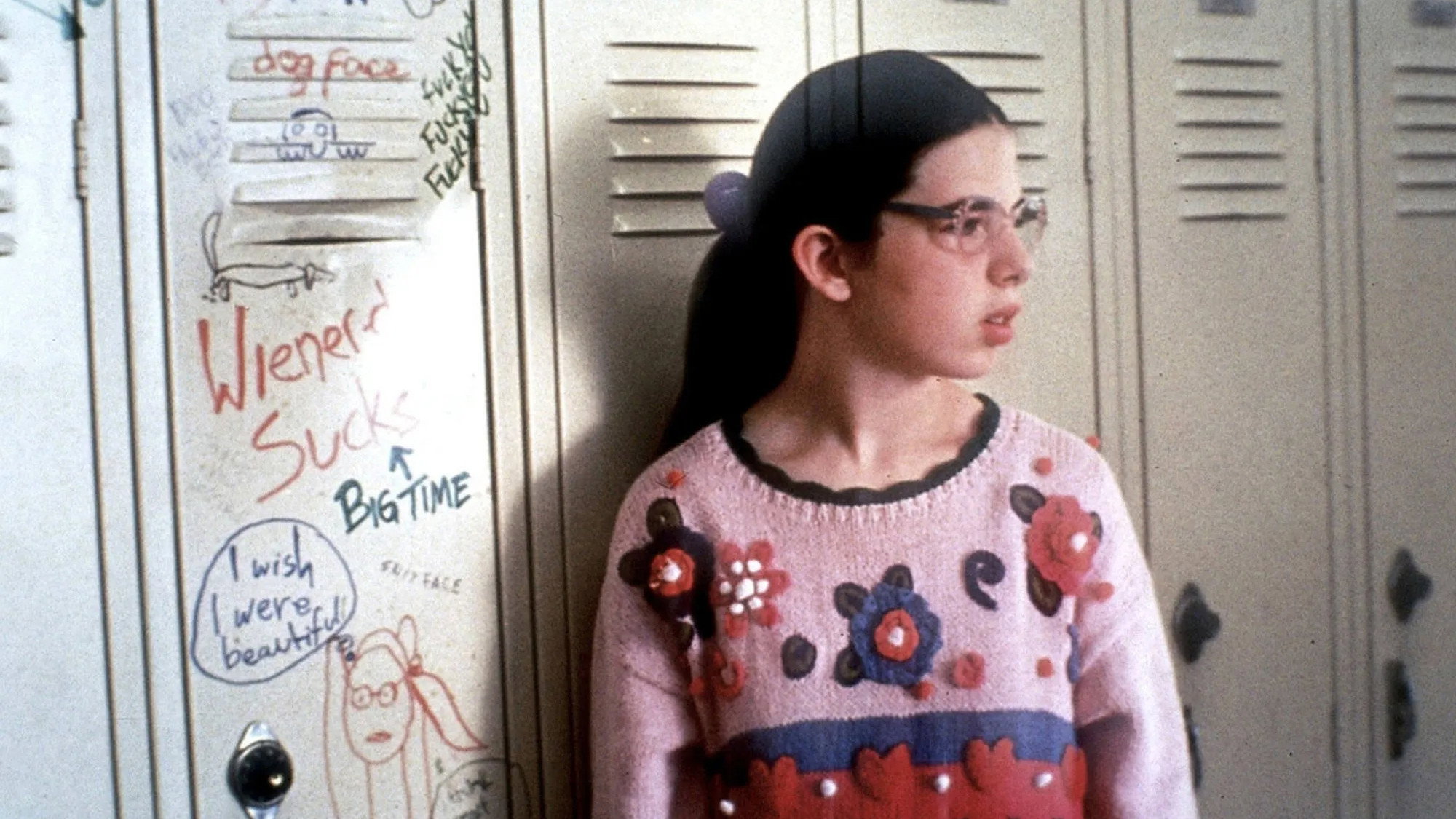
Dawn Wiener (Heather Matarazzo) is an awkward girl trying to get through junior high and suburban life. Everyday encounters bring petty humiliations, and her own behaviour does not always make getting along with other people easier. Todd Solondz’s comedy follows her attempts to find a place among those around her, with the desire to belong complicated by the ways children judge one another. Brendan Sexton III plays Brandon McCarthy, and Eric Mabius plays Steve Rodgers. Matthew Faber appears as Mark Wiener, alongside Daria Kalinina as Missy Wiener.

Fi1m review

Todd Solondz makes adolescent humiliation painfully funny, with Heather Matarazzo giving Dawn Wiener enough unpleasantness to remain believable. It is a perceptive, unsentimental comedy, though the steady supply of indignities occasionally feels too carefully arranged.

Todd Solondz’s Welcome to the Dollhouse is a funny, painful comedy about a girl whose difficulties do not make her easy to like. It is perceptive enough to deserve the discomfort it causes, though its steady supply of humiliations can become wearing. Early adolescence is the subject, and Solondz has little interest in making it look like useful preparation for a happier adulthood. The film stays close to Dawn Wiener and the small indignities of her suburban life.

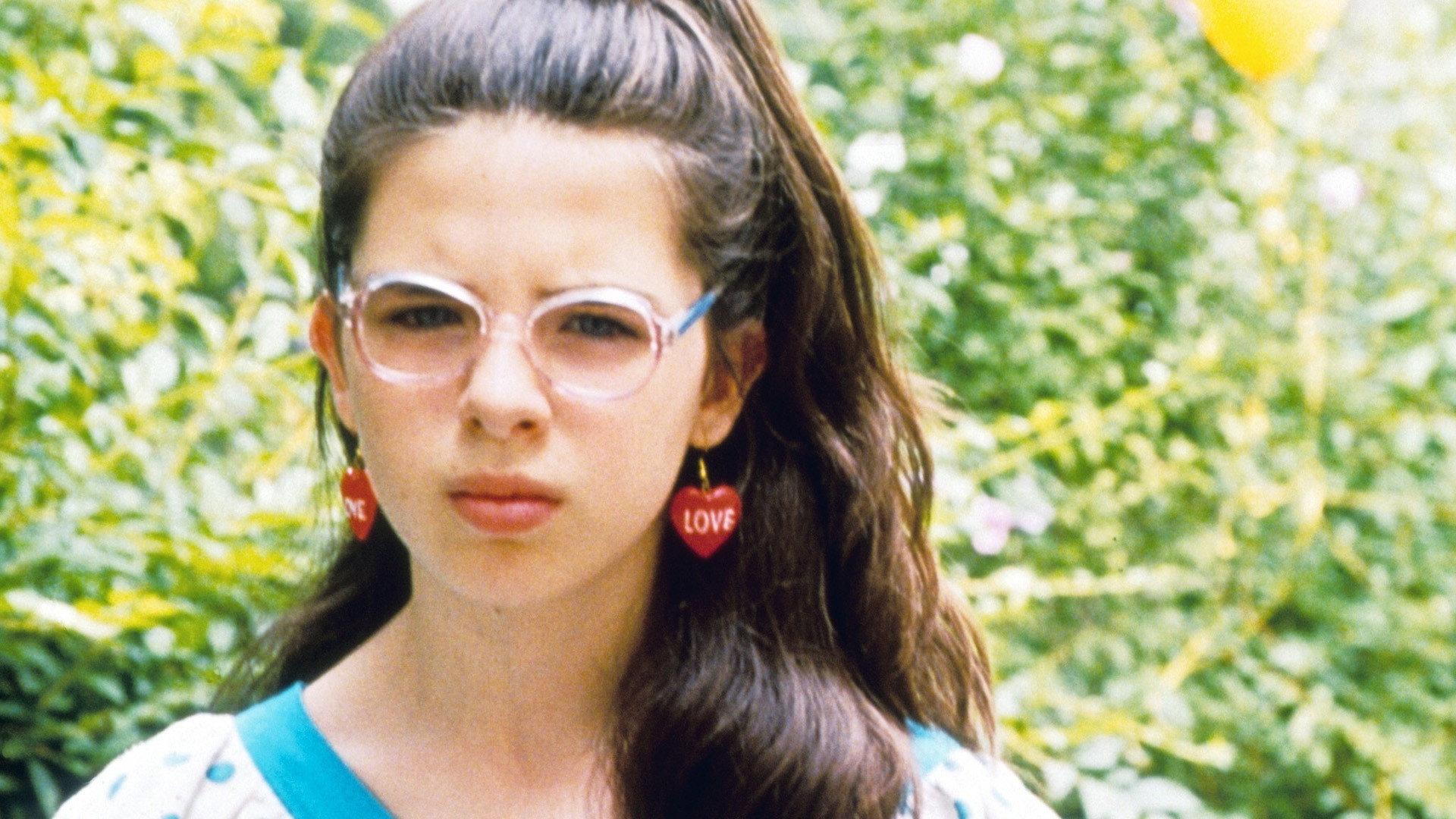
Heather Matarazzo gives Dawn the awkwardness and unpleasantness that a more reassuring film might politely remove. Her performance keeps the girl’s wish to belong intelligible even when her behaviour makes sympathy harder work. We laughed at Dawn’s humiliations, then felt ashamed of ourselves. Matarazzo is the reason: she makes Dawn’s embarrassment feel personal, so that laughing can start to feel like joining in.

Solondz’s screenplay is shrewd about the demand that an unhappy child should at least be agreeable. Dawn’s less attractive qualities are essential to the film’s honesty, because being badly treated does not confer good judgement or generosity. We are allowed to find her exasperating without being invited to dismiss what happens to her. That takes careful writing, and Solondz trusts us to maintain an interest in Dawn without requiring her to earn our concern through exemplary behaviour.

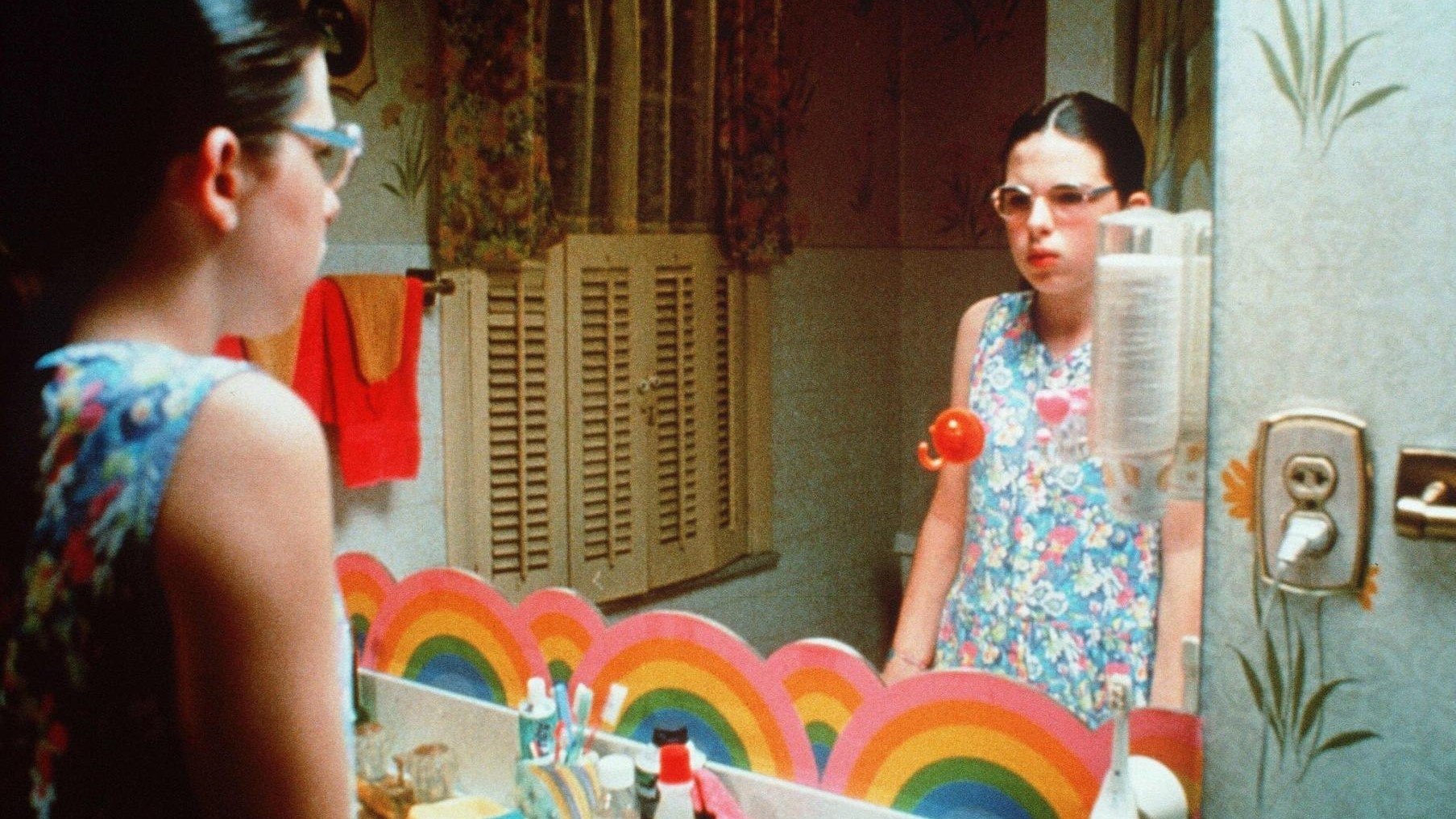
Randy Drummond’s cinematography and Susan Block’s production design give the suburban setting a dispiriting familiarity. We recognise the smallness of the world in which Dawn is trying to get by, and that helps explain why its judgements matter so much to her. Melissa Toth’s costume design contributes to that same uncomfortable sense of recognition. The ordinary surroundings are effective because they make the cruelty harder to dismiss as something peculiar to these people.

Alan Oxman’s editing gives a laugh time to become uncomfortable, and the 88-minute running time helps contain material that could readily exhaust its welcome. Jill Wisoff’s music is well judged for a comedy this sour, although it is Matarazzo who does most to determine how far a moment moves us. The pacing serves her performance: we have time to register Dawn’s unhappiness even while the comedy continues to work.

The reservation is Solondz’s insistence. After enough petty humiliations, we begin to notice the writer arranging the next one, and the comedy briefly loses the messy unfairness that makes it persuasive. Dawn can seem to have been placed in a demonstration of adolescent cruelty, with too little room for an ordinary uneventful day. Matarazzo remains convincing through those stretches, but even she cannot make every new indignity feel necessary.

Coming-of-age comedies often make awkwardness something a character must shed before the audience can relax. Solondz has less interest in providing that relief, and Matarazzo makes staying with Dawn worth the discomfort. For all its sourness, the film pays her the respect of taking her seriously when she is hard to bear. Choose it for company prepared to laugh and then have an uncomfortable conversation about why.

Critical consensus AI synthesised

3 of 6
Positive
3
Mixed
0
Negative
0
Time Out
10 September 2012 · GA
85*

Describes it as an admirably unsentimental exploration of early adolescence, astutely perceptive and darkly comic, with strong performances especially from Matarazzo.

Read the full review →
Empire
1 January 2000 · Caroline Westbrook
80*

The critic views the film as a refreshing black comedy that subverts the coming-of-age genre. They highlight the dark humor and the lead actress's mature performance as standout elements.

Read the full review →
Little White Lies
3 March 2023 · Anton Bitel
80*

The critic praises the film's unflinching portrait of awkward adolescence and Dawn's unlikeable yet sympathetic character, highlighting Solondz's refusal to romanticize coming-of-age tropes.

Read the full review →
Los Angeles Times
24 May 1996 · Kenneth Turan

The film turns misery into something bitingly funny through its daring double vision of junior high agonies and dark humor. It understands the unfairness of being at the bottom of the social food chain with rueful insight and strong performances, especially from the lead actress.

Read the full review →
The New York Times
22 March 1996 · festival review · Janet Maslin

The film is a mordantly hilarious suburban comedy that lethally evokes the petty humiliations endured by an awkward young girl with both immediacy and wry hindsight. It displays wrenching emotional acuity beneath devilishly funny surface details and won a well-deserved Grand Prize at Sundance.

Read the full review →
Variety
18 September 1995 · festival review · Emanuel Levy

The sophomore effort is a stark, often funny, always poignant comedy about surviving junior high and suburban life with unflinching realism, meticulous detail and deliciously wicked humor. It has excellent theatrical prospects as an impressive entry into the movie world.

Read the full review →

Cast

Stills

Awards

Sundance Film Festival U.S. Dramatic Grand Jury Prize Award, 1996

Won
Sundance Film Festival U.S. Dramatic Grand Jury Prize Award

If you liked this, try…

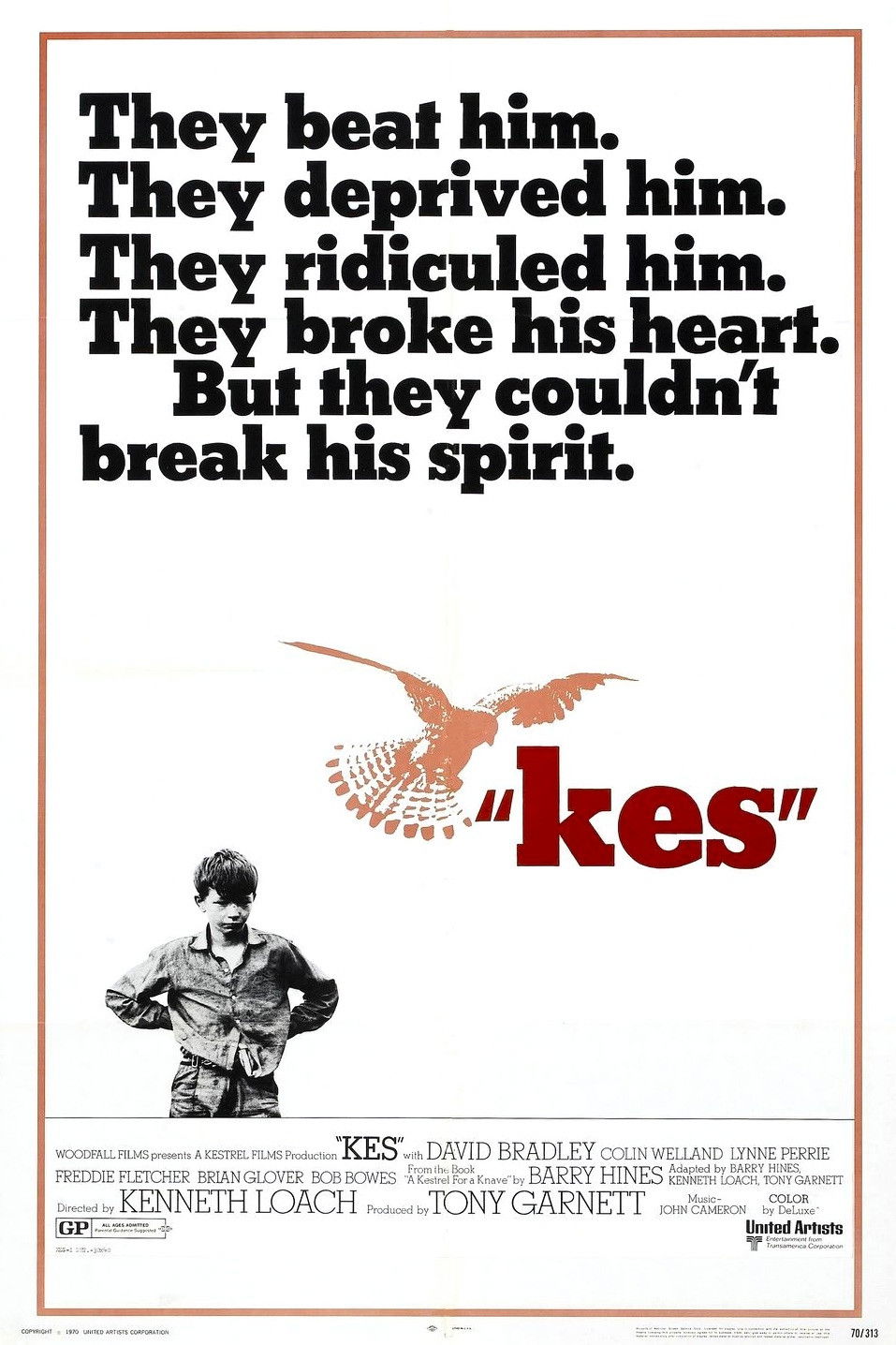
Kes poster88

Kes

1969 · Another child badly served by adults, with tenderness that avoids easy consolation

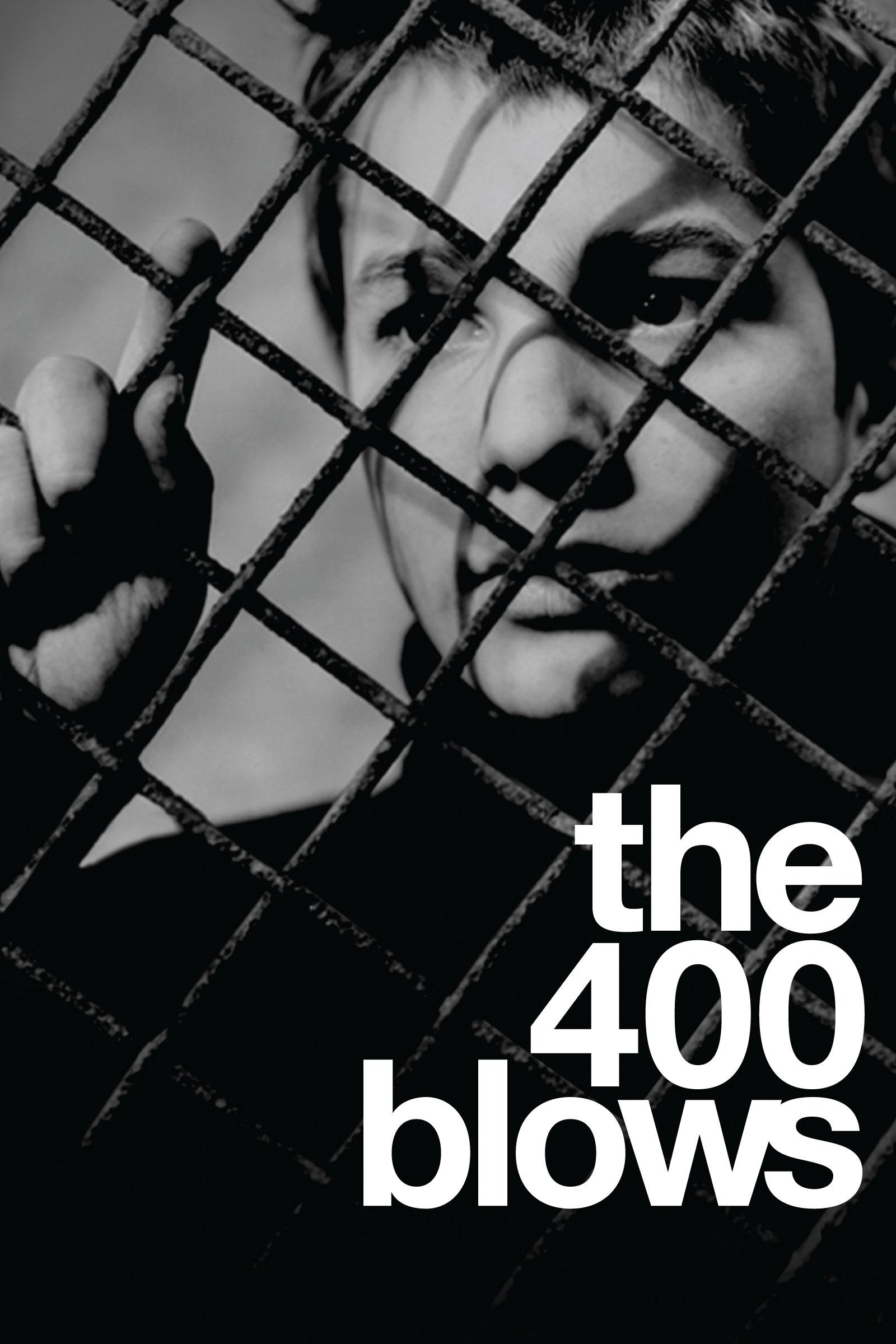
The 400 Blows poster91

The 400 Blows

1959 · For a child’s difficult behaviour understood without being explained away or prettified

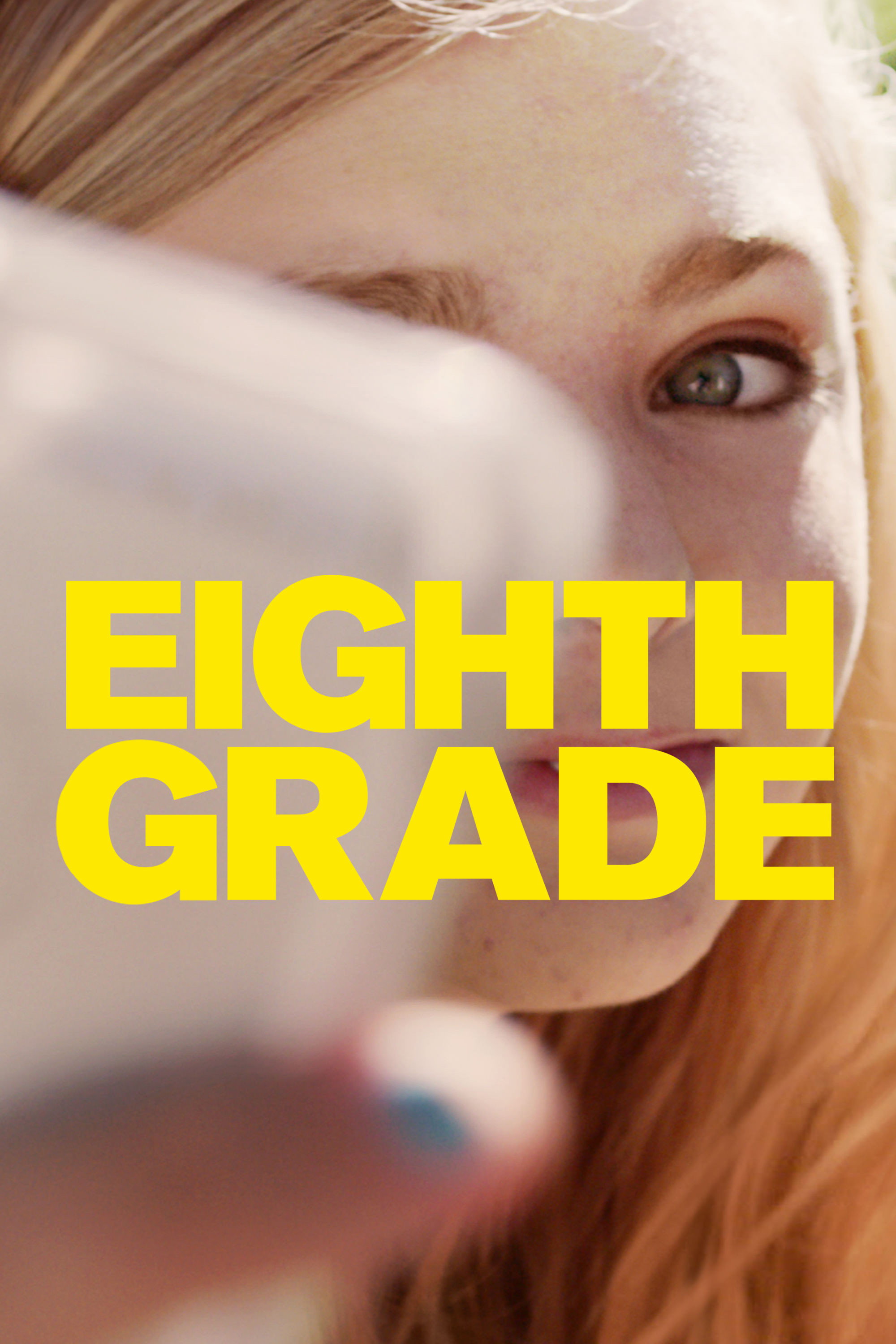
Eighth Grade poster

Eighth Grade

2018 · Another awkward girl trying to belong, treated with considerably more gentleness

House of Hummingbird poster

House of Hummingbird

2018 · School and family life press on an adolescent who struggles to be heard

An Angel at My Table poster

An Angel at My Table

1990 · For an awkward outsider whose inner life survives other people’s judgements