Charlie Kaufman’s drama about a man staging his own life is funny, distressing and worth the effort. Philip Seymour Hoffman makes its complications matter, though the repeated reminders of mortality can test our patience.
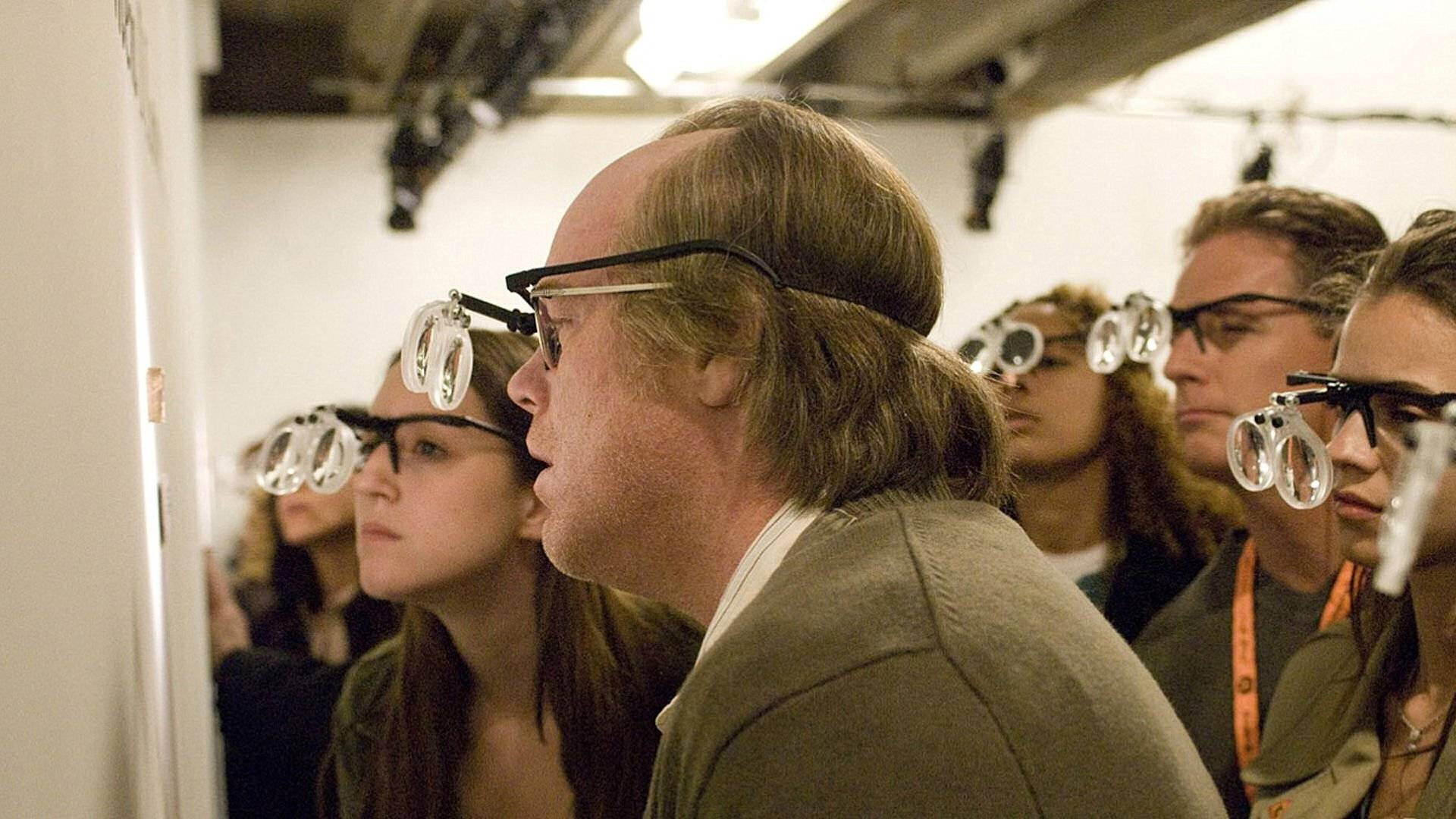
Charlie Kaufman’s Synecdoche, New York takes a theatre director’s attempt to stage his own life seriously enough to let it become absurd. Caden Cotard, played by Philip Seymour Hoffman, keeps enlarging the work as though enough actors and enough space might settle his worries about being alive. We recommend it for Hoffman’s performance and for the unusual force with which Kaufman makes that wish understandable. The repetitions can wear us down, but the film earns the time and attention it demands.
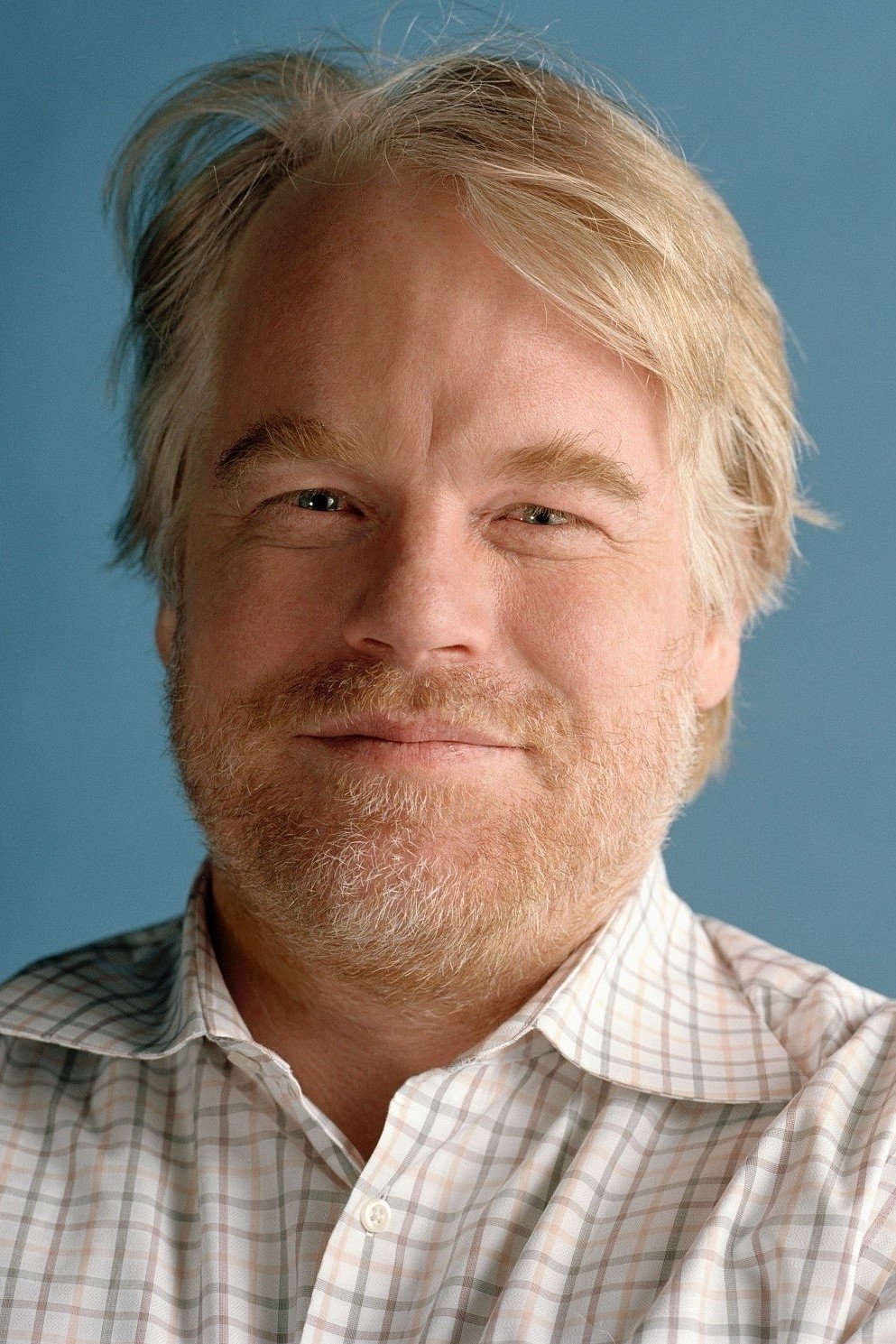
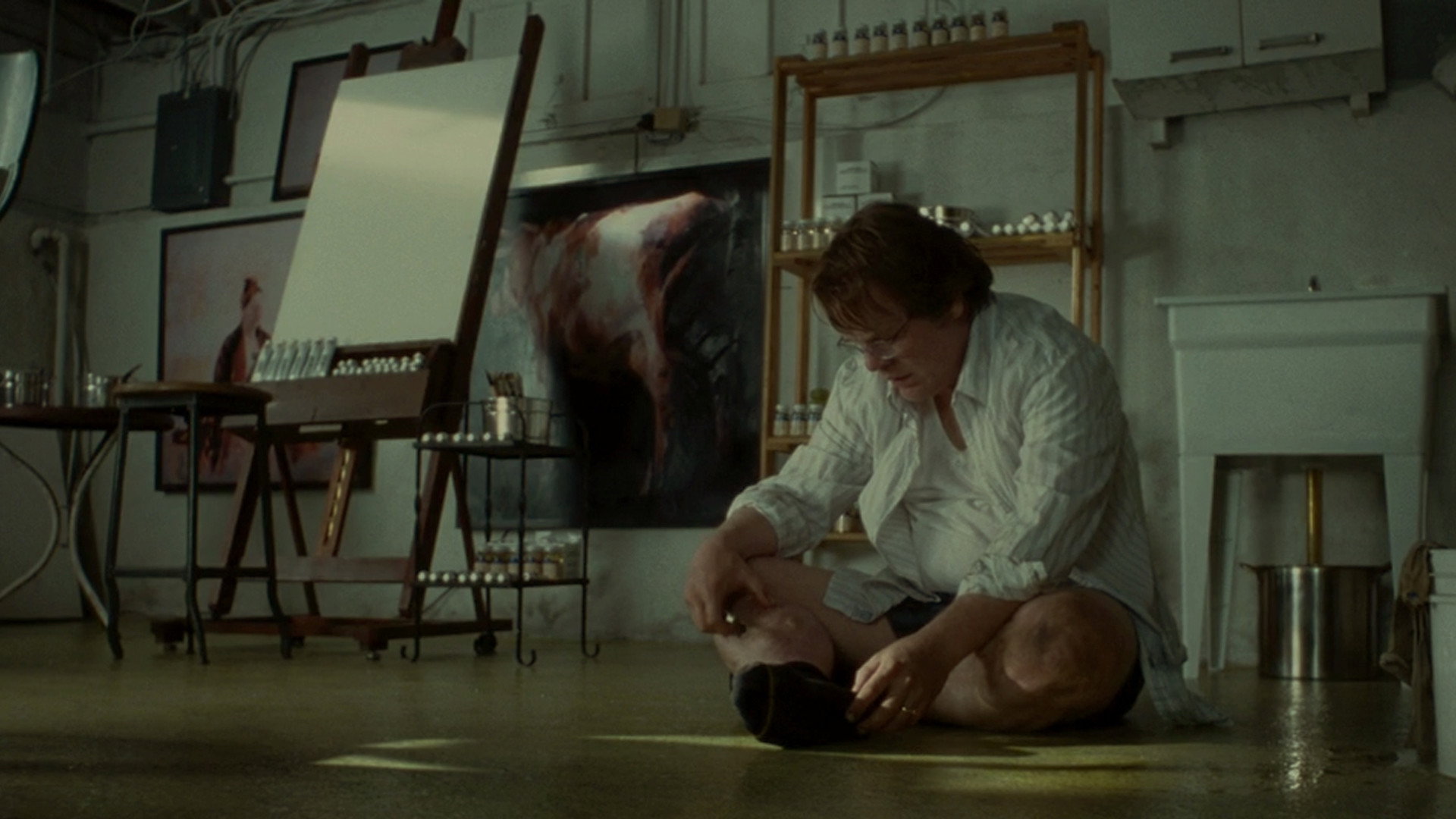
Hoffman allows Caden to be difficult company, a man who can make his own anxiety everybody else’s problem. His performance leaves the irritation intact, so sympathy does not require us to pretend that Caden would be easy to live with. We were more upset than we expected by the sight of him trying to reproduce his life on stage. Hoffman makes all that theatrical labour feel like a frightened man’s effort to preserve a life he fears he is wasting.
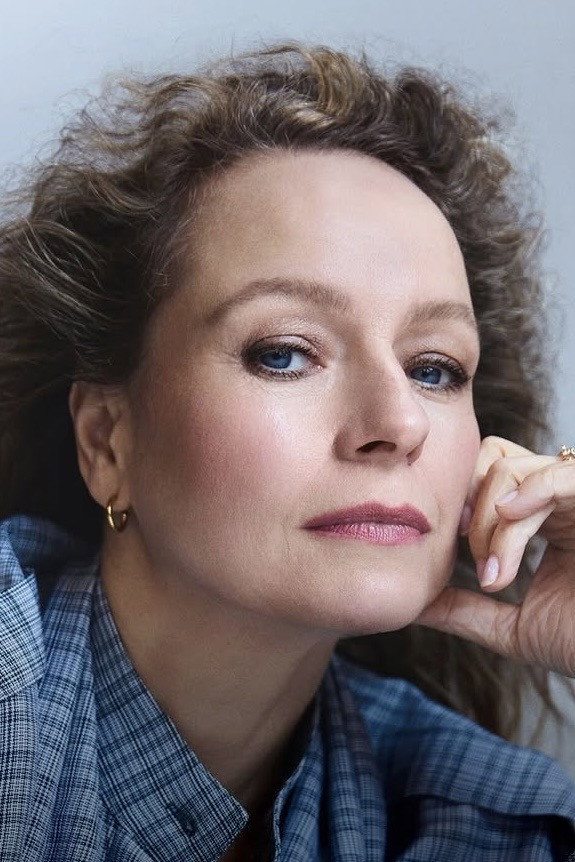
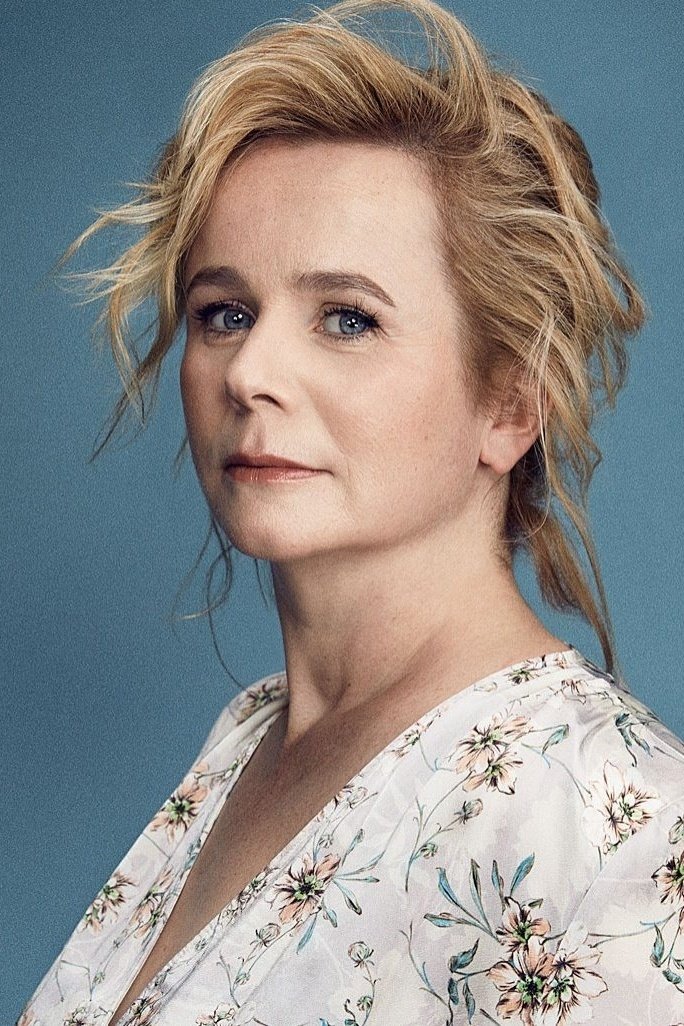
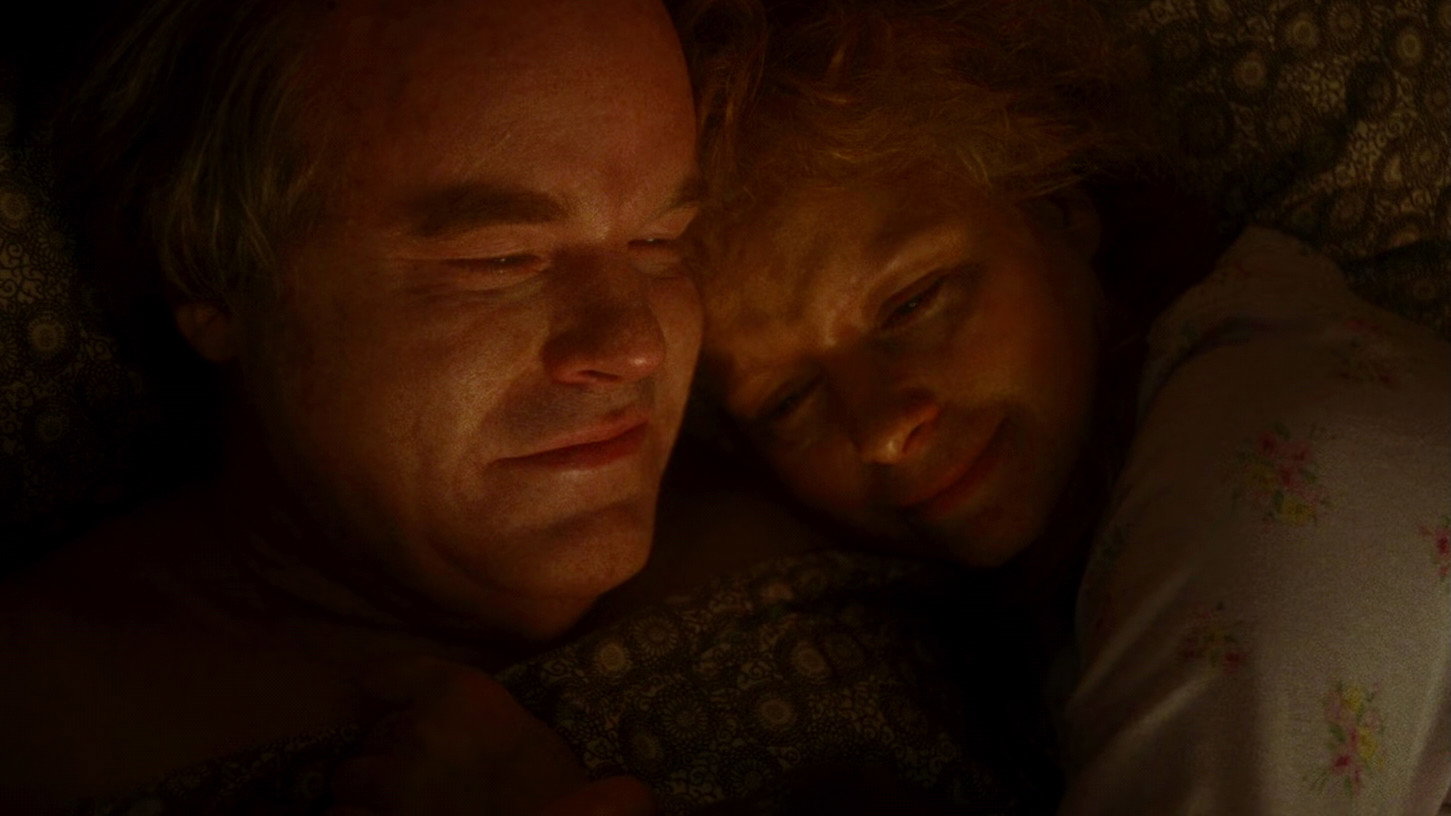
Samantha Morton’s Hazel gives us someone to care about besides Caden, a considerable service in a film so occupied with one man’s mind. Catherine Keener, as Adele Lack, is harder to warm to, though the narrowness of Caden’s attention is part of the problem. Kaufman’s writing can leave the people around him seeming important chiefly because they have something to do with him. That limitation is worth admitting, even when the actors give us reasons to want more of them.
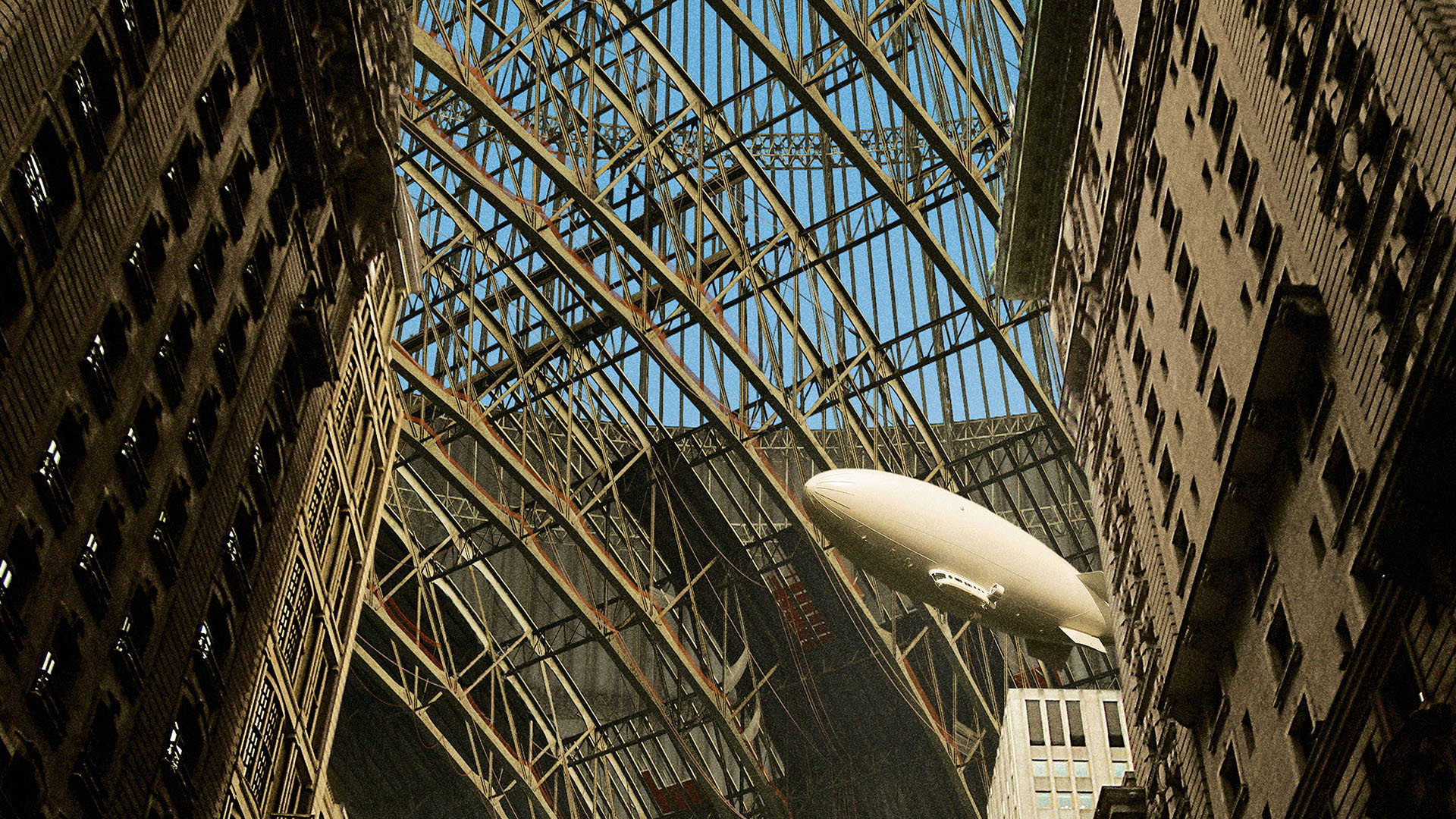
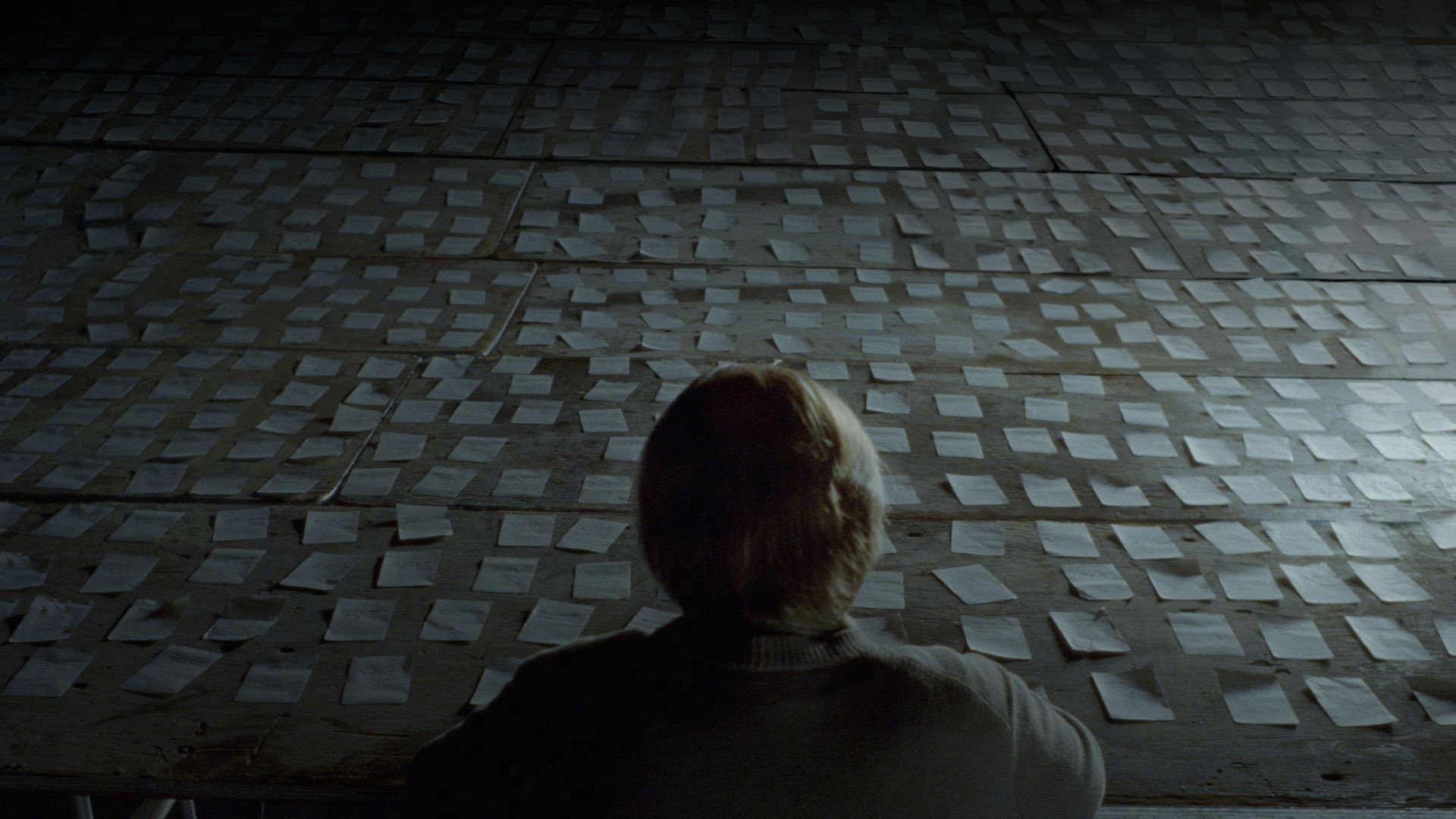
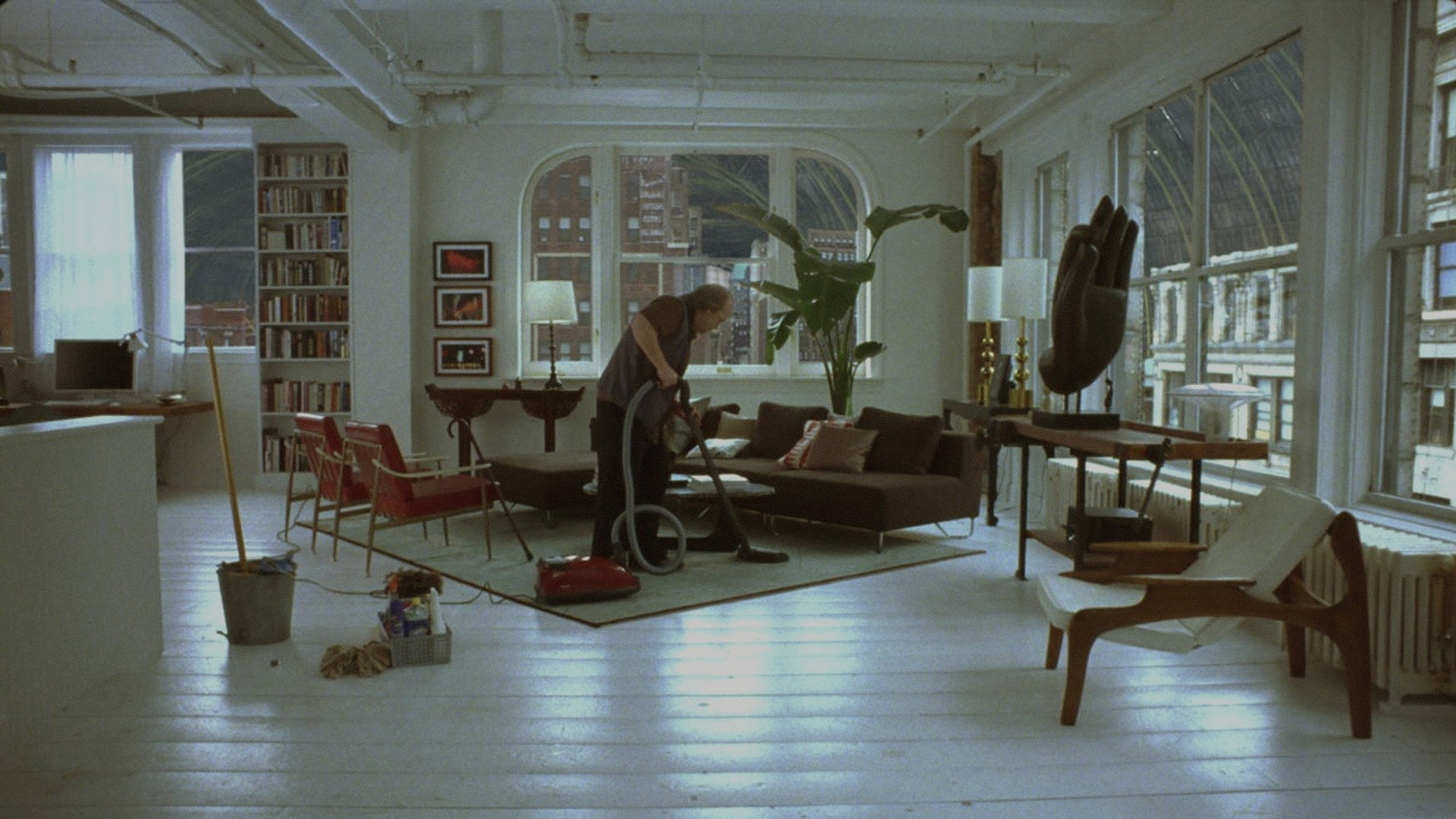
Mark Friedberg’s production design makes the expanding warehouse production persuasive as a place where people have to work. The scale matters: Caden’s worries now take up space and require other people’s labour. Frederick Elmes photographs the constructed environments without making them feel safely separate from everyday life, which gives the confusion between performance and reality its unease.
Robert Frazen’s editing carries us between shifting time frames and between rehearsal and life, without always letting us find our bearings. The resulting disorientation suits Caden’s anxiety, though there are stretches when following the changes begins to feel like homework. Jon Brion’s score provides a welcome gentleness amid the preoccupation with decay. It helps us feel affection for these people when the writing has become absorbed in finding further reasons for them to be miserable.
As a drama about an artist, this is refreshingly sceptical about the assumption that making something will solve anything. Kaufman grants Caden an extraordinary amount of room for his work, then keeps our attention on the worries that accompany him into it. Not every reminder of mortality adds much, and the script sometimes worries at a point we have already understood. Its bleak humour is essential: without it, spending this long inside Caden’s distress would become an obligation.
The complications matter because Hoffman never lets us forget the vulnerable person making them. We do not need to solve every uncertainty to recognise the wish to get life straight before too much of it has passed. At 124 minutes, the film asks for concentration and occasionally asks for more patience than it should. Choose it when you can give it both, and when being cheered up is not the main requirement.