Federico Fellini’s 8½ is funny, unsettling and well worth its occasional demands on our patience. Marcello Mastroianni holds together a director’s wandering thoughts, though the film is sometimes too forgiving of his self-absorption.
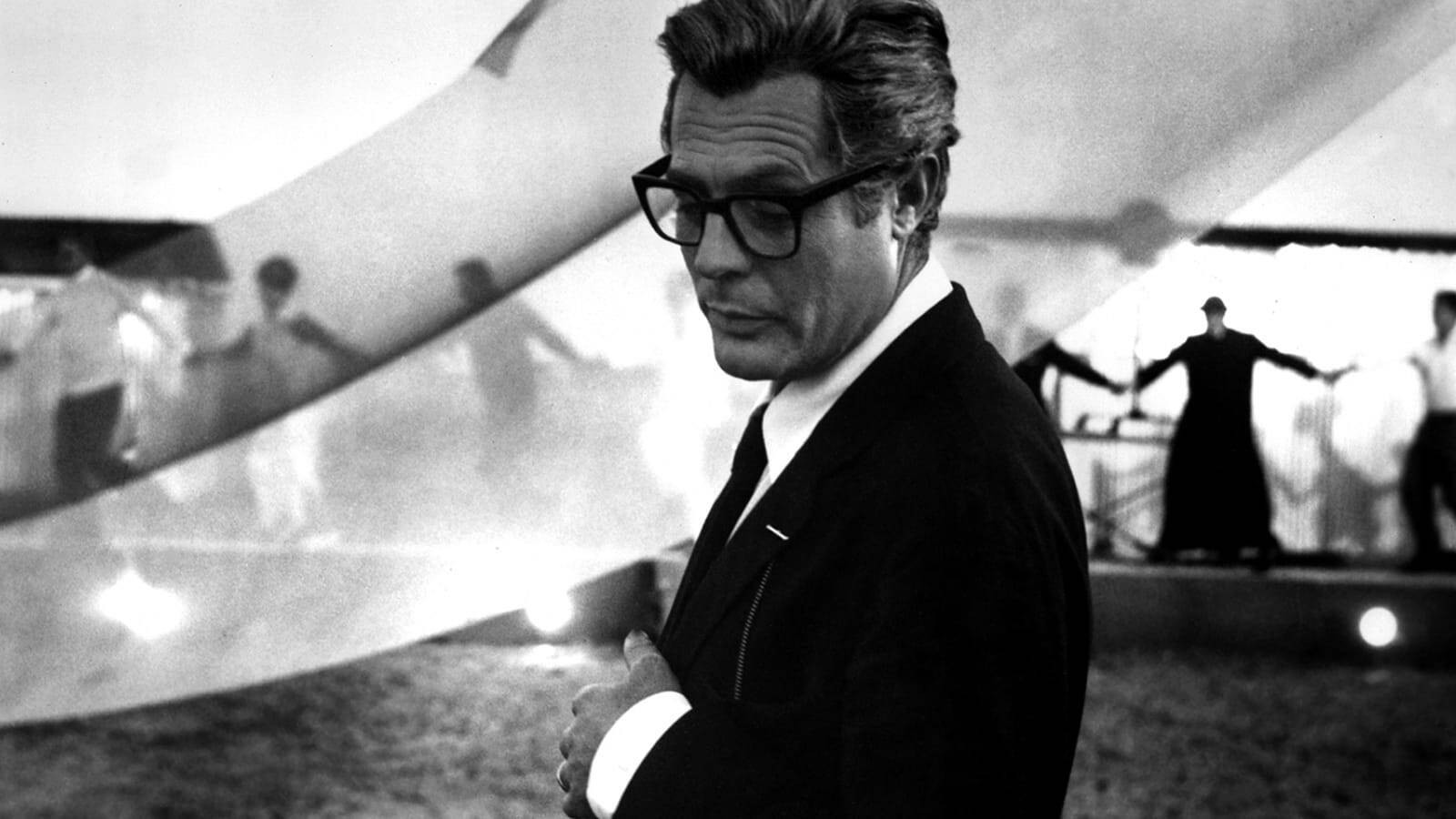
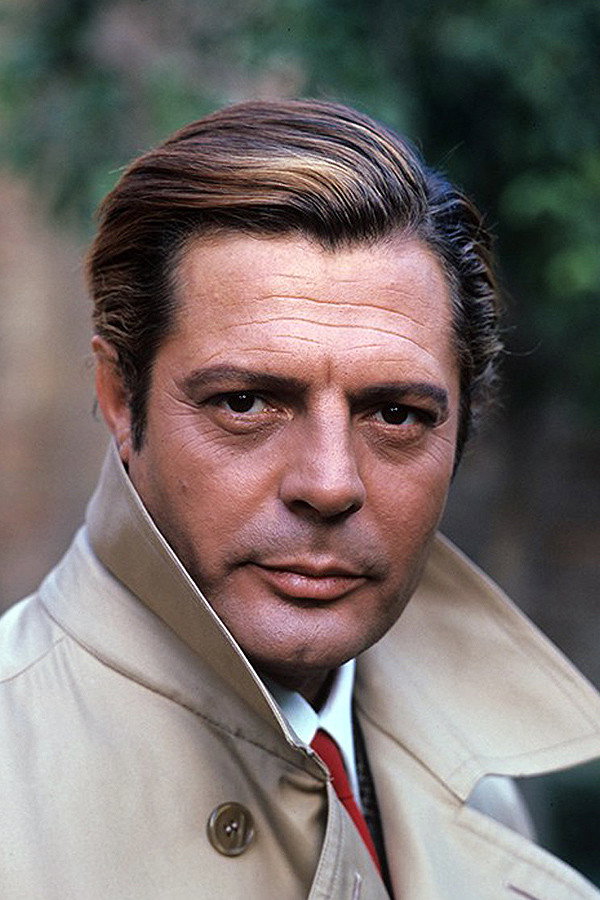
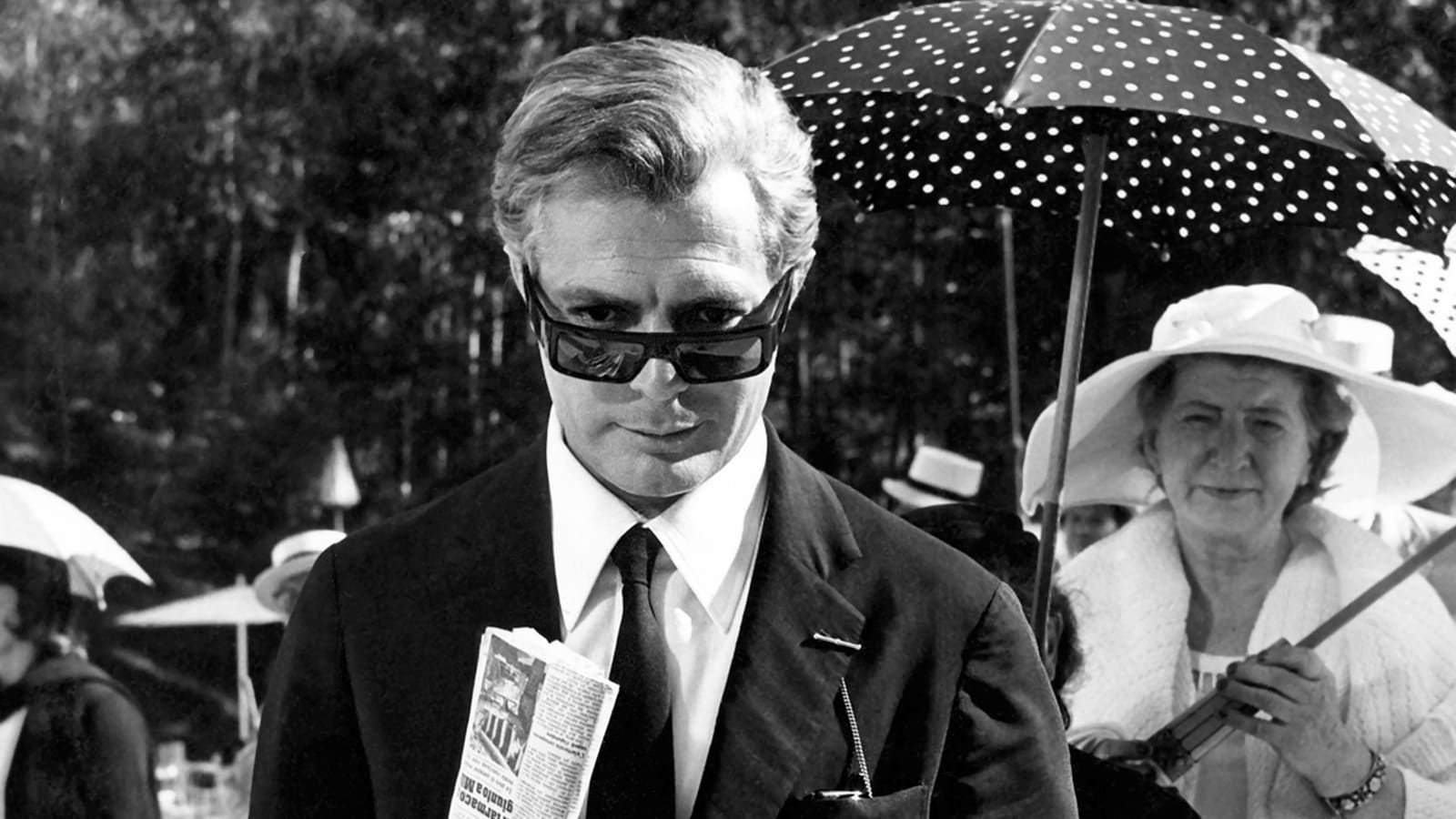
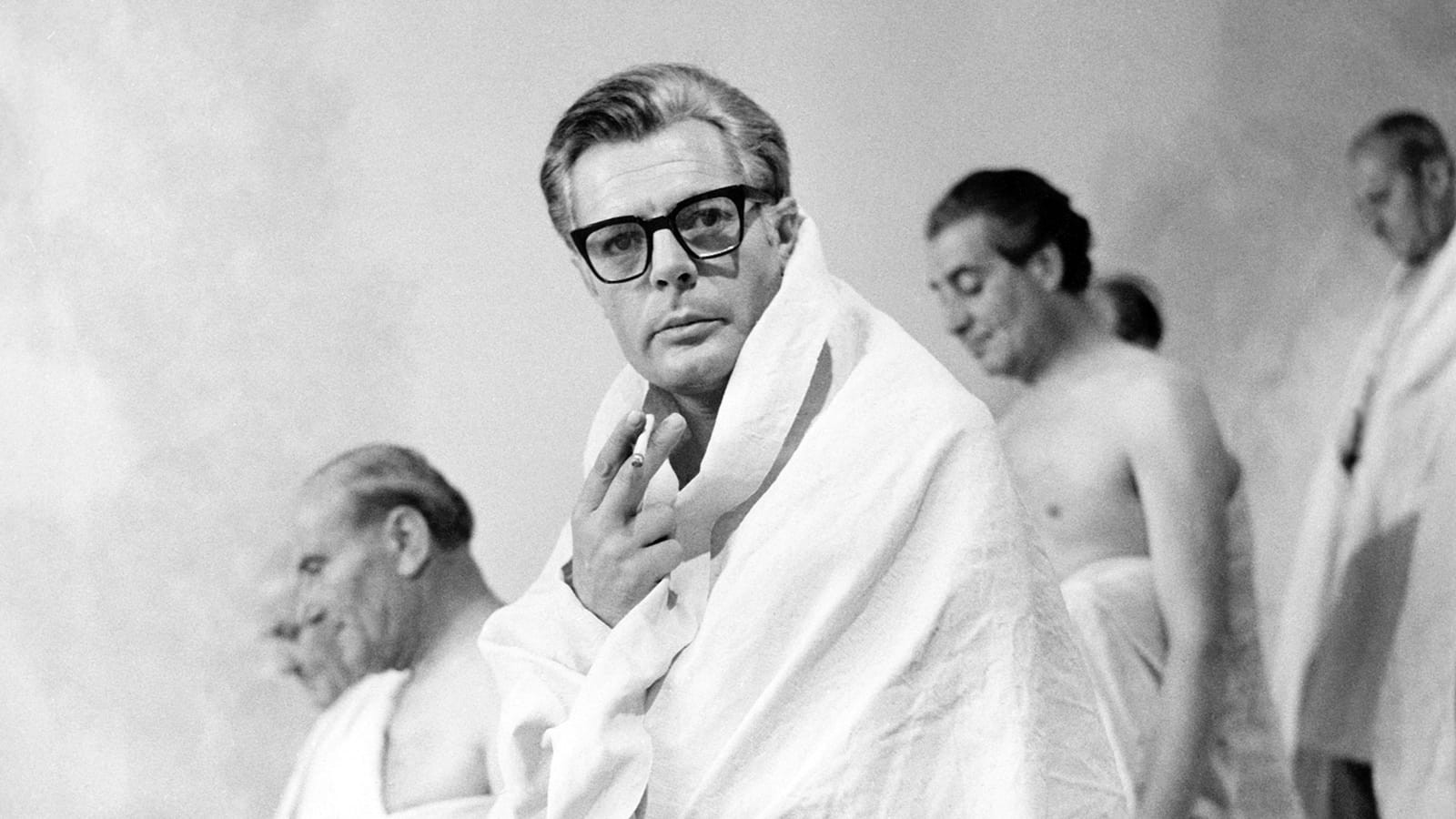
A director unable to work is not, on its own, a promising subject for an evening’s entertainment. Federico Fellini’s 8½ is funny and absorbing because it gives us so much to watch while its central figure struggles to think. The comedy allows us to recognise the distress without having to receive every complaint in solemn silence. Marcello Mastroianni plays Guido Anselmi, whose creative crisis brings his memories and dreams into the business of making a film.
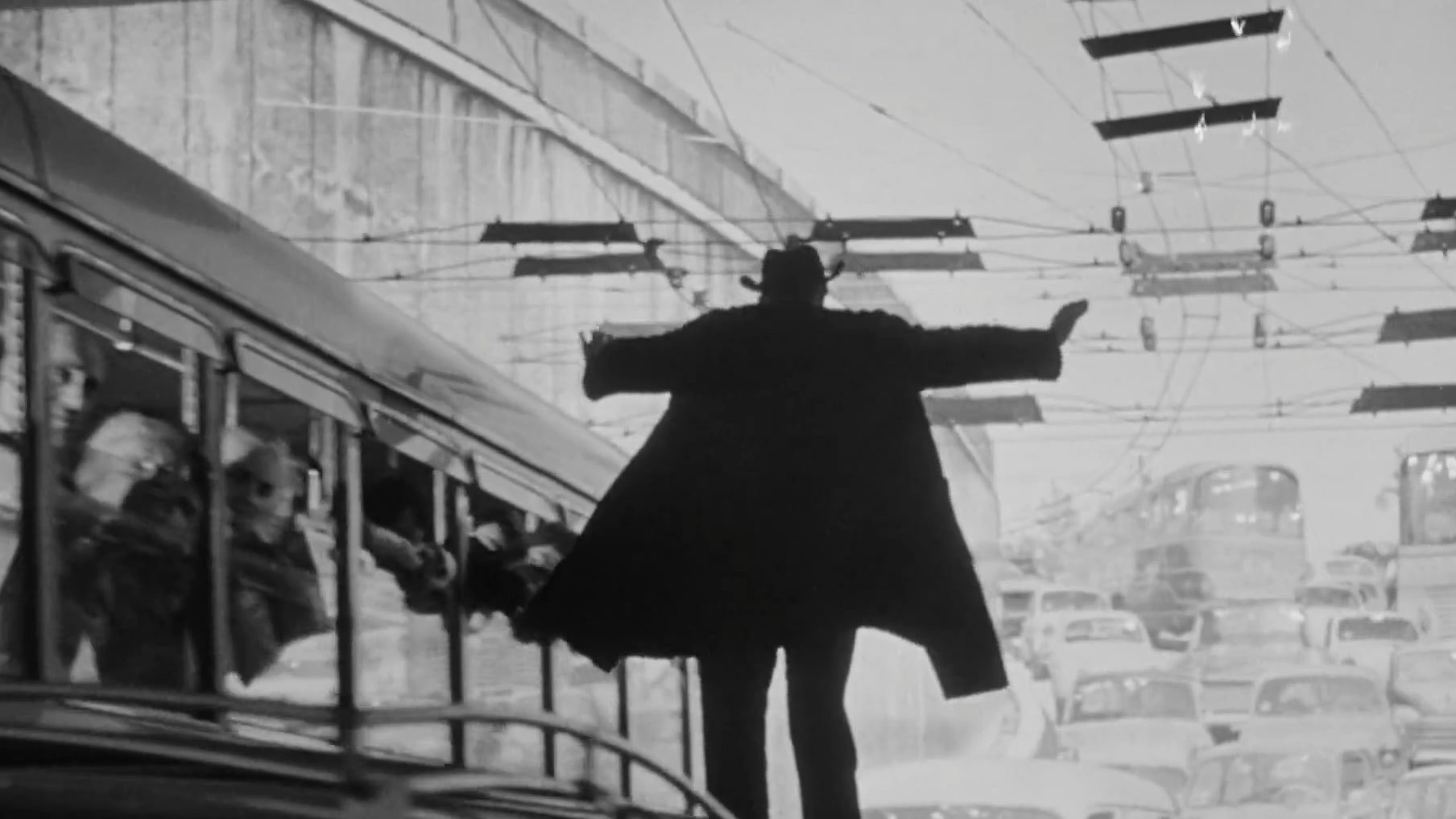
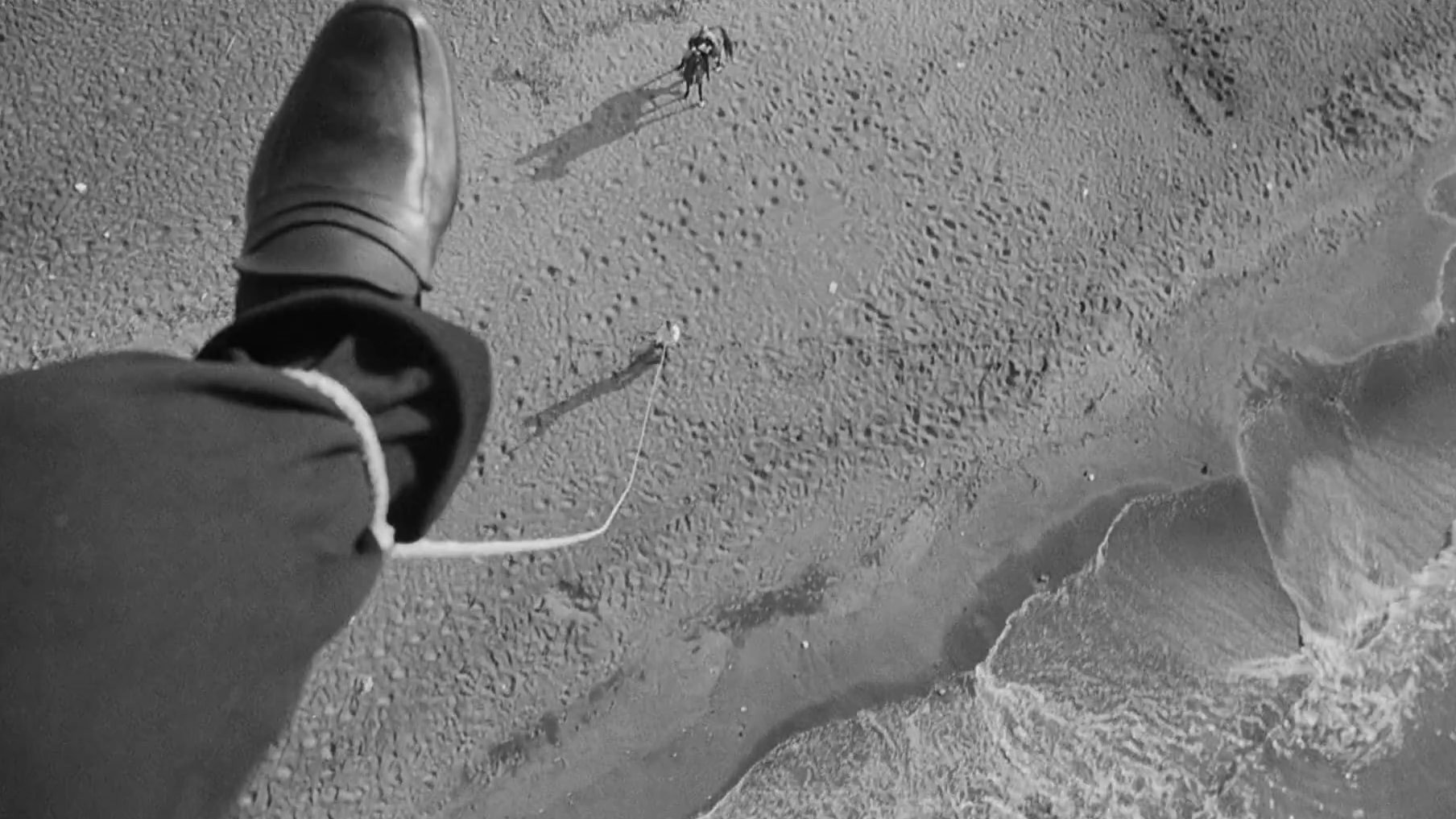
We enjoyed feeling lost during the opening dream. Fellini begins inside Guido’s confused thoughts, so we experience his anxiety before we can dismiss it as another artist’s complaint. A film about someone who cannot create anything could easily become a succession of conversations about how difficult creation is. Here, the shifts into dreams and memories keep giving us something to look at, and there is enough humour to stop the confusion becoming a chore.
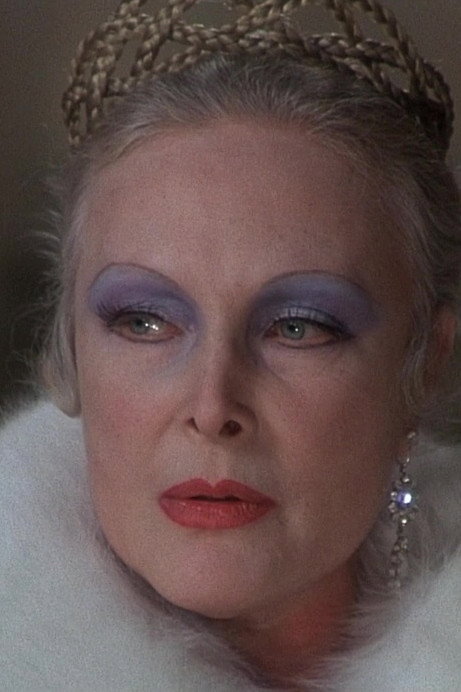
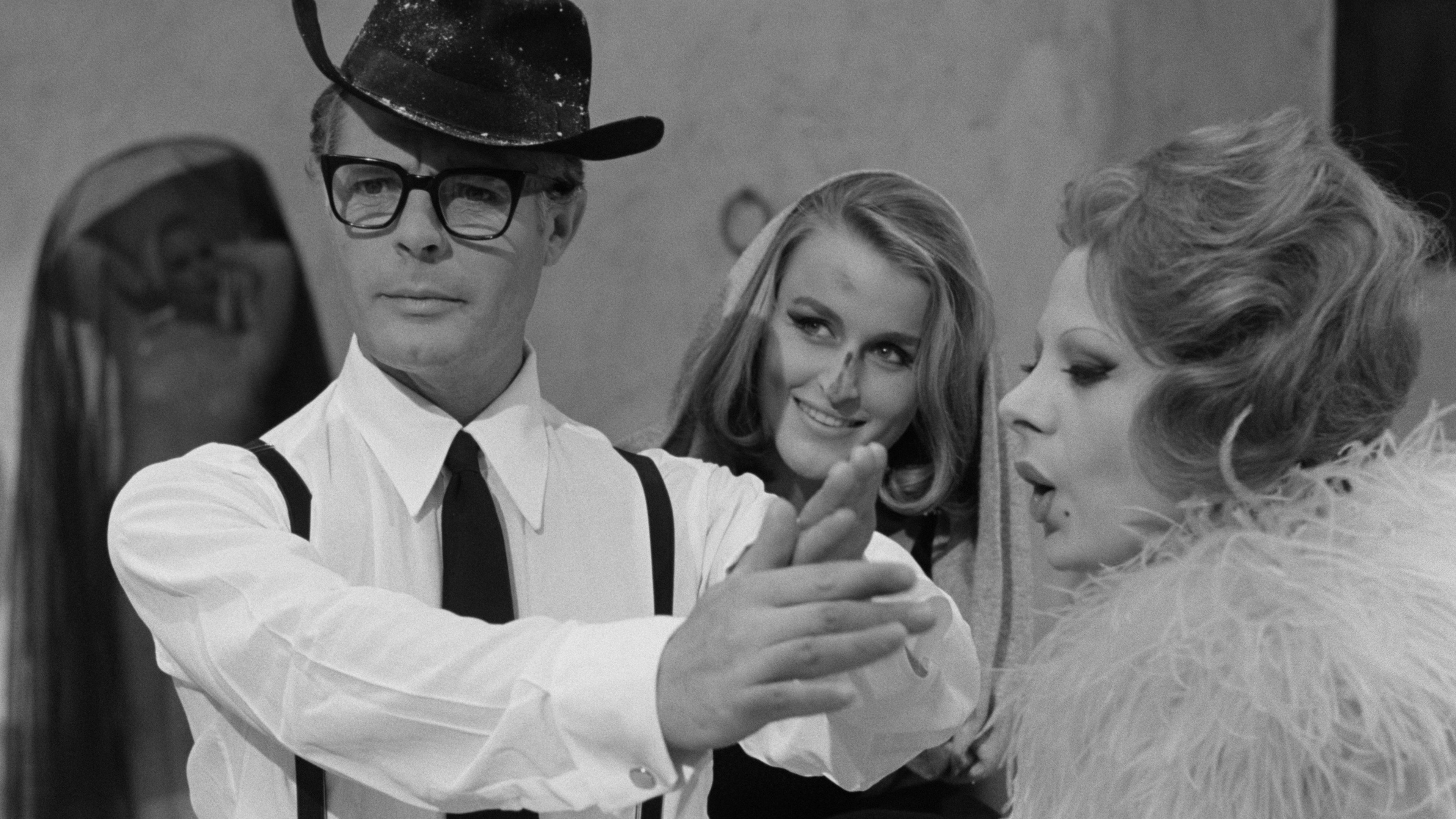
Gianni Di Venanzo’s black-and-white photography makes the dream sequences feel substantial, with people worth looking at beyond the troubled man at their centre. The images reward attention even when the story is refusing to proceed in a straight line. Piero Gherardi’s costumes help distinguish the personalities rather than merely decorate the actors, while his production design gives the imagined scenes a convincing physical setting. Both contributions are important to the pleasure of spending so long inside Guido’s thoughts.
Leo Catozzo’s editing keeps the changes between work, memory and fantasy from becoming laborious. We are allowed to make connections without having each transition explained, and that gives the comedy room to move. Nino Rota’s score is important to the humour, keeping a sense of play in material that might otherwise ask for rather too much sympathy.
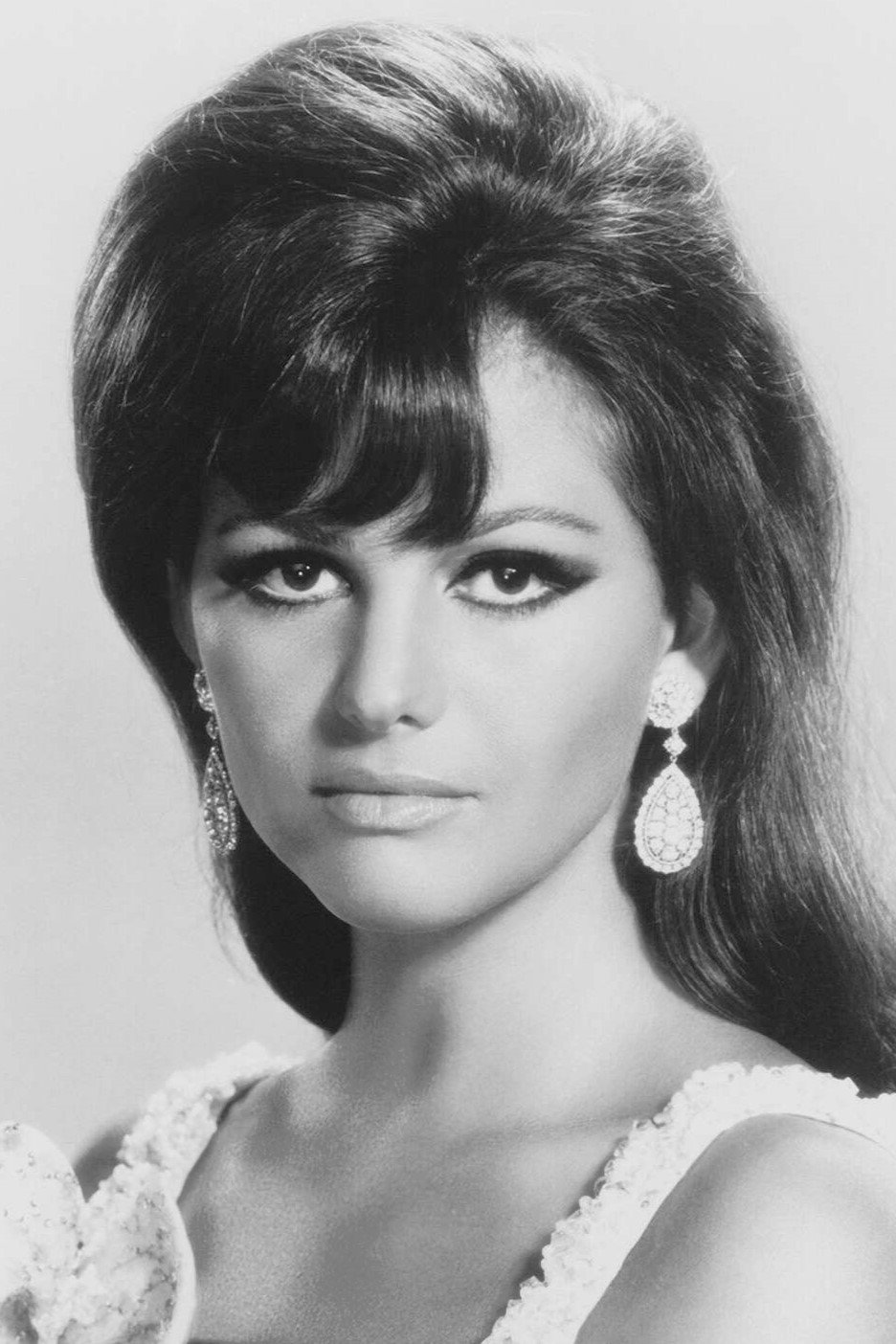
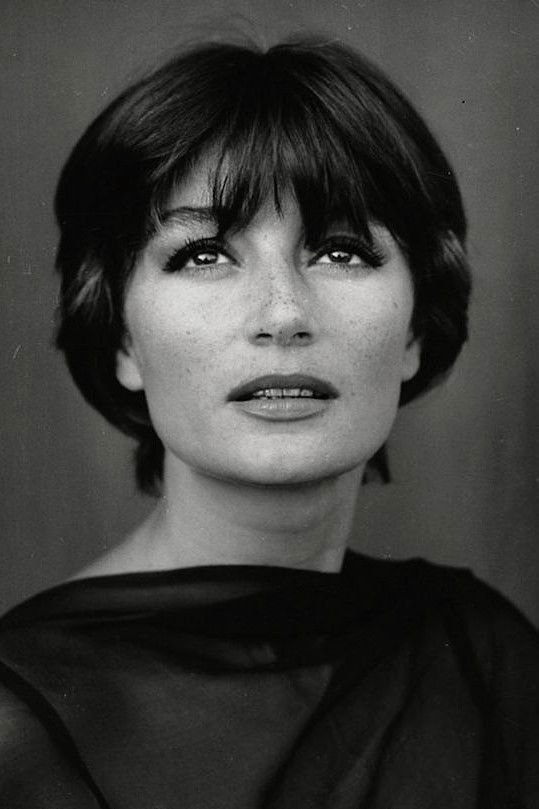
Mastroianni is a large part of why we keep following Guido. He makes the character’s self-absorption funny without smoothing away the irritation of being around someone who gives his own uncertainty so much attention. Anouk Aimée as Luisa Anselmi, Sandra Milo as Carla and Claudia Cardinale as Claudia bring welcome differences of temperament to the women in his life. Their performances encourage us to look beyond Guido’s account of himself, and to wonder how much of these people he actually notices.
That is also where our reservation lies. The screenplay by Fellini, Ennio Flaiano, Tullio Pinelli and Brunello Rondi understands the comedy of a man continually examining himself, but sometimes lets him continue after we have understood the joke. The women deserve more attention on their own terms, and acknowledging Guido’s self-indulgence does not make every instance of it interesting. This is a film about artistic difficulty that earns most of its freedom through humour and invention; a few passages still try our patience.
At 139 minutes, 8½ asks for a willingness to wander. Anyone looking for a plot that advances cleanly from one problem to the next should choose something else. We recommend giving it the evening, with enough attention to notice the jokes as well as the anguish. There is no need to share Guido’s profession, or his opinion of himself.