Alejandro G. Iñárritu’s Mexico City drama is gripping and often upsetting, with performances that make its contrivances worth accepting. We recommend it warmly, with a firm warning about the graphic cruelty to dogs.
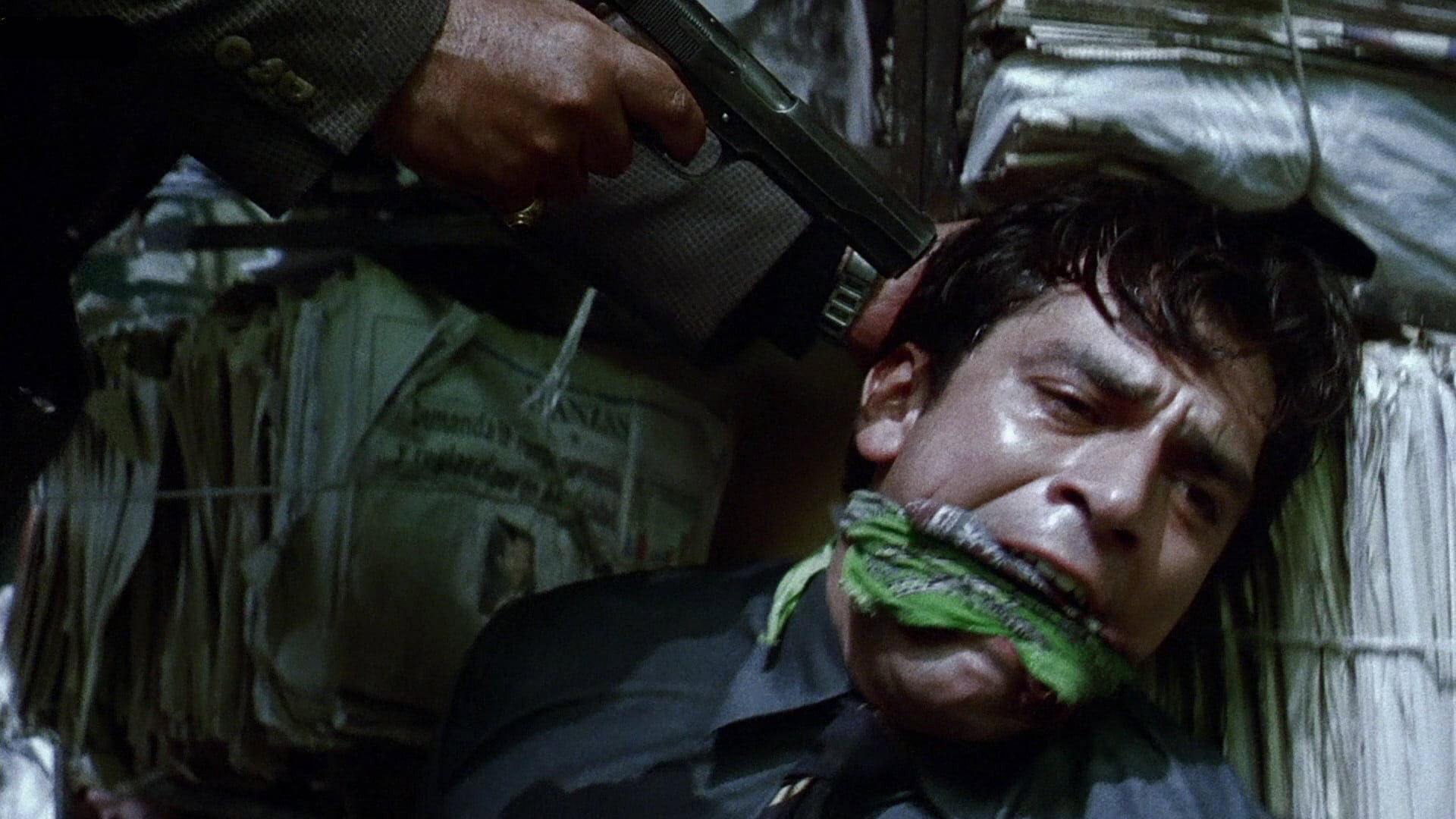
Amores Perros is gripping, upsetting and worth the time it asks for, though its contrivances sometimes show. Alejandro G. Iñárritu directs three stories linked by a car crash in Mexico City, with Guillermo Arriaga’s screenplay taking an unabashed interest in love, violence and bad decisions. There is nothing cautious about the way it brings these things together. The crash connects street-level hardship with high-society comfort, giving the film a reason to move between people separated by money.
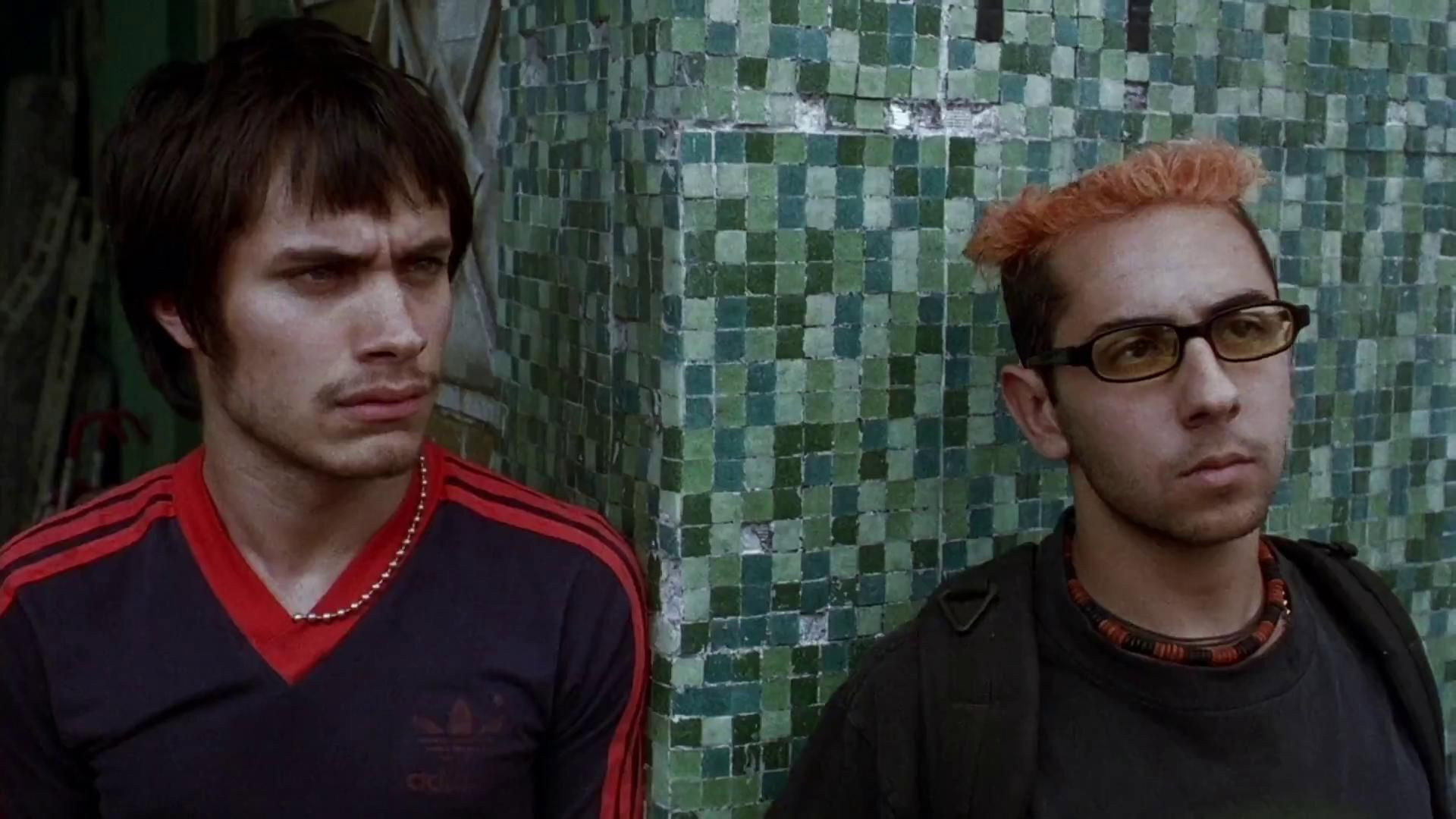
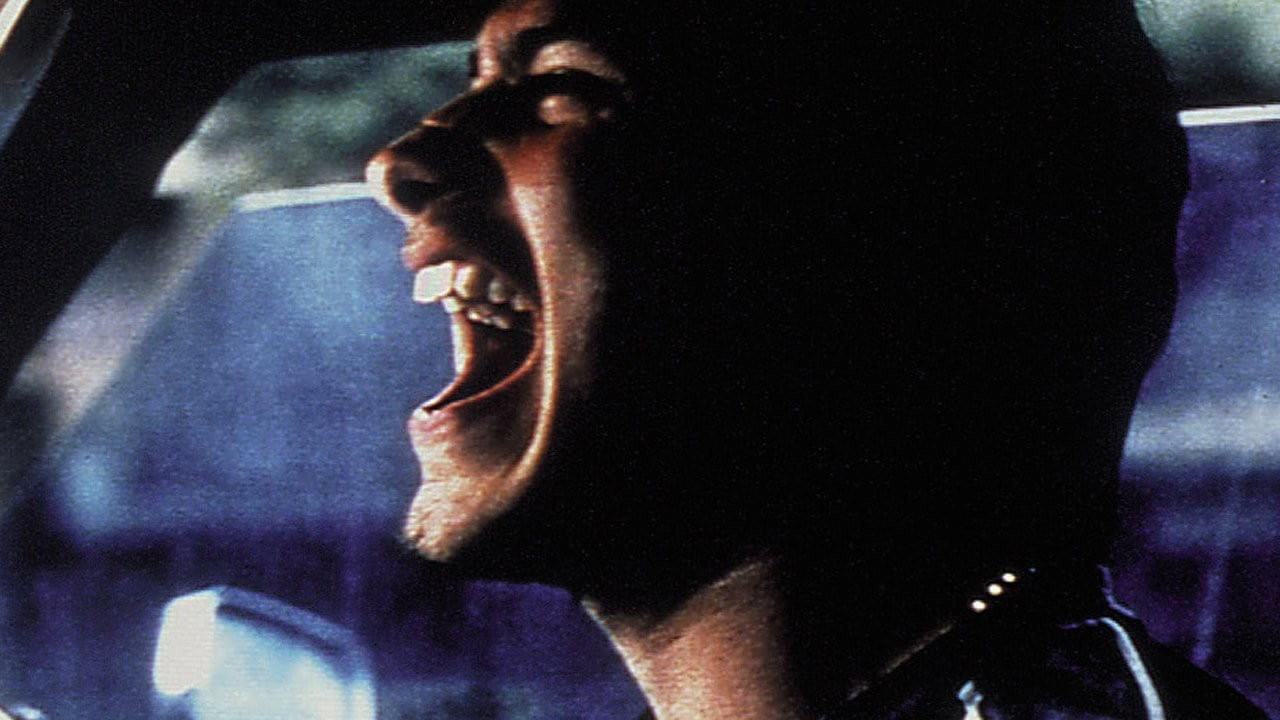
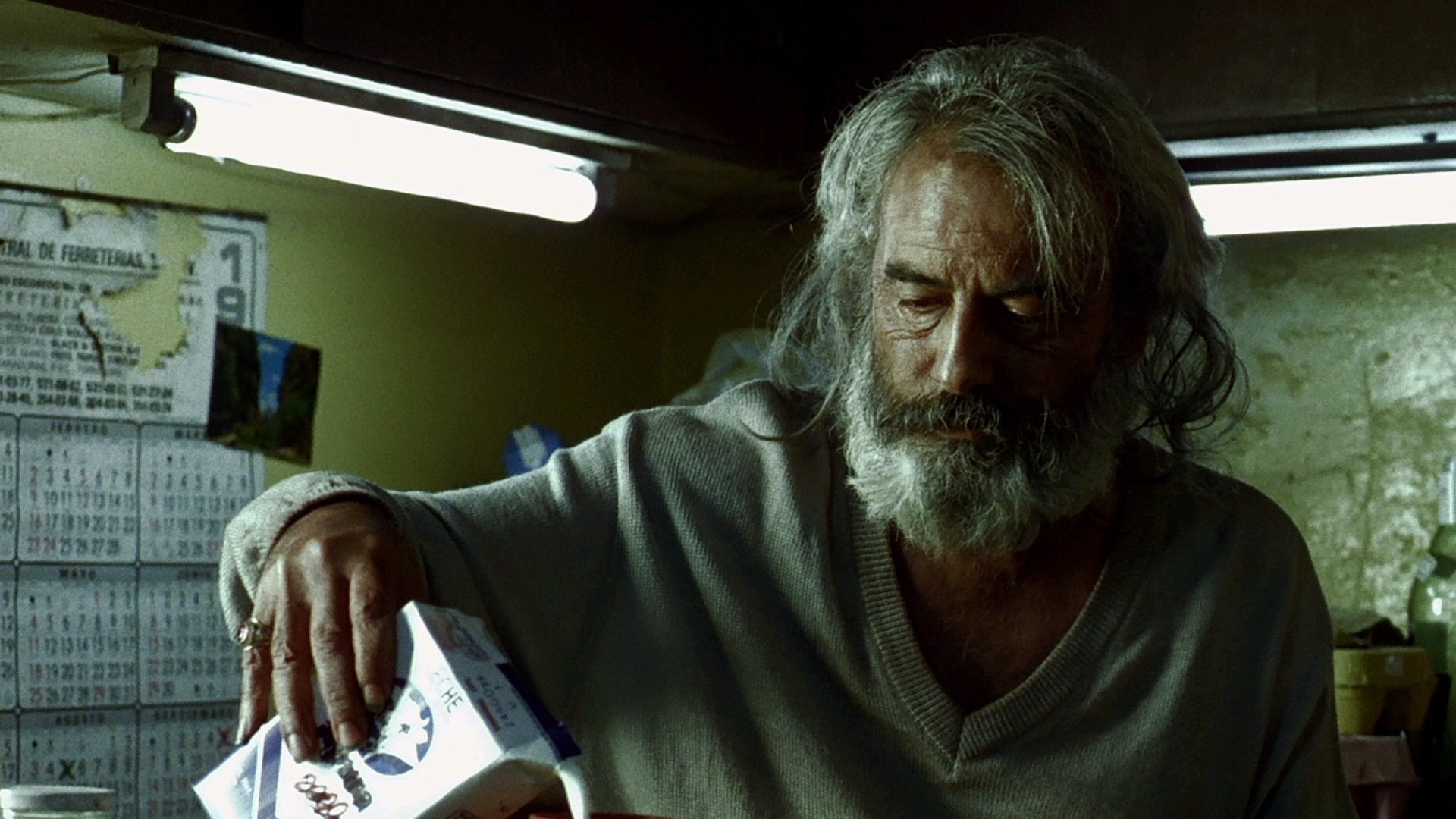
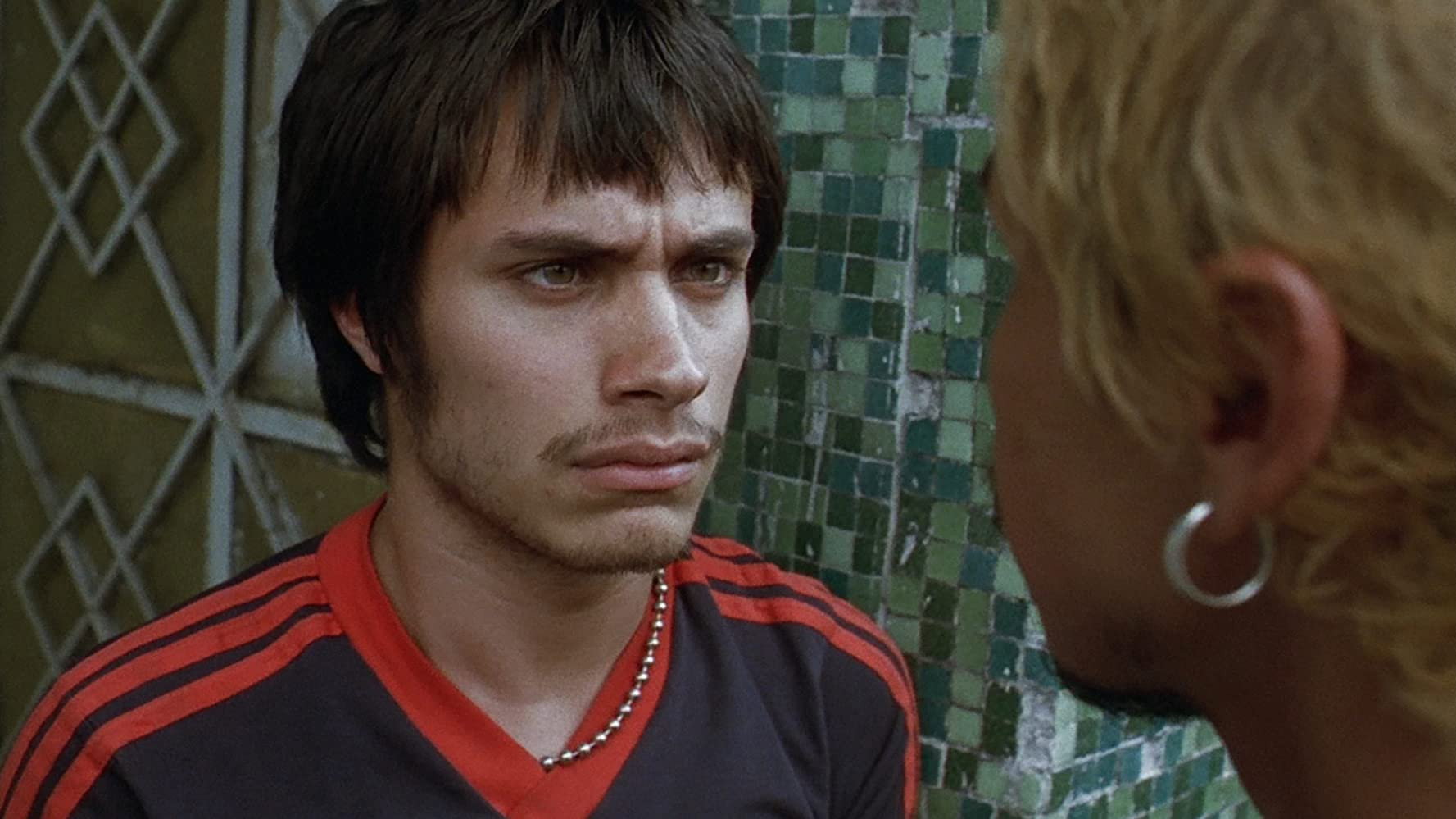
Gael García Bernal gives Octavio a restless urgency that makes patience seem beyond him. We are drawn to the performance without being asked to approve of the man, which matters in a film so full of desperate behaviour. Goya Toledo makes Valeria difficult company without reducing her to someone we can comfortably dismiss. Emilio Echevarría’s El Chivo has a quieter sadness, and his performance allows some tenderness into the film without seeming to ask for a change of subject. The actors hold our attention even when the connections between their stories feel strained.
Rodrigo Prieto’s handheld photography stays close to the commotion, making it difficult to look calmly at the violence. The movement can be wearing, but it suits a film in which so little feels safely settled. Brigitte Broch’s production design gives the differences between poverty and wealth enough substance that the social contrast does not need explaining. The changes in surroundings register clearly, while the people remain recognisably part of the same city.
Luis Carballar, Iñárritu and Fernando Pérez Unda edit with a strong sense of when to push ahead and when to let a story occupy us. A film built around a shared collision could easily become an exercise in waiting for everyone to reach it. Here, the individual strands have enough urgency to make us care about more than how they join up. The cutting makes a complicated arrangement manageable without draining its energy. Across 154 minutes, we rarely felt impatient for the film to move on.
The dogfighting horrified us, particularly because the pace gives so little relief from the graphic cruelty. It is difficult to enjoy the film’s momentum while watching dogs suffer, and that discomfort seems deliberate. Their treatment across the stories helps us judge the people, though making animals illustrate human failings can become heavy-handed. Gustavo Santaolalla’s music sustains the sadness through the quieter stretches, allowing the film to ease off without losing our attention.
Arriaga’s weaker moments come when a connection between two lives is made to seem important simply because it exists. The fact that people suffer in different parts of the city does not, by itself, tell us much about them. The actors have usually told us more already. Yet this is a thriller willing to spend time on hurt and longing, and it remains absorbing when the plotting gets pushy. Give it an uninterrupted evening, but take the warning about dogs seriously.