Robert Altman’s Short Cuts earns most of its 188 minutes through sharp ensemble acting and lucid editing. Its sour view of relationships can become repetitive, but these people remain worth spending an evening with.
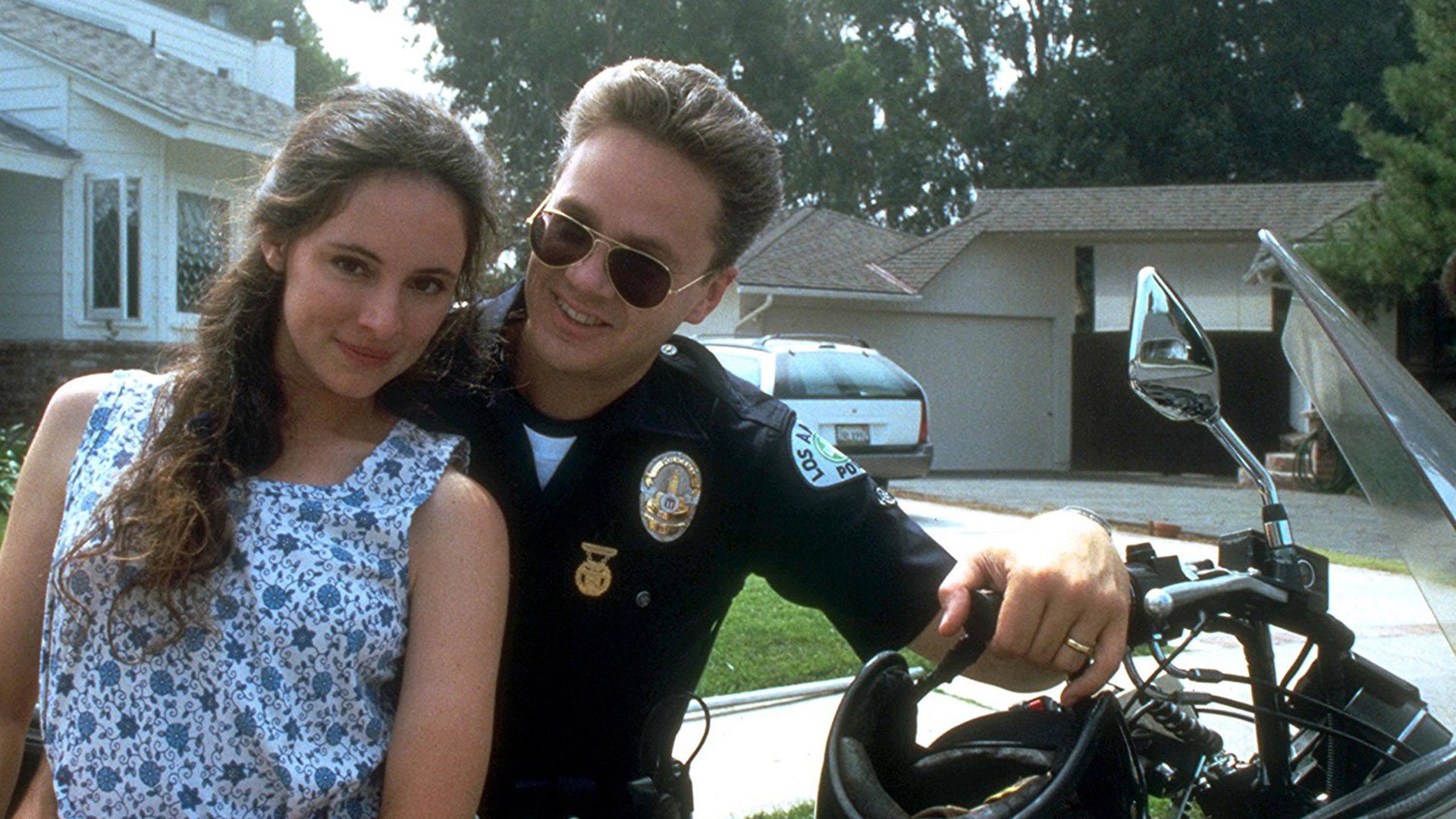
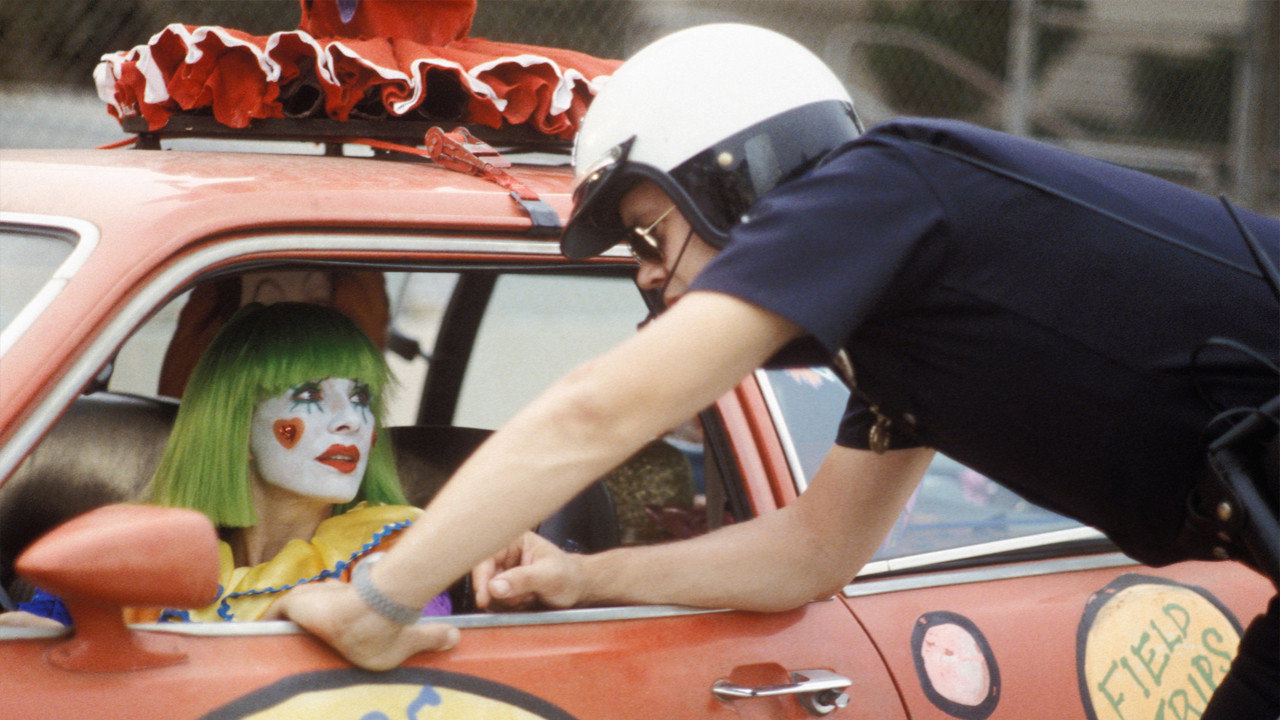
Robert Altman’s Short Cuts is a long, often funny film about people who give one another plenty to endure. We recommend it, with a warning about the steady supply of selfishness. Adapting Raymond Carver’s stories with Frank Barhydt, Altman moves between Los Angeles relationships and lets their troubles overlap without supplying a central figure to follow. At 188 minutes, it has time to make these people familiar, and the cast makes that familiarity worth the occasional impatience.
The achievement is in how readily we find our bearings. Editors Suzy Elmiger and Geraldine Peroni keep the separate stories clear while allowing one couple’s behaviour to affect how we read the next. Altman and Barhydt leave conversations untidy enough for irritation and misunderstanding to feel ordinary, and the changes of company give us welcome relief from any single person’s complaints. An ensemble drama can become an exercise in remembering names, but here the characters’ habits and grievances help us recognise them when we return.
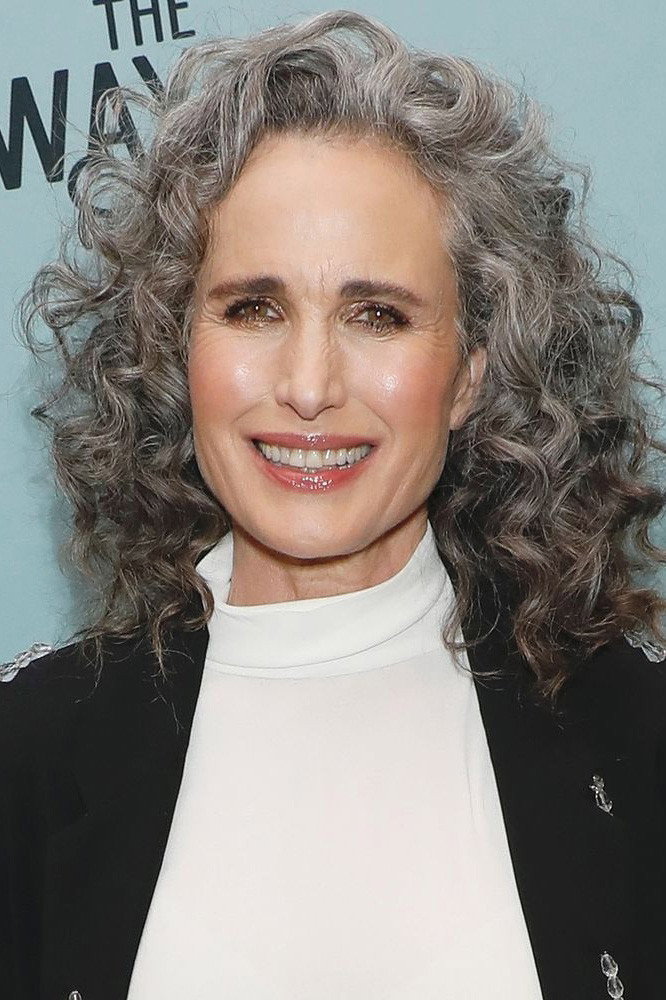
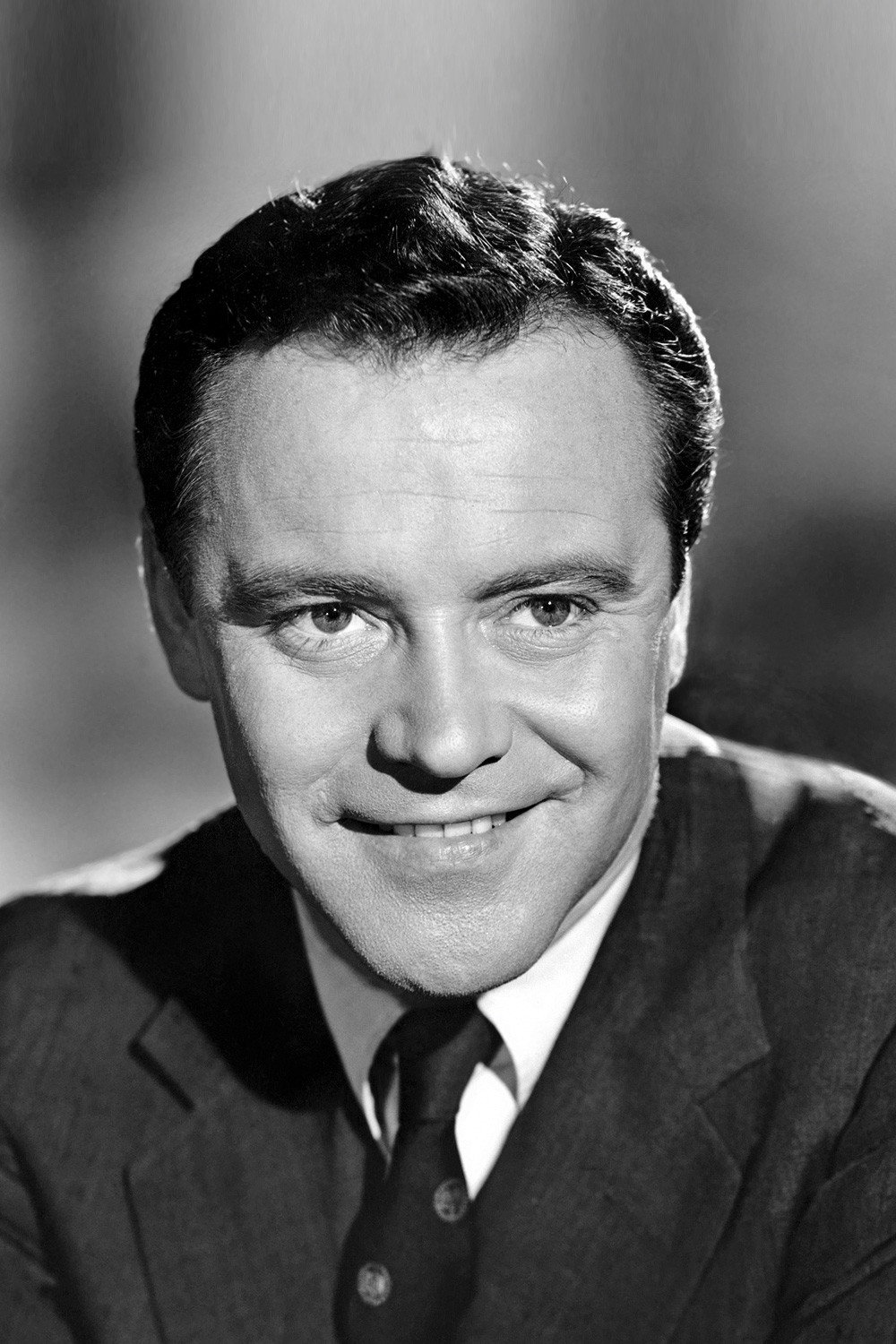
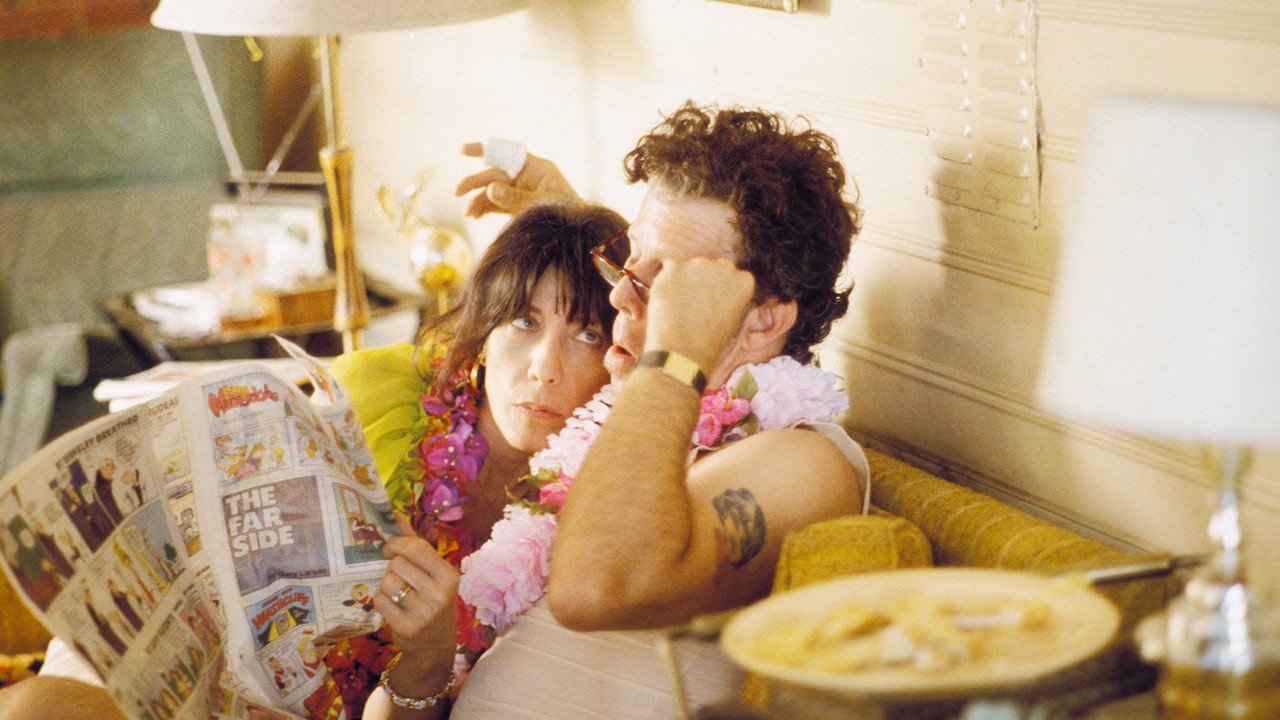
Tom Waits and Lily Tomlin, as Earl and Doreen Piggot, are particularly good at making friction seem habitual. Their performances suggest people who know where an argument will go and still go there. Julianne Moore’s Marian Wyman holds our attention without becoming easy company, while Jack Lemmon gives Paul Finnigan an uncomfortable need to be heard. We laughed at Earl and Doreen’s mutual irritation, then felt unkind for laughing, because Tomlin keeps Doreen’s hurt visible beneath it.
That mixture of amusement and discomfort depends on how much Altman lets us know. The cuts between relationships allow us to recognise behaviour that the people involved cannot see clearly themselves. There is a danger of becoming pleased with our own understanding, especially when another character obligingly demonstrates a familiar weakness. The actors complicate that pleasure by making embarrassment and disappointment persist through the comic exchanges, even when the writing seems ready to move on.
Walt Lloyd’s cinematography gives the actors room to register against one another, so a scene need not belong solely to whoever is speaking. Watching the listener often gives the dialogue its sting, and Lloyd keeps those reactions available to us. Stephen Altman’s production design makes the domestic spaces feel inhabited without distracting us from their occupants. Mark Isham’s music helps the changes between comedy and distress, though the faces and voices are doing enough that we seldom need another cue.
The reservation is that Altman sometimes seems to have reached his opinion of these people before they open their mouths. Self-absorption becomes so widespread that distinctions between characters begin to matter less, and a few changes of story repeat something already established. The emphasis on female nudity is harder to defend: the attention paid to women’s bodies sometimes makes their experience feel secondary. These passages make the running time noticeable despite Elmiger and Peroni’s skill at keeping the individual stories legible.
There is a particular pleasure in an ensemble film that asks us to keep several people in mind without sorting them into heroes and supporting characters. Short Cuts rewards that attention through performances that stay interesting even when the surrounding pessimism grows repetitive. Give it an evening when there is time to listen, and perhaps no unresolved argument on the sofa.