Film review

Philadelphia

1993 · Directed by Jonathan Demme · 2h 06m · MPA PG-13

In a sentenceTom Hanks does more with a close-up than the lawyers manage with all those speeches

Drama

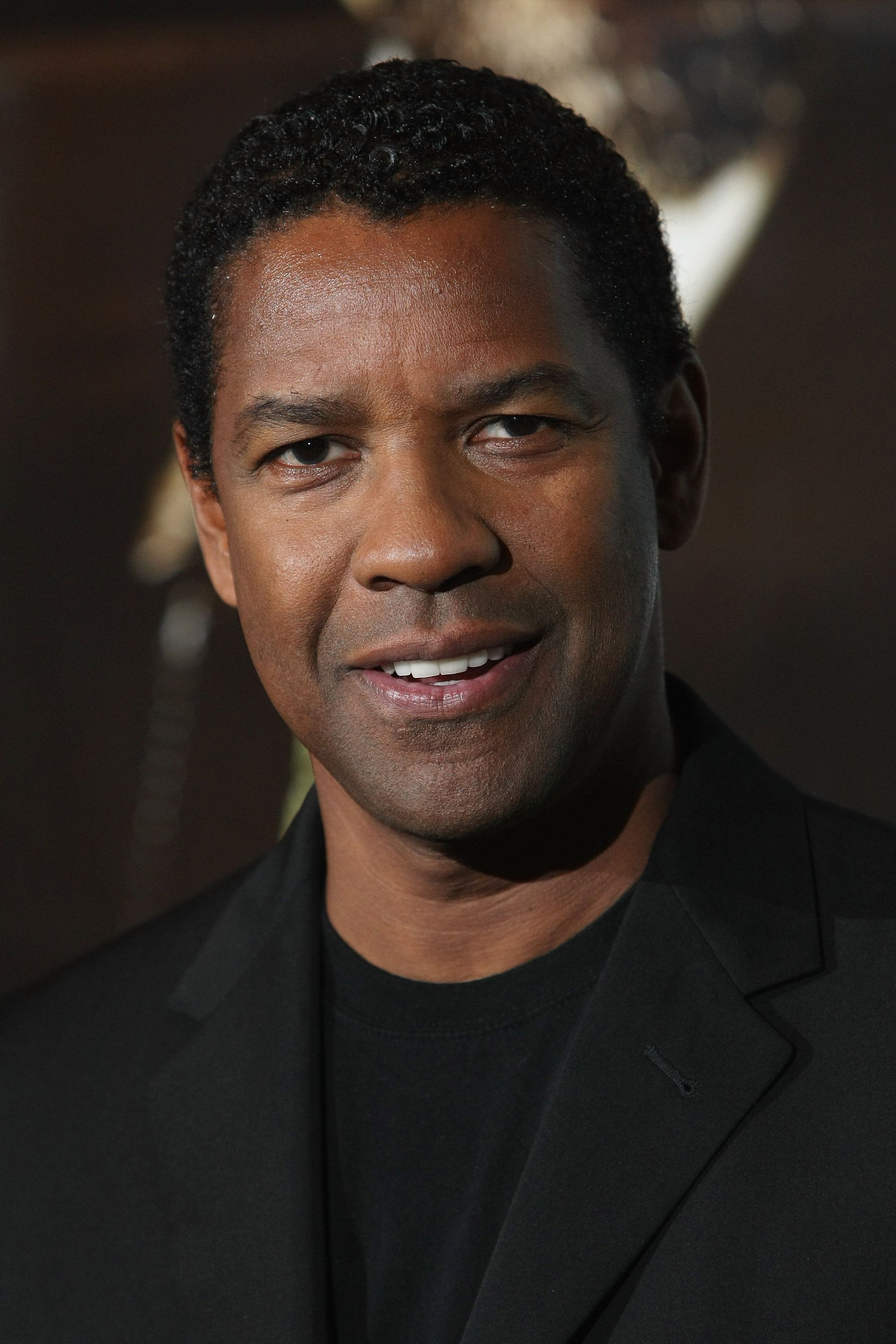
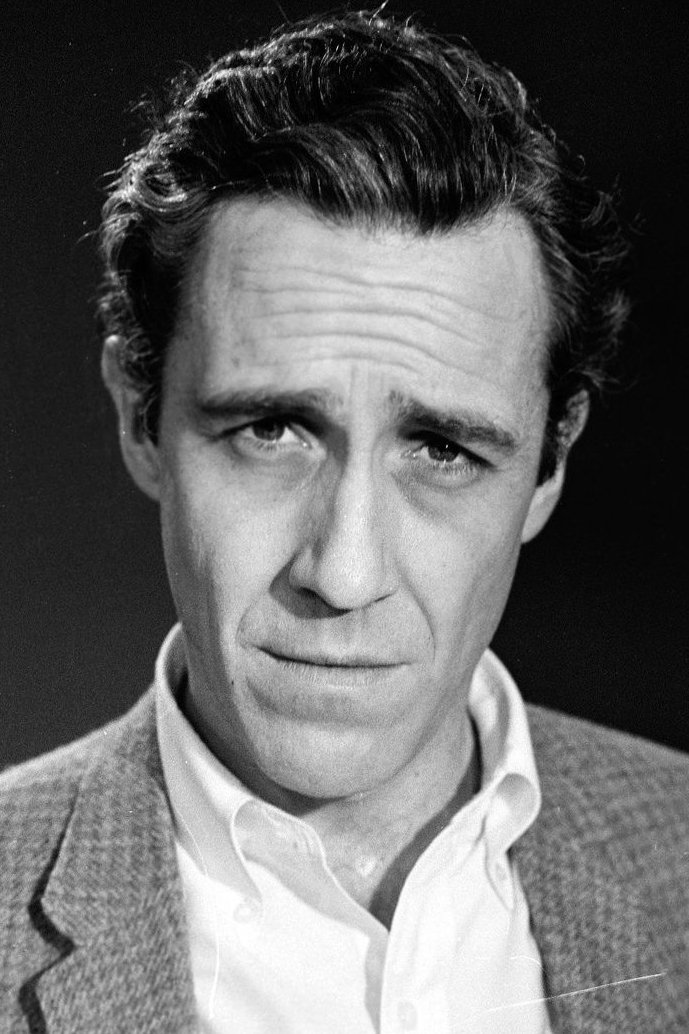
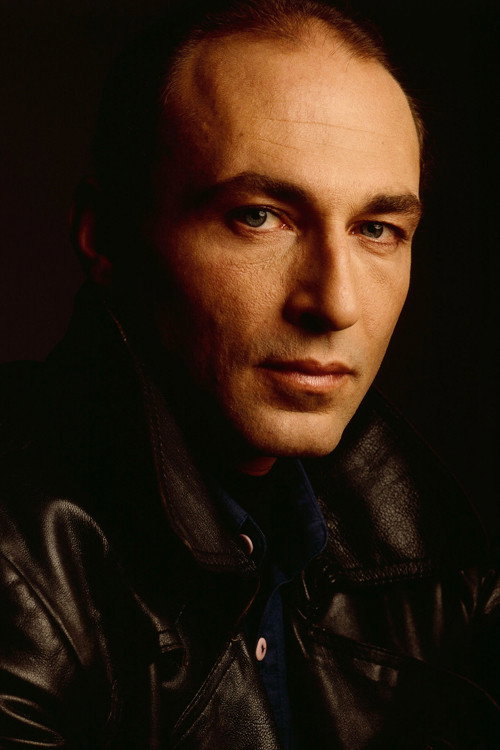
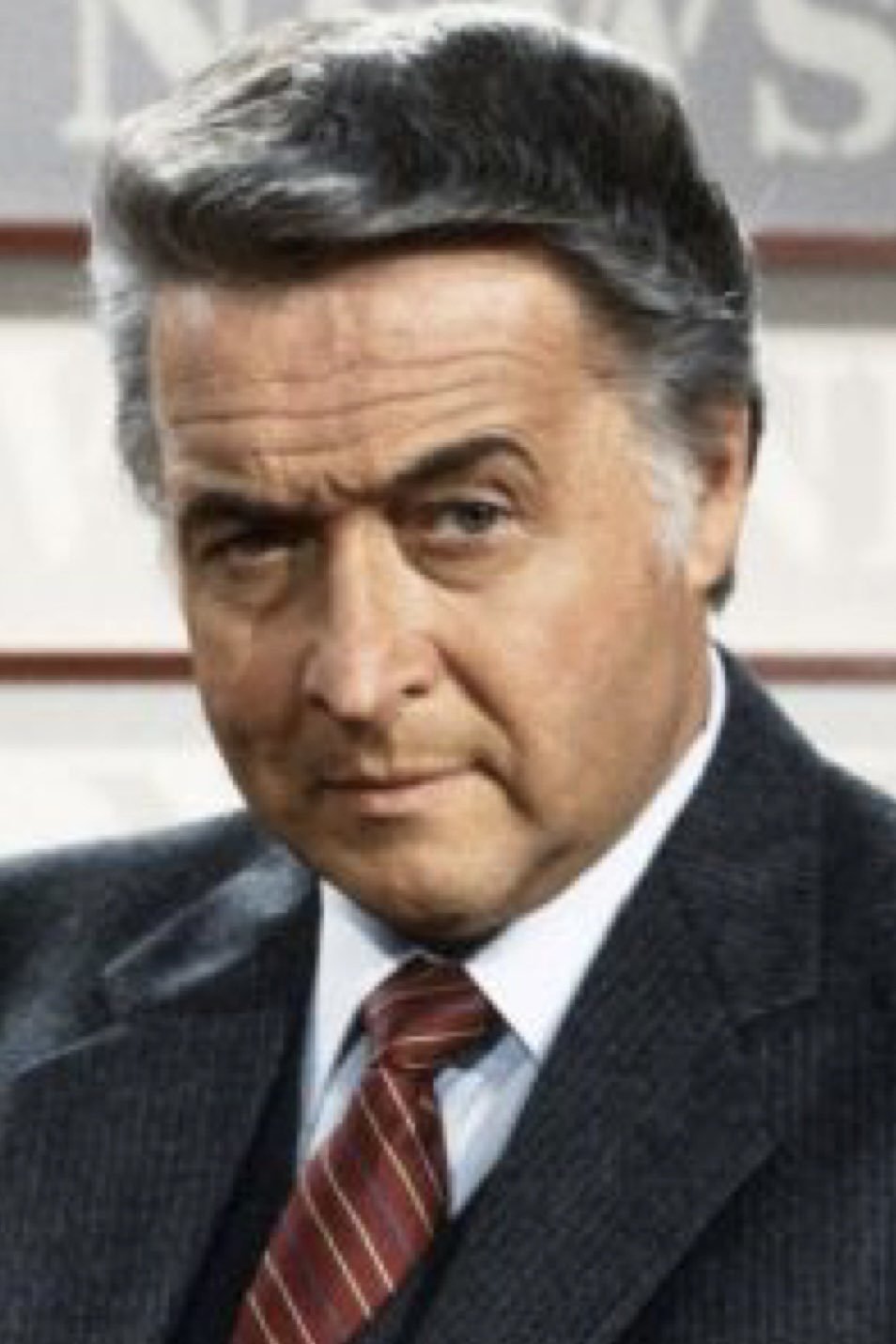
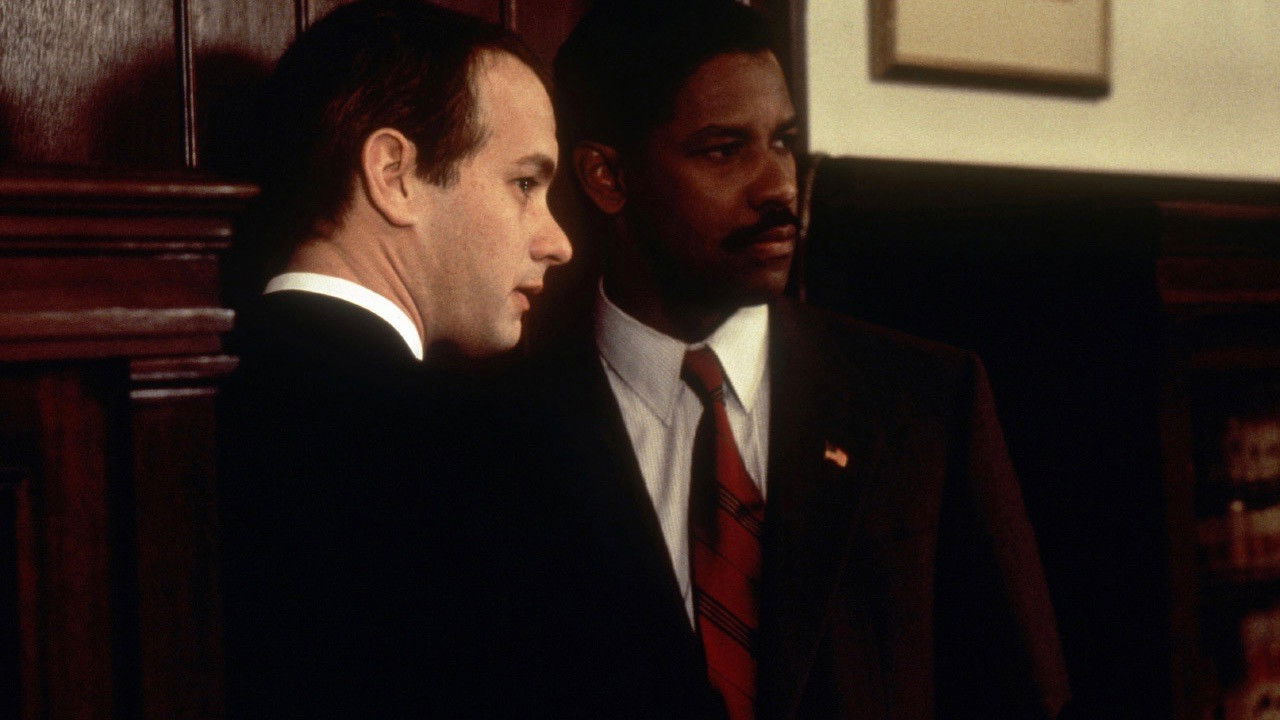
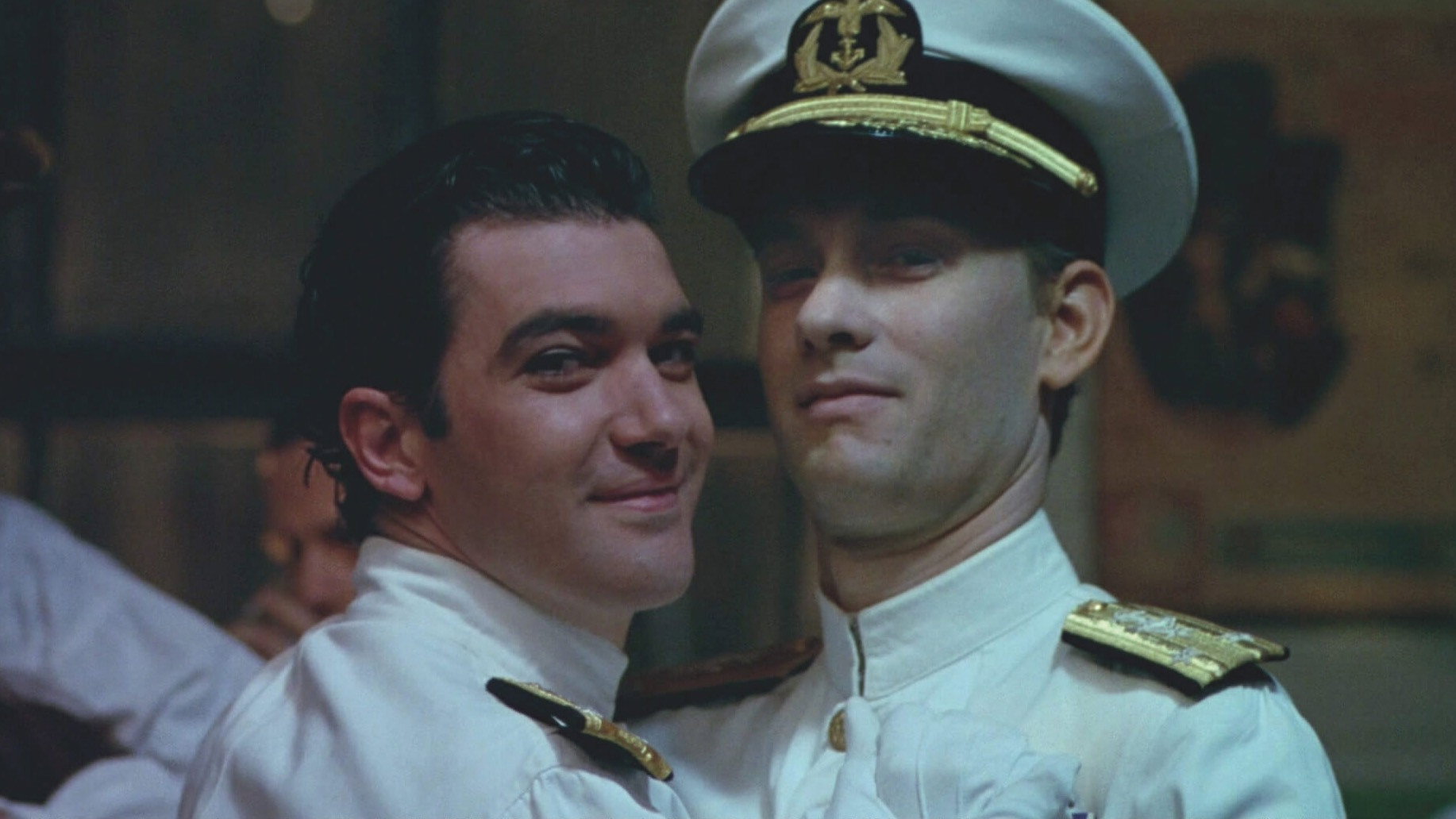
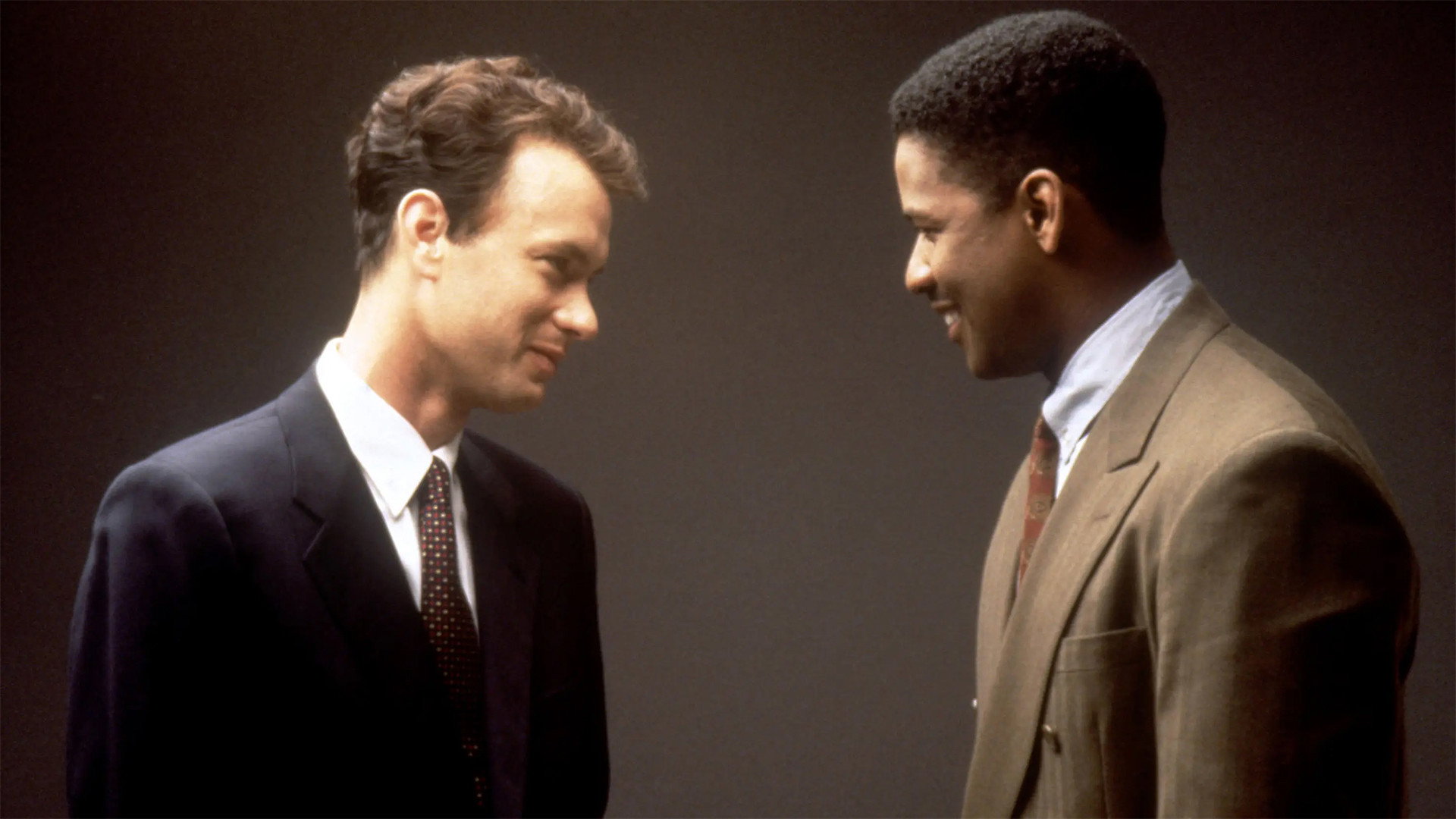
AIDS and homophobia shape a legal struggle involving Andrew Beckett (Tom Hanks) and Joe Miller (Denzel Washington). Their story moves between the courtroom and the private lives affected by the case, raising questions about disclosure, discrimination and the treatment of gay men. Alongside the legal arguments, the film follows a gay relationship, while attitudes towards sexuality and illness affect the people around the proceedings. Jason Robards plays Charles Wheeler, Mary Steenburgen plays Belinda Conine and Antonio Banderas plays Miguel Alvarez. Jonathan Demme directs.

Plays from YouTube when you press play; nothing loads from them until then.

Fi1m review

Jonathan Demme’s courtroom drama is worth watching for Tom Hanks and Denzel Washington, who make its plea for decency affecting. The script explains too much and gives gay life too little space.

Philadelphia is a good courtroom drama with an awkward habit of explaining feelings its actors have already made clear. Jonathan Demme wants to reach people who need persuading about AIDS and gay rights, and he chooses a form that makes each point easy to follow. That choice gives the film directness, but limits how much uncertainty, anger or ordinary untidiness can enter the story. At 126 minutes, it has ample time to move beyond the lesson, and does so less often than we would like.

The opening is less cautious. Tak Fujimoto’s images of Philadelphia street life and Craig McKay’s assembly of them establish a city full of people before the film settles into legal argument. We get a sense of lives continuing outside the case, which matters in a film so concerned with whose suffering receives attention. That breadth makes the more carefully managed drama that follows feel a little restricted.

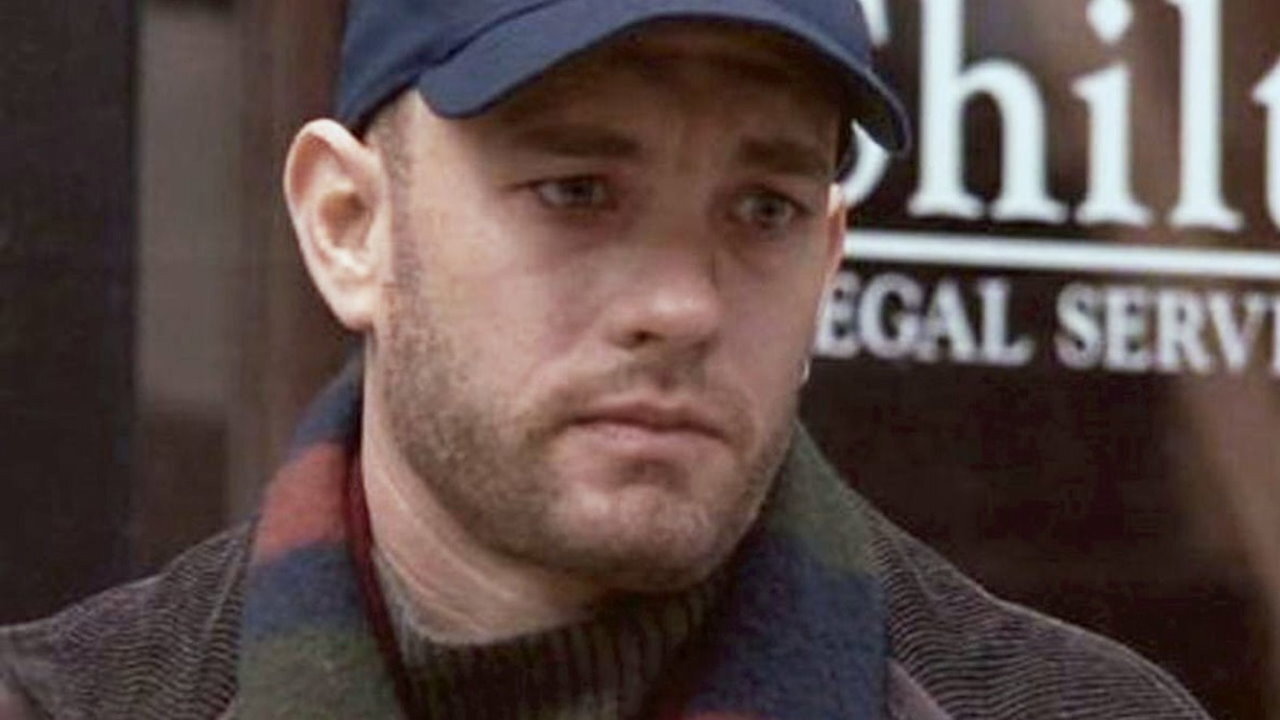
Tom Hanks, as Andrew Beckett, provides the strongest reason to stay with it. His physical transformation could have become the whole performance; instead, his face remains worth watching for more than signs of illness. We were moved by Hanks in close-up because he makes Beckett’s suffering feel personal, even when the script is busy explaining its wider significance. Demme and Fujimoto put considerable trust in those close-ups. Hanks repays it without needing every point underlined.

Denzel Washington’s Joe Miller gives the film another person worth attending to, rather than merely another position in a debate. Washington makes the story’s changing attitudes convincing enough that we can follow the movement towards understanding without feeling that every step has been imposed by the writer. Ron Nyswaner’s screenplay is less trusting of us. Its explanations repeatedly arrive after the performances have done the necessary work, and some courtroom exchanges sound prepared for an audience being introduced to the subject.

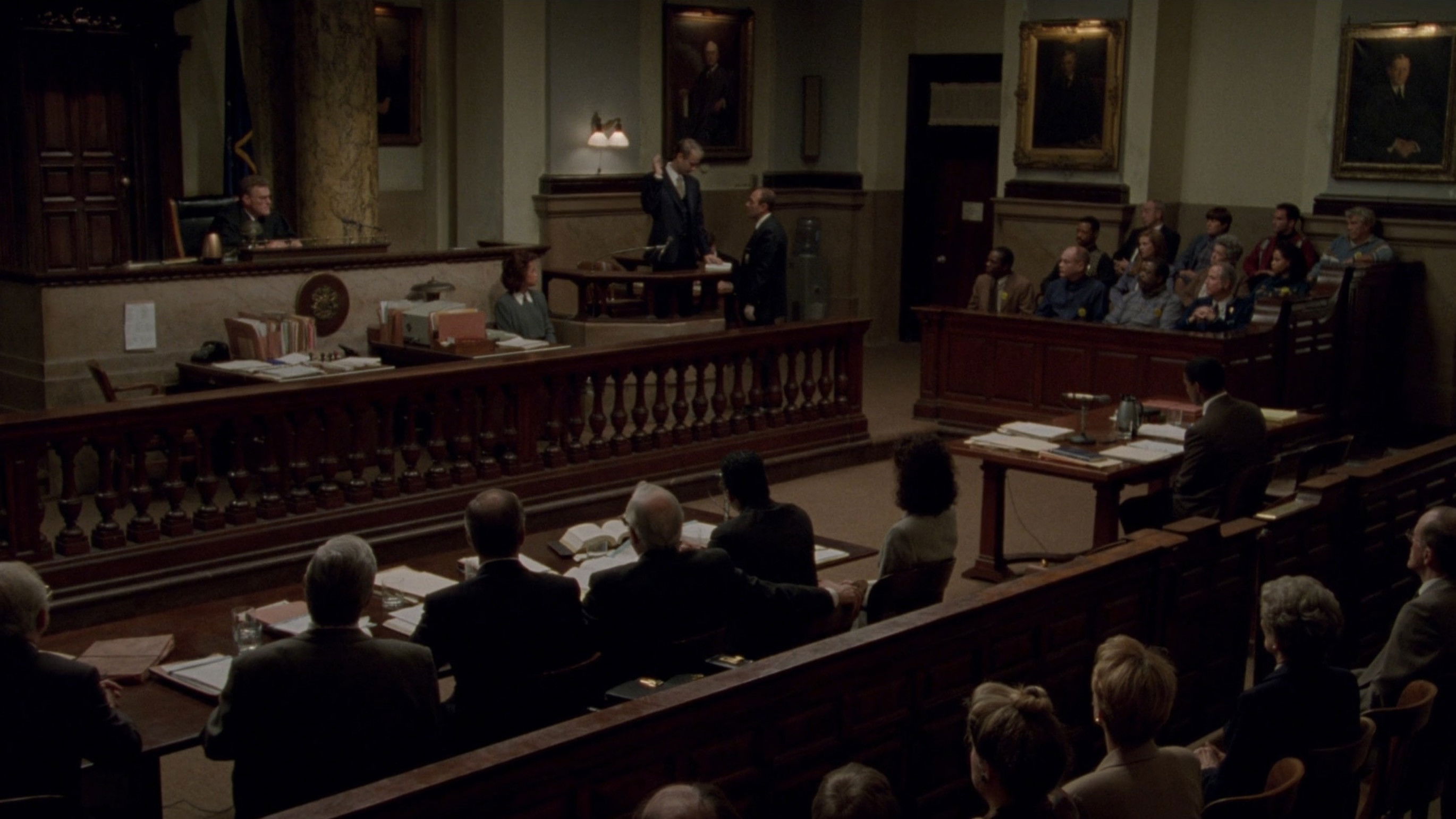
Kristi Zea’s production design keeps the courtroom from competing with the speakers, a sensible choice when so much depends on watching people listen and respond. Howard Shore’s score is less restrained about prompting sympathy, and we sometimes wanted it to leave the faces alone. The film is already explicit about what hurts and why. Its care with the people on screen survives this pressure, though the more emphatic passages would benefit from less help.

The larger problem is how cautiously the gay relationship is treated. A drama asking for acceptance ought to allow gay life more room than this, and the reluctance to do so makes its appeal feel unnecessarily apologetic. The familiar courtroom framework makes the case easy to follow, but the relationship needs attention of a different kind. Demme and Nyswaner give it too little space for everyday affection, disagreement or pleasure.

Most critics are less persuaded than we are, chiefly because that caution compromises the film’s account of gay life. We share the objection, but think they give too little weight to the performances and Demme’s attention to faces. Those are substantial reasons to watch, even when the writing grows solemn and instructive. Choose it for Hanks and Washington, with some patience for the speeches.

Critical consensus AI synthesised

3 of 6
Positive
1
Mixed
1
Negative
1
Empire
1 January 2000 · Angie Errigo
75*

This is the first major Hollywood film on gay rights and is inevitably mainstream, with strong emotional appeal, courtroom drama, and standout performances from Hanks and Washington that make it a touching demand for fraternity and justice. It notes some TV-movie sentimentality and timidity in portraying the gay relationship but recommends it overall for its compassion and groundbreaking exploration of attitudes toward sexuality.

Read the full review →
The Independent
25 February 1994 · Adam Mars-Jones
55*

The film is a brave but disappointing Hollywood breakthrough on Aids and homophobia, overly cautious and committee-like in its script with too many emotional insurance policies to appeal to a broad audience. It praises Tom Hanks' fine performance and physical transformation but criticizes the compromises in depicting gay life and the story's failure to fully explore either main thread.

Read the full review →
Slant Magazine
6 November 2004 · Keith Uhlich
20*

The critic views Philadelphia as an unfortunate misstep for Demme that panders to straight-male audiences in the guise of piety rather than addressing AIDS with serious complexity. They single out the opening credits sequence for its visual and aural humanism amid broader criticism of the film's superficial approach and performances.

Read the full review →
Los Angeles Times
22 December 1993 · Kenneth Turan

The air of do-goodism hangs over the film, making it hampered by its own awareness of being years behind the AIDS crisis, though it is a milestone with strong performances. Demme is more emphatic than needed, trying too hard to break America's heart.

Read the full review →
The New Yorker
20 December 1993 · Anthony Lane

The film has the courage of its own simplicity in charting the hero's descent and the ascent of unlikely feelings in others, despite patches of preachiness. Demme has reinvented the weepie with cleareyed determination, evident in extraordinary closeups focused on the human face.

Read the full review →
The New York Times
22 December 1993 · Janet Maslin

The film mostly succeeds in being forceful, impassioned and moving as the first high-profile Hollywood picture to take AIDS seriously, though it often works in safely predictable ways. It opens with a stirring montage of Philadelphia street life and shows tact in introducing the central character.

Read the full review →

Cast

Stills

Awards

Academy Awards, 1994

Nominated
Best Makeup and Hairstyling
Nominated
Best Writing, Original Screenplay
Won
Best Actor
Won
Best Original Song

If you liked this, try…

Victim poster

Victim

1961 · Another cautious public appeal, with the law intruding upon gay men’s private lives.

BPM (Beats per Minute) poster

BPM (Beats per Minute)

2017 · For a more confrontational account of AIDS, with collective action and desire given space.

Parting Glances poster

Parting Glances

1986 · For gay lives allowed humour, friendship and untidiness alongside the fear of AIDS.

A Separation poster

A Separation

2011 · For courtroom conflict in which competing claims keep unsettling our sympathies.

Ikiru poster

Ikiru

1952 · For another drama about illness that asks what institutions owe a person.