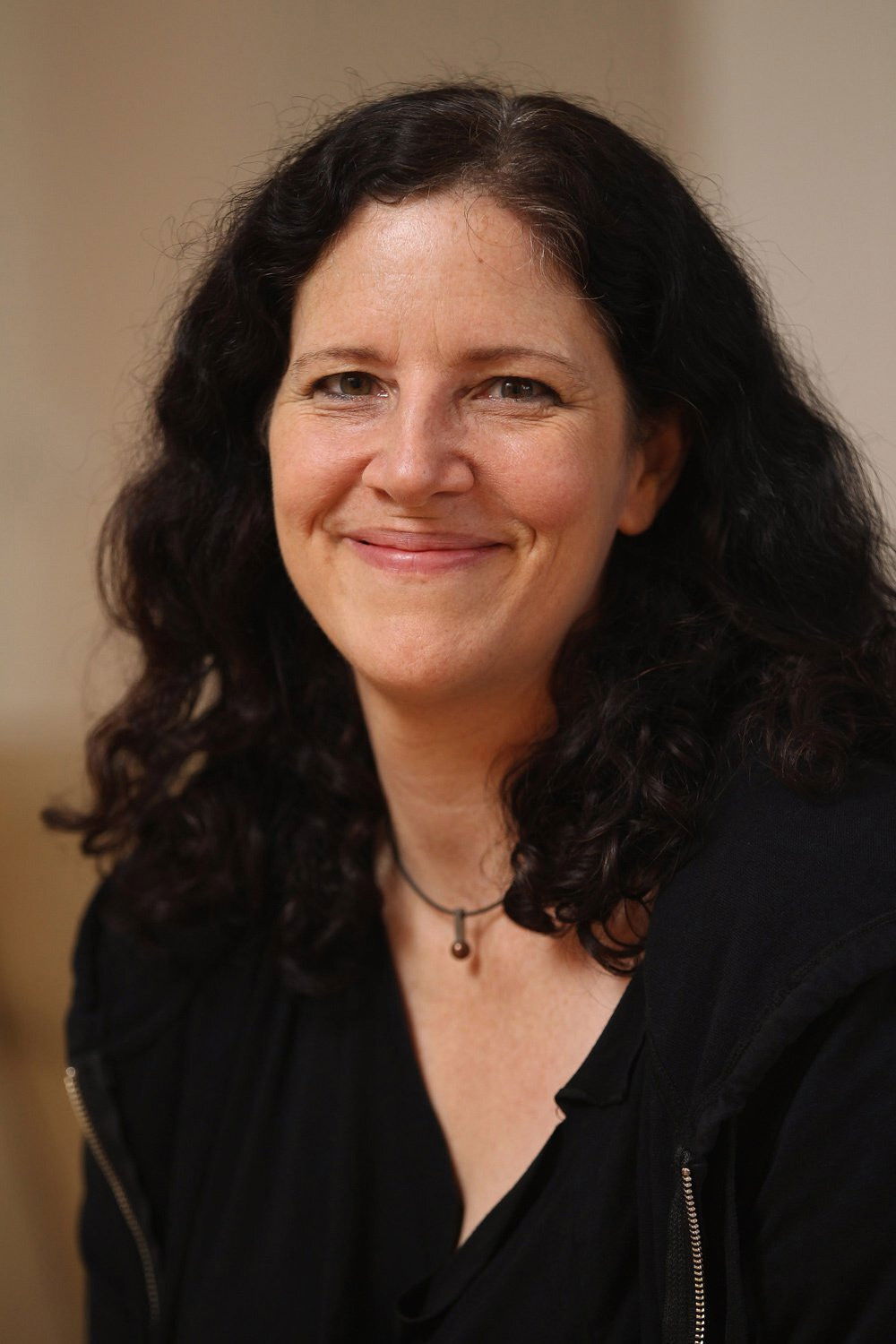
Laura Poitras gets in where the story is happening and stays behind the camera. When the access is total, as in Citizenfour, few make tenser documentaries; when it thins, the film thins with it.
Fi1m perspective
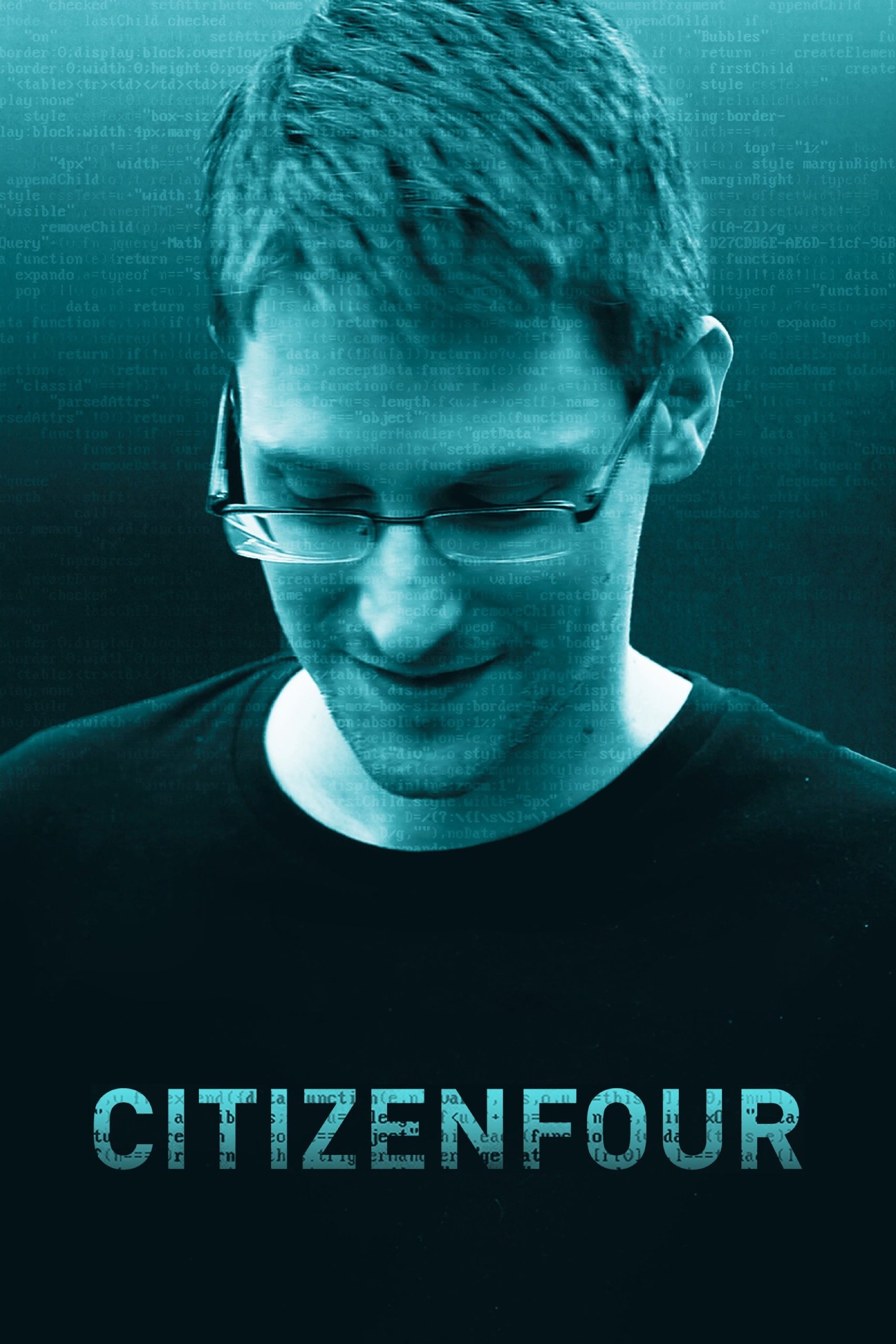
The curtains are shut, the man on the bed is in a white T-shirt, and the only weapon in the room is a memory stick. For about an hour of Citizenfour (2014) that is the whole film, and Laura Poitras is in it only as a level voice from behind the camera. She has said the camera is her tool for documenting things, "so I stay mostly behind it", and she means it. We hardly ever see her. What we see is Edward Snowden explaining, in complete sentences, what he is about to lose.
That is her method, and it took a while to arrive at. She trained in experimental film at the San Francisco Art Institute, made her first feature, Flag Wars (2003), as a co-director, and then spent a decade on a trilogy about America after 11 September 2001: My Country, My Country (2006), on Iraq under occupation; The Oath (2010), following two Yemeni men connected to al-Qaeda and Guantánamo; and Citizenfour, in which the subject wrote to her while she was already filming. Since then there has been Risk (2017), a long portrait of Julian Assange, All the Beauty and the Bloodshed (2022), on the photographer Nan Goldin, and Cover-Up (2025). We have reviewed only the one, so it must carry the argument here.
What works is the access and what she does with it, which is almost nothing. She does not interview so much as wait. Mathilde Bonnefoy, who has edited three of her films, holds the shots until the sentence is finished and gives Citizenfour its spine with Poitras's own emails typed white on black. We sat through the Hong Kong hour with our shoulders up round our ears, and nothing had happened: nobody was chased, nobody was hurt, a man on a bed had simply worked out what his life would cost and said so. That is rarer than a chase.
What does not work is nearly everything that happens outside that hotel bedroom. The material around the hotel in Citizenfour is competent and flat, and Trent Reznor and Atticus Ross's hum keeps telling us to be frightened when the pictures already had. Poitras also does not test her subjects. There is no counter-witness in Citizenfour, no former colleague who thought Snowden was wrong, and the film says openly which side it is on, which suits a film about one man in one room. Risk reflects a view of Assange that shifted over the years of filming, and the method of waiting has less to say when the waiting changes your mind.
Start with Citizenfour, ideally at home with the lights off and the phone in another room, where the shut curtains work on you. Then decide whether you want a filmmaker who chooses her side before she presses record. She always does, and she has never pretended otherwise.
Biography
Laura Poitras is an American documentary film director and producer. She was born on 2 February 1964 in Boston, Massachusetts. She studied at the San Francisco Art Institute and the New School in New York.
Poitras is known for directing My Country, My Country (2006), The Oath (2010) and Citizenfour (2014), the last of which she also produced and appeared in as herself. Citizenfour won the Academy Award for Best Documentary Feature in 2015. Her later films include Risk (2016) and All the Beauty and the Bloodshed (2022). She has received a MacArthur Fellowship and contributed to reporting that won the Pulitzer Prize for Public Service in 2014.