Peter Weir’s Witness is an affecting romance with a less convincing crime thriller attached. Harrison Ford and Kelly McGillis make the attraction matter, even when the screenplay reaches for familiar solutions.
We recommend Witness, though the murder investigation is not the part we would send anyone to see it for. Peter Weir takes a city policeman’s encounter with an Amish community seriously enough to let ordinary life hold our attention. The crime gives John Book a reason to enter this unfamiliar place; it need not occupy every minute he remains there. That is an unusual confidence for a thriller, and the film largely rewards it. We become interested in how people work, look at one another and manage to live together.
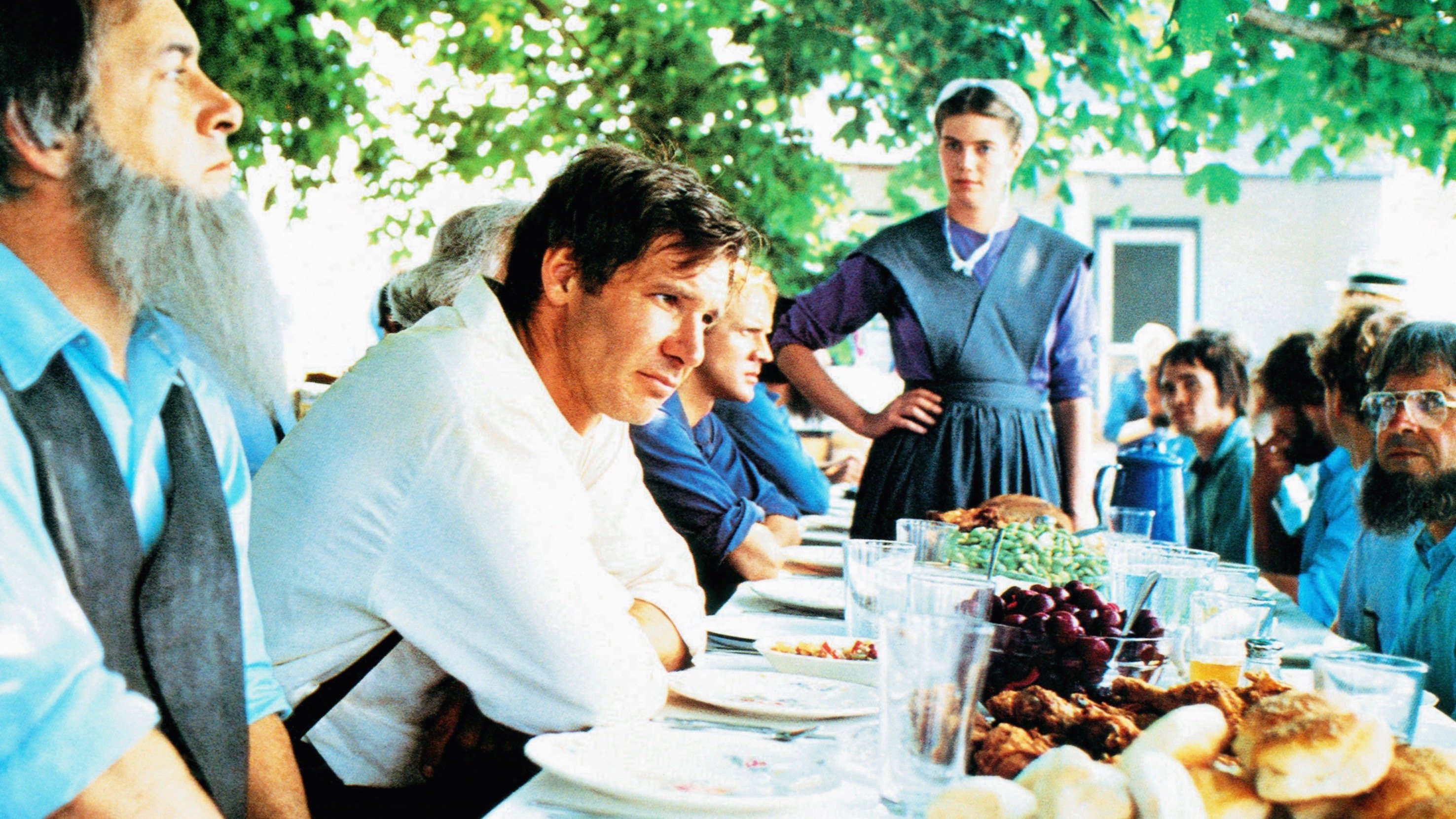
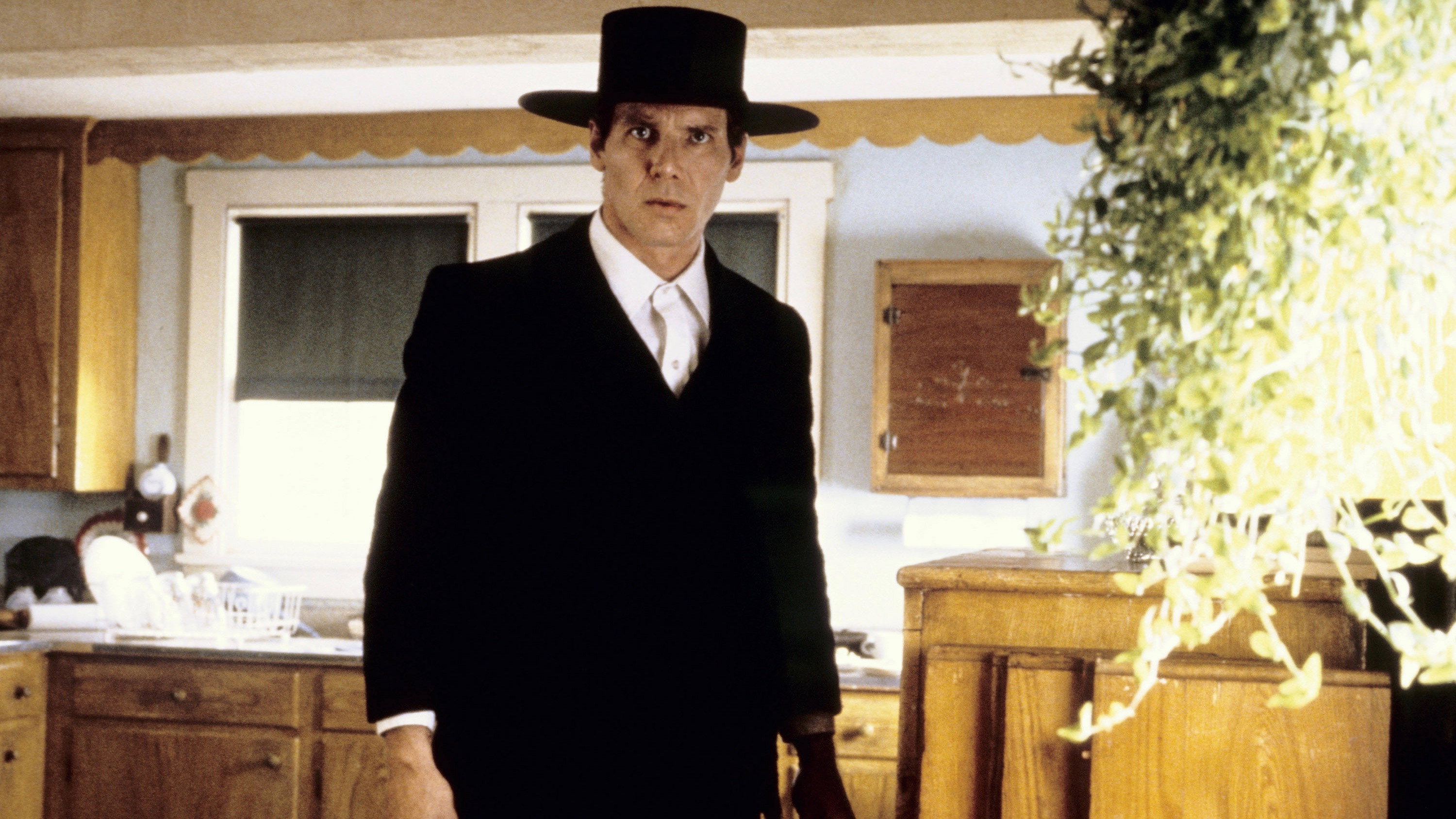
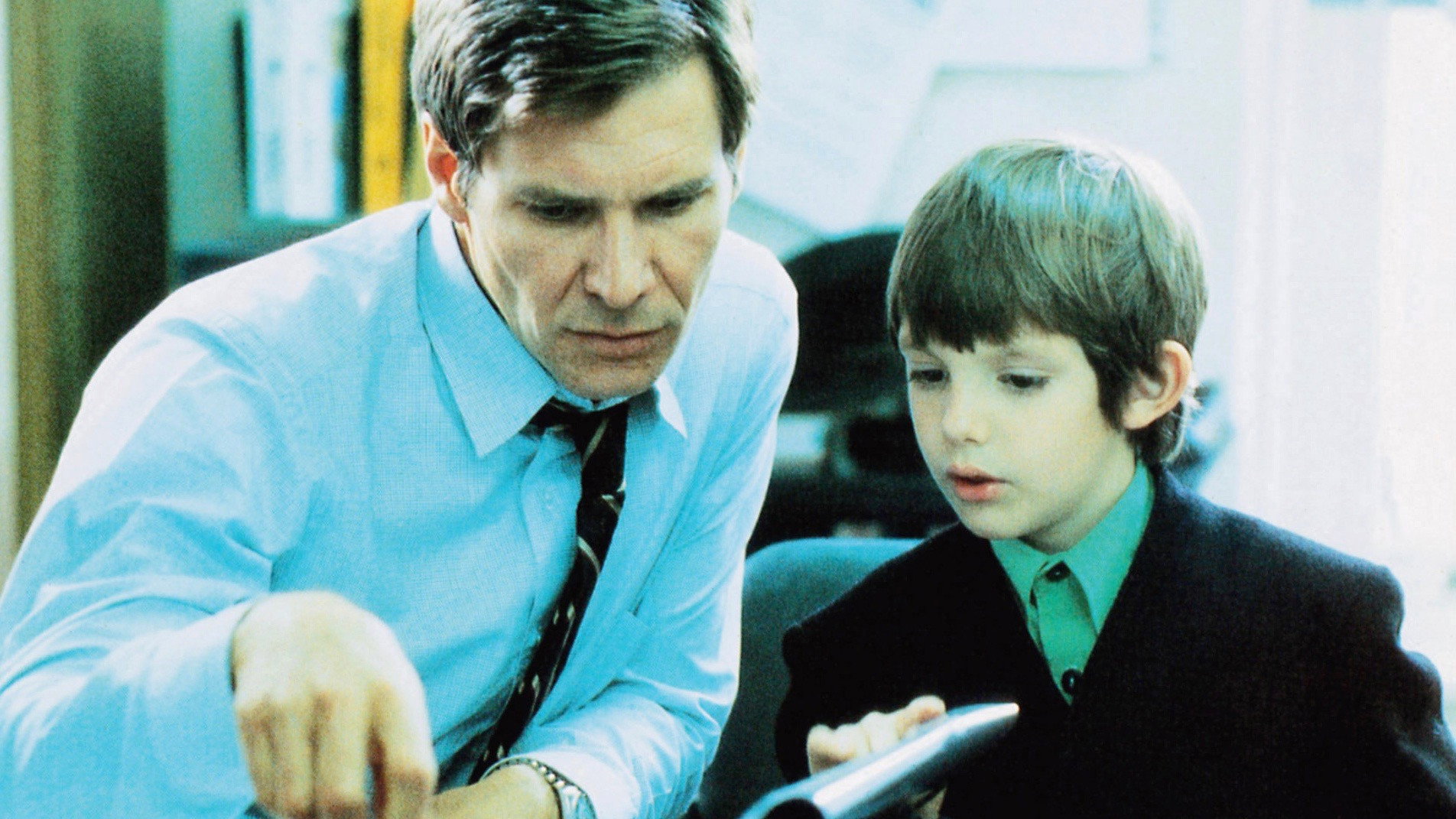
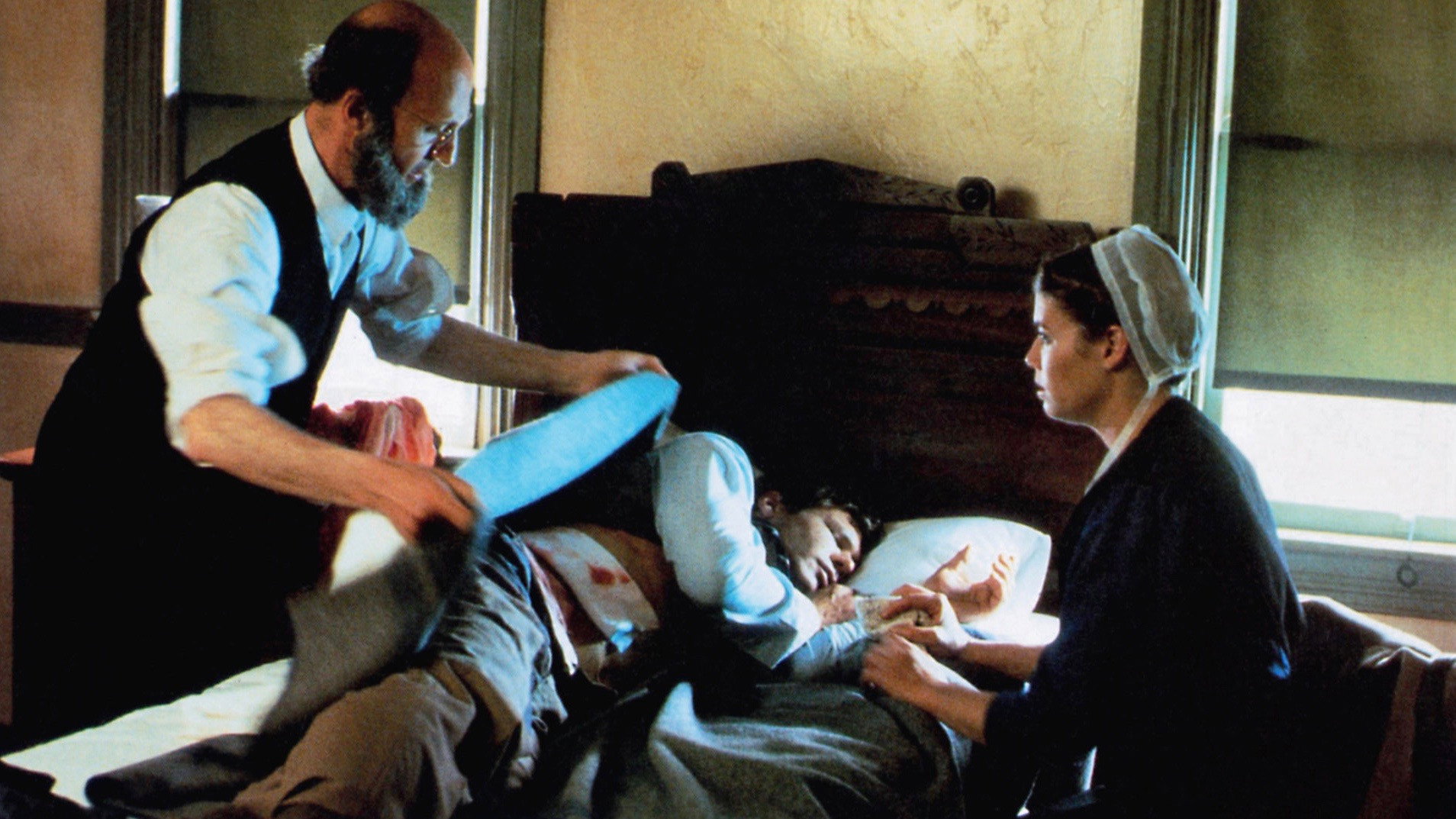
Harrison Ford plays Book with enough restraint to make his interest in Rachel credible before it needs explaining. His presence suggests that a practical problem could be dealt with promptly, which makes his uncertainty around Kelly McGillis all the more engaging. McGillis gives Rachel equal weight, making her feelings matter as much as the policeman’s difficulty in knowing what to do about them. We were moved by the moments when Ford and McGillis simply look at each other, because both make attraction seem like something they must take care with.
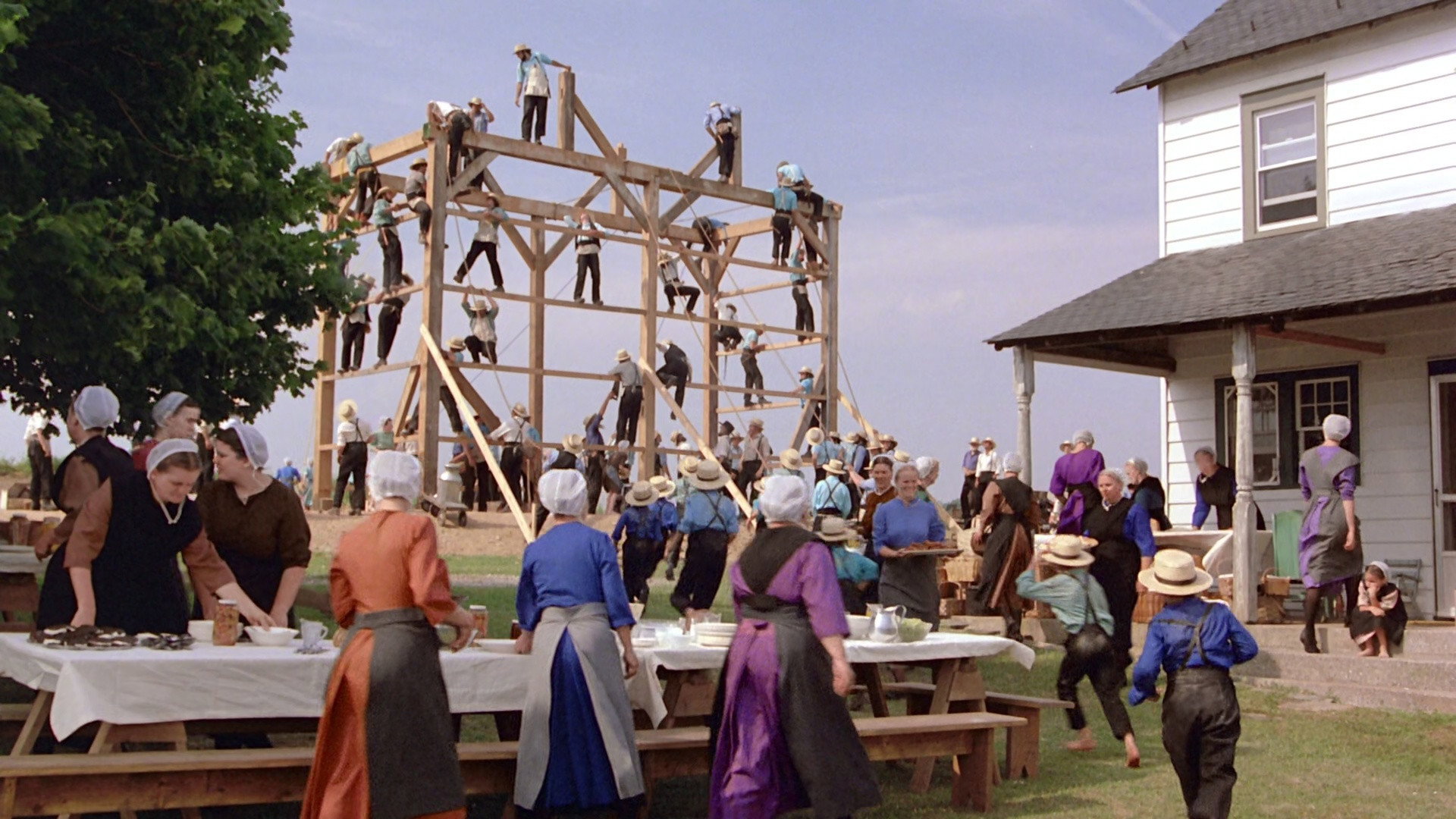
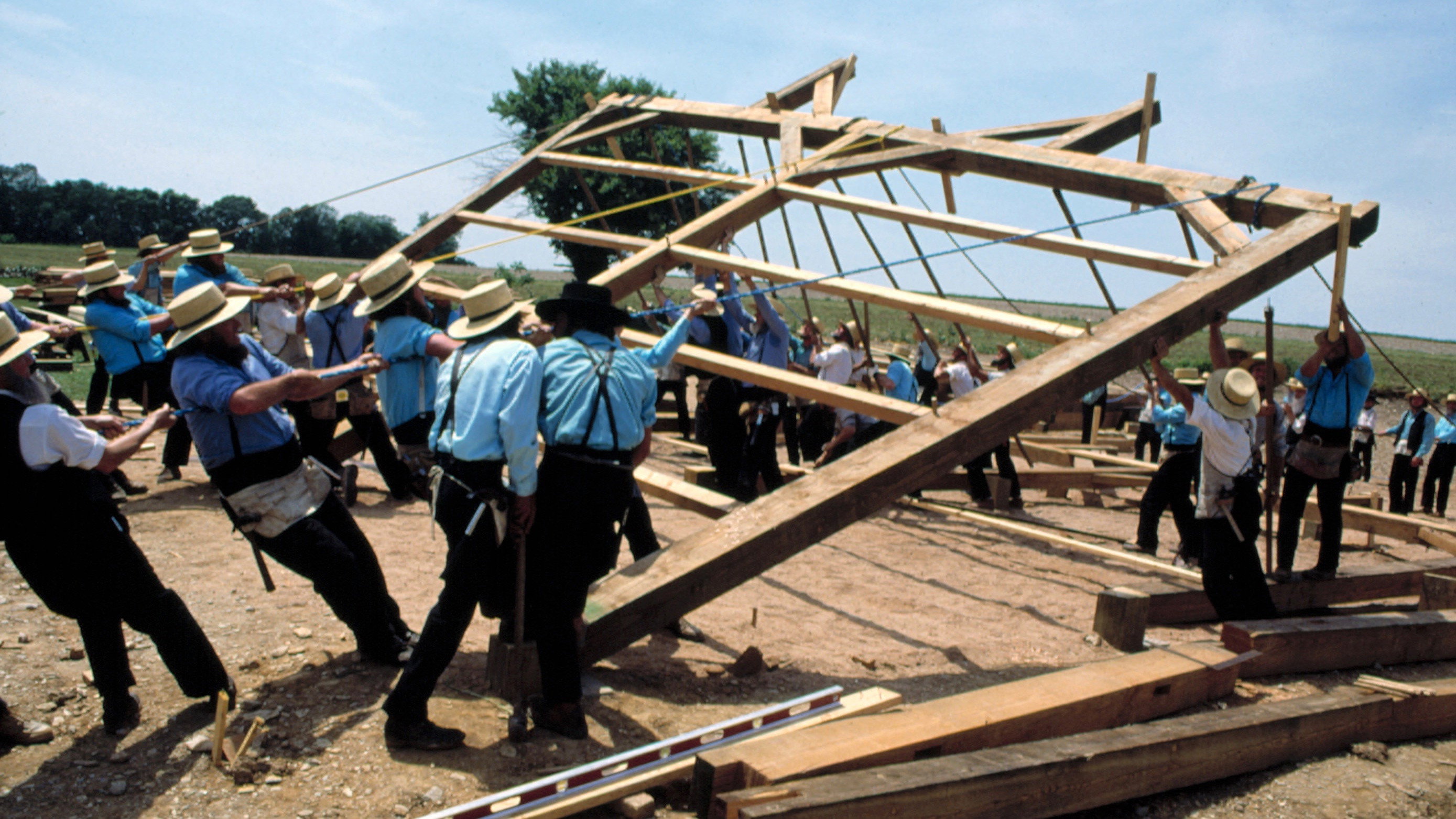
John Seale’s cinematography helps us understand the attraction of the Amish countryside, although its prettiness occasionally makes the place seem too easily knowable. The barn-raising gives communal work enough attention for us to appreciate the effort involved. Stan Jolley’s production design is particularly persuasive here, where the structure being built gives the scene a clear physical purpose and brings the community together around a task. There is satisfaction in watching something take shape, and Weir does not rush it to get back to police business.
Thom Noble’s editing lets the quieter passages last long enough for the actors’ restraint to count. A romance built on unspoken interest needs that time, and Noble allows us to watch the performers without making every pause feel portentous. Maurice Jarre’s music is less consistently helpful; it sometimes presses an emotion that Ford and McGillis have already made clear. The scenes between them are persuasive enough for us to wish the score would leave a little more room.
The difficulty is Earl W. Wallace and William Kelley’s screenplay, which does less interesting work with the investigation. It follows familiar thriller patterns, and the writing never makes the crime as absorbing as Book’s interest in Rachel. The contrast between the two communities is too tidy as well, with the attractive countryside sometimes doing more persuading than the writing. Weir’s respect for the Amish is welcome, but we would have liked more complication in how their life is presented. The actors keep the romance convincing when the surrounding story becomes predictable.
As a thriller, Witness leaves us with reservations that its admirers sometimes hurry past. Most critics favour the romance and the depiction of Amish life, and that is where we find the film’s lasting appeal too. Anyone after a brisk investigation may grow impatient with the attention paid to work and courtship. See it for Ford and McGillis, and let the barn-raising take as long as it needs.