Film review

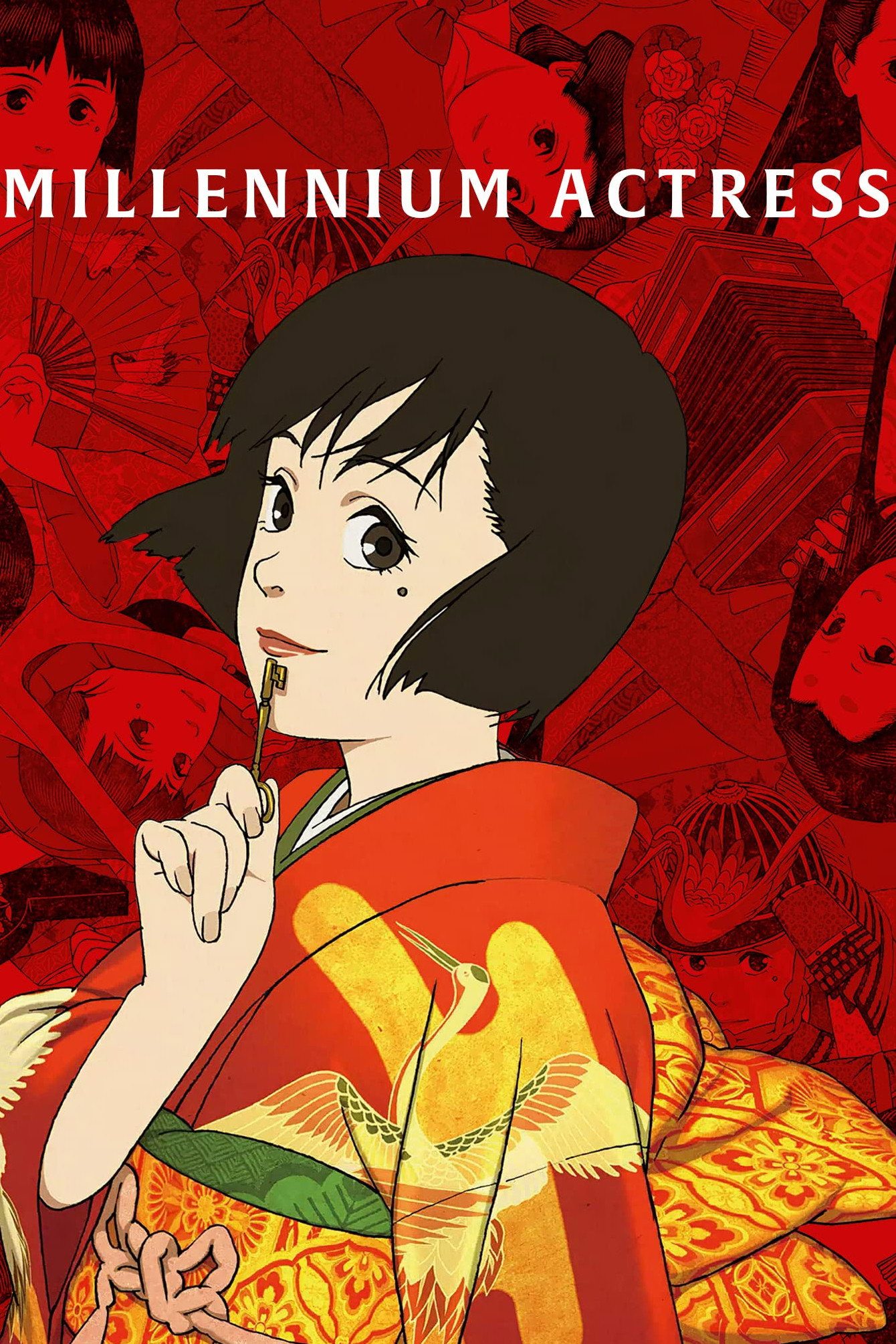
Millennium Actress

2002 · Directed by Satoshi Kon · 1h 27m · MPA PG

In a sentenceAn old woman tells her life story and the camera crew falls through it; keep up, it is only 87 minutes

AnimationDramaRomance

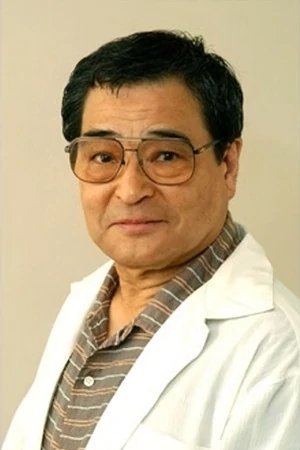
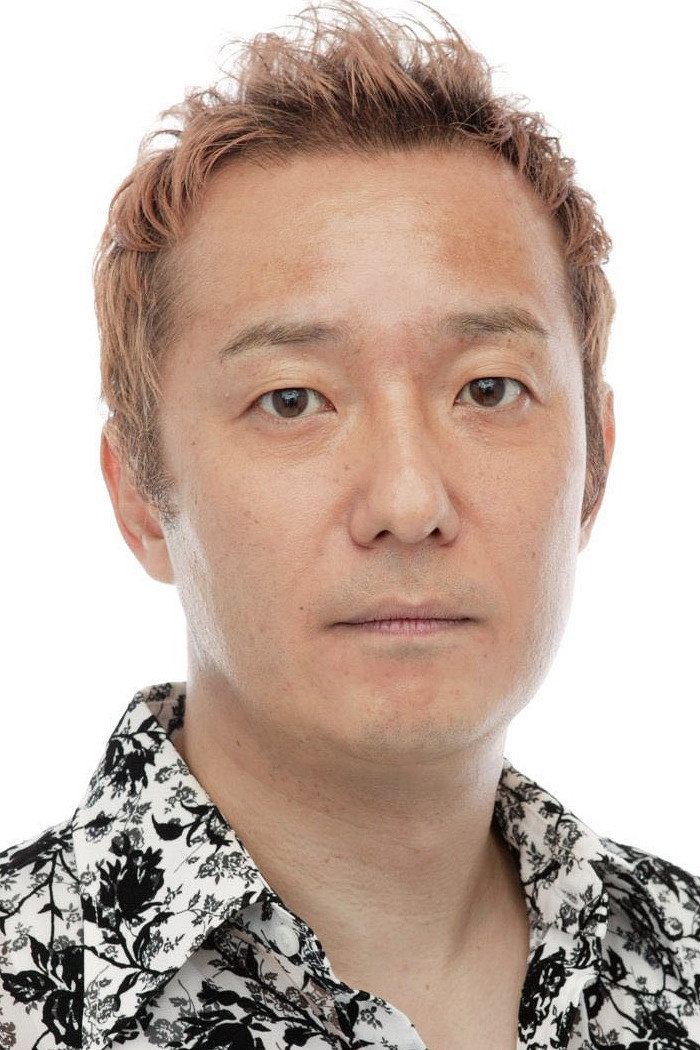
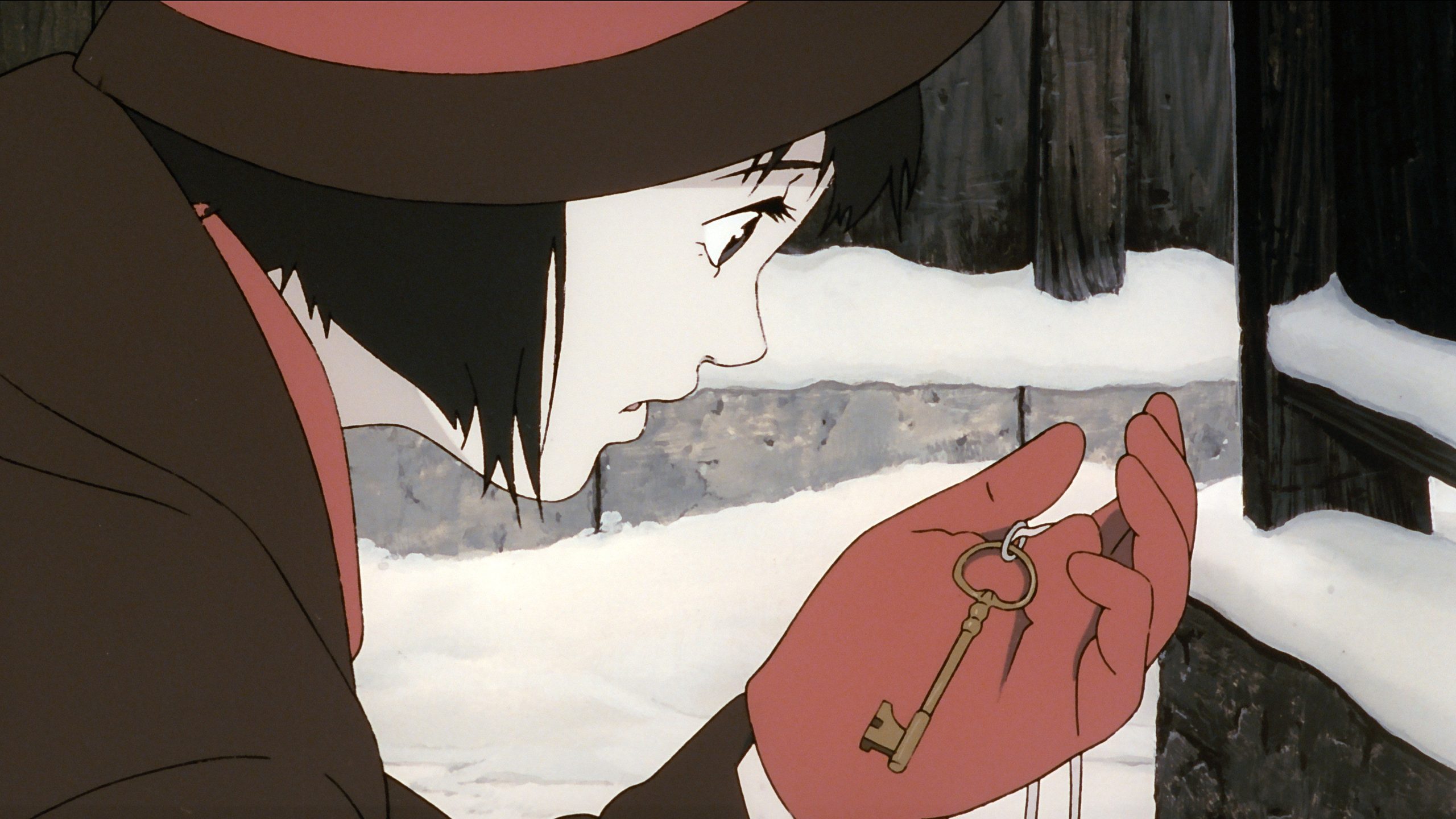
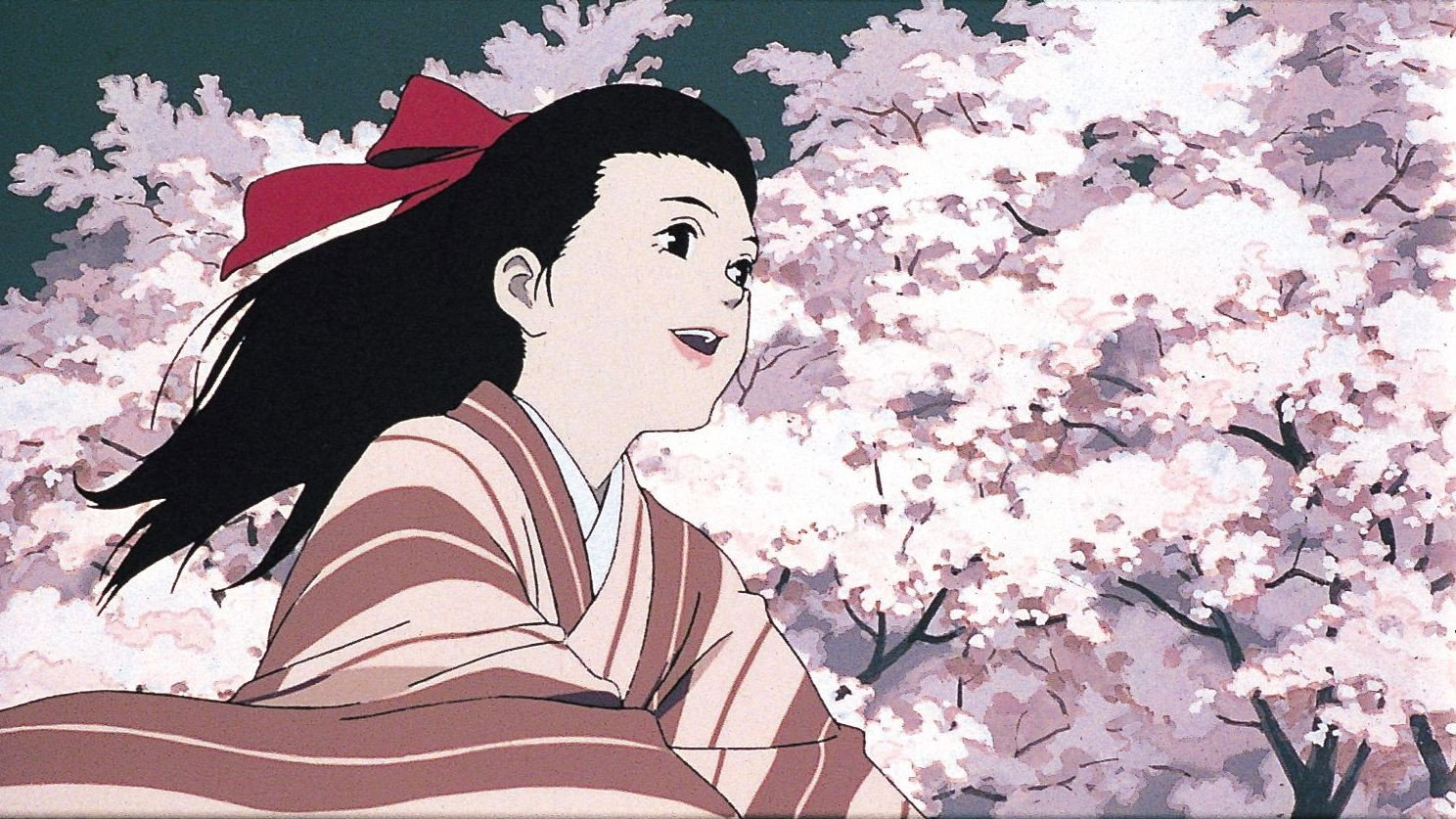
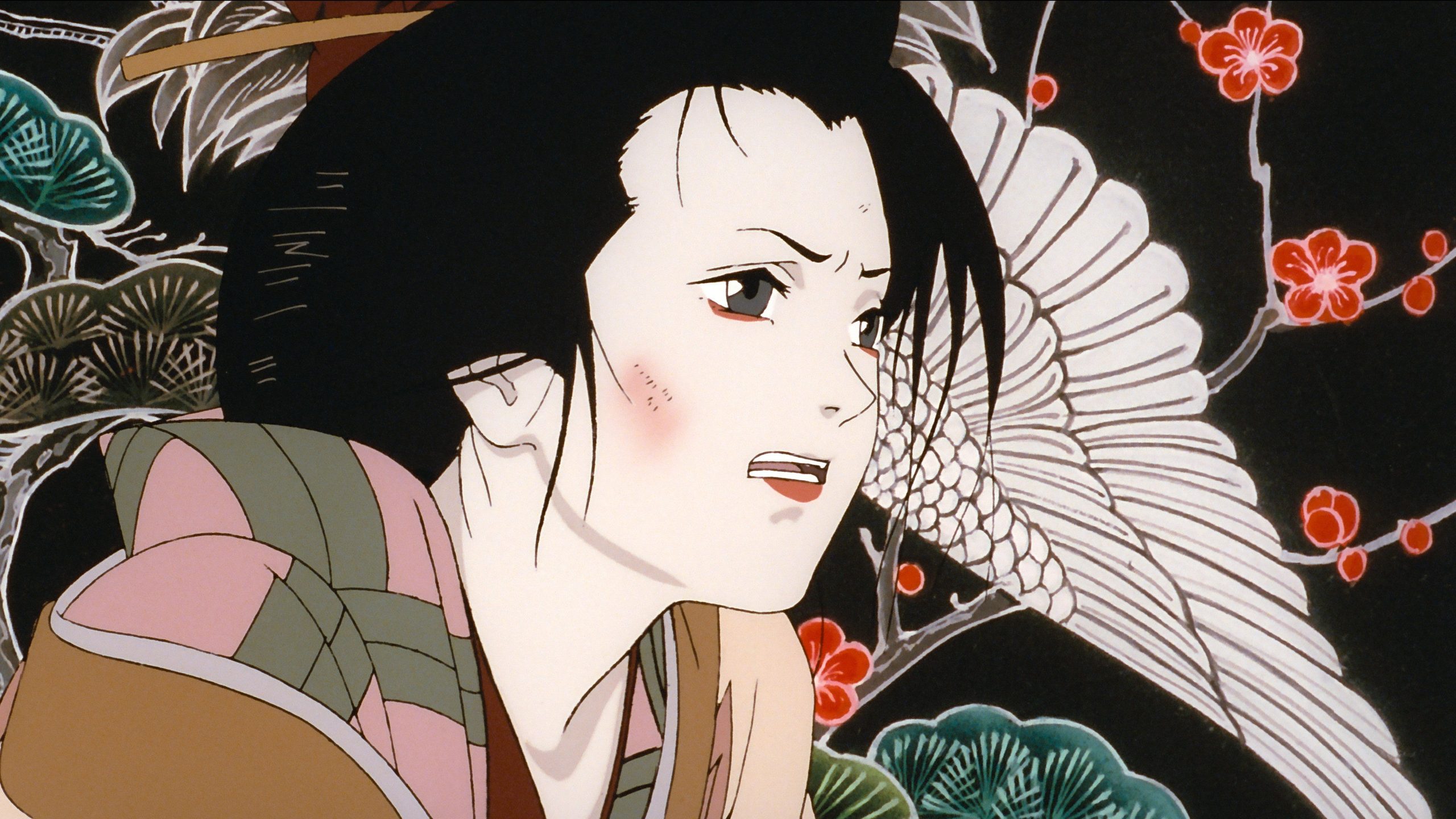
Tokyo. The Ginei film studio is being demolished, and documentary maker Genya Tachibana (Shozo Iizuka) has secured an interview with its most famous star, Chiyoko Fujiwara (Miyoko Shoji), who retired decades ago and has not been seen since. He arrives at her hillside house with a young cameraman, Kyouji Ida (Masaya Onosaka), and a gift: a small key she lost long ago. The key starts her talking. Her story begins in the 1930s, when as a schoolgirl (Fumiko Orikasa) she hides a wounded painter on the run from a policeman with a scar (Masane Tsukayama). The painter vanishes, leaving her the key. She joins Ginei to follow him to Manchuria. As she tells it, Tachibana and Ida find themselves standing inside the memory.

Fi1m review

Satoshi Kon follows a retired actress back through her life and her films, which turn out to be the same thing. It is fast, funny and finally more moving than we expected; its one flaw is that the man she chases is hardly there.

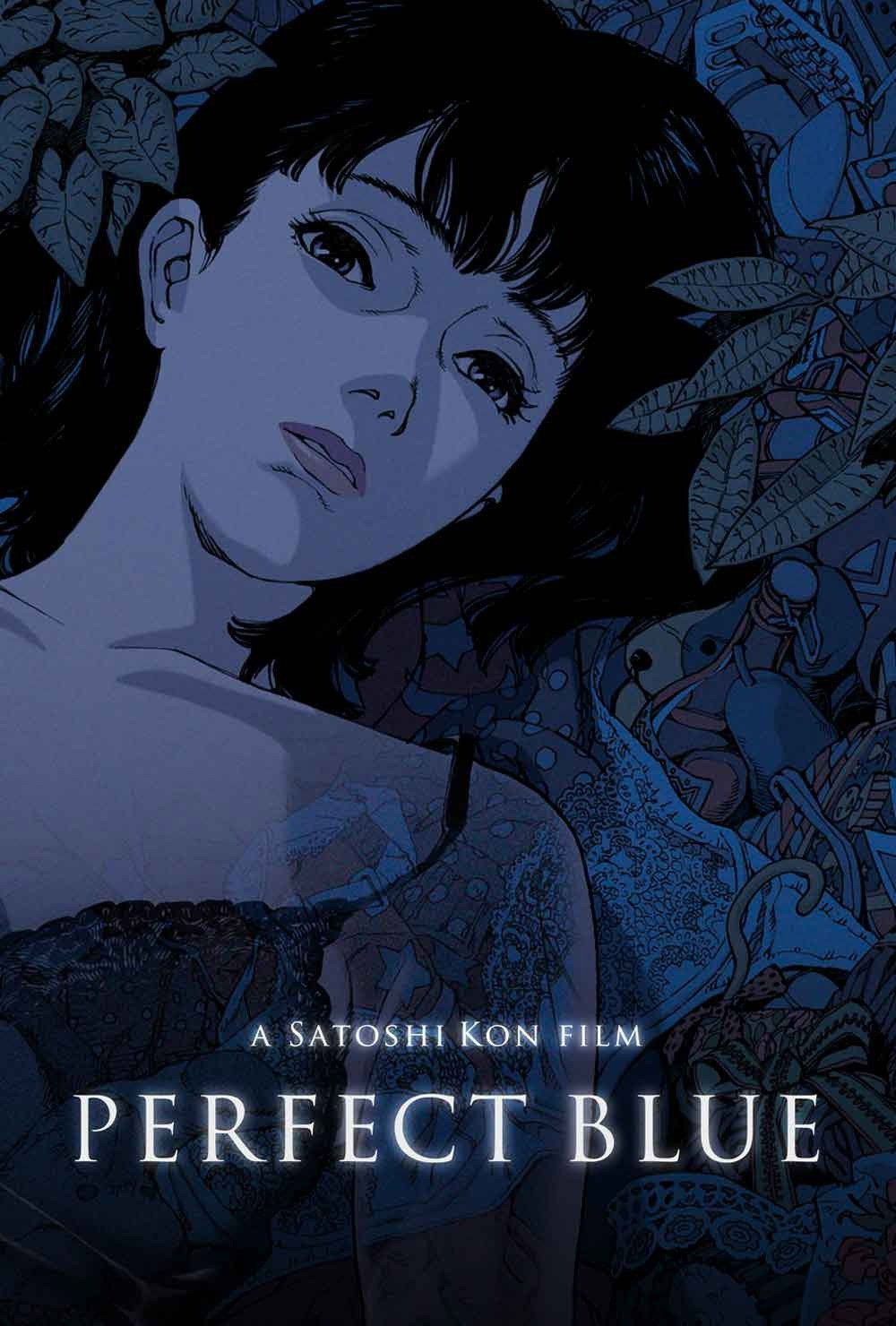
Chiyoko Fujiwara was the biggest star her studio ever had, and one day, at the height of it, she walked off the lot and was not seen again. Decades later Genya Tachibana (Shozo Iizuka), who makes documentaries and has adored her since he was a young man, turns up at her door with a cameraman and a small rusted key. She takes the key, she begins to talk, and within a minute the sitting room is gone. This is Satoshi Kon’s second feature, after Perfect Blue, and it is the better film: quicker, warmer, and built on one idea that it never lets go of. We recommend it, with a caveat about the hole in its middle.

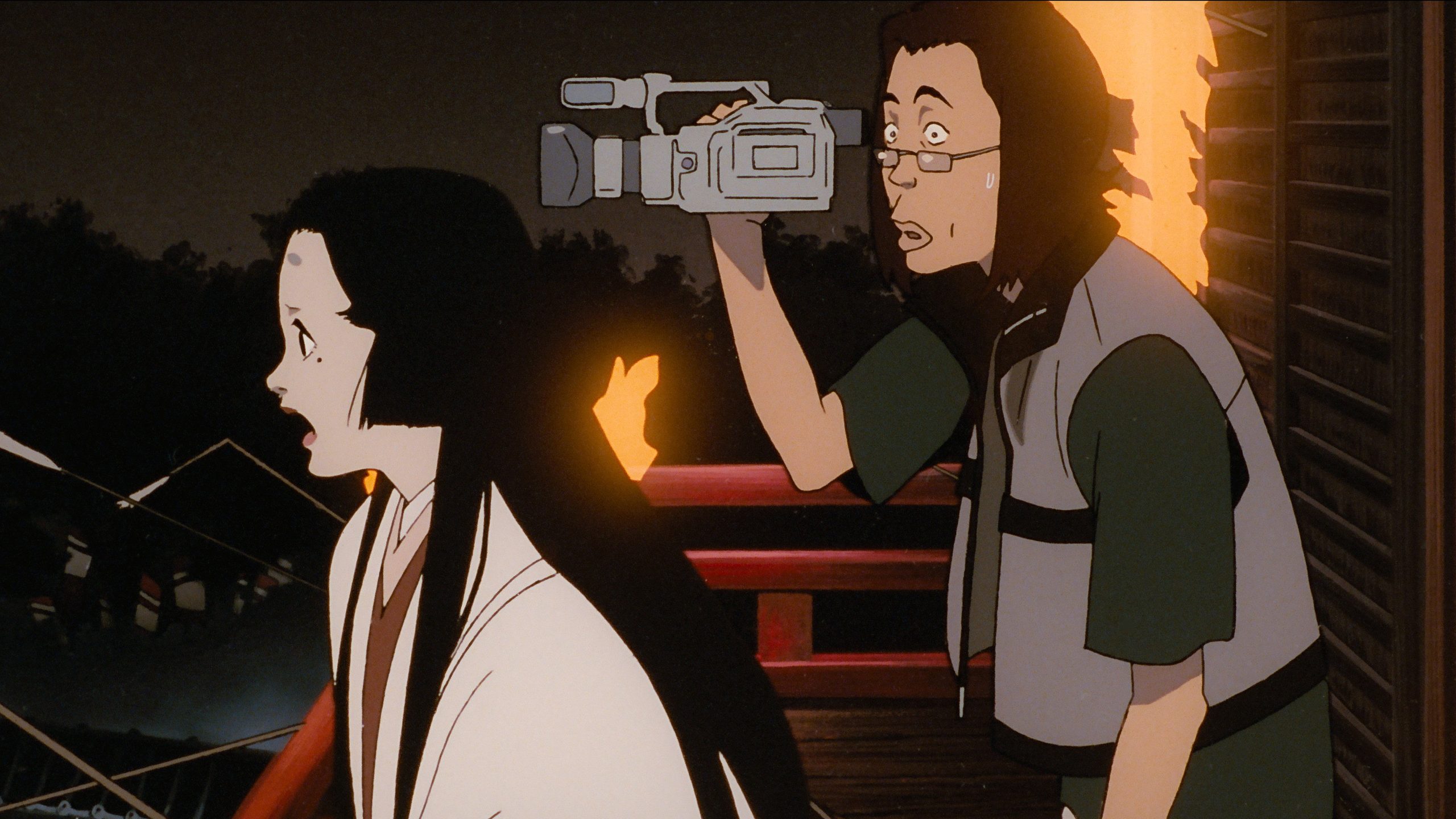
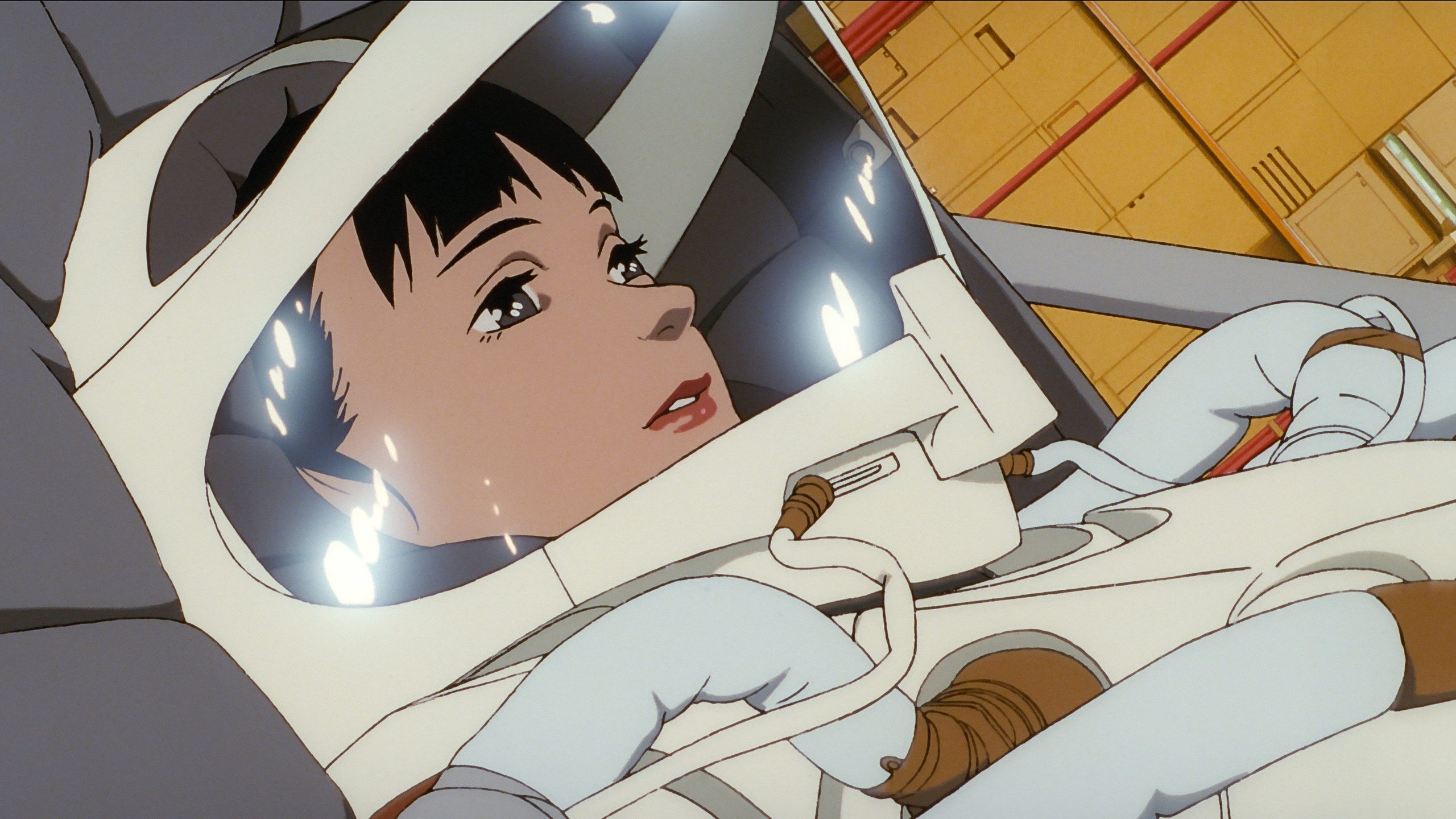
The idea is that Chiyoko’s life and Chiyoko’s films are the same story, told once. As a schoolgirl in 1930s Tokyo she shelters a wounded painter wanted by the police, he leaves her the key and vanishes, and she takes a contract with the Ginei studio because it is shooting in Manchuria and he might be there. From then on she runs after him, and every time she runs the century changes. She is a princess fleeing a burning castle, a girl on a bicycle while a monster flattens the city, a woman strapped into a rocket. Tachibana and his cameraman Ida (Masaya Onosaka) stand at the edge of each scene, filming it, and sometimes get pulled in. The first time she fell from a horse and landed on a railway platform we laughed out loud with pleasure. By the tenth cut we had stopped seeing the joins, which is Satoshi Terauchi’s editing doing exactly what it should.

Hisao Shirai’s photography keeps every era distinct so that the cuts register. The pre-war house is lamplight and brown wood, the castle is black and orange, the studio lot is a flat wet grey, and the snow she runs through late on is so white the figures look drawn on paper. Susumu Hirasawa’s score does the rest. It is synthesiser and drum, a pulse like feet on a road under a wordless chorus, and it returns whenever she starts to run, so that after a while you feel the music in your chest before the picture has changed.

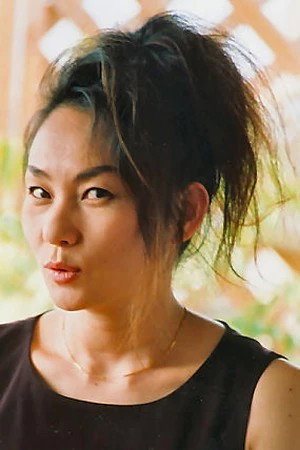
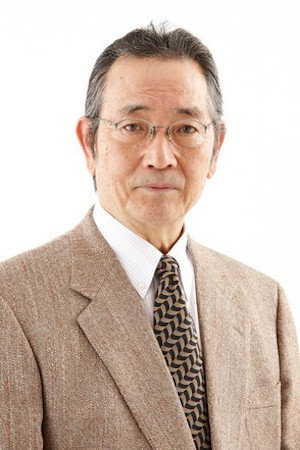
Three actresses voice her, and the handover happens inside scenes. Fumiko Orikasa plays the girl, breathless and stubborn; Mami Koyama the star, harder and more tired; Miyoko Shoji the old woman, amused at herself. We caught the join once. Iizuka gives Tachibana a large soft voice and a habit of weeping at his own memories, and the script, by Sadayuki Murai and Kon, lets him be ridiculous without making him a fool. Onosaka’s Ida asks the questions we were asking. Showko Tsuda’s Eiko Shimao, the studio’s established star, is the one person who tells Chiyoko a hard truth about what she is doing, and Masane Tsukayama’s scarred policeman, who turns up in every century with the same face and the same grudge, supplies the film’s small steady dread.

The hole is the painter. He is a silhouette, a voice, a hand passing a key, and Murai and Kon plainly want him that way: they want us to care about her running, not about him. But 87 minutes is a long time to care about a blank, and around the hour mark, when the film has run and cut and run again a few more times than it needs to, we noticed we were counting. Tachibana’s gushing wears thin in the same stretch. Most critics have not minded; we did, a little.

Kon used this slipping between the real and the imagined in Perfect Blue to frighten, and here he uses it for something kinder. You do not need to know the Japanese films Chiyoko’s roles are quoting; the samurai, the ghost and the rocket are understood at a glance. And then the last ten minutes arrive, and they moved us more than we had thought an 87-minute cartoon about a woman chasing a stranger could. We will not say how. It is done with a cut to somewhere we did not expect, and it turns the whole film on a single line.

Watch it in one sitting and do not pause. Kon does not, and the film is short enough that you will not want to.
Critical consensus AI synthesised

82
Positive
7
Mixed
0
Negative
0

The reviews are uniformly favourable; all seven land on the positive side. Praise clusters on Satoshi Kon’s handling of the shifts between an actress’s life and the films she appears in, with most critics singling out how history, fantasy and memory run into one another across Japanese film genres without the story losing its thread. The animation itself draws admiration for its fluidity and its transitions between scenes; several reviewers treat the film as a tribute to Japanese cinema, and more than one finds it romantic and gentle rather than merely clever.

Reservations are mild and cluster on pacing and tone. The AV Club finds it melodramatic and at times disjointed, and Variety, writing from a festival screening, feels the invention flags after the first hour. The spread is narrow, from good to strong, with no dissenters; the disagreement is about how far the film’s playfulness sustains itself, not about whether it is worth watching.

Slant Magazine
14 December 2019 · Ed Gonzalez
90*

Satoshi Kon’s landmark anime is a radical, Mulholland Drive-like work that masterfully blurs reality and fantasy through meta-cinematic conceits, a sweeping love poem to cinema itself, and Chiyoko’s eternal romantic quest across history and film genres. The review praises its infinite genius in palette, transitions, emotional depth, and the new 4K restoration that highlights its beauty.

Read the full review →
The New York Times
12 September 2003 · Critic’s Pick · A. O. Scott
90*

The critic praises the film's sweeping, beautifully drawn blend of fantasy and history as a love letter to post-WWII Japanese cinema. He highlights its mythic dimension through the actress's intertwined personal quest and on-screen roles across eras.

Read the full review →
The Times
1 October 2005 · Ed Potton
90*

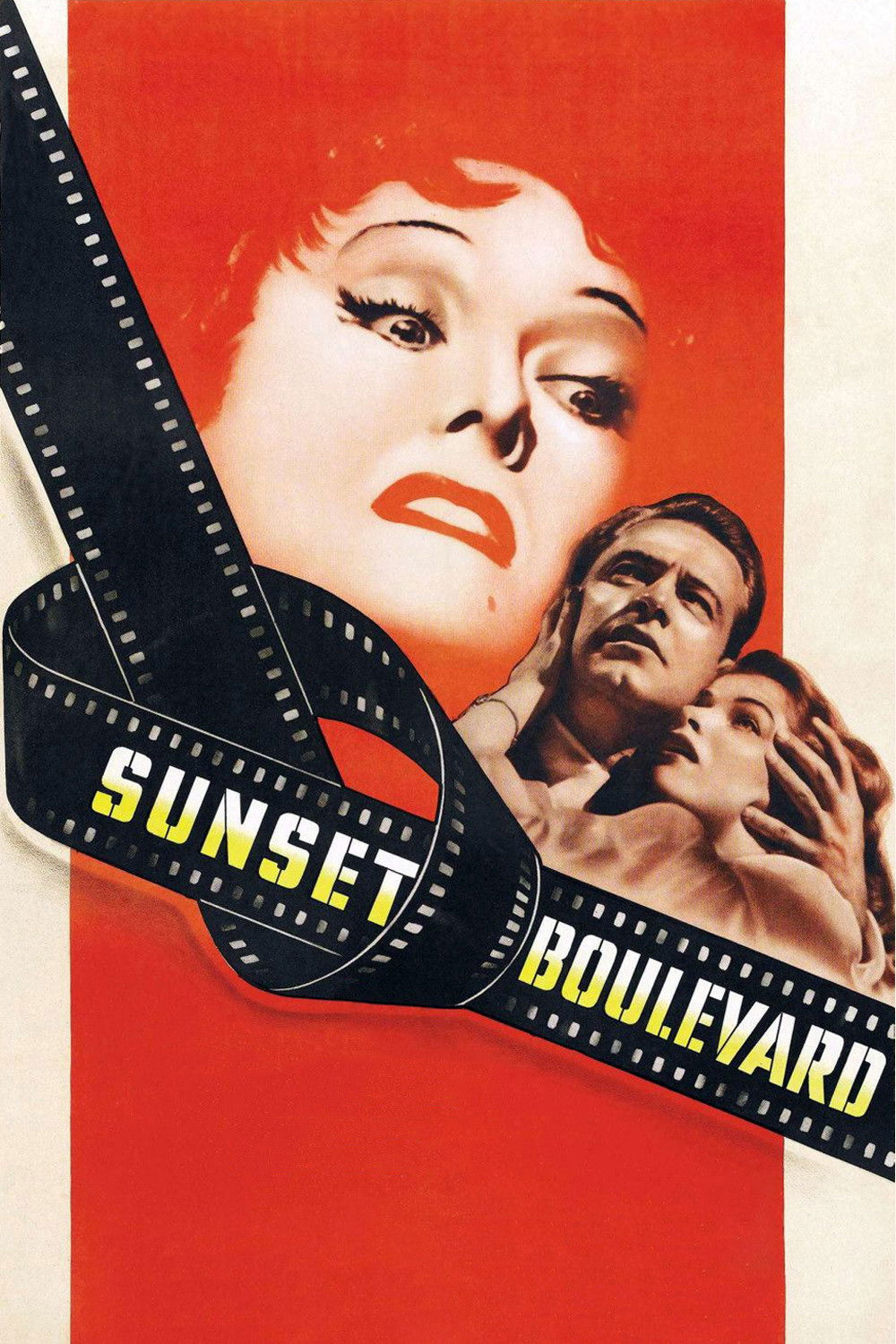
The critic calls it another absorbing yarn from Kon that makes full use of animation’s narrative as well as visual possibilities. It praises the swirling kaleidoscope of history and fantasy rooted in Japanese culture, with hints of Sunset Boulevard, and finds the voyage beguiling to the end.

Read the full review →
Little White Lies
25 January 2021 · Kambole Campbell
85*

The critic praises Satoshi Kon’s film as a gentle, romantic meditation on cinema, memory and identity that turns the reality-bending style of Perfect Blue into something beautiful. It singles out the fluid animation and homages to Japanese film history for making the story of an actress’s life feel spiritually timeless.

Read the full review →
Los Angeles Times
12 September 2003 · Kenneth Turan
80*

The critic commends the inventive shredding of space and time in this animated feature, where past, present, fantasy, and reality merge through the documentary framing of a legendary actress's life and films. He singles out its visual legerdemain and rumination on movies' place in personal and collective memory as fascinating.

Read the full review →
The AV Club
9 September 2003 · Tasha Robinson
70*

Kon’s follow-up to Perfect Blue is more technically ambitious and sophisticated in its exploration of truth versus fiction and art’s blurring of reality, following an aging actress whose life story merges with her film roles across Japanese history in a meta love story and homage to cinema. The film is a visual feast and mental gymnastics routine with warm sentimental charm, humor, and powerful emotions despite its melodramatic and occasionally disjointed qualities.

Read the full review →

Cast

Awards

Animation Kobe Theatrical Film Award, 2003

Won
Animation Kobe Theatrical Film Award

Annie Award for Best Animated Feature, 2003

Nominated
Annie Award for Best Animated Feature

If you liked this, try…