Film review

Perfect Blue

1998 · Directed by Satoshi Kon · 1h 21m · MPA R

In a sentenceEighty-one minutes of wishing everyone would leave that poor woman alone

AnimationThriller

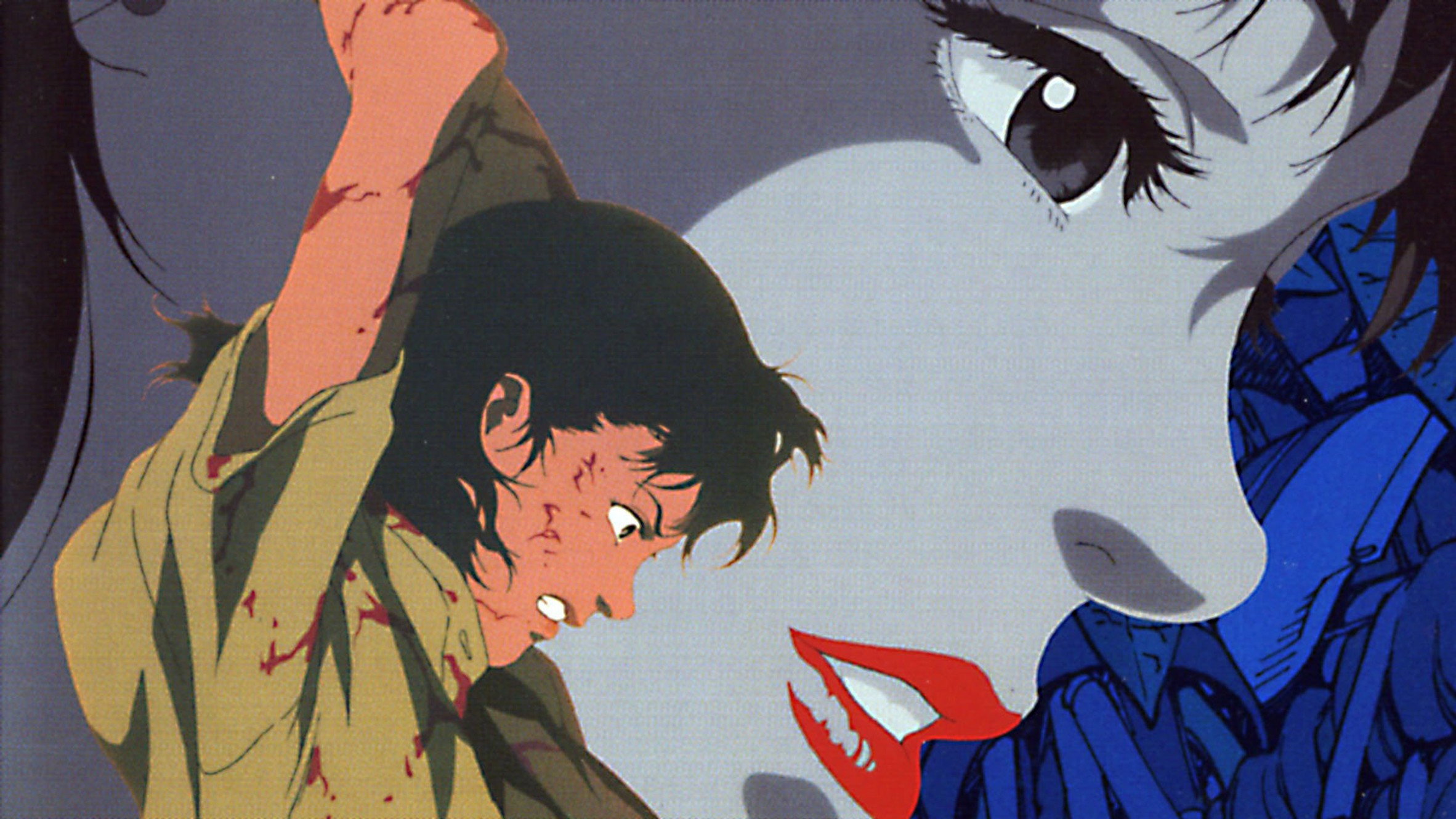
Mima Kirigoe (voiced by Junko Iwao) leaves her pop group to pursue acting. The change brings a different kind of attention, and a stalker makes her attempt to move on increasingly threatening. As her public image becomes harder to separate from her private life, she struggles to trust her own perceptions. Satoshi Kon directs this animated psychological thriller about a performer caught between the person she knows herself to be and the versions others want to see. Rica Matsumoto voices Rumi, with Shiho Niiyama as Rei and Masaaki Okura as Mamoru Uchida.

Plays from YouTube when you press play; nothing loads from them until then.

Fi1m review

Satoshi Kon’s animated thriller makes the scrutiny of a pop star feel frighteningly intimate. We recommend it for its sharp account of fame and its disorienting images, with reservations about the final explanation.

Leaving a pop group for acting ought to be a career decision. In Perfect Blue, it gives other people an excuse to claim a say in who Mima Kirigoe is allowed to become. Satoshi Kon makes a frightening, tightly controlled thriller out of that presumption, even when the story starts to resist a tidy explanation. At 81 minutes, it has little patience for easing us into danger. Its subject is the entitlement that can turn admiration into surveillance.

Junko Iwao voices Mima with a vulnerability that makes the uncertainty painful rather than merely intriguing. The performance gives us someone to worry about while Kon makes it harder to know which images deserve our confidence. We can follow the wish to start a different working life even when we cannot follow every change in perception. That simple wish keeps the film close to a person whose distress could easily have become an excuse for elaborate tricks.

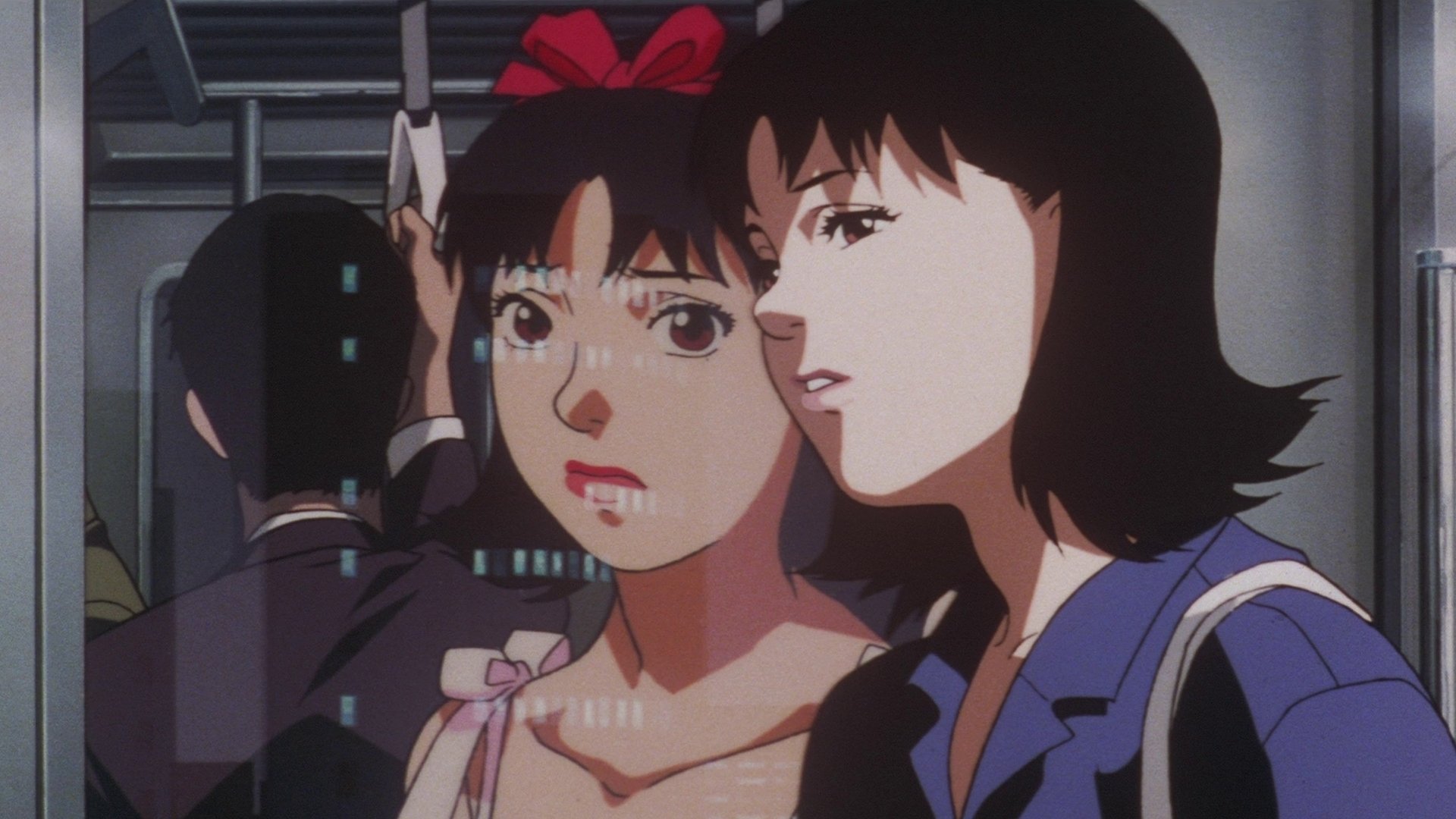
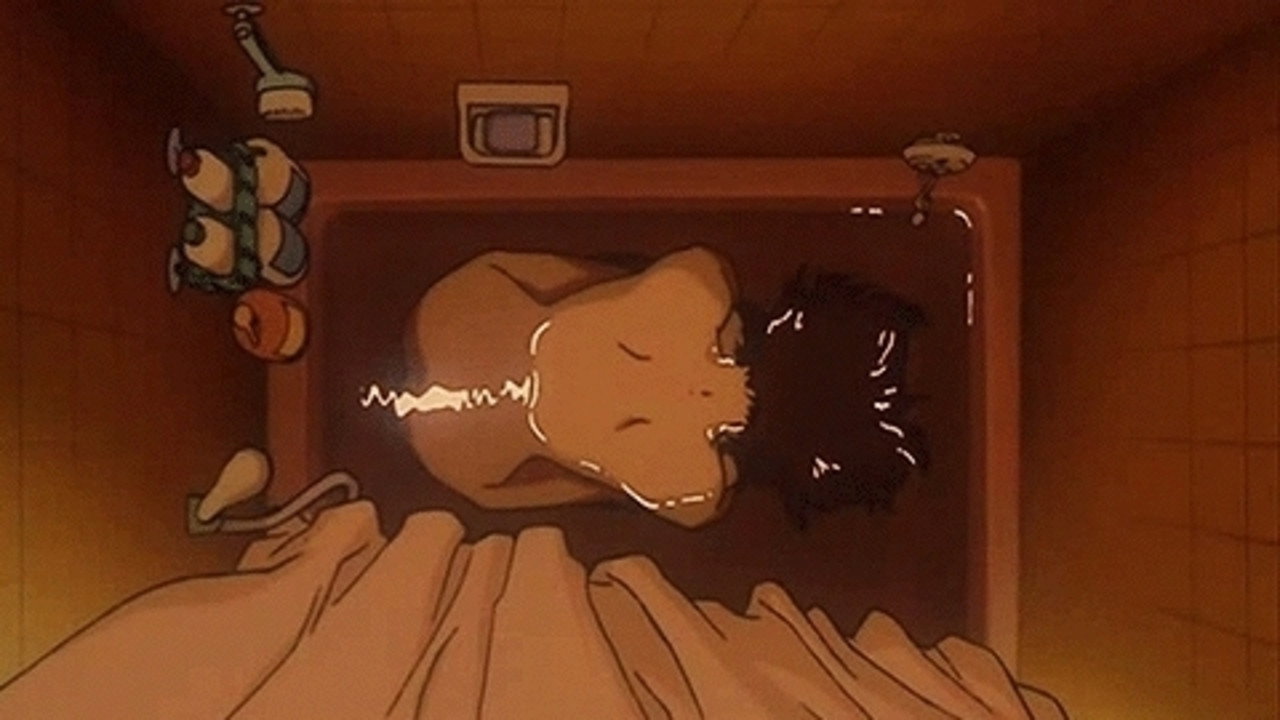
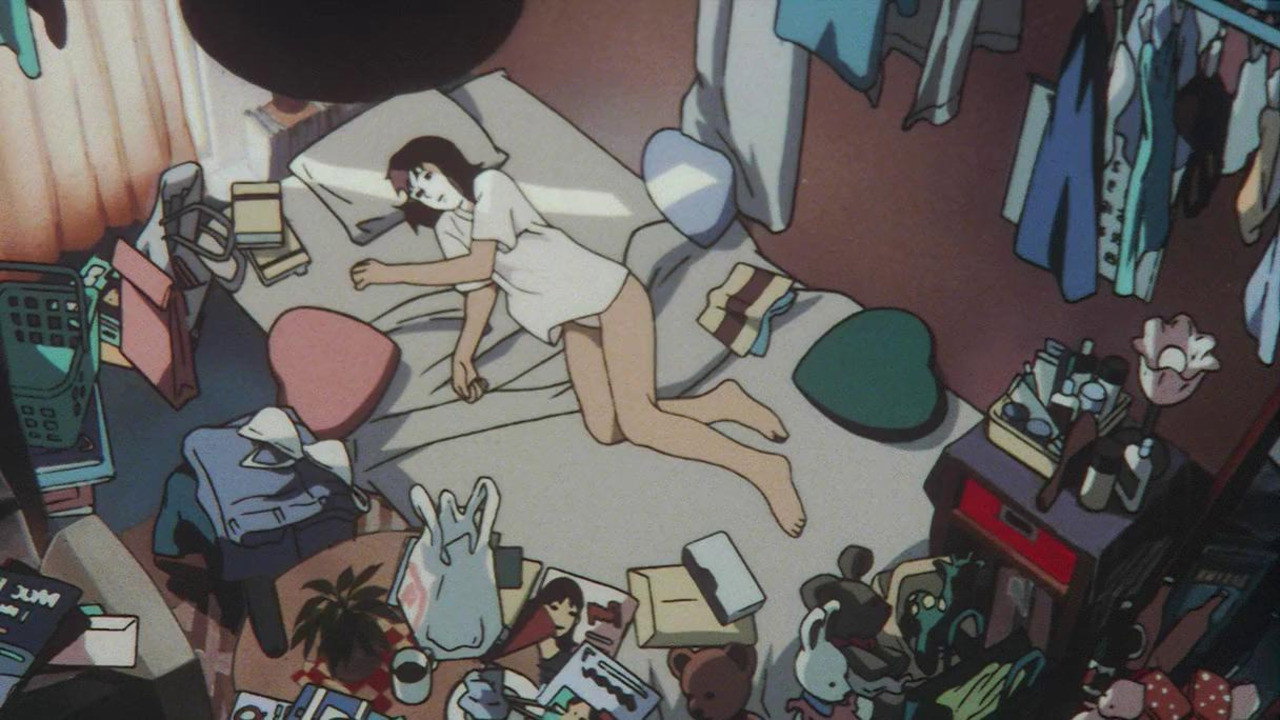
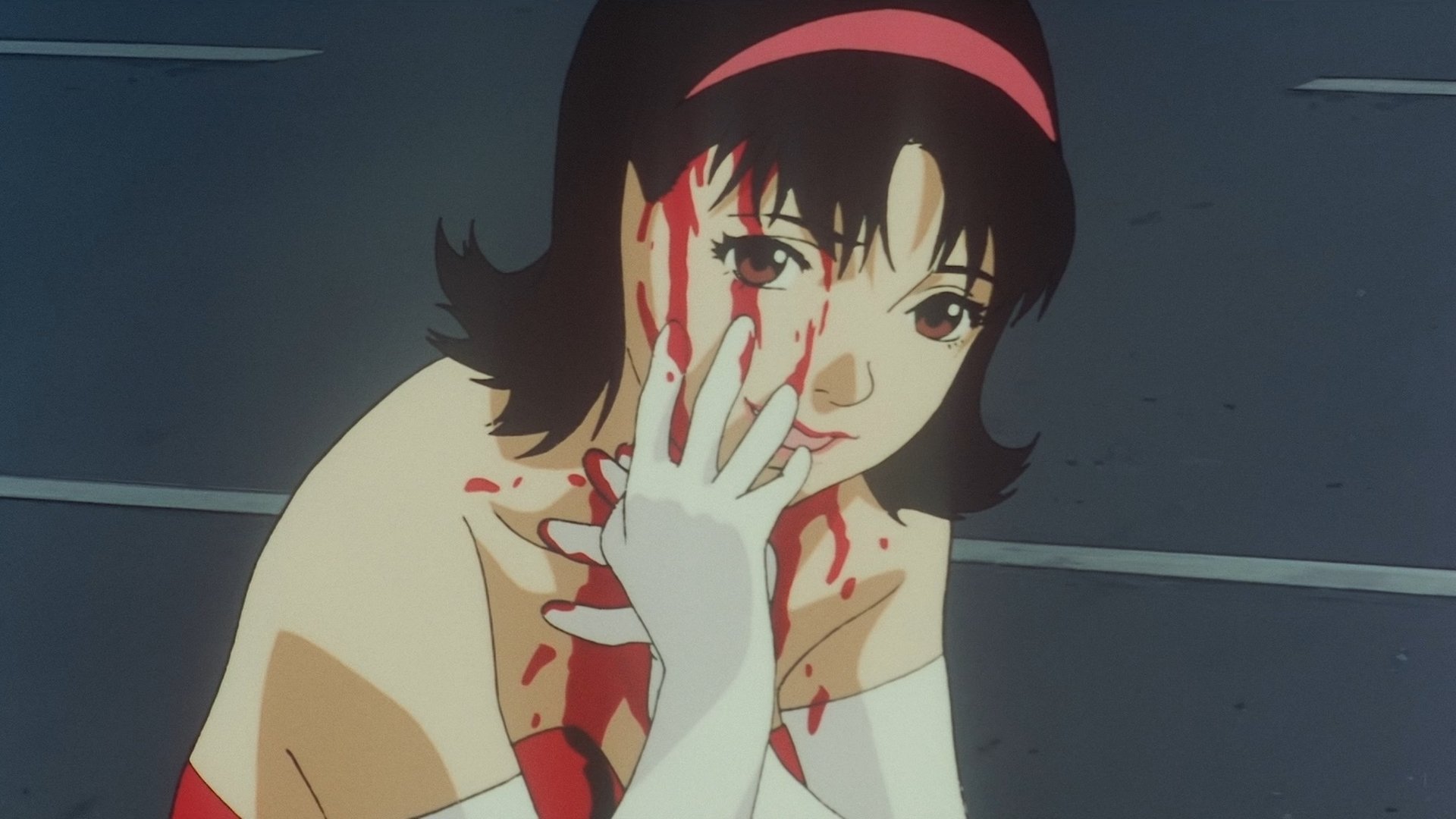
Hisao Shirai’s cinematography uses reflections, tilted views and uncomfortably close faces to make watching feel intrusive. We felt cornered. The close-ups did it: Mima is already being watched by people who think they know her, and these images make it difficult to keep a comfortable distance ourselves. Animation lets the film disturb our bearings without announcing a clean break from ordinary surroundings. Kon makes that uncertainty frightening because the person caught inside it still needs to get on with her life.

Editor Harutoshi Ogata keeps the shifts between perception and imagination difficult to anticipate. We repeatedly find ourselves accepting an image before we have had time to question where it belongs. Masahiro Ikumi’s music adds pressure, though the drawings are quite capable of making us uneasy without assistance. The cutting denies us the pause in which we might decide we are safely outside Mima’s confusion. Following these shifts takes concentration, and the film makes good use of the effort it demands.

Sadayuki Murai’s screenplay is shrewd about the awkwardness of a performer changing the terms on which she is known. The pop career matters because it explains why Mima’s image seems to belong to everyone except Mima. That gives the familiar woman-in-danger thriller something specific to worry about. The internet gives that unwanted attention another way into her life. Kon understands how frightening it can be to have strangers take a close interest in your decisions, especially when they believe they should be making them.

The reservation is the attempt to make the confusion add up. Murai’s dialogue can be blunt, and the eventual explanation asks for more belief than the film has earned. We will not describe it, but Kon presses for certainty after being so persuasive about Mima’s inability to find any. It is a familiar weakness in psychological thrillers, and it stands out here because the watching, the unwanted attention and the fear have all been convincing.

For anyone who likes psychological thrillers, it is worth accepting that weakness. Kon takes the old stalker story seriously enough to ask what the watcher thinks he owns, and keeps Mima’s distress in view. Give it your full attention, and leave yourself something quieter to do afterwards.

Critical consensus AI synthesised

76
Positive
5
Mixed
1
Negative
0

Most critics respond warmly to Perfect Blue as a psychological thriller whose animation makes its treatment of celebrity, obsession and fractured identity more unsettling. Praise clusters around the disorienting visuals: reflections, distorted angles and shifts between reality and imagination draw the viewer into the protagonist’s paranoia. The reviews also value its scrutiny of the pop industry and fan culture, finding cultural insight alongside the suspense rather than treating the film simply as an exercise in menace.

The differences concern how well that disorientation serves the story, with responses ranging from enthusiasm to qualified interest. Several reviews find the ending predictable or unconvincing, even when they admire what precedes it. Radio Times argues that the later dream sequences muddy the conclusion, while Variety finds the tension middling and some elements underdeveloped. The consensus is warmer about the film’s visual invention and handling of fame than about the mechanics of its thriller plot.

Empire
11 February 2000 · Kim Newman
85*

The critic finds this striking anime far removed from typical noisy genre fare, delivering a story that could work in live action while using animation for unique effects. It is praised as scary, funny, poignant and thoughtful, with thriller set-pieces ranking with the best of De Palma or Argento, and singled out for its insightful look into the life of a Japanese media sensation.

Read the full review →
Sight and Sound
· Jonathan Romney
80*

The critic finds Perfect Blue a delirious and culturally astute invention that explores fame, fan obsession and the blurring of reality through a doppelgänger nightmare. It singles out the film's complex structure of dreams and psychosis, along with its critique of media and internet fame, for praise.

Read the full review →
Time Out
27 March 2014 · TR
70*

The review describes the film as an effective woman-in-peril psycho-thriller and critique of Japan's pop culture system that follows Repulsion into grown-up themes of self and persona. It notes that the denouement is unsurprising but praises its best moments as both culturally insightful and thrilling.

Read the full review →
Radio Times
★★★ · David Parkinson
60

The critic calls it an impressive breakthrough study of psychological decline and the transience of fame, with atmospheric visuals that mirror the protagonist's paranoia. It singles out the ambitious visuals and drawing for praise but complains that later dream sequences muddle the unconvincing ending.

Read the full review →
The Guardian
25 October 2017

Satoshi Kon’s 1997 exploitation movie about an ex-pop star and her stalker still packs a punch, but certain scenes are extra uncomfortable in the Weinstein era. The action is wrapped up with a slightly ridiculous reveal, which doesn’t quite make sense on its own terms, but Perfect Blue has its own kind of cult pungency.

Read the full review →
The New York Times
20 August 1999 · Anita Gates

The critic describes the film as a peculiar example of Japanese animation with a plot about a pop idol leaving her group for acting, leading to stalking, murders, and identity confusion. She notes flashes of narrative skill but criticizes the banal dialogue and concludes it eventually becomes an interesting play on levels and perceptions of reality.

Read the full review →

Cast

Stills

If you liked this, try…

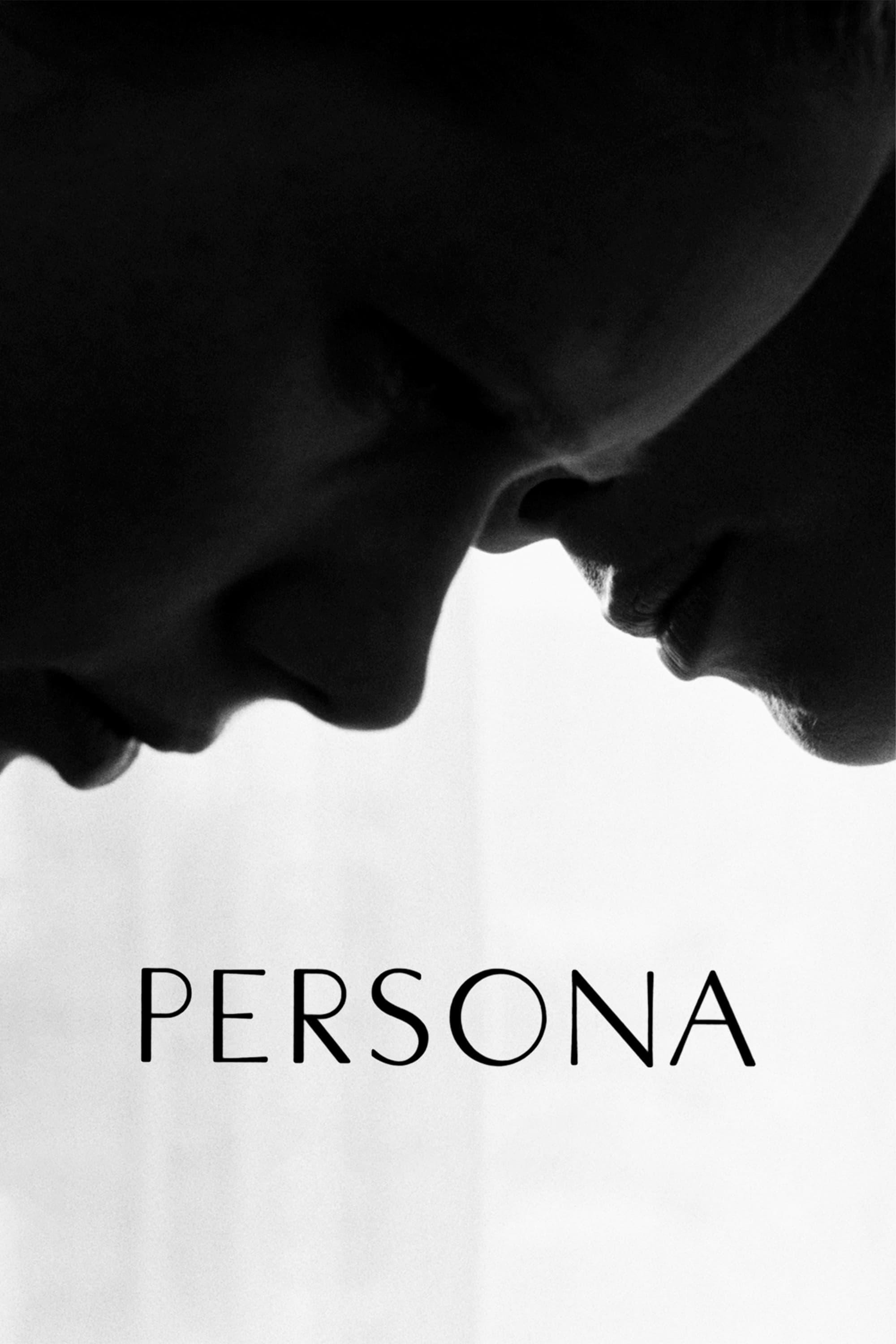
Persona poster

Persona

1966 · Another performer’s crisis, with faces carrying more uncertainty than words can resolve.

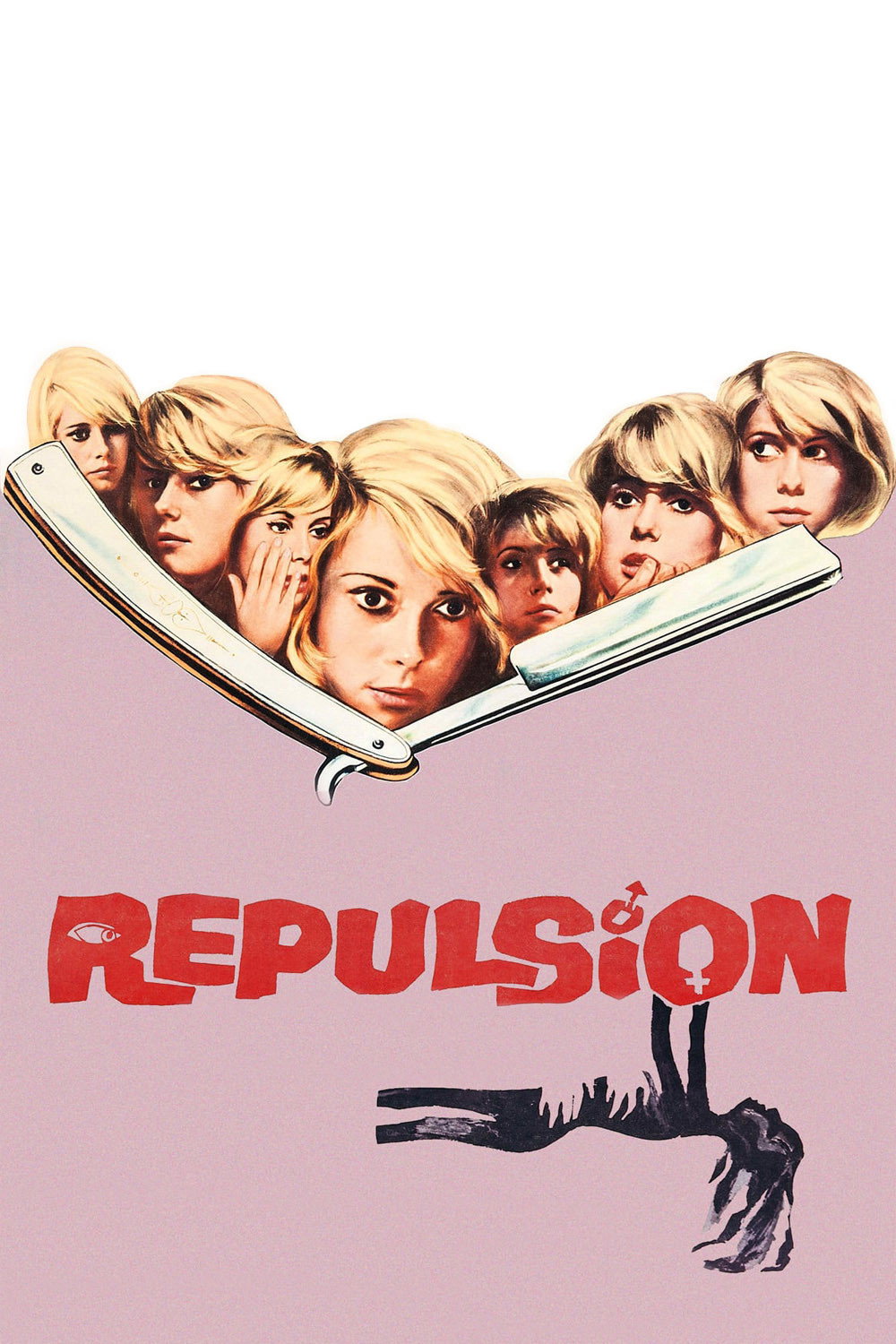
Repulsion poster

Repulsion

1965 · For another close, disturbing account of a woman losing confidence in reality.

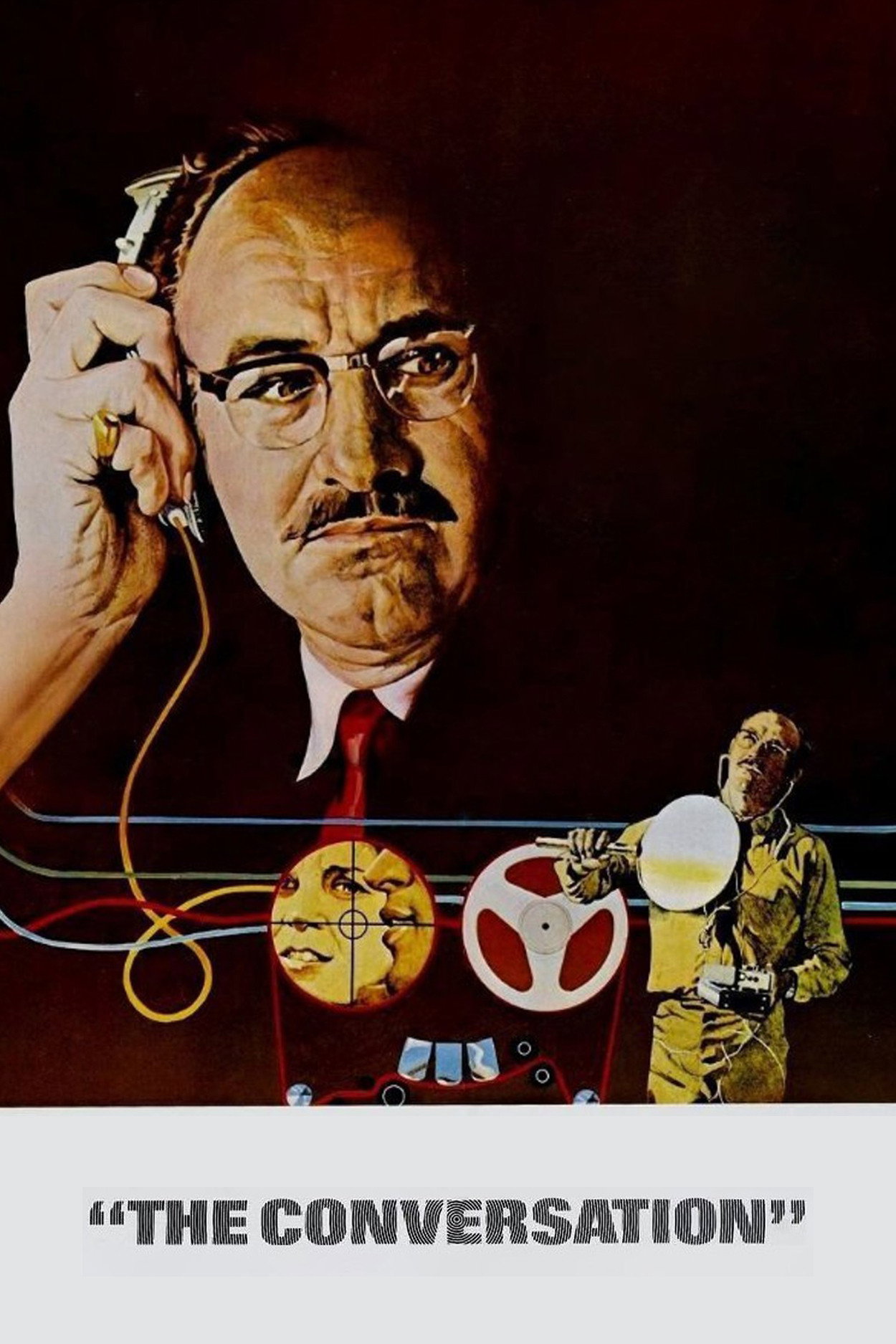
The Conversation poster

The Conversation

1974 · Surveillance becomes a private torment, with sound doing much of the frightening work.

Paprika poster

Paprika

2006 · Kon gives dreams more room to misbehave, with animation constantly upsetting our bearings.

Black Swan poster

Black Swan

2010 · Another performer faces impossible expectations while the thriller makes her perceptions unreliable.