Film review

Black Swan

2010 · Directed by Darren Aronofsky · 1h 48m · MPA R

In a sentenceBallet is hard enough without having to worry about the mirrors

DramaThrillerHorror

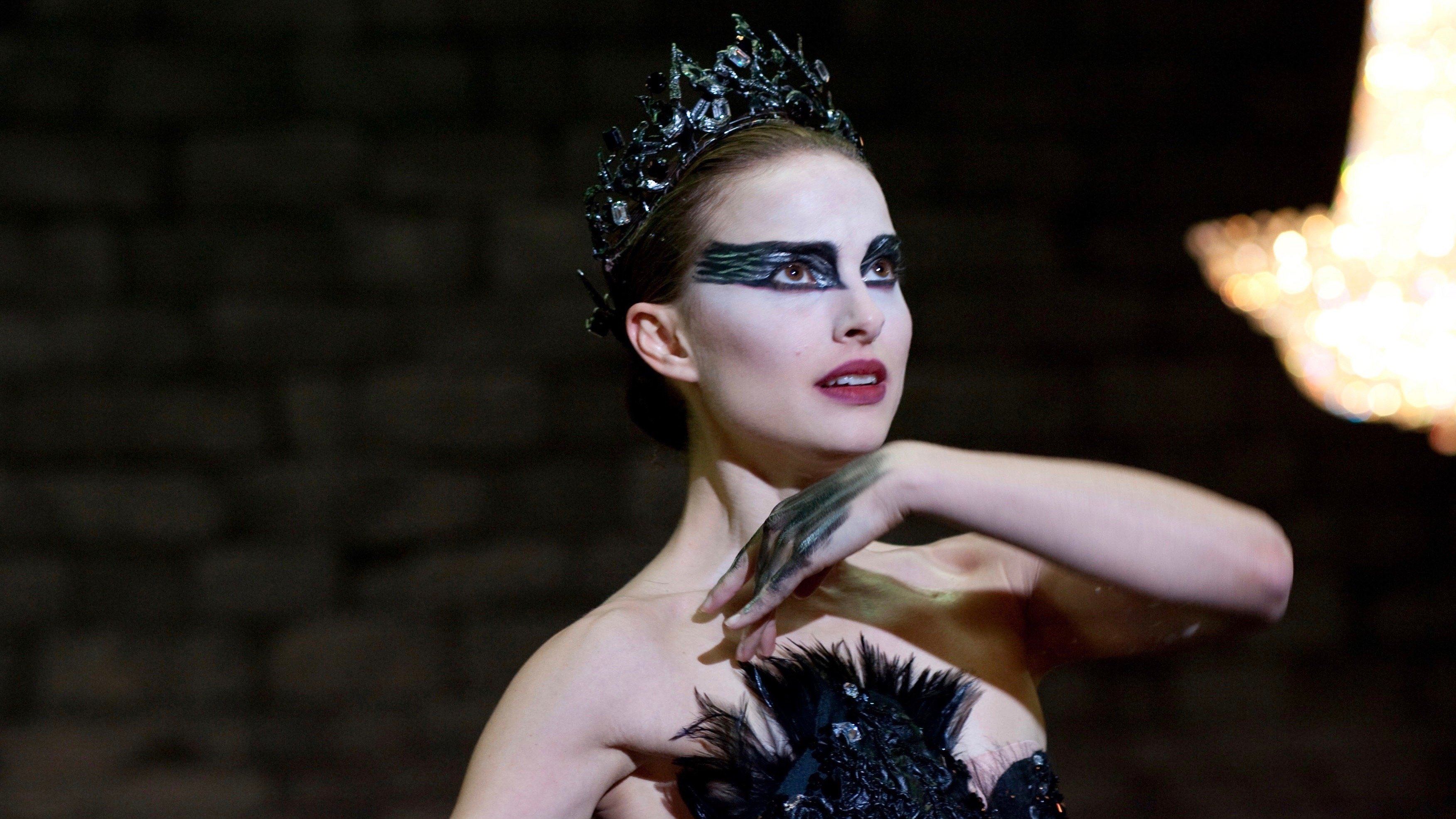
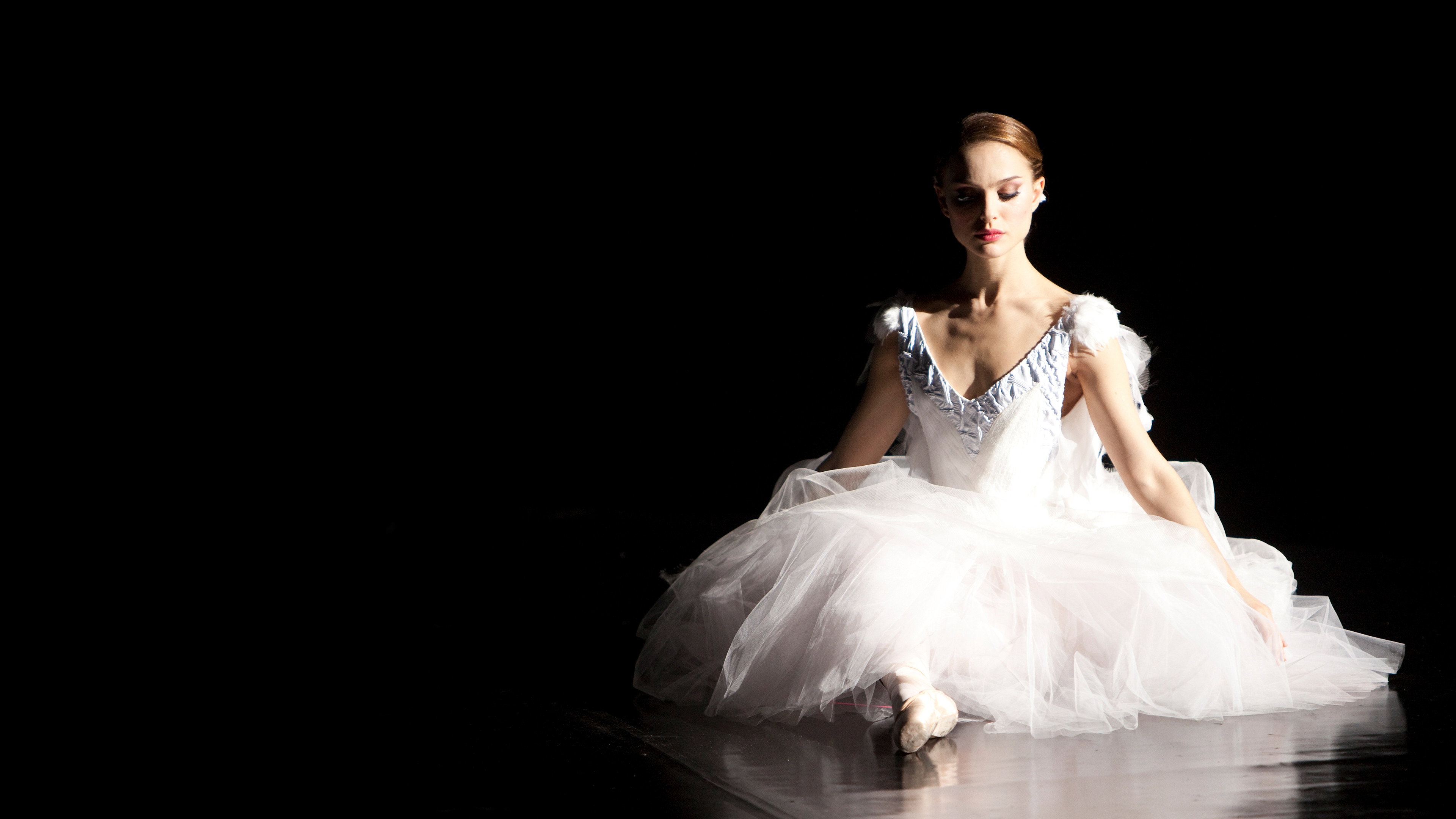
Natalie Portman plays Nina Sayers, a ballerina whose pursuit of perfection begins to threaten her hold on reality. The demands of performance become entangled with sexual anxiety and pressure from her mother, Erica (Barbara Hershey). Mila Kunis plays Lily, alongside Vincent Cassel as Thomas Leroy and Winona Ryder as Beth Macintyre. In Darren Aronofsky’s drama, ballet provides the setting for a story of ambition, bodily strain and growing paranoia. Nina tries to control both her body and her mind, while finding it harder to judge the people around her and to separate her fears from what is happening.

Plays from YouTube when you press play; nothing loads from them until then.

Fi1m review

Darren Aronofsky’s ballet horror is gripping, sometimes crude and difficult to shake off. Natalie Portman makes its obsession with perfection hurt, even when the writing gives the people around her too little life of their own.

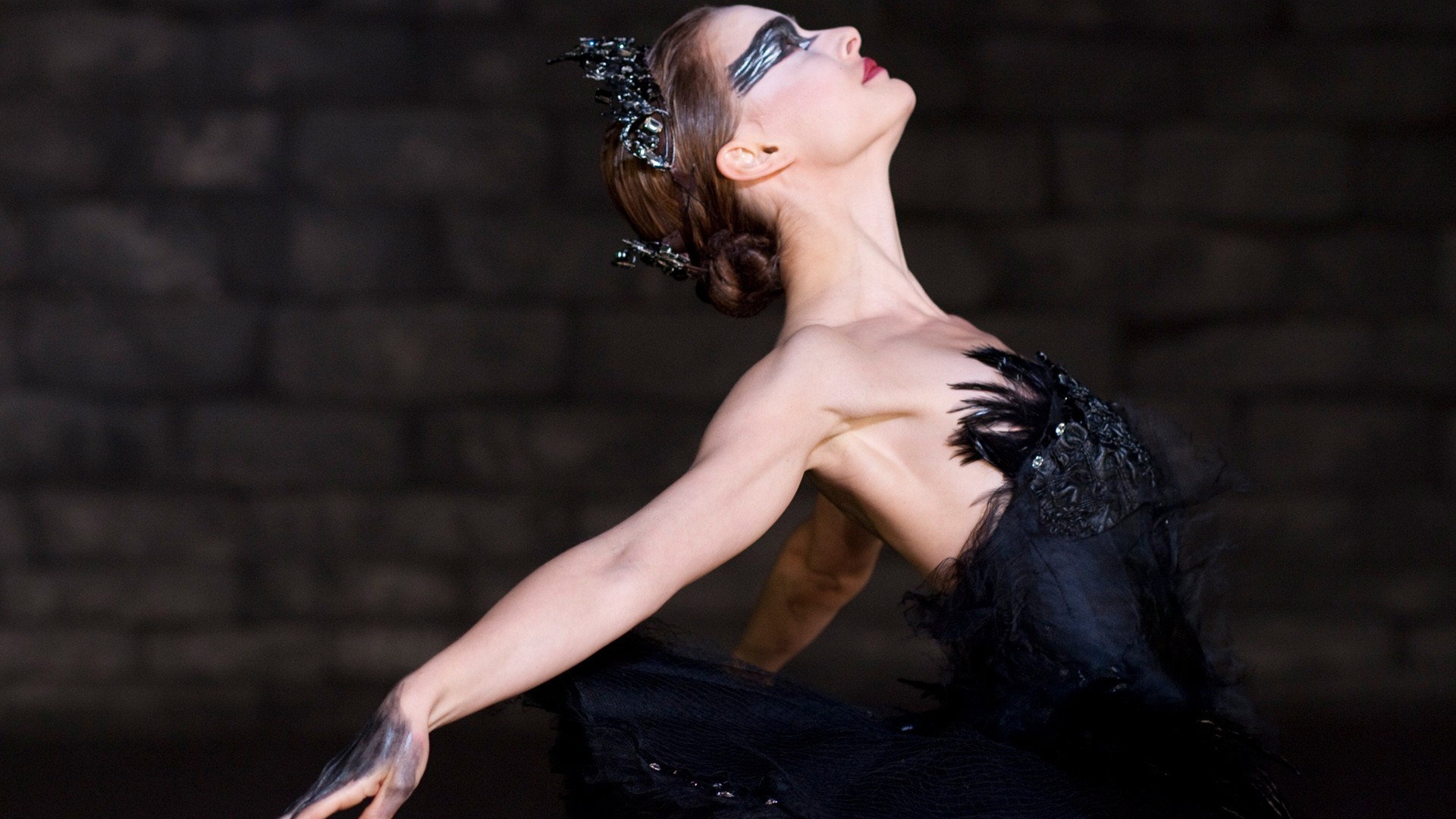
Darren Aronofsky treats ballet as a frightening occupation, and Black Swan is a gripping horror film despite some blunt psychology. His interest is in the discipline that can turn a desire to dance well into a fear of being anything less than perfect. Natalie Portman’s Nina Sayers gives that fear a human scale, even as the film becomes more extravagant around her. The excess mostly works because her distress never feels casual.

Portman plays Nina’s repression with enough physical strain to make the pursuit of perfection look exhausting. She keeps the dancer’s ambition understandable, allowing us to recognise the desire to do good work even as Nina’s demands on herself become frightening. We flinched at the blood, because Portman had already made Nina seem painfully vulnerable. That is why the bodily horror gets to us; there is a frightened person here, and the film does not let us forget her.

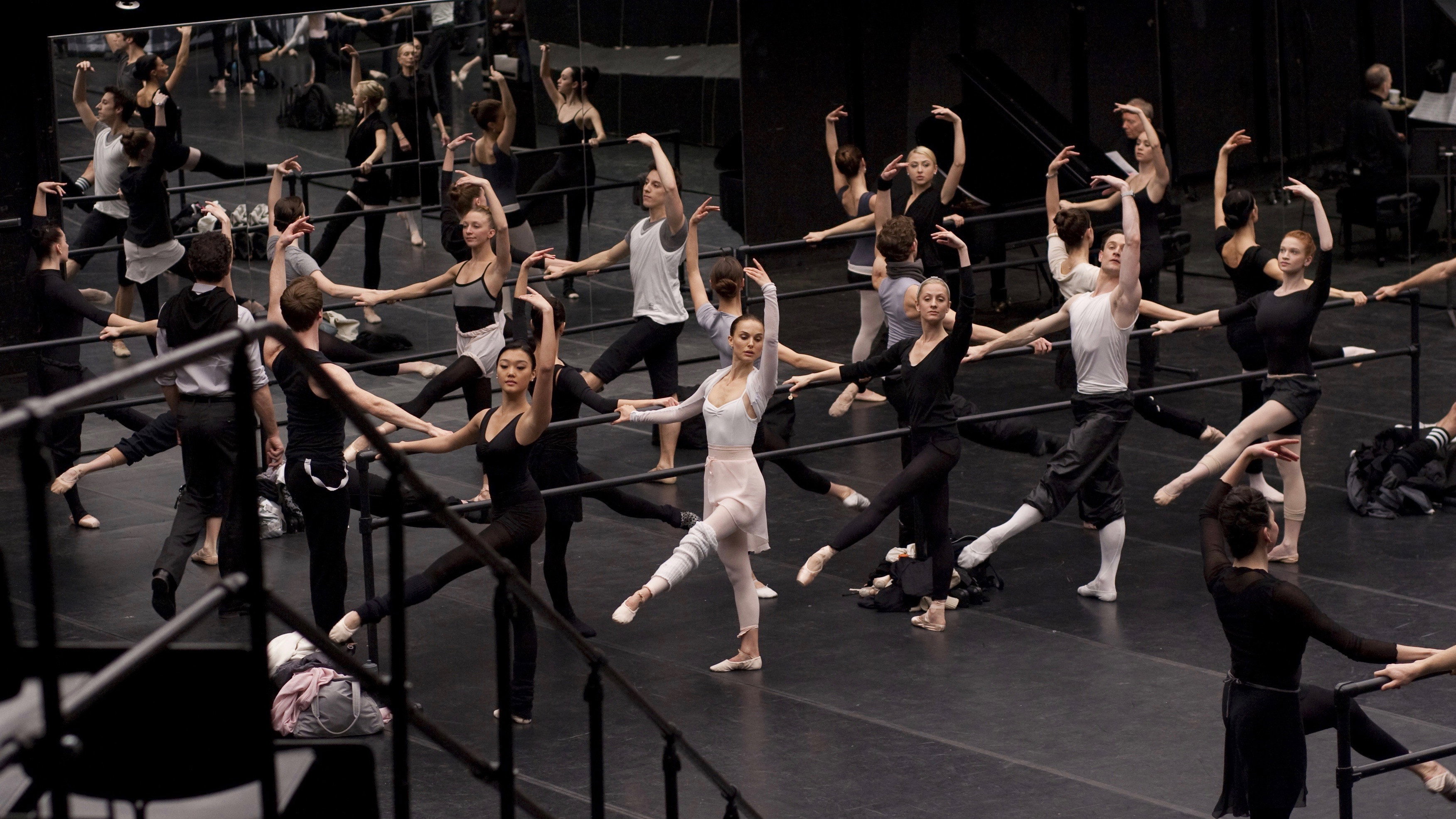
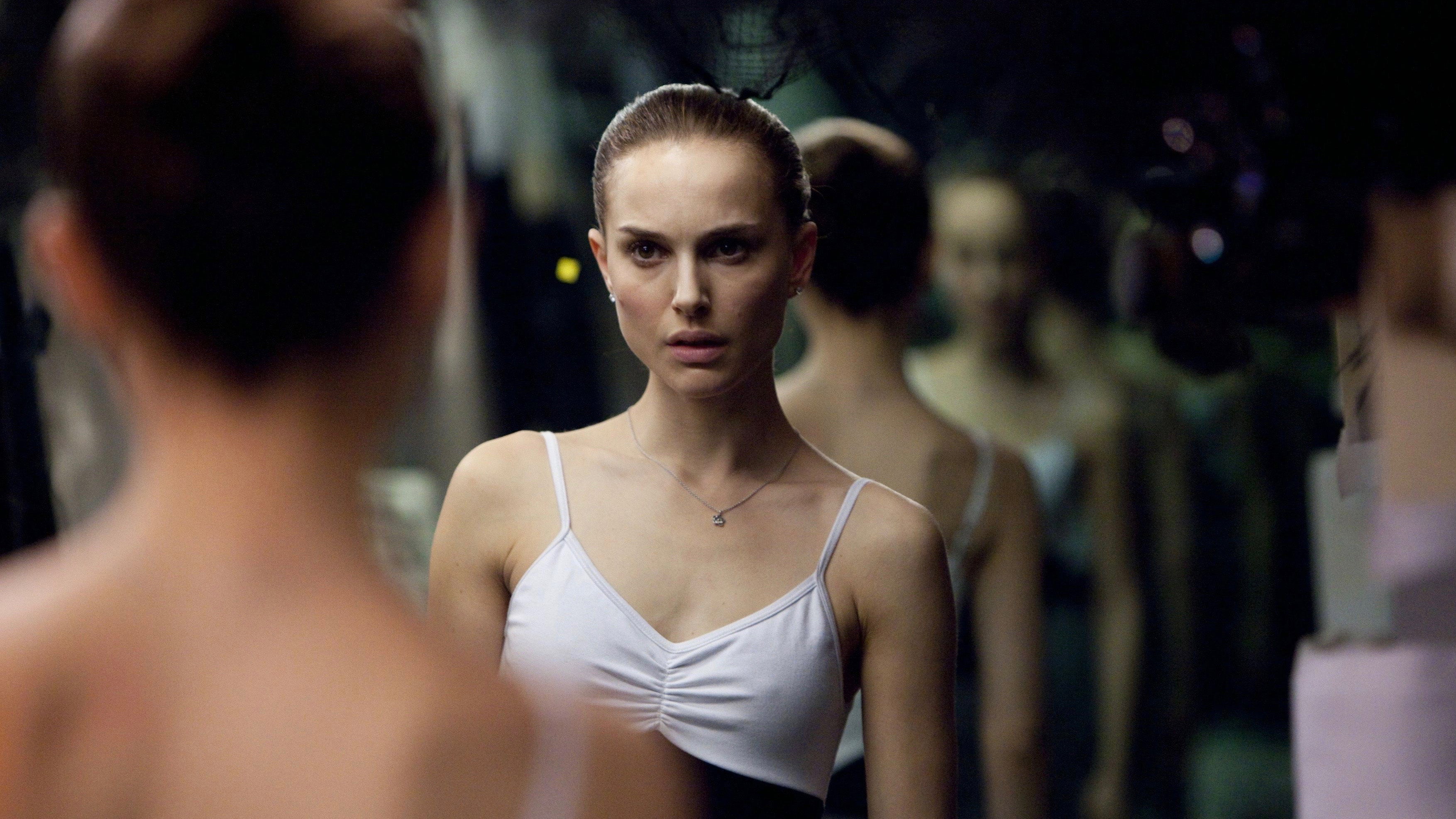
Matthew Libatique’s cinematography and Thérèse DePrez’s production design make the mirrored ballet surroundings feel oppressive. Nina’s self-scrutiny is already relentless, and multiplying her image gives that anxiety a visible, simple expression. We are made to look at her looking, until the ordinary business of checking a dancer’s body begins to feel unhealthy. It is hardly discreet symbolism, and its repetition sometimes feels excessive, but it keeps Nina’s discomfort in view.

Andrew Weisblum’s editing helps the mounting panic carry us past some shaky connections between events. There are moments when a little time to think would expose the contrivance, and the film is wise enough to keep pressing forward. Clint Mansell’s score adds to that pressure, giving the melodrama the force it needs without making it any more plausible. The insistence can be tiring, but a restrained accompaniment would scarcely suit a film so committed to making obsession physically uncomfortable.

The screenplay by John J. McLaughlin, Andres Heinz and Mark Heyman is less persuasive about anyone outside Nina. Barbara Hershey makes Erica’s suffocating motherhood disturbing, though the writing gives her little else to do. The supporting characters are drawn so broadly that the actors must supply most of their interest. This helps the horror move quickly, but it makes Nina’s world seem arranged for a breakdown rather than inhabited by people with competing wants. Hershey is frightening enough to make that limitation less noticeable while she is on screen.

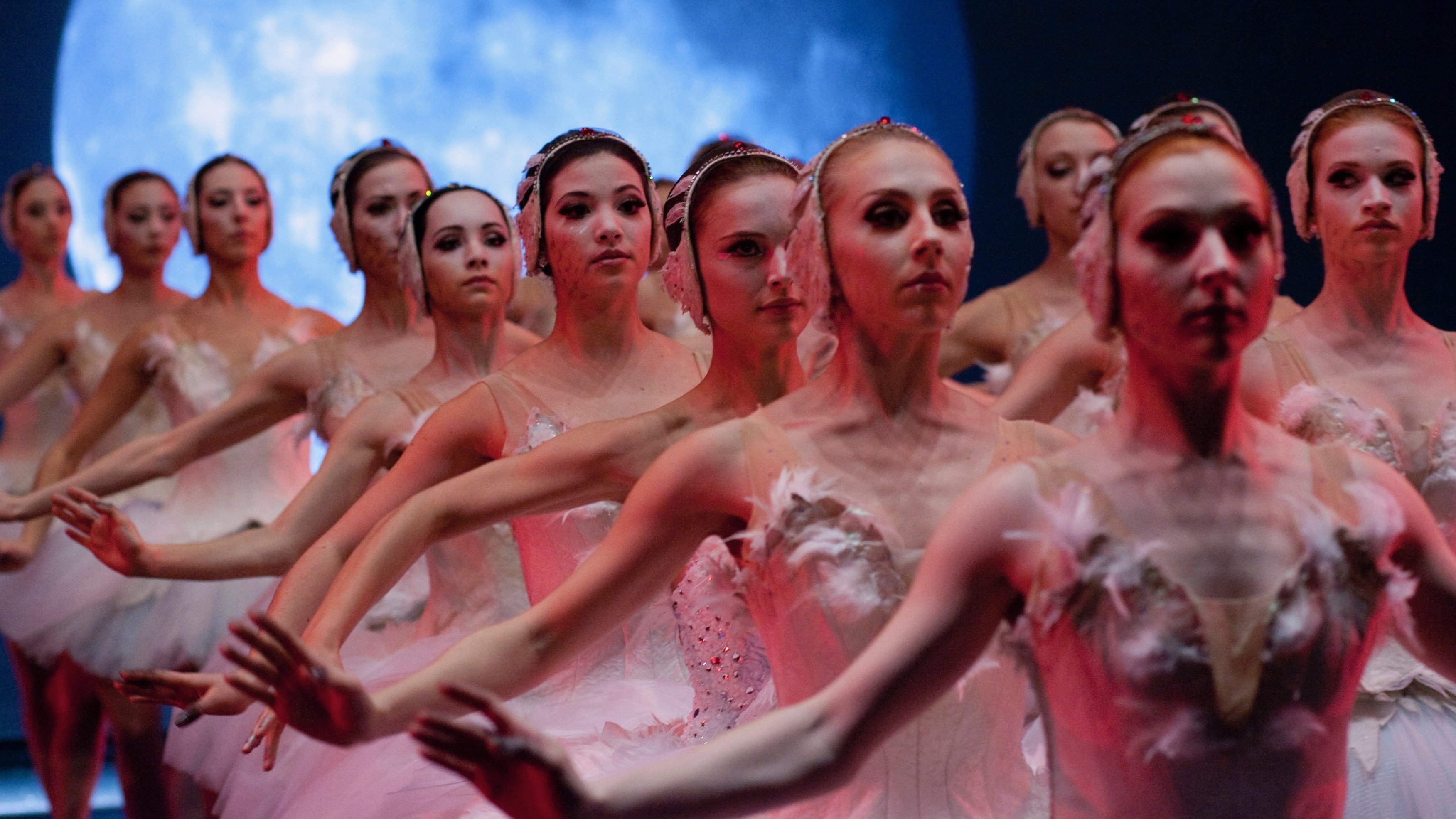
That narrowness also affects its account of ballet. The film is so absorbed in bodily punishment and psychological damage that the pleasure of dancing receives comparatively little attention. We would not turn to it for a generous picture of the art, and its suggestion that suffering belongs so closely to achievement deserves suspicion. Gothic horror has room for unreasonable demands and exaggerated behaviour, and Aronofsky uses that freedom confidently. Choose it for an unsettling evening, with no expectation that anyone will behave sensibly.

Critical consensus AI synthesised

70
Positive
12
Mixed
2
Negative
4

Most critics respond warmly to Black Swan’s feverish mixture of ballet drama and psychological horror, with praise concentrated on Natalie Portman’s physically committed performance as a dancer consumed by perfection. Darren Aronofsky’s direction also draws approval for its intensity, mirror imagery and willingness to push backstage anxiety into bodily horror. Supporters find the excess gripping, disturbing and sometimes entertaining, accepting that plausibility is not the film’s chief concern.

The spread is wide, however, and the same hysteria that excites admirers alienates detractors. Reservations centre on thin characterisation, overwrought symbolism and a treatment of artistic ambition that some find punishing without being insightful. The Los Angeles Times finds Aronofsky’s approach bludgeoning, while the Financial Times objects more fundamentally to what it sees as a lack of understanding or affection for ballet. Even among less persuaded critics, Portman’s performance and the visual ambition retain some support.

Empire
27 July 2009 · festival review · Dan Jolin
85*

Aronofsky delivers another impressive, technically masterful film that pairs physical intensity with psychological depth, highlighted by Portman's career-best performance.

Read the full review →
Evening Standard
10 April 2012
85*

A full-out Gothic horror about bodily and mental breakdown, masterfully shot and performed, with Portman giving an Oscar-worthy display in this Grand Guignol tale of performance pain.

Read the full review →
Screen Daily
1 September 2010 · festival review
85*

Aronofsky delivers an enthralling, alternately disturbing and exhilarating dark study of a mentally fragile performer obsessed with perfection that ranks among the year's most exciting films. Natalie Portman's transformative lead performance as the repressed ballerina is a standout highlight.

Read the full review →
The Guardian
20 January 2011 · Xan Brooks
85*

The critic praises Darren Aronofsky’s ballet psychodrama as a gripping, over-the-top study of female breakdown and artistic obsession, highlighting Natalie Portman’s tremendous performance as the fragile, unraveling ballerina Nina.

Read the full review →
Radio Times
★★★★ · Damon Wise
80

Aronofsky's dark, hypnotic study of obsession in the ballet world is exhilarating and disturbing, with bravura direction and a mesmerising performance from Natalie Portman that overcomes occasional lapses in logic and originality.

Read the full review →
Time Out
18 January 2011 · ★★★★ · Dave Calhoun
80

The film is high-class trash that works best if viewers surrender to its hysteria, paranoia and emotional excesses rather than logic. Aronofsky creates an orgy of fun reflecting the protagonist's madness through mirrors and lurid imagery.

Read the full review →

Cast

Stills

Awards

Academy Awards, 2011

Nominated
Best Cinematography
Nominated
Best Director
Nominated
Best Film Editing
Nominated
Best Picture
Won
Best Actress

Tromsø International Film Festival's audience award, 2011

Won
Tromsø International Film Festival's audience award

TV Krant Filmposter Award, 2011

Won
TV Krant Filmposter Award

If you liked this, try…

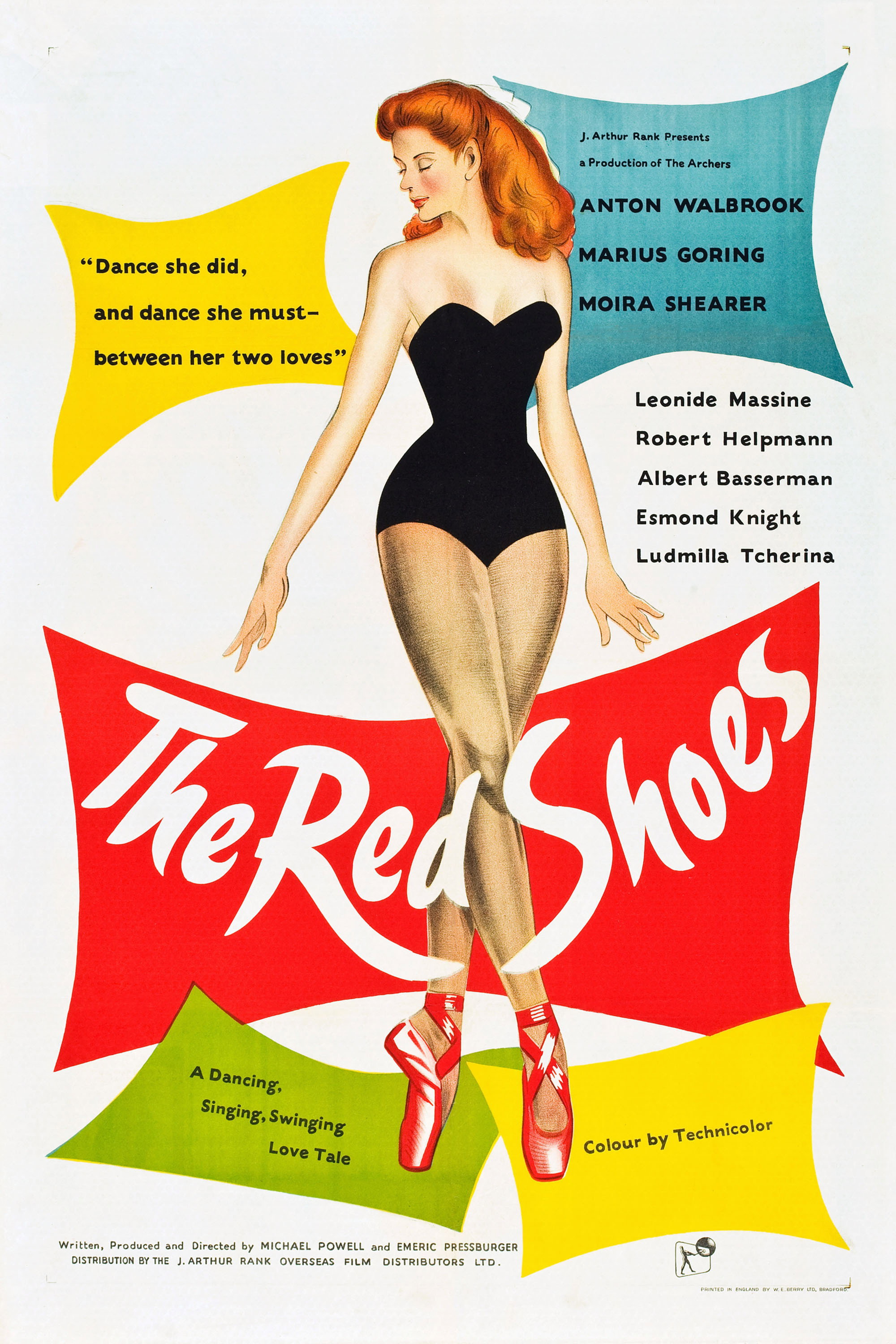
The Red Shoes poster92

The Red Shoes

1948 · Another dancer discovers how little room artistic ambition leaves for anything else.

Perfect Blue poster82

Perfect Blue

1997 · A performer’s uncertain identity makes every encounter feel potentially dangerous.

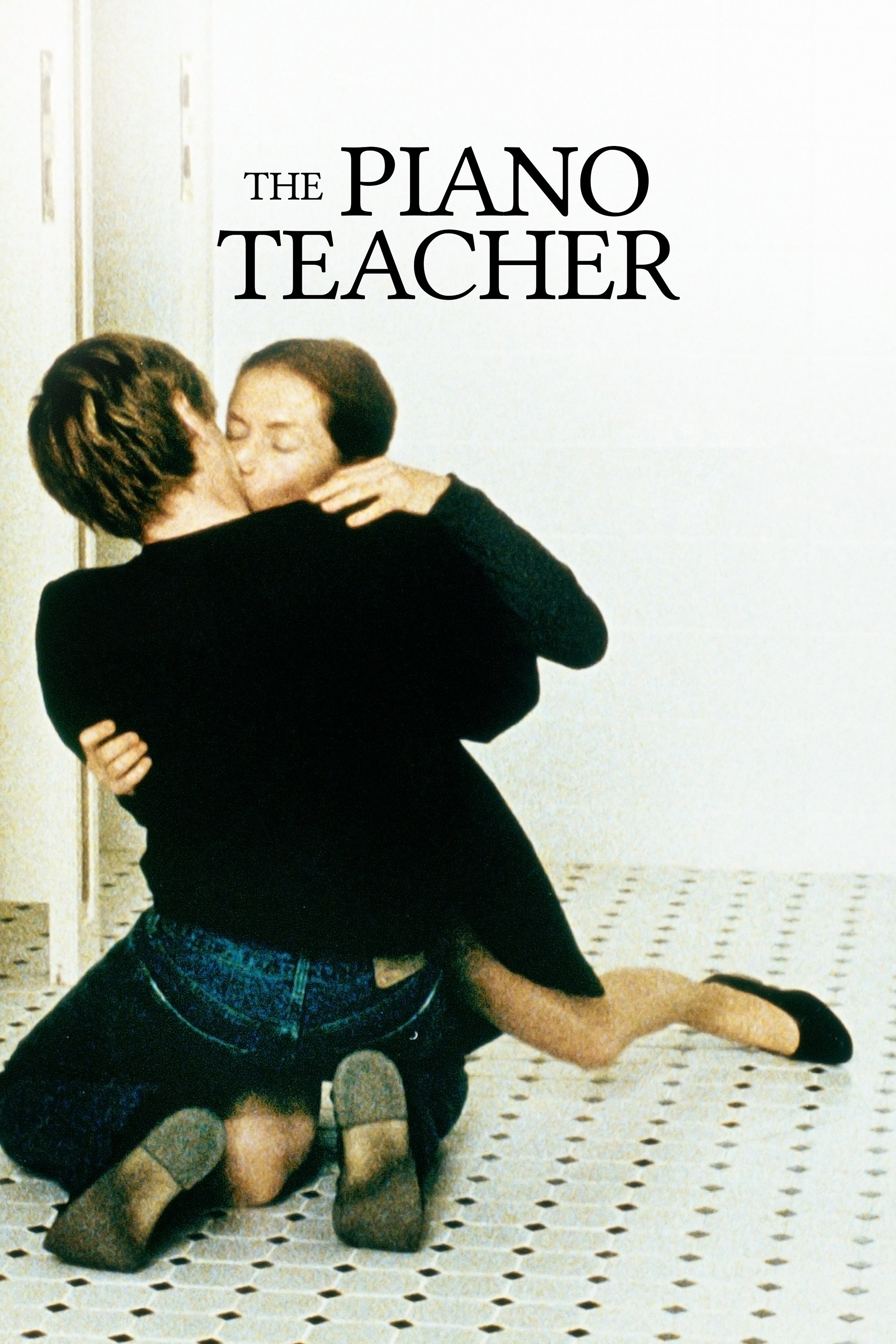
The Piano Teacher poster

The Piano Teacher

2001 · Musical discipline and sexual repression make for a harsher, less forgiving evening.

The Fits poster

The Fits

2015 · Dance, belonging and bodily unease, handled with quiet attention rather than spectacle.

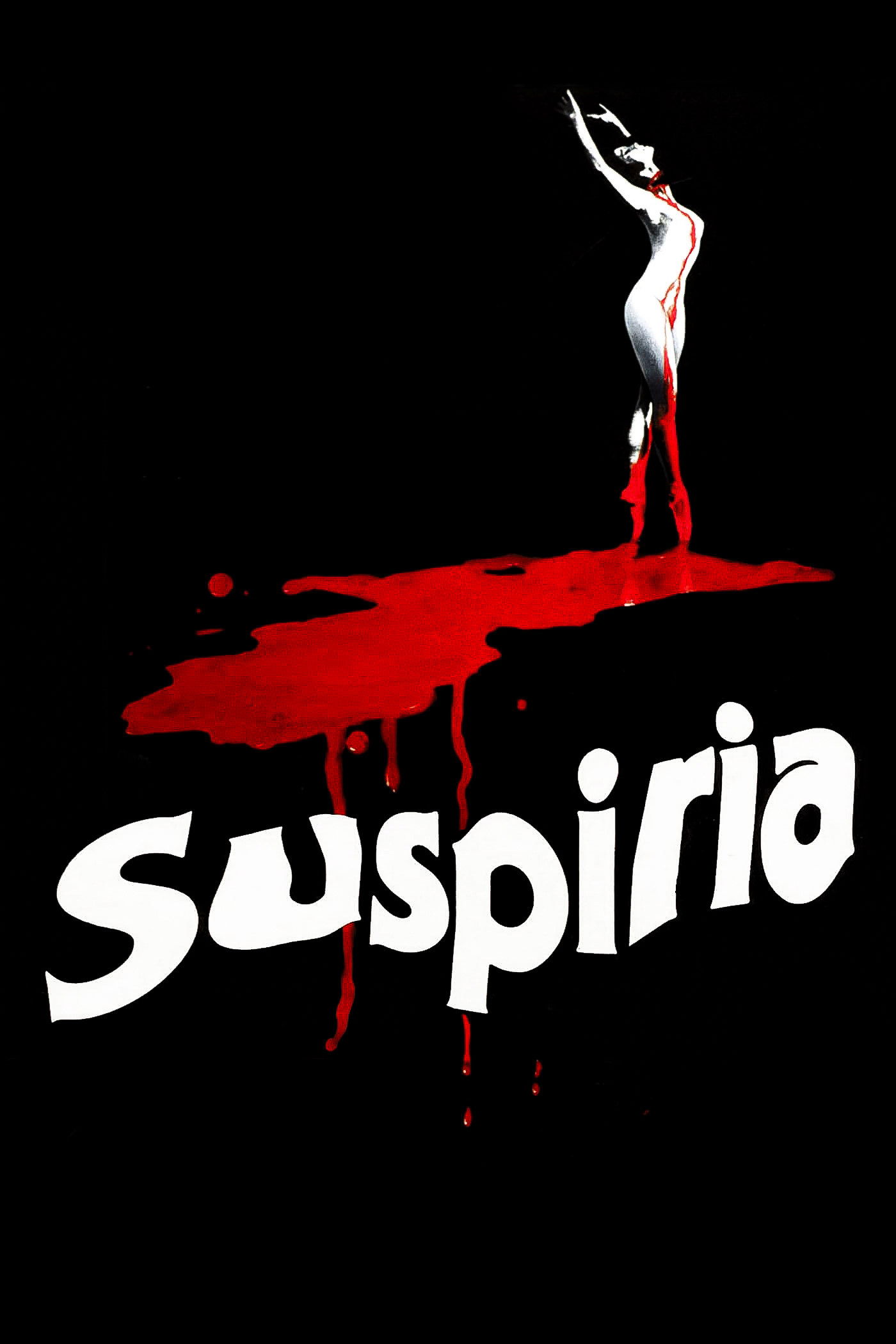
Suspiria poster

Suspiria

1977 · A dance school becomes a hostile place, with colour and music making threats.