Film review

Paprika

2006 · Directed by Satoshi Kon · 1h 30m · MPA R

In a sentenceA parade of fridges and Buddhas marches out of one man’s dream and into everyone’s; the sofa is not safe

AnimationScience FictionThriller

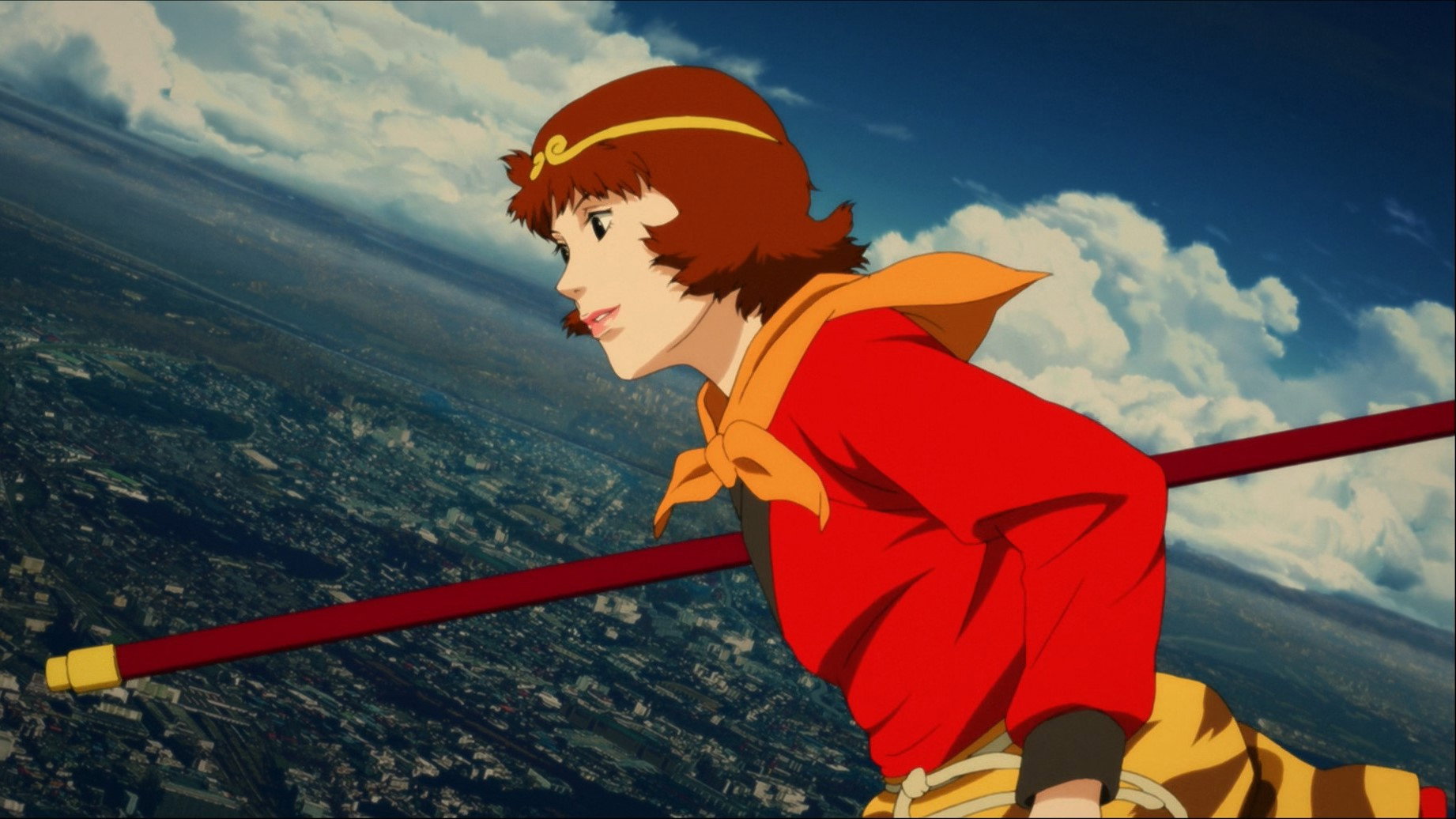
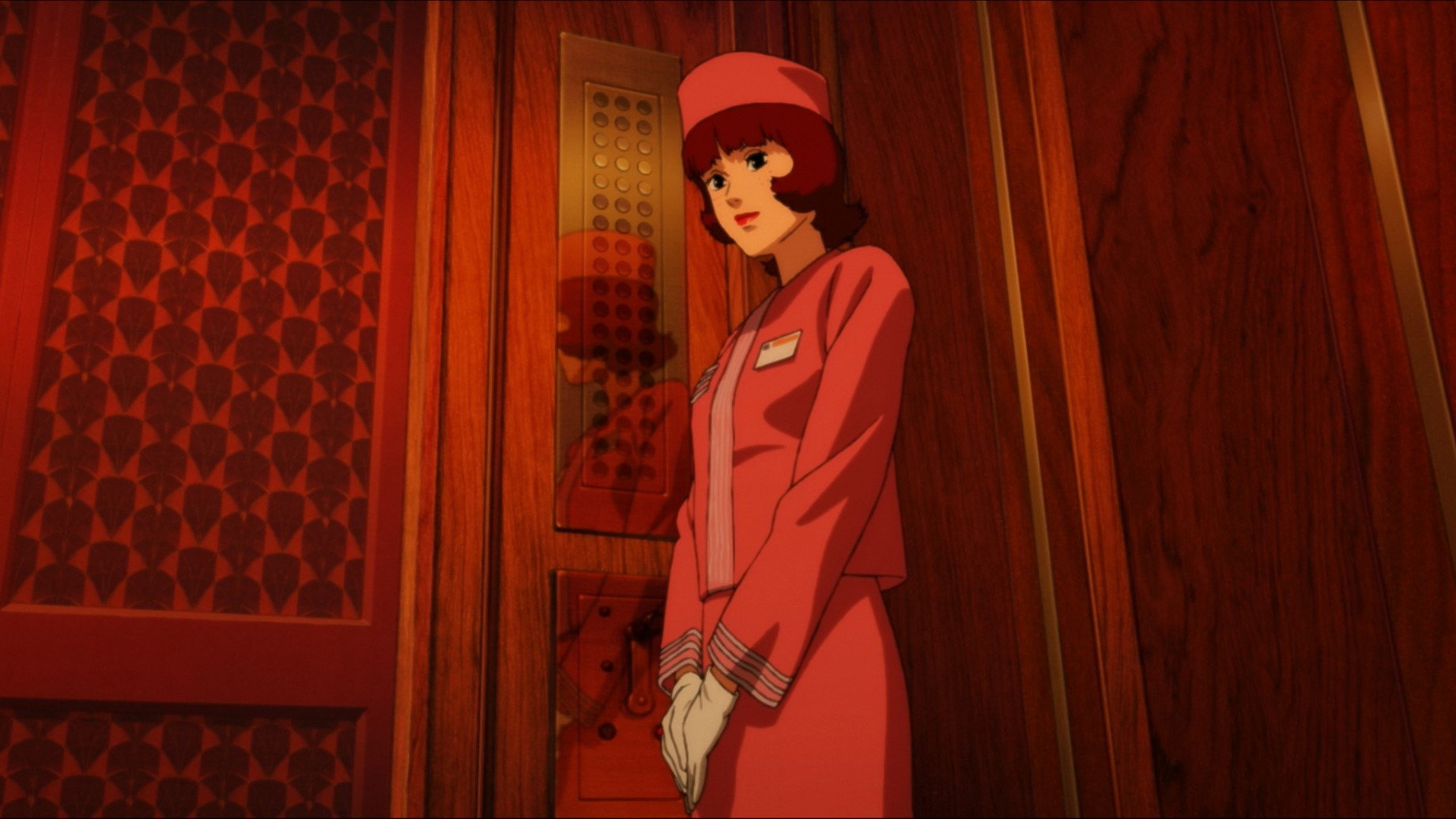
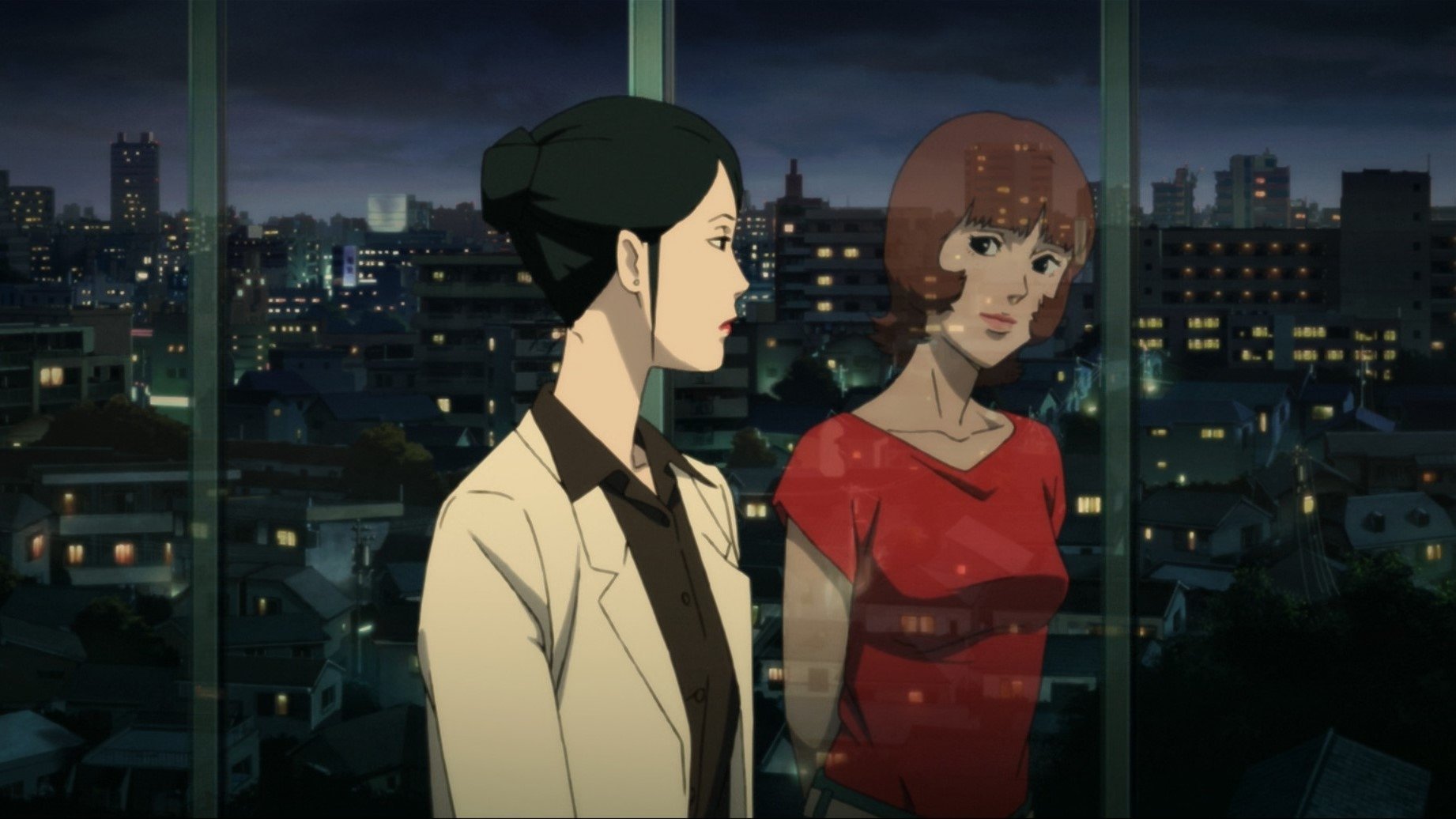
Atsuko Chiba (Megumi Hayashibara) is a psychiatrist at a Tokyo research institute where Kosaku Tokita (Toru Furuya) has built the DC Mini, a headset that lets a therapist step into a sleeping patient’s dream. Chiba uses it under the name Paprika, a red-haired alter ego. Her patient is Toshimi Konakawa (Akio Otsuka), a detective stuck in a recurring nightmare of a circus tent and a hotel corridor. Then prototypes go missing. The chairman, Seijiro Inui (Tohru Emori), calls the machine a violation of dreams, and the institute chief, Torataro Shima (Katsunosuke Hori), starts talking about frogs and refrigerators before walking out of an upper-floor window. Somebody is putting dreams into waking heads.

Plays from YouTube when you press play; nothing loads from them until then.

Fi1m review

Satoshi Kon’s fourth and last feature sends a therapist into other people’s dreams and then lets the dreams come back out. The pictures are the finest of his career and the plot never quite keeps up with them. We recommend it, with patience.

The idea is simple enough to write on a napkin. A machine lets you enter someone else’s dream; the machine is stolen; the thief starts putting dreams into people who are awake. Satoshi Kon and Seishi Minakami, adapting Yasutaka Tsutsui’s novel, take that napkin and draw on both sides of it and the table underneath. Paprika is a 90-minute thriller that behaves like a much longer one, and it is the most purely pleasurable thing Kon made. It is also, in its last third, a film whose story is less interesting than its wallpaper. We recommend it warmly and we think you should be told that first.

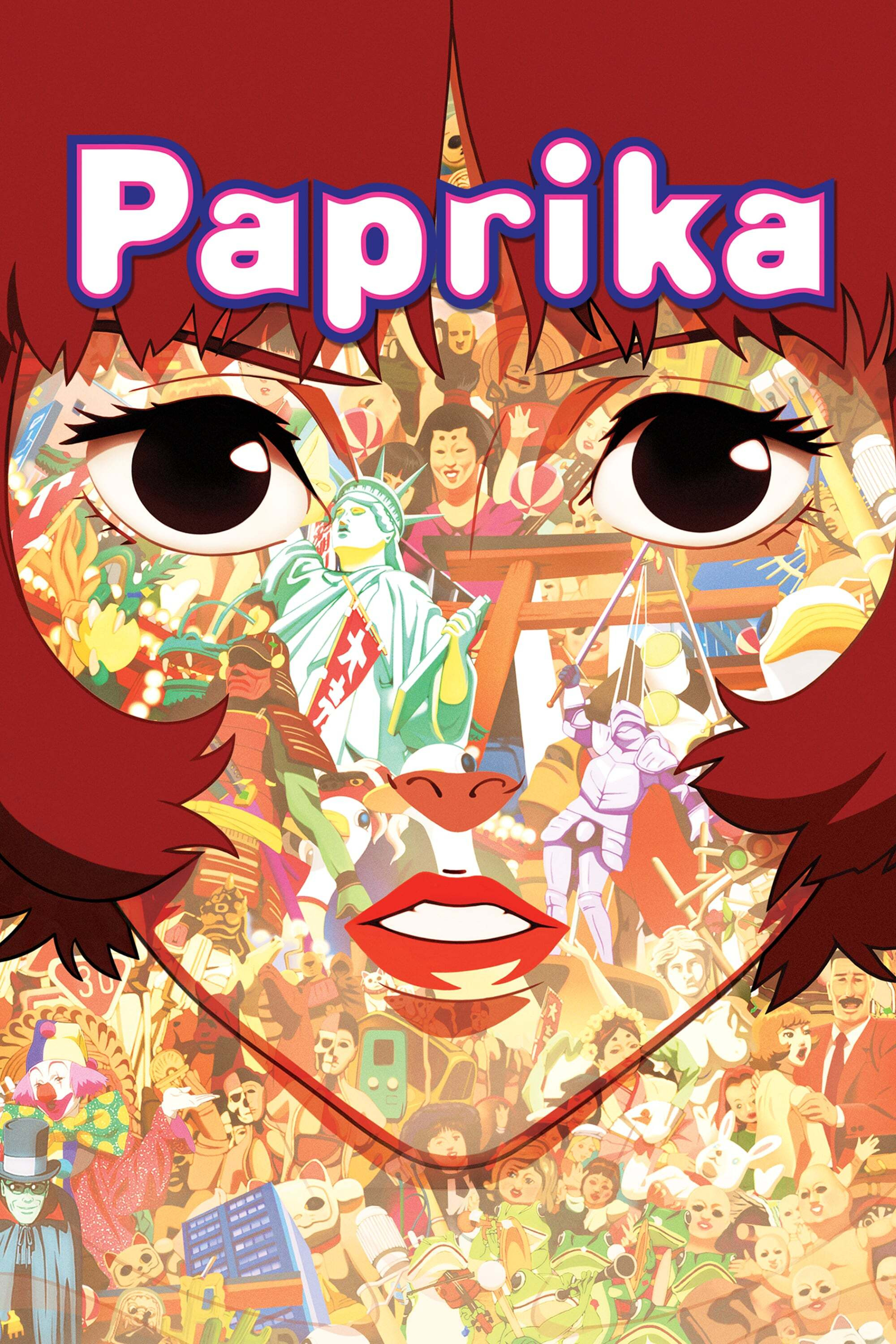
The set piece everyone remembers is a parade. Refrigerators march in step. A torii gate walks on its own legs. Dolls, frogs with drums, a Statue of Liberty, a procession of salarymen, all shuffling to a chant that sounds like a children’s song played through a kettle. It first appears in the chief’s head, then in the office, then in the street. We laughed at it for about a minute, and then we noticed that the people joining the parade were smiling in a way that was not right, and the laugh went. Kon does that more than once: the thing that delights you is the thing that has come to get you.

Susumu Hirasawa’s score is the reason the parade works. He mixes synthetic voices with a real chorus so that you cannot tell which is which, and the main theme bounces along like a hit single from a country that does not exist. Michiya Katō, credited with cinematography, is the man compositing the layers, and the dream scenes have a depth of field and a light bloom that the office scenes deliberately do not. Yumi Jinguji and Takeshi Seyama cut so that a character can walk out of one dream and into another mid-stride, or lean on a wall that is a poster that is a window. We stopped trying to catch the joins after ten minutes, which we think was the intention.

Megumi Hayashibara plays both women, and the trick is that Paprika sounds like a person Chiba would disapprove of. Akio Otsuka’s Konakawa is the film’s best character: a detective with a nightmare he cannot finish, who turns out to have an old grievance about the cinema. His scenes in a bar that exists only online, tended by two barmen voiced by Kon himself and by Tsutsui, are the calmest in the film, and the ones where the script is most honest about what it is really talking about, which is films and the people who make them. Toru Furuya’s Tokita is a large, gentle genius drawn as a joke about eating, and the joke is made a few times too often.

The plot is where it goes soft. Who took the DC Mini and why is delivered in a pair of speeches, and the why is not much more than a grudge dressed up as a principle. Tohru Emori’s Seijiro Inui objects to the machine on the grounds that dreams are sacred, and the film never examines whether he might have a point. The final movement grows physically larger, a thing that happens in Japanese animation the way car chases happen in American thrillers, and the bigger it gets the less we cared. Koichi Yamadera’s Morio Osanai is given a motive in a single scene and then asked to carry the ending on it.

Against Kon’s own work it is looser than Perfect Blue, less moving than Millennium Actress and a great deal odder than Tokyo Godfathers. It is the one to show someone who thinks animation for adults means swearing. Christopher Nolan’s Inception arrived four years later with a similar machine and a similar hotel corridor, and it is worth watching this afterwards to see how much cheaper and stranger the same idea can be made.

Watch it twice. The first time the pictures run ahead of you and you will not know who is asleep. The second time you will, and the parade will still be waiting.

Critical consensus AI synthesised

79
Positive
9
Mixed
1
Negative
0

Most critics are won over, and the reviews are close to unanimous in their admiration. The praise clusters on the animation itself: the dream sequences, the primary colours, and the parade of household appliances that marches out of one sleeper’s head and into everybody else’s, which several reviews name as the film’s signature image. Satoshi Kon is credited with making a dream film that ties dreaming to cinema without becoming solemn, and The Guardian finds it more comprehensible and less po-faced than most of its kind.

The reservations gather around the plot. The AV Club finds the story muddy and secondary to the imagery, and Time Out, the one mixed voice, thinks the film crams in too many ideas about Jung, media and philosophy to land any of them. Slant admires the set pieces but finds the visions less immediately striking than other anime. The spread is moderate, and the doubts are about coherence, not craft.

The New Yorker
21 May 2007 · David Denby
90*

The critic calls the film brilliant and a masterly example of Japanese anime intended for adults, describing it as a Freudian-Jungian-Felliniesque sci-fi thriller of whirligig complexity. He singles out its connection between dreams and movies, worked to a fare-thee-well with outrageous leaps.

Read the full review →
The New York Times
25 May 2007 · Critic's Pick · Manohla Dargis
90*

The critic praises the film as a mind-twisting, eye-tickling wonder of future-shock ideas and animated imagery that explores the intersection of human and machine. She singles out the cavalcade of charming and beautiful hallucinations, including a dementedly cheery parade of inanimate objects.

Read the full review →
The AV Club
7 June 2007 · B+ · Tasha Robinson
83

The critic commends the film's joyful surrealism, astounding fluid visuals in primary colors, and bouncy score as Kon swings back to the fantastical after a more grounded effort. They criticize the muddy, hard-to-follow narrative that prioritizes dream imagery over plot coherence.

Read the full review →
Los Angeles Times
27 May 2007 · Scarlet Cheng
80*

The critic notes that dread and delight course through the film as sleeping and waking, fantasy and nightmare collide in Satoshi Kon’s newest work. She singles out the riotous parade sequence that begins to intrude into every character’s dream and then into reality.

Read the full review →
The Guardian
28 September 2007
80*

The critic calls Paprika an outstanding Japanese animation that is sophisticated and full of ideas, distinct from both Hollywood and Studio Ghibli styles. It is more comprehensible and less po-faced than most of its kind, with a vividly coloured trip through sleeping minds based on a psychotherapy machine that can implant dreams.

Read the full review →
Screen Daily
5 September 2006 · festival review
75*

Kon proves again why he is one of the most interesting anime directors; the film adds a post-modern dissolving multi-layered story that plays mind games, making it one of the more refreshingly original animation titles of the year despite looking conventional. The cinematic feel from fast edits and handheld sequences is noted.

Read the full review →

Cast

Awards

Animation Kobe Theatrical Film Award, 2007

Won
Animation Kobe Theatrical Film Award

Annecy Cristal for a Feature Film, 2007

Nominated
Annecy Cristal for a Feature Film

If you liked this, try…

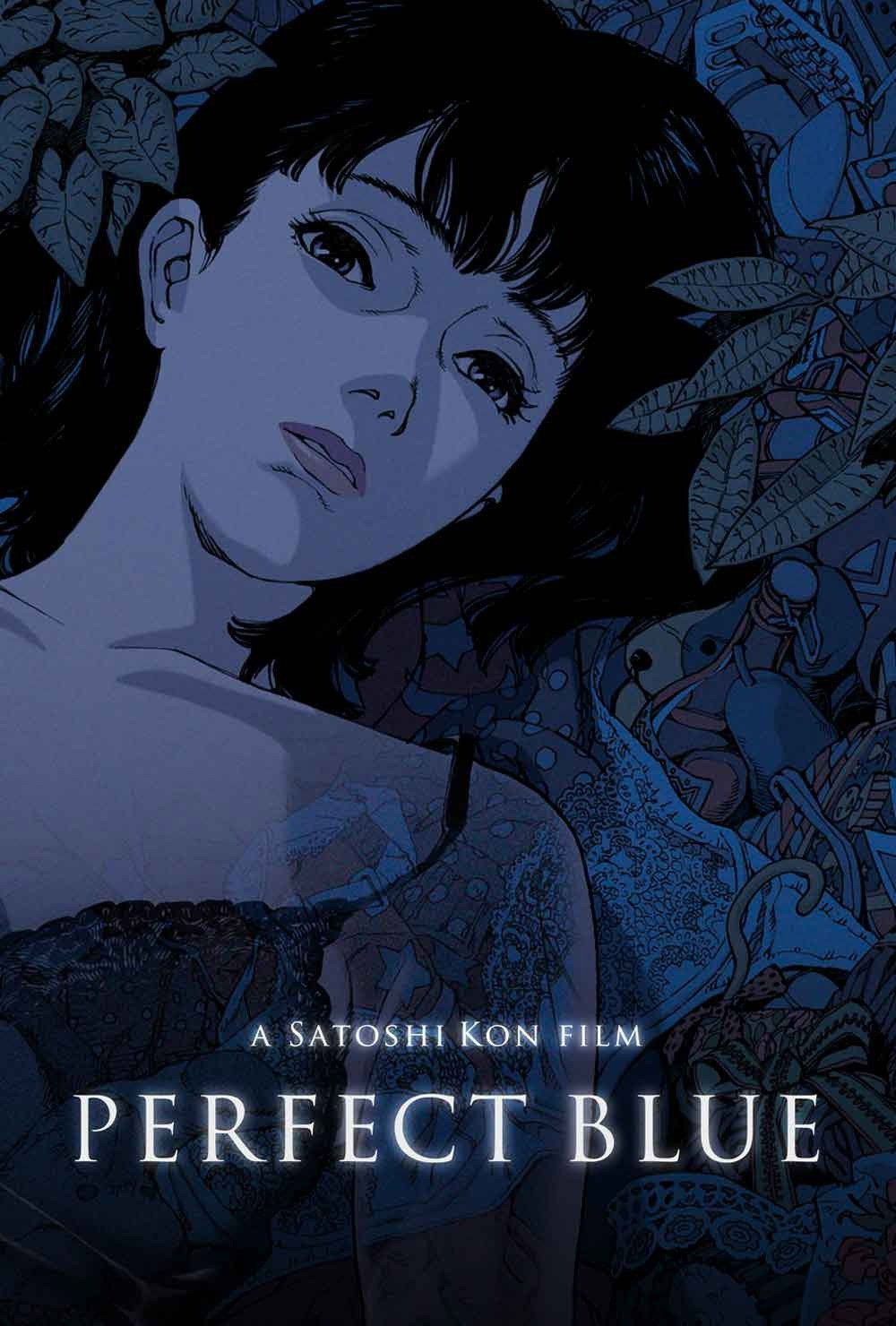
Perfect Blue poster82

Perfect Blue

1997 · Kon’s first feature, a pop-idol thriller where the mirror starts answering back.

Inception poster80

Inception

2010 · The same corridor, ten times the budget, and a great deal more explaining.

Waking Life poster

Waking Life

2001 · Linklater’s rotoscoped drift through a dream that will not let its hero wake.

The Science of Sleep poster

The Science of Sleep

2006 · Gondry’s cardboard-and-cellophane dreams, warmer and much messier than Kon’s.

Belladonna of Sadness poster

Belladonna of Sadness

1973 · Japanese adult animation at its most painterly and most unhinged; not for the faint.