Film review

Inception

2010 · Directed by Christopher Nolan · 2h 28m · MPA PG-13

In a sentenceEven the dreams come with a briefing, but at least the buildings are allowed to misbehave

ActionScience FictionAdventure

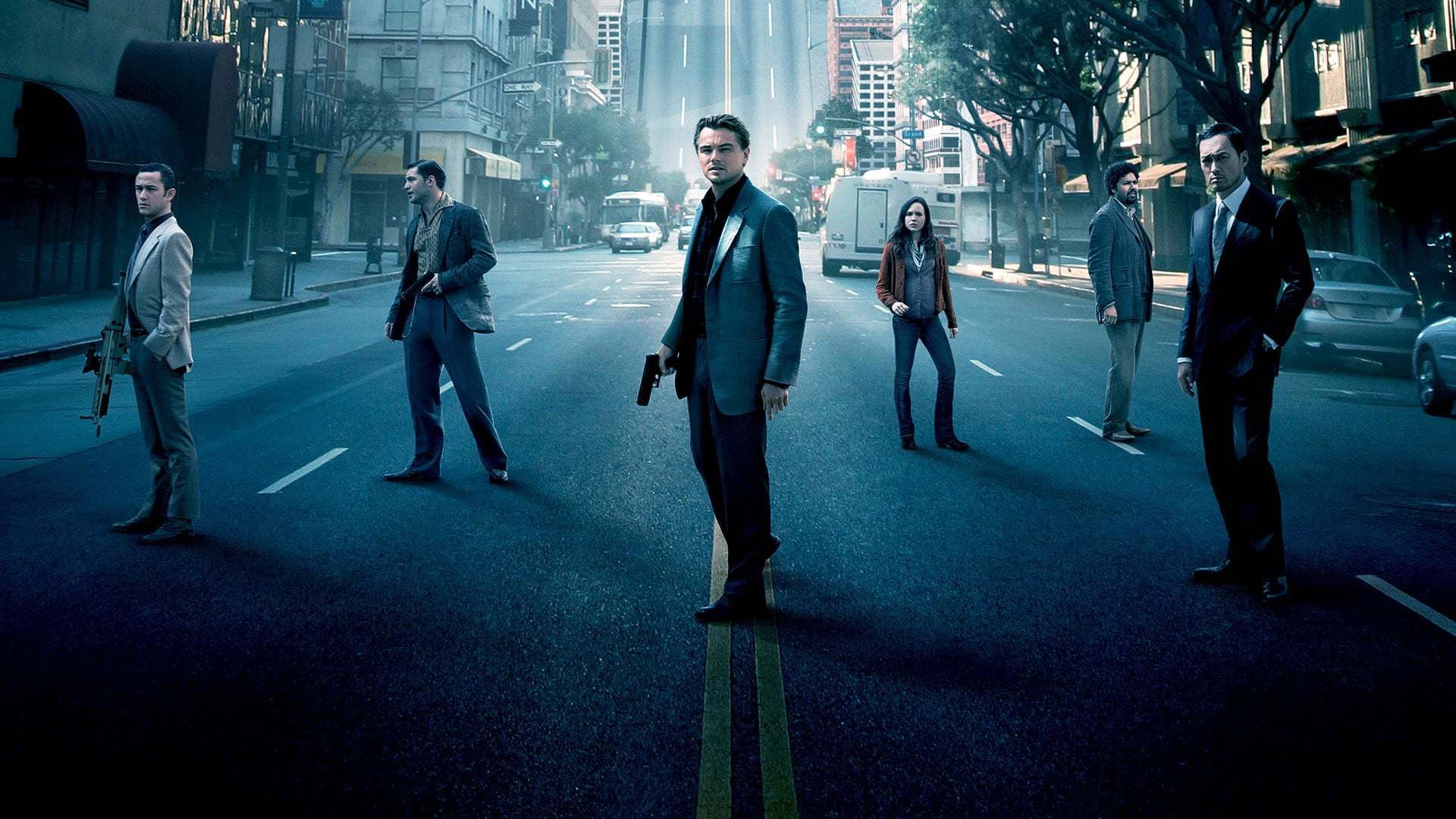
Dom Cobb (Leonardo DiCaprio) operates in a form of corporate espionage that takes place inside dreams. The task is to plant an idea, and the operation involves dreams within dreams, each bringing rules that those entering them must understand. Christopher Nolan writes and directs this science-fiction heist film, with Joseph Gordon-Levitt as Arthur, Elliot Page as Ariadne, Tom Hardy as Eames and Ken Watanabe as Saito. As the action moves between dream levels, the characters must navigate an environment in which architecture and gravity need not behave as they do outside it.

Plays from YouTube when you press play; nothing loads from them until then.

Fi1m review

Christopher Nolan’s dream heist is ingenious, absorbing and overexplained, with Leonardo DiCaprio making the explanations feel urgent. We recommend it for the action, with a caveat: the subconscious ought to be stranger than this.

Inception is an absorbing science-fiction heist film whose chief weakness is how often it stops to explain itself. Christopher Nolan, writing and directing, builds the job around corporate espionage carried out through dreams, with the planting of an idea replacing a more conventional theft. We recommend it for the ingenuity of its action and the pleasure of following a difficult operation. Expecting an equally searching account of the subconscious is likely to leave you disappointed.

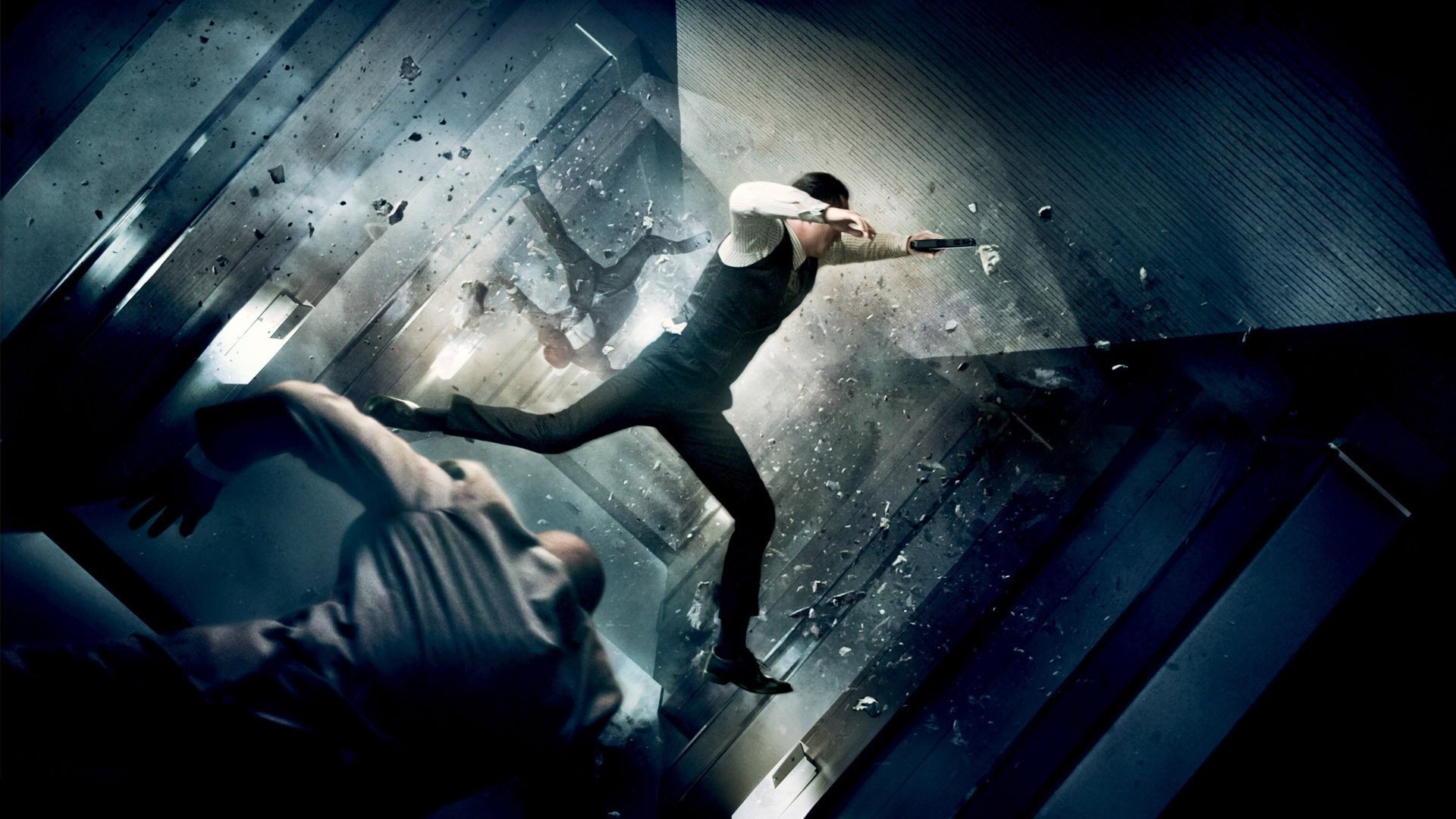
The dream-within-a-dream structure gives Nolan something useful to do with all that explanation: actions at different levels have to remain legible while the film moves between them. Editor Lee Smith makes that complicated arrangement remarkably easy to follow, without making it feel simple. His parallel cutting gives the action a rhythm that dialogue alone cannot provide. Keeping track becomes part of the suspense, and the editing helps us do it even while the screenplay is piling on fresh instructions.

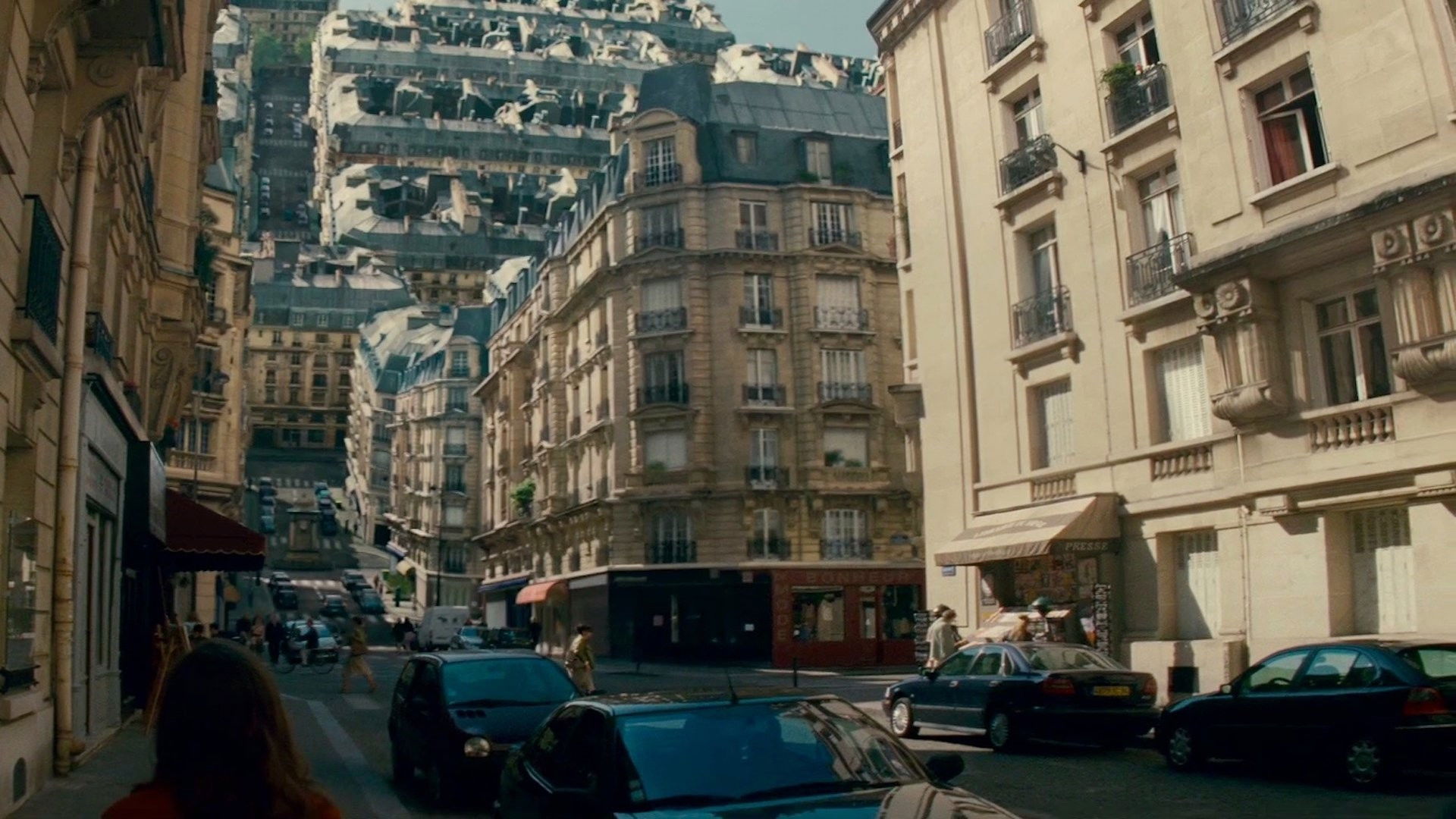
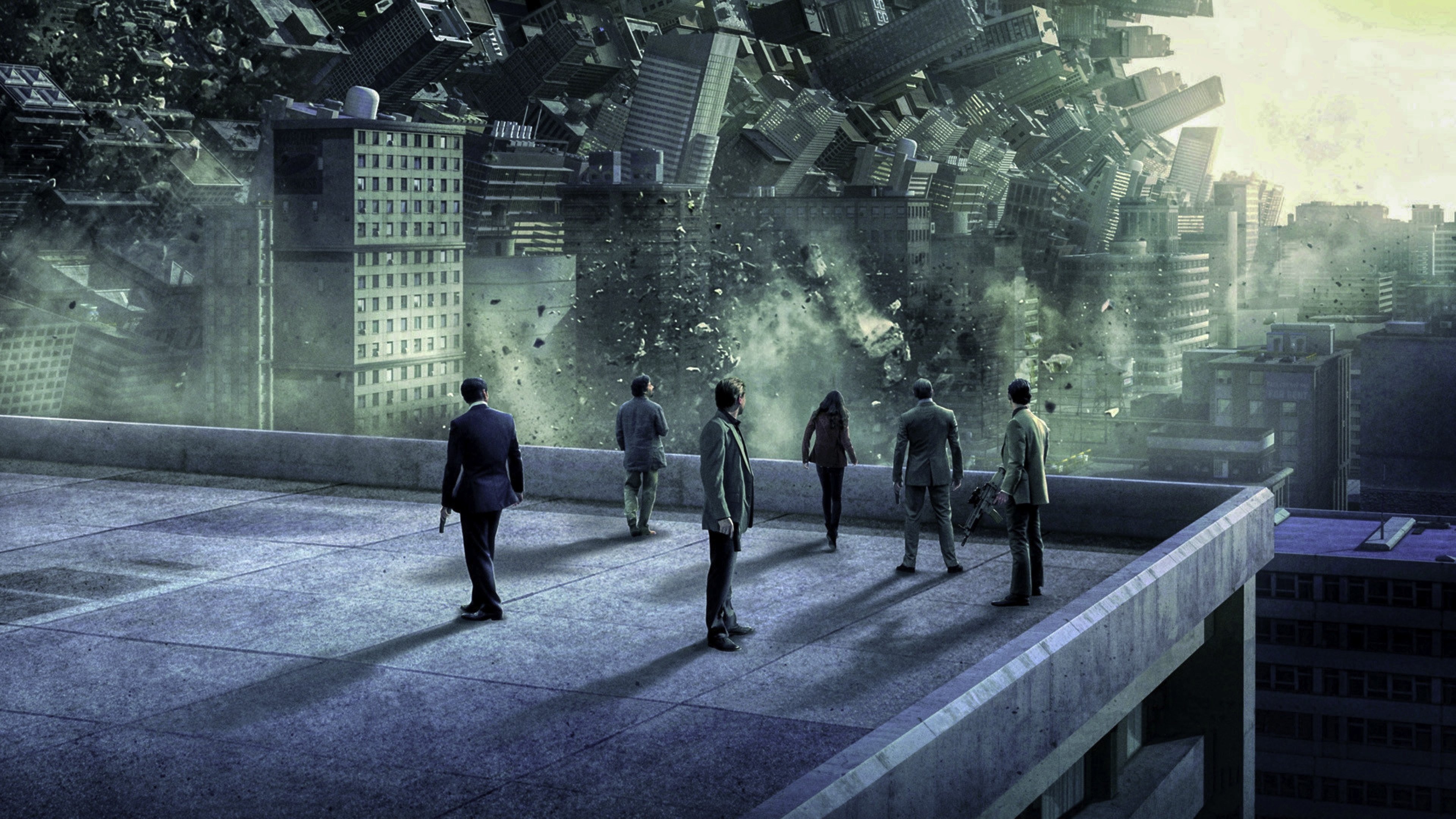
Wally Pfister’s cinematography and Guy Hendrix Dyas’s production design give the architectural spectacle enough solidity for its impossible changes to register. When a city folds, the buildings remain recognisable as buildings, which is what makes the image so disconcerting. We felt a brief, childlike alarm at the sight of streets bending where streets should stay put. The recognisable streets give us something to measure the distortion against.

Hans Zimmer’s music works best for us as part of the action, where the film’s determination to keep moving feels justified. Leonardo DiCaprio, as Dom Cobb, is persuasive even when the dialogue asks him to explain things. His seriousness makes it possible to accept the premise without feeling that we are being invited to congratulate Nolan on his cleverness. Joseph Gordon-Levitt’s Arthur and Elliot Page’s Ariadne are less satisfying, through no obvious shortage of ability; the writing gives them too little room beyond the requirements of the plot.

The weakness is in Nolan’s screenplay, which repeatedly treats an explanation as though it were itself a dramatic event. Rules matter in a heist, and we need to understand enough to know when things go wrong. But the quantity of instruction makes the dreams feel unusually well supervised, with too little of the irrational behaviour that might unsettle us. At 148 minutes, the film has room to let a conversation wander away from the job; it seldom seems willing to do so.

Measured against other heist films, Inception comes out well because its complications produce action worth the trouble of understanding them. Nolan understands the satisfaction of a complicated plan being tested, even if he is reluctant to leave anything unexplained. Most critics have responded to that ingenuity, and we think the enthusiasm is justified. Choose it when following the plot is part of the evening’s pleasure, and save the conversation for afterwards.

Critical consensus AI synthesised

5 of 6
Positive
4
Mixed
1
Negative
0
Time Out
13 July 2010 · ★★★★ · Dave Calhoun
80

The critic praises Nolan for creating an engaging, visually inventive blockbuster that mixes dream logic with action and ideas about the subconscious. They note it demands attention but fades quickly after viewing.

Read the full review →
The Guardian
15 July 2010 · Peter Bradshaw
70*

Nolan's film is a colossal digital artefact and virtual reality sci-fi thriller with brilliant architectural effects but a weirdly inert narrative. It features dazzling FX flourishes and technical brilliance, though the plot clogs and the story's drive stalls in the final act.

Read the full review →
Screen Daily
5 July 2010
50*

The review finds it delivers as an action thriller with impressive spectacle but falls short as psychological sci-fi, not mind-bending enough, relying on marketing and stars for success.

Read the full review →
Empire
5 July 2010 · Nev Pierce

The critic praises the film as a thrilling, emotionally engaging original that blends spectacular action, complex structure and strong performances, especially DiCaprio's, into something truly distinctive.

Read the full review →
Los Angeles Times
16 July 2010 · Kenneth Turan

Inception is a tremendously exciting science-fiction thriller that is as disturbing as it sounds, with masterful direction and unforgettable set pieces. Nolan excels at creating stunts, effects, and emotional connections through strong casting.

Read the full review →
Slant Magazine
14 July 2010 · Nick Schager

An ambitious but ultimately unwieldy pseudo-heist film that prioritizes intricate, exposition-heavy rules of dream infiltration over emotional engagement or visceral thrills. It offers striking imagery and parallel-editing skill in the finale but suffers from hollow characters, derivative elements, and a lack of meaningful ideas.

Read the full review →

Cast

Stills

Awards

Academy Awards, 2011

Nominated
Best Original Score
Nominated
Best Picture
Nominated
Best Production Design
Nominated
Best Writing, Original Screenplay
Won
Best Cinematography
Won
Best Sound
Won
Best Sound Editing
Won
Best Visual Effects

Hugo Awards, 2011

Won
Best Dramatic Presentation, Long Form

Saturn Awards, 2011

Won
Best Science Fiction Film

If you liked this, try…

Paprika poster

Paprika

2006 · For dreams allowed to become stranger, funnier and much less obedient.

World on a Wire poster

World on a Wire

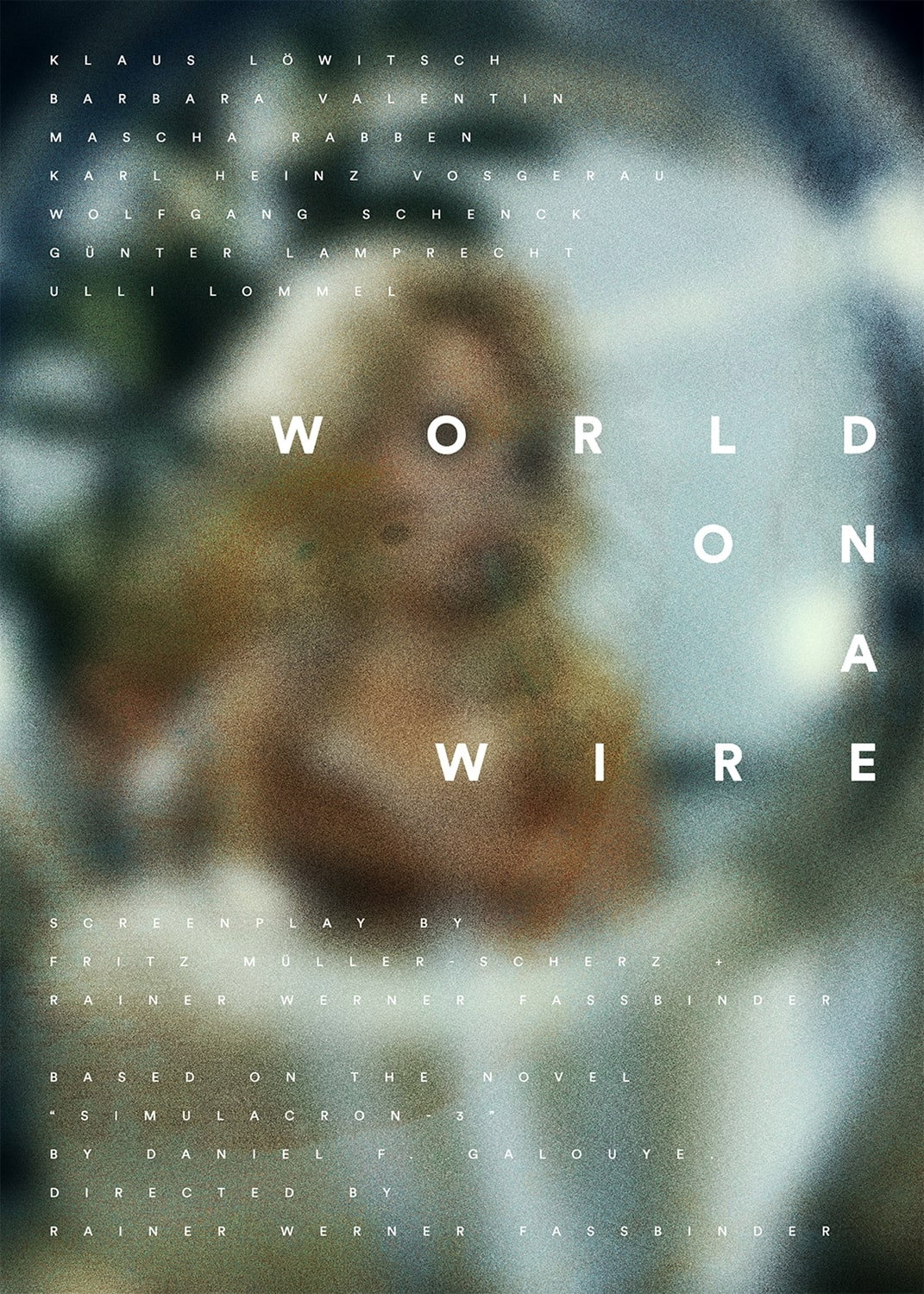
1973 · Another constructed reality, with more time to let the unease develop.

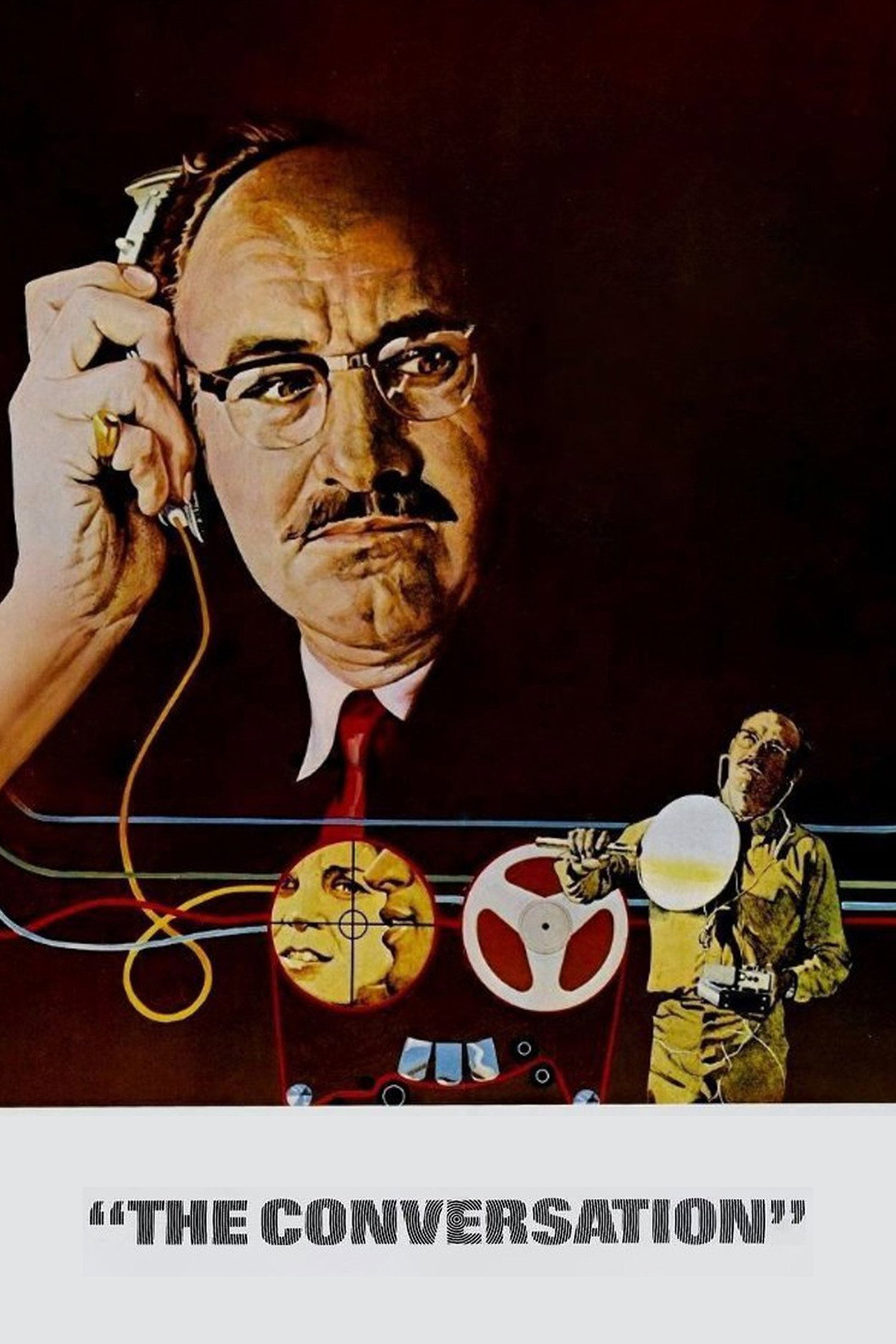
The Conversation poster

The Conversation

1974 · A surveillance specialist finds that professional concentration offers little protection from obsession.

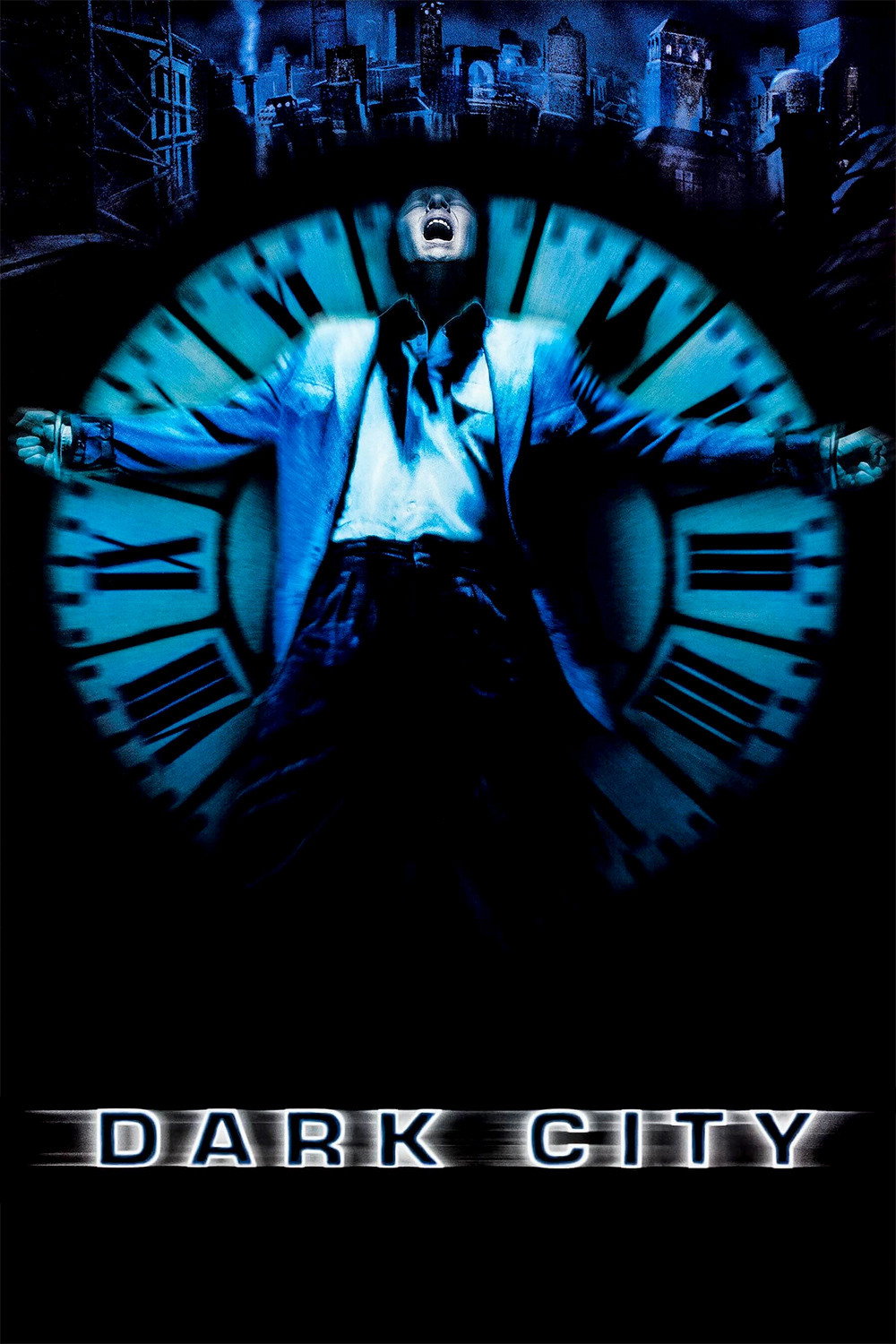
Dark City poster76

Dark City

1998 · For more impossible architecture and a stronger feeling that reality cannot be trusted.

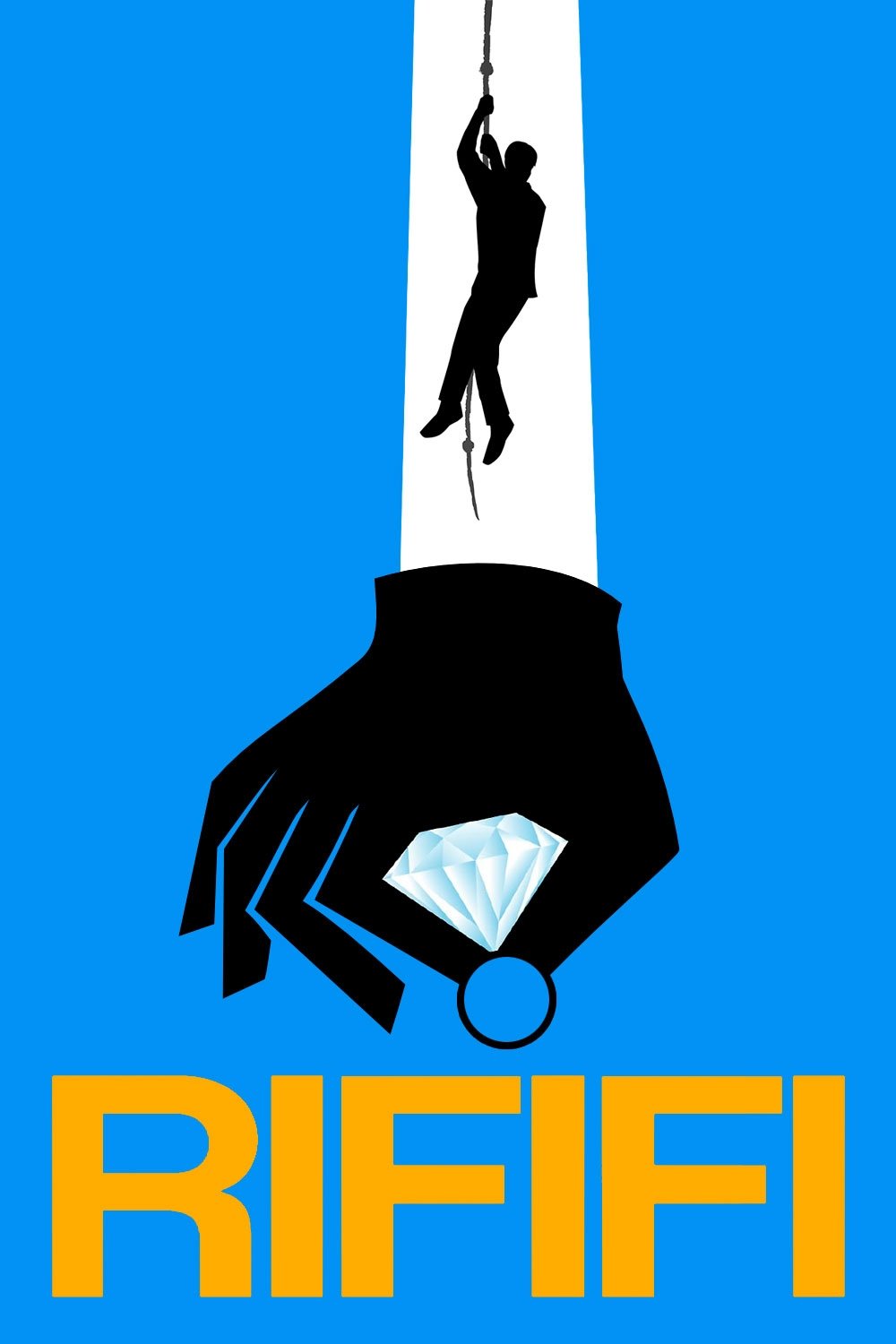
Rififi poster

Rififi

1955 · For a carefully prepared job whose execution needs remarkably little explanation.