Satoshi Kon makes familiar surroundings unreliable and the people inside them worth worrying about. We recommend his animation for that human attention, even when Perfect Blue tries to explain more than it needs to.
Fi1m perspective
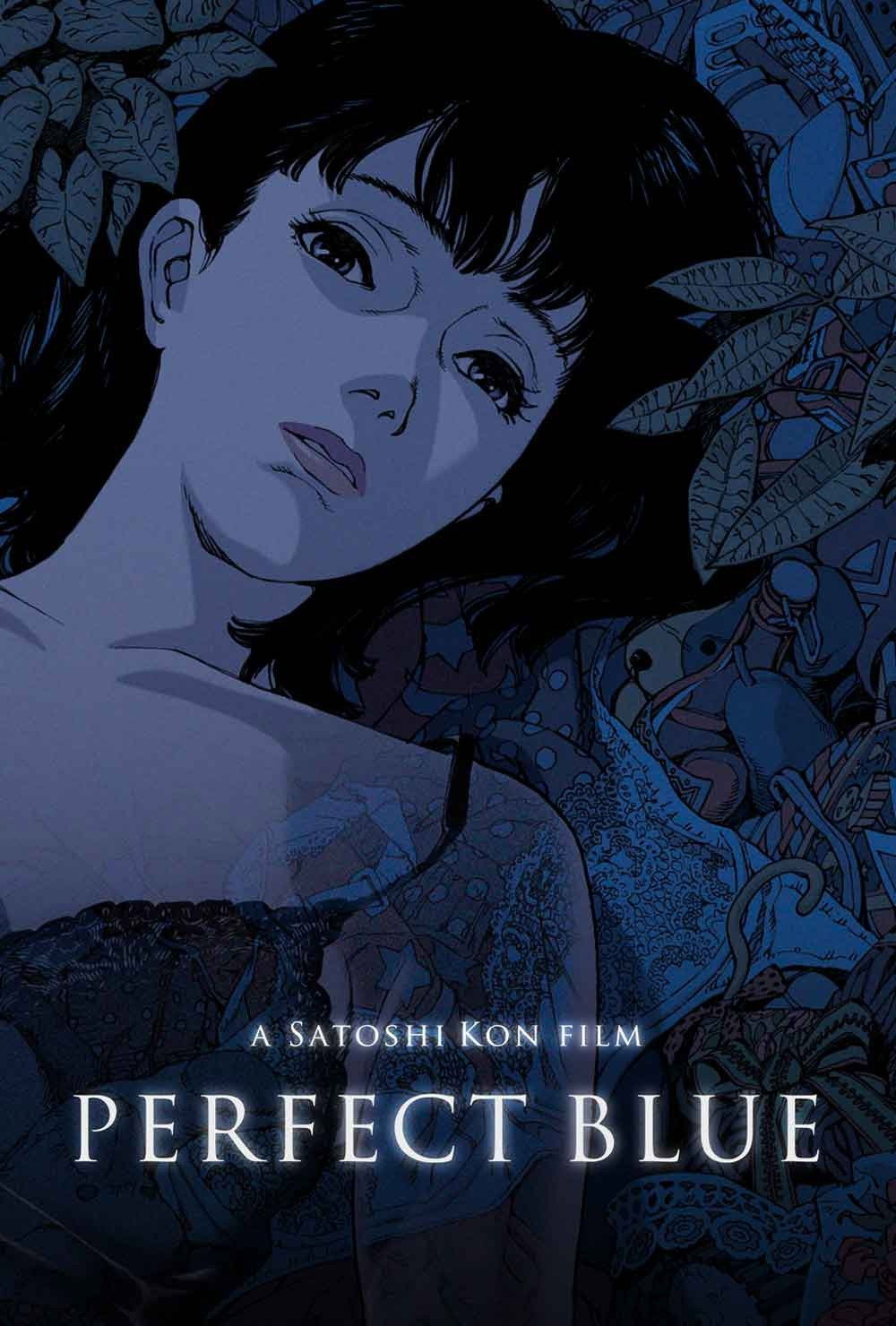
In Perfect Blue (1998), Mima Kirigoe leaves a pop group for acting, and other people behave as though the decision belongs to them. Satoshi Kon makes their attention feel invasive before we can be sure which images to trust. It is a tightly controlled thriller about the entitlement behind admiration, with a person whose working life still matters at its centre. Mima’s wish to find different work gives us something clear to hold on to.
Hisao Shirai’s cinematography in Perfect Blue uses reflections, tilted views and faces held uncomfortably close. We felt cornered. Those close-ups make it hard to escape the scrutiny Mima is enduring, even as we add to it by watching her. Junko Iwao’s vulnerable vocal performance keeps her distress painful when the images become difficult to follow. Kon gives us someone to worry about before he asks us to doubt what we see.
Sadayuki Murai’s screenplay makes Mima’s change of career the reason for that scrutiny: her audience thinks her image belongs to them. The internet offers another route into her life, giving the threat a specific means of reaching her. Our reservation is the final explanation, which tries to make the uncertainty tidier than it needs to be. The pressure on Mima has already made sense without every image being accounted for.
His directing began with Perfect Blue at Madhouse, and the later films found other uses for unreliable perceptions. Millennium Actress (2001) mixes an actress’s memories with Japanese film history. Tokyo Godfathers (2003) changes the emphasis, bringing social realism and improbable coincidence into a Christmas story set in Tokyo. Across his work, match cuts and rapid intercutting let one place or moment give way to another without the reassurance of a clean break.
Paranoia Agent (2004) takes fear and blurred perceptions into an anthology series, while Paprika (2006), his final feature, explores the boundary between dreams and waking life. His interest in what people believe they have seen persists across these different stories. We value the inventiveness most when it makes someone’s predicament harder to bear, as it does in Perfect Blue. Start there, provided a thriller about being watched sounds bearable for an evening.
Biography
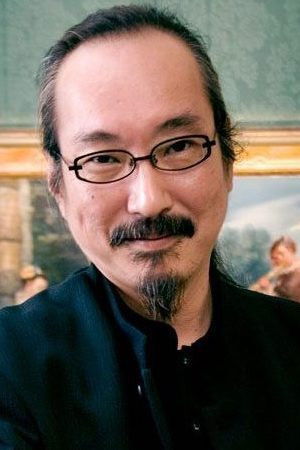
Satoshi Kon (今敏) was a Japanese film director, screenwriter, animator and manga artist. He graduated from the graphic design department of Musashino Art University and began his career in manga before moving into animation. He is sometimes credited under the name Yoshihiro Wanibuchi.
Kon is best known for directing the feature films Perfect Blue (1998), Millennium Actress (2002), Tokyo Godfathers (2003) and Paprika (2006), as well as the television series Paranoia Agent (2004). He also contributed to Memories (1995) and earlier works including JoJo's Bizarre Adventure (1993). He died of pancreatic cancer on 24 August 2010.
He was the younger brother of guitarist Tsuyoshi Kon.