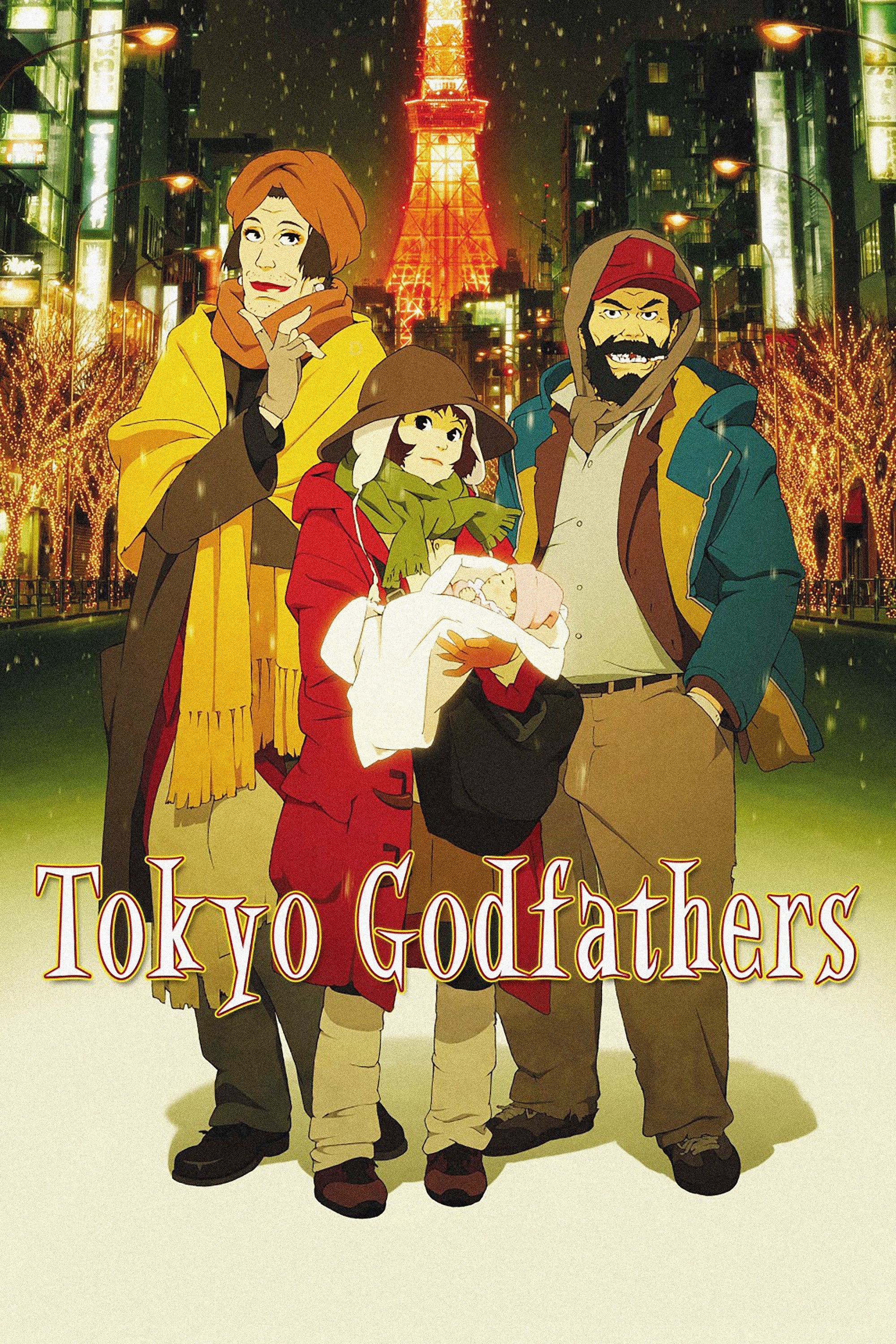
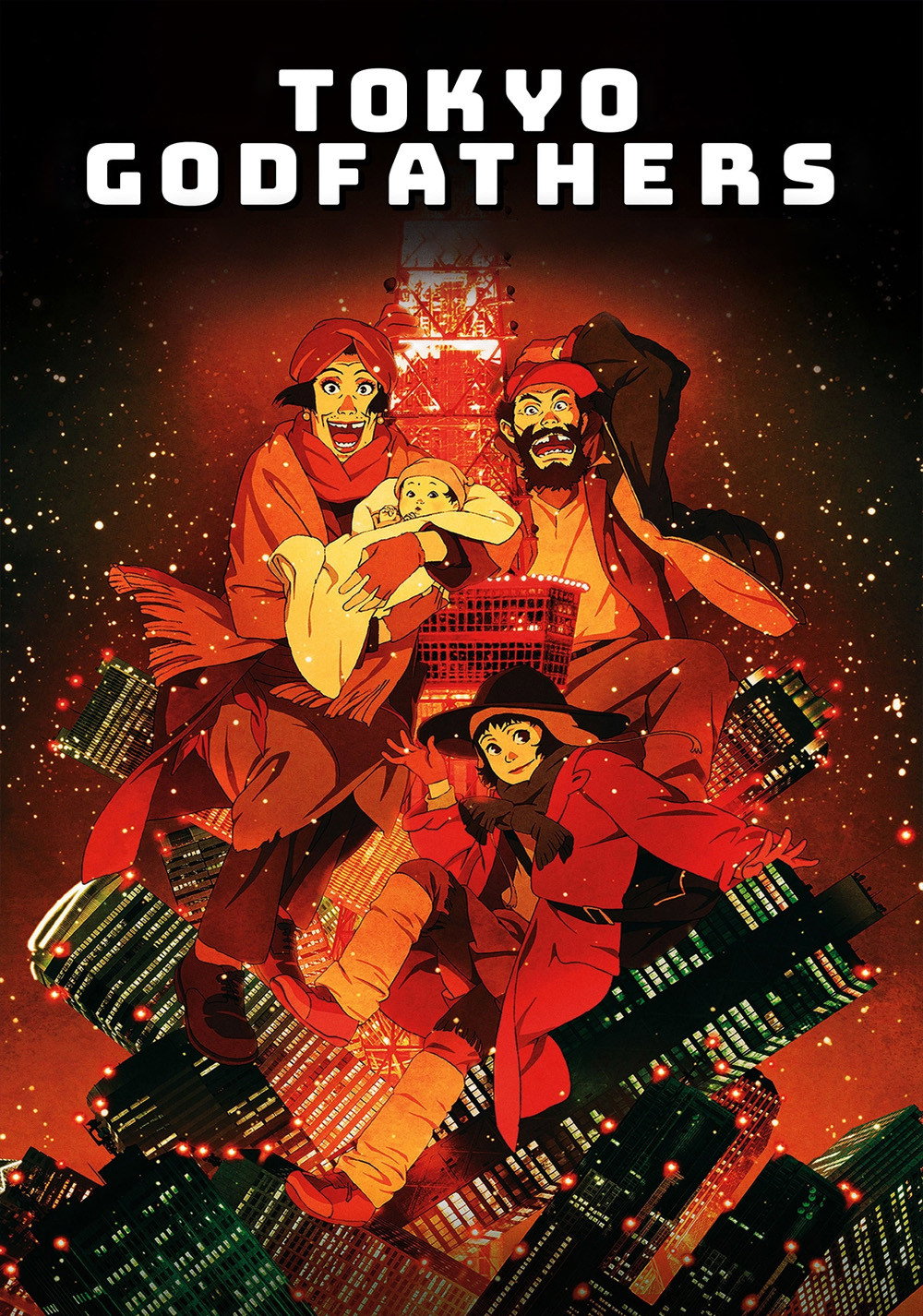
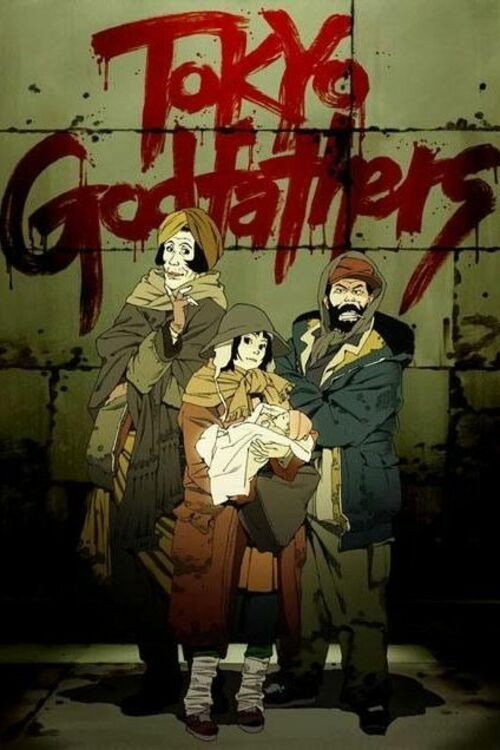
Satoshi Kon puts three homeless people and an abandoned baby into Tokyo on Christmas Eve and lets chance do the rest. It is funny, drawn with real affection for a cold city, and it moved us more than a plot this contrived has any right to.
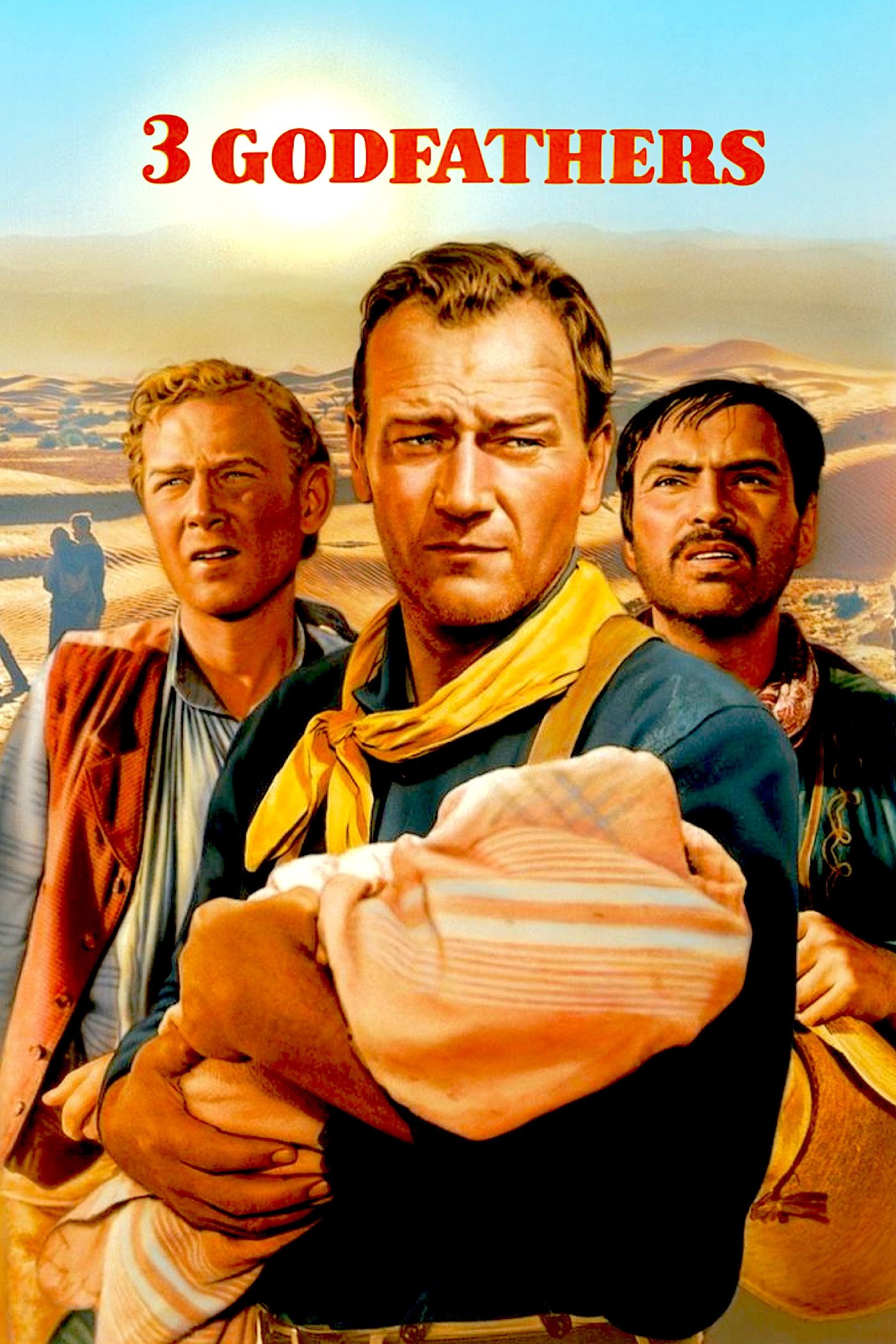
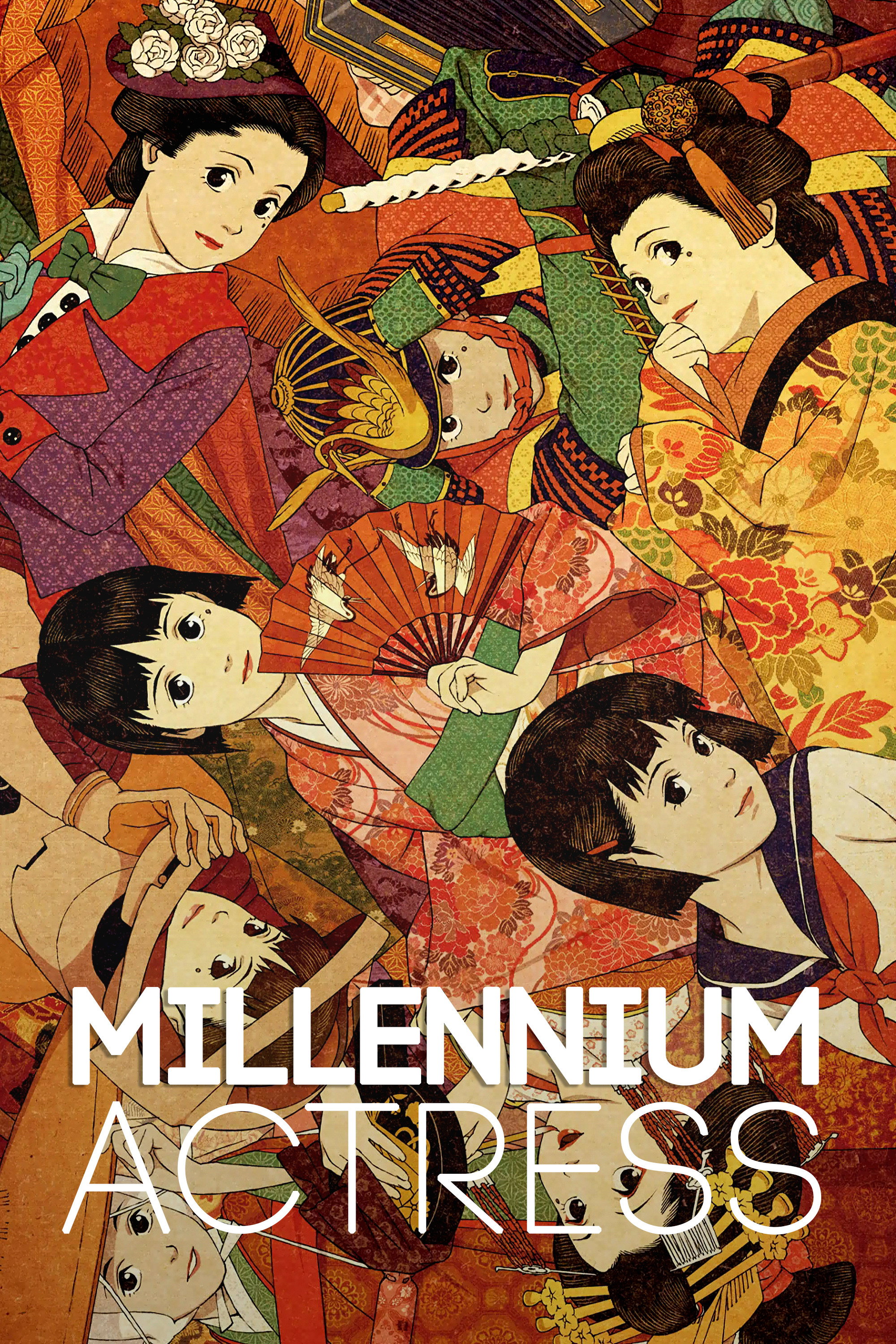
Satoshi Kon’s first two films, Perfect Blue and Millennium Actress, were about people who could no longer tell where their lives ended and their fantasies began. Tokyo Godfathers is a plainer thing: a Christmas story. Three homeless people find a baby in a rubbish heap on Christmas Eve and set out across Tokyo to return her to her mother. Kon and his co-writer Keiko Nobumoto have borrowed the shape from John Ford’s 3 Godfathers, and they have made the warmest film Kon put his name to. It is also built almost entirely on coincidence, and how much that bothers you will decide how much you love it. We loved it a good deal and it bothered us a little.
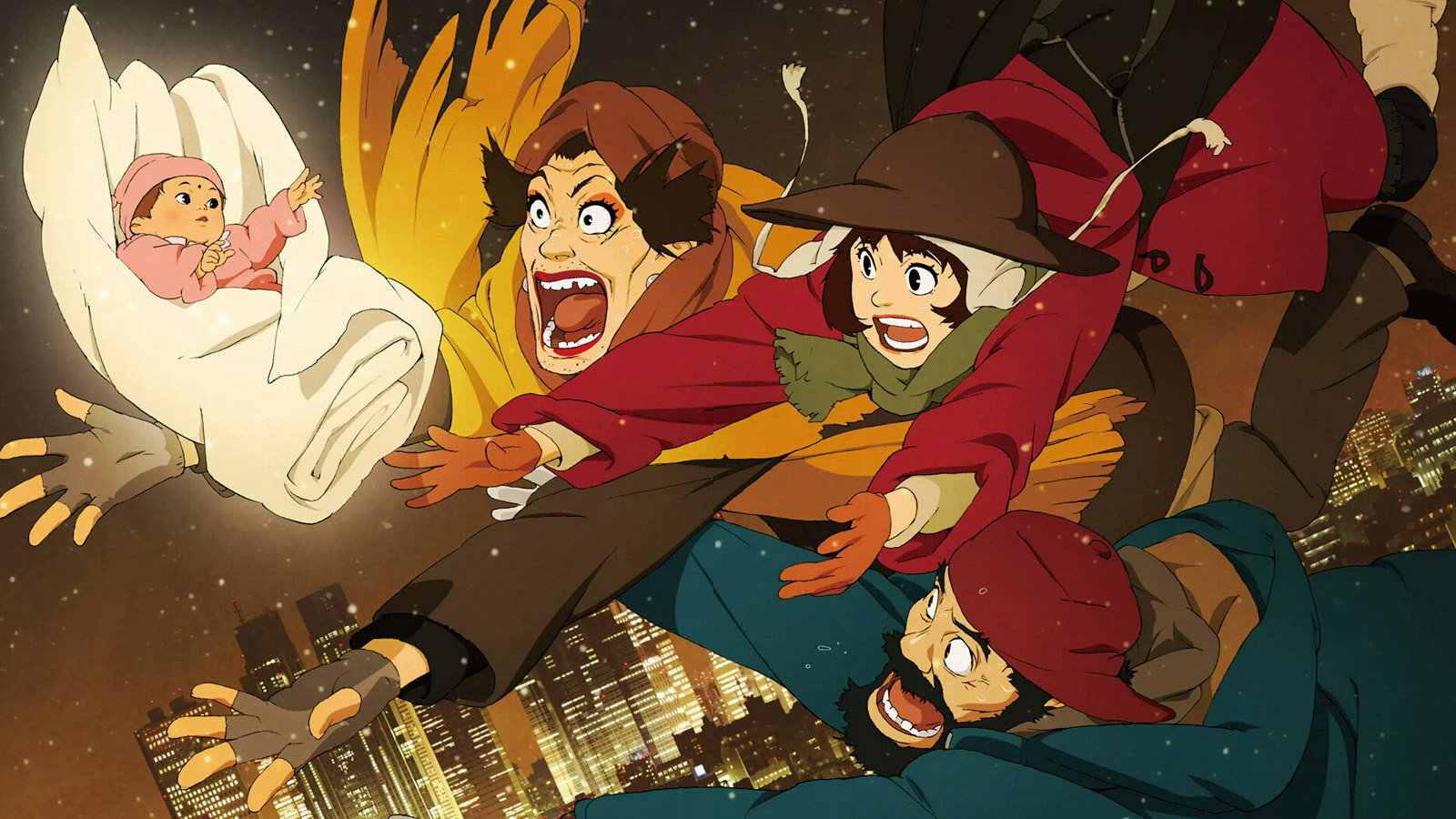
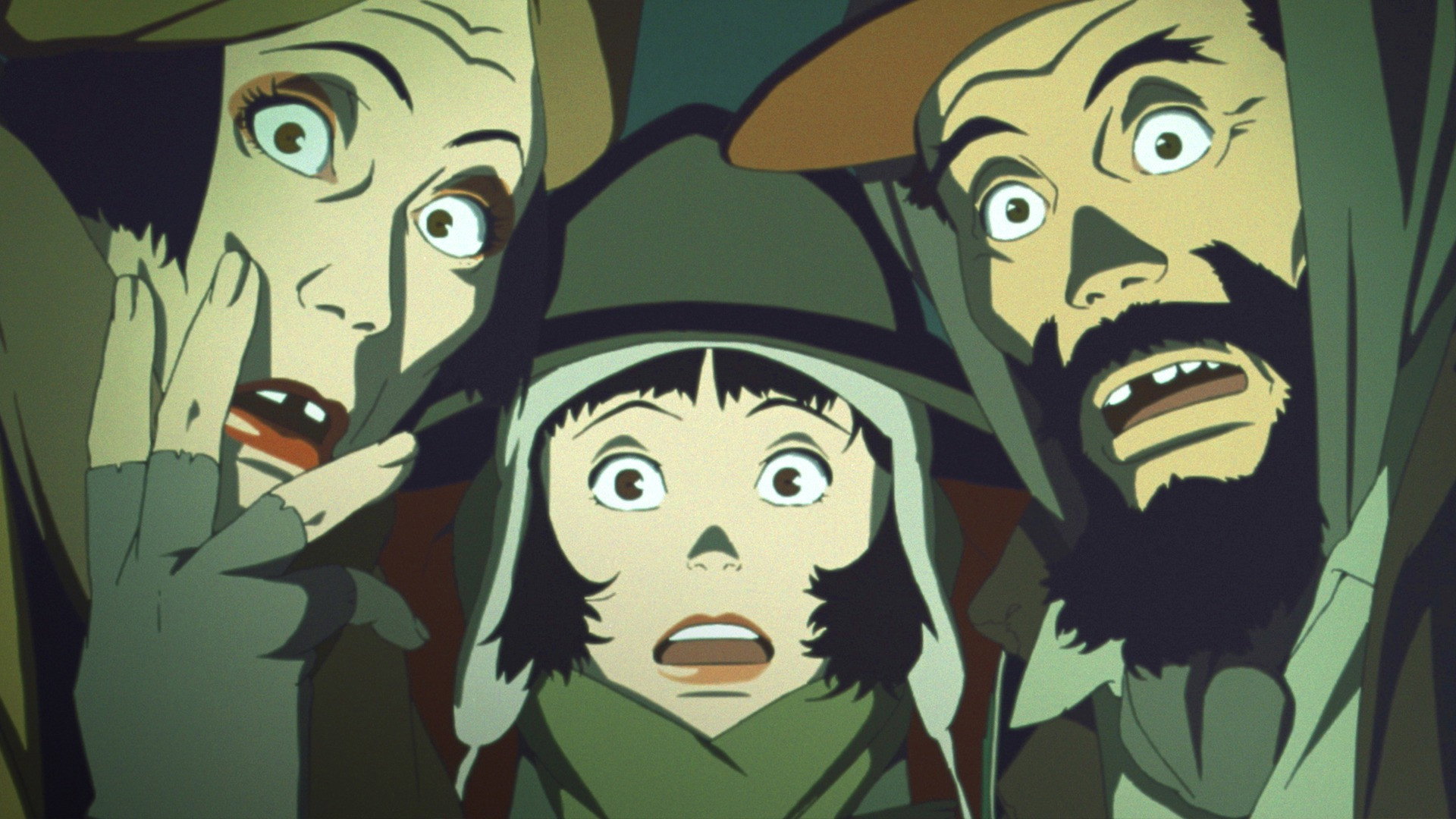
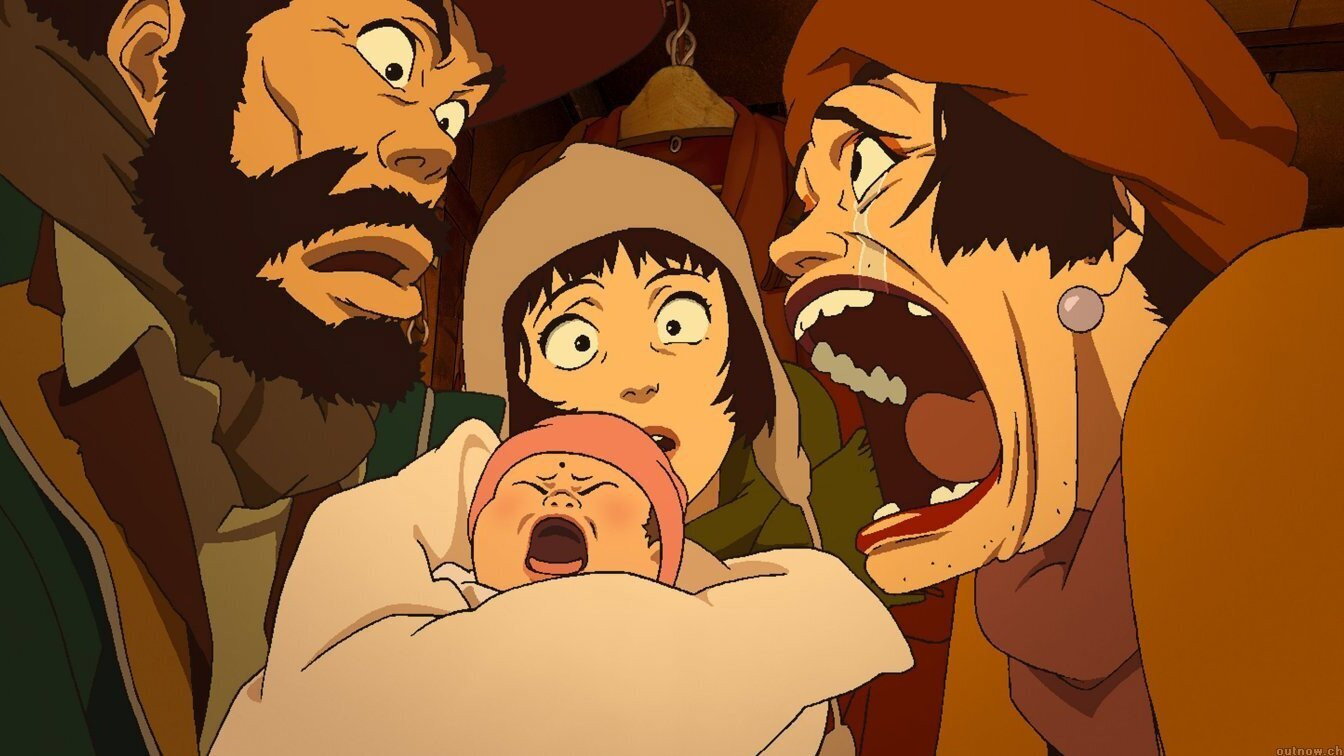
The three are drawn with a broad pen and then given room to surprise you. Gin (Tohru Emori) is a drunk with a red nose and a story about the family he says he lost, which changes depending on how much he has had. Hana (Yoshiaki Umegaki) used to sing in a drag bar, calls herself a mother without a womb, and treats the baby as a parcel delivered to her personally. Miyuki (Aya Okamoto) is a teenage runaway who has decided to be rude to both of them before they can be rude to her. They bicker like people who have shared a shelter for years. Hana names the child Kiyoko, refuses to take her to the police, and the others follow because it is Christmas and they have nothing else on.
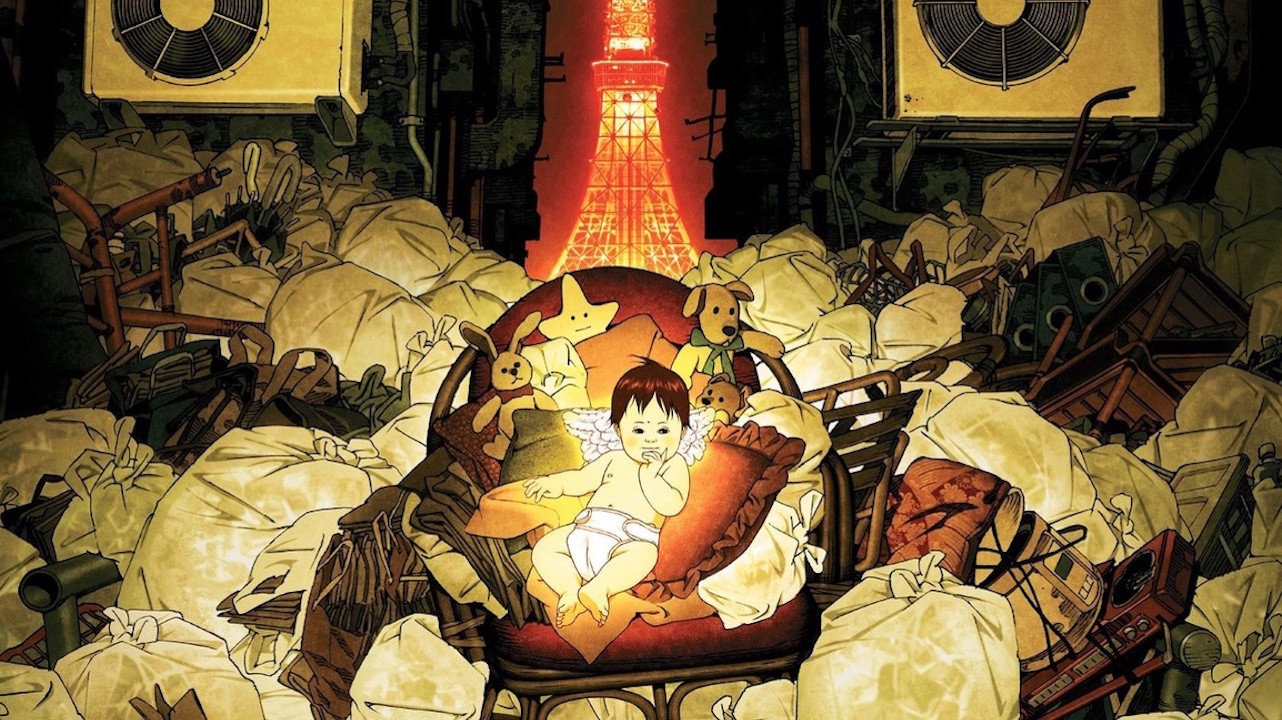
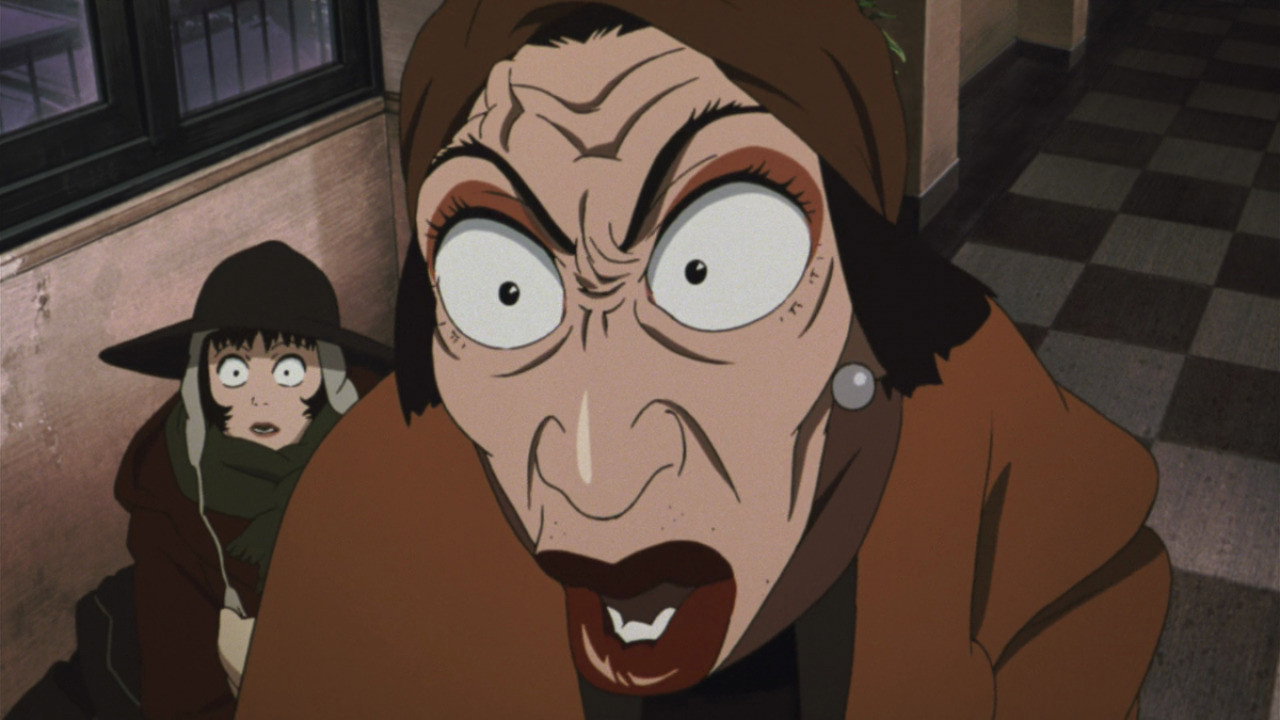
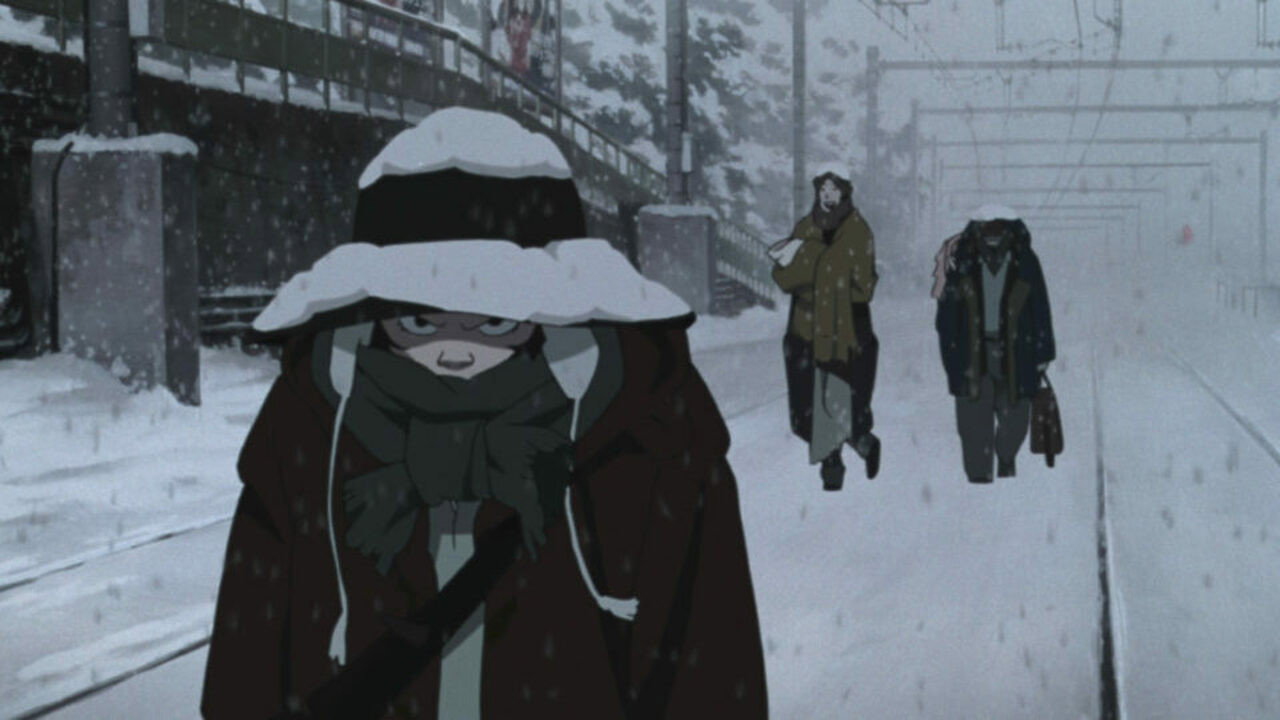
The city is the fourth character, and it is drawn with more care than most live-action films give it. Katsutoshi Sugai keeps the light low and blue for most of the running time: slush, overpasses, blue tarpaulin shelters, vending machines glowing on empty streets. The people are caricatures, Hana’s jaw the size of a shoebox, Gin’s stubble drawn a bristle at a time, and they walk through backgrounds so exact you could find your way home by them. The contrast is the point. Takeshi Seyama and Kashiko Kimura cut in Kon’s manner, a memory dropping into the present on a single hard edit, a night’s drinking done in three shots, and it never feels like showing off.
Keiichi Suzuki’s score is a brass band that has had a drink, swinging along under the arguments. It is loud, and some of the reviews have found it grating; there are moments, mainly in the chases, where it underlines a joke that has already landed. But when the arrangement of Beethoven arrives at the end it earns its noise. We had been smiling for an hour and a half and found that we were crying, which we do not often report about a cartoon with a pratfall in it.
What got us was Hana. Umegaki plays her enormous, all gesture and poetry and self-pity, and for the first half hour we laughed at her and then felt slightly ashamed of ourselves. There is a scene, around the midpoint, where she explains in a few flat sentences why the baby must go back to her own mother and not to a home, and the film stops joking for about a minute. It is the quietest Umegaki gets, and it is where the film turns from a comedy about tramps into something kinder. We were caught off guard, and we had been warned.
The coincidences are the caveat. A key in the baby’s bag leads the three into the city, and from then on the story runs on chance: the right stranger in the right doorway at the right minute, again and again, each meeting tied to one of their pasts. Kon knows exactly what he is doing and calls it a Christmas miracle, which covers a lot, and by the last third it covers too much. Miyuki is also the thinnest of the three; Okamoto is given a sulk, a shout and one phone call, and her story is told to us rather than shown. A chase late on runs past the point where it is funny.
Against Kon’s own work it is the least clever and the easiest to hand to someone who thinks they do not like anime. It does not want to frighten or dazzle you; it wants you to look at three people you would step round on the pavement. At 92 minutes it does not overstay. Watch it in the week before Christmas, when the heating is on and you are inclined to forgive things, and do not count the coincidences. They add up faster than you would like, and it does not matter.