Film review

It's a Wonderful Life

1946 · Directed by Frank Capra · 2h 11m · MPA PG

In a sentenceJames Stewart makes being everyone’s dependable friend look like a good reason to leave town

DramaFamilyFantasy

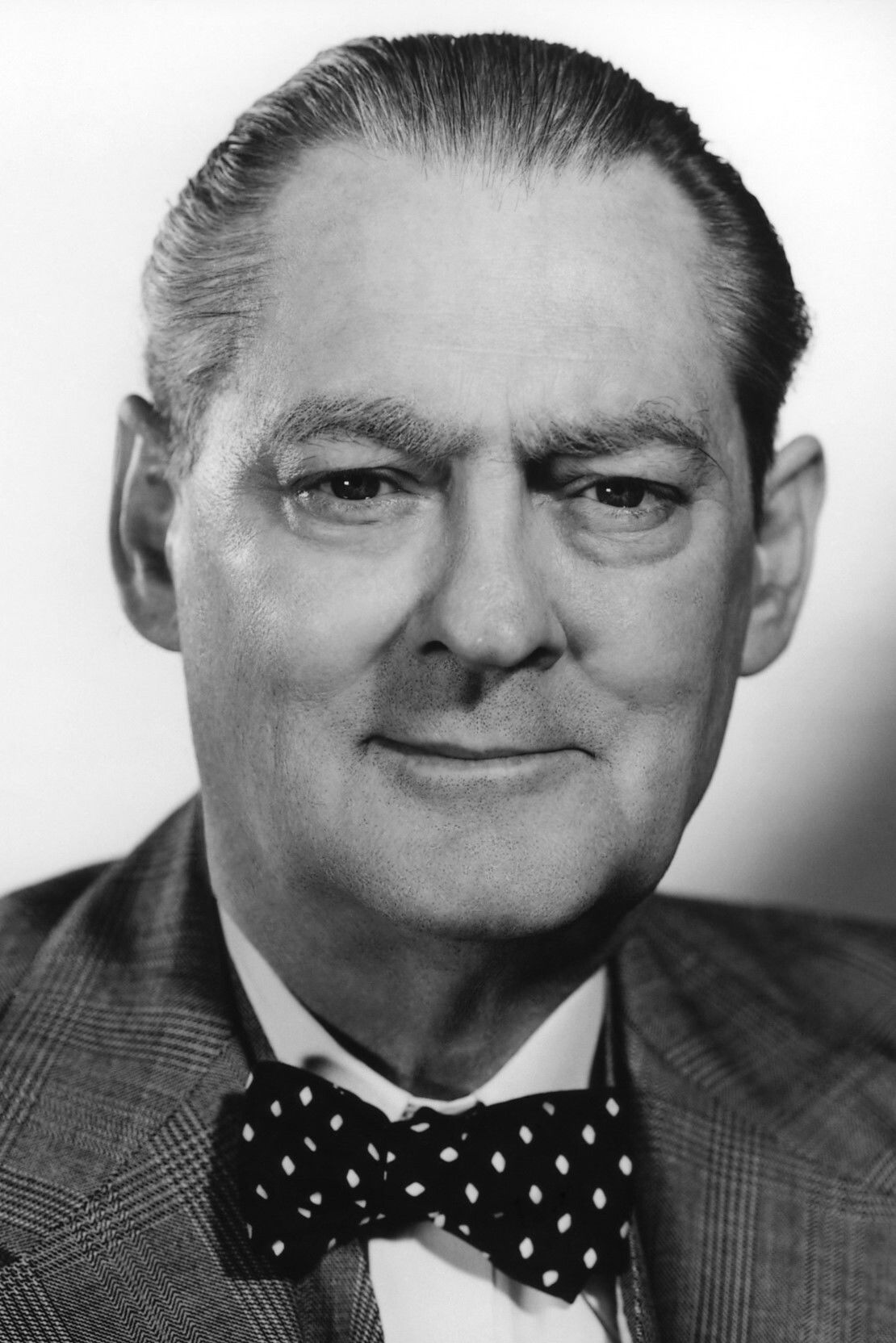
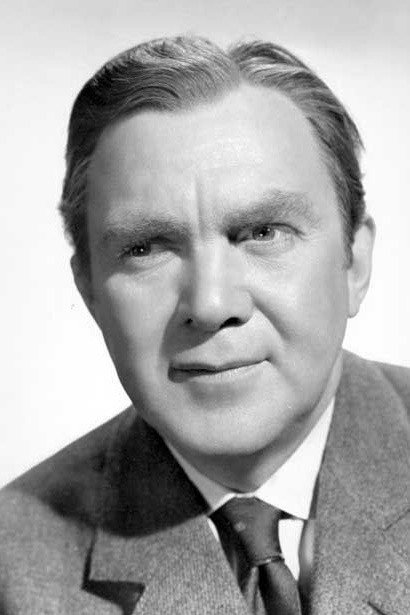
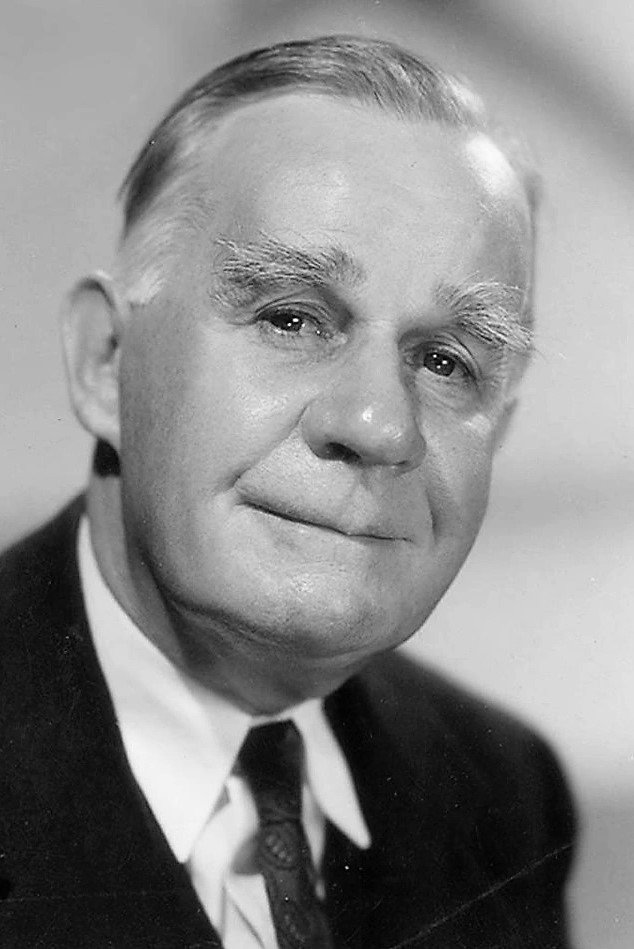
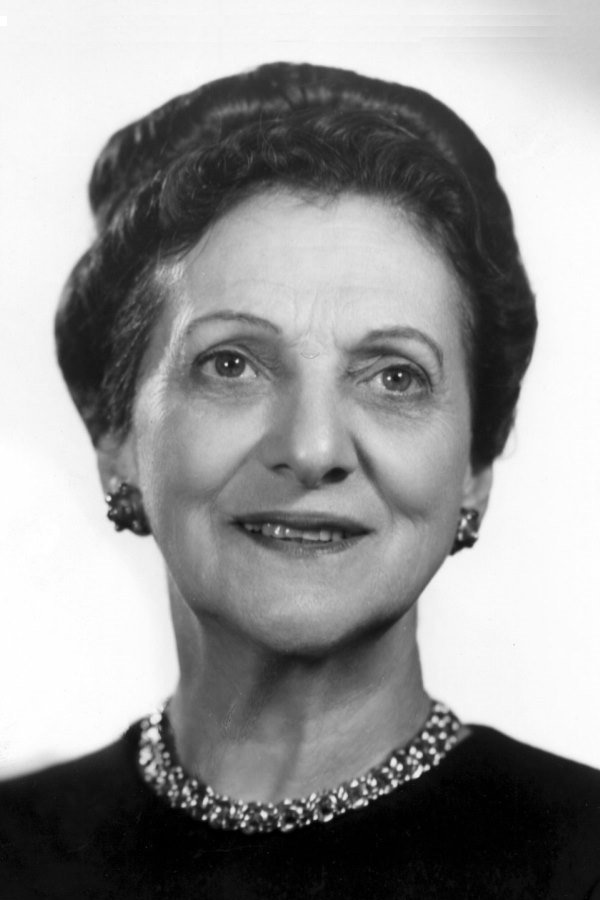
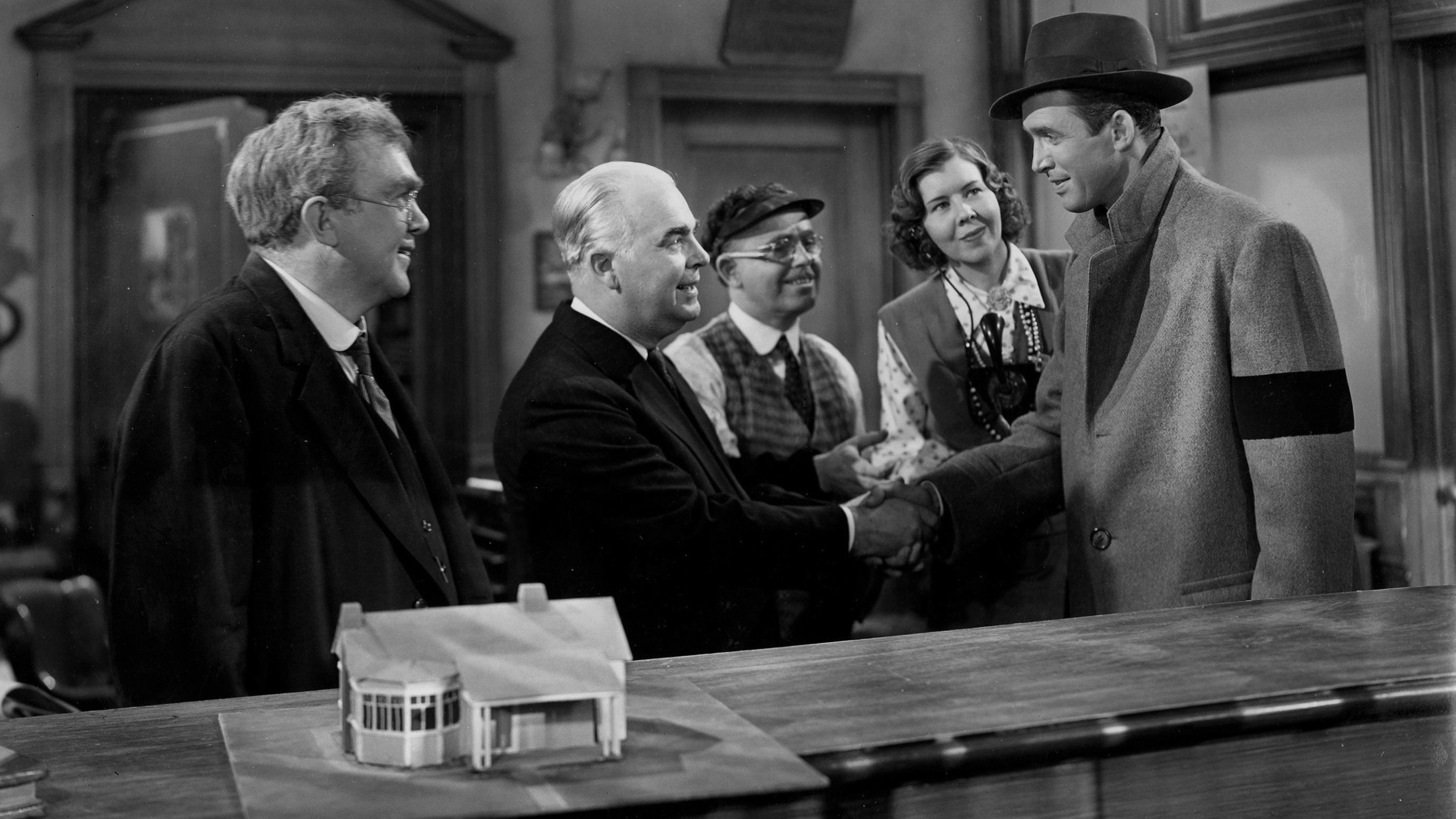
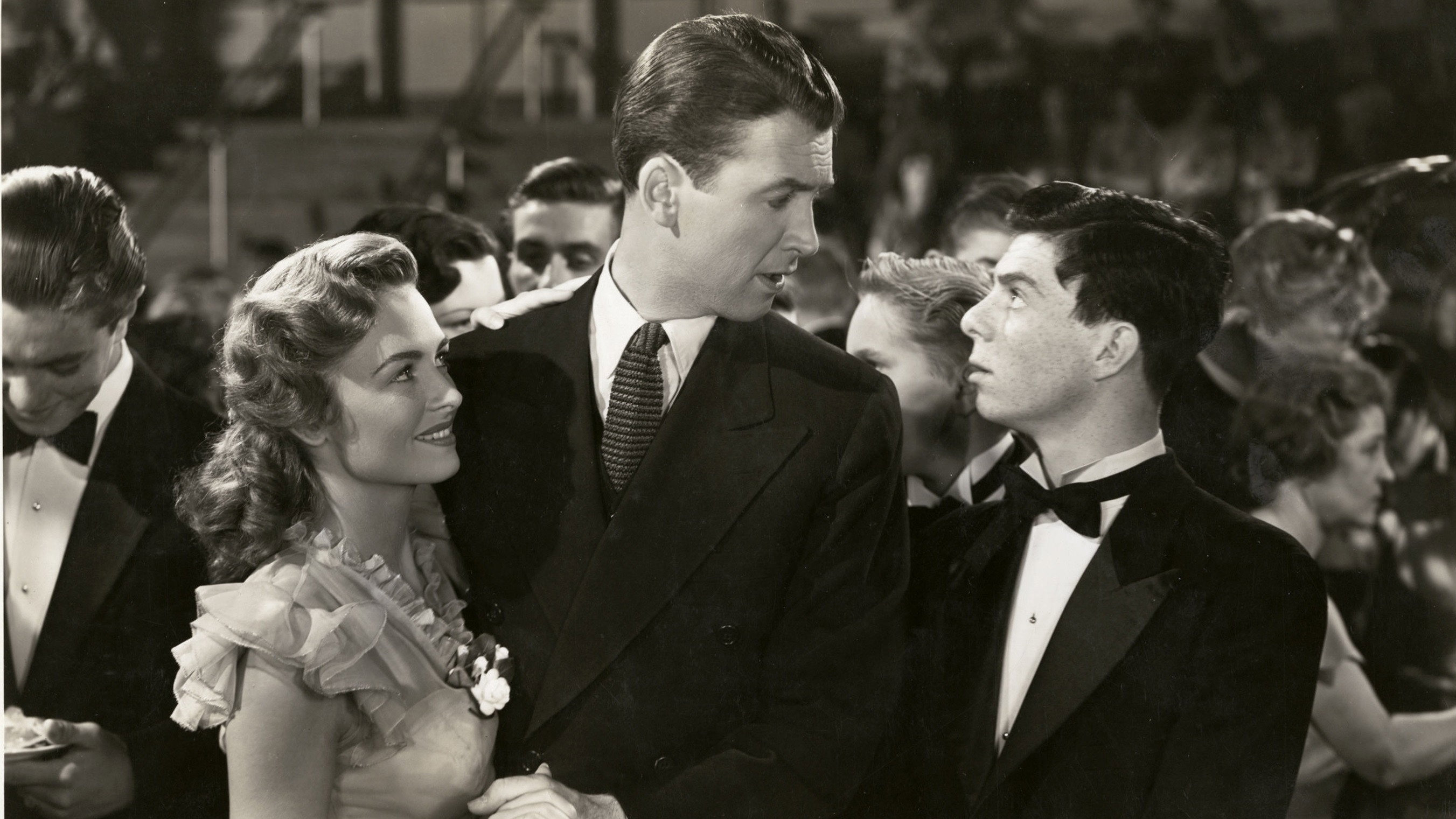
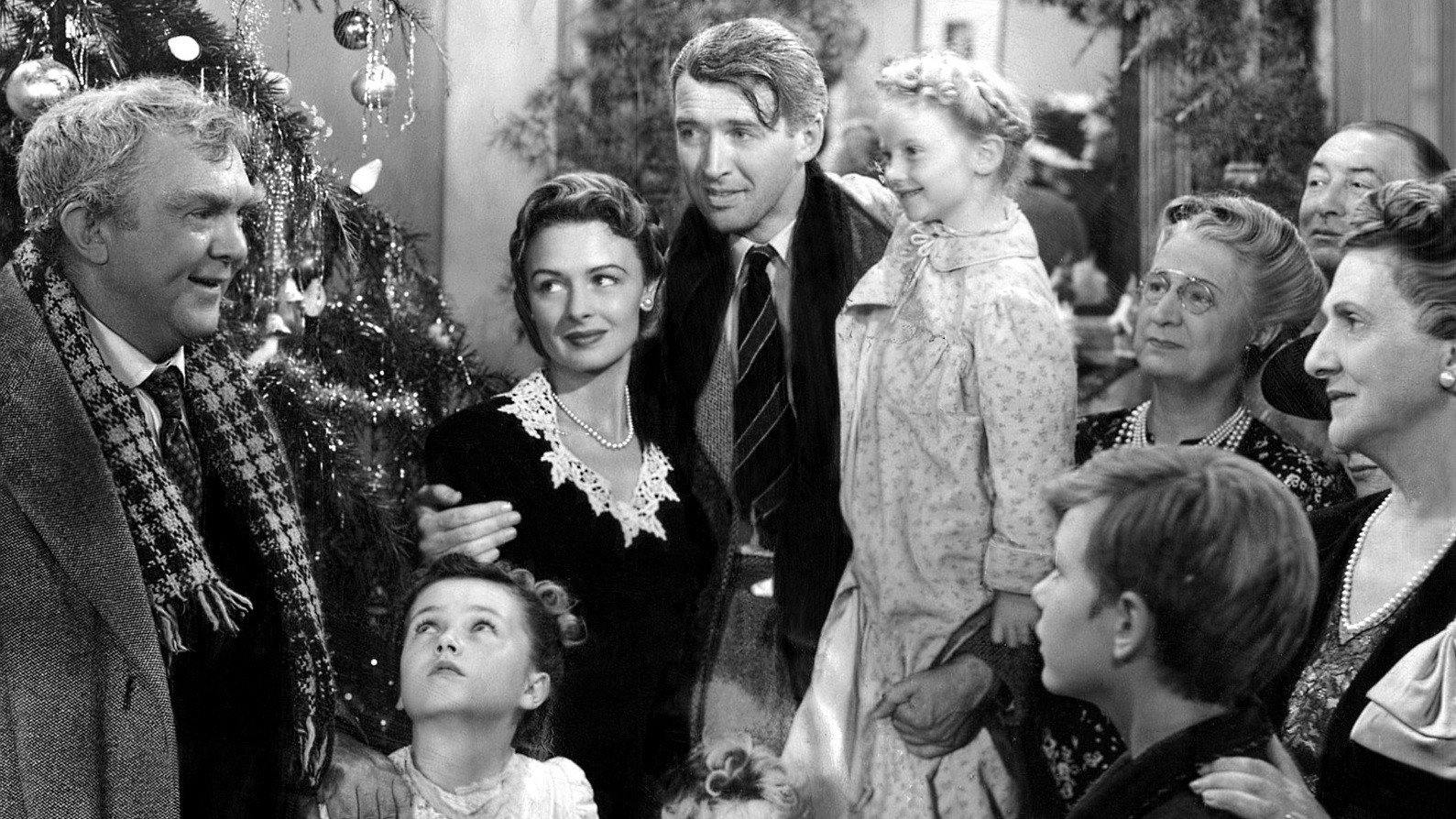
George Bailey (James Stewart) is a small-town dreamer whose plans keep giving way to family responsibilities and other people’s needs. Each sacrifice makes it harder to leave and easier to wonder what his own life amounts to. Around him are Mary Hatch (Donna Reed), Mr Potter (Lionel Barrymore) and Uncle Billy (Thomas Mitchell). Frank Capra’s drama follows George through the compromises of work, home and community, bringing fantasy into a story about the cost of being useful to everyone. Questions of housing, money and class sit alongside the pressures of family life.

Plays from YouTube when you press play; nothing loads from them until then.

Fi1m review

Frank Capra’s family fantasy takes the exhaustion of being good seriously, and James Stewart makes its sentiment feel earned. The whimsy can be overinsistent, but we would recommend it well beyond the Christmas faithful.

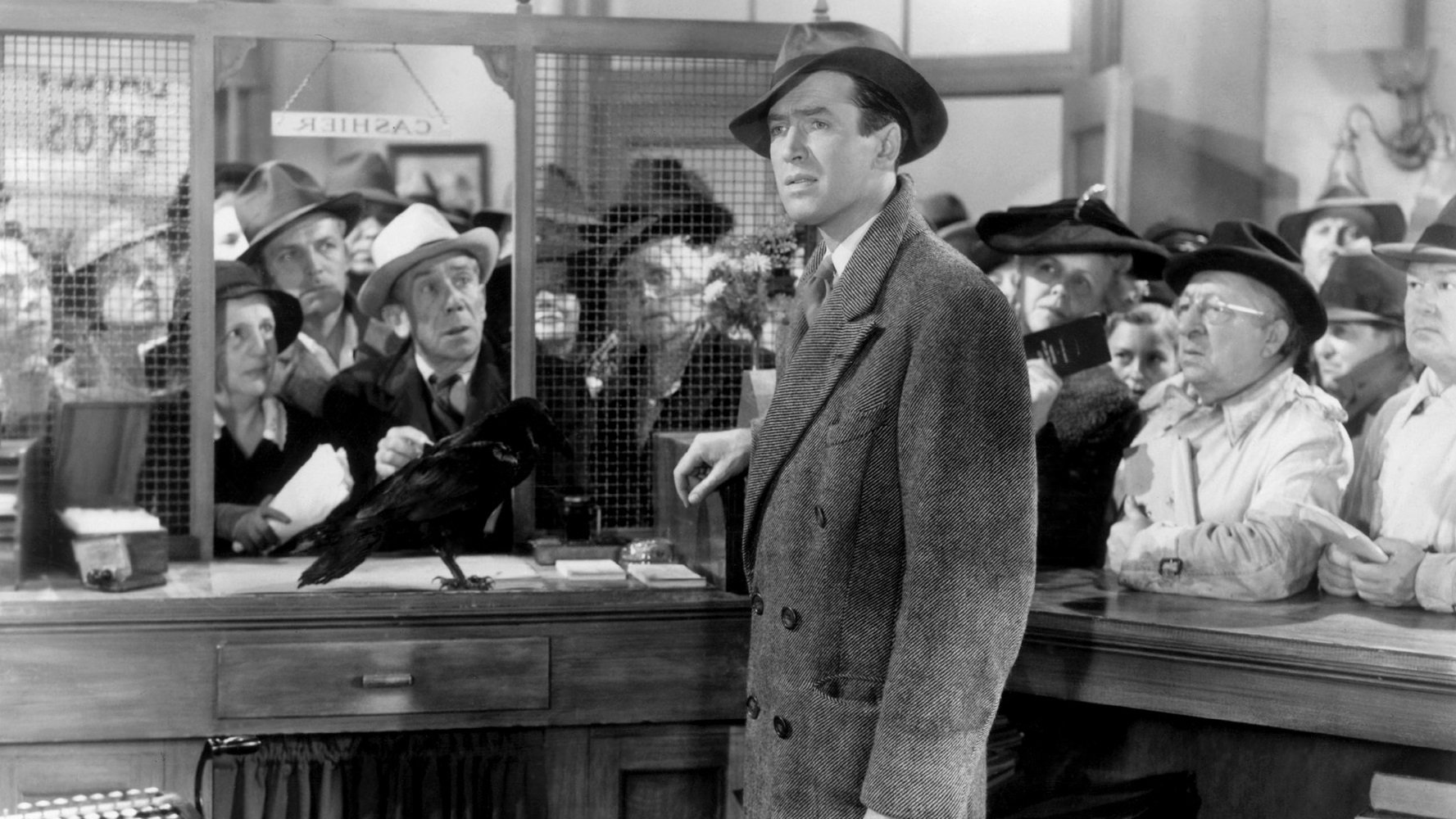
Frank Capra’s It’s a Wonderful Life is an unusually moving film about the weariness of being dependable, and we would recommend it to almost anyone. James Stewart’s George Bailey keeps making the decent choice and watching his own plans recede. Capra asks us to take those disappointments seriously before accepting any comfort he might offer. At 131 minutes, the film gives George’s frustration room to grow; its affection for small-town life never quite disguises how badly he wants something else.

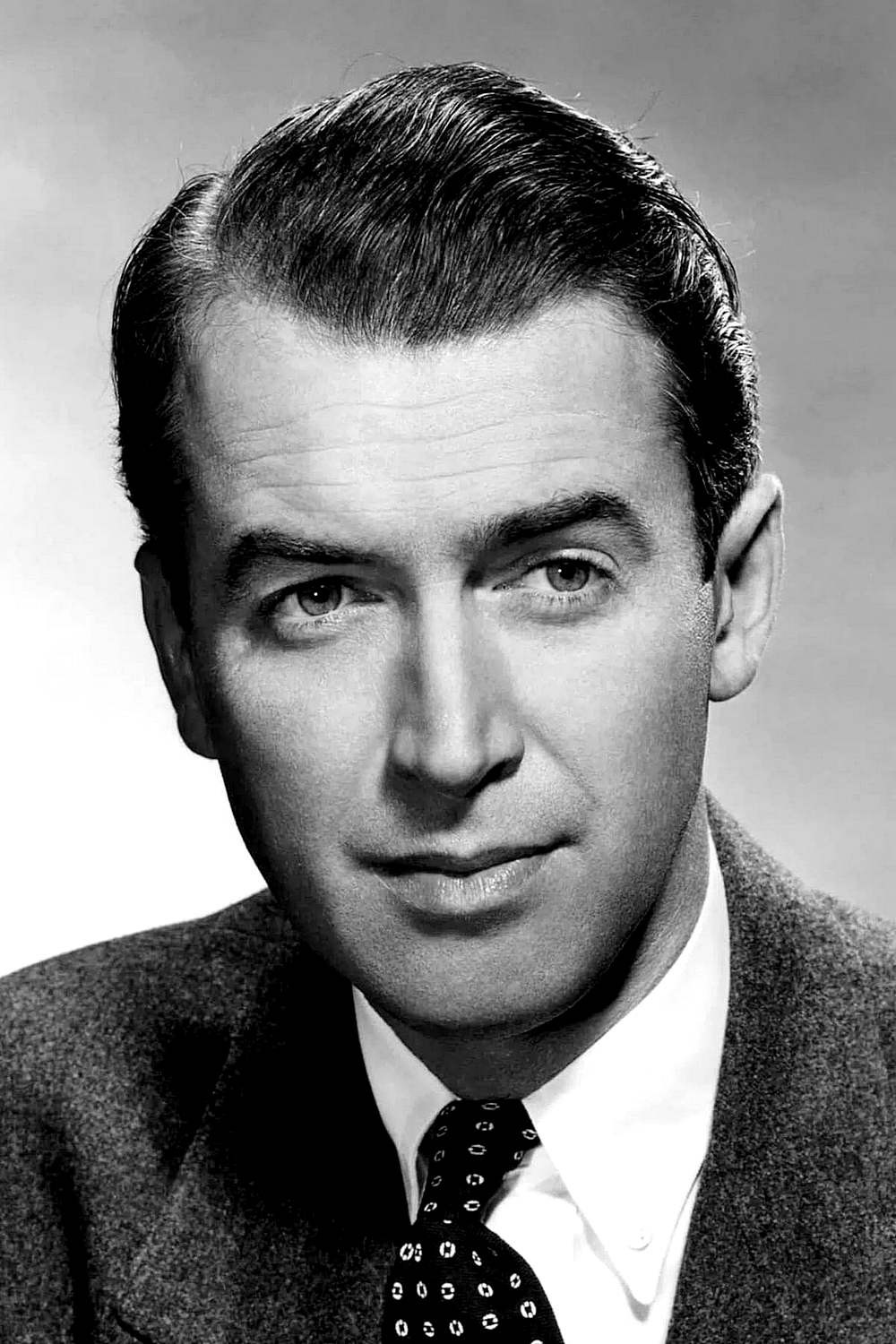
Stewart is the reason it works so well. He makes George likeable without making his sacrifices look painless, and the anxiety beneath his warmth becomes harder to overlook. We were unsettled by Stewart’s frustration each time George puts someone else’s needs ahead of his plans. He lets George want to help and want to get away, sometimes at once. That makes him someone we care about even when he is not especially pleasant company.

Donna Reed’s Mary Hatch is essential to making the life George has feel worth attending to, even while he wishes it were different. Reed gives the domestic material a warmth that keeps the film from becoming an extended complaint about responsibilities. Lionel Barrymore’s Mr Potter is less complicated, and this is where the screenplay by Frances Goodrich, Albert Hackett and Capra takes an easy route. The division between ordinary decency and grasping wealth can be blunt, though it gives the questions about housing and class a welcome directness.

Joseph Walker and Joseph F. Biroc’s photography makes the small-town setting inviting enough for George’s wish to escape it to seem, at first, unreasonable. The streets and interiors feel like places where people know one another, which is comforting until we consider how little privacy that leaves. We can understand the town’s appeal without expecting George to be satisfied with staying there. The surroundings matter because Capra spends so much of the film establishing the everyday life that his fantasy will ask us to reconsider.

William Hornbeck’s editing lets the account of George’s life take its time, and the accumulation of obligations is worth the patience required. Some of the homely business could be shorter, particularly when Capra is still persuading us to like people we already like. Dimitri Tiomkin’s score is less restrained than Stewart’s performance, and occasionally presses an emotion the actor has already made clear. Yet its warmth belongs here; a dry, embarrassed treatment of this material would be a different film, and probably a poorer one.

As a family fantasy, this is unusually willing to dwell on an adult’s anger about the life he has ended up living. The whimsy is less persuasive, and Capra occasionally makes reassurance sound like an instruction. We can understand why someone resistant to this sort of sentiment might prefer Stewart’s unease to the film’s comfort. For us, George’s frustration has been taken seriously enough that the comfort need not feel dishonest.

Give it an uninterrupted evening rather than treating it as reassuring background noise. Its length allows us to notice each compromise George makes and how much harder the next one becomes. The wrapping paper can wait.
Critical consensus AI synthesised

79
Positive
8
Mixed
0
Negative
1

Most critics respond warmly to Capra’s blend of small-town sentiment and despair, with praise clustering around James Stewart’s performance as George Bailey. The reviews find both warmth and anxiety in his portrayal of a man whose obligations repeatedly frustrate his ambitions; several stress that the film is darker than its festive reputation suggests. Capra’s storytelling also draws approval for making potentially hokey material affecting, while the supporting cast, photography and score receive praise.

The main dividing line is sentimentality: most critics find it sincere or earned by the bleakness surrounding it, though even sympathetic accounts acknowledge a risk of bathos. The spread is broad chiefly because of The New Yorker’s dissenting contemporary review, which finds the whimsy infantilising and the guardian angel material cloying, while allowing Stewart occasional moments of honest acting. Elsewhere, the differences concern emphasis, from comforting seasonal entertainment to a troubling account of compromise, class and disappointed hopes.

Empire
1 January 2000 · Ian Freer
90*

The review celebrates Capra's 1946 festive fairy tale as one of the most watchable movie classics, orchestrated with consummate mastery through laughs, sentiment and charm. It singles out James Stewart's instantly loveable performance as the small-town dreamer who sacrifices everything for others.

Read the full review →
Slant Magazine
16 November 2007 · ★★★½/4 · Fernando F. Croce
88

The film must be rescued from uncritical classic status, as its postwar balance of hope and despair, Stewart's underlying anxiety, and the precariousness of its idyll reveal a nightmare close to the American Dream. Capra's populism and the climactic affirmation provide catharsis, though the material risks bathos that Stewart's performance helps mitigate.

Read the full review →
The Guardian
14 December 2018
85*

The critic highlights the film's ongoing relevance to issues like housing shortages and class struggles against greedy plutocrats, noting its mixed original reception but enduring popularity via television. They single out George's brutal, despairing bar scene as the most powerful moment before his redemption.

Read the full review →
Total Film
14 December 2007
85*

The review hails the film as the all-time great Christmas movie that is beautifully photographed and emotionally strong. It singles out Capra's bittersweet take on Christmas, the script and Stewart's perfect performance for making an unrivalled classic.

Read the full review →
Evening Standard
10 April 2012
80*

The review calls the film a sincere and ultimately affecting classic that can be seen again and again. It singles out the homespun sentiment and the story's resonance around Christmas time.

Read the full review →
The AV Club
21 December 2012 · Emily St. James
75*

The film shows the unending cost of being good, with George Bailey repeatedly sacrificing his dreams only to become more trapped in a small-town hell of compromise and frustration. It is far darker than its reputation, a post-WWII artifact of melancholy whose fantasy sequence and ending provide intense catharsis after bleak horror.

Read the full review →

Cast

Stills

Awards

Academy Awards, 1947

Nominated
Best Actor
Nominated
Best Director
Nominated
Best Film Editing
Nominated
Best Picture
Nominated
Best Sound

If you liked this, try…

The Shop Around the Corner poster

The Shop Around the Corner

1940 · More Stewart, with workplace irritation and loneliness giving the romance its weight.

Ikiru poster

Ikiru

1952 · Another ordinary man asks what his life has actually done for others.

A Matter of Life and Death poster92

A Matter of Life and Death

1946 · Heavenly administration meets earthly attachment, with wit enough to support the sentiment.

The Apartment poster91

The Apartment

1960 · For the loneliness beneath the comedy, and kindness that comes at a cost.

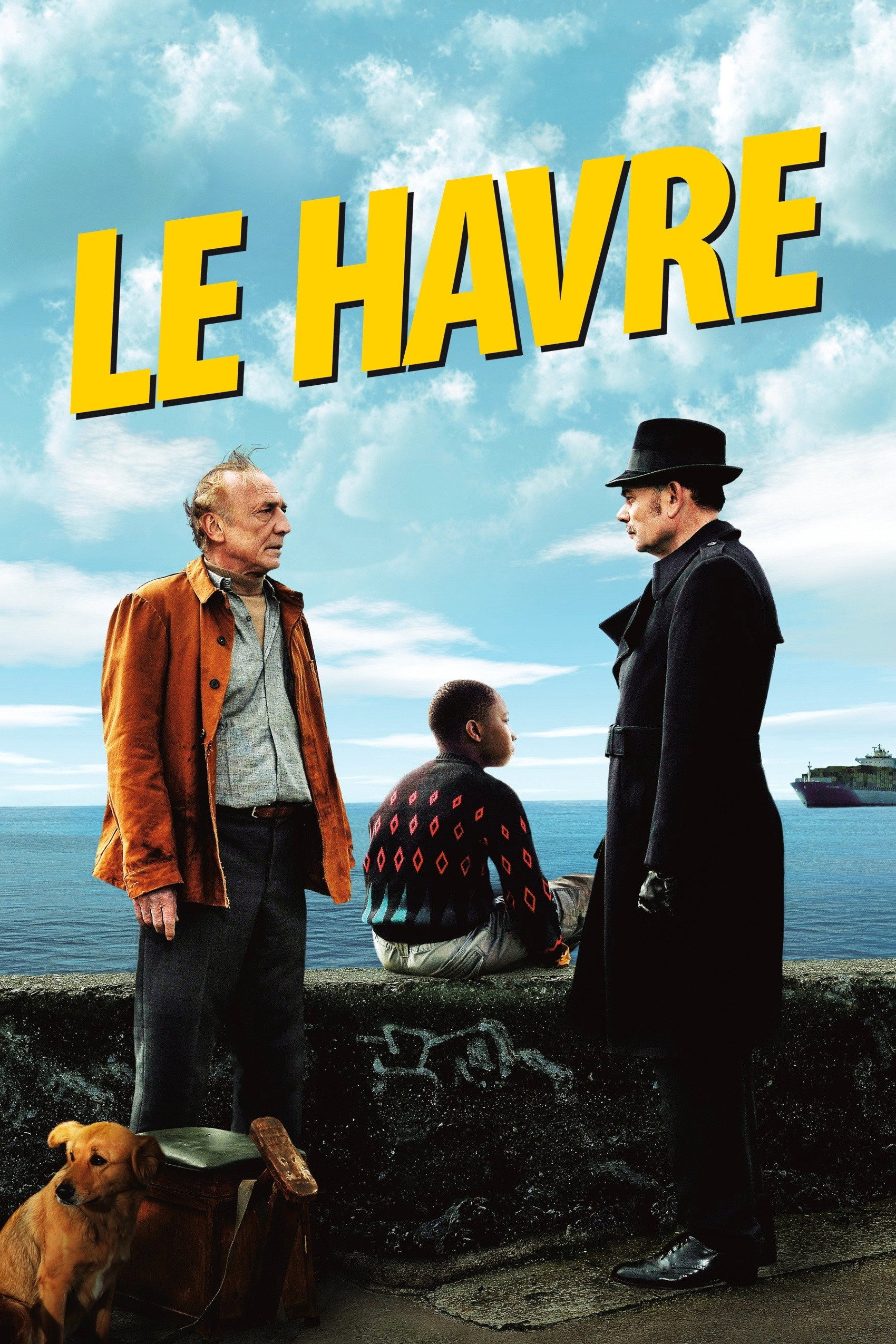
Le Havre poster

Le Havre

2011 · Another community answers hardship with practical help, stubborn decency and dry humour.