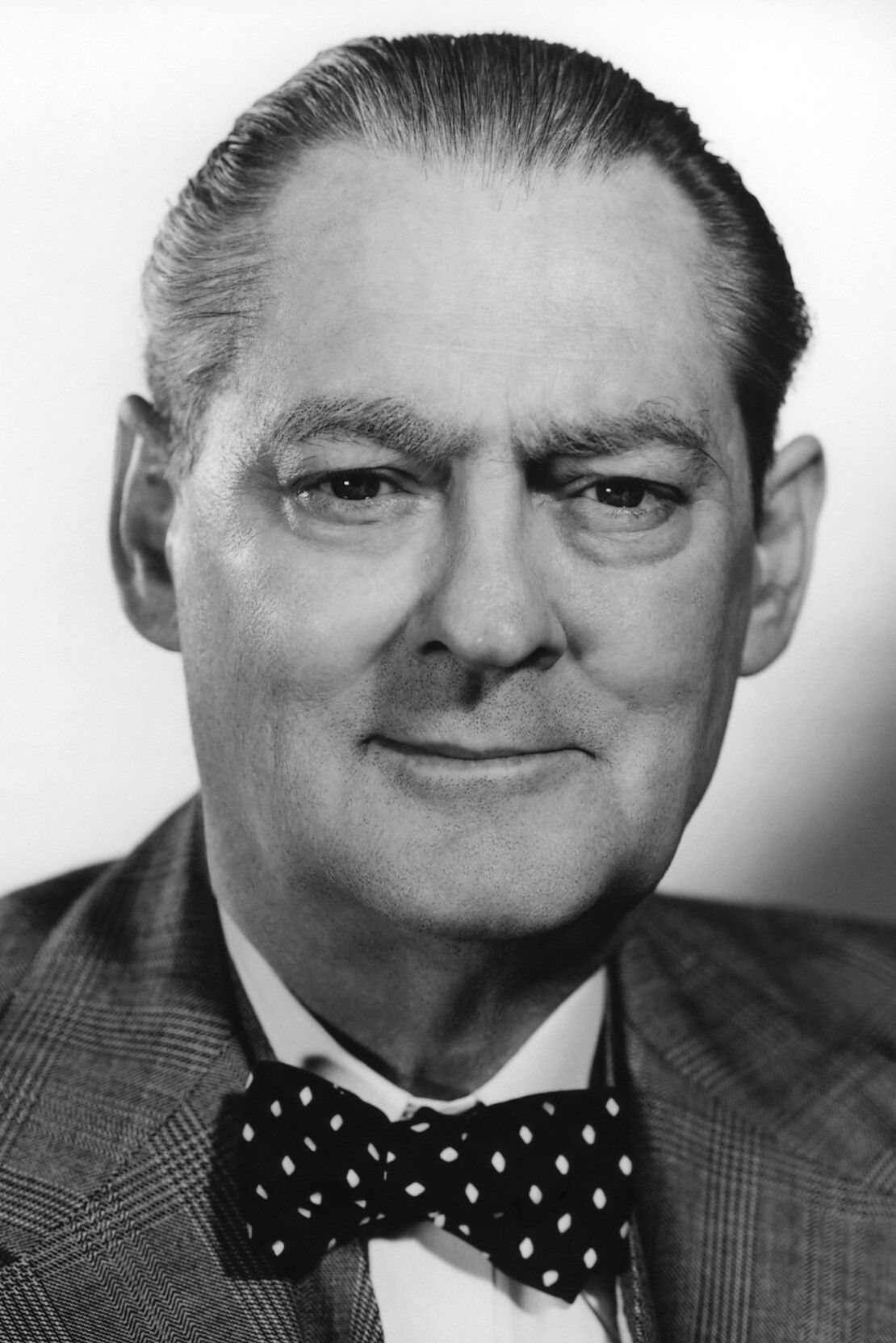
Lionel Barrymore gives elderly authority a rasp and a temper, making even a familiar grouch worth watching. We value his directness, though his later parts can leave him little to do beyond being difficult.
Fi1m perspective
Barrymore's hoarse voice and shaggy eyebrows make impatience easy to read. His elderly men expect to be listened to, and he can suggest that hearing anyone else's opinion is an unreasonable demand on their time. We like the bluntness of this acting when there is wisdom or kindness behind the temper. The difficulty comes when the familiar grouch is all the part contains.
Early sound films made good use of his stage-honed diction, notably in the courtroom role of Stephen Ashe in A Free Soul (1931). By You Can't Take It with You (1938), Martin Vanderhof offered the more endearing curmudgeon. There was useful work within that type: his Dr Gillespie in Young Dr. Kildare (1938) combines medical wisdom with irritability. Alongside Lew Ayres in the series, Barrymore could be difficult without simply being wrong.
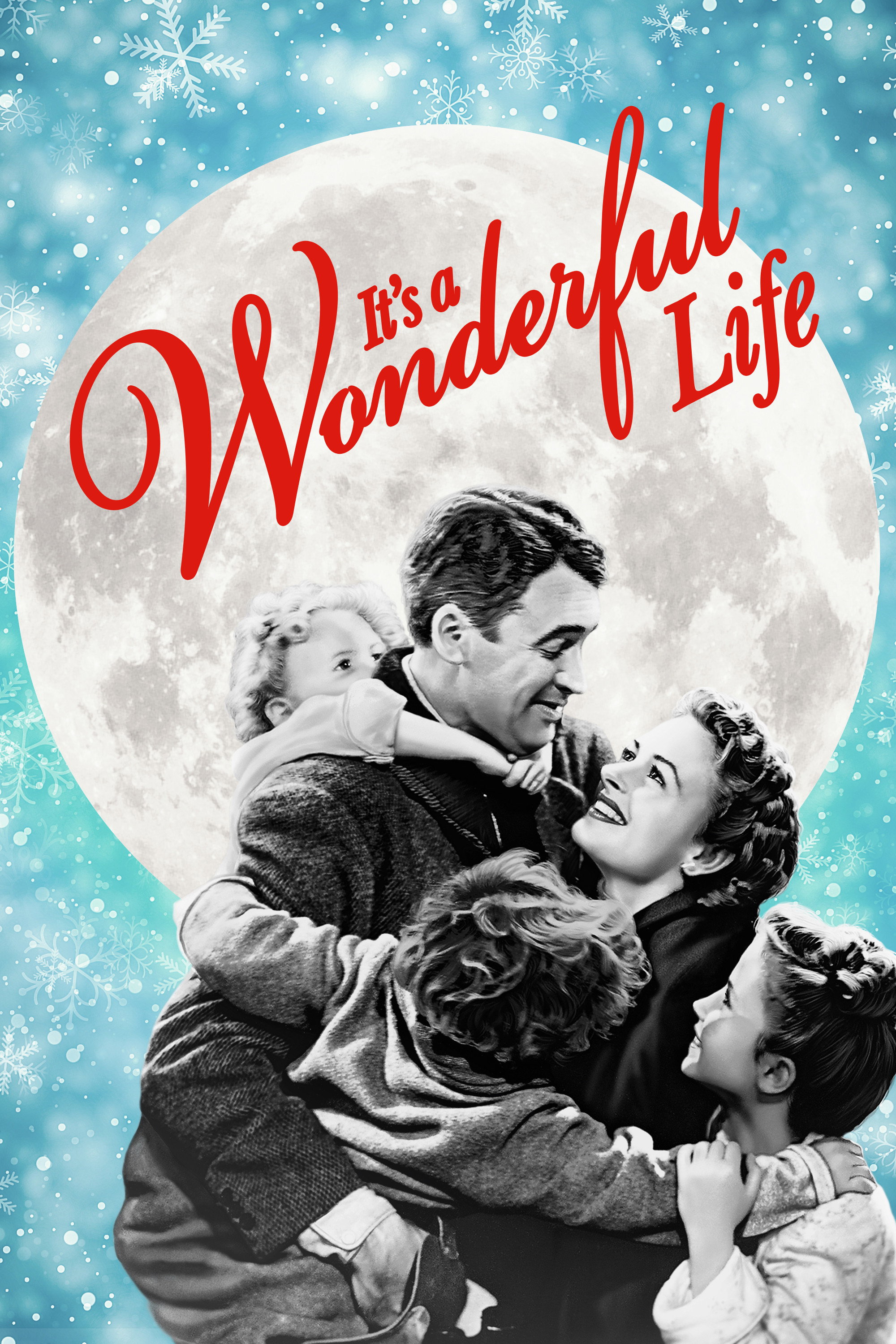
The later casting grew narrower, and it would be dishonest to treat every variation on an irascible old man as a fresh discovery. It's a Wonderful Life (1946) makes effective use of that familiarity. In Frank Capra's film, he plays Mr Potter, a miserly banker whose authority needs no elaborate introduction. We found Potter infuriating because his grasping attitude makes the ordinary decency around him look so vulnerable.
Yet Potter is less complicated than the people opposing him, and the screenplay by Frances Goodrich, Albert Hackett and Capra takes an easy route through him. James Stewart makes the exhaustion of being good convincing, while Donna Reed gives the domestic scenes their warmth. Barrymore gets fewer shades to work with. The blunt contrast does make the film's questions about housing direct, but it also limits what the performance can explore.
That is worth remembering when judging an actor so often asked to supply a temper. A performance can do precisely what a film needs and still leave us wishing the part had asked for more. We would start with It's a Wonderful Life, while allowing for its overinsistent whimsy. Then try Young Dr. Kildare for an authority figure whose grouchiness need not make him the enemy.
Biography
Lionel Barrymore (born Lionel Herbert Blythe; 28 April 1878 – 15 November 1954) was an American actor of stage, screen and radio, as well as a film director. A member of the theatrical Barrymore family, he was the son of actors Maurice Barrymore and Georgiana Drew.
Barrymore won the Academy Award for Best Actor for his performance in A Free Soul (1931). He is known for playing Mr. Potter in It's a Wonderful Life (1946), Dr. Leonard Gillespie in the Dr. Kildare film series, and Ebenezer Scrooge in annual radio broadcasts of A Christmas Carol.