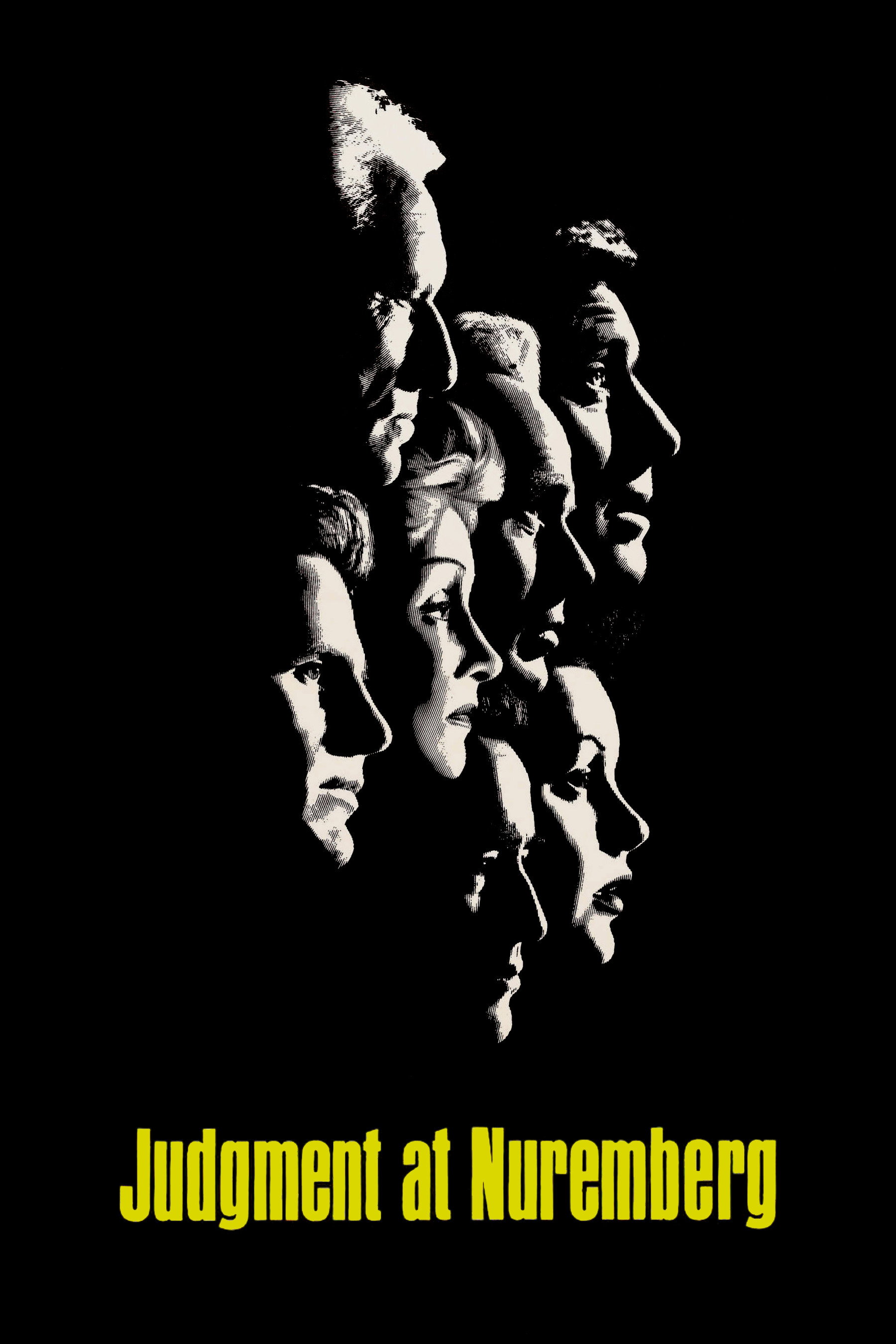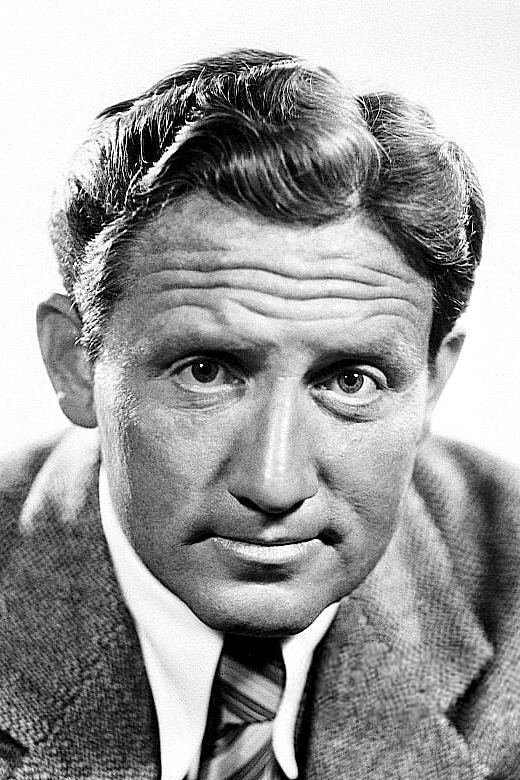
Spencer Tracy makes listening worth watching, with little movement and no need to advertise the thinking. His restraint is invaluable in Judgment at Nuremberg, though even he cannot make every speech necessary.
Fi1m perspective
While other actors press their points, Spencer Tracy appears to be considering what they have said. In Judgment at Nuremberg (1961), his judge Dan Haywood hears people out without making a display of his own intelligence. We felt relief whenever the film returned to him, because his unforced attention gave us a break from the emphatic speeches. Tracy gives us time to think alongside him. That makes Stanley Kramer's courtroom drama easier to stay with over its 191 minutes.
The path from Fury (1936) and Boys Town (1938) to the later courtroom roles can make the work sound uniformly grave. His nine films with Katharine Hepburn, including Adam's Rib (1949), are a useful reminder of the comedy alongside the weightier drama. Bad Day at Black Rock (1955) puts his stillness to work in a tense setting, requiring little outward effort from him to hold our attention. The later turn towards principled professionals brings us to Henry Drummond, the lawyer he plays in Inherit the Wind (1960), where that economical manner carries considerable conviction.
The useful comparison in Judgment at Nuremberg is with Maximilian Schell's Hans Rolfe. Schell presses his points with force; Tracy gives the impression that he has time to hear them. The exchanges gain tension because the actors are not competing to be the loudest person present. Kramer gets particular value from Tracy's lack of fuss, giving us a steady presence among so many emphatic performances. His judge has authority without sounding as though he arrived with every answer prepared, which makes the questions before him harder to dismiss.
The limitation comes when a film treats that trustworthy presence as proof that everything it says is wise. The later message dramas can lean too heavily on his seriousness, asking us to accept another speech because he lends it conviction. Even Judgment at Nuremberg keeps explaining points that have already been made sufficiently clear, and Tracy's restraint cannot shorten the script. Start there, but allow for the over-explanation; his listening deserves as much attention as anyone else's lines.
Biography
Spencer Tracy (1900–1967) was an American actor. He was born in Milwaukee, Wisconsin, and trained at the American Academy of Dramatic Arts. After several years in stock companies and on Broadway, he made his film debut in Up the River (1930).
Tracy spent five years under contract to Fox Film Corporation before moving to Metro-Goldwyn-Mayer in 1935. He won Academy Awards for Best Actor for Captains Courageous (1937) and Boys Town (1938), and received further nominations for performances including those in Inherit the Wind (1960), Judgment at Nuremberg (1961) and Guess Who's Coming to Dinner (1967). Among his other notable films are Fury (1936), Adam's Rib (1949), Father of the Bride (1950) and Bad Day at Black Rock (1955).