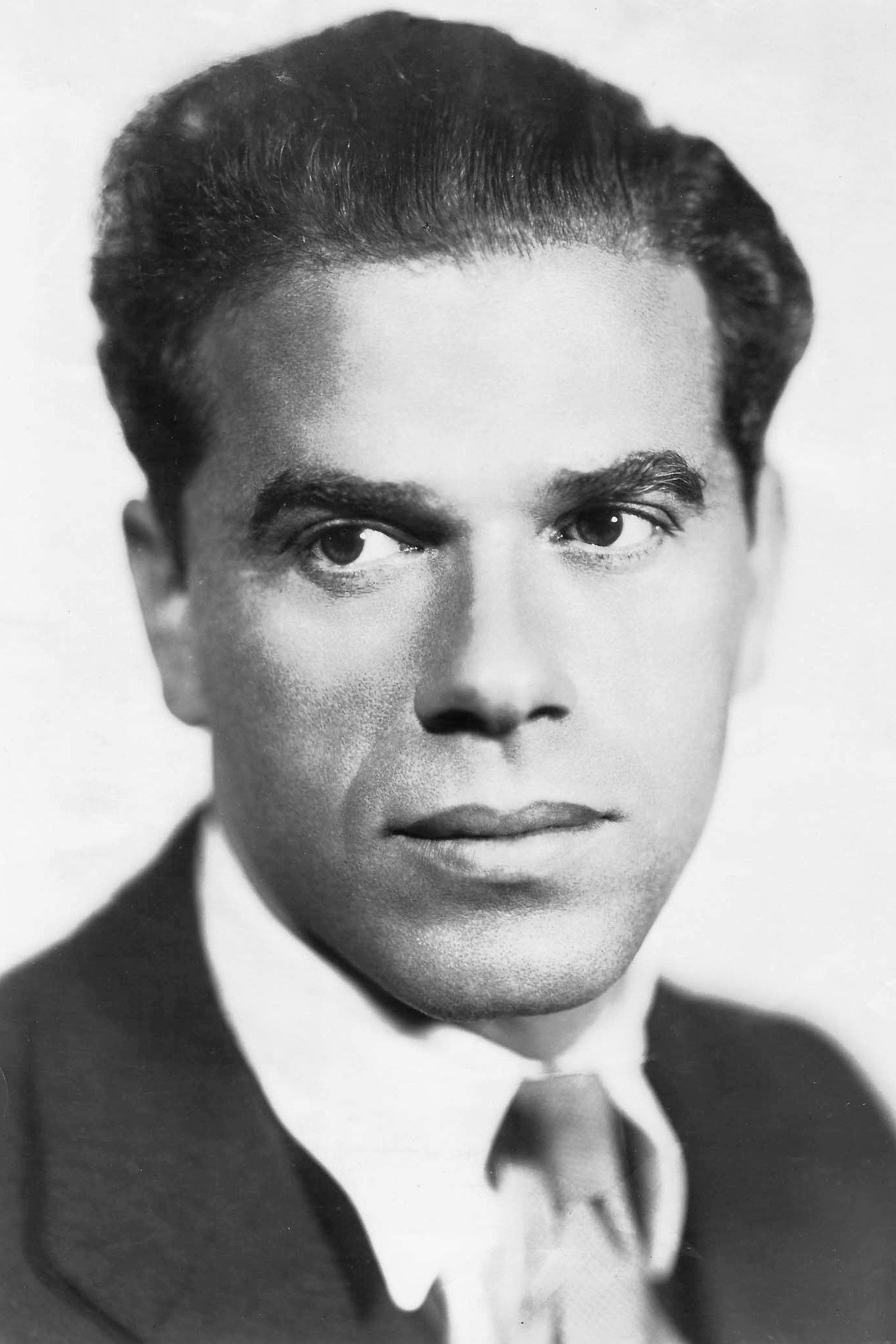
Frank Capra makes good people worth worrying about, especially when their patience is wearing thin. We value his warmth and his skill with actors, though his faith in ordinary decency can make the villains look rather too convenient.
Fi1m perspective
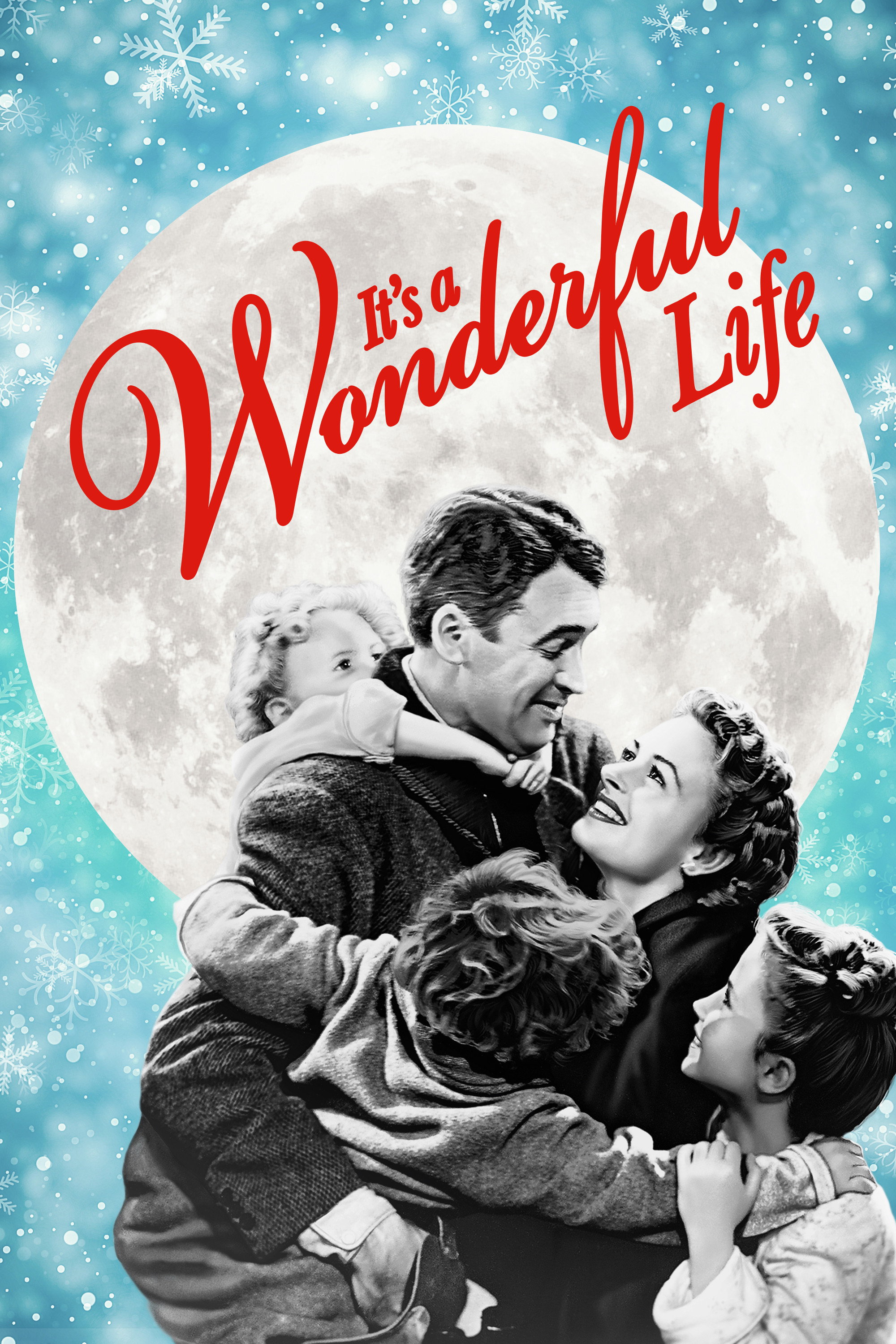
In It’s a Wonderful Life (1946), James Stewart’s George Bailey does the decent thing and watches another of his own plans slip away. Capra allows the frustration to accumulate before asking us to accept any consolation. We were moved by Stewart’s weariness, because Capra lets us see how much each decent choice asks George to give up. It is the part of Capra we value most: he can believe in goodness without pretending that the people practising it are having a pleasant time.
He began as a silent-film gag writer, and the ability to release tension through comedy remained useful. It Happened One Night (1934) established his screwball credentials at Columbia. With Mr. Deeds Goes to Town (1936) and Mr. Smith Goes to Washington (1939), the decent man confronting powerful interests became central. Robert Riskin, a regular screenwriting collaborator, also worked with him on Meet John Doe (1941). Yet Capra’s confidence in personal goodness can make difficult problems look too easily solved.
The post-war It’s a Wonderful Life gives its decent man enough frustration to test that confidence. Donna Reed’s Mary Hatch gives George’s domestic life enough warmth for us to understand its attractions without dismissing his wish for something else. Lionel Barrymore’s Mr Potter is much simpler, and the division between decency and greed is blunt. We do not need Potter made quite so objectionable to take George’s side.
Joseph Walker, a long-standing collaborator, shares the photography on It’s a Wonderful Life with Joseph F. Biroc. They make the streets and interiors welcoming enough to explain why people stay, while allowing us to notice how closely everybody lives together. William Hornbeck’s editing gives George’s obligations time to pile up, though some of the homely business continues after we have understood the point. Dimitri Tiomkin’s score sometimes insists on an emotion Stewart has already made clear, but a cooler musical treatment would hardly suit this film. We would start here, without waiting for Christmas or expecting unbroken cheer.
Biography
Frank Capra was an American film director, producer and screenwriter. Born Francesco Rosario Capra in Bisacquino, Sicily, Italy, he directed, produced and co-wrote the screenplay for It's a Wonderful Life (1946).
Capra is known for directing It Happened One Night (1934), Mr. Deeds Goes to Town (1936), You Can't Take It with You (1938), Mr. Smith Goes to Washington (1939), Meet John Doe (1941), Arsenic and Old Lace (1944) and It's a Wonderful Life (1946). He won three Academy Awards for Best Director.