Film review

It Happened One Night

1934 · Directed by Frank Capra · 1h 45m · MPA NR

In a sentenceClark Gable and Claudette Colbert make arguing on a bus seem an attractive way to spend an evening

ComedyRomance

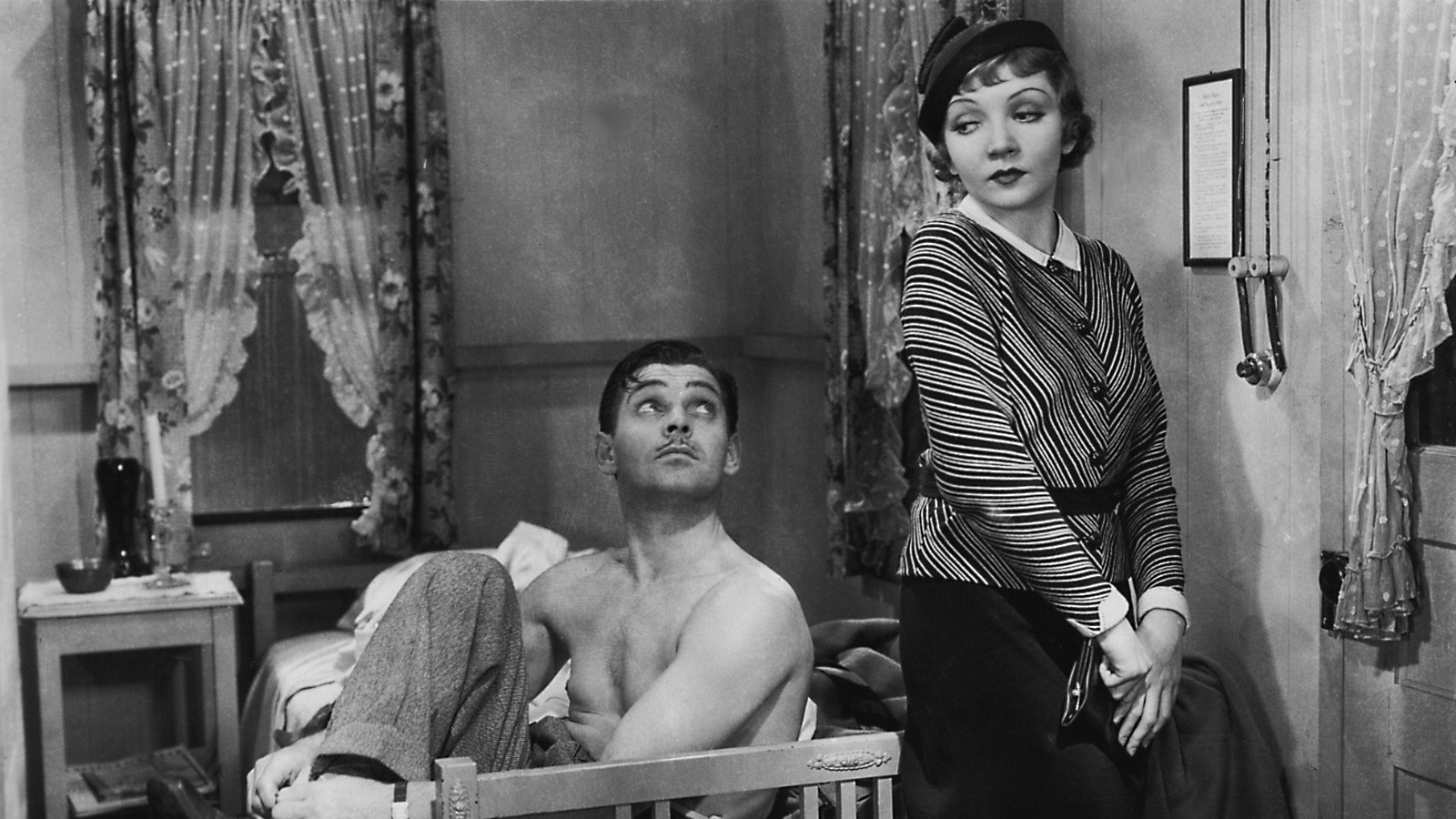
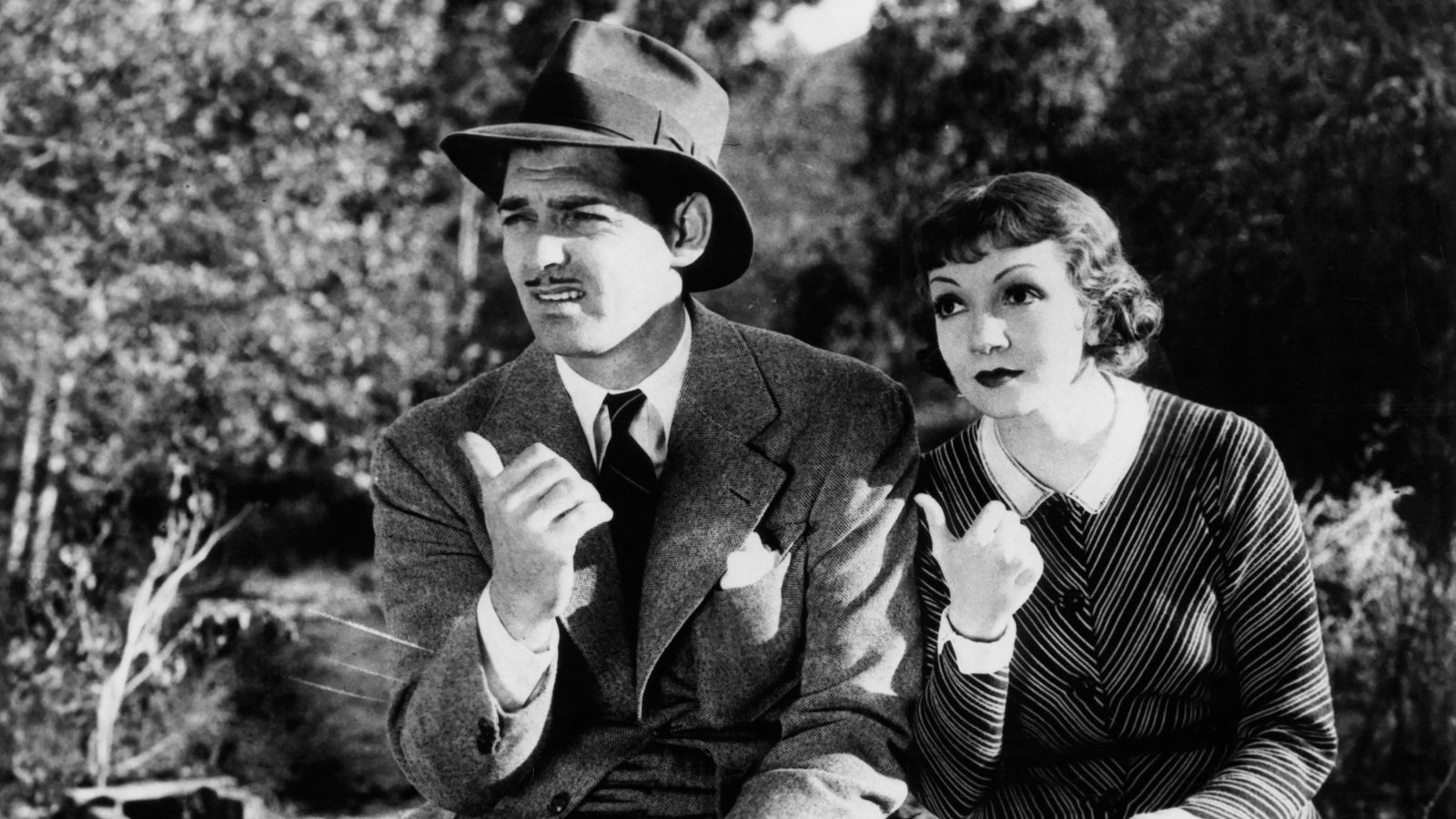
Ellie Andrews (Claudette Colbert), a socialite, and Peter Warne (Clark Gable), a reporter, find themselves sharing a bus journey. Ellie expects to have her own way; Peter considers himself better equipped to handle everyday difficulties. Their competing assumptions about money, manners and who should make the decisions turn travelling together into a series of arguments. Neither is inclined to yield much ground as they get to know each other. Their story also involves Oscar Shapeley (Roscoe Karns). The journey puts Ellie’s entitlement and Peter’s self-confidence in close quarters, where both are liable to be challenged.

Plays from YouTube when you press play; nothing loads from them until then.

Fi1m review

Frank Capra’s romantic comedy is funny, sexy and excellent company. Clark Gable and Claudette Colbert make the bickering worth listening to, though the assumption that she needs taking in hand has worn less well.

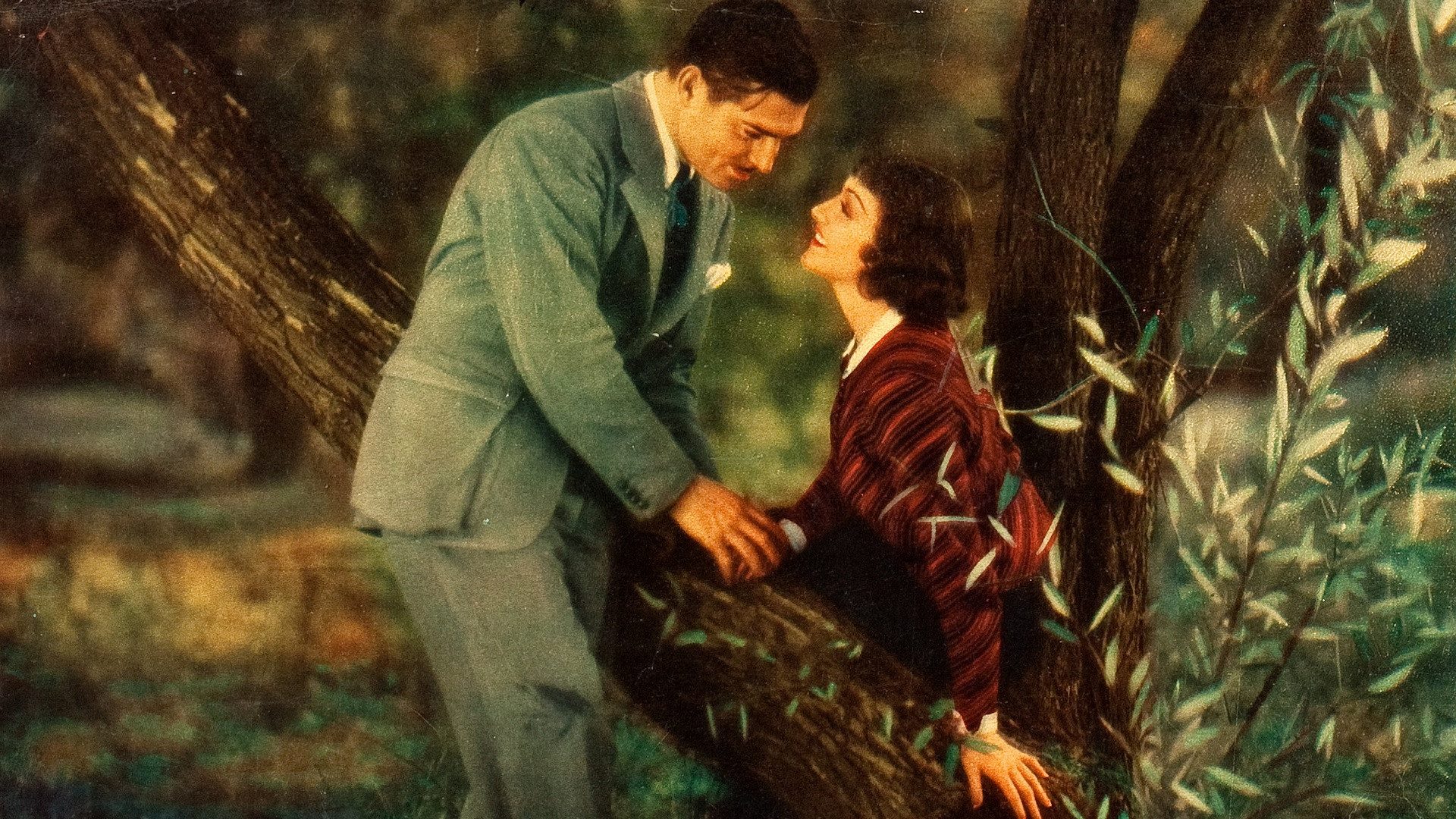
It Happened One Night is excellent company, provided we can put up with a man who assumes he should be in charge. Frank Capra builds his romantic comedy around the friction between a socialite and a reporter, and makes their conversation worth the journey. Robert Riskin’s screenplay gives them plenty to object to in each other, beginning with money and manners. The attraction is persuasive because neither seems particularly eager to find anything admirable in the other.

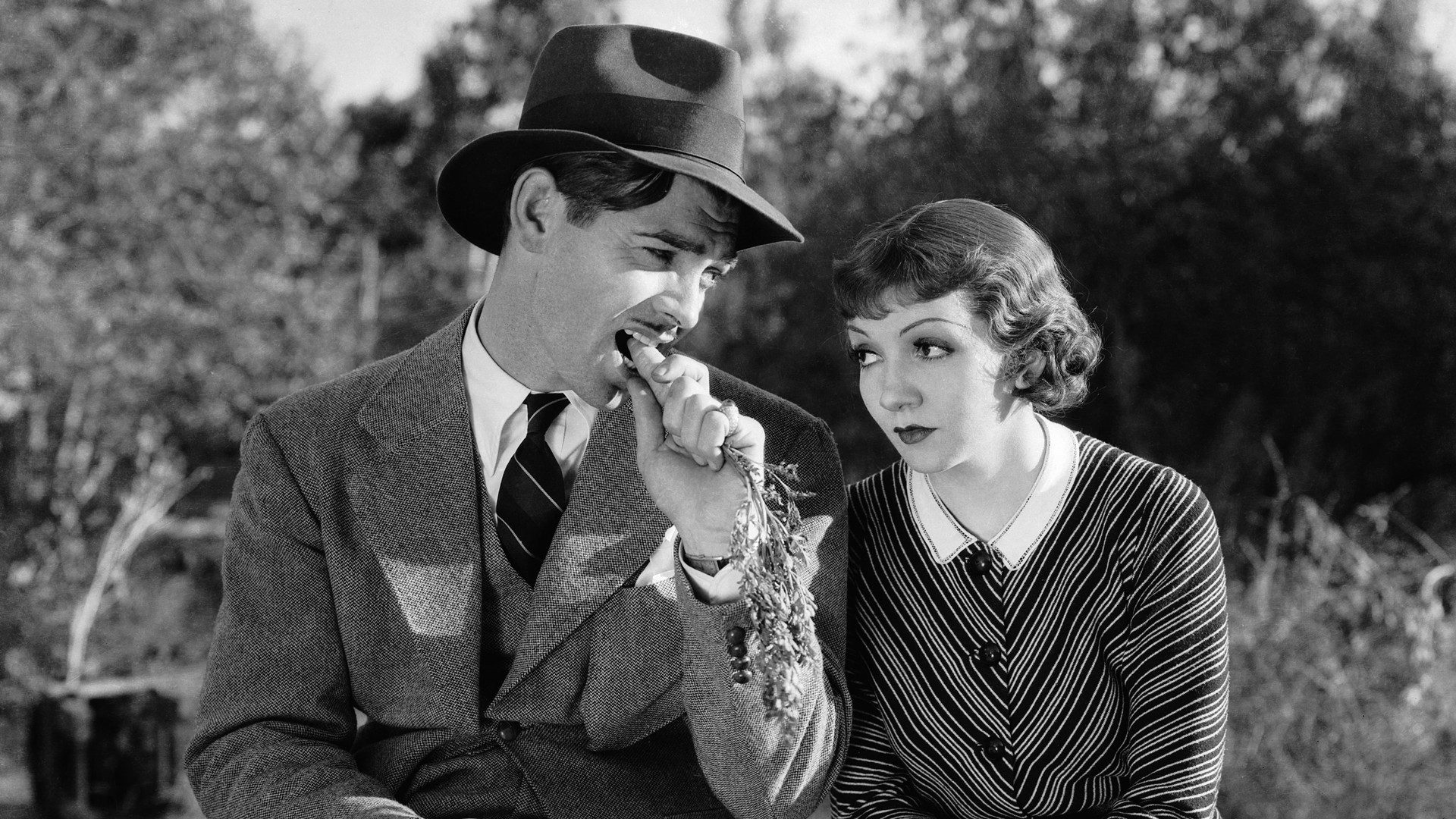
Clark Gable plays Peter Warne with a confidence that can be attractive and tiresome within the same exchange. He makes the reporter’s practical assurance funny by letting us hear how pleased Peter is with it. We laughed at Peter’s pleasure in giving advice, then wanted Ellie to interrupt him. Claudette Colbert’s Ellie Andrews is entitled, but she is also alert enough to notice when his advice is becoming a performance. Colbert refuses to make her merely grateful for the attention, and much of the pleasure comes from watching her assess him while he carries on talking.

There is a useful inconvenience in making a bus journey the basis of this courtship. The socialite cannot assume that her preferences settle every question, while the reporter’s self-reliance is something he has to demonstrate to another person. Capra gets comedy from that difference without asking us to find wealth charming in itself. The chance encounters matter too: they stop the central pair from seeming like the only people who have somewhere to get to, and give their disagreements some welcome interruptions.

Joseph Walker’s cinematography serves the actors well; the chief visual pleasure is watching them assess each other. Gene Havlick’s editing gives the exchanges pace without making the performances seem hurried, and the film’s 105 minutes leave enough room for the attraction to become credible. Howard Jackson’s music makes less of an impression than the rhythm of the talk. That seems a sensible balance in a comedy where the moment someone chooses to answer can matter as much as the answer itself.

The reservation is Peter’s authority, which the film sometimes accepts more readily than we do. Riskin’s teasing can carry an assumption that Ellie’s money has made her a child and that a capable man will improve her. The comedy is less charming whenever his bossiness seems to count as wisdom; Colbert’s resistance is what keeps those moments alive. The shifting advantage between them is funny, but the unequal expectations remain noticeable, even when the actors make a particular exchange seem effortless.

For a romantic comedy, the considerable achievement here is how much time we want to spend with the pair before any question of their future needs answering. Capra trusts two performers to keep us interested in conversation, and for most of the film that confidence is justified. Some of the manners need tolerating, and Peter could do with fewer opportunities to instruct. Watch it for Colbert’s refusal to be impressed.

Critical consensus AI synthesised

86
Positive
13
Mixed
0
Negative
0

All thirteen reviews are positive, with praise centred on Clark Gable and Claudette Colbert’s chemistry and the speed and bite of their exchanges. Most critics find the romance playful and sexy, with the mismatched leads’ shifting balance of power keeping familiar situations lively. Frank Capra’s direction also draws consistent approval for its pace and warmth towards the people encountered along the way. The reviews repeatedly stress the film’s influence on romantic comedy without treating that influence as its only attraction.

The differences concern the degree of enthusiasm rather than any substantial rejection. Time Out values the charm, dialogue and performances but gives historical importance more weight than outright greatness. The AV Club acknowledges dated elements while remaining strongly enthusiastic about the central pairing. Sight and Sound places particular emphasis on Depression-era toughness and tensions around gender roles, finding more beneath the charm than simple escapism.

The Times
9 February 2024 · ★★★★★ · Kevin Maher
100

This ingenious, fabulously smutty and still relevant 90-year-old two-hander is the grandaddy of all rom-coms. Clark Gable and Claudette Colbert are superb as a mismatched couple in Frank Capra’s classic that won the big five Oscars.

Read the full review →
The AV Club
19 November 2014 · A · Mike D'Angelo
95

The critic argues the film essentially created the template for every romantic comedy since, with its banter-heavy structure, road trip, and class-crossing romance between a defiant socialite and an arrogant reporter. They praise the ideal chemistry, shifting power balance, and timeless verve while noting some dated elements.

Read the full review →
Empire
1 January 2000 · David Parkinson
90*

The critic recounts the troubled production involving Clark Gable and Claudette Colbert under Frank Capra, noting the film's eventual sweep of the major Oscars. It praises the film as a fresh, fast and funny farce that launched the screwball comedy genre.

Read the full review →
RogerEbert.com
12 November 2013 · Michał Oleszczyk
90*

The critic praises the film as one of the easiest movies to love, highlighting its witty, sexy romance between the spoiled heiress and wisecracking reporter, the sparkling Gable-Colbert chemistry, and its blend of humor, sexiness, and Depression-era American spirit.

Read the full review →
The Hollywood Reporter
22 February 2018 · THR Staff
90*

The critic calls it a charming, human, believable story with charming, human, believable characters that gallops along with joie de vivre and no dull moments. They single out the sparkling dialogue, natural performances by Gable and Colbert, and Capra's direction as perfect.

Read the full review →
Los Angeles Times
14 November 2013 · Susan King
85*

The piece calls the film the quintessential romantic comedy and the first to sweep the five major Oscars, noting its breezy story of the socialite and reporter's romance and how it elevated Columbia Pictures despite initial odds.

Read the full review →

Cast

Stills

Awards

Academy Awards, 1935

Won
Best Actor
Won
Best Actress
Won
Best Director
Won
Best Picture
Won
Best Writing, Adapted Screenplay

National Board of Review Award for Best Film, 1934

Won
National Board of Review Award for Best Film

If you liked this, try…

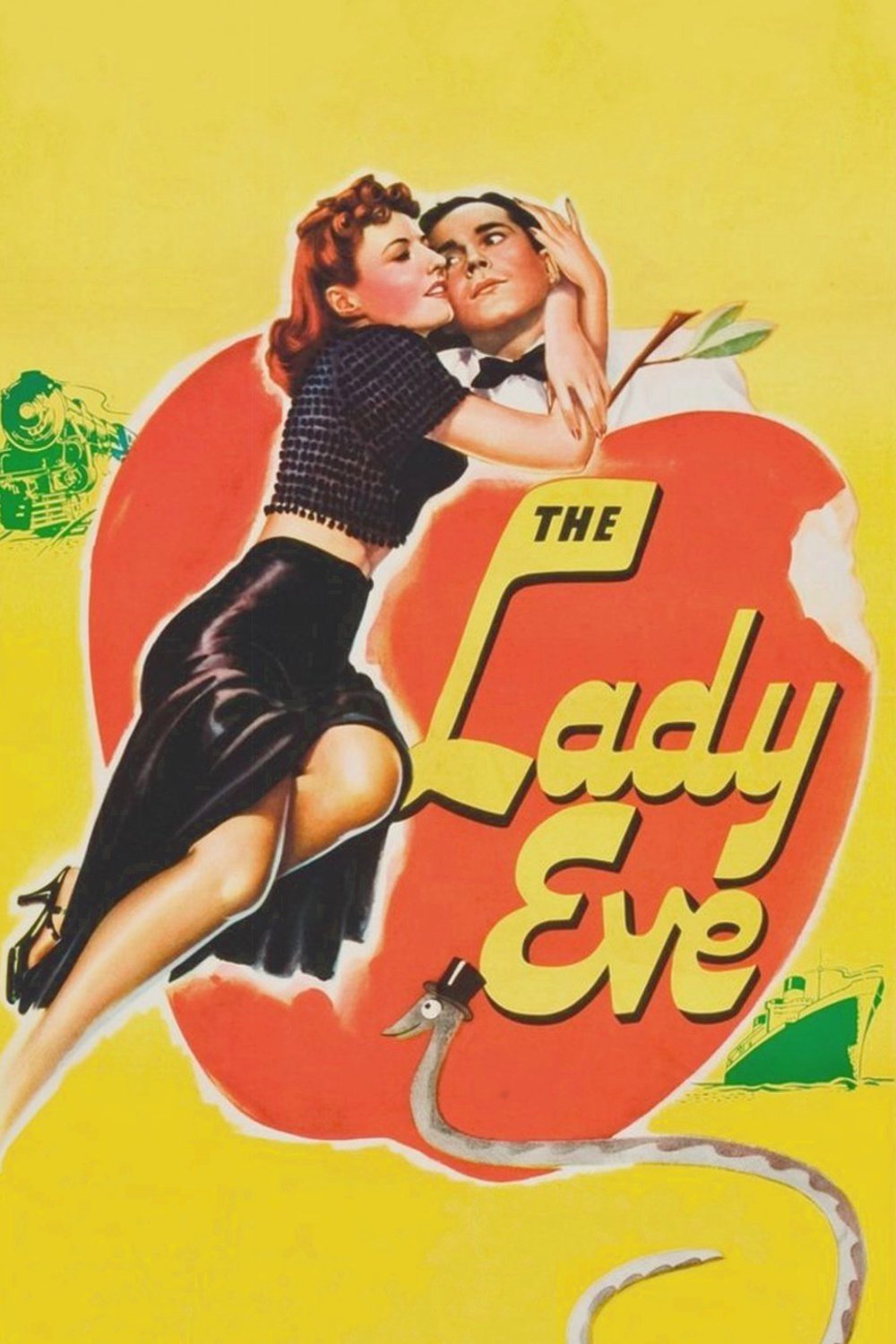
The Lady Eve poster

The Lady Eve

1941 · Another confident man discovers that a woman has understood him rather better.

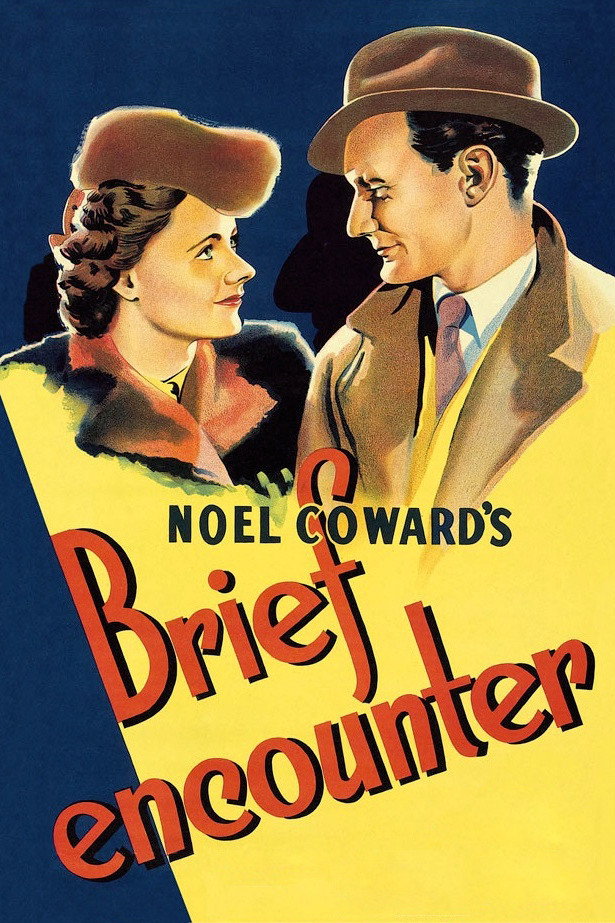
Brief Encounter poster90

Brief Encounter

1945 · For the same attention to small exchanges, with far less room for laughter.

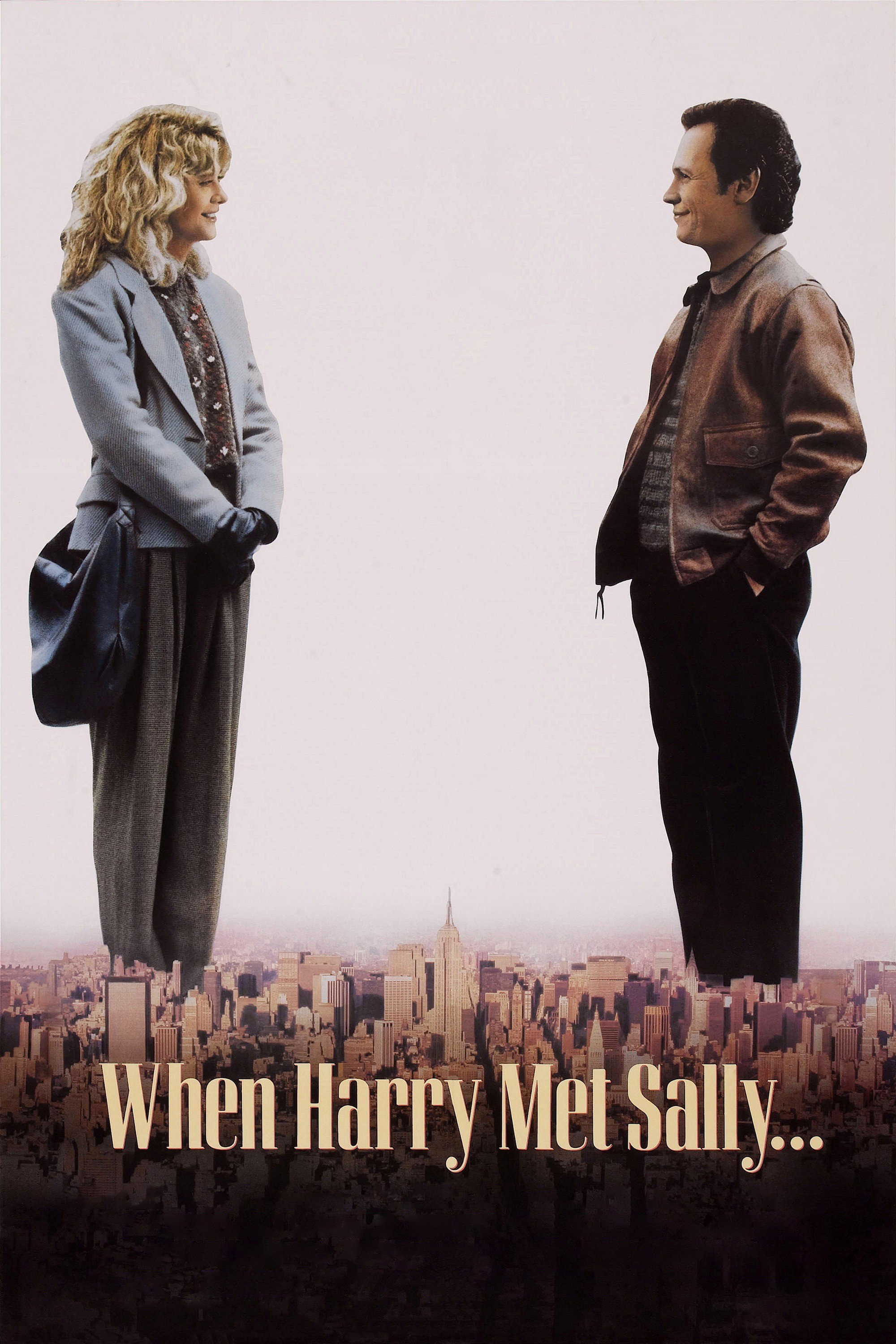
When Harry Met Sally... poster84

When Harry Met Sally...

1989 · Two more people discover how much they enjoy disagreeing with each other.

The Lunchbox poster

The Lunchbox

2013 · A quieter courtship, built from daily routines and the gradual pleasure of being understood.

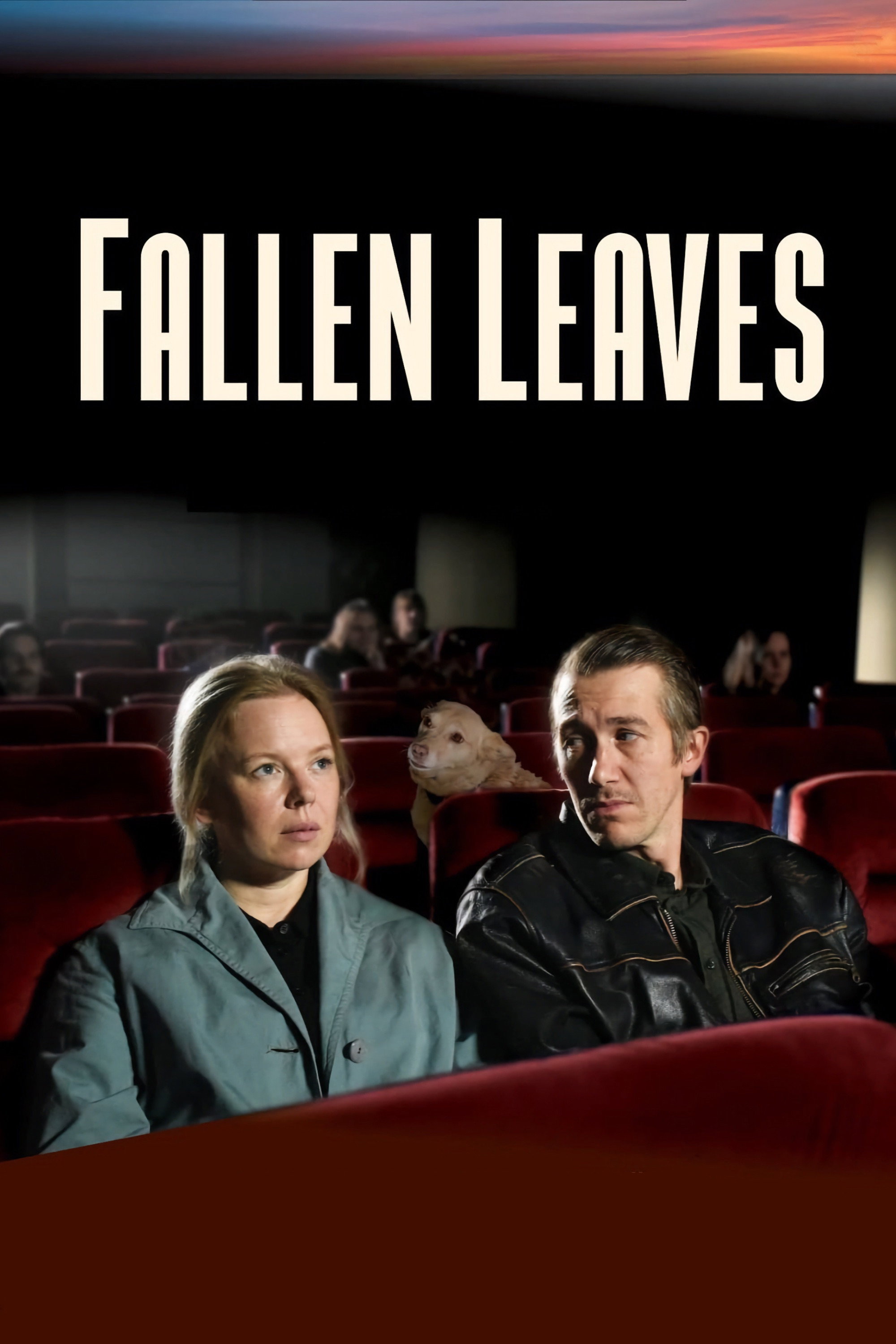
Fallen Leaves poster83

Fallen Leaves

2023 · For another romance that finds humour in practical difficulties and stubborn people.