Film review

When Harry Met Sally...

1989 · Directed by Rob Reiner · 1h 36m · MPA R

In a sentenceNew York looks lovely, the jazz is soothing, and Harry and Sally still find plenty to argue about

ComedyRomanceDrama

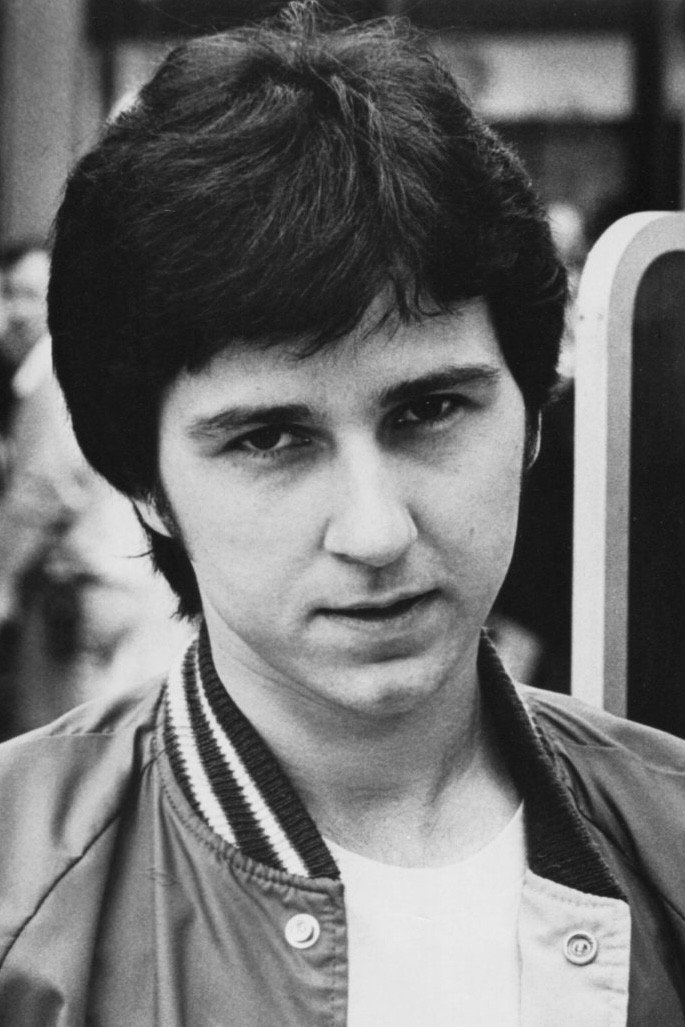
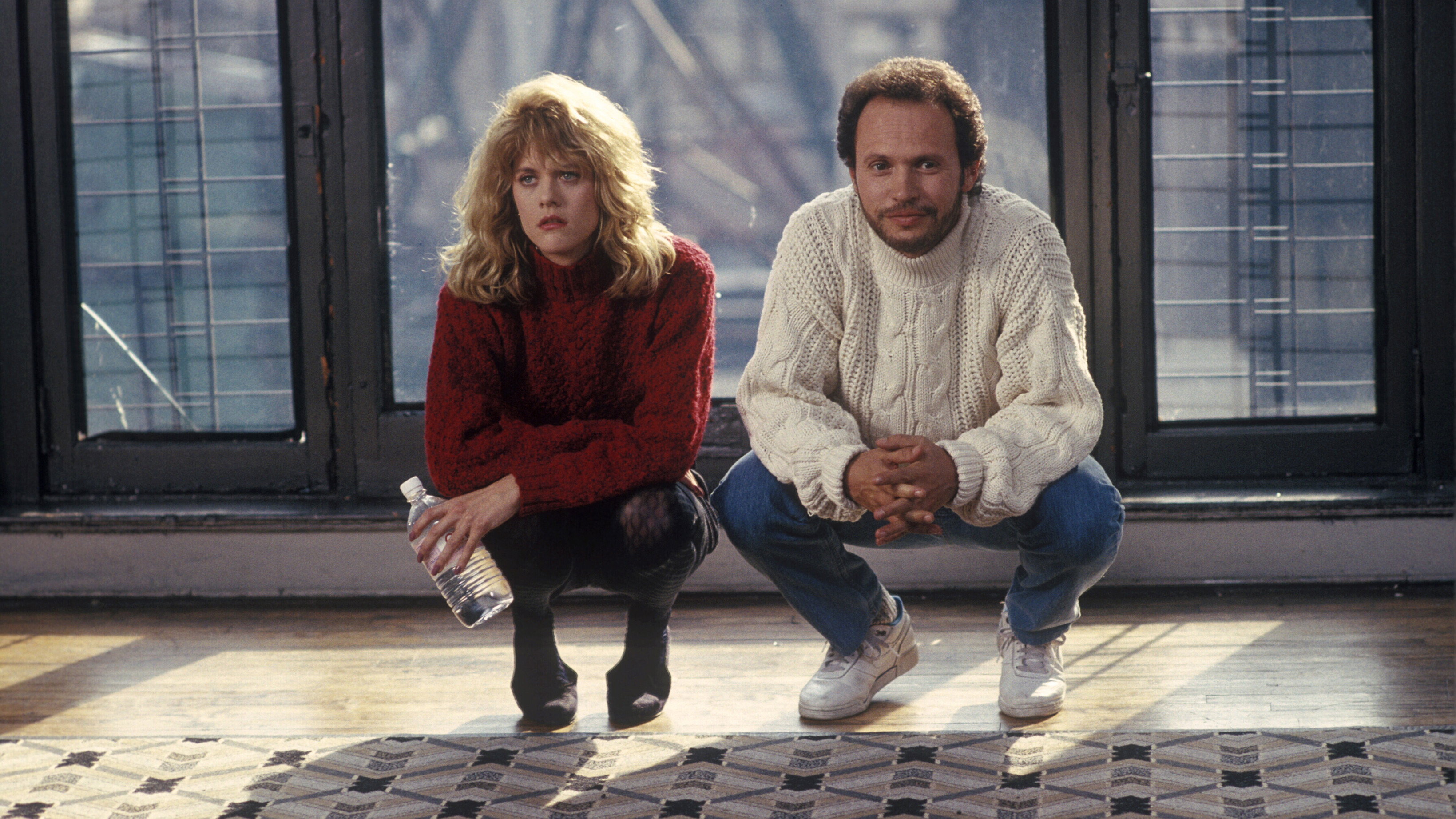
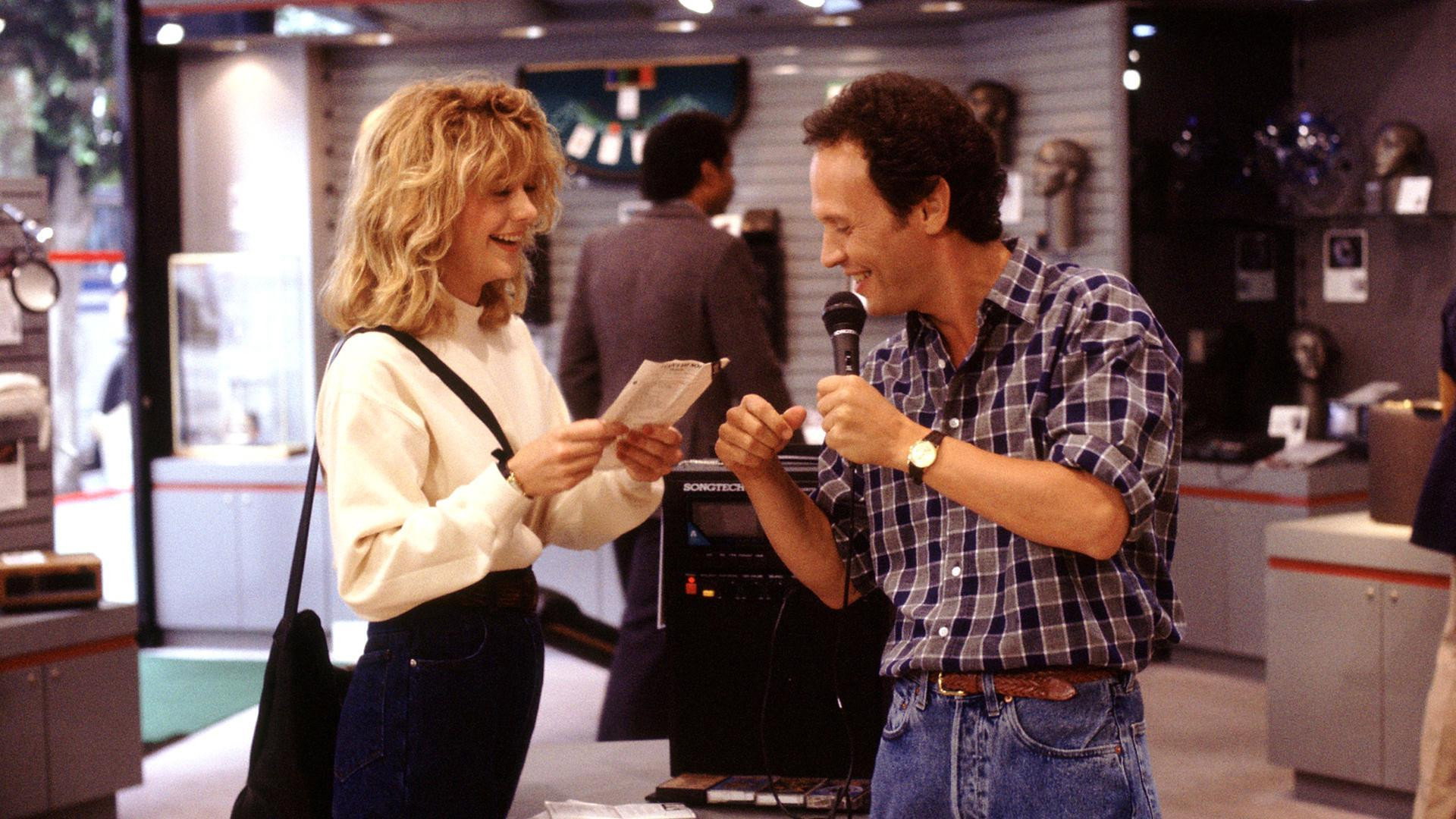
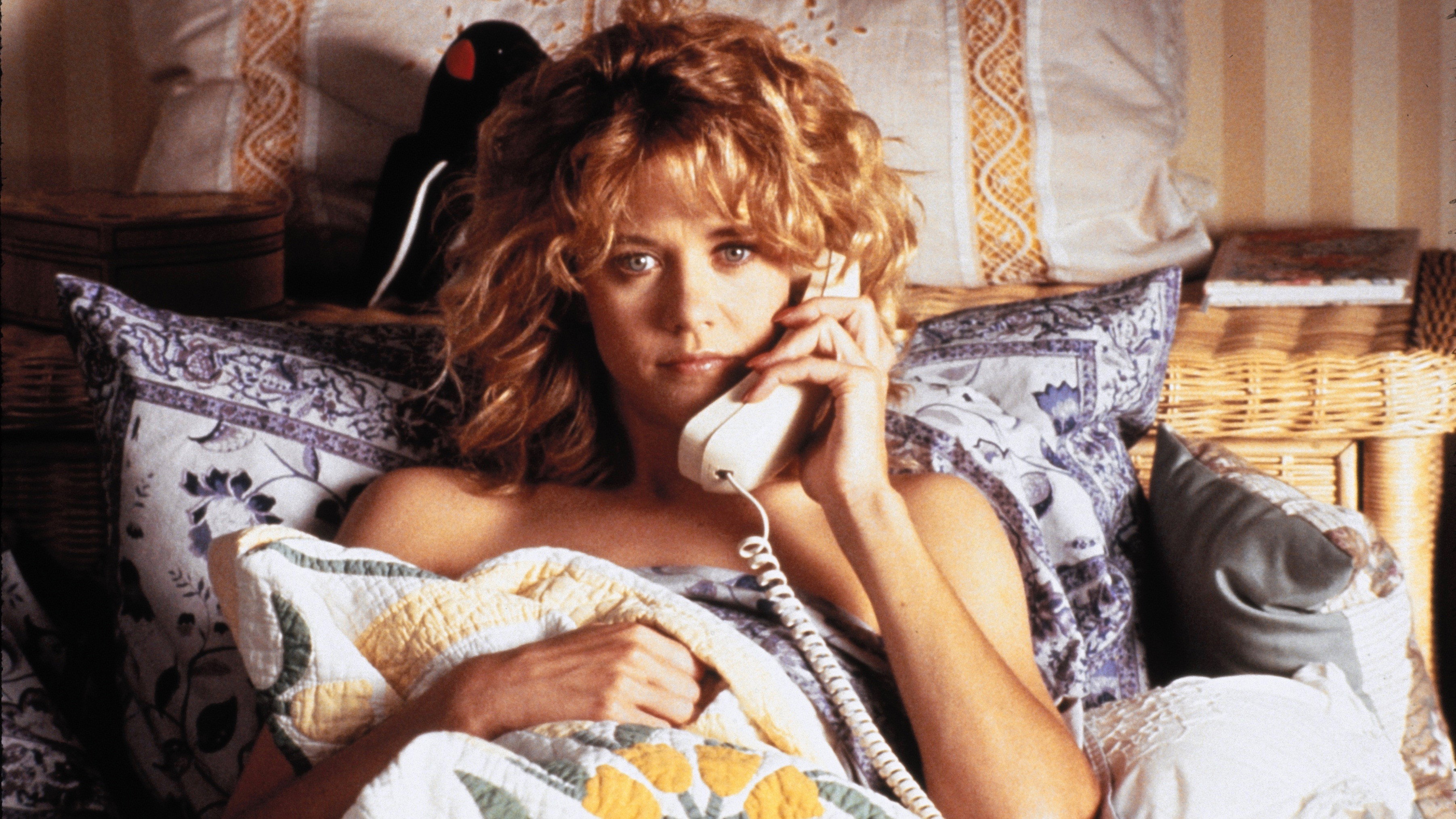
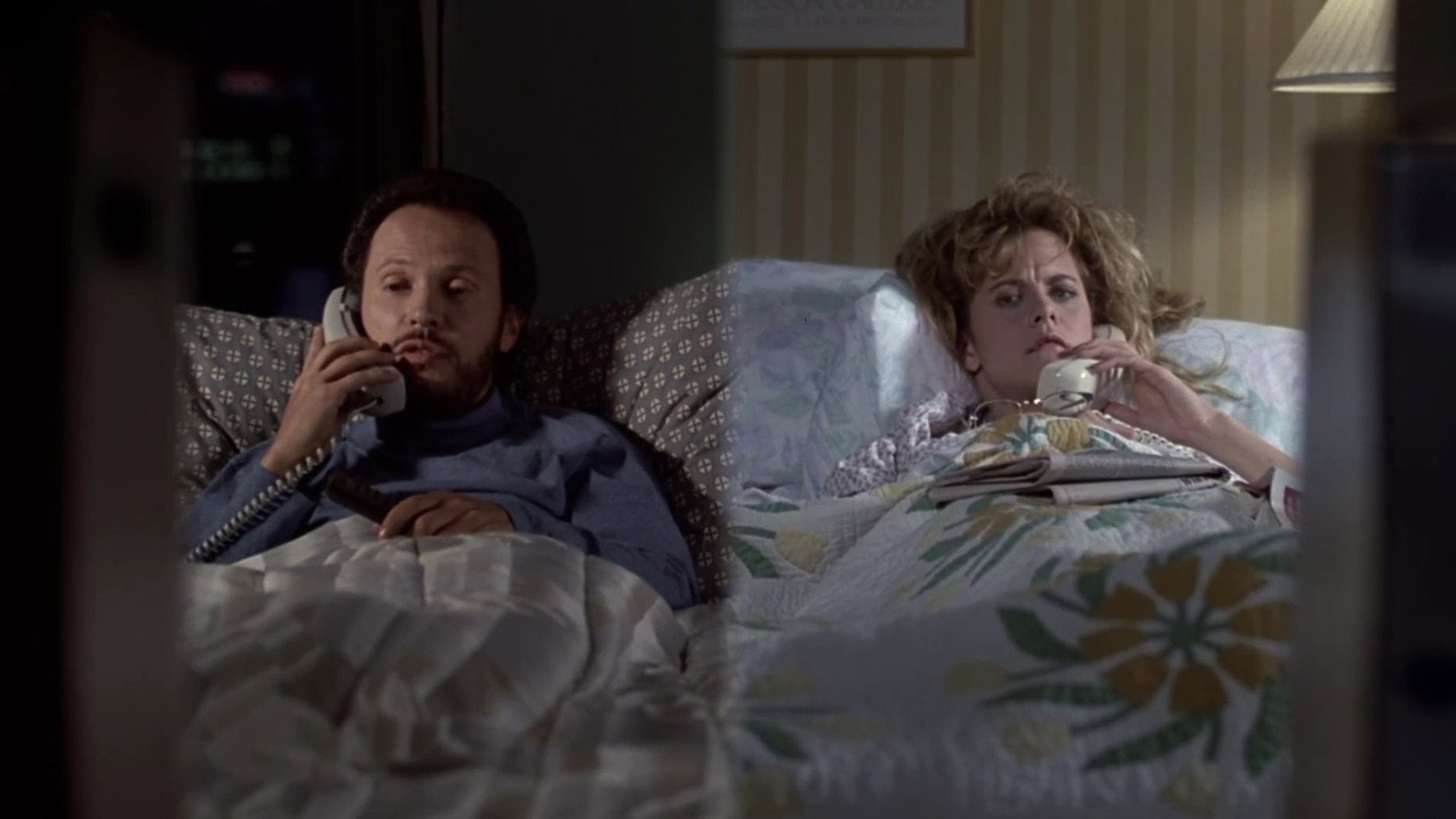
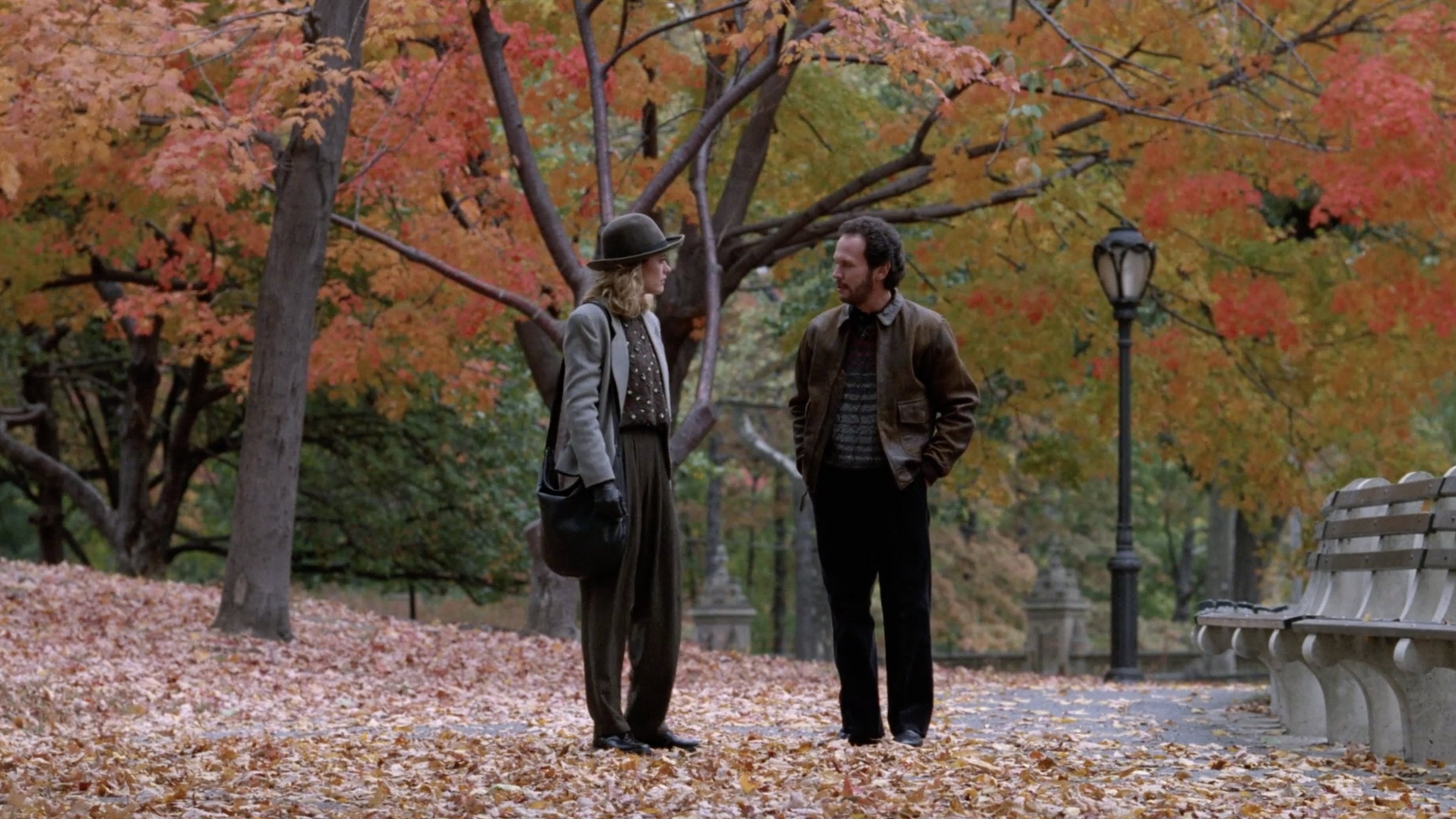
Harry Burns (Billy Crystal) and Sally Albright (Meg Ryan) disagree about whether men and women can be friends without sex getting in the way. In New York, their conversations turn to dating, relationships and the expectations each brings to the opposite sex. Neither is short of an opinion, and each finds plenty to question in the other’s account of how romance works. As they get to know each other, the debate becomes harder to keep theoretical. Rob Reiner directs Nora Ephron’s script, with Carrie Fisher as Marie and Bruno Kirby as Jess.

Plays from YouTube when you press play; nothing loads from them until then.

Fi1m review

Rob Reiner’s romantic comedy is funny, warm and worth returning to for Billy Crystal and Meg Ryan. Nora Ephron gives them plenty to argue about, though the film sometimes takes its generalisations about men and women too seriously.

Harry Burns and Sally Albright spend a good deal of When Harry Met Sally… talking about what men and women want from each other. We recommend it warmly, even when their theories become tiresome, because Rob Reiner and Nora Ephron make the people saying these things worth knowing. The comedy depends on the distance between a confident statement and the anxious person making it. Reiner gives Ephron’s dialogue the attention it needs, without making every exchange feel like a formal debate.

Billy Crystal’s Harry could easily become a man whose company is more exhausting than the film realises. Crystal lets us sense the worry behind the opinions without asking us to excuse every one of them. We laughed at Harry’s certainty that sex must complicate friendship, because Crystal plays him as though he cannot imagine a sensible objection. Meg Ryan’s Sally is an essential match, since Ryan makes listening and disagreeing feel just as active as speaking. Their ease together makes the friendship plausible, which matters more than any answer to the opening question.

Ephron is particularly good at letting a joke reveal something its speaker might have preferred to keep private. The talk about dating has enough embarrassment in it to stop the cleverness becoming an uninterrupted display. Carrie Fisher, as Marie, and Bruno Kirby, as Jess, are welcome company outside the central pairing. Fisher delivers her lines without fuss, which helps when the dialogue gets a little too neat.

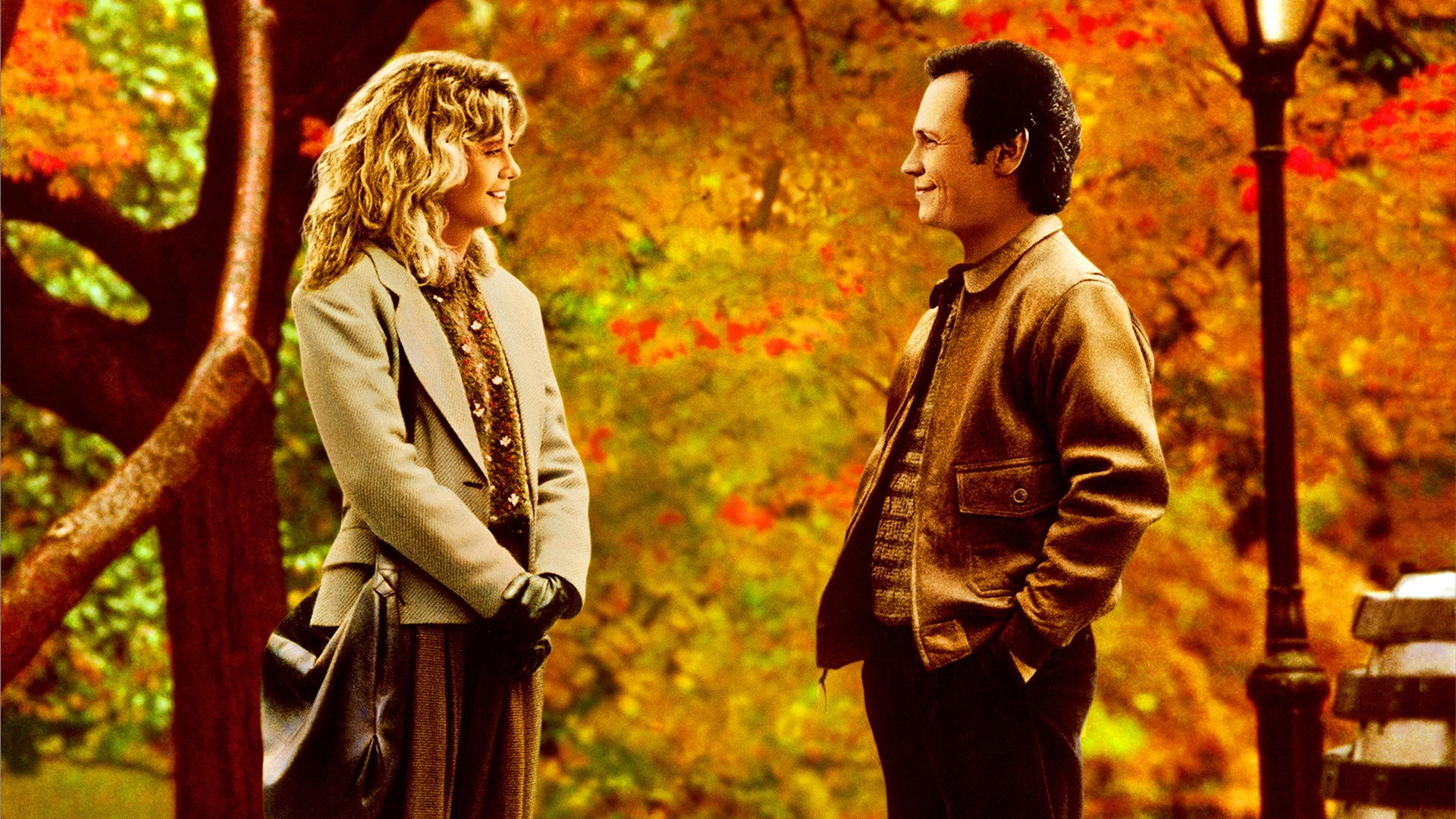
Barry Sonnenfeld’s photography makes New York look inviting enough to justify the film’s indulgence towards its inhabitants. Jane Musky’s production design shares that preference for comfort, and the surroundings rarely compete with the actors for attention. This is a persuasive setting for romantic daydreaming, though it also makes the characters’ disappointments feel unusually well cushioned. The city is attractive, the company articulate, and the film has little appetite for the less agreeable parts of urban life.

Robert Leighton’s editing is especially helpful with all this talk, keeping the exchanges brisk without treating every line as a cue to hurry. At 96 minutes, there is room for the friendship to feel established and little sense of the film waiting for its next big joke. Marc Shaiman’s music supports the lightness, while the jazz soundtrack encourages us to relax into the company. Sometimes that musical reassurance makes the uncertainty about relationships feel a little too easy to endure.

Our reservation concerns Ephron’s broad claims about men and women. They are less interesting than the people she has written, and the film keeps returning to them after the point is clear. Reiner’s fondness for everyone can also make a difficult exchange seem safely contained, and there are moments when the cuteness takes away some of the discomfort. Romantic comedy can accommodate unhappiness, and this one sometimes reassures us before a doubt has had time to trouble us.

What we want from a romantic comedy is a reason to enjoy the couple’s company before being asked to care about their happiness. Crystal and Ryan supply it in the way they attend to each other, irritation included. We would gladly spend another evening with them. Choose it when conversation sounds more appealing than spectacle, and allow a little patience for the theories.

Critical consensus AI synthesised

79
Positive
9
Mixed
2
Negative
1

Most critics respond warmly to When Harry Met Sally…, with praise centred on Nora Ephron’s sharp dialogue and the ease of Billy Crystal and Meg Ryan’s performances. The favourable reviews find wit and emotional understanding in its treatment of sex, dating and friendship, crediting Rob Reiner’s sympathetic direction with giving the conversations room to work. New York’s locations and the jazz soundtrack also draw praise for making the romance inviting without overwhelming the characters.

The disagreement is substantial rather than a matter of minor reservations. Empire questions both the credibility of the central friendship and how far the film pursues its premise, while still enjoying its humour and setting. The New York Times finds amusing lines but too much sentimentality and familiarity. The New Yorker is the strongest dissenter, seeing thinly developed characters and sitcom routines where most critics find convincing intimacy.

Radio Times
★★★★★ · Robyn Karney
100

The review praises the perfect teaming of Meg Ryan and Billy Crystal in this romantic comedy about whether men and women can be friends without sex. It highlights the glitzy New York locations, beguiling soundtrack and expert, irresistible escapist entertainment.

Read the full review →
Time Out
11 December 2015 · ★★★★★ · Tom Huddleston
100

The critic declares the film perfect and Nora Ephron’s finest work, praising its flawless script, central performances, New York photography and jazz soundtrack. Everything works in this pitch-perfect romantic comedy.

Read the full review →
Los Angeles Times
14 July 1989 · Sheila Benson
90*

Director Rob Reiner and screenwriter Nora Ephron deliver a witty, affectionate look at modern romance and marriage through sparkling dialogue and character growth over 11 years. The film stands out as the summer's unqualified delight with its hopeful tone and memorable scenes.

Read the full review →
RogerEbert.com
12 July 1989 · Roger Ebert
85*

The film is a sunny, witty love story about two people who take 12 years to realize they are meant for each other. It benefits from strong chemistry between Billy Crystal and Meg Ryan and Nora Ephron's sharp dialogue.

Read the full review →
Little White Lies
11 December 2015 · 3/4/4 · Glenn Heath Jr
80

The review calls the film a cynically lovely and whip-smart archetype for the modern rom-com that remains fresh despite countless imitators. It singles out Ephron’s playful script exploring contradictions in romance and the intimate, lived-in performances.

Read the full review →
Sight and Sound
· Pam Cook
80*

The critic admires Nora Ephron’s acerbic writing and Rob Reiner’s intimate, sympathetic direction of the central characters. She highlights the film’s playful nostalgia for classic Hollywood romances alongside its 1980s melancholy and the memorable fake-orgasm scene.

Read the full review →

Cast

Stills

Awards

Academy Awards, 1990

Nominated
Best Writing, Original Screenplay

If you liked this, try…

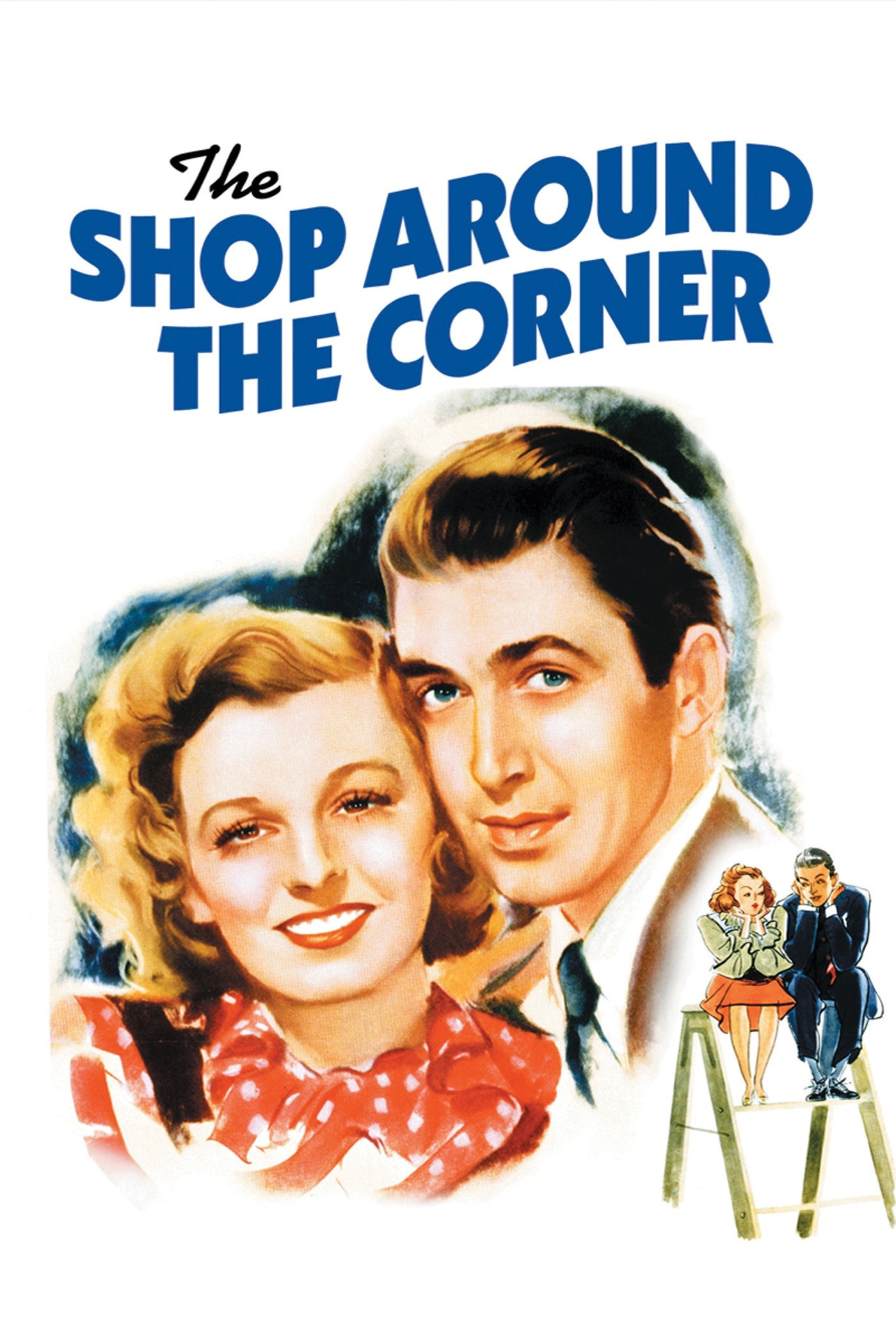
The Shop Around the Corner poster

The Shop Around the Corner

1940 · For prickly conversation and two people who badly misjudge each other.

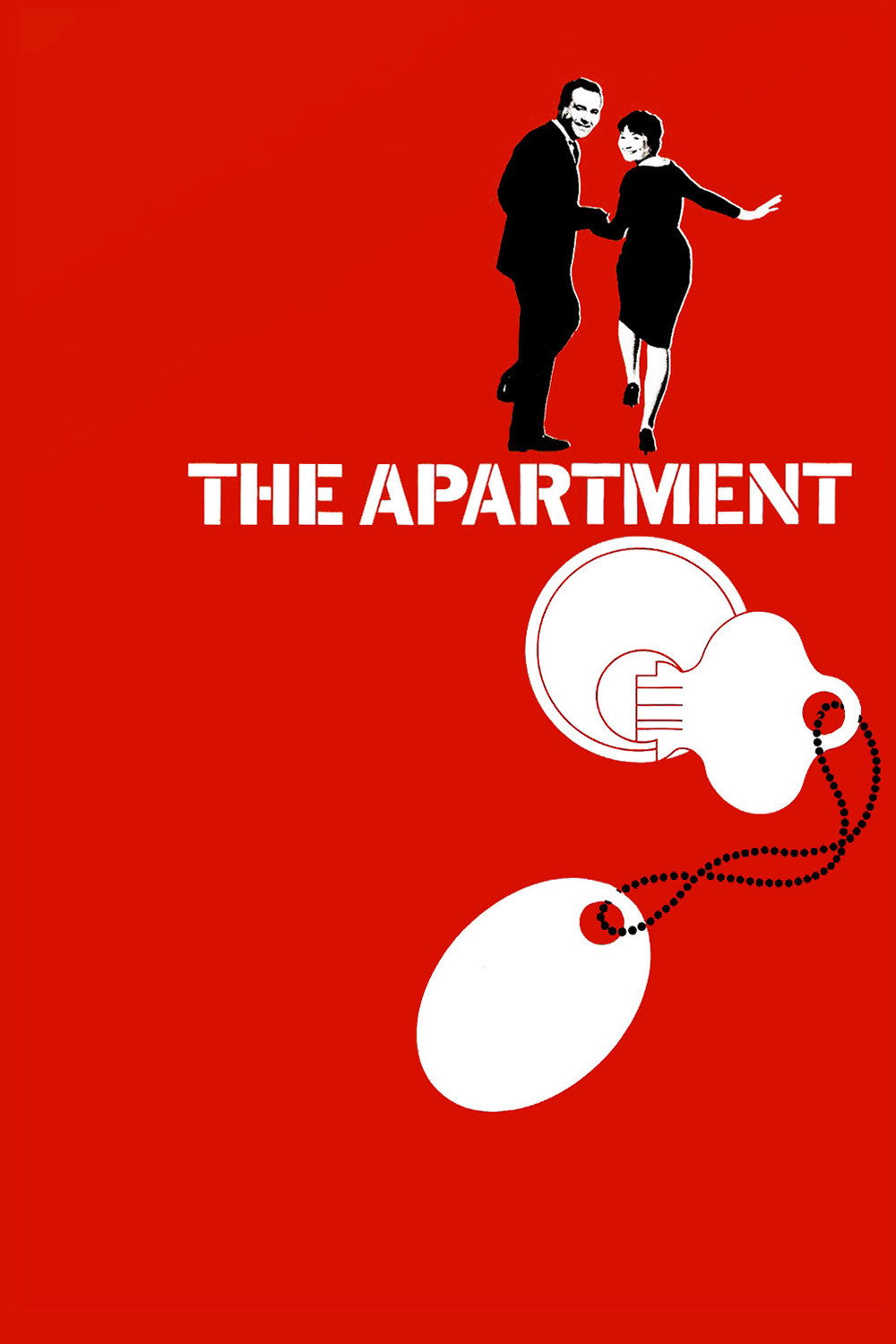
The Apartment poster91

The Apartment

1960 · Another city romance that lets loneliness complicate the jokes.

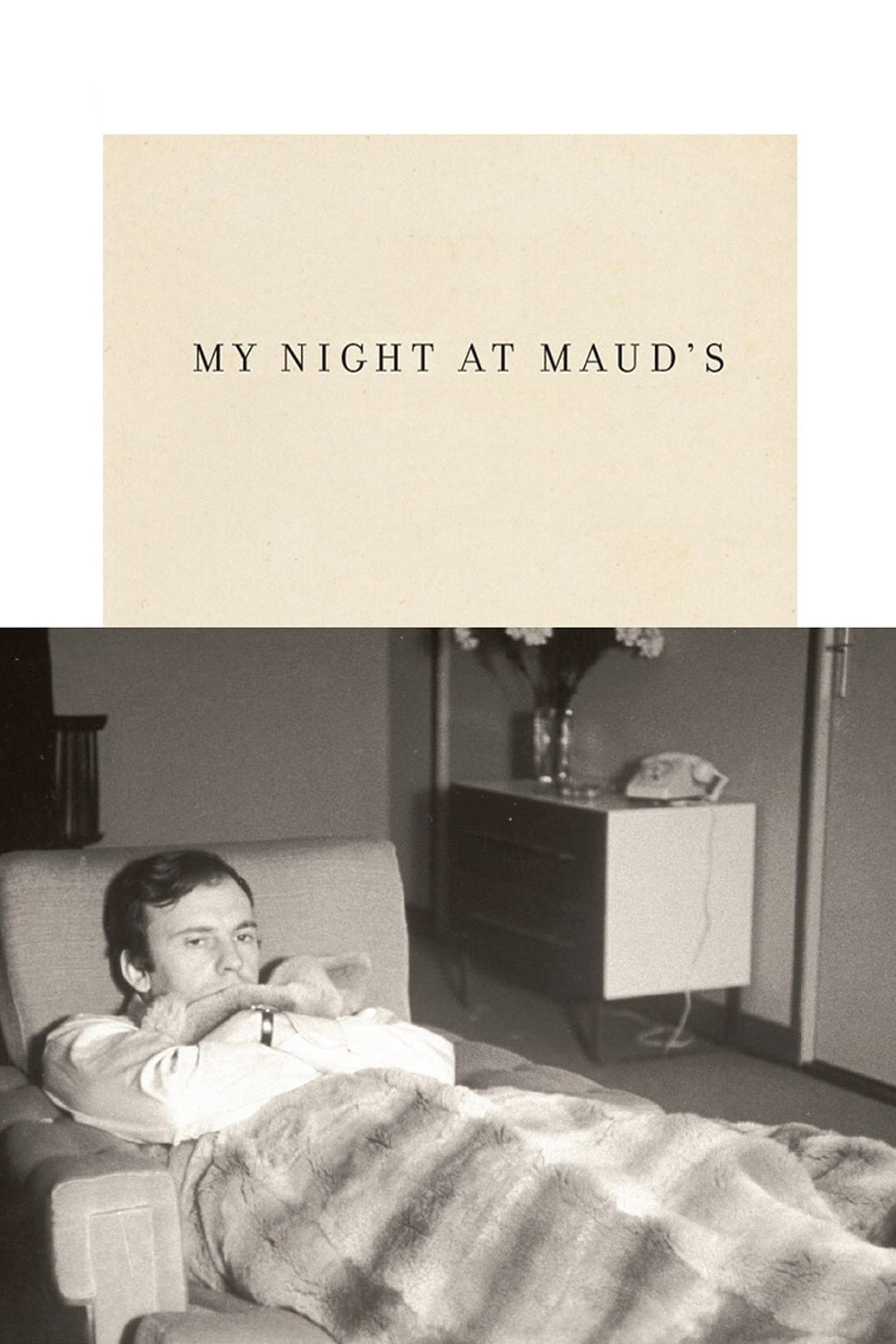
My Night at Maud's poster

My Night at Maud's

1969 · For long conversations in which attraction quietly undermines everyone’s carefully stated principles.

The Lunchbox poster

The Lunchbox

2013 · A gentler courtship, built around food, correspondence and the fear of disappointment.

Enough Said poster

Enough Said

2013 · For grown adults whose wit does little to protect them from insecurity.