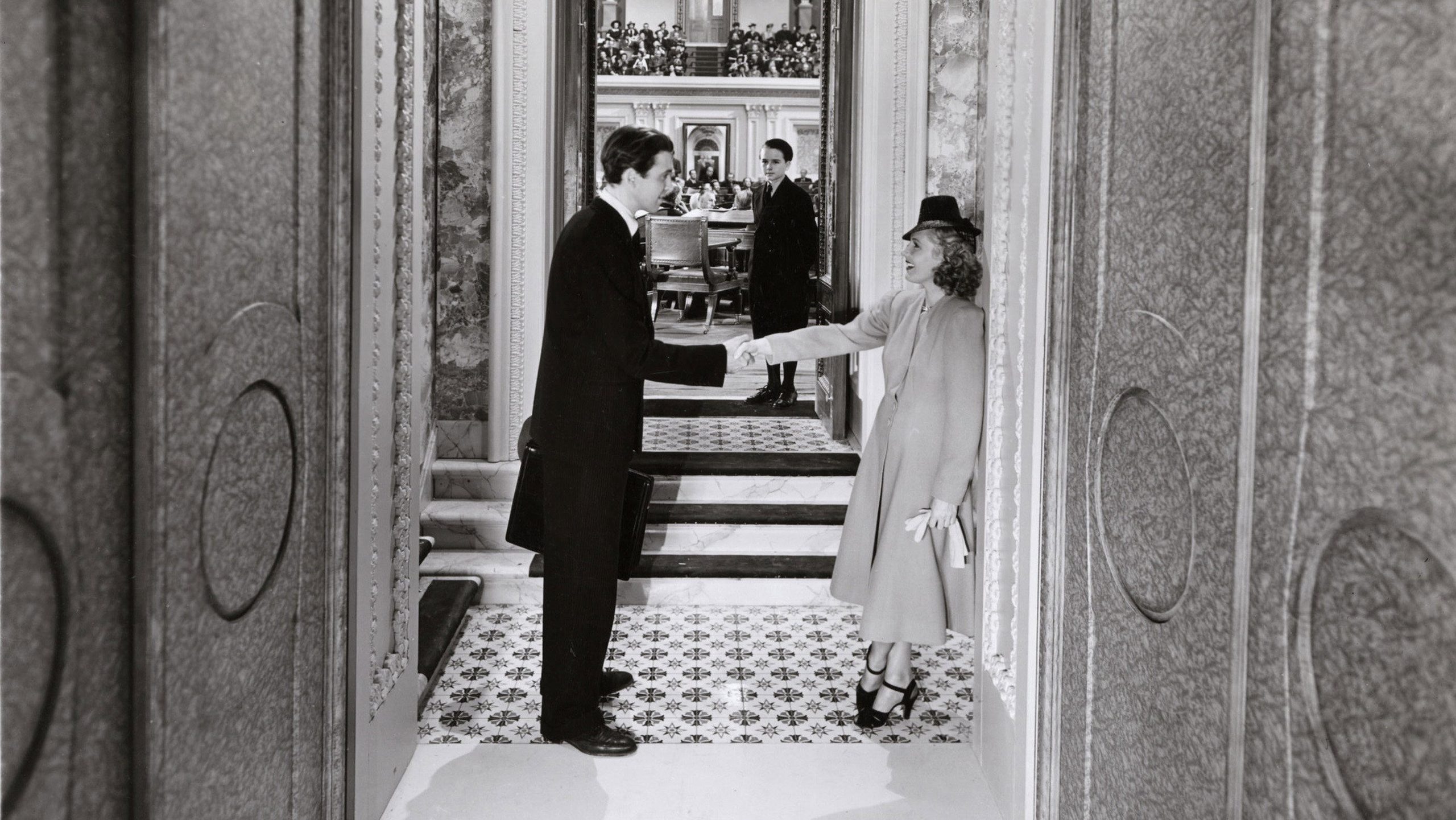
Frank Capra makes political innocence funny and unexpectedly moving, with James Stewart and Jean Arthur keeping the sentiment lively. Its faith in personal decency asks for indulgence, but the comedy earns it.
Frank Capra asks us to believe that an honest person can matter in a political system practised at ignoring honesty. Mr. Smith Goes to Washington makes that belief surprisingly persuasive, chiefly because its comedy gives the sceptics plenty to say. It is funny, affecting and acted with a precision that prevents most of its patriotic feeling from becoming a lecture. Its weakness is the ease with which it asks personal decency to solve problems it has shown to be organised and entrenched.
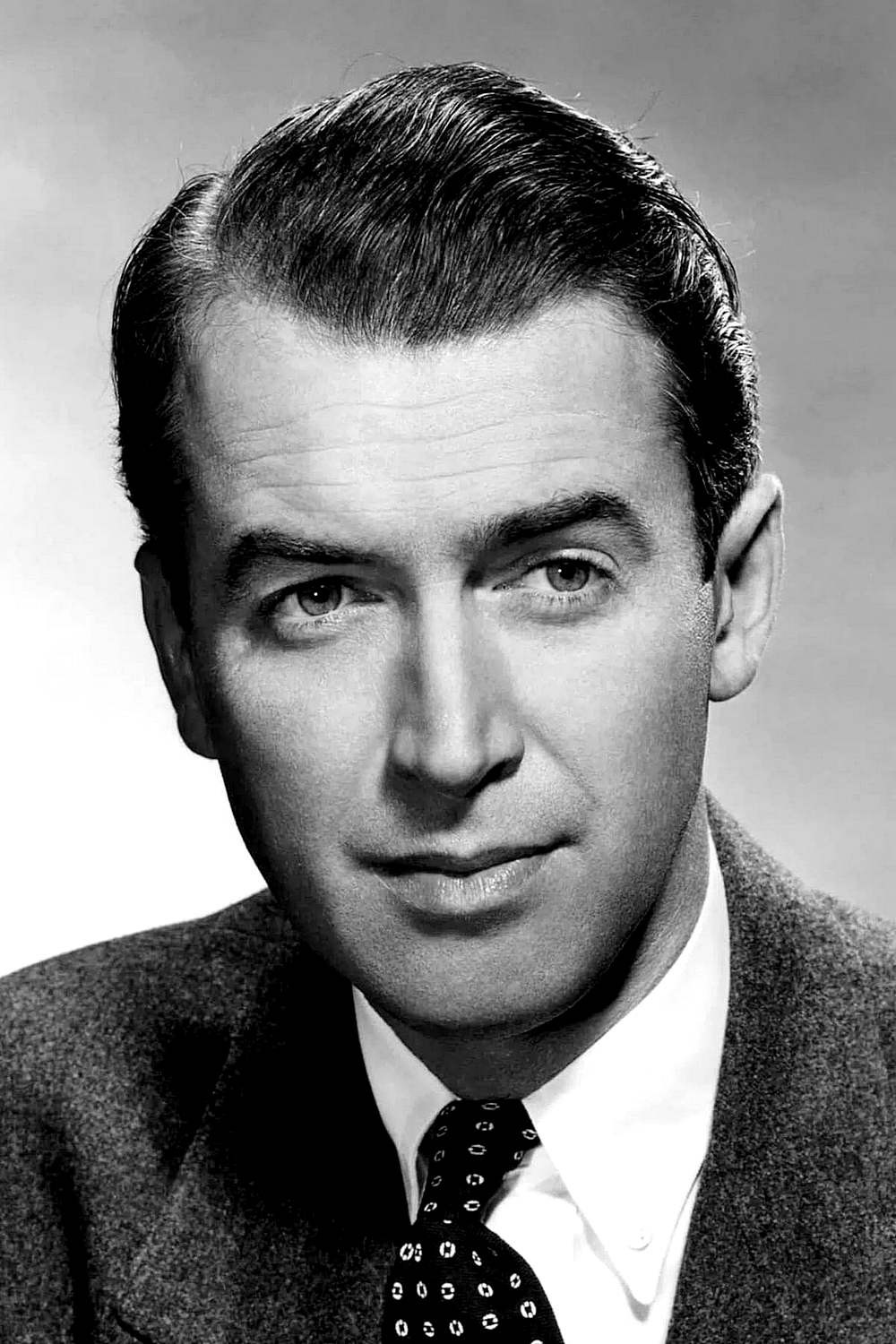
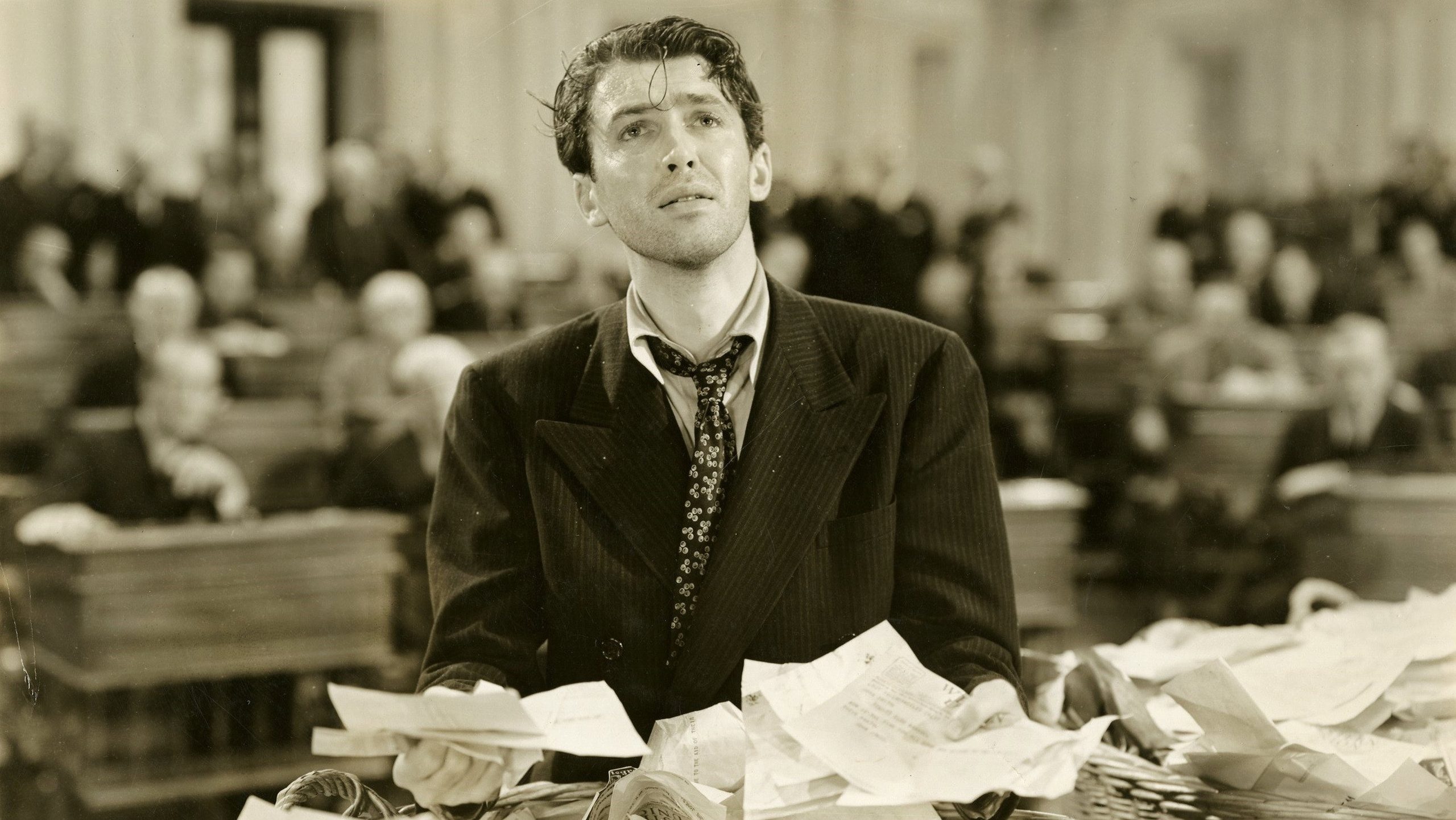
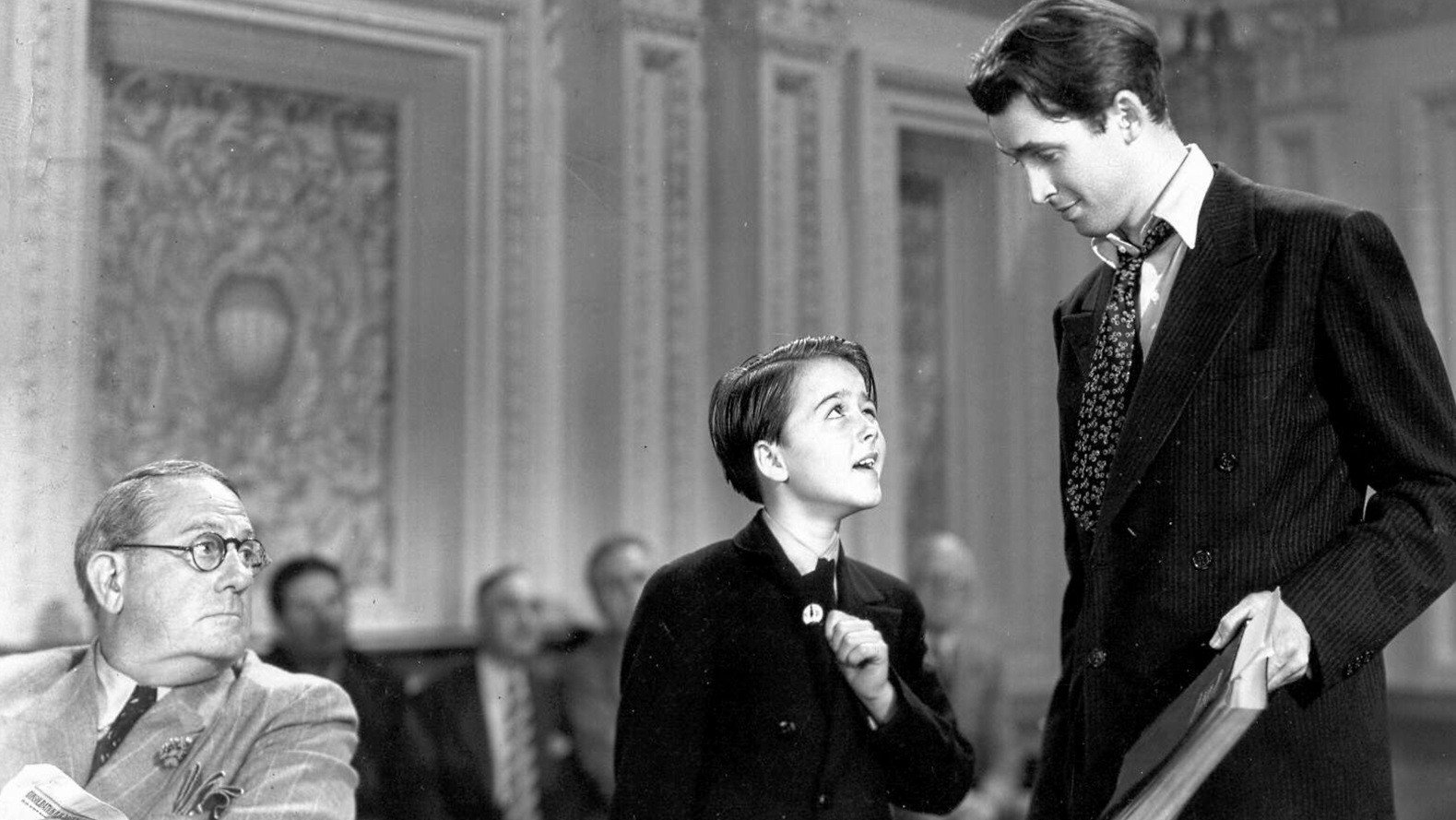
James Stewart plays Jefferson Smith as an idealistic senator whose earnestness can be awkward to sit through, as it should be. There is a risk with a character like this: the more often we are asked to admire him, the less convincing everyone around him can become. The performance avoids that trap by letting Smith seem inexperienced without making him stupid. We were moved by his sincerity: Smith believes in honest government so completely that his exposure to corruption feels painful.
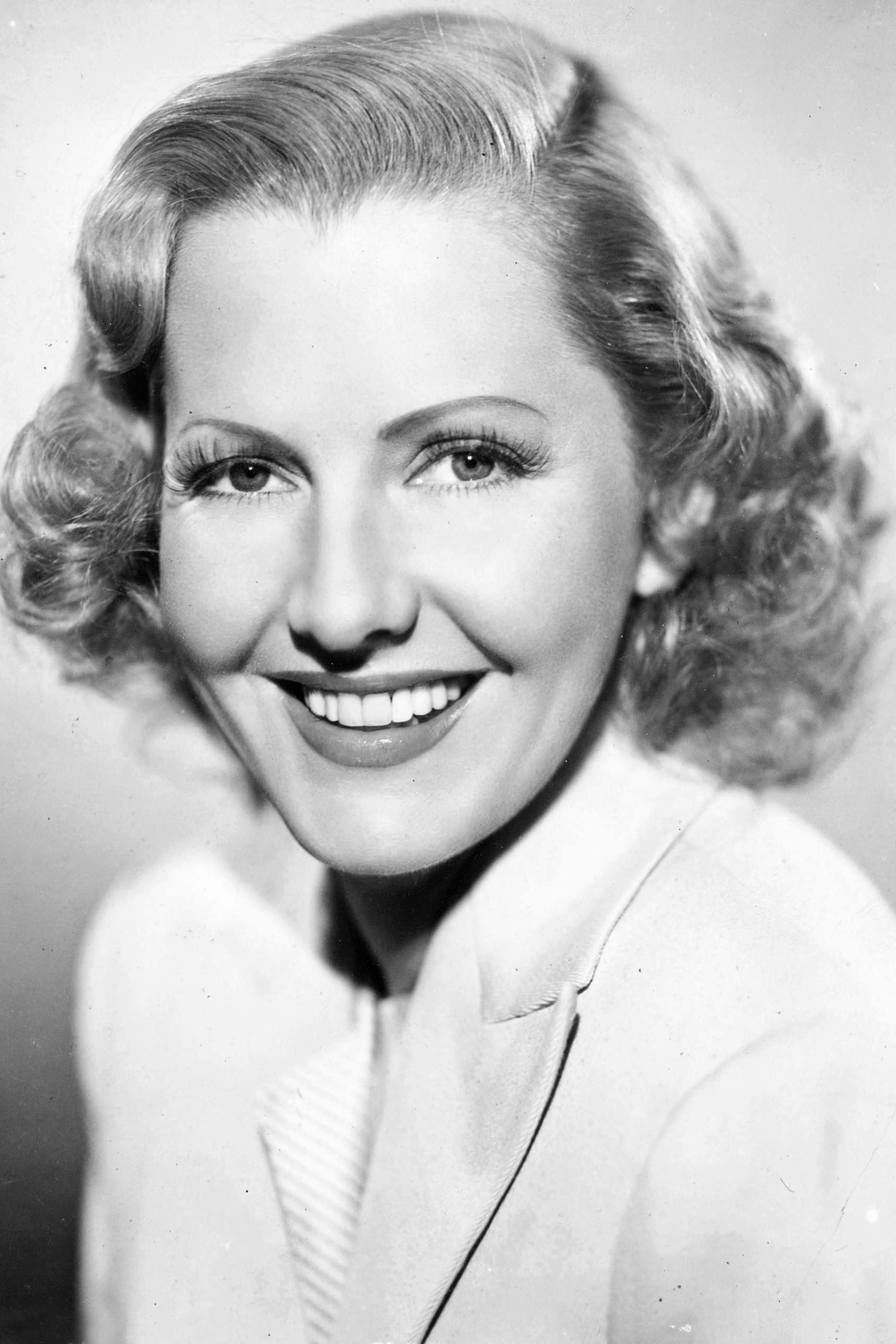
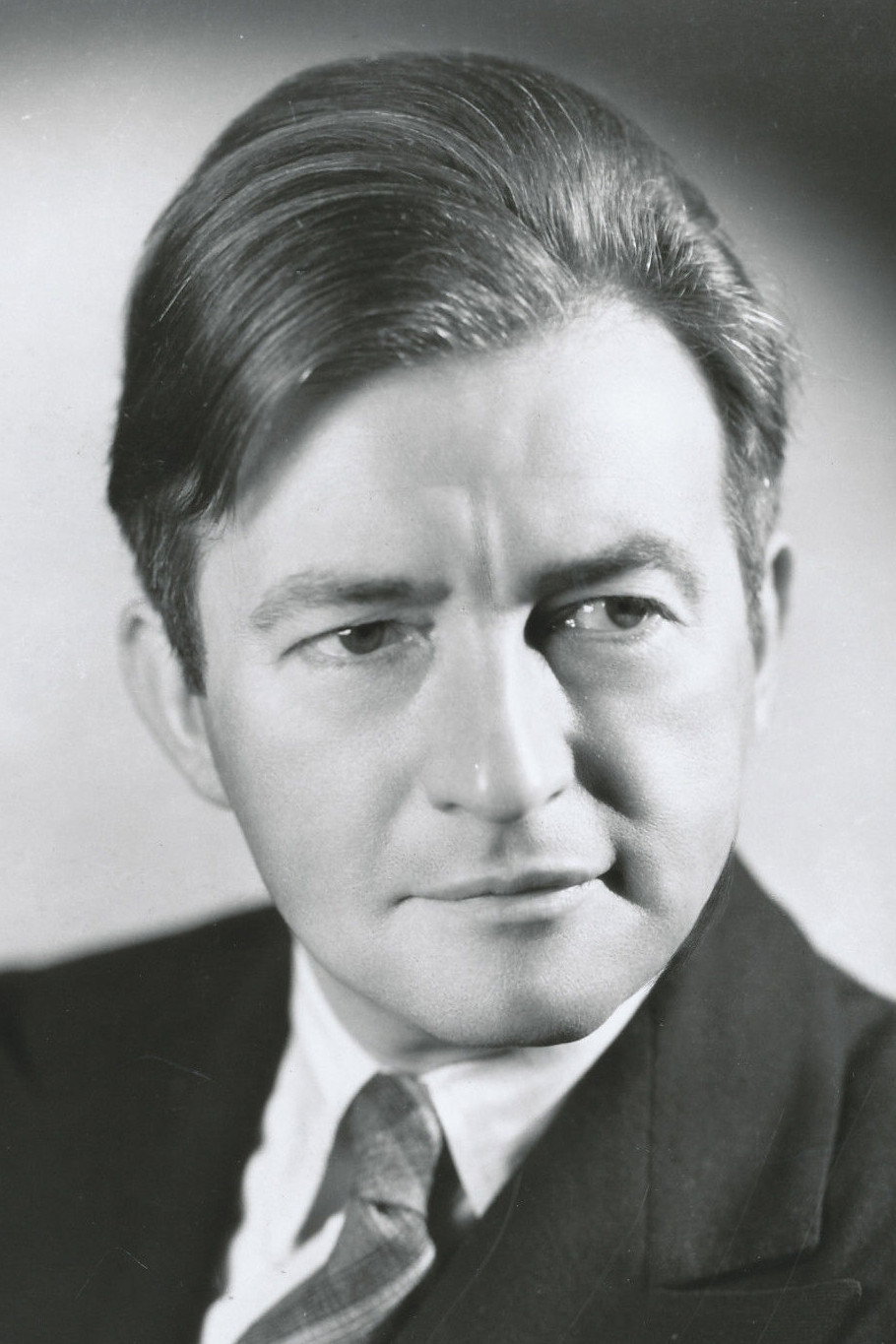
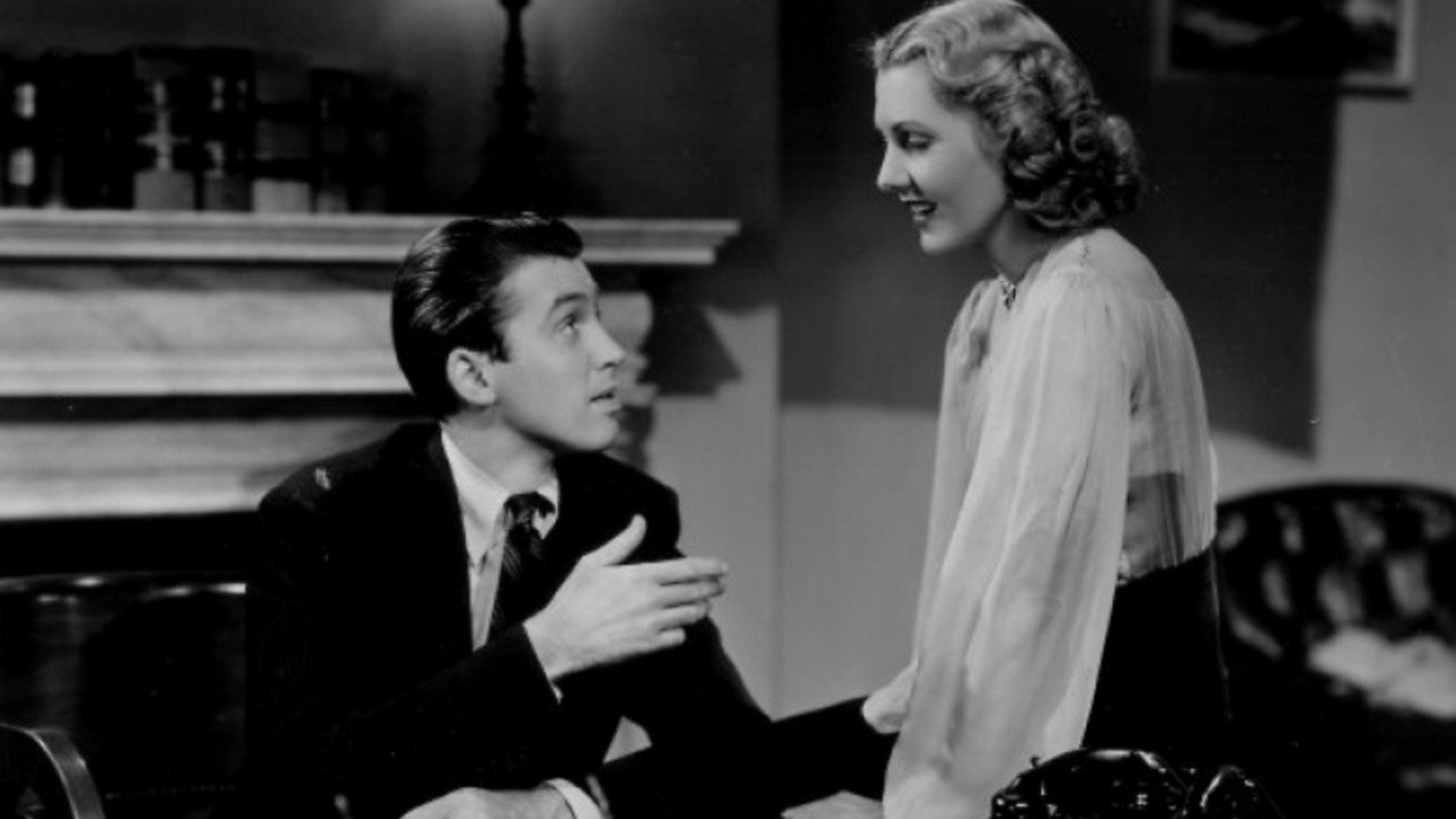
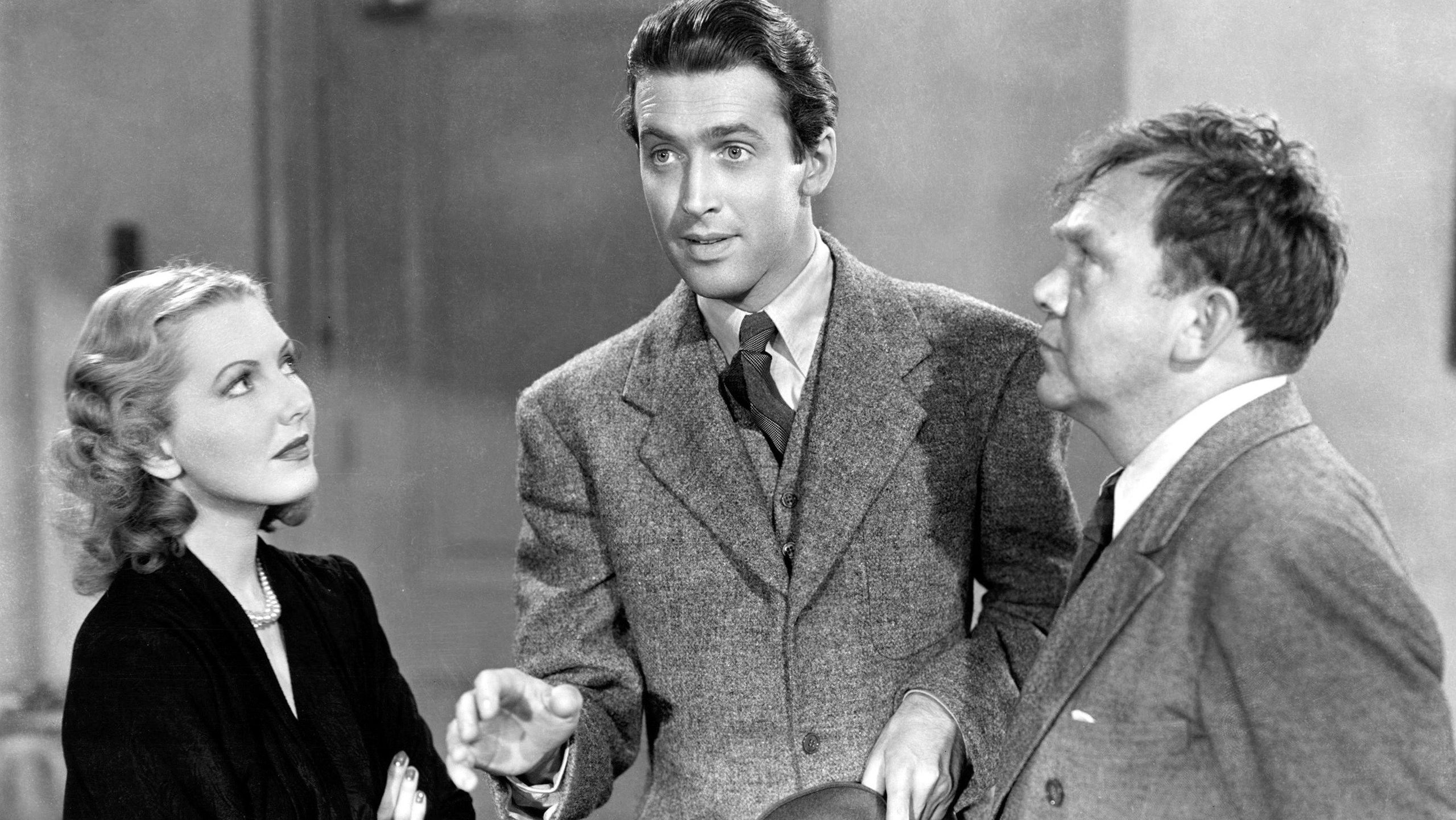
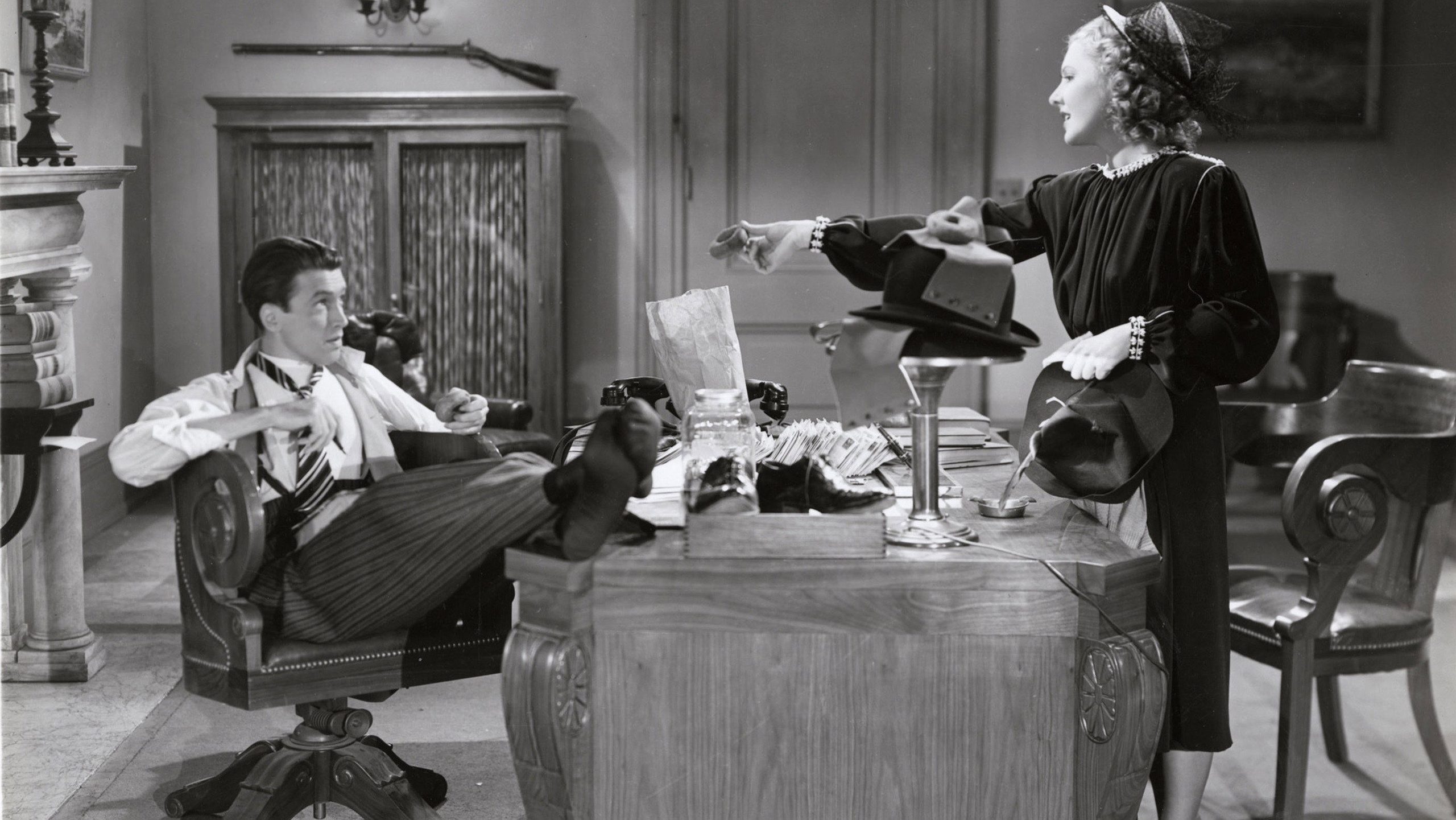
Jean Arthur is essential as Clarissa Saunders, giving Sidney Buchman’s dialogue the speed and bite that keep the film from becoming too solemn. The difference in tempo between the two leading performers gives their exchanges life, and her briskness is a pleasure. Claude Rains, as Joseph Paine, lends the political company enough composure to make Smith’s innocence look like a practical disadvantage. There is something persuasive about people who know how things work, and these performances let us feel it.
Joseph Walker’s cinematography is most effective when it lets the performances hold our attention, a useful discipline in a film so keen to persuade. The editing by Gene Havlick and Al Clark gives the fast dialogue room to land without losing its pace. Dimitri Tiomkin’s music makes the patriotic feeling harder to resist, although we sometimes wanted less encouragement. At 130 minutes, the film has ample space to press its case, and some of the earnest passages would benefit from being shorter.
Sidney Buchman’s screenplay has a useful understanding of how corruption protects itself. Control of information matters here: the public’s judgement depends on what it is allowed to hear, and the people managing that process understand its value. That is a substantial obstacle for a hero whose chief resource is telling the truth. Dishonesty looks comfortable here, and the film is properly angry about how easily it becomes accepted practice among people who ought to know better.
The difficulty comes when Frank Capra puts so much trust in the moral force of one decent man. The people controlling public information seem too well established to be troubled much by an appeal to conscience, however eloquent. That is the film’s fairytale streak, and it will trouble anyone hoping for a practical account of how power might be checked. Even so, the humour is sufficiently sharp, and the actors sufficiently convincing, to keep us willing to believe in Smith.
Political comedies are often content to let us enjoy our own disillusionment. Frank Capra risks seeming foolish because he still wants us to care, and the confidence of the performances makes that risk worth taking. The sentiment needs some tolerance, but the laughter is quicker and less dutiful than the premise might suggest. Watch it when a political comedy with some hope left in it sounds like a relief.