Critics’ reviews

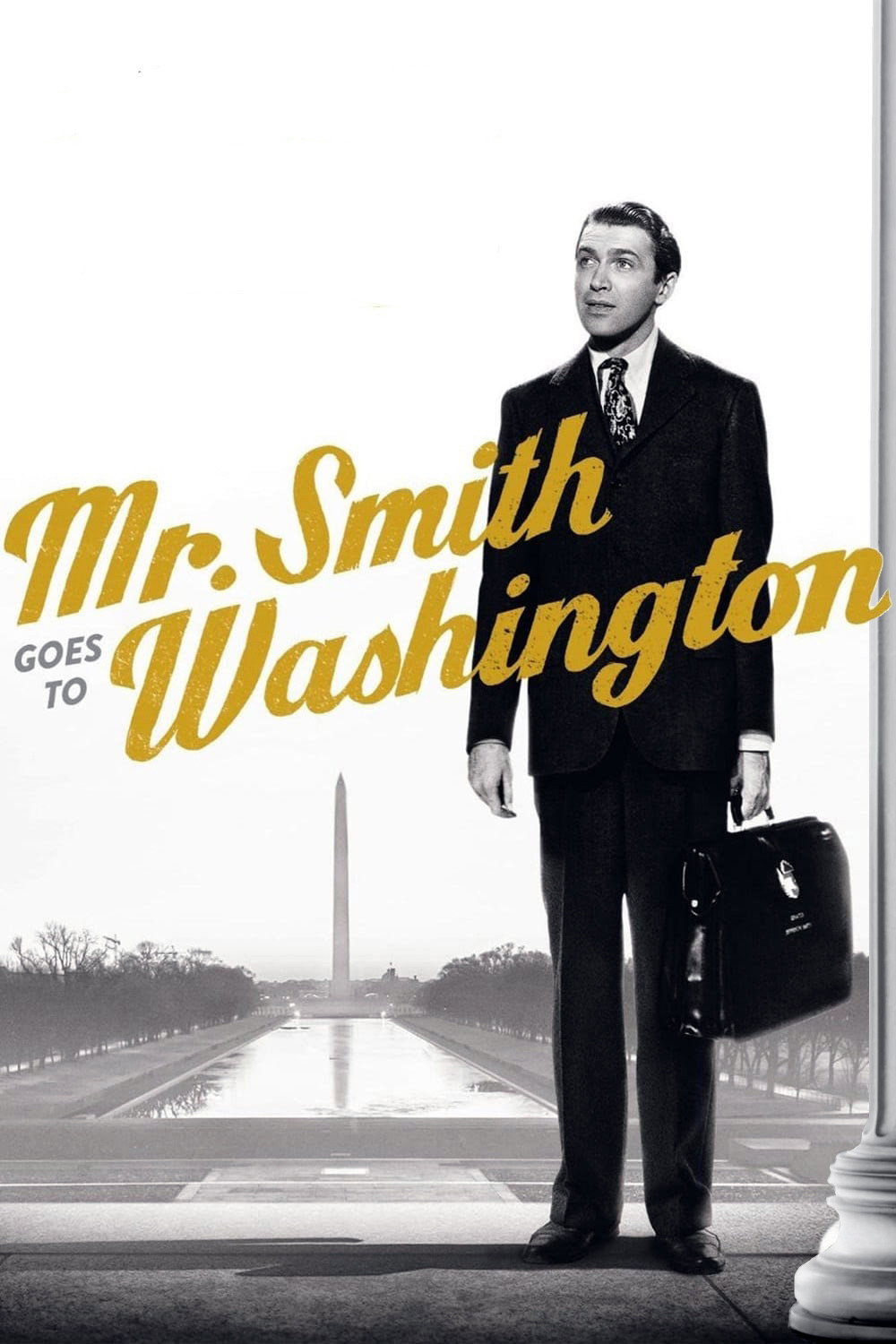
Mr. Smith Goes to Washington (1939)

9 reviews from 9 publications. Critics’ score 85: 9 positive, 0 mixed, 0 negative.

Back to our review of Mr. Smith Goes to Washington

85
Positive
9
Mixed
0
Negative
0

The consensus is firmly positive, with all nine reviews praising the film and James Stewart’s sincerity as the idealistic senator drawing repeated approval. Critics also value Capra’s handling of sentiment and humour, finding that the performances and comic pace give conviction to the patriotic feeling. Praise extends to Jean Arthur and the supporting cast, while Sidney Buchman’s dialogue earns attention for its snap. Several reviews stress how the treatment of political corruption remains relevant.

The differences are chiefly about how readily critics accept the optimism, rather than whether the film works. Time Out acknowledges the cornball idealism but finds the fast-talking comedy more than compensates. Paste offers the strongest reservation, questioning the potentially harmful implications of its lone-man-against-the-system story for modern conspiracy thinking, while still finding it good-hearted and enjoyable. Scores occupy a fairly narrow positive range; there is no outright dissent.

The Hollywood Reporter
17 October 2021 · THR Staff
90*

The film is another smash hit and an outstanding achievement for Capra and his team. It praises James Stewart's finest performance as the idealistic senator and highlights the strong supporting cast and technical contributions.

Read the full review →
The New Yorker
14 October 1939 · John C. Mosher
90*

The review highlights Capra's superior showmanship in balancing sentiment and humor through detailed performances and incidents, noting the film's popular appeal, patriotic enthusiasm, and the effective filibuster climax that reestablishes faith in government.

Read the full review →
The New York Times
20 October 1939 · Frank S. Nugent
90*

The critic calls it one of the best shows of the year and praises Capra's direction, the cogent script, and especially James Stewart's joyful performance as the idealistic senator, along with strong supporting turns from the cast.

Read the full review →
Variety
11 October 1939 · Variety Staff
90*

The review deems it typically Capra—punchy, human, and absorbing—with timely patriotic flavor and dramatic impact, predicting strong box office and praising Stewart's sincerity, Arthur's performance, the script, direction, and production values.

Read the full review →
Empire
1 January 2000 · David Parkinson
85*

The critic calls this a prescient political classic whose relevance has only grown. They praise James Stewart's deeply moving performance as the naive senator who exposes corruption.

Read the full review →
Time Out
16 January 2012
80*

The film is quintessential Capra, with popular wish-fulfilment delivered through fast-talking comic panache that overrides any quibbles about its cornball idealism. Scriptwriter Sidney Buchman’s crackling dialogue gains sharp conviction from the supporting cast including Claude Rains, Jean Arthur and Harry Carey.

Read the full review →
Collider
26 October 2024 · Thomas Butt
80*

The critic praises the film's prescient critique of government corruption and its optimistic yet cynical view of one man's fight against the system, highlighting Stewart's performance and Capra's direction.

Read the full review →
/Film
8 August 2019 · Jessica Mason
80*

The critic sees the film as a powerful, damning statement about political corruption that still resonates today, while remaining hopeful at its core about human decency and the impact of truth. She singles out the film's exploration of media control, information power, and the possibility that one person's sincere appeal can change another's mind.

Read the full review →
Paste
29 November 2020 · Kenneth Lowe
75*

The critic calls the film fun and darling despite noting a potentially harmful modern narrative around conspiracy claims, emphasizing its good-hearted intent and love for the story of one man against cynical forces.

Read the full review →

Ordered by the weight we give each publication, then by score. Scores are normalised to 100; * means inferred from an unrated review. Summaries are ours, not quotations; follow the links for the reviews themselves. How we rate