Satomi Korogi has spent more than thirty years voicing babies, animals and the occasional god, mostly without words. In two Satoshi Kon films she is barely a credit, which is no slight; her parts are the ones nobody is meant to notice.
Fi1m perspective
Listen to Himawari Nohara in Crayon Shin-chan, the baby sister who has been a baby since 1992, and you will hear a great deal of feeling and almost no language. That is Satomi Korogi's trade. She makes babies, small animals and creatures with no proper mouths, and she does it in sounds rather than sentences: a gurgle, a squeak, a cry that rises and breaks. Most voice actors are hired to say lines. She is hired, more often than not, not to.
She came to it late and sideways, after four years teaching in a kindergarten, which is as good a training as any for what she does, and joined Production Baobab in 1988. The parts that followed were small and then, from the early 1990s, small and everywhere. Himawari came first. Then Togepi and Pichu in Pokémon (1997), which she also voiced in the English versions, so that children in more than one language grew up with her in their ears and no idea of her name. Later came Ushio in Clannad (2007) and Zeno, the Omni King, in Dragon Ball Super (2015), the one part on her list that rules anything.
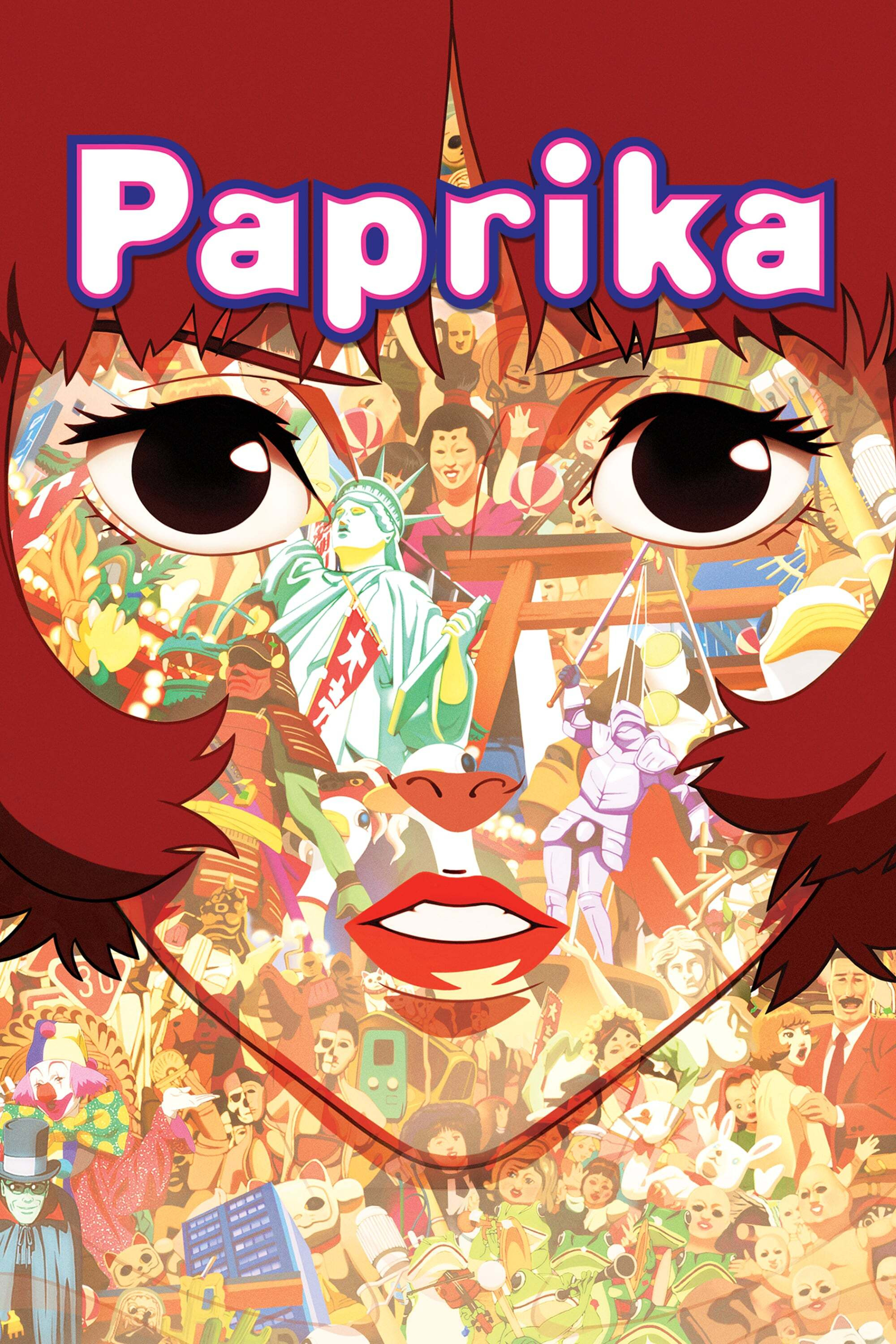
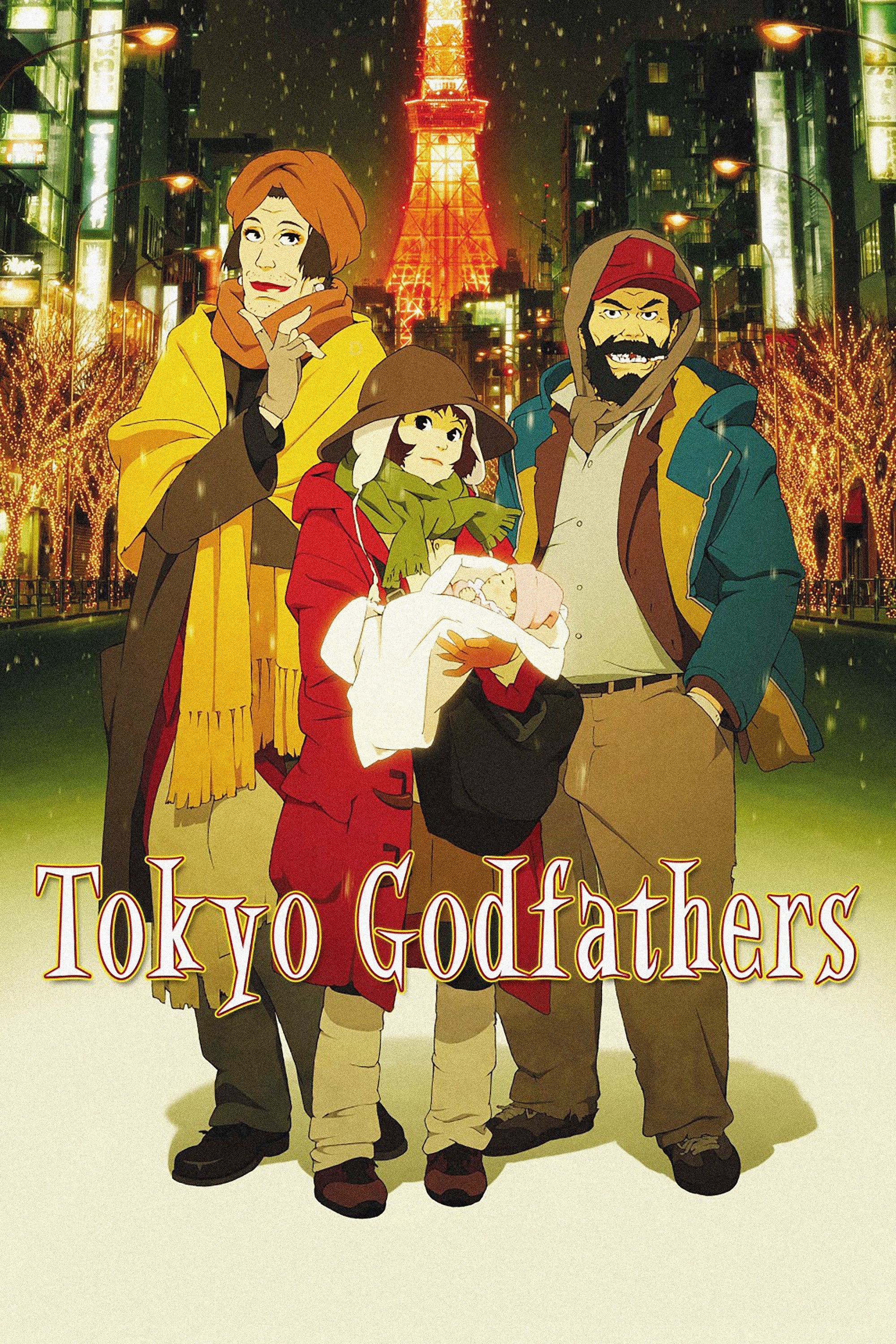
In the two films of hers we have reviewed she is easy to miss, and we mean that as description. In Tokyo Godfathers (2003) she is credited as Kiyoko; the film is about three homeless people and an abandoned baby on Christmas Eve, and her line of work being what it is, the reader can guess which part is hers. In Paprika (2006) she is the Japanese Doll, one figure among the dream-things Kon sends out into the waking city. Neither part is large. We rated both films highly, and we went back to Tokyo Godfathers listening for her and found there was nothing to listen for: it sounds like a baby, not like an actor doing a baby. A plot that contrived needs one thing at its centre to be plainly real, and we think that is a good deal of why it moved us.
The limit is the one she has named herself. Three decades of babies and animals have left few chances at an adult, or at anyone who speaks in full sentences, and she has said as much of one of her characters: "Please, I wish she could speak human language..." Casting directors know exactly what she is for and keep asking for it. Whether that is a waste depends on how you count. There are actors with long speeches to their name who have never made an audience believe a single sound. She has done it since 1988, mostly in parts that fit on one line of the credits, and if you want to hear her at her best you will have to go looking, because the whole point is that you were never meant to.
Biography
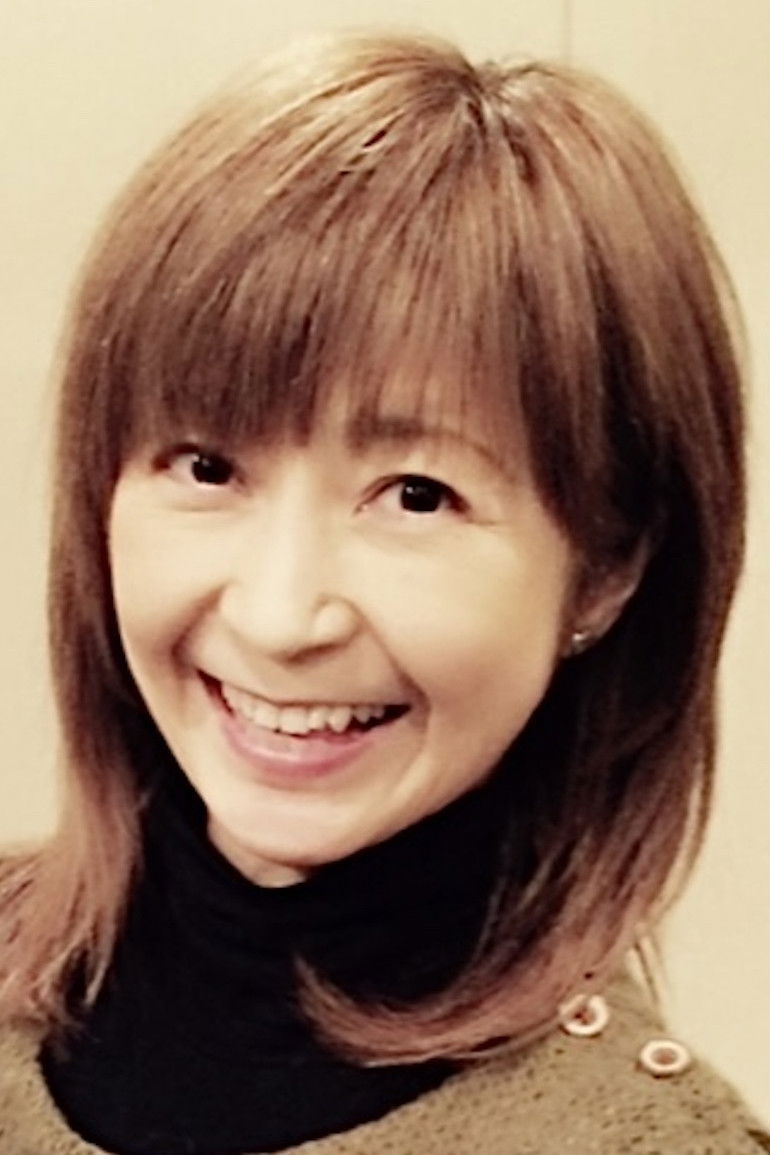
Satomi Korogi (also credited as Satomi Kôrogi or こおろぎ さとみ) is a Japanese voice actress affiliated with Production Baobab. Born on 14 November 1962 in Tokyo, she began her career in 1988 and is known for roles involving children, babies and animals.
Her film credits include Kiyoko in Tokyo Godfathers (2003) and the Japanese Doll in Paprika (2006). She has voiced Togepi in the Pokémon series (from 1997), Himawari Nohara in Crayon Shin-chan, Zeno in Dragon Ball Super (2015) and Frosch in Fairy Tail (2009). She has also worked under aliases including Jun Asano.