David Lynch’s Hollywood mystery is frightening, funny and more moving than its reputation for confusion suggests. Naomi Watts gives its strangeness a human cost, though some wandering passages ask for patience they have not quite earned.
Mulholland Drive is a frightening, deeply moving film, and its difficulty is worth the effort. David Lynch takes the familiar prospect of an aspiring actress hoping to become a star and makes the hope itself feel worrying: Betty wants this so much that we begin to fear what disappointment might do to her. Her enthusiasm gives us a reason to care before the mystery has properly taken hold. Lynch asks for more trust than a thriller usually needs, and earns most of it through Watts.
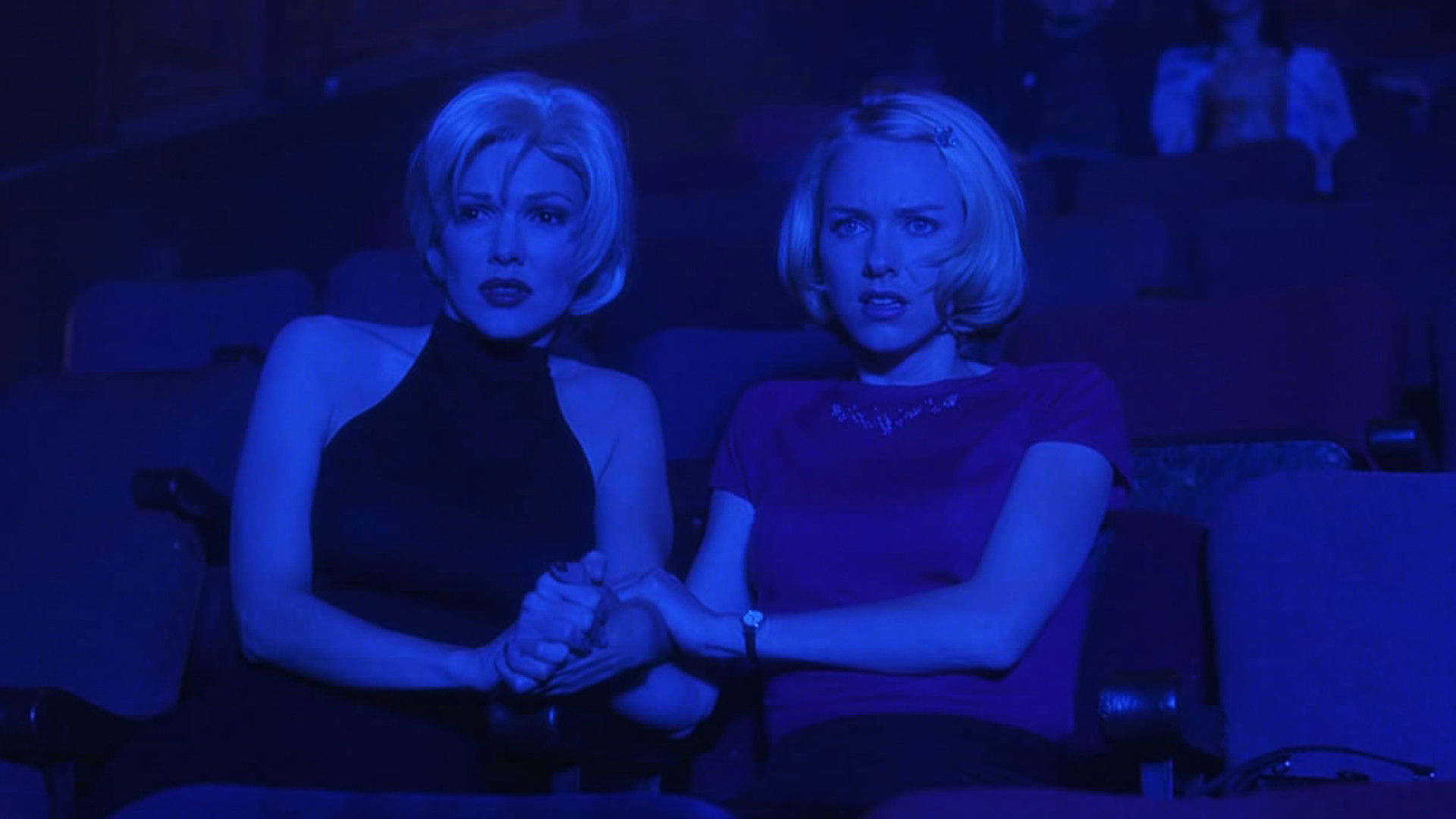
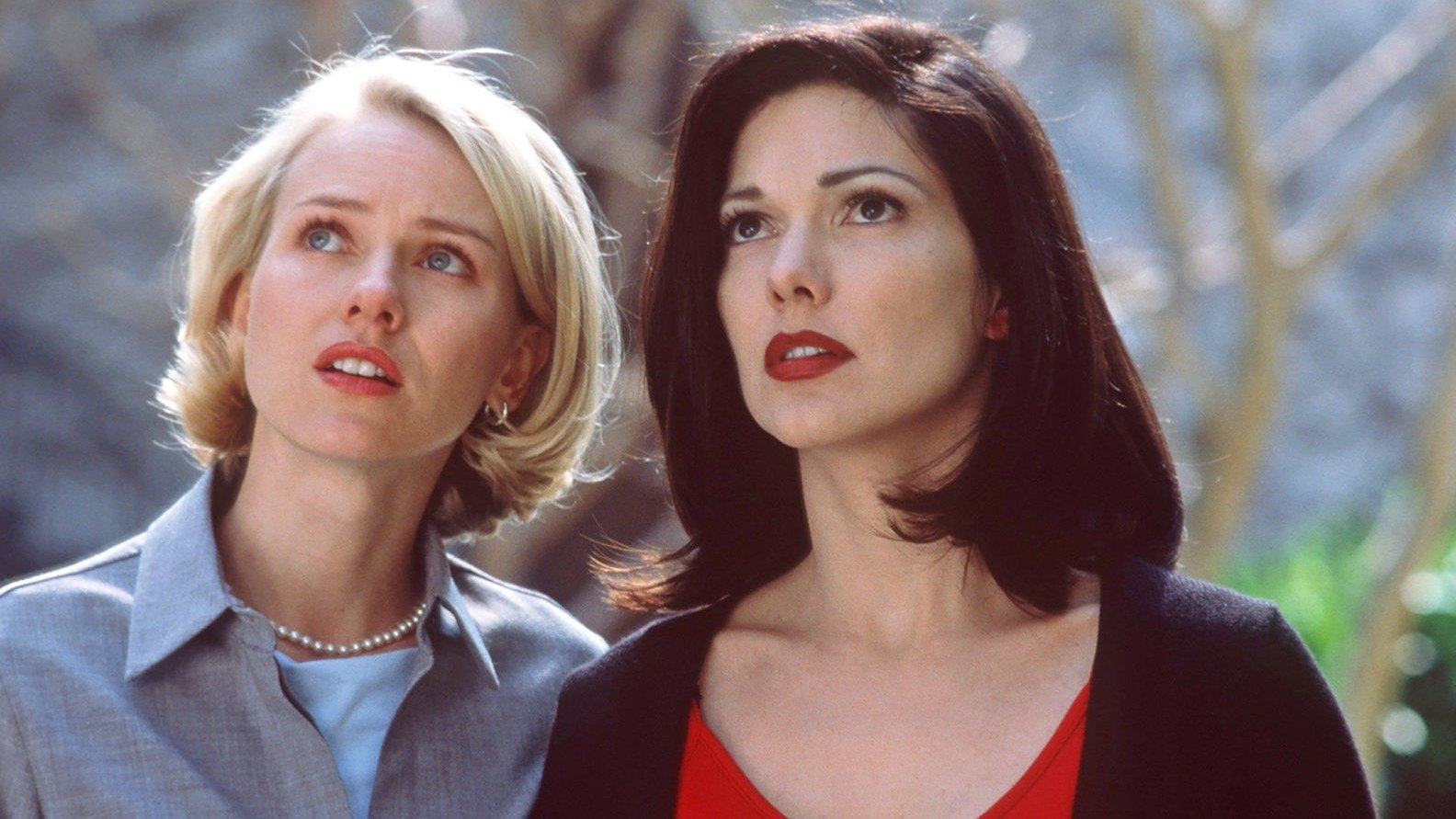
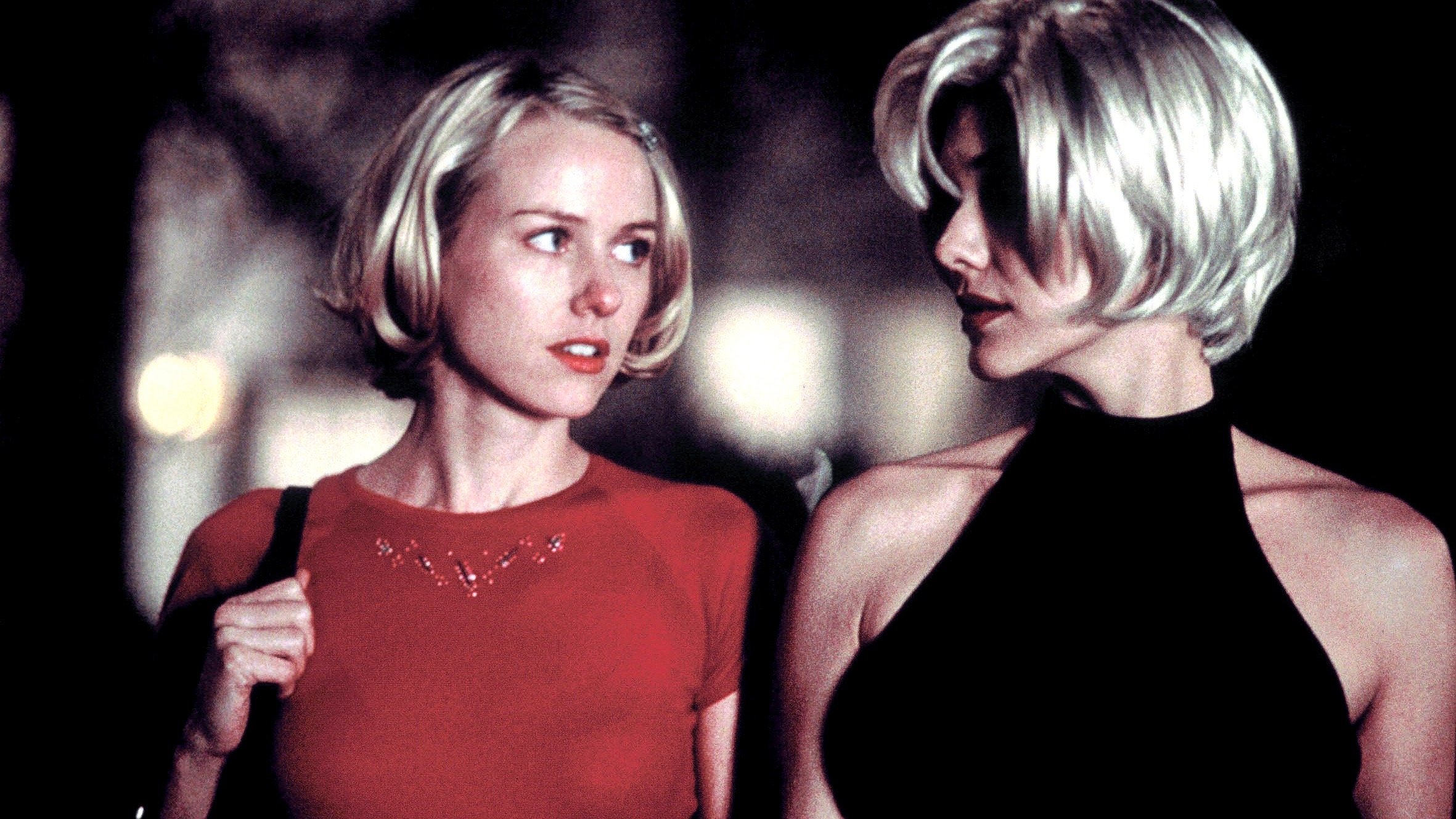
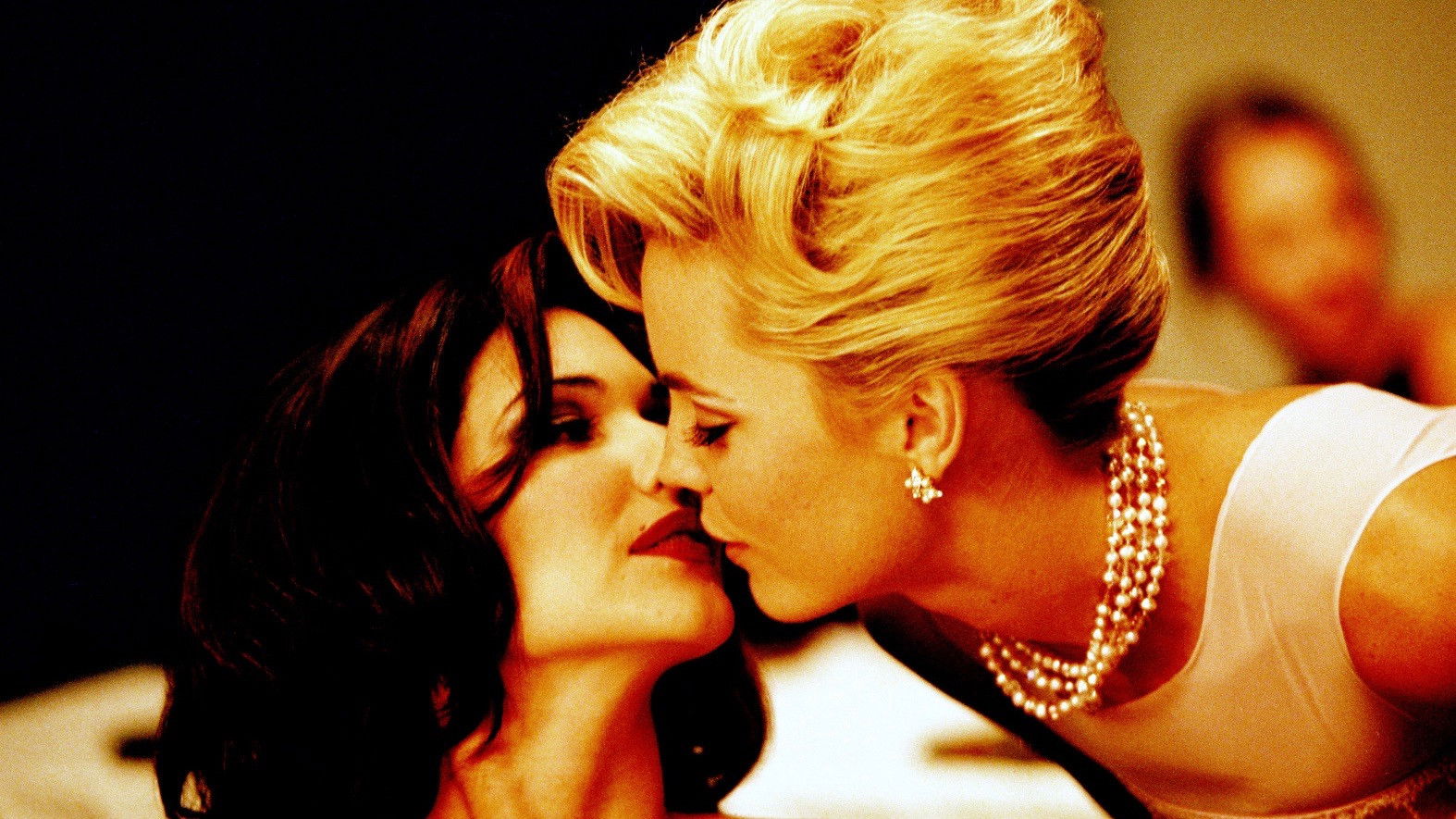
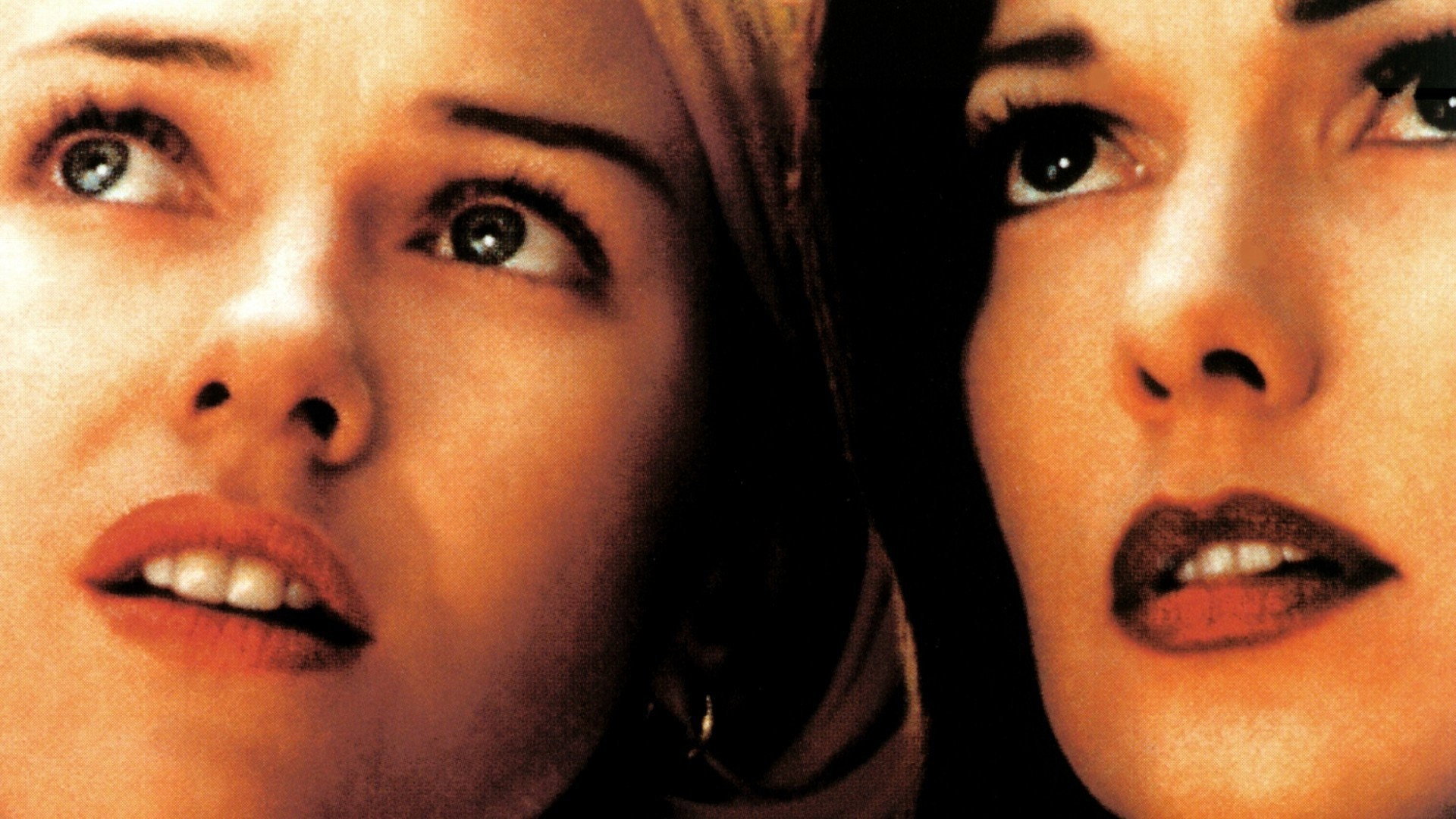
Naomi Watts plays Betty’s brightness without inviting us to feel superior to her. Her eagerness can seem excessive, yet the performance lets us recognise the work involved in keeping that much hope alive. Laura Harring’s Rita has enough vulnerability to make their closeness matter, without making the uncertainty around her feel like an acting exercise. We were moved by the tenderness between them; Watts and Harring make the women’s growing attachment worth caring about even when the story becomes difficult to follow.
Peter Deming’s cinematography makes Hollywood’s glamour persuasive enough to explain Betty’s enthusiasm, while allowing unease to persist in the same images. The beauty never gives us much comfort. Jack Fisk’s production design makes the contrast between Hollywood glamour and the horror at Winkie’s feel credible, rather than an opportunity to show off two different styles. We were frightened by that sequence, and by the ease with which Lynch makes the nightmare belong there; afterwards, even the film’s more welcoming surroundings are difficult to trust.
Mary Sweeney’s editing keeps the dream logic clear enough from moment to moment, even when the connection between passages is elusive. We can follow an encounter without knowing where it belongs in the larger story. Angelo Badalamenti’s music deepens the unease without telling us exactly what to feel about each strange occurrence. Together, the cutting and score keep uncertainty from becoming a constant strain. Lynch can leave a question hanging because the immediate experience remains absorbing, though that licence occasionally encourages him to linger.
Some of the supporting-character detours are less rewarding, and Lynch the writer occasionally seems too pleased with a peculiar encounter. At 147 minutes, the film gives that peripheral business more room than it always deserves. We sometimes wanted to get back to Watts and Harring rather than spend longer wondering how another fragment might fit. The looseness is part of its appeal, but that does not make every passage equally compelling.
The consensus is more reserved than we are. We disagree especially with the complaint that the style crowds out feeling: Watts makes Betty’s eagerness too exposed for us to regard the film as an elaborate puzzle. Harring gives their relationship a delicacy that makes the surrounding menace harder to dismiss as cleverness. Their scenes together remain involving even when we cannot confidently explain what is happening.
As a mystery, it offers fewer reassurances than most: paying attention does not guarantee that every detail will settle into place. That can sound like an excuse for muddle, but Lynch’s control of mood and the precision of the performances make it worth accepting here. There is no need to turn the first viewing into an examination. Watch it with someone willing to sit quietly for a minute afterwards.