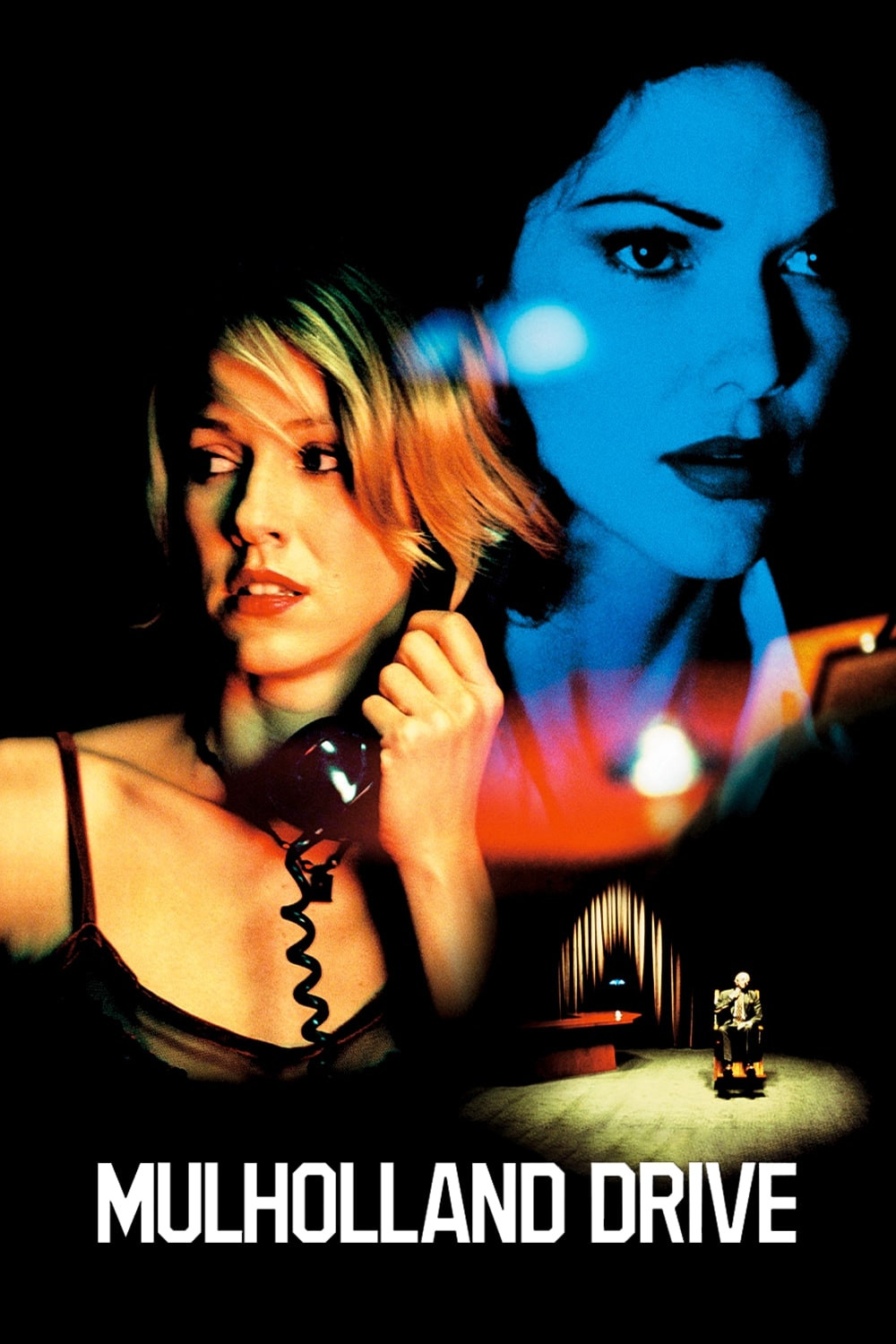
The critic praises the film's disturbing unity despite its origins as a shelved TV pilot and subsequent re-edits into a feature, noting how Lynch probes narrative, performance, and identity through dream-like layers. Naomi Watts delivers a standout dual performance, shifting convincingly from bright aspiring actress Betty to the more damaged Diane.
The critic finds style dominating over soul in Lynch’s glamorous, slippery Hollywood noir, which gleefully trashes narrative with memorable sensory moments like the Winkie’s creature and Silencio nightclub. While visually stunning and moodily maintained, it lacks the emotional heart of Lynch’s strongest work.
Lynch returns to his signature surreal style after The Straight Story. The film is praised as a complex but coherent subversive noir with emotional depth from leads Naomi Watts and Laura Elena Harring, though it may be too weird for some.
Lynch orchestrates a liquid, undulating dreamscape that is beautiful, heartrending, madly confusing and awe-inspiring in its daring and execution. The critic calls it a bona fide masterpiece and an erotic, deeply unsettling journey through the subconscious.
The critic views the film as a radical, formally inventive realization of surrealist theory of film as dream, constructing a bifurcated narrative that transforms meaning through shifting identities and anxiety. It singles out the psychosexual dynamic of the lesbian love story and its portrait of woman as patriarchal pawn within a paranoid vision of the Hollywood industry.
Mulholland Dr. is a mystery that doesn’t want to be solved, a dark dreamscape that needs to be experienced rather than explained. Lynch constructs something that looks like a conventional story but refuses to act in any expected way, creating unforgettable images from a dreamlike world.
The critic hails the film as a haunting, selfish masterpiece that literalizes surrealism as a perpetual dream state, commending its intricate dream logic and portrayal of Hollywood's dark underbelly.
The critic praises Lynch for salvaging a challenging and seductive narrative from a rejected TV pilot, highlighting the first hour's dream logic and Watts' performance while noting the second half's shift into psychotic excess.
Lynch has created a nervy full-scale nightmare of Tinseltown that seizes the dream factory cliché and hurls it through the looking glass. The film evolved from a rejected TV pilot into a fascinating example of how a great film can evolve out of adversity.
Lynch subverts the soap-opera glamour of the film industry with nightmare logic and a wonderful cast, holding the manic, psychotic mood right up to the harrowing finale.
Lynch returns to his signature territory of illusion and unease, where appearances deceive and nothing fits neatly into place. The critic highlights the film's persistent fascination and Lynch's skill in massaging reality out of shape through deliberate dialogue, odd characters, and glitches in the storyline.
Ordered by the weight we give each publication, then by score. Scores are normalised to 100; * means inferred from an unrated review. Summaries are ours, not quotations; follow the links for the reviews themselves. How we rate