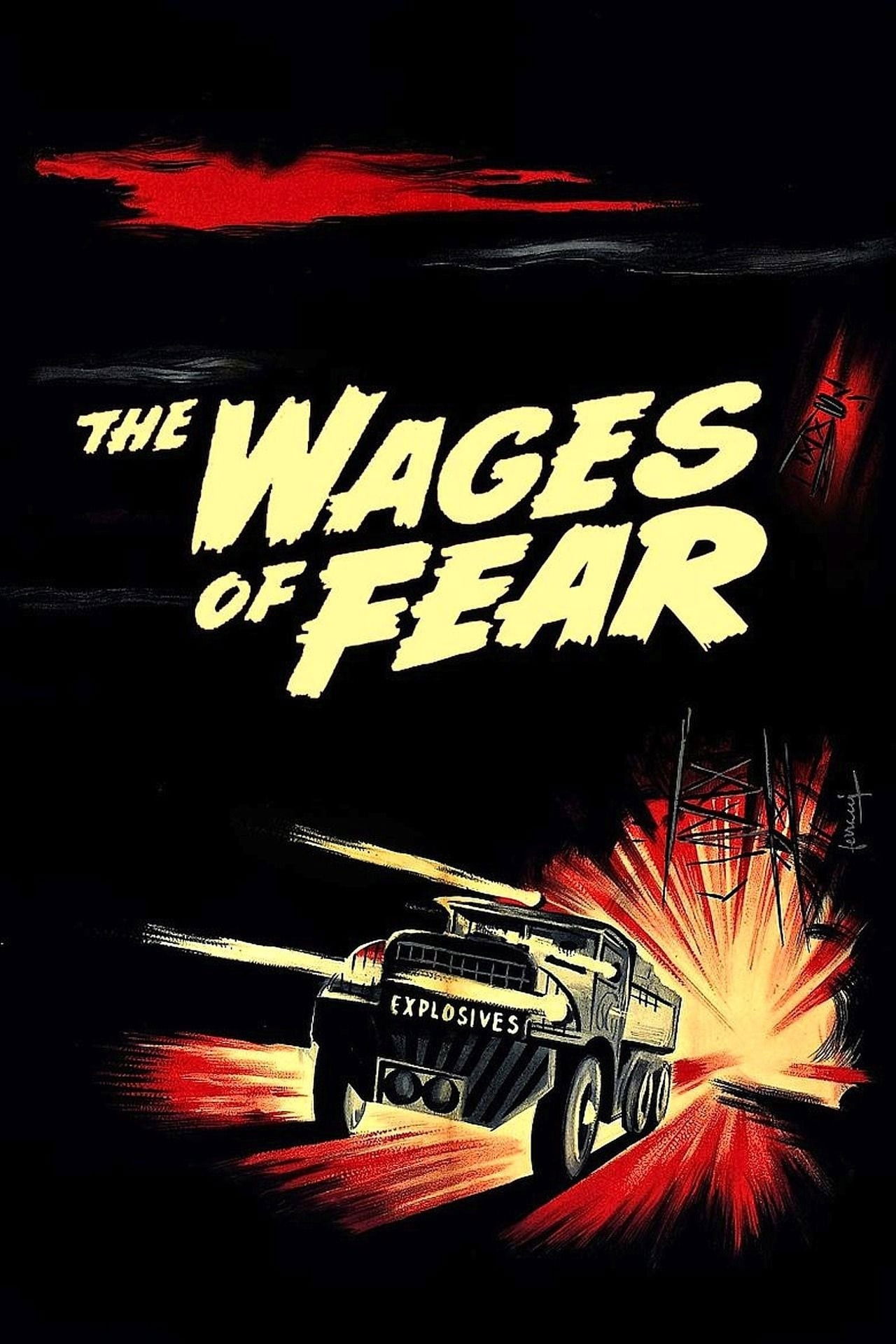
The reviews are unanimously positive, with praise centred on Clouzot’s control of suspense as desperate men transport nitroglycerine over hazardous roads. Most critics find the tension inseparable from the character work: fear, courage and strained loyalties make each obstacle matter. The editing, carefully paced set pieces and performances draw repeated approval. Many also stress the film’s bitterness about human nature and capitalism, finding considerably more than an exercise in making an audience nervous.
The differences concern emphasis more than verdict, though enthusiasm ranges from solid approval to outright acclaim. Some critics foreground the political anger; others concentrate on masculinity, psychological breakdown or the mechanics of suspense. Reservations are scarce: The New Yorker notes early raggedness caused by cuts, while praising the acting and the truck journey’s mounting pressure. Several other reviews explicitly admire the extended character-building opening as essential preparation for what follows.
R
Radio Times
★★★★★ · David Parkinson
100
The tension is unbearable in this nail-biting adventure of trucks carrying nitroglycerin over rough terrain; it is also a cynical study of human nature and a suspenseful condemnation of capitalism.
Read the full review →S
Slant Magazine
6 December 2011 · ★★★★/4 · Budd Wilkins
100
The critic lauds the film’s taut tension, pure-cinema set pieces, and existential nihilism, noting its focus on fragile group dynamics and anti-capitalist satire. He singles out the psychological depth in character breakdowns and the bleak ending as particularly powerful.
Read the full review →T
The Times
28 December 2018 · ★★★★★ · Kevin Maher
100
This is a high-concept masterpiece and peerless European thriller built on a simple propulsive premise of trucks carrying nitroglycerine. The character work is rich and Clouzot’s directorial touches are ingenious; it is unmissable.
Read the full review →E
Empire
1 January 2000 · Patrick Peters
90*
The critic describes it as a superbly structured thriller that shows Clouzot as a master of audience manipulation like Hitchcock with a strong political conscience. They single out the famous hazardous truck journey across treacherous terrain and the character-driven opening for praise.
Read the full review →L
Los Angeles Times
7 March 1991 · Mark Chalon Smith
90*
Smith calls Clouzot's accomplishment remarkable, turning a simple bumpy truck ride into an existential adventure with mundane obstacles that test ingenuity and courage. He praises the film's division into character development and thrilling action, expert editing, and revelatory cinematography.
Read the full review →R
RogerEbert.com
6 March 1992 · Roger Ebert
90*
Ebert praises the restored complete version's extended suspense sequences as among cinema's greatest, focusing on the perilous nitro truck journey over hazardous roads and the characters' desperation. He highlights Clouzot's technical mastery in key sequences and the film's ironic, non-Hollywood ending that underscores human frailty.
Read the full review →A
The AV Club
1 November 2010 · Mike D'Angelo
90*
The critic praises the film as a riveting anti-action classic that derives terror from ordinary men transporting unstable nitroglycerin. He highlights Clouzot’s masterful use of suspense through character awareness of danger and detailed performances of fear and tension.
Read the full review →G
The Guardian
1 February 2002 · ***** · Rob Mackie
90*
The film is every bit the equal of Les Diaboliques and has not aged since its Cannes win. It is the original white-knuckle ride and a very adult, sour study of humanity pushed to extremes, with a brilliantly edited journey through hell on earth.
Read the full review →I
The Independent
12 January 2018
90*
The critic calls the film an audacious masterpiece with a perfectly constructed setup that is taught in film schools. They highlight the bleak, cynical world of desperate characters and the thrilling final 90 minutes of the nitroglycerine truck journey as standout elements.
Read the full review →N
The New York Times
18 October 1991 · Vincent Canby
90*
Canby lauds the full version of the 1953 classic for its intoxicating suspense and gut-level thrills that mix pain and pleasure masterfully. He notes it is more than a roller-coaster ride, exploring courage, perseverance, existential themes, and 1950s attitudes toward America and authority.
Read the full review →Clouzot's film confirms itself as one of the finest of its era and genre in a superb BFI remaster. It is principally a study in masculinity and the relationships men have when they have nothing else, with unbearable tension.
Read the full review →T
Time Out
13 May 2012 · Joshua Rothkopf
80*
Clouzot outdoes Hitchcock with expert suspense in this tale of desperate men transporting nitroglycerine; the film combines calibrated action with earthy, nihilistic performances that make it ground zero for appreciating his work.
Read the full review →N
The New Yorker
19 February 1955 · John McCarten
70*
McCarten finds the film highly effective at scaring viewers once the trucks start their journey, building intolerable emotional steam through painstakingly worked suspense devices. He praises the strong acting, especially Yves Montand and Charles Vanel's performances, while noting some early raggedness from cuts.
Read the full review →V
Variety
31 December 1952 · Variety Staff
70*
The review describes a harrowing odyssey of four derelicts driving nitro-laden trucks, placing it in the strong meat category with a downbeat fear theme. It commends Clouzot's rhythm and pacing, his capture of the tropic town's atmosphere and men's crisis attitudes, and solid performances by Montand and Vanel.
Read the full review →P
Paste
9 March 2025 · Garrett Martin
90*
Henri-Georges Clouzot’s unbearably tense thriller is a brutal but entirely appropriate response to the death and destruction of the 20th century. The stress and fear drive the bulk of the film, which includes probably the longest, most sustained escalation of tension in cinematic history.
Read the full review →Ordered by the weight we give each publication, then by score. Scores are normalised to 100; * means inferred from an unrated review. Summaries are ours, not quotations; follow the links for the reviews themselves. How we rate