Werner Herzog makes absorbing films about obsessive people in inhospitable places. We value his willingness to take their efforts seriously, though his narration can press a point long after the people on screen have given us enough to consider.
Fi1m perspective
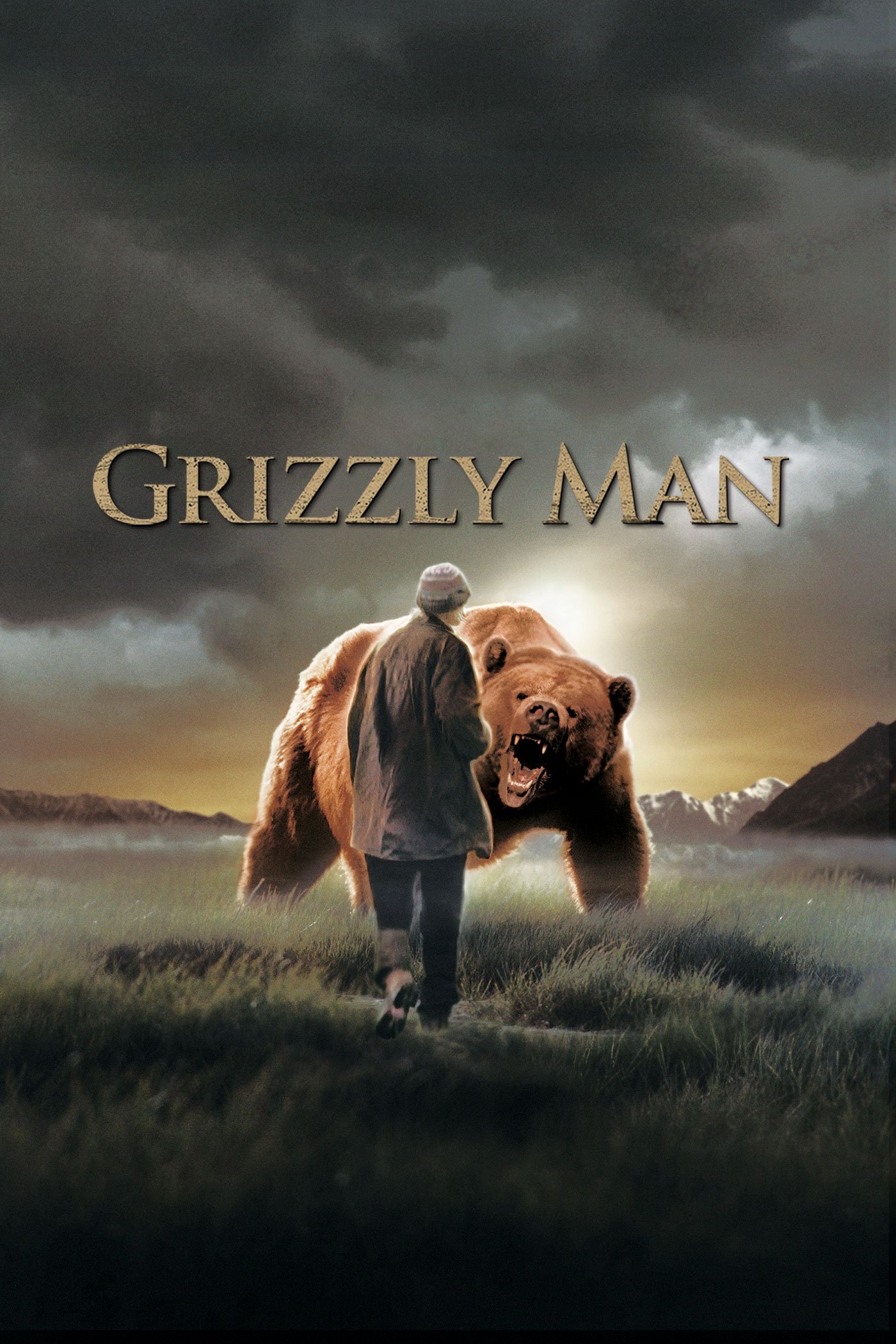
In Grizzly Man (2005), Timothy Treadwell’s footage lets us look at bears while Werner Herzog’s narration disputes the beliefs of the man filming them. Herzog respects the effort involved, and gives the animals time to interest us without an explanation. We were moved by Treadwell’s attachment to the bears because his images let us understand the attraction of being there. This is Herzog worth seeking out: attentive to someone he disagrees with, and willing to let us see why that person might disagree with him.
His earlier fiction often made obsession physically demanding to film. Aguirre, the Wrath of God (1972) took him into the Amazon under extreme conditions. For Fitzcarraldo (1982), a steamship was hauled over a mountain. Klaus Kinski was a recurring collaborator, their work together extending into horror with Nosferatu the Vampyre (1979). In the documentary work, Grizzly Man brings that fascination with obsessive people to a subject who has already made images of his own.
Herzog’s collaborators help make room for that other account. Peter Zeitlinger is credited with cinematography on Grizzly Man, but Treadwell supplies the bear footage that holds us most firmly. Editor Joe Bini moves between those recordings, interviews and commentary so that nobody gets to settle the matter unchallenged. Richard Thompson’s reflective music gives us time with Treadwell as a person, away from the narrator’s corrections. The film benefits from having more than one way of looking at him.
Herzog’s confidence does occasionally become a nuisance. His bleak view of nature is clear enough without the repeated insistence, and there are passages when we want him to stop talking and leave the footage alone. Treadwell’s sentimentality does not make Herzog’s account convincing by default. The film remains unusually fair because it gives us the material to question its director, even when he sounds as though the discussion is over.
For all our objections, Grizzly Man is funny, disturbing and unusually fair to its subject. Herzog’s respect for Treadwell’s work survives their disagreement, which is reason enough to spend an evening with them. Start there, without feeling obliged to accept everything the narrator says.
Biography
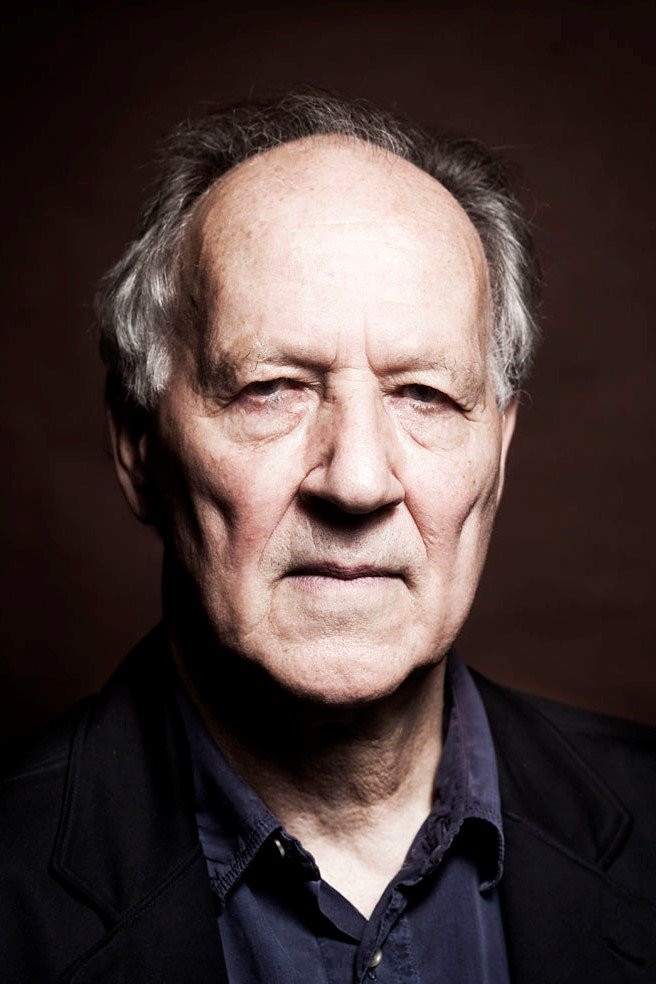
Werner Herzog is a German film director, screenwriter, producer and documentarian. Born Werner Stipetić on 5 September 1942 in Munich, he made his first short film, Herakles, in 1961 while still a teenager.
He is known for feature films including Aguirre, the Wrath of God (1972), The Enigma of Kaspar Hauser (1974), Nosferatu the Vampyre (1979) and Fitzcarraldo (1982), as well as documentaries such as Grizzly Man (2005), on which he also appeared as narrator, Encounters at the End of the World (2007) and Cave of Forgotten Dreams (2010). He has directed more than sixty films and several operas.