Series review

Rick and Morty

2013 · Created by Dan Harmon, Justin Roiland · Series · MPA TV-MA

In a sentenceInfinite universes, and the family dinner table is still the most dangerous room in any of them

AnimationComedySci-Fi & FantasyAction & Adventure

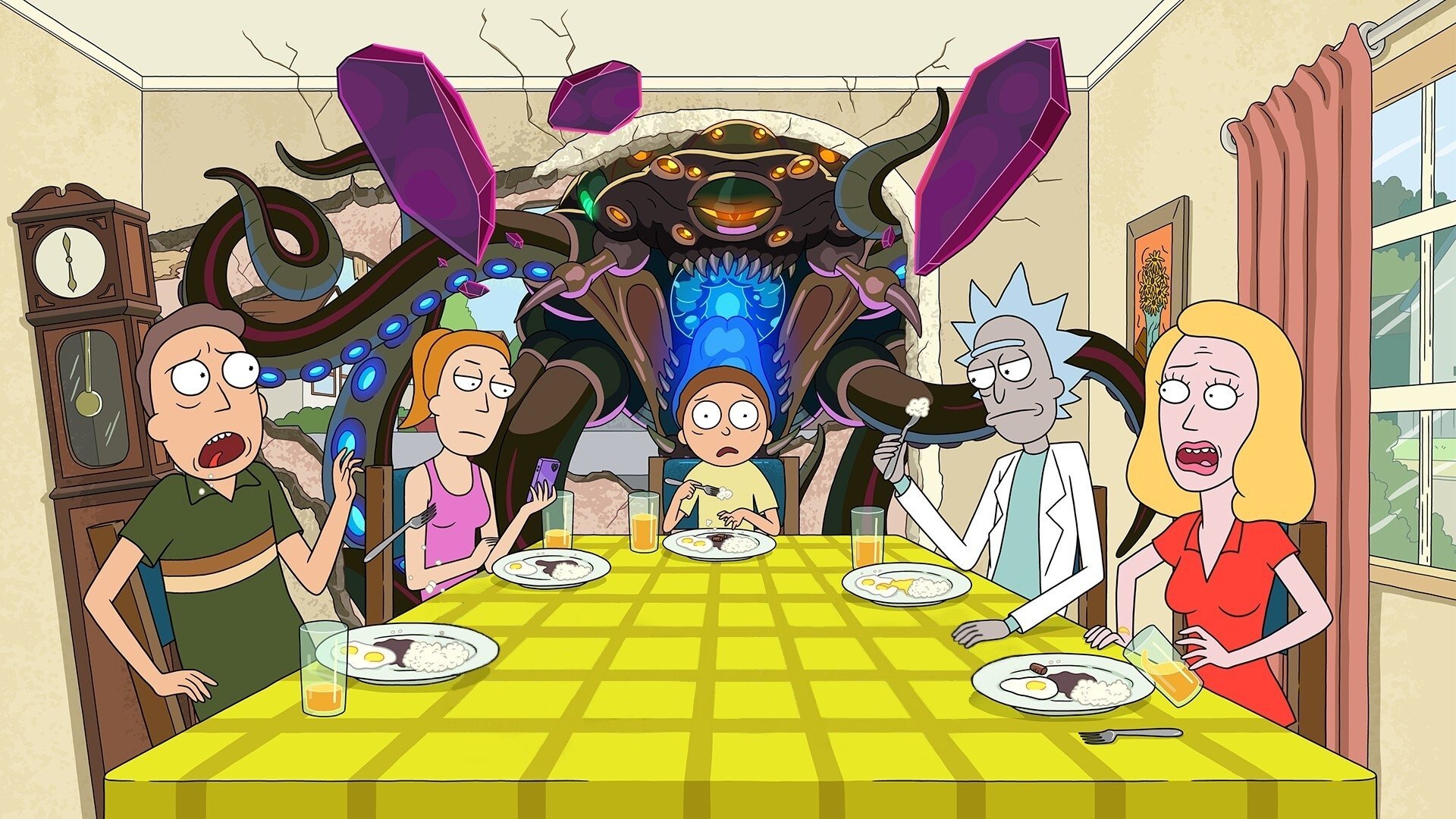
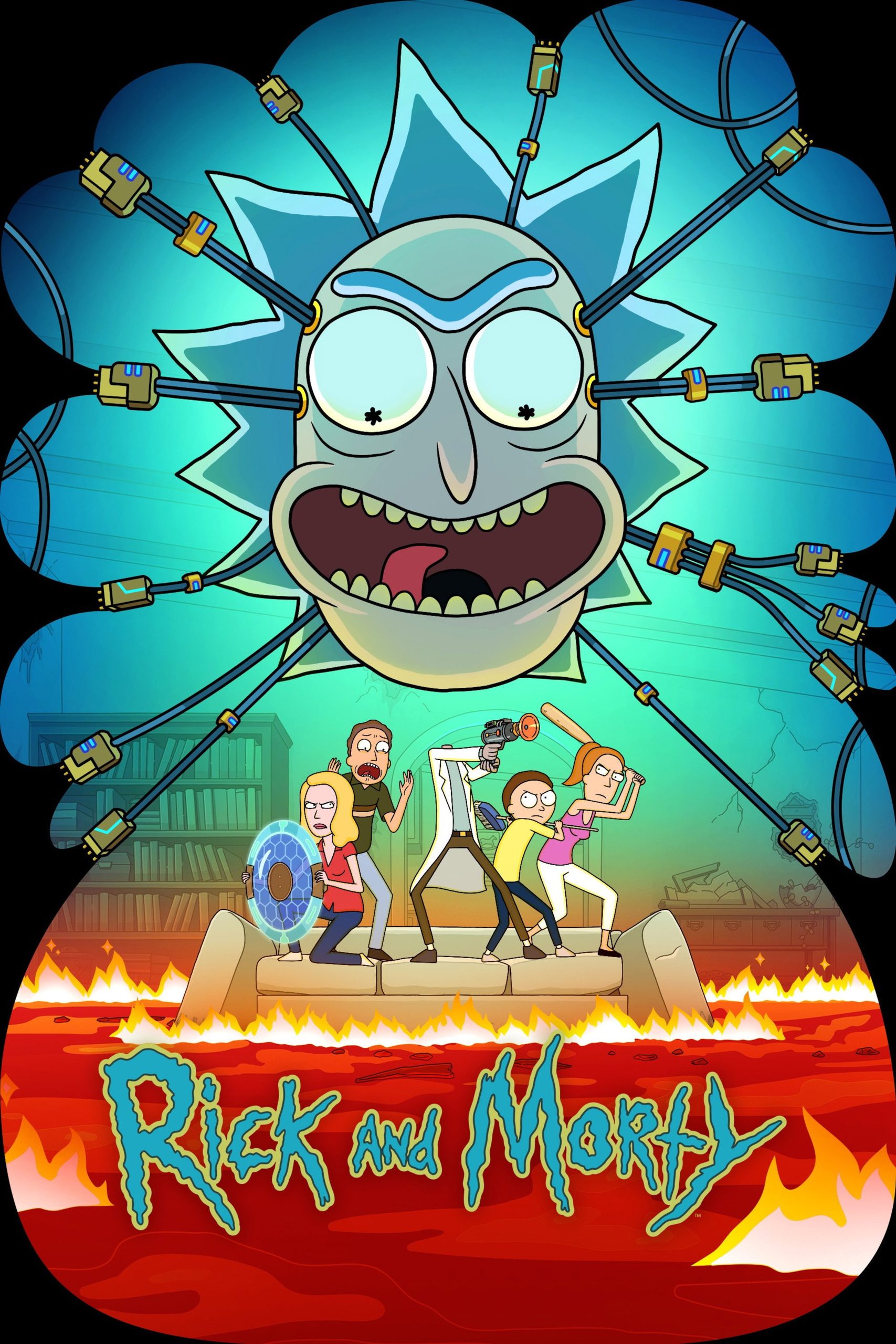
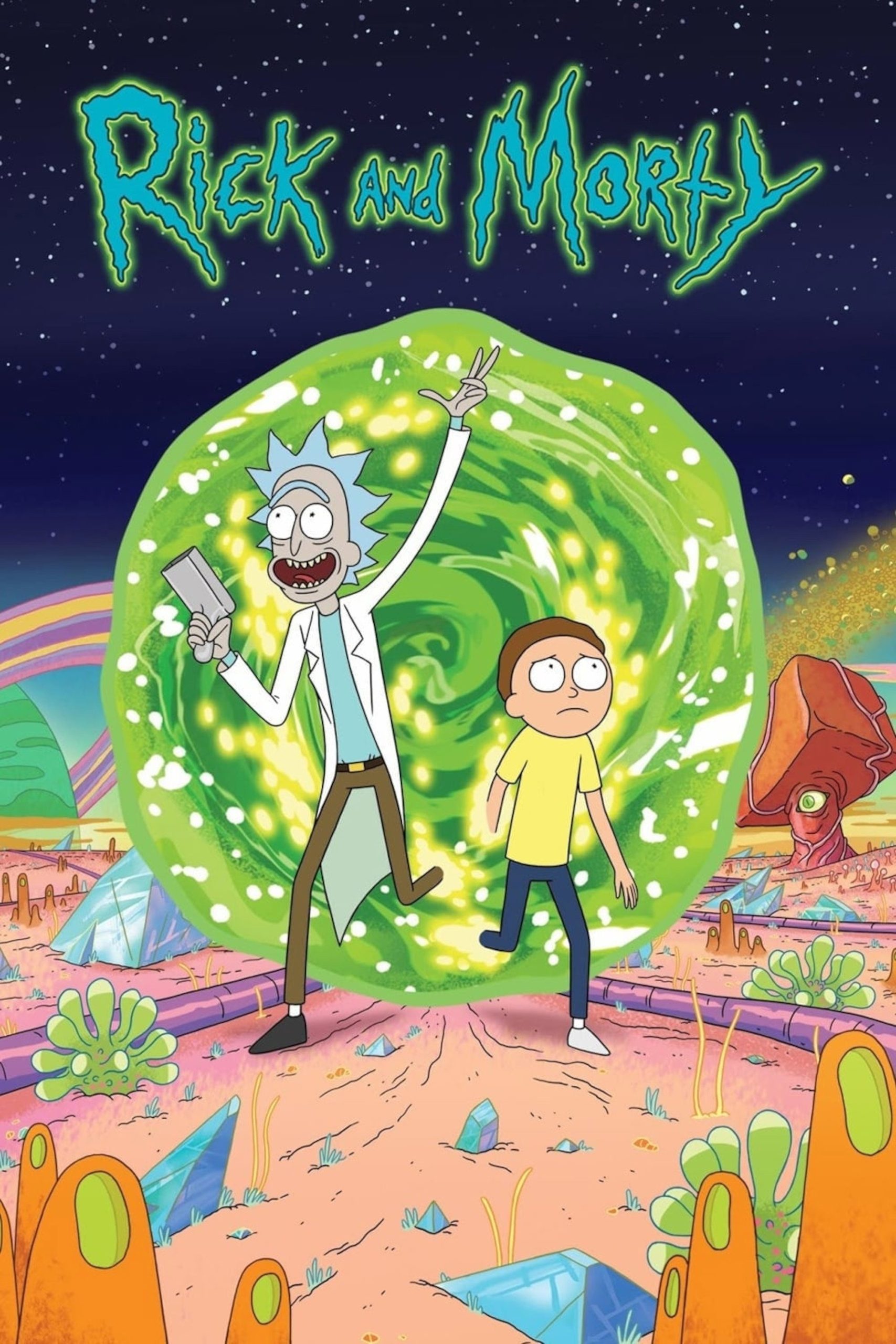
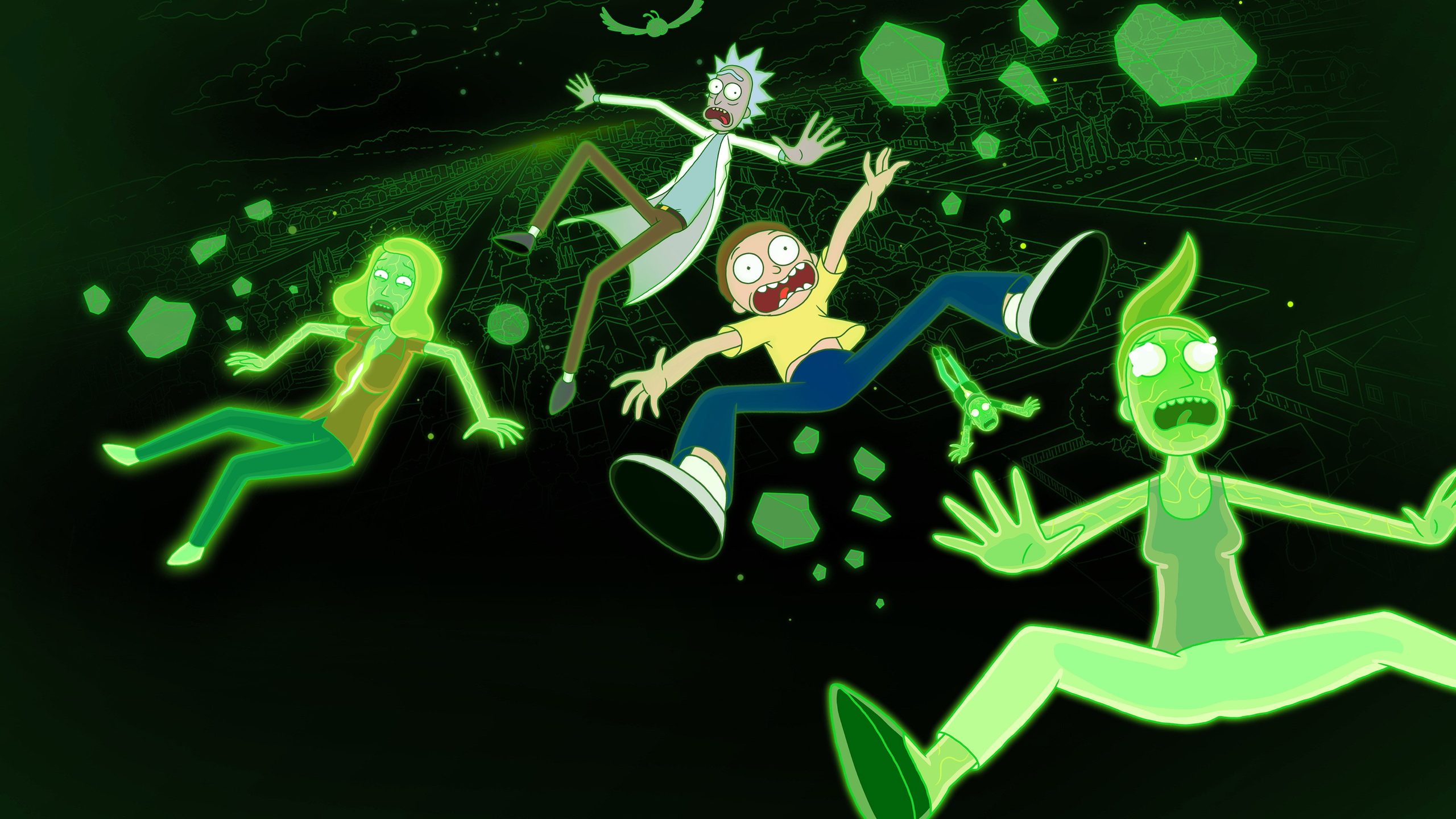
Rick Sanchez (Justin Roiland), a scientist who drinks from a flask, has moved into his daughter’s suburban house and turned the garage into a laboratory. His grandson Morty Smith (also Roiland), fourteen and anxious about everything, is his assistant whether he likes it or not. Rick wakes him in the night, pulls him out of school and drags him through a green portal to Dimension 35-C to collect the seeds of a giant tree. At home, Morty’s father Jerry (Chris Parnell) wants Rick out of the house, his mother Beth (Sarah Chalke) will not hear of it, and his sister Summer (Spencer Grammer) would rather be anywhere else. Morty wants to pass his classes and stay alive; Rick wants a lab partner and a drink.

Fi1m review

Dan Harmon and Justin Roiland’s comedy about a drunk genius and his frightened grandson is fast, cruel and at first as clever as anything on television. Later it grows fond of its own reflection, but the good episodes earn an evening.

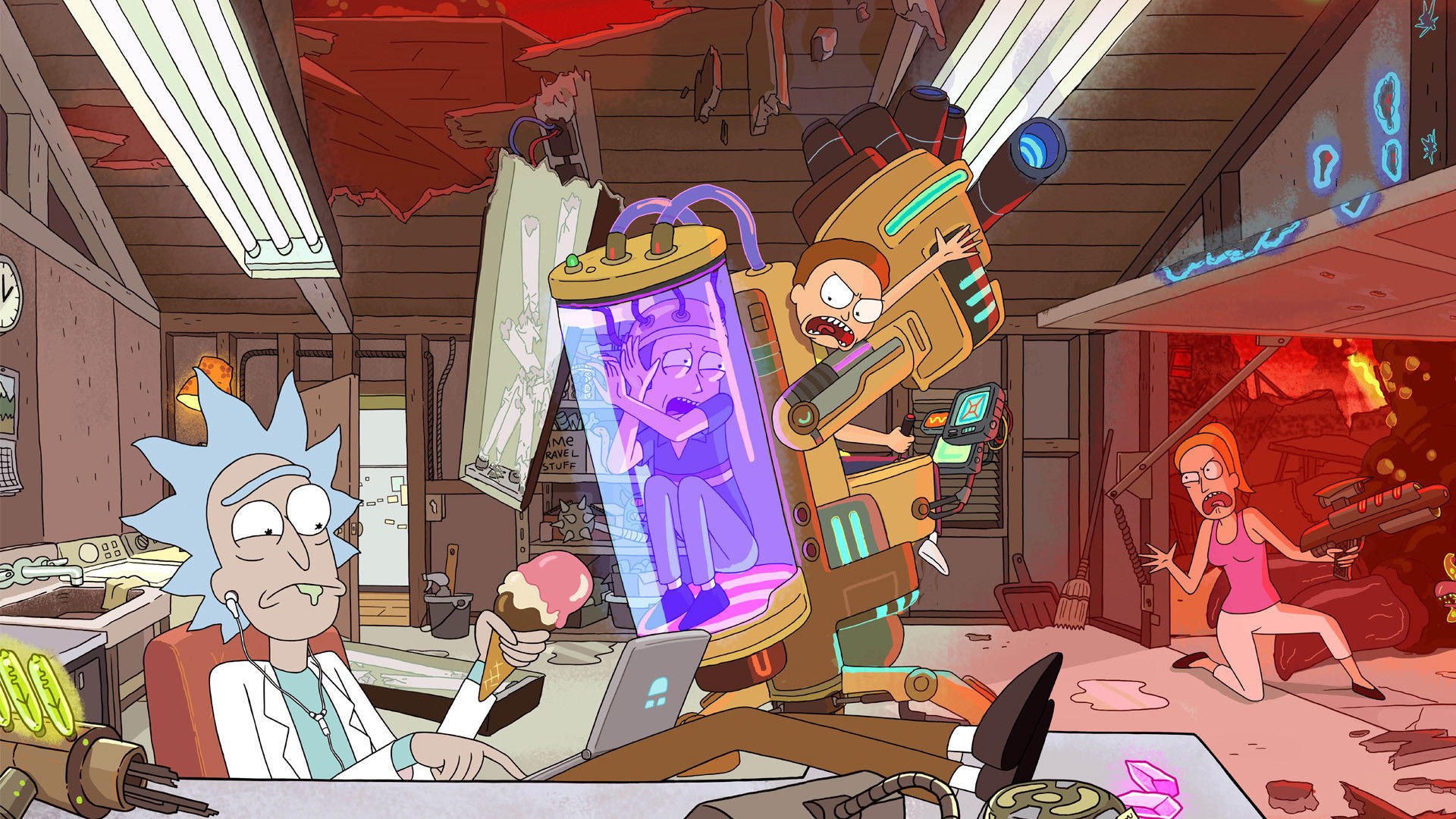
Rick Sanchez is a scientist who has moved into his daughter’s house, taken over the garage and treats the rest of the universe as a place to run errands. He drinks from a flask, belches through his sentences and has no patience with anyone slower than himself, which is everyone. His grandson Morty is fourteen, frightened of most things and the only person Rick will take along. Dan Harmon and Justin Roiland built Rick and Morty on that pairing in 2013, and for its first two seasons it was the sharpest animated comedy on television. It has run to nine seasons, and the later ones are patchier. We recommend it, with the caveat that it does not stay as good as it starts.

Each episode runs about 22 minutes and carries two stories. Rick drags Morty to a planet where something goes wrong within ninety seconds, and back in the kitchen Jerry (Chris Parnell) and Beth (Sarah Chalke) work through a marriage that cannot survive contact with anything outside it. Summer (Spencer Grammer) starts as the sister who rolls her eyes and grows into the family member most like her grandfather. The editors, Lee Harting, Nick Reczynski and Ken MacKenzie among them, cut the adventures so tightly that a plot which would fill a feature is done before the halfway point. Ryan Elder’s score is thin, wobbly synthesiser, on purpose, and it sets the mood more than the pictures do.

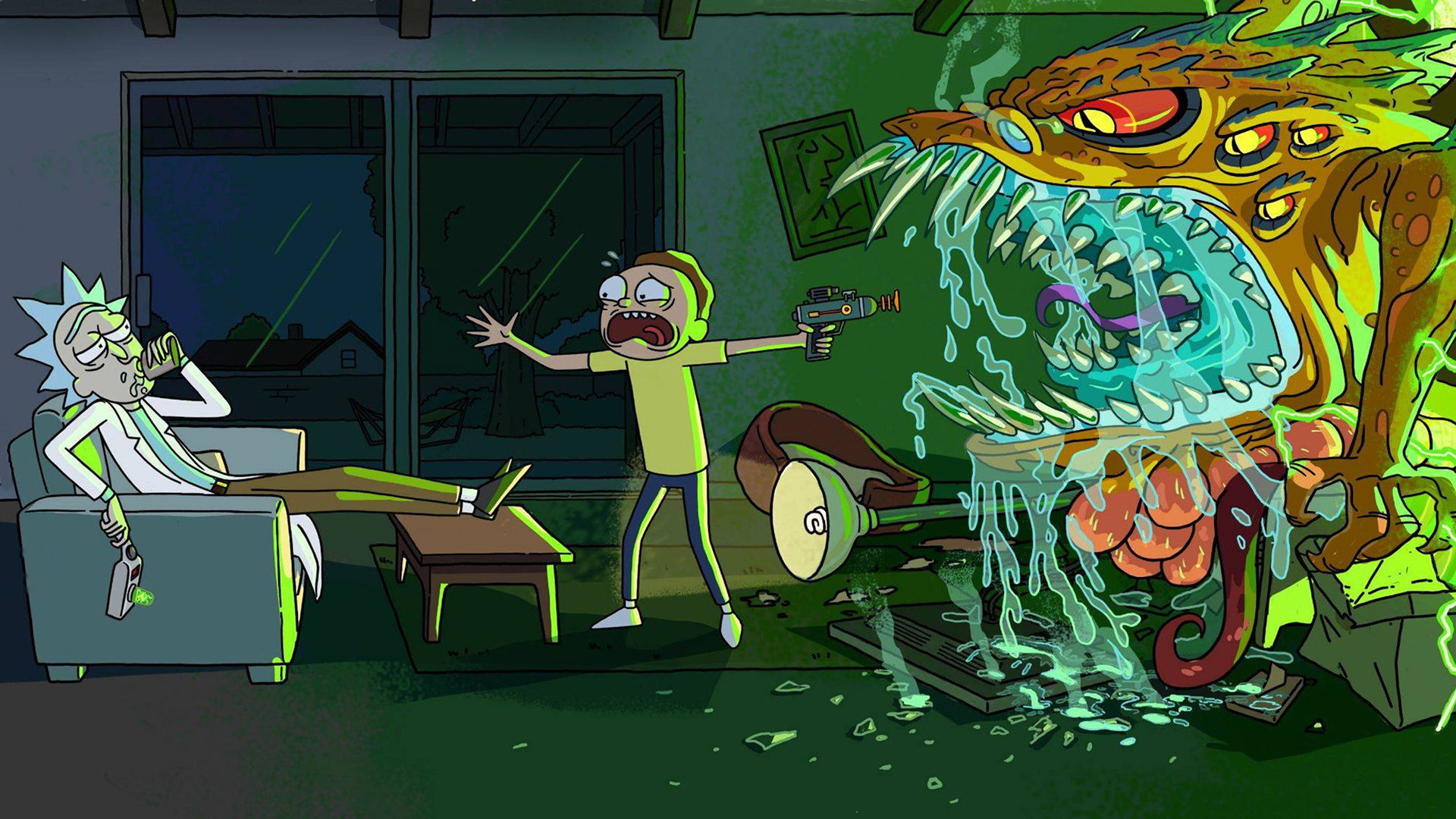
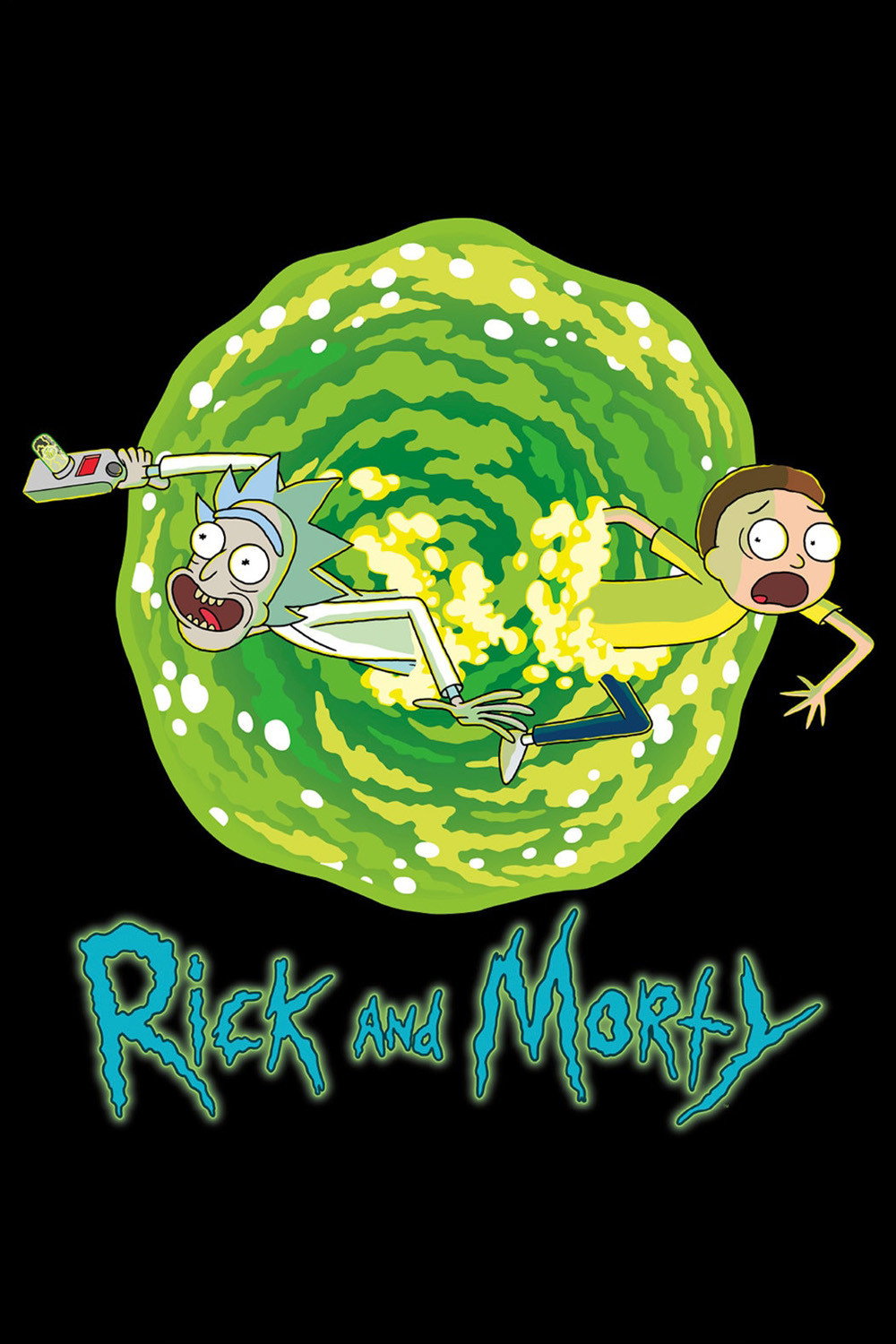
The pictures are ugly by design. Directors including Wes Archer, Bryan Newton and Juan Jose Meza-Leon draw the humans as pale, rubbery figures with dots for eyes, and the aliens as things that drip. The portals are rings of sick green. In the first episode Rick takes Morty to another dimension to collect seeds from a tree, Morty falls and breaks both legs, and Rick stands over him deciding whether the errand is still worth it. We laughed at the legs, and then we saw that Rick’s face had not moved, and we stopped. The show does this often. It wants you to enjoy his cruelty and then catch yourself enjoying it, and in the early years it manages both in one breath.

Roiland voiced both leads. Rick’s speech is a slurred rush that runs over the ends of other people’s sentences, Morty’s is a stammer trying to get a word in, and the rhythm of the programme is the two of them failing to let each other finish. In later seasons the roles pass to Ian Cardoni and Harry Belden, and the join is closer than we expected; you notice for an episode and then stop. Parnell’s Jerry is the most sustained performance in the series, a man whose every line is a plea for approval he knows will not come. Werner Herzog turns up as an alien called Shrimply Pibbles and plays it entirely straight, which is the right choice.

The trouble arrives when the show realises how clever it is. From about the third season, Rick stops being a character who happens to believe nothing matters and becomes a spokesman for the idea, and the writers have him explain the joke and then explain that explaining the joke is the joke. The Smiths’ marriage is broken and mended so many times that we stopped believing in either state. The tic of the two leads saying each other’s names over and over was a joke about lazy writing and slowly became lazy writing. The writers’ room is enormous, and it shows both ways: Mike McMahan, Ryan Ridley, Jessica Gao and Jeff Loveness have written episodes as good as anything in the first year, and the same room has produced ones that are a chase with a lecture attached.

Harmon’s Community took a sitcom apart and rebuilt it every week; this is the same trick with a science-fiction kit, and it has lasted longer because the kit is bigger. Against Futurama, the obvious comparison, it is meaner and funnier and likes its universe less. Most critics rate it a little higher than we do, and they are largely reviewing the first two seasons. So, if we are honest, are we.

It carries a 15 certificate and earns it. Watch the first season in order, one episode a night, because the speed is tiring in bulk. If you are not laughing by the fourth episode, nothing later will change your mind. If you are, ration the rest and forgive it when it wanders; the writers usually notice and come back.

Critical consensus AI synthesised

81
Positive
6
Mixed
1
Negative
0

Most critics like Rick and Morty, and they like it for the same reasons. The reviews settle on the premise, a warped version of the Doc Brown and Marty McFly pairing, and on how far the writers push it into dark, sick territory played for manic fun. The praise clusters on the writing: scripts that root gags in the characters’ psychology, a keen sense of timing, and a willingness to tell actual stories rather than string together pop-culture references. The animation gets credit for inventiveness, and critics note that the show gives its characters depth without rubbing the twisted elements in the viewer’s face.

The spread is fairly wide for a series this well liked. One or two reviews find the pace merely manic. The clearest dissent is Collider, which finds the central pair unengaging and the repetition of their names wearing, and argues the supporting family members get the better material. Elsewhere the reservations are small.

Radio Times
· Huw Fullerton
90*

The critic praises the episode as a brilliantly bonkers return for the series that crams action and detail into 22 minutes. It singles out the inventive plot involving alternate-universe Ricks and a revenge mission tied to a McDonald's sauce reference for its impact.

Read the full review →
The AV Club
2 December 2013 · A- · David Sims
90

The critic finds the show worth getting excited about for its warped take on the Doc Brown/Marty McFly dynamic and its dark, sick sensibility played for manic fun. They single out the inventive animation and the way it gives characters depth without rubbing the twisted elements in the audience's face.

Read the full review →
The Guardian
21 June 2021
90*

The critic finds the series much cleverer, funnier and more sophisticated than its influences like Back to the Future. They single out the premiere episode's time-travel ramifications that wipe out an entire civilisation for praise.

Read the full review →
Vulture
2 December 2013 · Matt Zoller Seitz
85*

The review describes the series as blending absurd slapstick, mild raunch, and sci-fi parody in a way that roots gags in characters' psychology rather than letting them stand alone. It singles out the accurate portrayal of how charismatic alcoholics manipulate family members and the scripts' keen sense of timing.

Read the full review →
Variety
1 December 2013 · Brian Lowry
70*

The critic finds the series a manic but more focused Adult Swim offering that tells actual stories beyond typical gags and pop-culture references. They single out its buoyant flights of fancy and attempt to dream bigger, likening the central duo to a Back to the Future setup on acid.

Read the full review →
Den of Geek
14 January 2014 · ★★★★ · Joe Matar
80

The critic finds the episode clever and fun, with strong sight gags and a smart take on storytelling twists. It singles out the focus on family member Jerry alongside the main sci-fi action for holding up well.

Read the full review →

Cast

If you liked this, try…

Futurama poster

Futurama

1999 · The gentler cousin: the same deep space, drawn by people who liked being there.

Community poster

Community

2009 · Harmon’s earlier show, taking a sitcom apart every week and putting it back slightly wrong.

Red Dwarf poster80

Red Dwarf

1988 · British, cheap and cruel about its crew, three million years from anyone who cares.

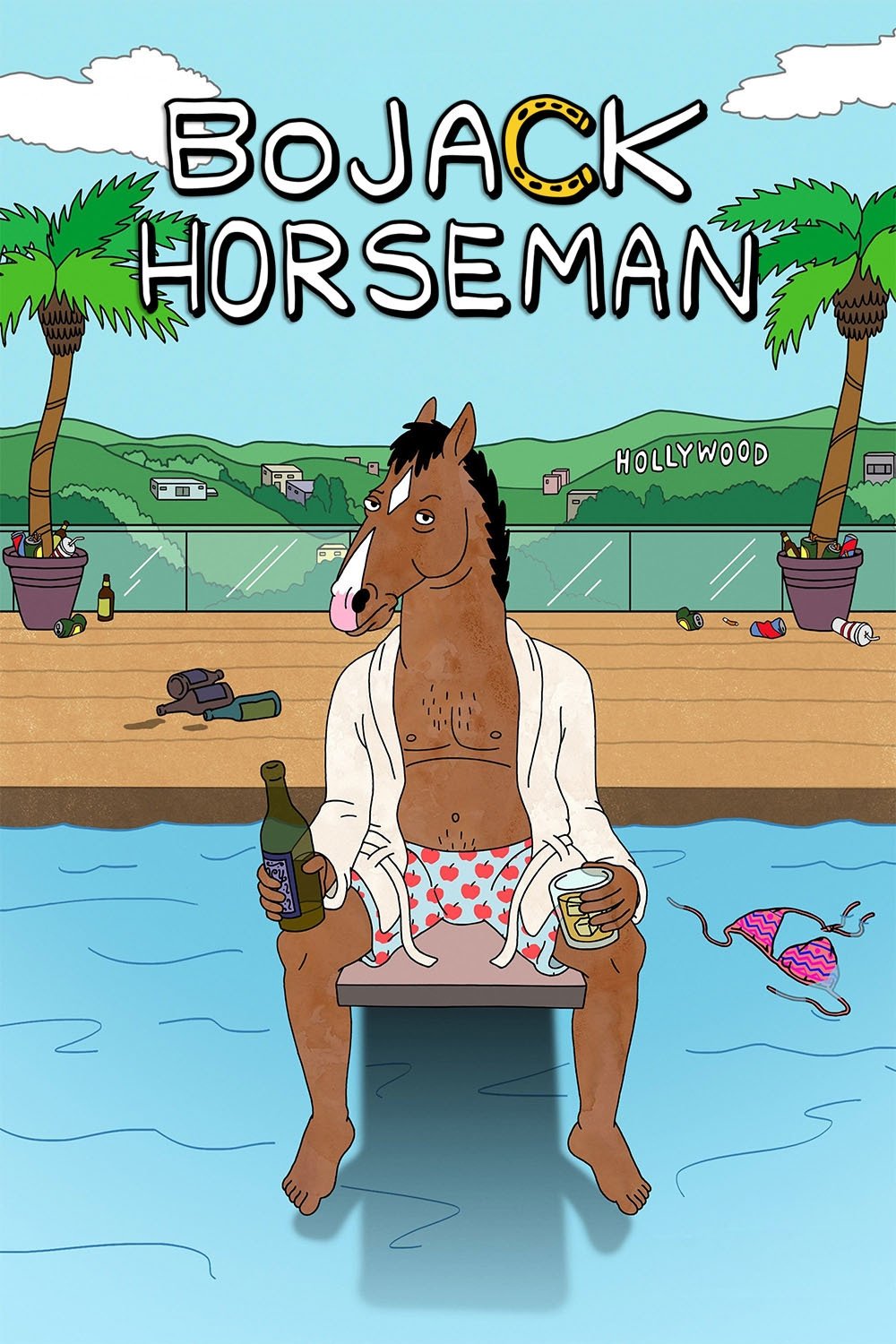
BoJack Horseman poster91

BoJack Horseman

2014 · Animated, sad and funny in that order, about a man who keeps promising to change.

Everything Everywhere All at Once poster

Everything Everywhere All at Once

2022 · The multiverse as a family argument, with more feeling and considerably fewer belches.