Dan Harmon’s sitcom starts as a snarky ensemble comedy and turns, within a season, into a series about everything television can do. It is inventive, kind and frequently hilarious, with one season we would happily lose and a lead it never quite solves.
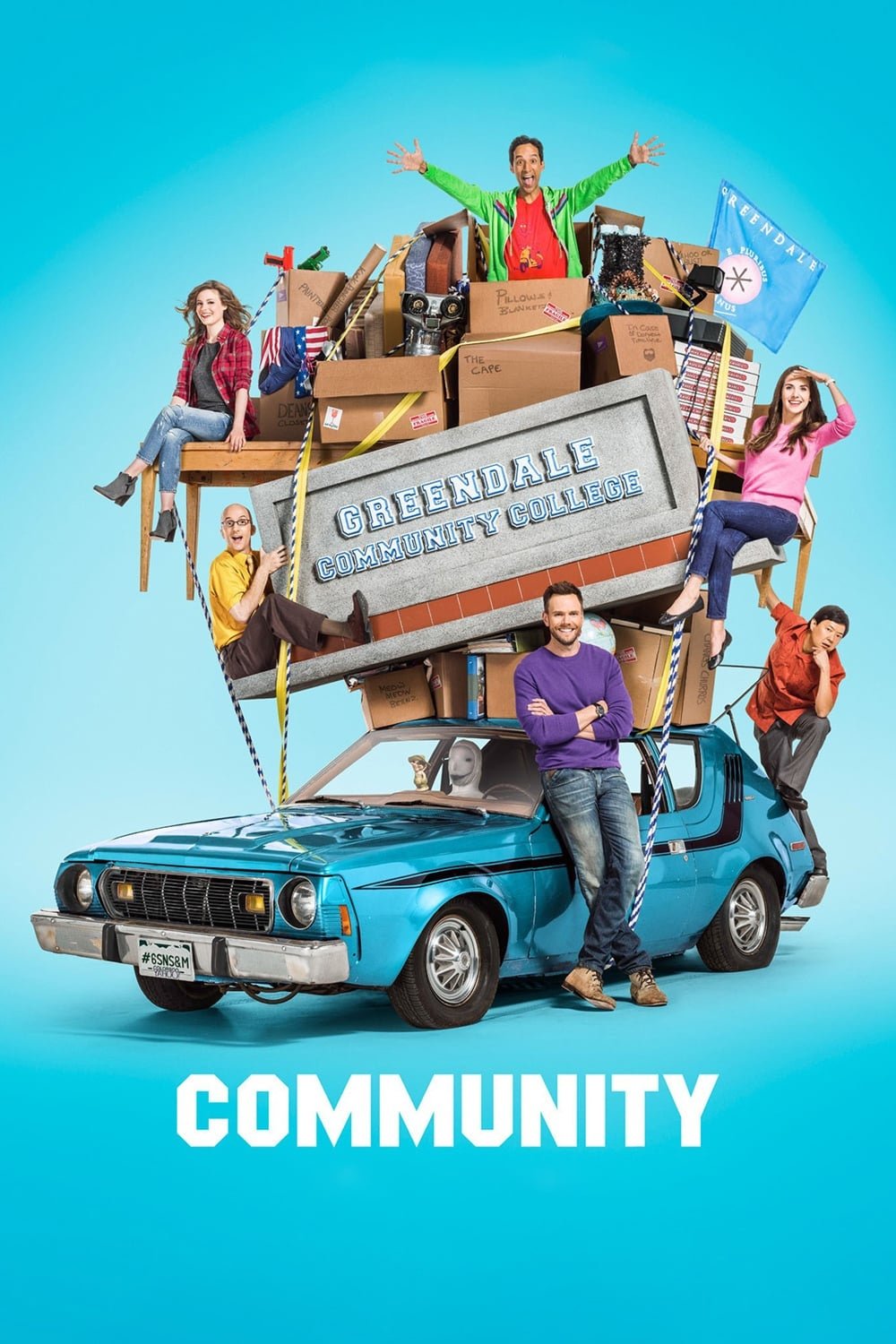
Dan Harmon’s Community was first shown on 17 September 2009 and ran for six seasons and 110 episodes, and for most of that time it was the most restless comedy on television. The premise is small: a disgraced lawyer joins a study group at a bad college. What Harmon and his writers do with it is not small. Within a season the study room has become a stage on which the programme can be a heist film, a war film, a documentary, a zombie picture, a Western, whatever the week demands. It is a good sitcom about people and a better one about television, and it is at its best when it manages to be both in the same half hour.
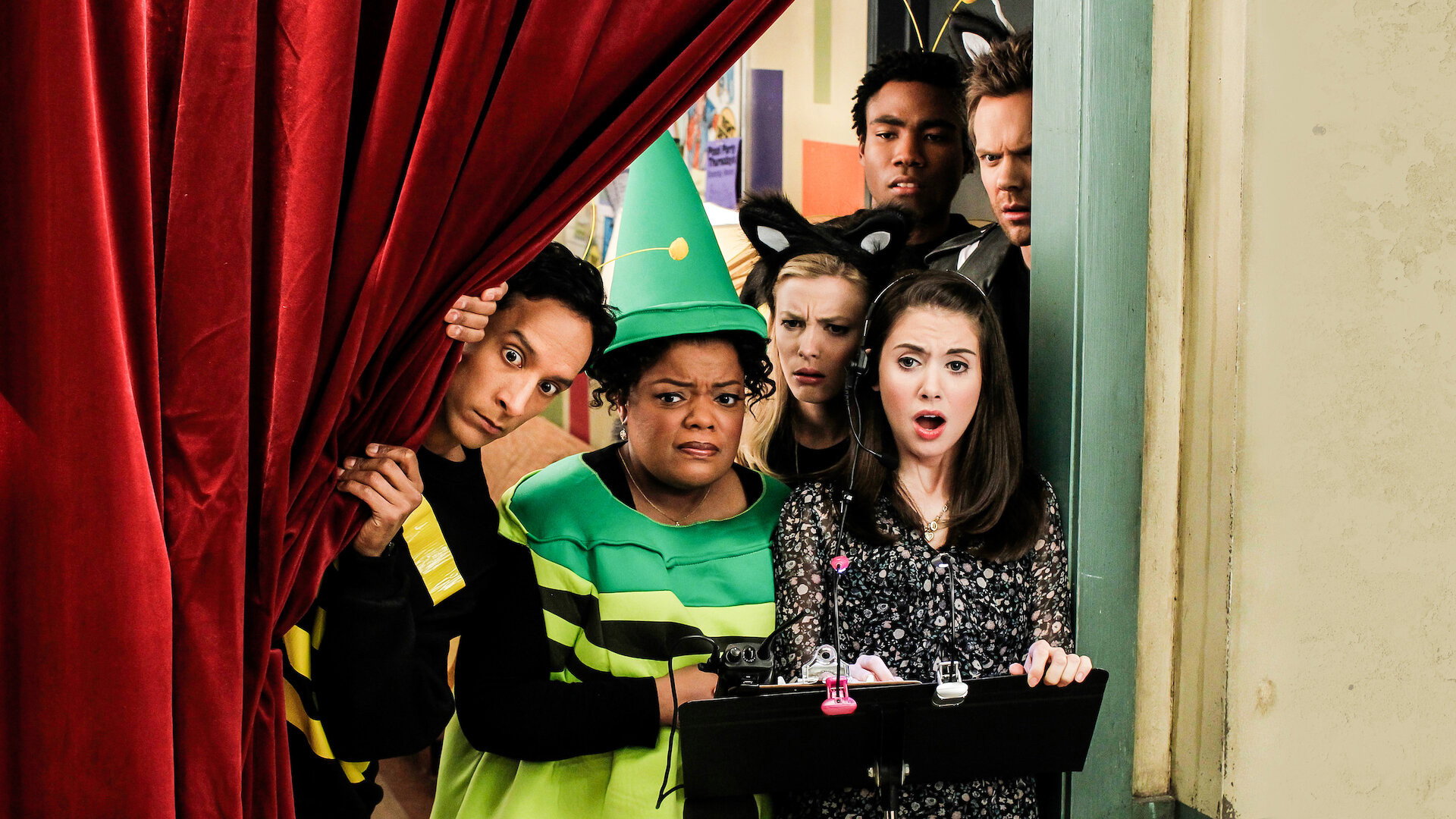
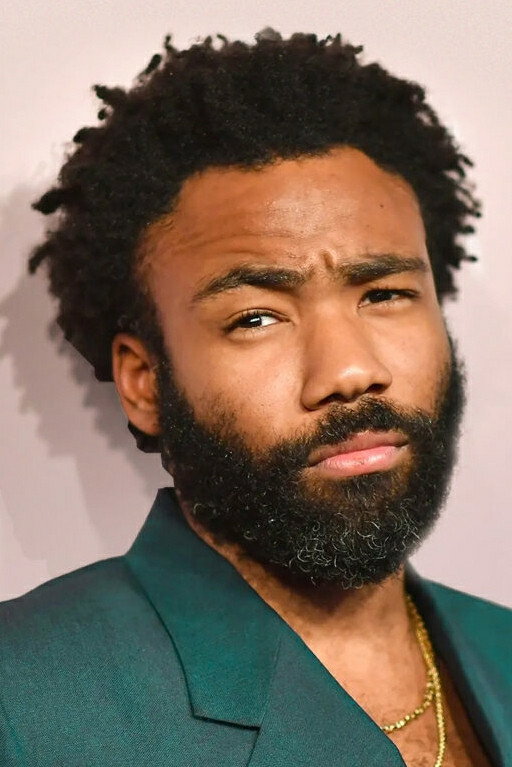
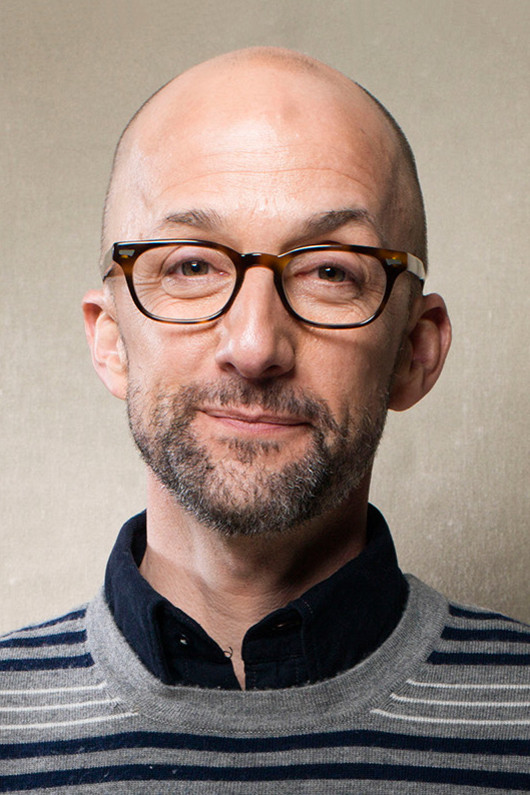
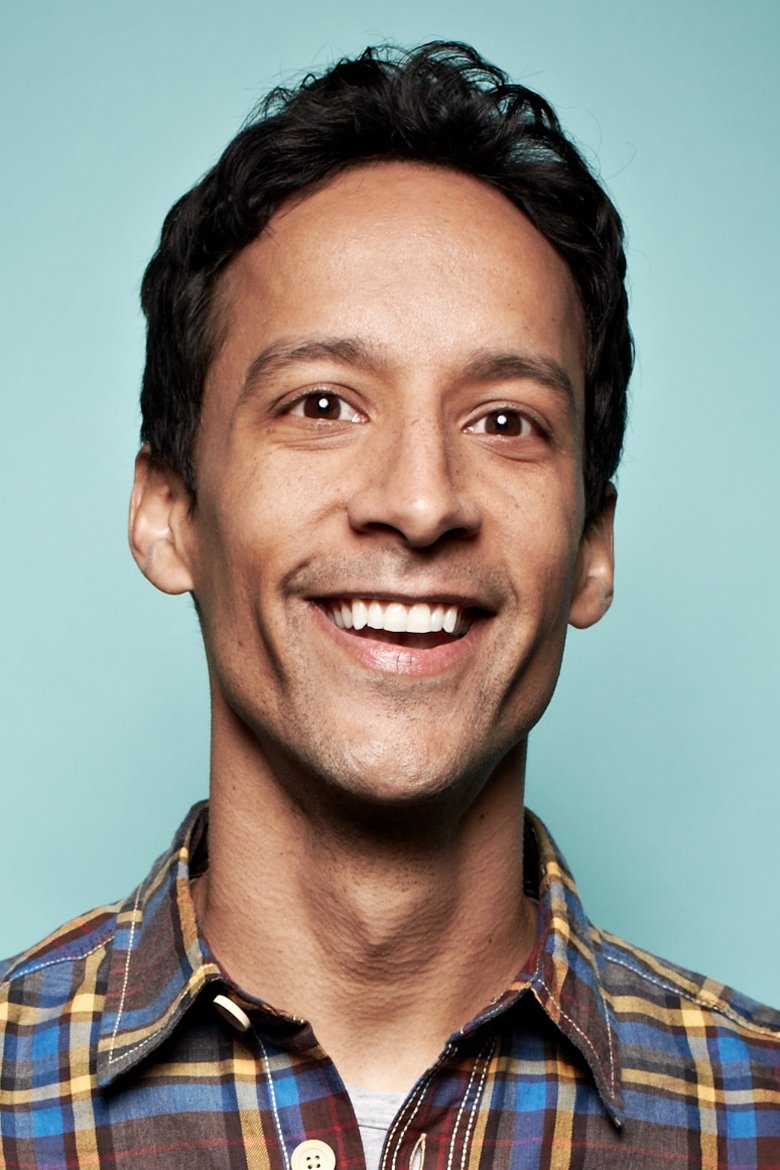
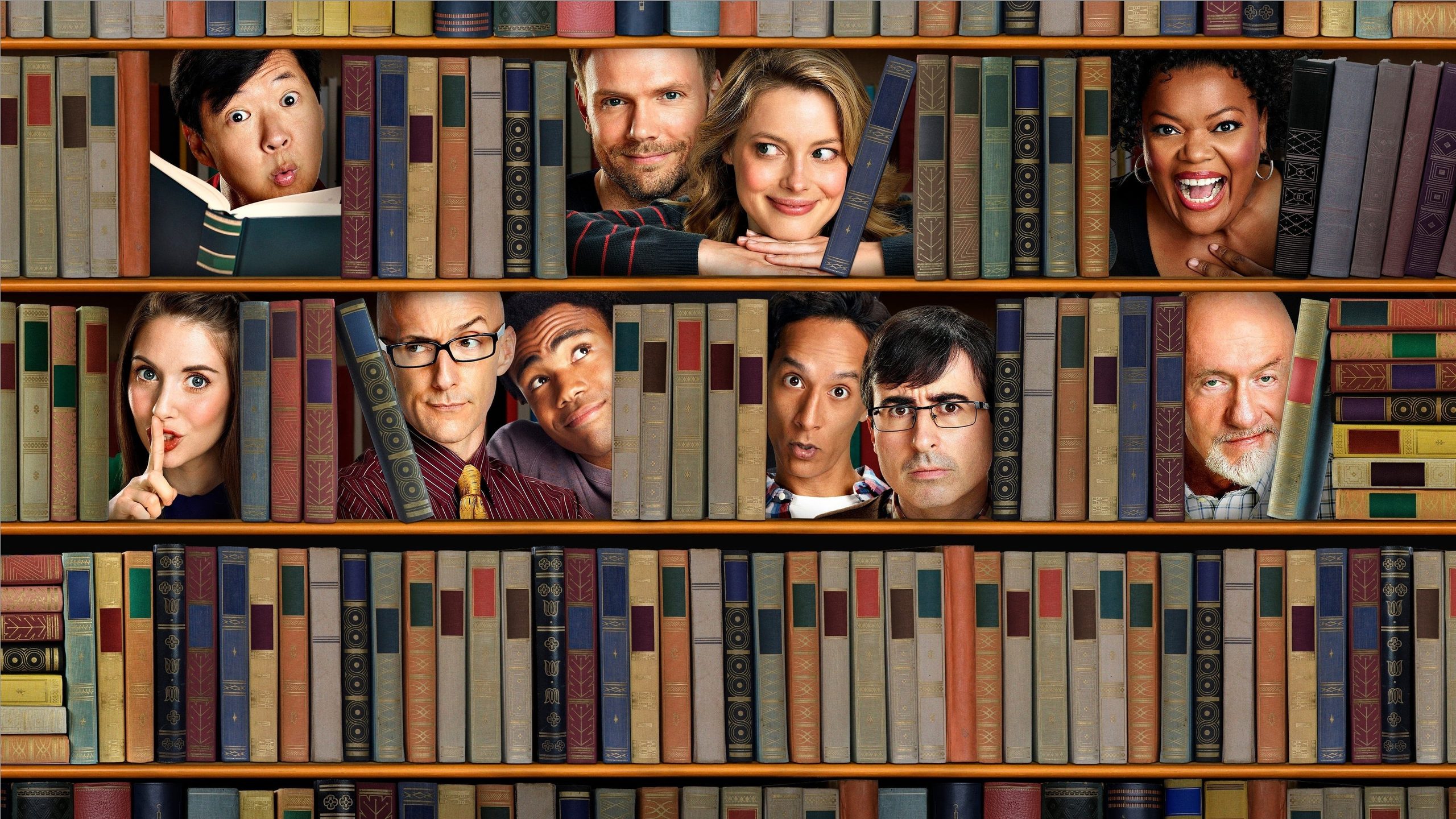
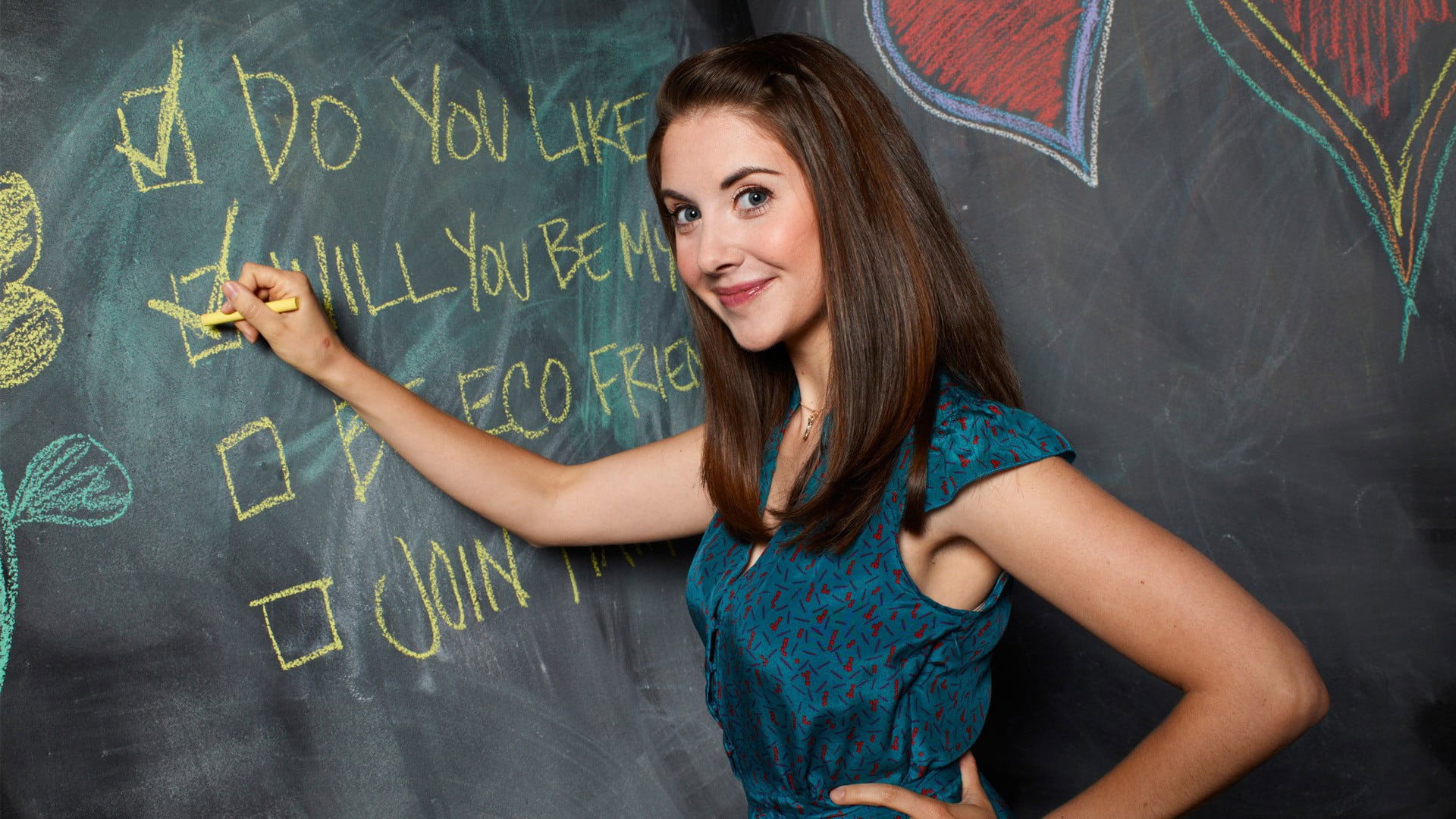
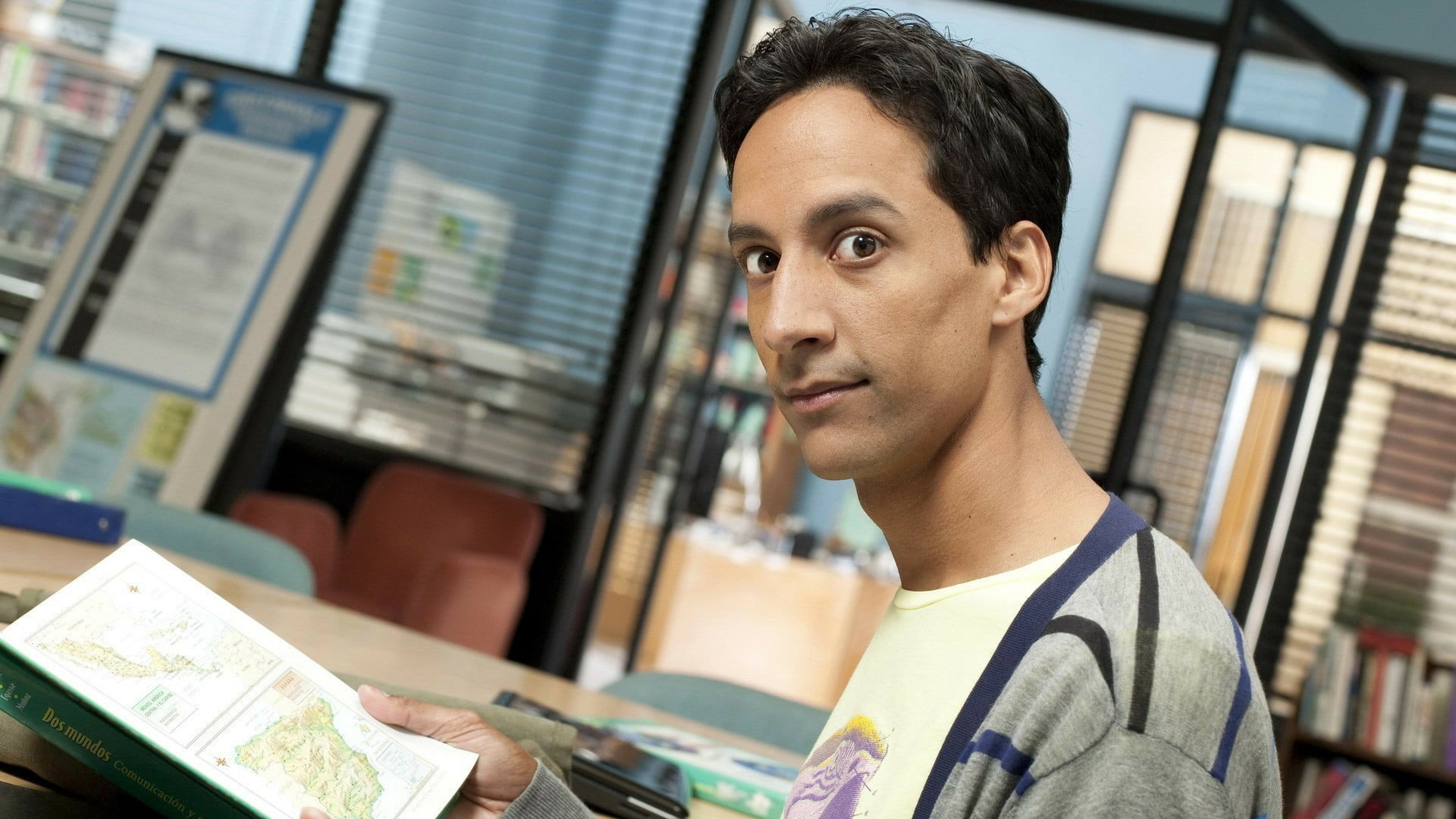
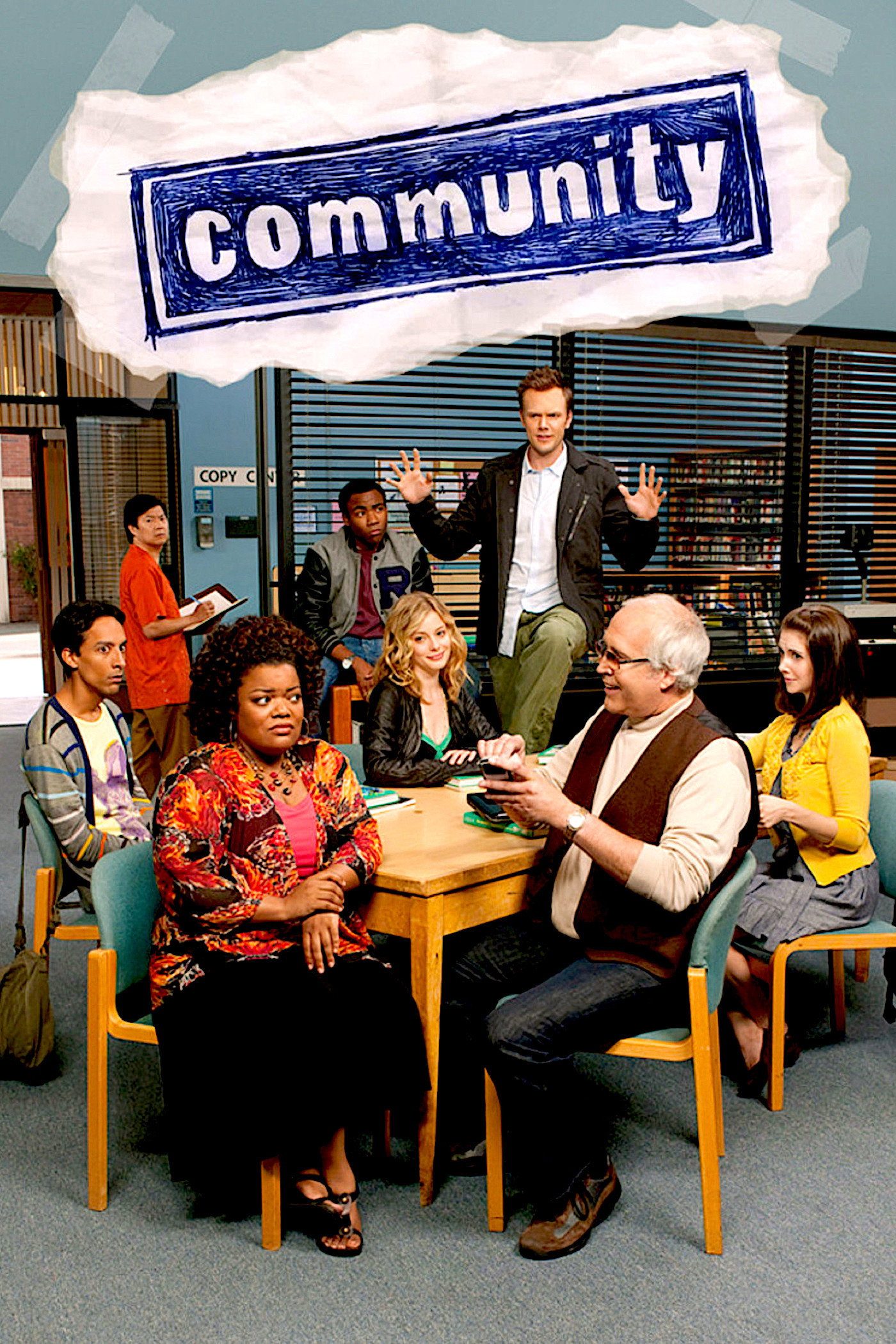
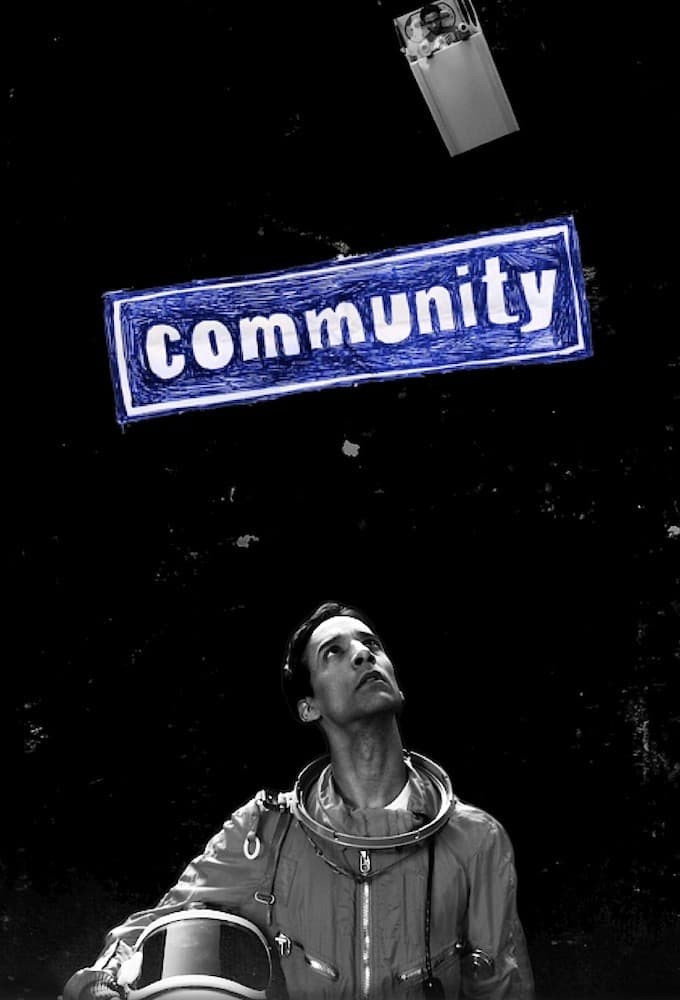
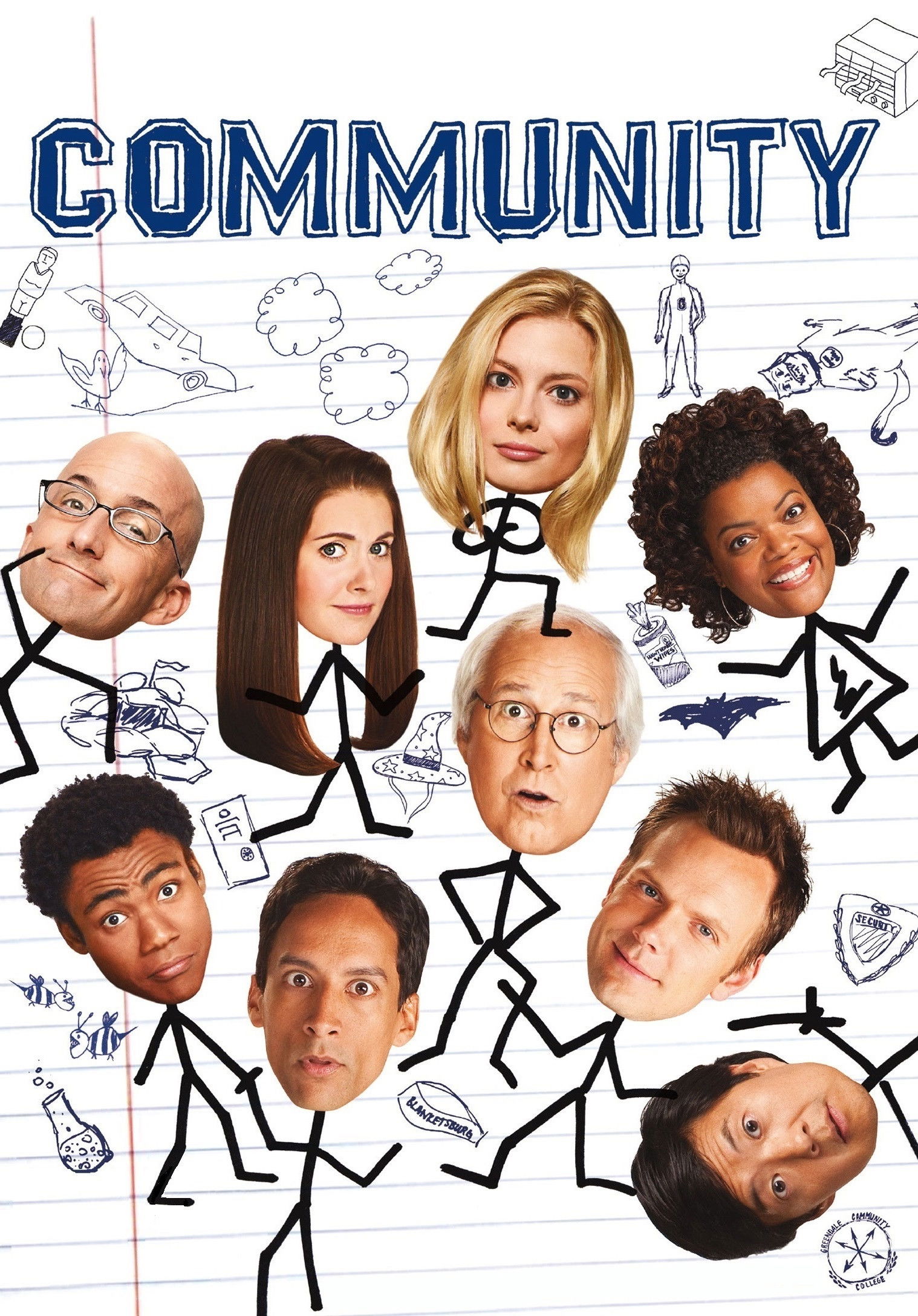
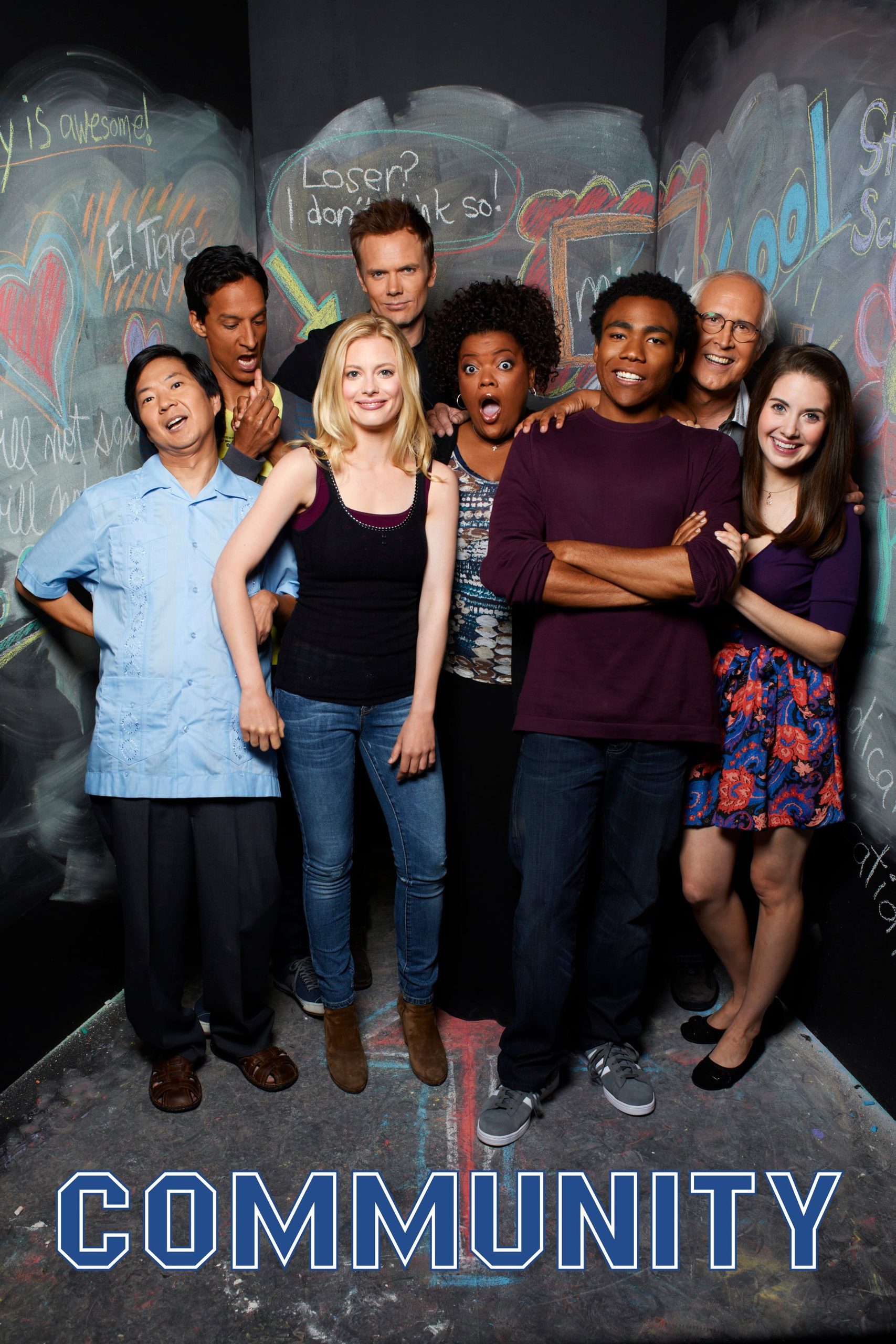
The cast is the reason it works, and Danny Pudi’s Abed is the reason the cast works. He plays a young man who can only understand people by comparing them to characters, and Pudi keeps the voice flat and the eyes busy, so that Abed is never a joke about autism and often the only person in the group who knows what is going on. Donald Glover’s Troy, an ex-quarterback who becomes a boy again the moment Abed lets him, is the warmest thing in the programme, and their handshake and their end-of-episode nonsense in front of a cardboard set are worth more than most shows’ plots. Alison Brie’s Annie and Gillian Jacobs’s Britta are both written against type over time, Annie growing harder and Britta being demoted from love interest to the group’s designated failure, and both actors take it gamely. Jim Rash’s Dean Craig Pelton, forever in costume and forever in love with Jeff, is the finest recurring joke on the campus.
The genre episodes are the programme’s calling card, and the craft behind them is real. The paintball episode, Modern Warfare, directed by Justin Lin, turns the cafeteria and the corridors into a John Woo film, and Gary Hatfield lights the same flat, bright set as if it had never held a sitcom. Ludwig Göransson scores it straight, brass and drums, without a wink. Denise Pizzini’s Greendale is a place built to be redressed: the study table, the library stacks, the cafeteria, the quad, all of them ready to be a bunker or a saloon by Thursday. The editors, Garret Elkins and Jeff Groth among them, cut each pastiche in the rhythm of the thing being parodied, which is why the parodies hold.
Here is where it got us. Duke Johnson directs an episode in stop-motion animation, Abed having woken one December to find the world made of felt and the others humouring him. We expected a stunt and settled in to admire it. Then, near the end, Abed says in one plain sentence why he needs the world to look like that, and we found ourselves moved by a felt puppet in a way we had not been by most live actors that year. The programme does this more than we would expect: the joke is a disguise for the feeling, and the feeling is nearly always about loneliness.
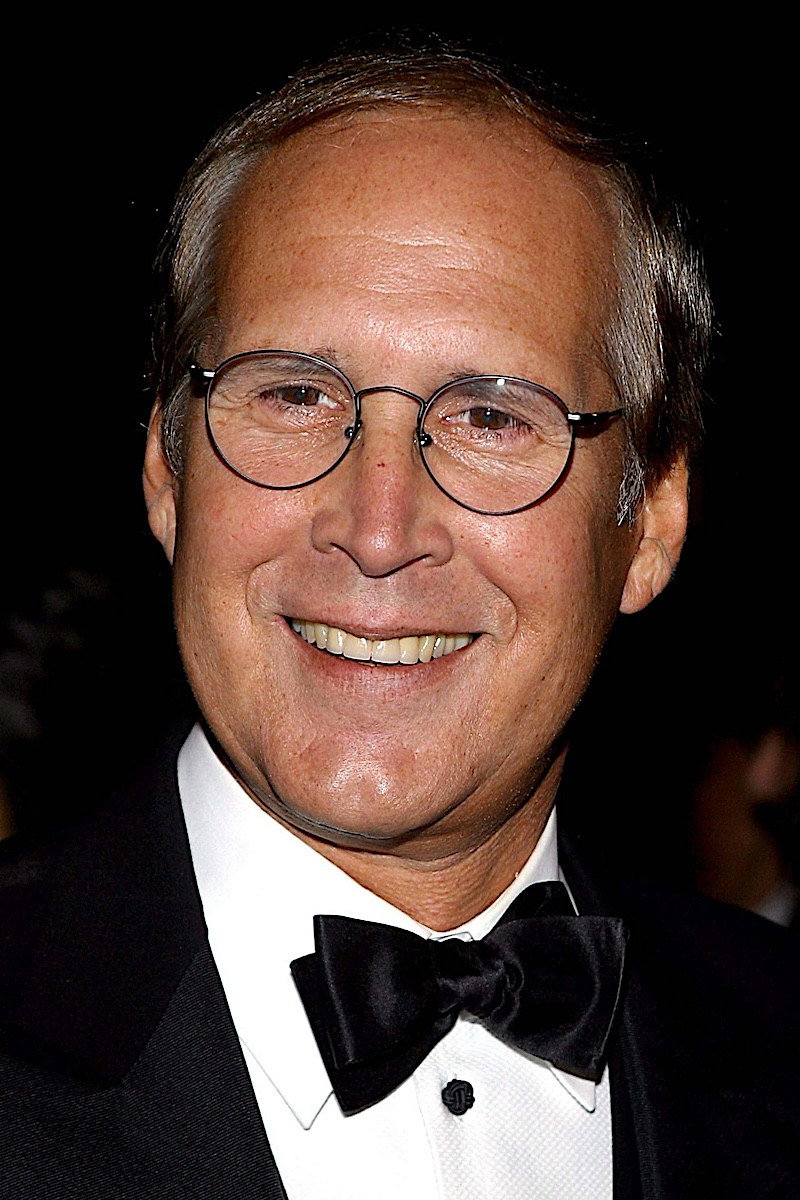
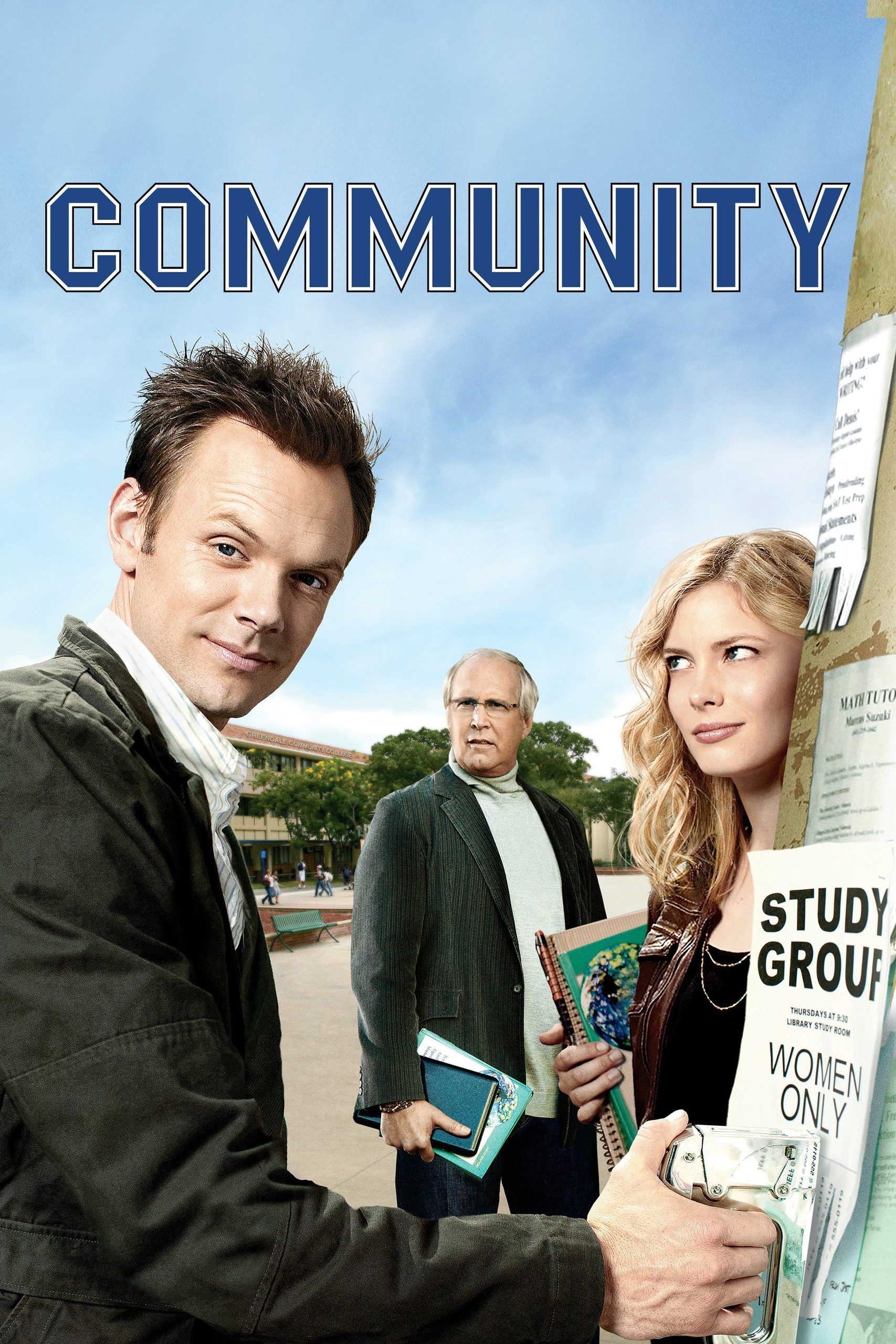
Not all of it works. Joel McHale’s Jeff is a fine deliverer of speeches and a thin man to build a series around, and the writers know it, which is why the speeches become a joke about speeches. Chevy Chase’s Pierce is the sore point: a bigot the programme cannot decide whether to punish or pity, and the actor’s evident boredom leaks through. The fourth season, thirteen episodes made without Harmon as showrunner, has the tone right and the jokes wrong; it imitates the programme’s habits without understanding why they were there. Harmon came back for the fifth, and Jonathan Banks arrives as Professor Buzz Hickey, whose weary contempt for the study group is a useful corrective. By the sixth the study table is emptier and the programme knows it.
Most critics scored it around 67, and they were reviewing the pilot, which is a smug ensemble comedy with a smirking lead and a set-up borrowed from a dozen others. They were not wrong about the pilot. They were reviewing a different programme from the one it became within ten episodes, and the later seasons have not been widely re-marked.
Start at the beginning, skip nothing, and take the fourth season at speed. It carries a 12 certificate, and it is a comedy that expects us to have seen a lot of television and rewards us if we have.