Series review

The Good Place

2016 · Created by Michael Schur · Series · 22m · MPA TV-14

In a sentenceHeaven is a pastel town square with a frozen yoghurt shop on every corner and one clerical error

Sci-Fi & FantasyComedy

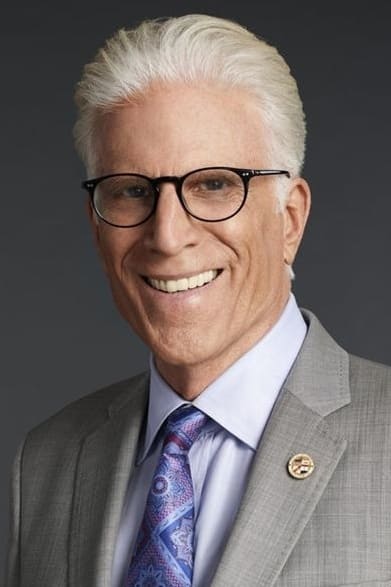
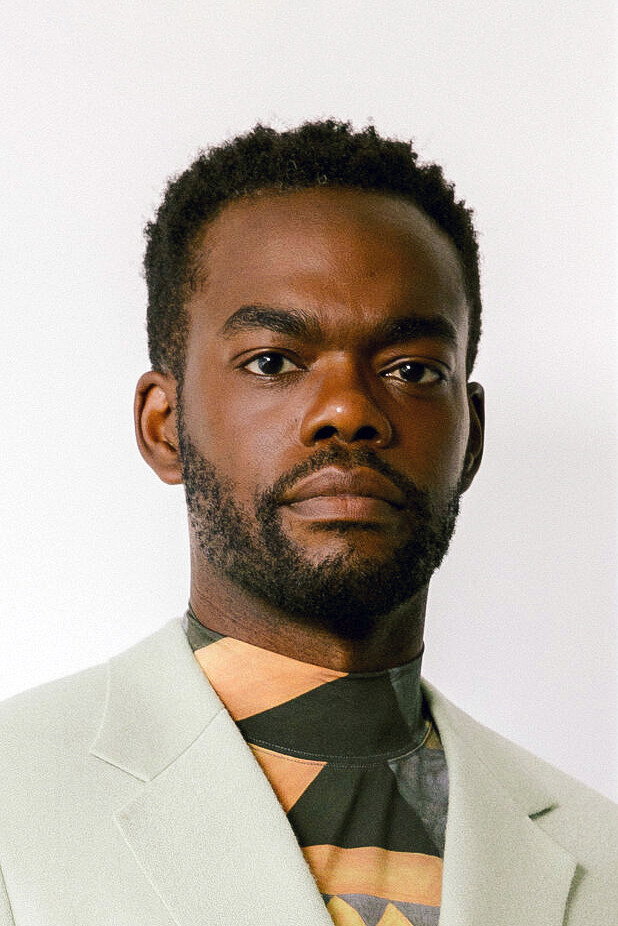
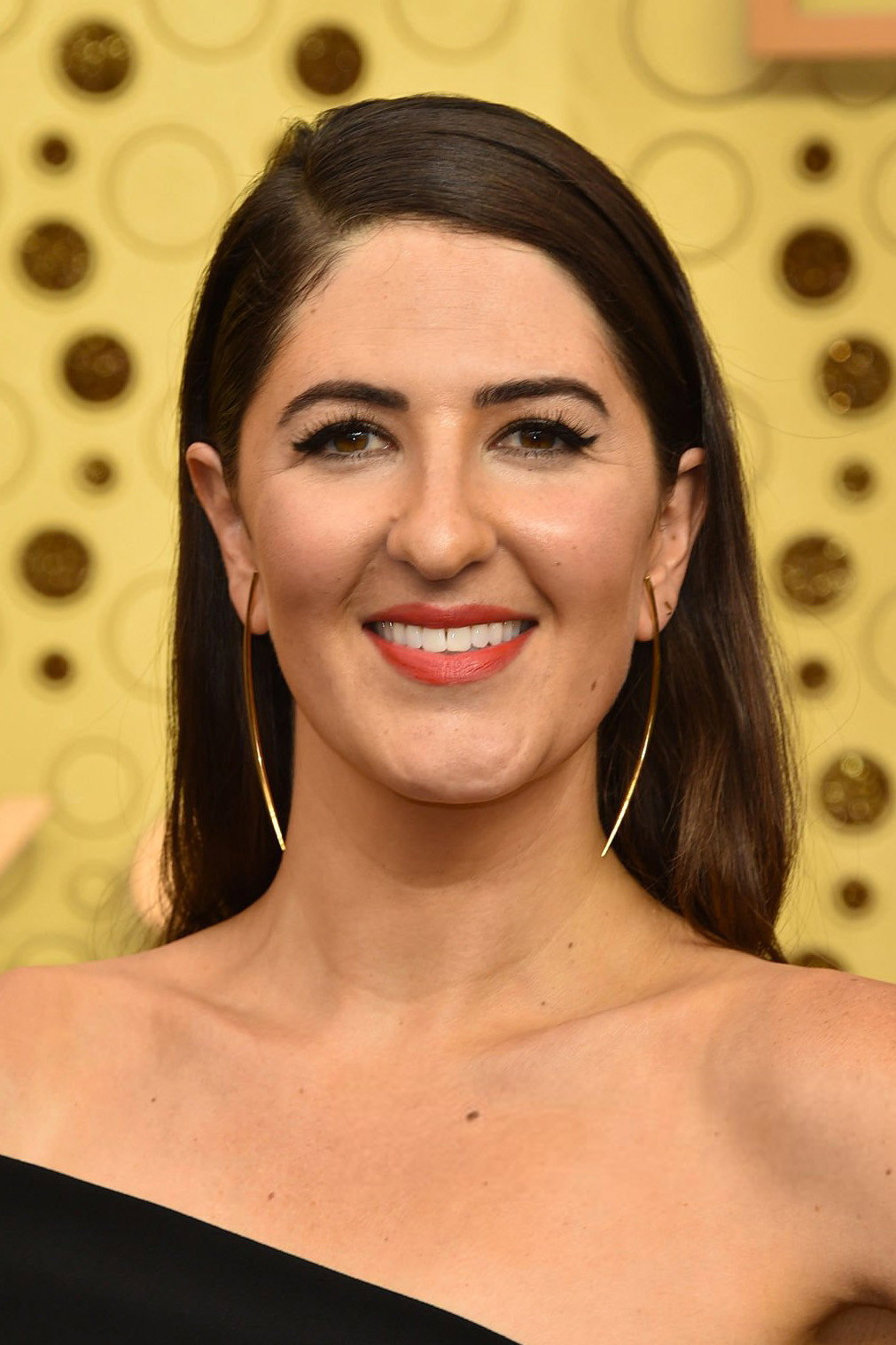
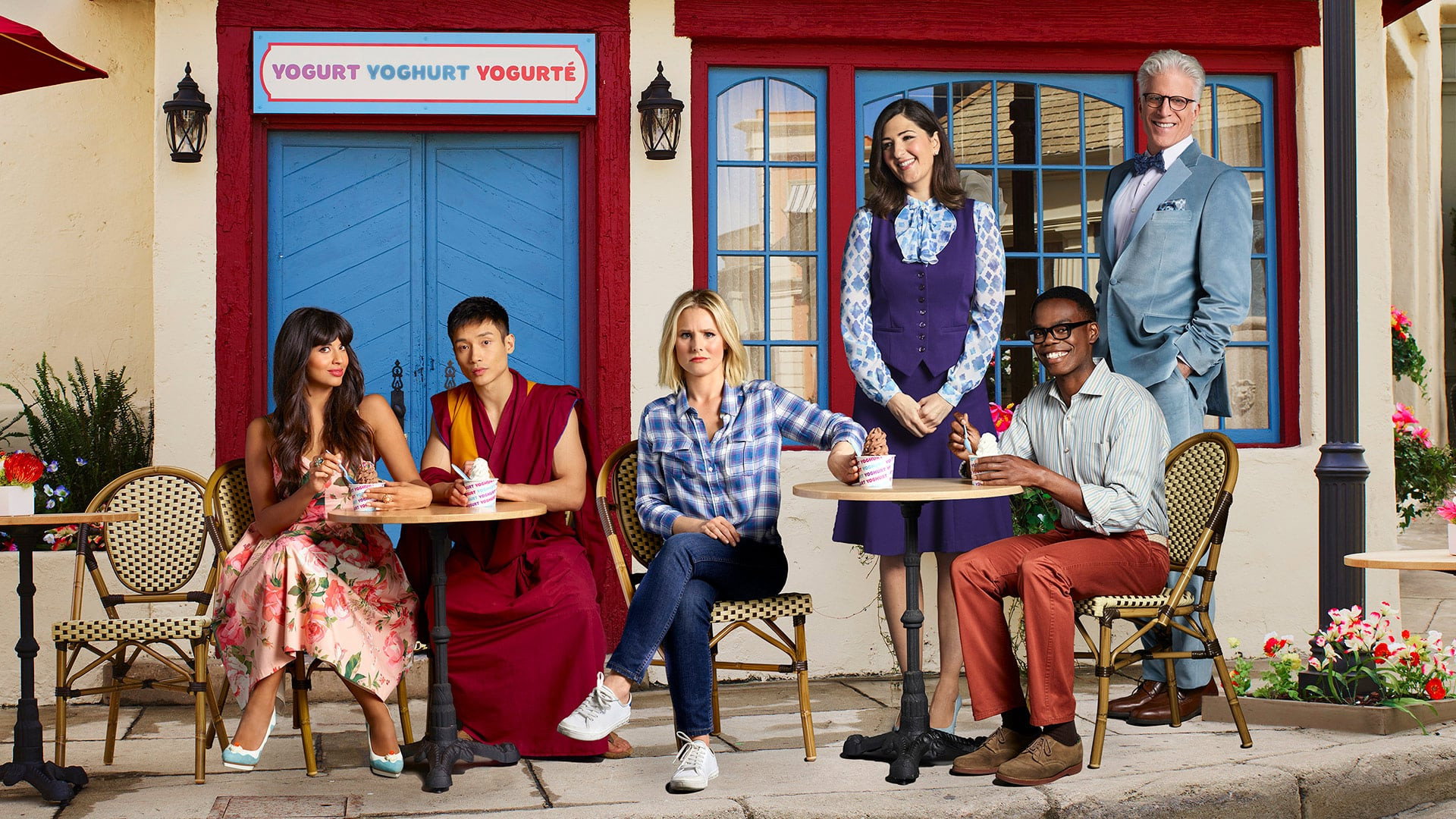
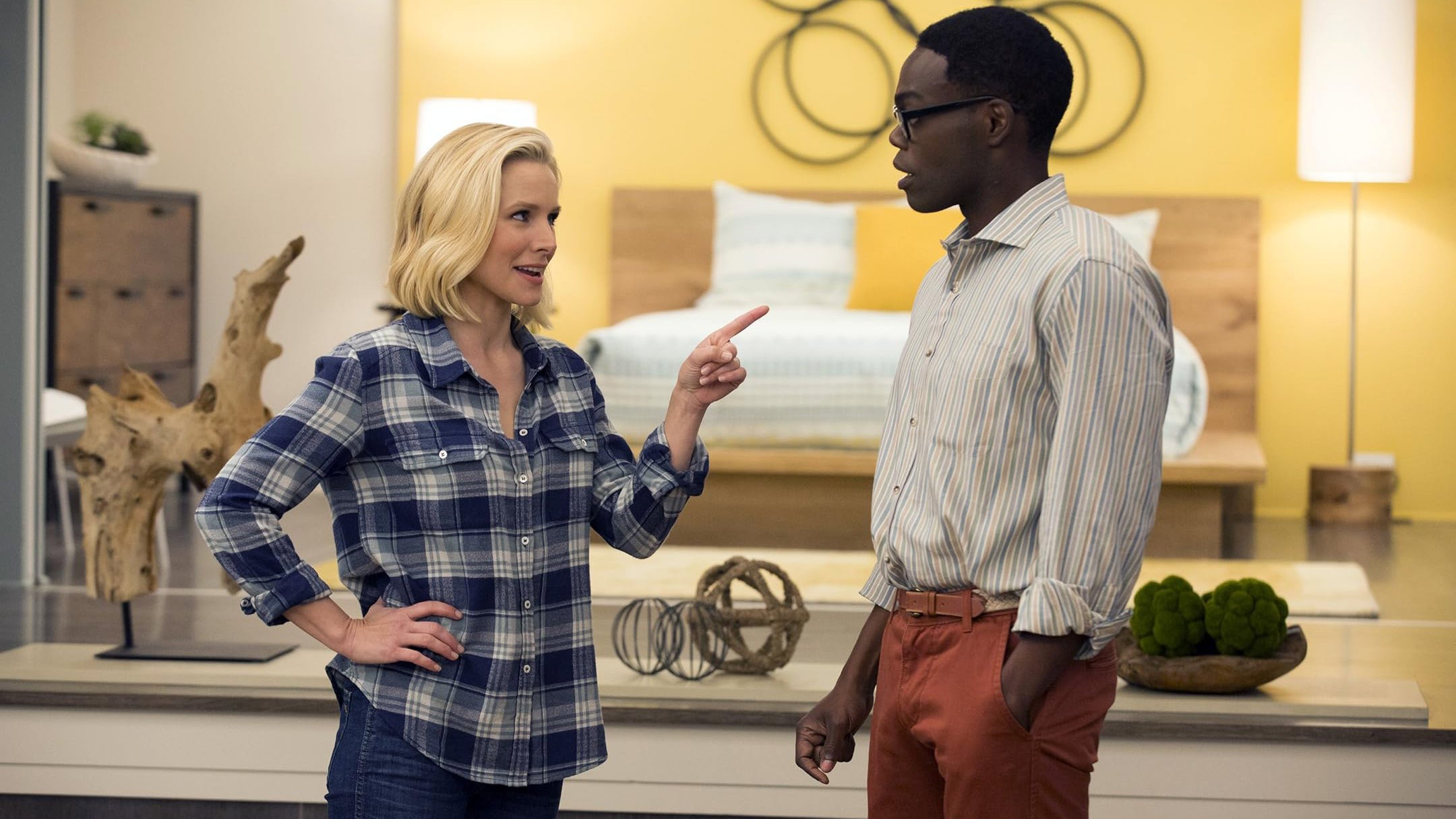
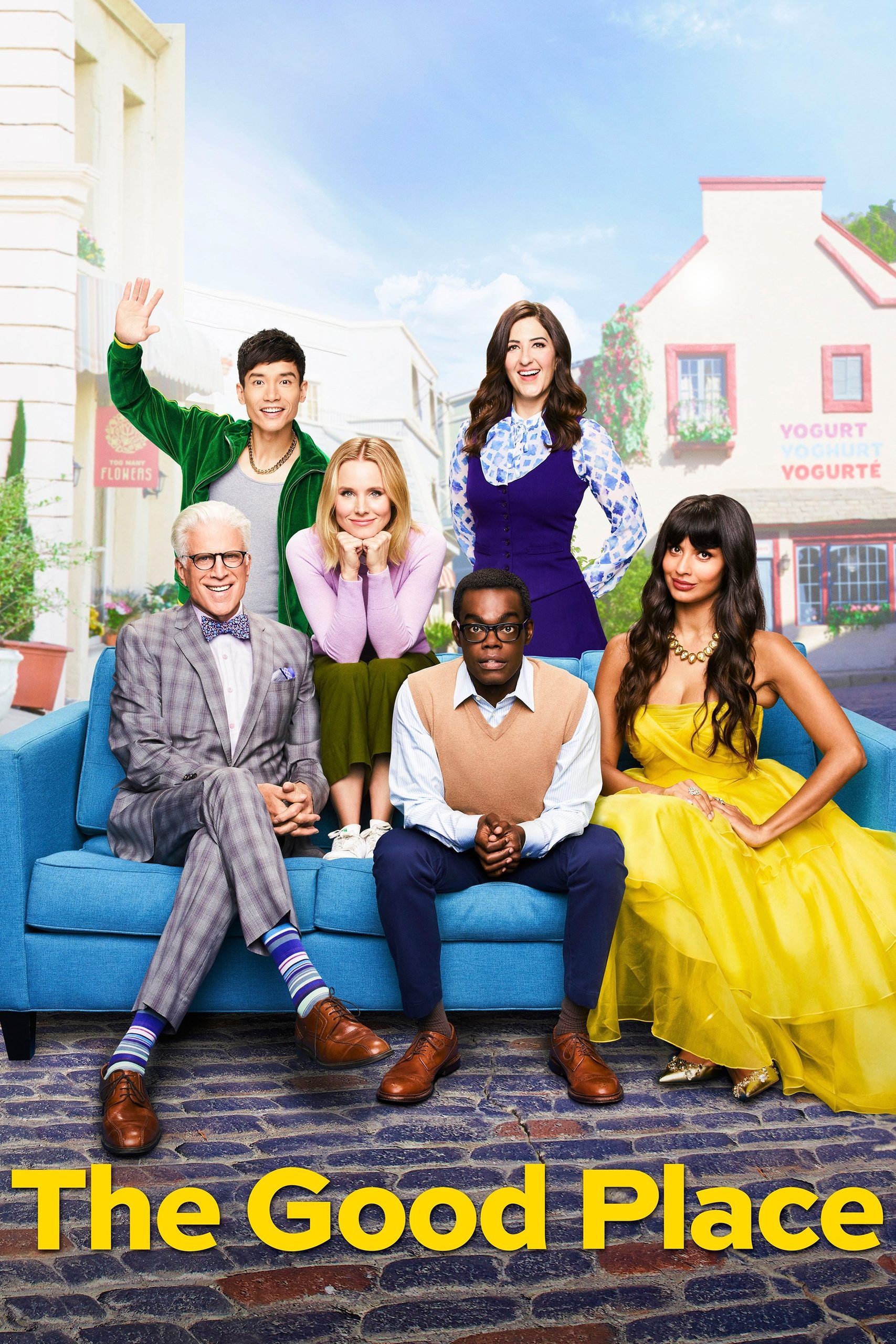
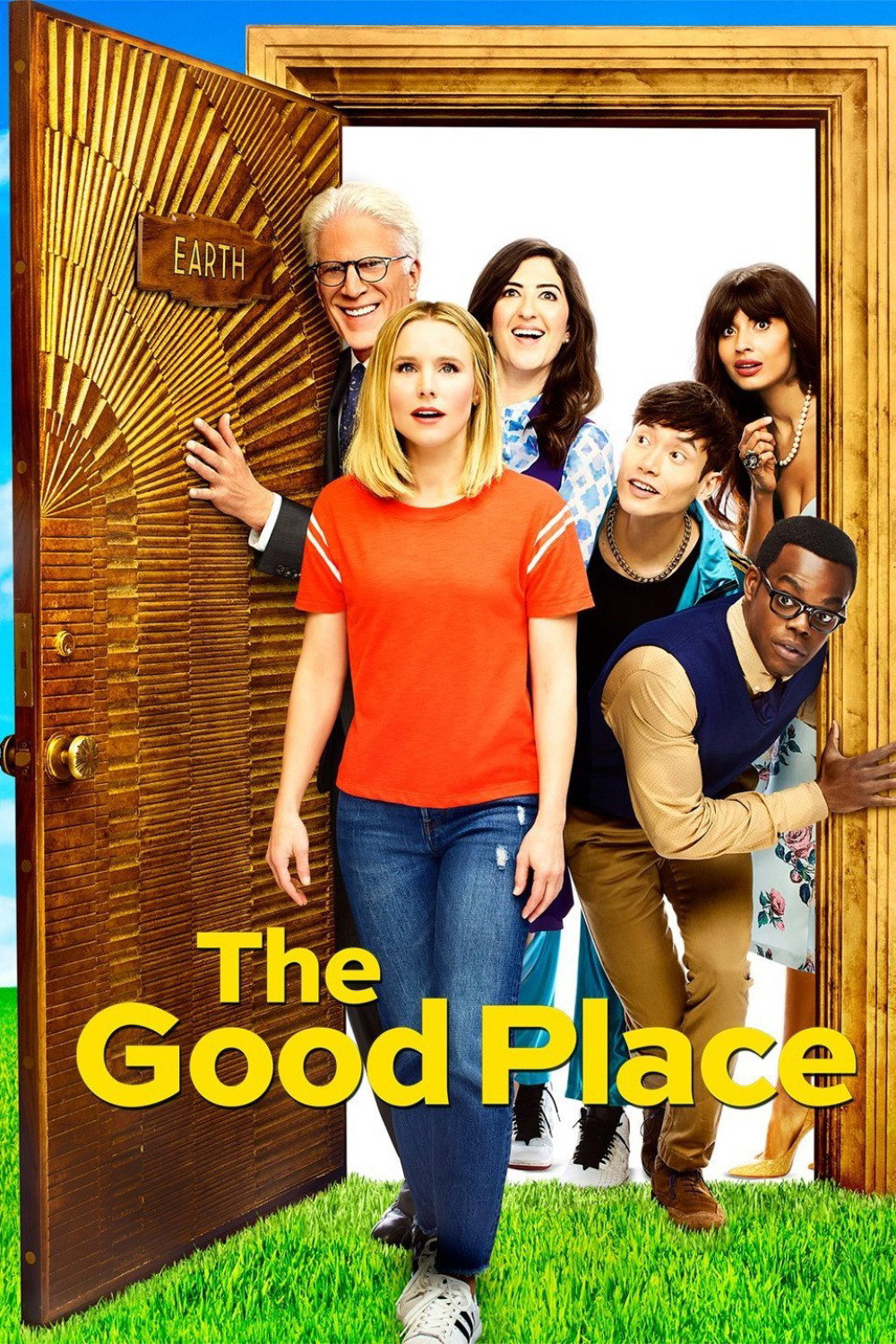
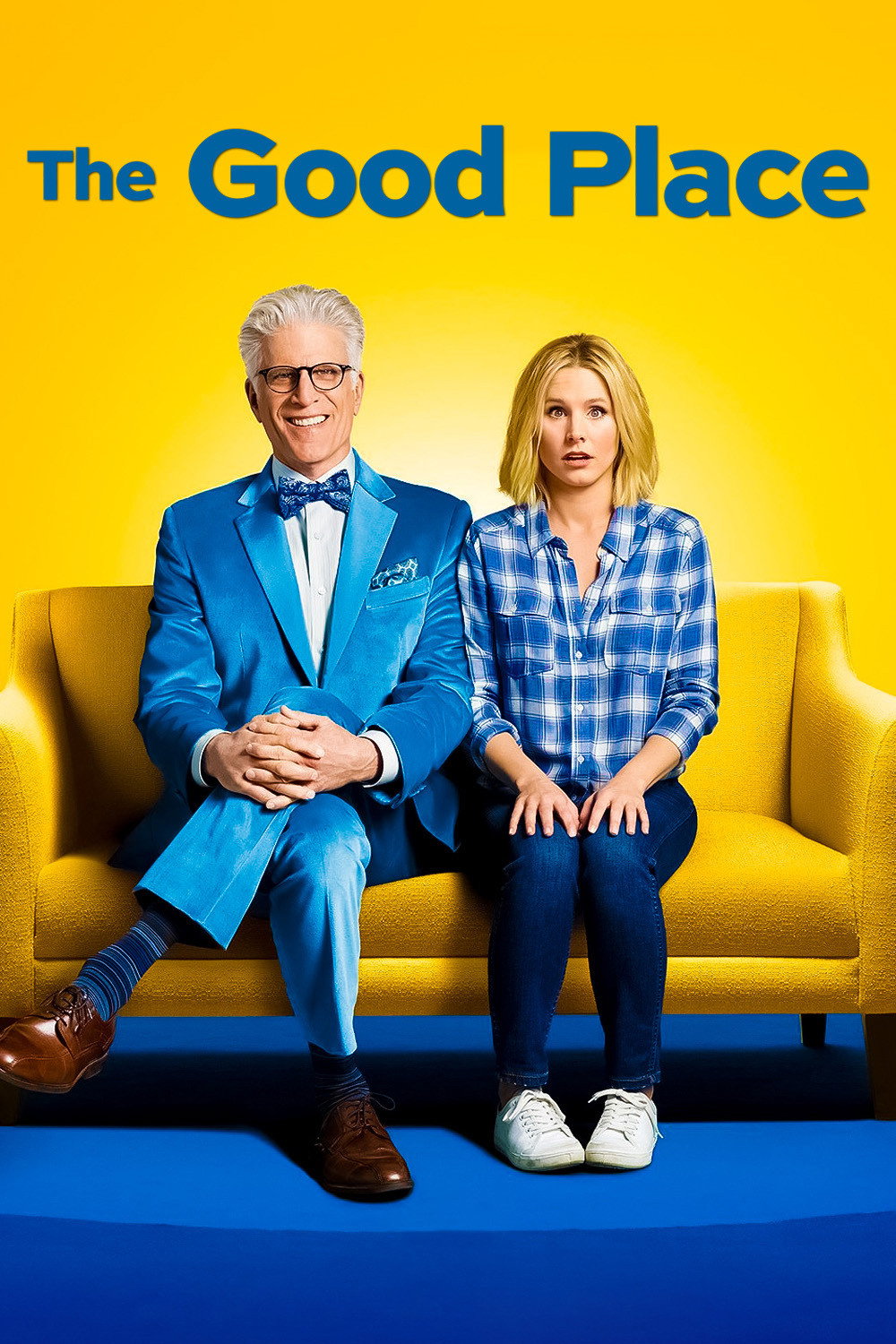
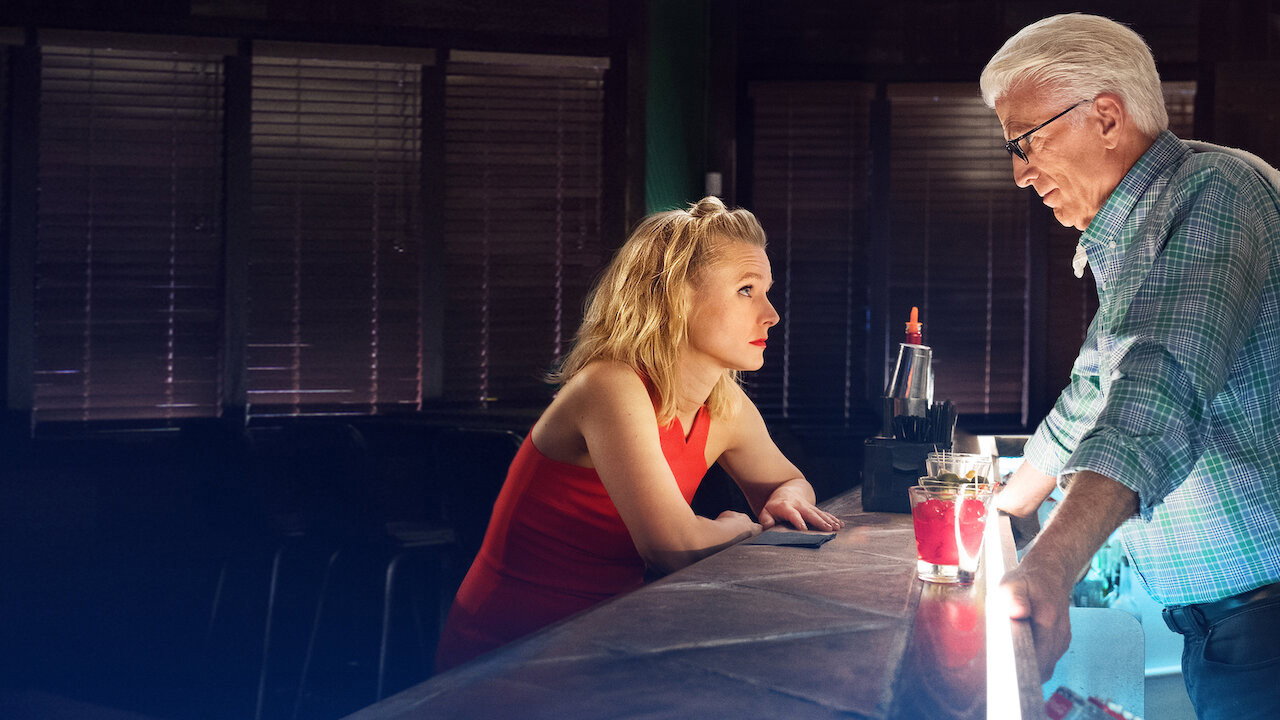
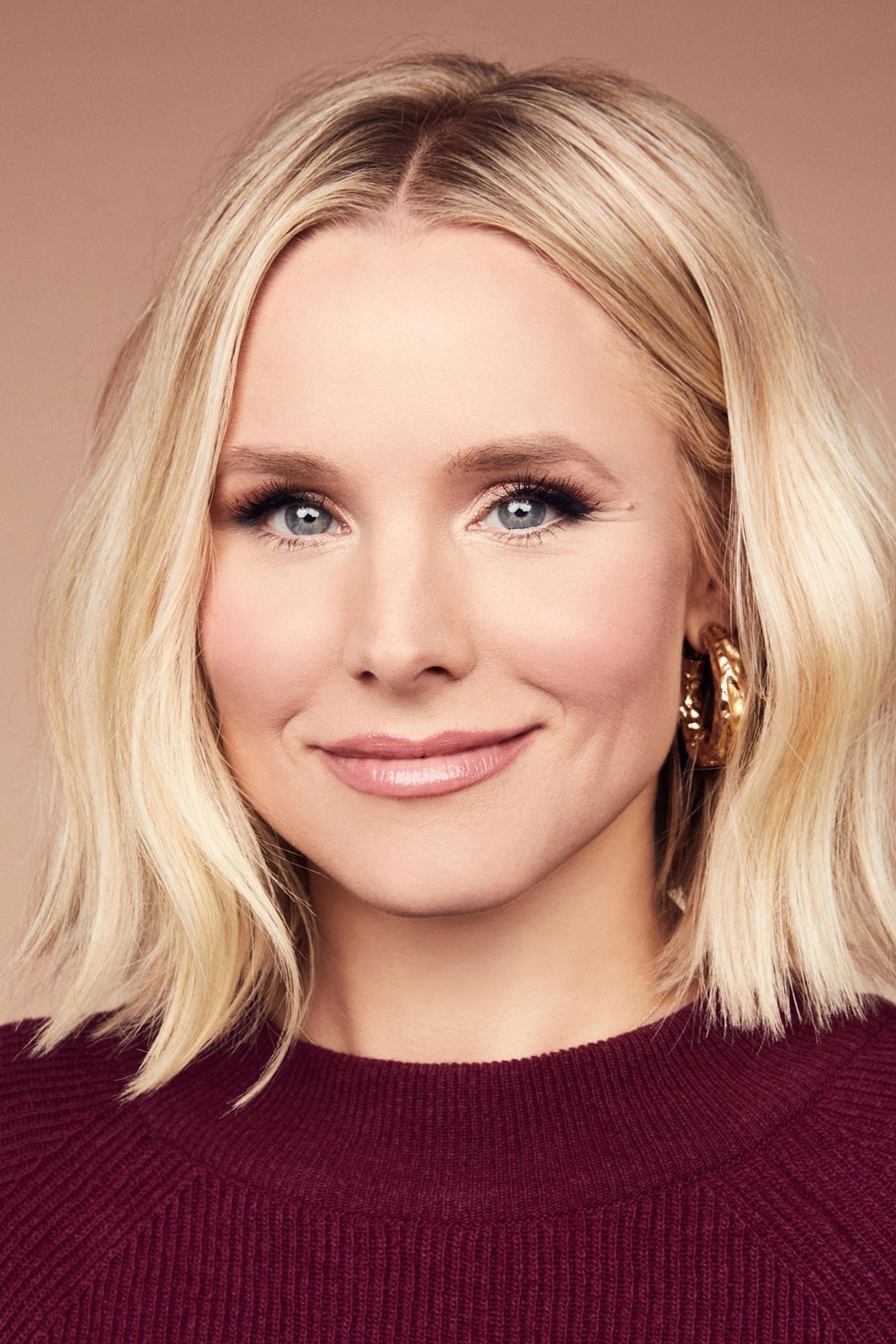
Eleanor Shellstrop (Kristen Bell) wakes in a waiting room beneath the words “Welcome. Everything is fine.” Michael (Ted Danson), the neighbourhood’s architect, tells her she has died and, having spent her life freeing the wrongly convicted, has entered the Good Place: a pastel town of frozen yoghurt shops where nobody can swear and everyone gets a soulmate. Eleanor was never a lawyer. She confesses to her soulmate, ethics professor Chidi Anagonye (William Jackson Harper). Her neighbours are philanthropist Tahani Al-Jamil (Jameela Jamil) and the silent Jason Mendoza (Manny Jacinto); Janet (D’Arcy Carden) answers any question. After a party, shrimp fill the sky, and Eleanor asks Chidi to teach her to deserve to stay.

Fi1m review

Michael Schur’s afterlife comedy is the rare sitcom with an idea it follows through, and a cast who can land a lecture on Kant as a punchline. It loses its way in the third season and finds it again in the fourth.

Michael Schur, who made Parks and Recreation, has built a sitcom about the afterlife and used it to ask a question most comedies would not go near: can a bad person learn to be good, and does it count if she only does it to save her own skin? The Good Place ran four seasons of 22-minute episodes, 50 in all, from 19 September 2016 to a last run that began on 26 September 2019. It is good, and for long stretches better than that. It is also, for most of its third year, a programme that likes its ideas more than its people, and we will come to that.

The neighbourhood is the first joke and the best one. Matt Flynn designs it as a pastel town square with a frozen yoghurt shop on every corner, cottages built to each resident’s taste, and, for Eleanor, a house hung with clown paintings because the file said she liked clowns. David J. Miller and Barry Peterson light all of it flat and bright, like a brochure for a resort that has never received a complaint. Kirston Leigh Mann puts Michael in bow ties and a waistcoat, Tahani in gowns that would embarrass a coronation, and Chidi in the cardigans of a man who has never once been comfortable.

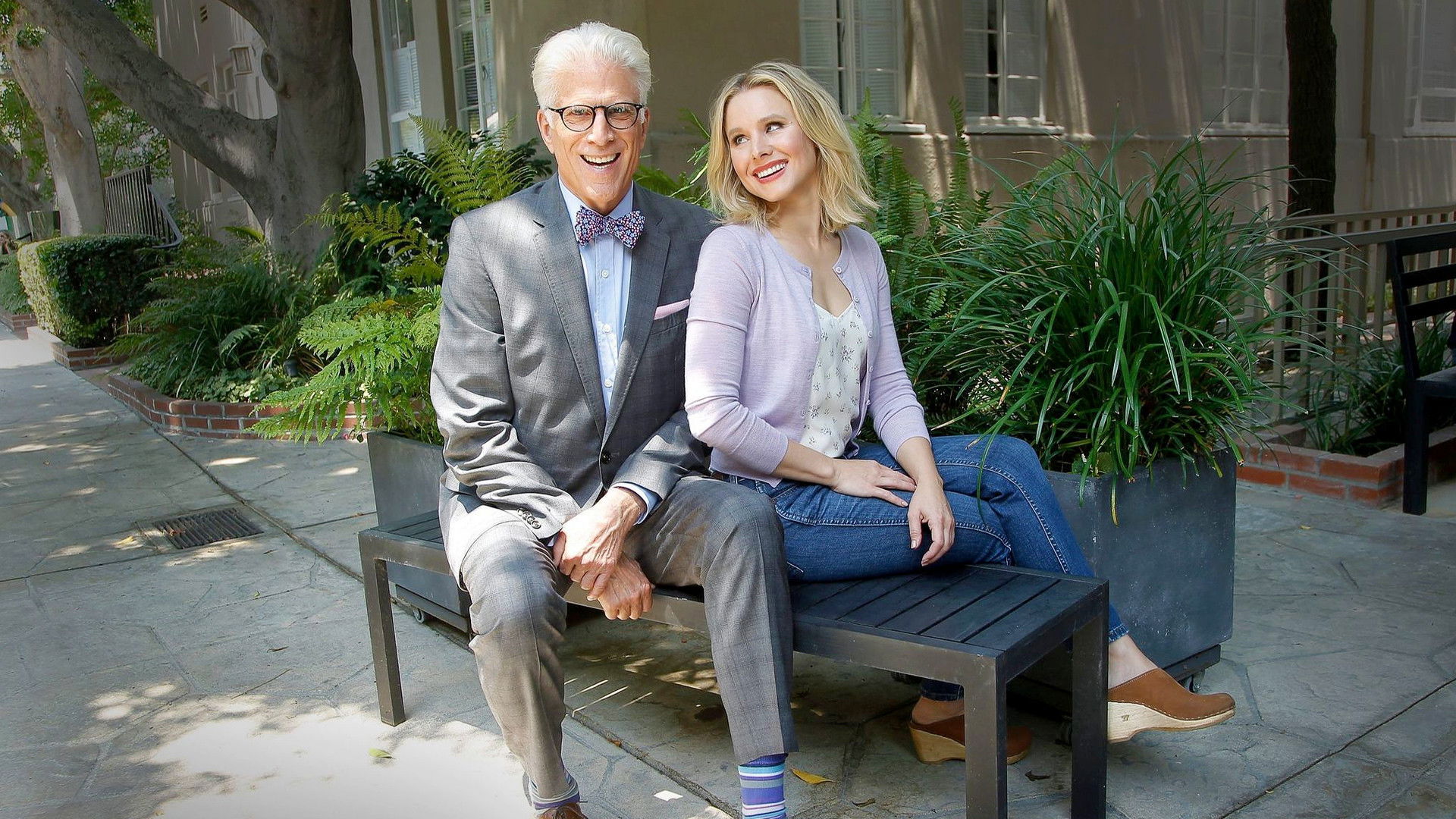
Ted Danson plays Michael, the architect of the place, as an immortal who has read a great deal about humans and never met one, thrilled by paper clips, baffled by grief. It is the loosest, happiest work he has done in years, and he can go from delight to panic in a single blink. Kristen Bell’s Eleanor is an Arizona saleswoman with no filter and no shame, and Bell’s trick is to let us see the exact second she notices she has been cruel and decides, grudgingly, to mind. The two of them at a desk, one lying and the other not listening, are the engine of the first season.

Around them Schur’s writers, Megan Amram, Joe Mande, Jen Statsky and Cord Jefferson among them, build an ensemble with no weak seat. William Jackson Harper’s Chidi is an ethics professor whose stomach hurts whenever he has to choose, and the chalkboard scenes, Aristotle, Kant, the trolley problem, are written by people who have read the books and still want the punchline. Jameela Jamil’s Tahani drops names the way other people drop crumbs. D’Arcy Carden’s Janet, the neighbourhood’s walking database, delivers appalling news in the voice of a helpline. And we laughed out loud, repeatedly and against our better judgement, at Manny Jacinto’s Jason Mendoza, from Jacksonville, who says the stupidest thing in every scene with the serenity of a man who has never had a doubt.

Not everything holds. The third season is the weakest: busier with concepts than with people, and the neighbourhood, the programme’s best asset, gets less of the screen. Schur’s willingness to tear up what he has built is a virtue in year one and something closer to a tic by year three. The philosophy occasionally stops being dramatised and simply gets taught, and 22 minutes is not long enough for a joke every fifteen seconds and a lecture. One of the reviews we read decided the whole thing ran out of road once the premise was spent. We think the reverse: the premise is the least of it, and the programme knows that before the audience does.

The first season ends on a turn we will not describe. What we can say is that the programme is different afterwards, and better, and that it earns a last episode which slows right down and lets its people sit and talk. That episode moved us more than a comedy with a frozen yoghurt shop on every corner had any right to, and the credit belongs to a cast who by then can do more with a silence than most sitcoms manage with a script. The editors, Eric Kissack, Colin Patton, Matthew Freund and Matthew Barbato, cut the early chaos, the shrimp in the sky, the giraffes in the square, at a clip, and then have the sense to hold still when the writing does.

Watch it in order and do not skip the pilot, which Drew Goddard directs with more patience than the form usually allows. It carries a 15 certificate, which is a strange thing to say about a programme in which nobody is permitted to say a swear word.
Critical consensus AI synthesised

72
Positive
6
Mixed
0
Negative
1

Most critics like The Good Place, and they like it for the same reasons. The praise clusters around Michael Schur’s writing, which several reviews call brisk, inventive and unusually cheerful about asking questions of morality, and around the two leads. Kristen Bell is picked out for her comic timing and Ted Danson for stealing scenes with little apparent effort. The afterlife setting, and the world built around it, is credited with making the show stand apart from other network sitcoms.

The reservations are about staying power rather than quality. Two early reviews find it gently amusing rather than funny and wonder whether the premise can carry more than a handful of episodes. IndieWire goes further, judging that the show loses momentum almost at once. The spread is otherwise narrow, six positives to one dissent, and the single later review of the final season suggests the doubts about longevity did not come to much.

Radio Times
· Sarah Doran
90*

The critic finds the series unmissable thanks to its central twist and strong supporting cast. Danson is singled out for stealing scenes with ethereal ease in this fantasy comedy about an afterlife mix-up.

Read the full review →
Vulture
19 September 2016
85*

The critic finds the series irresistible and flat-out fun, praising its inventive world-building, character-driven comedy, and strong ensemble cast led by Kristen Bell and Ted Danson.

Read the full review →
The Guardian
28 September 2017
80*

The critic praises the brisk, imaginative comedy from Parks and Recreation creator Michael Schur, highlighting Kristen Bell's irresistible comic performance and the fun, infectious writing that explores morality in a cartoonish, brisk style.

Read the full review →
The Hollywood Reporter
19 September 2016 · Tim Goodman
70*

The critic describes the show as sunny and funny, delivering immediately with original jokes and strong performances from Bell and Danson. It praises Schur’s creative writing and notes the breezy comedy provides a welcome respite, though it must prove it has more to offer beyond the central premise over time.

Read the full review →
Variety
15 September 2016 · Maureen Ryan
70*

The review calls the show earnest and pleasant, praising its unusual afterlife setting and sprightly tone that helps it stand apart. It notes the series is more gently amusing than laugh-out-loud funny in its early episodes and may need time to find its footing, though the leads make it worth watching.

Read the full review →
IndieWire
15 September 2016 · Ben Travers
30*

The series starts strongly with its premise and lead performances but quickly loses momentum and fails to sustain its early promise as a network sitcom.

Read the full review →

Cast

Awards

Hugo Awards, 2018

Won
Best Dramatic Presentation, Short Form

If you liked this, try…

A Matter of Life and Death poster92

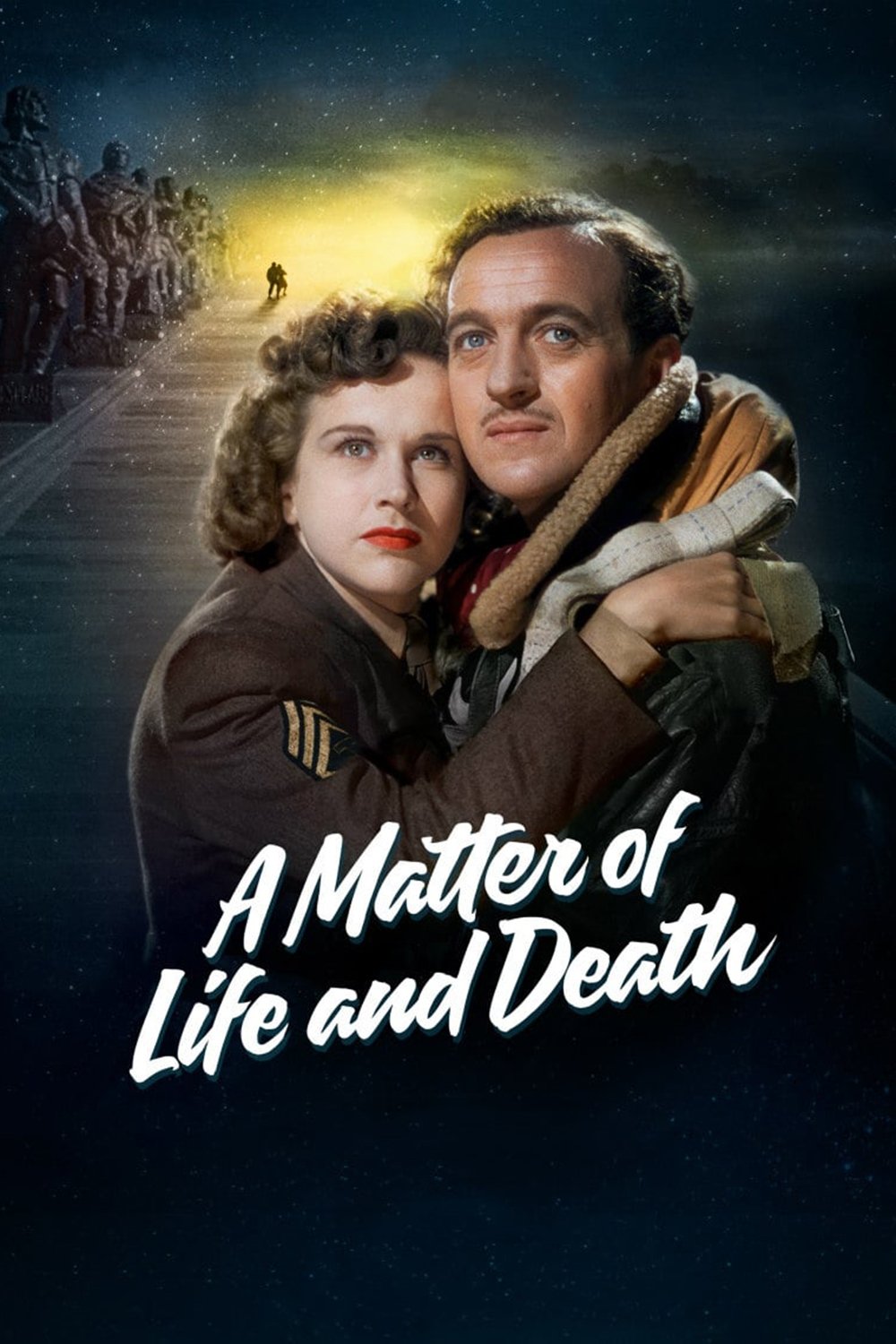
A Matter of Life and Death

1946 · Powell and Pressburger put the afterlife on trial and Technicolor on Earth; still the standard.

Defending Your Life poster

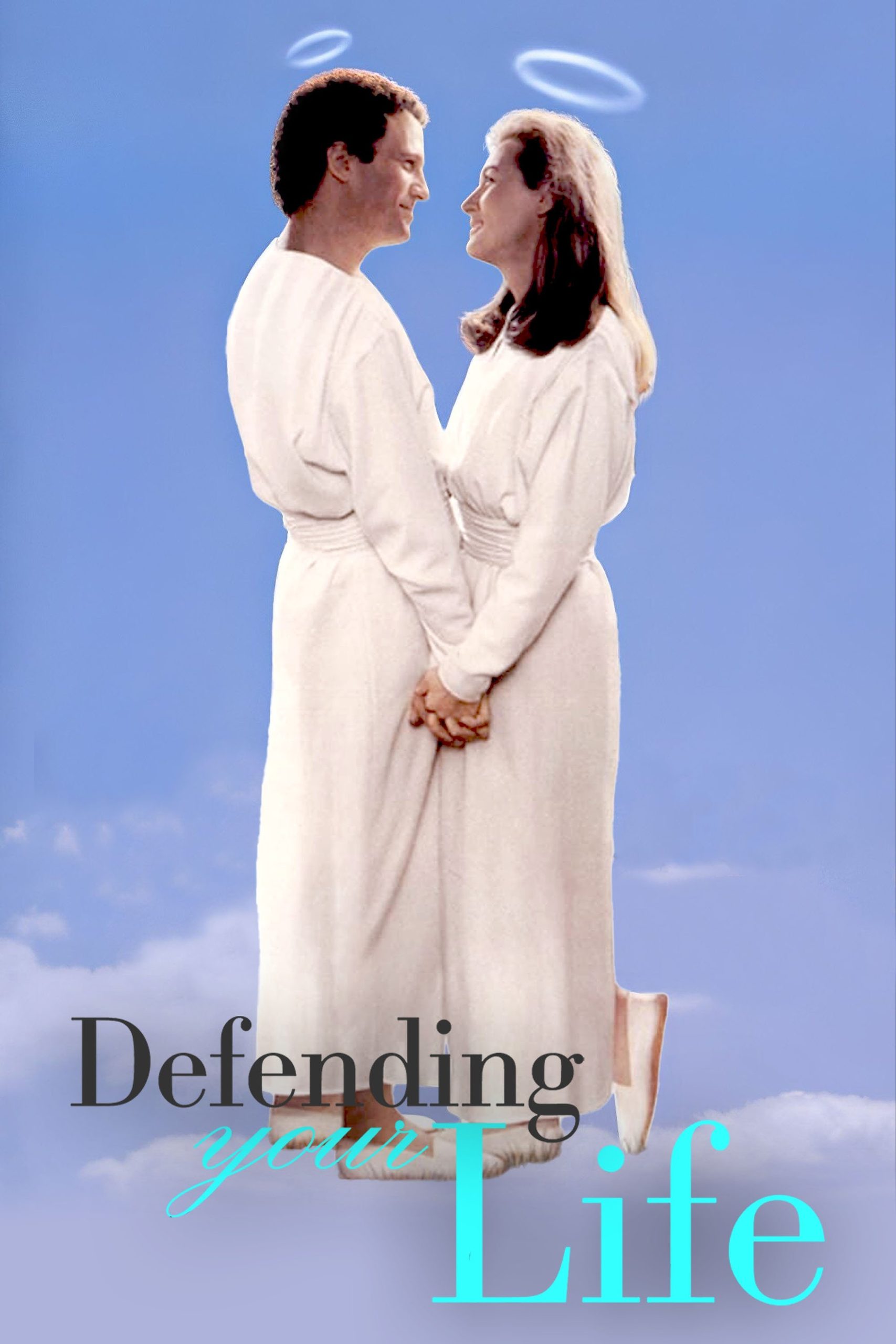
Defending Your Life

1991 · Albert Brooks argues his case in a purgatory of shopping malls; the closest cousin.

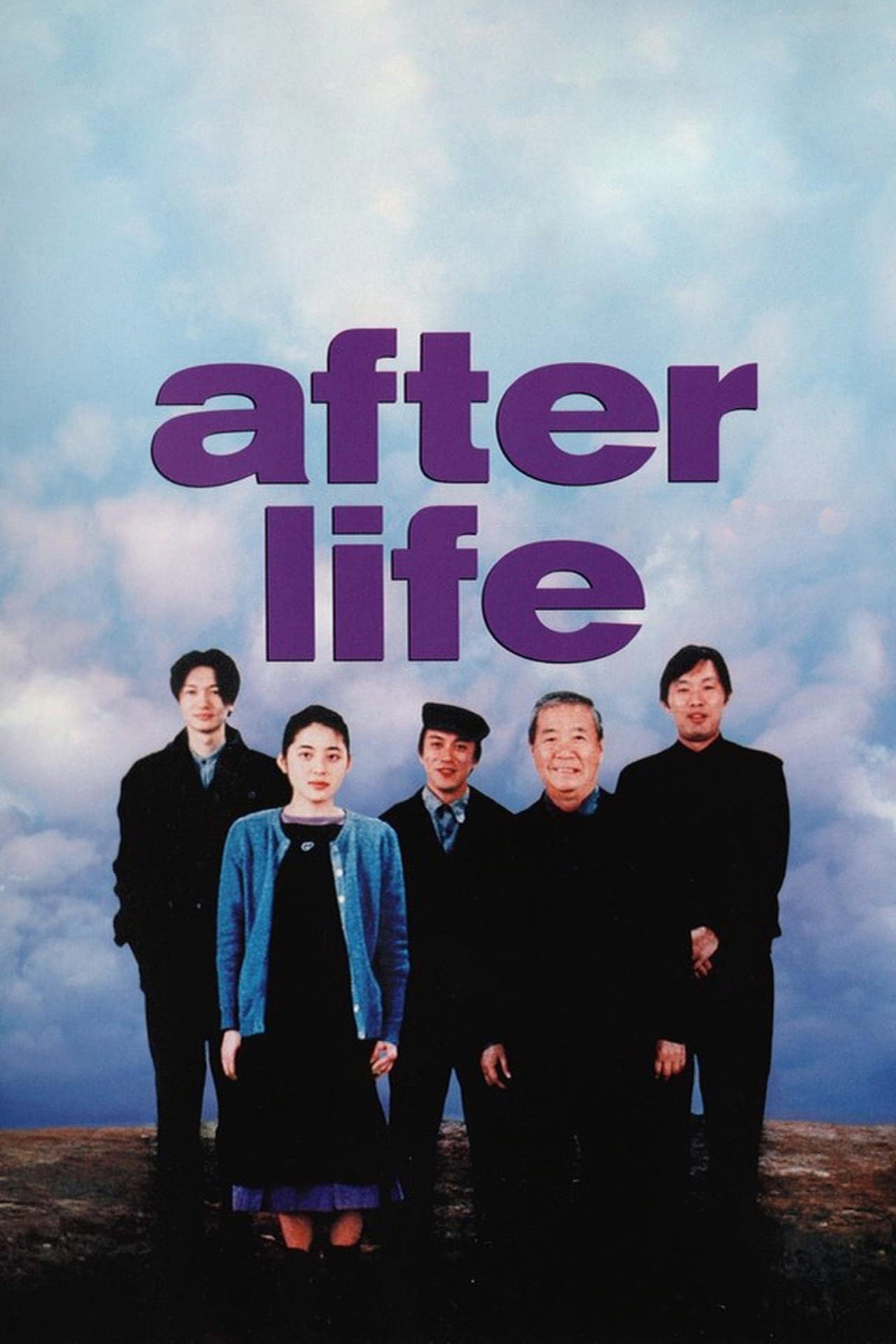
After Life poster

After Life

1998 · Kore-eda’s dead choose one memory to keep, quietly, in a shabby office block.

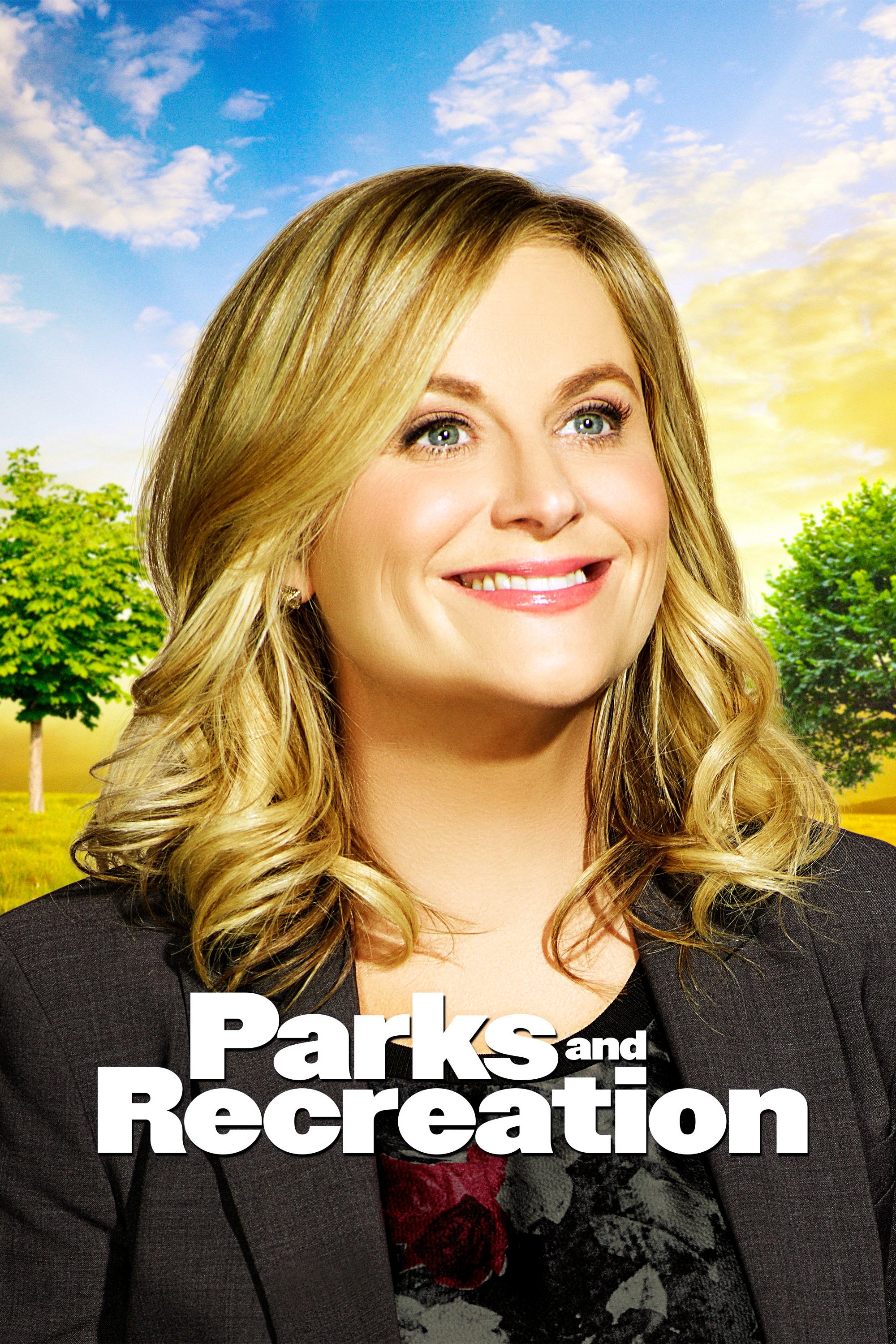
Parks and Recreation poster

Parks and Recreation

2009 · Schur’s earlier sitcom, where the same warmth was spent on municipal government.

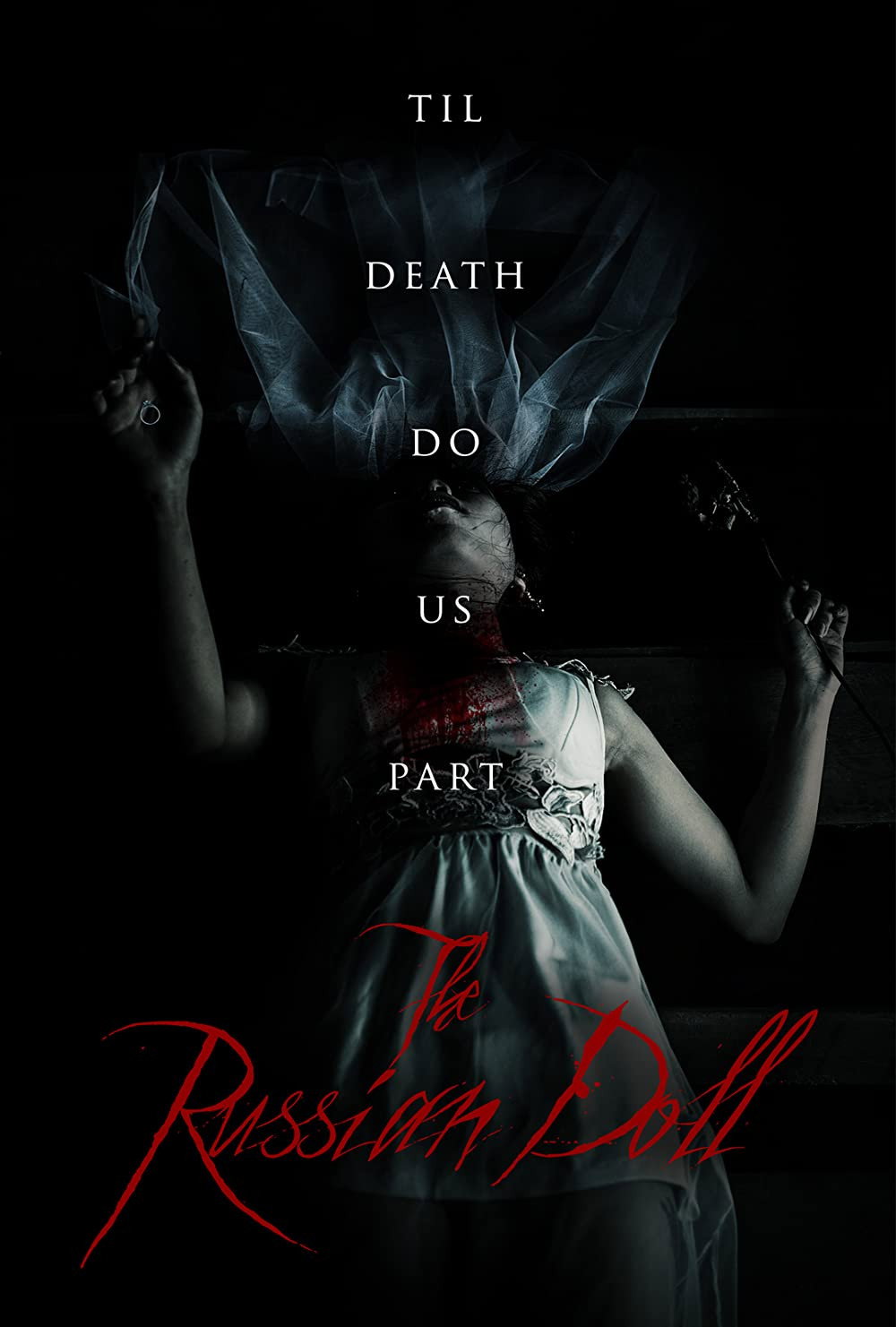
Russian Doll poster

Russian Doll

2019 · Natasha Lyonne dies at her own birthday party, repeatedly, and learns something each time.